

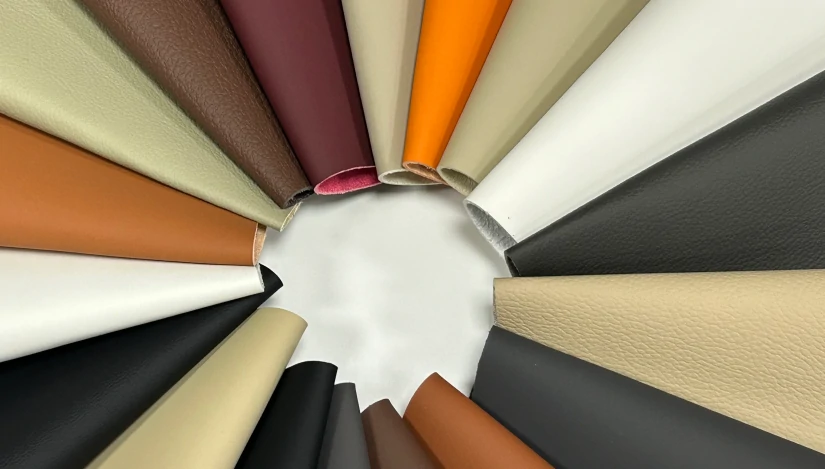
As the automotive and furniture industries increasingly transition toward sustainable and high-performance materials, microfiber leather has emerged as one of the fastest-growing alternatives to genuine leather. Today, microfiber leather is widely utilized in a variety of applications, including car seats, automotive interiors, sofas, office chairs, and commercial furniture.
However, many buyers still ask: Is microfiber leather superior to genuine leather?
The answer depends on factors such as durability, aesthetics, environmental performance, maintenance requirements, and cost. In this article, we will provide a detailed explanation of the different types of microfiber leather and discuss which material is best suited for automotive interior and furniture applications.
What is Microfiber Leather?
Microfiber leather is a high-performance synthetic leather made from microfiber nonwoven fabric and PU resin. It closely imitates genuine leather while offering better stability and easier maintenance.
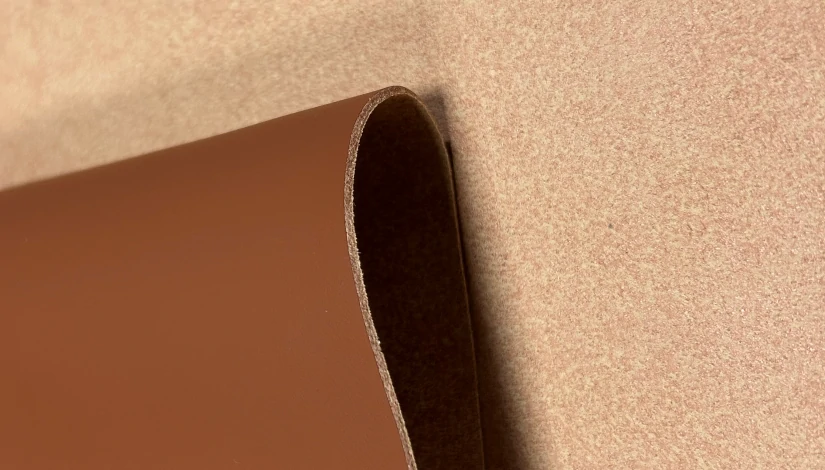
Why is microfiber leather considered advanced synthetic leather?
Microfiber leather is one of the most advanced artificial leather materials available today. It combines ultra-fine microfiber fabric with polyurethane resin to create a dense and durable structure. Compared with traditional PU leather, microfiber leather has a much tighter fiber network. Because of this, it delivers stronger abrasion resistance, better tear strength, improved flexibility, and higher breathability.
I often explain to customers that microfiber leather does not simply copy the look of real leather. Instead, it improves several weak points found in natural leather. Genuine leather can show natural scars, texture inconsistency, and uneven colors. Microfiber leather provides a cleaner and more stable surface, which is important for automotive brands and furniture manufacturers that require consistent production quality.
| Feature | Microfiber Leather | Genuine Leather |
|---|---|---|
| Surface Consistency | Very stable | Natural variation |
| Maintenance | Easy to clean | Needs conditioning |
| Water Resistance | Good | Moderate |
| Production Cost | Lower | Higher |
In recent years, many manufacturers have preferred microfiber leather because it provides a premium feel while reducing environmental pressure and production expenses. This shift is becoming very common in modern vehicle interiors and commercial furniture projects.
What are the benefits of microfiber leather?
Microfiber leather possesses several key advantages that make it highly suited to the demands of modern manufacturing. One of the most significant benefits of microfiber leather is its exceptional durability. Thanks to its dense, ultrafine fiber base structure, it exhibits excellent resistance to abrasion, scratches, and tearing. This makes it an ideal choice for high-traffic environments—such as automotive seating, sofas, office chairs, and commercial furniture—where materials must withstand daily wear and frequent use.
Another major advantage lies in its consistent quality and appearance. Unlike genuine leather, which naturally varies in texture and may contain imperfections, microfiber leather can be produced with a uniform surface and stable coloration. This consistency is particularly crucial for automotive brands and furniture manufacturers that require standardized, large-scale production. Microfiber leather is renowned for its comfort and premium tactile feel. High-quality microfiber materials closely mimic the softness and elasticity of genuine leather, providing a comfortable seating experience in both automotive and home environments.
Furthermore, it is easier to clean and maintain; most microfiber leather surfaces are water-resistant, eliminating the need for the complex care regimens typically required for natural leather. Additionally, microfiber leather offers superior environmental credentials—particularly advanced varieties, such as solvent-free microfiber leather. The production of these materials generates fewer emissions of volatile organic compounds (VOCs), thereby meeting the global market’s growing demand for eco-friendly and vegan leather alternatives.
| Benefit | Application Value |
|---|---|
| High Durability | Long service life |
| Easy Maintenance | Lower cleaning cost |
| Stable Appearance | Consistent production quality |
| Eco-Friendly Options | Supports sustainability goals |
Overall, microfiber leather combines durability, aesthetic appeal, ease of maintenance, and sustainability, making it a practical and cost-effective choice for automotive interiors and furniture applications.
What are the different types of microfiber Leather?
Not all microfiber leather performs the same in real applications.
The main types include standard microfiber leather, solvent-free microfiber leather, and suede microfiber leather. Each type serves different performance and budget requirements.
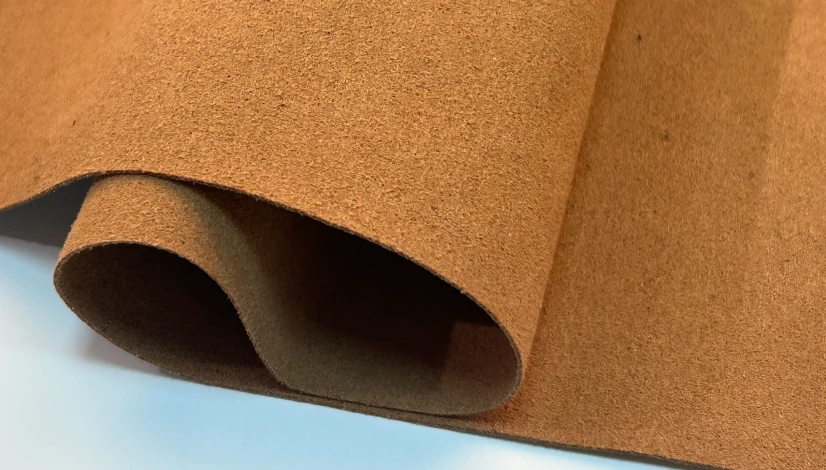
How do different microfiber leather types compare?
Microfiber leather is not a single uniform material. Manufacturers develop different versions to meet various market demands. The most common type is standard microfiber leather. This material balances cost and performance well. It is widely used in sofas, office chairs, automotive seats, and general furniture projects. It provides good durability, leather-like appearance, and stable manufacturing quality.
Another important category is solvent-free microfiber leather. This material uses advanced production methods that avoid traditional solvents. Because of this, it produces lower VOC emissions and significantly reduces chemical odor. Solvent-free microfiber leather also offers excellent hydrolysis resistance, which improves durability in hot and humid environments. Many premium automotive interiors and eco-certified furniture projects now prefer this material.
The third major type is suede microfiber leather. This material receives a special surface treatment that creates a soft matte texture similar to natural suede. It is commonly used for luxury car interiors, steering wheel covers, gaming chairs, headliners, and premium sofas. Many designers choose suede microfiber because it creates a more elegant and luxurious appearance.
| Type | Main Feature | Common Applications |
|---|---|---|
| Standard Microfiber | Balanced cost and quality | Sofas, office chairs |
| Solvent-Free Microfiber | Eco-friendly and durable | Luxury car interiors |
| Suede Microfiber | Soft matte texture | Gaming chairs, premium furniture |
I usually recommend choosing the material based on actual usage conditions instead of only price. Different applications require different performance priorities.
How long will microfiber leather last?
Low-quality synthetic leather can crack and peel very quickly.
High-quality microfiber leather can last 5 to 10 years or longer depending on material quality, usage conditions, and maintenance.
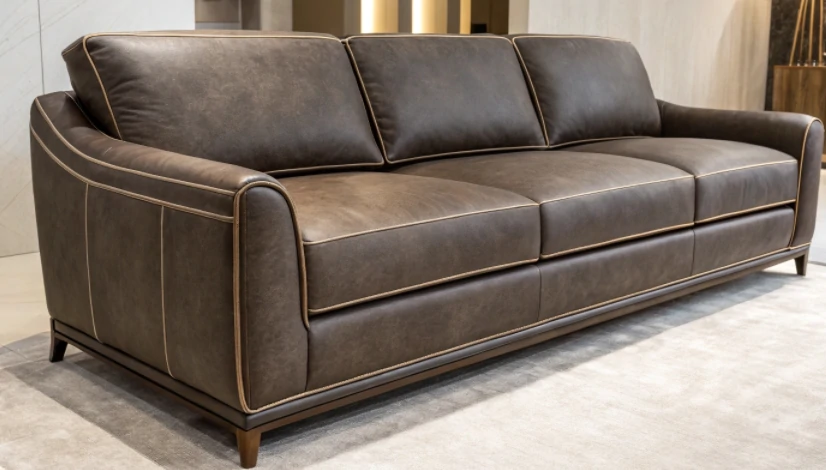
What factors affect the lifespan of microfiber leather?
The lifespan of microfiber leather depends heavily on material quality and application environment. Standard microfiber leather usually lasts between five and eight years under normal daily use. This makes it suitable for sofas, office chairs, and mid-range automotive seating. With proper maintenance and moderate usage, some products may last even longer.
Higher-grade materials such as automotive microfiber leather and solvent-free microfiber leather can often achieve service lives of eight to ten years or more. These upgraded materials offer stronger wear resistance, improved hydrolysis resistance, and better structural stability. They perform very well under heat, humidity, and constant friction.
In many practical applications, high-quality microfiber leather can even outperform genuine leather. Natural leather may dry out, crack, or require regular conditioning over time. Microfiber leather usually maintains a more stable structure while needing very little maintenance.
| Material Type | Average Lifespan | Best Application |
|---|---|---|
| Standard Microfiber | 5–8 years | Office chairs, sofas |
| Automotive Microfiber | 8–10 years | Car interiors |
| Solvent-Free Microfiber | 8–10+ years | Premium furniture |
From my experience, the final performance depends strongly on production quality and responsible material selection. Good microfiber leather can maintain both durability and appearance for many years in demanding commercial and automotive environments.
Conclusion
Microfiber leather combines durability, comfort, sustainability, and value for modern interiors.If you have any needs, please feel free to contact us at any time; we will provide you with the most professional service.