
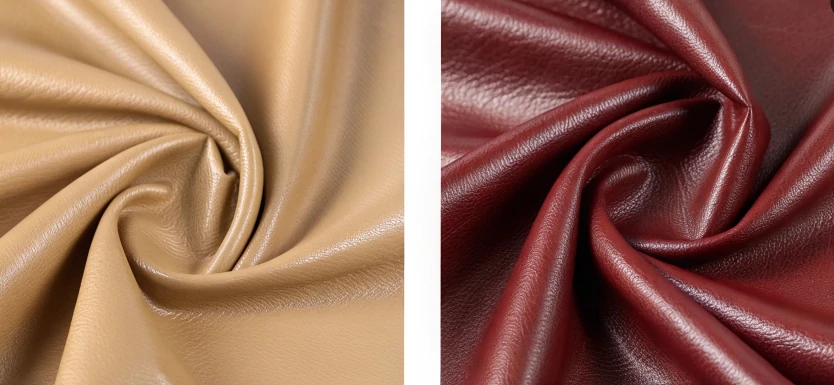
Wrong material choices often lead to product complaints and losses.
PU leather is softer and more breathable, while PVC leather is more water-resistant, durable, and cost-effective for heavy-duty use.
Many buyers think all synthetic leather materials are basically the same. I heard this many times when clients first contacted me. Yet once products enter real usage environments, the difference becomes very clear. Some materials work better for sofas, while others survive better in restaurants, public seating, or outdoor conditions. This is why I always ask clients about the final application before discussing prices. Different environments create different material demands, and the wrong choice can directly affect durability, comfort, and customer satisfaction.
What Is PU Leather?
Cheap synthetic leather often feels stiff and uncomfortable.
PU stands for “Polyurethane.” PU leather is a type of artificial synthetic leather made from polyurethane material. It is typically produced by coating the surface of a textile fabric with a layer of PU resin, which then undergoes processing techniques—such as embossing and coloring—to replicate the texture and tactile feel of genuine leather.
Compared to PVC leather, PU leather is softer and more breathable, and its feel is closer to that of natural leather; consequently, it is frequently utilized in medium-to-high-end products such as furniture, clothing, footwear, bags, and automotive interiors. Not only does PU leather possess a more natural appearance, but it is also lighter in weight, exhibits superior resistance to bending, and offers greater comfort during use.
Furthermore, it is generally considered more environmentally friendly than PVC, as its production process requires fewer plasticizers and generates relatively less odor. However, while PU leather boasts a superior texture, its water resistance and abrasion resistance can sometimes be inferior to those of PVC; over prolonged periods of use, it may also be susceptible to issues such as aging, peeling, or surface wear.
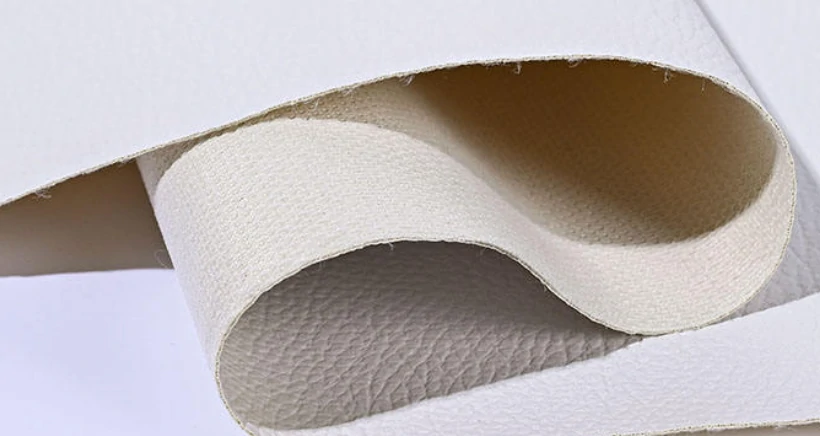
Why PU leather feels closer to genuine leather
One reason many brands prefer PU leather is comfort. PU materials usually feel softer and more flexible than PVC. When customers touch PU leather, the texture feels smoother and more natural. This is especially important for furniture, fashion products, and automotive interiors where comfort matters.
| Feature | PU Leather |
|---|---|
| Softness | High |
| Breathability | Better |
| Weight | Lighter |
| Appearance | Closer to real leather |
Where PU leather is commonly used
In my export business, many furniture factories choose PU leather for sofas and upholstered beds because customers want a more premium touch. Automotive interior suppliers also prefer PU for seat covers and door panels because it creates a more luxurious appearance.
PU leather also performs better in flexibility tests. It bends more naturally and feels less rigid over time. This helps products maintain comfort during long-term use. At the same time, modern PU materials are becoming more environmentally friendly because they require fewer plasticizers during production.
Still, PU leather has limits. Prolonged sunlight exposure or excessive moisture may eventually cause peeling or aging. I usually explain this carefully to clients who plan to use PU materials in outdoor or commercial environments with heavy traffic.
What Is PVC Leather?
Some soft materials fail quickly under heavy commercial use.
PVC leather is a durable synthetic leather made with polyvinyl chloride that offers strong water resistance and lower production cost.
PVC leather, also called vinyl leather, is another major type of synthetic leather. It is produced by coating fabric with polyvinyl chloride material. The surface then goes through embossing and coloring processes to imitate natural leather textures.
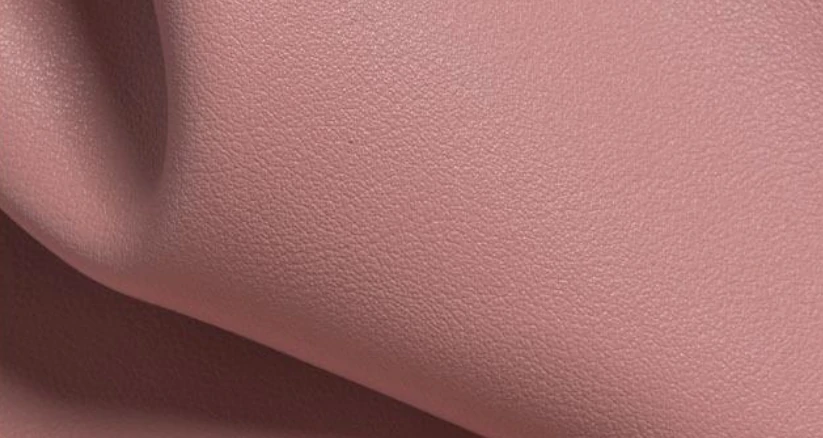
Why PVC leather remains popular
Many buyers still choose PVC because of durability and affordability. PVC leather has excellent resistance to water, stains, and chemicals. In restaurants, public seating, hospitals, and commercial furniture, easy cleaning is often more important than softness.
| Feature | PVC Leather |
|---|---|
| Water Resistance | Excellent |
| Stain Resistance | High |
| Cost | Lower |
| Ease of Cleaning | Very easy |
Its advantages in commercial environments
I worked with one restaurant furniture client who selected PVC leather because staff cleaned the seating many times every day. PU leather would have provided more comfort, but PVC delivered better long-term resistance against cleaning chemicals and food stains.
PVC also allows manufacturers to produce a wide variety of colors and patterns at lower cost. This helps budget-oriented furniture and bag manufacturers maintain competitive pricing.
However, PVC leather usually feels stiffer than PU. During hot weather, the surface may feel sticky. In cold environments, it may harden. Over long periods, especially under direct sunlight, some lower-quality PVC materials may crack or peel. This is why more brands today are gradually shifting toward PU in premium product lines.
PU vs PVC KEY difference
Choosing the wrong material can damage product reputation fast.
PU leather focuses more on comfort and premium feel, while PVC leather focuses more on durability, water resistance, and lower cost.
The biggest difference between PU and PVC lies in material structure, touch, durability, environmental impact, and intended usage. Although both belong to synthetic leather categories, they serve different market needs.
Material feel and comfort comparison
PU leather feels softer and more elastic because polyurethane creates a smoother and finer structure. Many people compare high-quality PU leather to genuine leather because the touch feels more natural. PVC contains more plastic components, so it often feels harder and more artificial.
| Comparison Area | PU Leather | PVC Leather |
|---|---|---|
| Softness | Higher | Lower |
| Breathability | Better | Lower |
| Water Resistance | Moderate | Excellent |
| Environmental Impact | Lower | Higher |
| Cost | Higher | Lower |
Durability and environmental differences
PVC leather performs strongly in water resistance and stain resistance. It survives better in harsh commercial conditions. This is why it remains common in restaurant seating, waiting areas, and budget furniture.
PU leather performs better in comfort and appearance. It also generates fewer chemical odors during production and usually aligns better with modern environmental standards. Many countries and brands now reduce PVC usage because environmental regulations continue becoming stricter.
In my own experience, more international buyers now ask about eco-friendly certifications before discussing prices. Ten years ago, most conversations focused mainly on durability and cost. Today, comfort and environmental compliance have become equally important.
How I help clients choose
There is no single “best” material. The correct choice depends on product goals. If clients want softness, comfort, and a luxury appearance, I usually recommend PU leather. If the product needs strong water resistance, lower cost, and heavy-duty durability, PVC often becomes the better option.
For example, automotive interiors usually favor PU because passengers expect comfort and a premium feel. Commercial dining chairs may favor PVC because cleaning performance matters more. Every project requires balancing budget, durability, appearance, and customer expectations.
Conclusion
PU offers comfort and premium texture, while PVC provides durability and cost advantages for demanding environments.Which one do you prefer? If you are currently sourcing leather materials, please contact us—you are sure to enjoy a pleasant purchasing experience.