
When choosing synthetic leather for car seats, sofas, or commercial furniture, two materials are becoming increasingly popular: silicone leather and PU leather.
Both materials offer a vegan alternative to genuine leather, but they differ significantly in durability, comfort, environmental impact, and price.
So, which one is actually better?
In this guide, we’ll compare silicone leather vs PU leather in detail to help manufacturers, furniture brands, and buyers choose the right material for their projects.
What Is Silicone Leather?
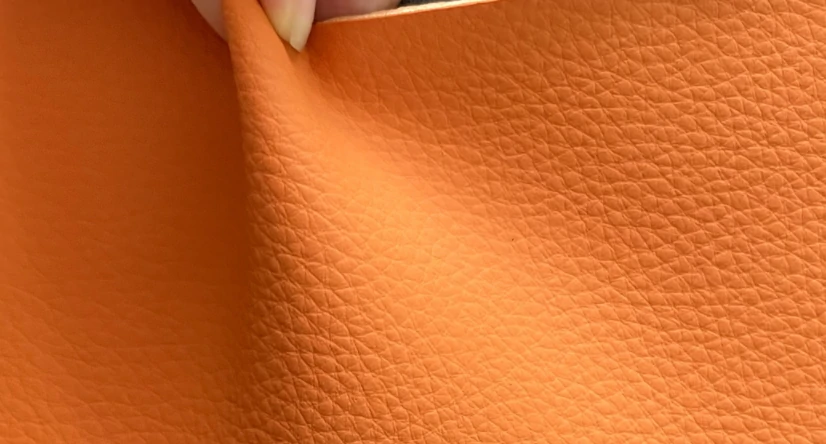
Silicone leather is a novel, eco-friendly artificial leather material that has garnered significant attention in recent years. Produced by coating a high-quality textile base fabric with silicone material, it combines the appearance and soft tactile feel of genuine leather with the superior performance characteristics of modern polymer materials.
Because it does not utilize animal hides, silicone leather is not only more environmentally friendly but also aligns with modern consumers’ demands for sustainability and green living; consequently, it is increasingly finding widespread application across diverse sectors, including furniture, automotive, healthcare, and high-end lifestyle products.
Why Silicone Leather Is Growing Fast
Compared to traditional leather materials, silicone leather offers superior water resistance, stain resistance, and abrasion resistance. In daily use—even upon contact with beverages, oil stains, or dust—it can be cleaned with ease, leaving no lingering marks. Furthermore, silicone leather exhibits excellent resistance to both high and low temperatures, as well as strong UV resistance; even after prolonged exposure to sunlight, it maintains color stability and is highly resistant to fading, aging, or cracking.
Consequently, it is a highly popular choice for outdoor furniture, automotive seating, and public spaces.
In terms of tactile quality, silicone leather features a soft, fine-textured surface that offers exceptional comfort, elasticity, and a pleasant, skin-friendly feel, thereby delivering a more premium and comfortable user experience.
Moreover, thanks to the inherent stability of silicone material, it emits minimal odor and features low VOC (Volatile Organic Compound) emissions, making it a safer and healthier option—particularly well-suited for children’s products, medical furnishings, and indoor environments with strict environmental standards.
What Is PU Leather?
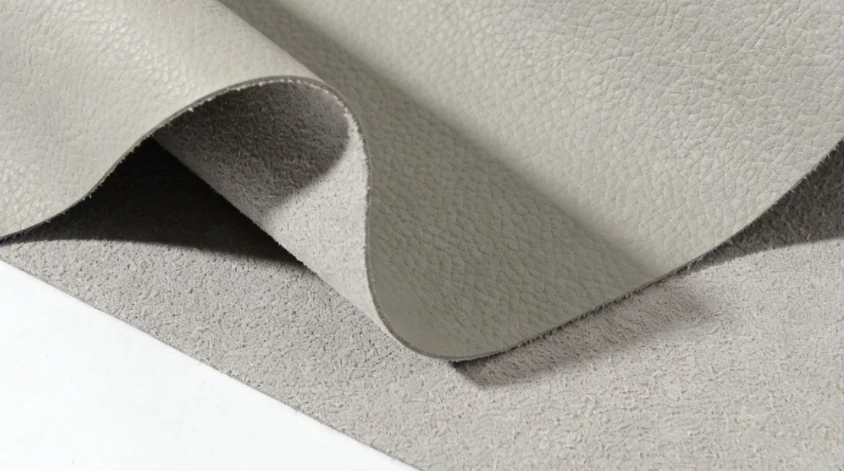
PU Leather—short for Polyurethane Leather—is a common type of artificial leather material. It is typically produced by coating the surface of a textile fabric with a layer of polyurethane (PU).
Consequently, its appearance and tactile feel closely resemble those of natural genuine leather, yet it contains no animal-derived materials. Due to its relatively affordable price, wide variety of styles, and ease of processing, PU leather is extensively utilized in fields such as furniture, clothing, footwear, handbags, automotive interiors, and everyday household items.
Why PU Leather Still Dominates the Market
The defining characteristics of PU leather are its softness, lightweight nature, and fine surface texture, coupled with excellent abrasion resistance and water-repellent properties. Compared to traditional genuine leather, PU leather is significantly easier to maintain; a simple wipe with a damp cloth is all that is required to keep it clean in daily use.
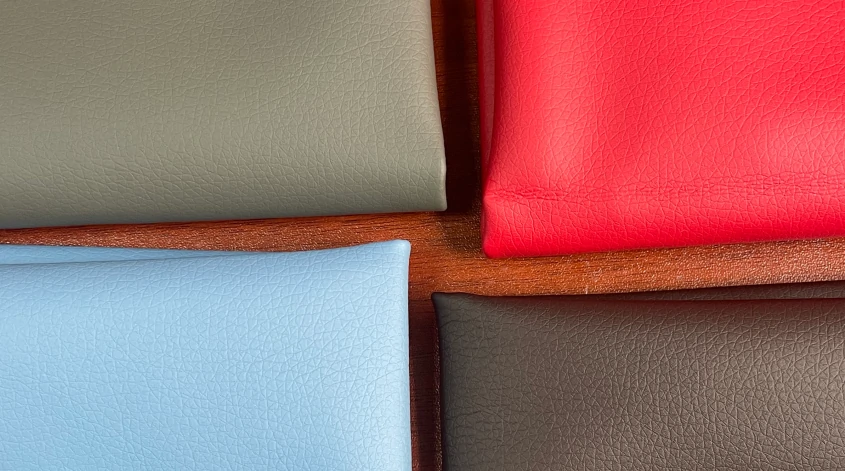
Furthermore, through various manufacturing processes, it can be produced in a wide array of colors, textures, and finishes, making it highly popular within the fashion and home furnishings industries.
Moreover, PU leather offers environmental advantages, as its production does not require the use of animal hides and helps reduce resource consumption. Modern, high-quality PU leather now closely mimics the appearance and tactile feel of genuine leather—with some products even replicating the intricate grain patterns of premium hides—leading an increasing number of consumers to choose PU leather as a viable alternative to genuine leather.
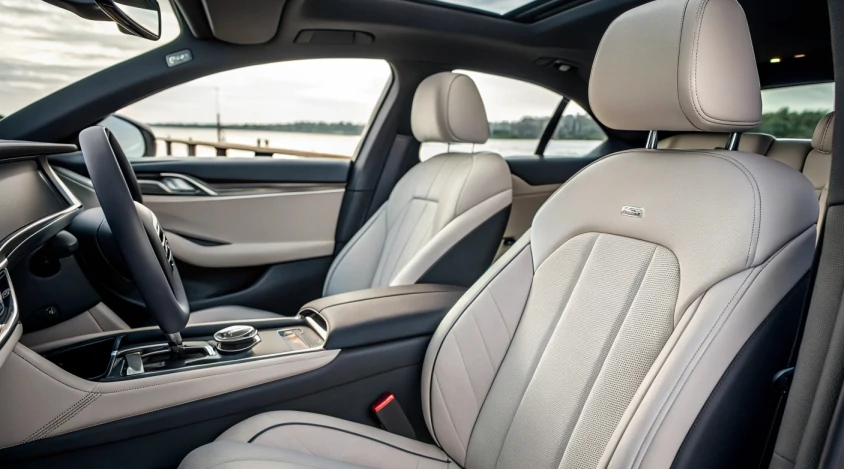
Which Material Is Better for Car Seats?
When choosing materials for car seats, both Silicone Leather and PU Leather are popular options, but they are designed for different needs. In general, Silicone Leather is considered the more premium and durable choice, while PU Leather is more affordable and widely used.
Silicone Leather offers excellent resistance to heat, sunlight, stains, and wear, making it especially suitable for car interiors that are exposed to daily use and changing weather conditions. It stays more stable over time, is easy to clean, and usually has lower odor and lower VOC emissions, which helps create a more comfortable in-car environment. Its soft touch and long-lasting performance have made it increasingly popular in modern and high-end automotive interiors.
PU Leather, on the other hand, is valued for its cost-effectiveness and stylish appearance. It can closely resemble genuine leather and is available in many textures and colors, making it a common material for standard vehicle interiors. PU leather is also soft, comfortable, and relatively easy to maintain, which is why it remains widely used across many car brands.
For drivers who want higher durability, easier maintenance, and a more premium feel, Silicone Leather is often seen as the better option for car seats. For those looking for a balance between appearance, comfort, and affordability, PU Leather remains a practical and popular choice. Both materials are widely used in the automotive industry today, but Silicone Leather is increasingly viewed as the next-generation material for modern vehicle interiors.
Which Material Is Better for Furniture?
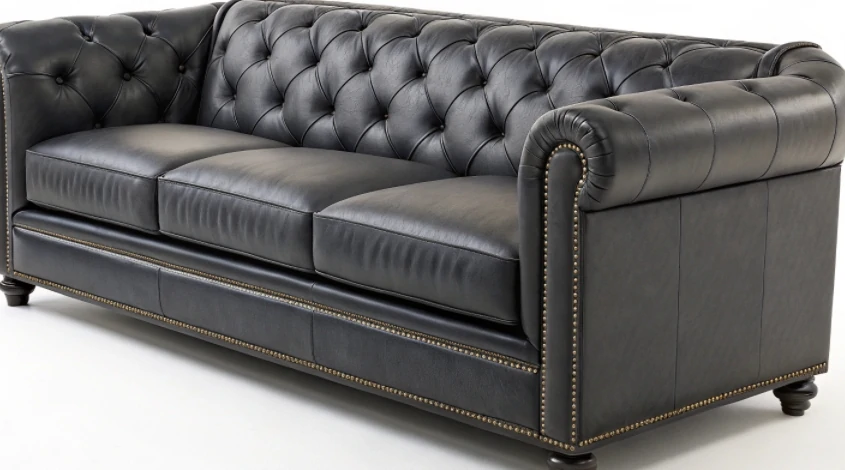
When it comes to furniture, both Silicone Leather and PU Leather are widely used, but the better choice depends on the type of furniture and the level of durability and comfort you want. Overall, Silicone Leather is often considered the more premium and long-lasting material, while PU Leather is a more affordable and versatile option.
Silicone Leather is highly valued for its soft touch, durability, and resistance to stains, moisture, sunlight, and daily wear. It is easy to clean and maintains its appearance for a long time, making it especially suitable for sofas, recliners, dining chairs, and high-traffic furniture used in homes, hotels, offices, and public spaces. Because silicone material is stable and low in odor, it is also commonly used in environments that require higher safety and comfort standards, such as healthcare furniture and family living spaces.
PU Leather is popular because it offers a leather-like appearance at a lower cost. It is available in many colors, textures, and styles, making it a practical choice for modern furniture design. PU leather furniture is lightweight, stylish, and comfortable for everyday use, which is why it is commonly found in residential sofas, office chairs, and decorative furniture pieces.
For people looking for premium quality, easier maintenance, and long-term durability, Silicone Leather is generally considered the better material for furniture. For those who want an attractive appearance with a more budget-friendly price, PU Leather remains a popular and practical choice. Both materials are widely used in modern furniture manufacturing, but Silicone Leather is becoming increasingly popular in higher-end and performance-focused furniture designs.
Is Silicone Leather More Eco-Friendly?
Silicone leather is often considered more eco-friendly than many traditional synthetic leathers, but it is not completely “green” in an absolute sense.
Compared with materials like PVC leather and some lower-quality PU leather, silicone leather has several environmental advantages:
It usually does not require plasticizers like phthalates, which are commonly used in PVC. This means it can produce fewer harmful emissions during use. It also tends to have lower odor and lower VOC (volatile organic compounds), making it safer for indoor environments such as homes, cars, and hospitals.
Another important point is durability. Silicone leather is very resistant to cracking, peeling, UV damage, and aging, so it often lasts longer. A longer lifespan can indirectly reduce waste because products do not need to be replaced as frequently.
However, like most synthetic materials, silicone leather is still made from industrial chemical processes and is typically based on silicon and petroleum-derived components. That means it is not fully biodegradable or natural.
In short, silicone leather is generally a cleaner and more stable option compared to many traditional synthetic leathers, especially PVC and basic PU, but it is still part of the broader category of engineered materials rather than fully natural or biodegradable materials.
Conclusion
If you are currently sourcing materials for furniture, automotive interiors, or similar applications, please feel free to contact us at any time; we offer customized services tailored to your needs.