
Car seat material prices confuse many buyers in global sourcing.
I explain PU leather cost for car seats based on real export experience. I also show how quality levels change price, performance, and usage in automotive interiors.
Many buyers compare PU leather suppliers and see very different prices. Some offers look very cheap. Some look very expensive. This difference is not random. It comes from material structure, coating system, and performance standards. I often guide clients in this decision in my daily work at :contentReference[oaicite:0]{index=0}, where I handle synthetic leather exports for automotive use.
Is PU leather expensive?
Low prices attract buyers, but quality decides real cost.
PU leather is cheaper than real leather. The price depends on quality level. It ranges from low-cost material to high-performance microfiber PU leather used in luxury cars.
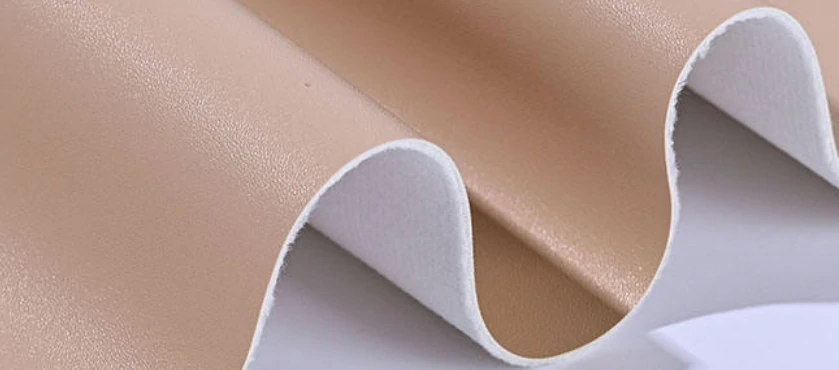
Deep Reading: PU Leather Price Structure in My Experience
I work with PU leather pricing every day in export projects. I see clear price gaps between different quality levels. Low-end PU leather is usually around $1.5–$3 per meter. This type uses basic coating and simple backing fabric. It is designed for cost-driven projects. Many buyers choose it for taxi seats, fleet vehicles, and budget car interiors. It looks acceptable, but durability is limited. It cannot handle long-term heavy use.
Mid-range PU leather is around $3–$6 per meter. This is the most common choice in automotive sourcing. It balances cost, softness, and durability. It uses better base fabric and improved coating systems. It also has better flexibility and abrasion resistance. Many car factories choose this level for mass production. I often recommend this level to clients who want stable performance and reasonable cost.
High-end PU leather is around $6–$12+ per meter. This includes microfiber PU leather and advanced eco-friendly materials. These materials have strong resistance to wear, heat, and hydrolysis. They can last much longer in real car environments. Some versions use water-based or solvent-free systems. These materials meet higher environmental standards like low VOC requirements. I often see this level used in luxury vehicles and premium interiors. I help clients choose between these levels based on market positioning and product goals.
| Grade | Price Range | Main Use |
|---|---|---|
| Low-End PU | $1.5–$3/m | Taxi, fleet vehicles |
| Mid-Range PU | $3–$6/m | Mass production cars |
| High-End PU | $6–$12+/m | Luxury interiors |
Is PU leather good for car seats?
Good balance makes PU leather widely used in cars.
PU leather is a strong material for car seats because it balances cost, appearance, and performance. It also supports modern environmental standards and flexible design options.
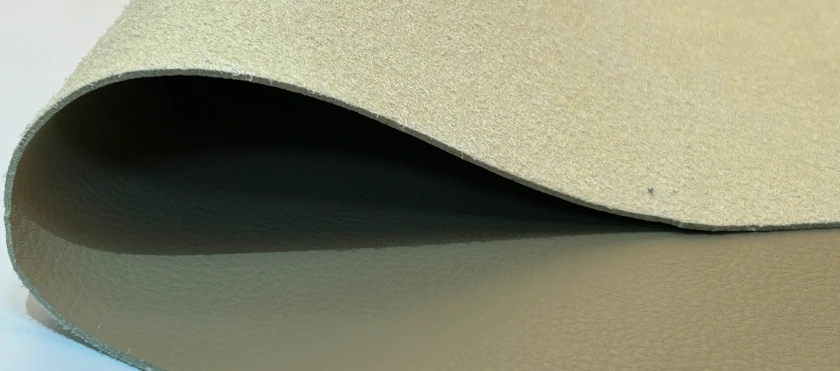
Deep Reading: Why Automotive Brands Choose PU Leather
I often explain to buyers why PU leather is widely used in automotive interiors. Car manufacturers need materials that reduce cost but still keep a premium look. PU leather gives this balance. It looks similar to real leather but costs much less. This helps car brands control production budgets while keeping interior quality acceptable.
Modern PU leather is also improving in environmental performance. Water-based PU and solvent-free PU reduce harmful emissions. Many versions meet REACH and low VOC requirements. This is important for global automotive standards. I see more clients asking for eco-friendly materials in recent years. This trend is growing in Europe and other strict markets.
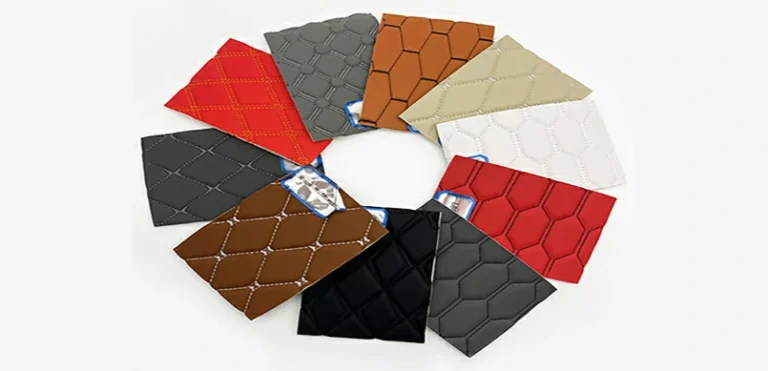
PU leather also gives strong design flexibility. It can be embossed with different textures. It can be produced in many colors and finishes. It can also simulate premium leather grain patterns. This allows car designers to create different interior styles for different models. I often support clients in matching material design with brand identity. For automotive companies, PU leather is not only a cost material. It is also a design tool. In my experience, this is why many manufacturers continue to choose PU leather instead of switching fully to real leather.
How long do PU leather seats last?
Durability depends on material grade and usage conditions.
PU leather seat lifespan ranges from 1 year to more than 10 years. The difference depends on quality level, structure, and environment.
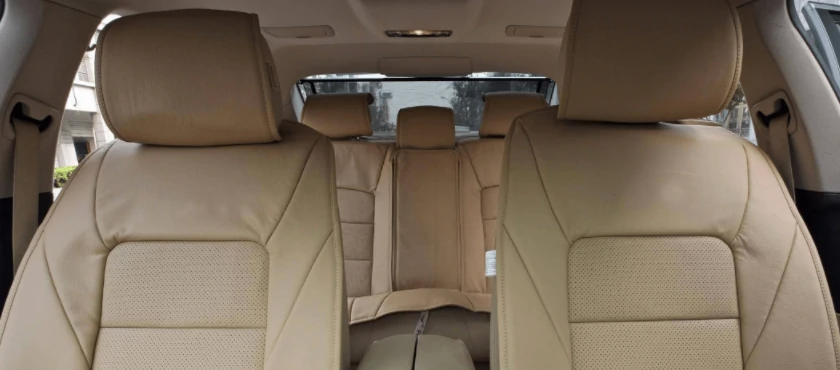
Deep Reading: Lifespan Performance in Real Automotive Use
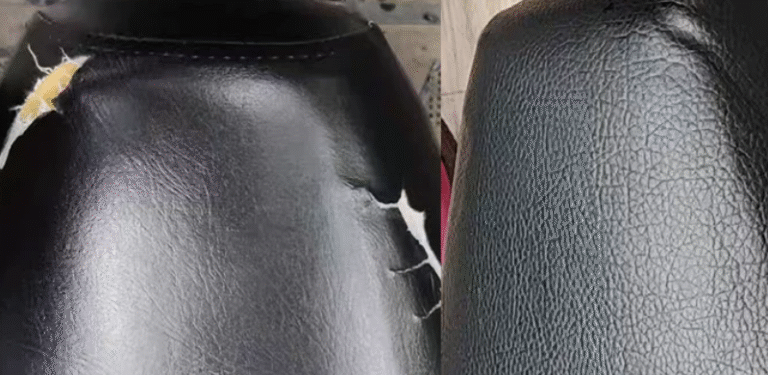
I see clear differences in PU leather lifespan during real automotive use. Low-end PU leather usually lasts 1–3 years. It is suitable for short-term or low-cost applications. The coating layer is thin. The base fabric is simple. It cannot handle long exposure to heat, sunlight, or friction. I often suggest this level only for temporary or budget-sensitive projects.
Mid-range PU leather lasts around 3–5 years. This is the most stable and commonly used option in passenger cars. It offers better abrasion resistance and flexibility. It can handle daily use in normal driving conditions. Many car brands choose this level because it balances cost and durability. It works well for family cars and large-scale production vehicles.
High-end microfiber PU leather can last 5–10 years or more. It uses stronger base layers and advanced coating systems. It has high resistance to hydrolysis, wear, and aging. Some products can reach over 100,000 Martindale abrasion cycles. This makes it suitable for long-term automotive applications. I often recommend this level for luxury vehicles, steering wheels, dashboards, and premium seating systems. I help clients select the correct durability level based on their market needs and vehicle positioning.
| Grade | Lifespan | Performance Level |
|---|---|---|
| Low-End PU | 1–3 years | Basic durability |
| Mid-Range PU | 3–5 years | Balanced performance |
| High-End PU | 5–10+ years | High durability |
Conclusion
PU leather cost and quality always move together in automotive use.