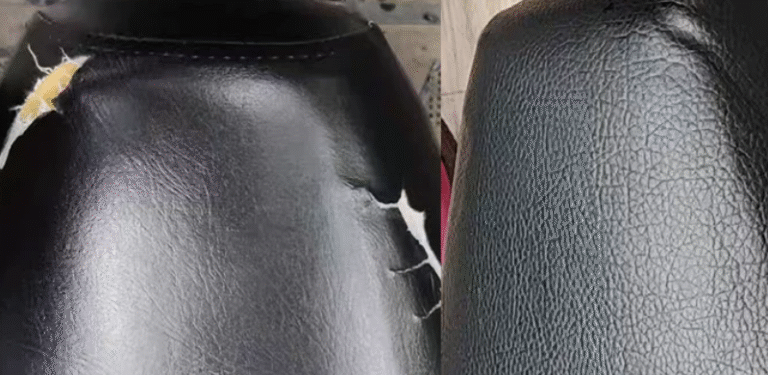
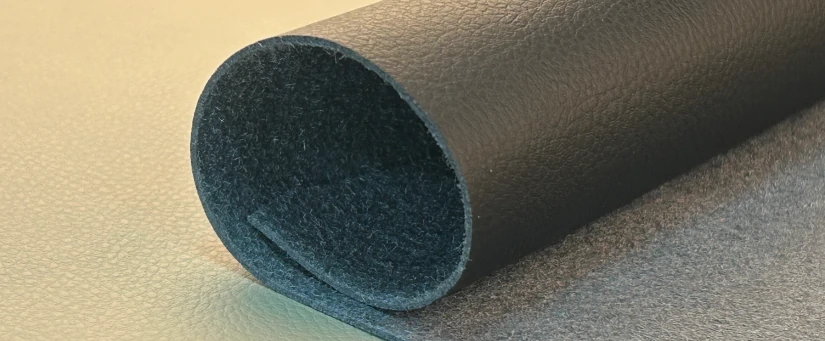
Cheap leather can fail fast and damage your brand.
PU leather offers a strong balance between appearance, durability, cost control, and design flexibility for many industries.
Many buyers still think genuine leather is always the best option. I understand why because real leather has a long history and strong market recognition. Yet the market has changed a lot in recent years. Today, high-quality PU leather can deliver very stable quality, modern texture, and better production flexibility. In my work at 万道, I often help customers choose the right synthetic leather based on actual application needs instead of old assumptions.
Is PU leather as good as genuine leather?
Many buyers worry PU leather looks cheap or wears out fast.
Modern PU leather can closely match genuine leather in texture, appearance, and durability while offering better consistency and lower cost.
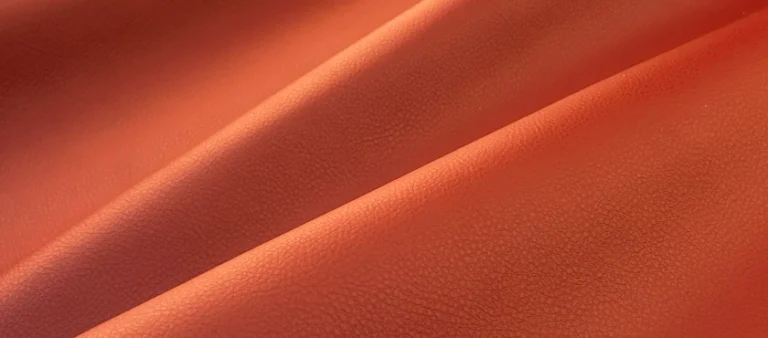
PU leather, also called polyurethane leather, has become one of the strongest alternatives to genuine leather in the global market. In many industries, buyers no longer focus only on natural leather because modern PU materials can now achieve a very similar visual effect and soft touch. For furniture, fashion, automotive interiors, and soft upholstery, PU leather often provides a better balance between cost and performance.
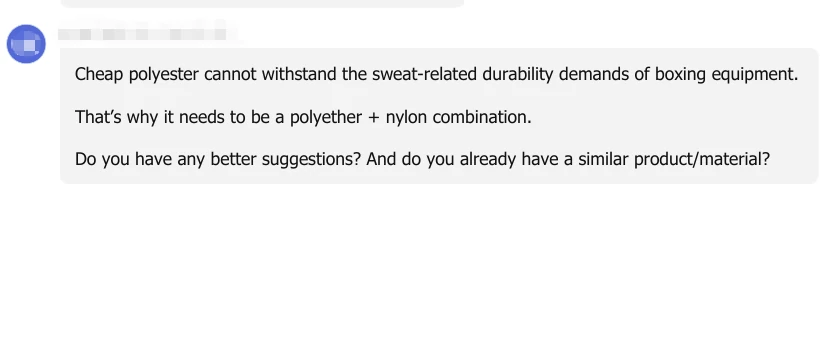
I once worked with a customer who produced boxing gloves. He cared a lot about durability and hydrolysis resistance because his products faced heavy use and sweat exposure. He specifically requested polyether materials because he wanted the products to last between five and ten years. At that time, I recommended our high-end solvent-free microfiber PU leather. The material performed very well in abrasion resistance and hydrolysis testing. The Martindale abrasion resistance could reach 100,000 to 120,000 cycles. At the same time, the material had low VOC and DMF levels below 500 PPM. The customer was surprised because the odor was much lower than he expected. Modern PU leather technology has improved a lot compared with older generations.
Different PU leather types create different performance
Many people think all PU leather is the same. In fact, the material structure changes the final quality a lot. PU leather mainly includes Polyester PU and Polyether PU. Polyester PU is widely used because it has strong abrasion resistance and competitive pricing. Polyether PU offers better softness and hydrolysis resistance, especially in humid environments.
| PU Type | Main Advantage | Common Application |
|---|---|---|
| Polyester PU | High wear resistance | Bags, sofas, shoes |
| Polyether PU | Better hydrolysis resistance | Sports gear, premium upholstery |
| Solvent-Free Microfiber PU | Low VOC and high durability | Automotive and luxury products |
Why many buyers now prefer PU leather
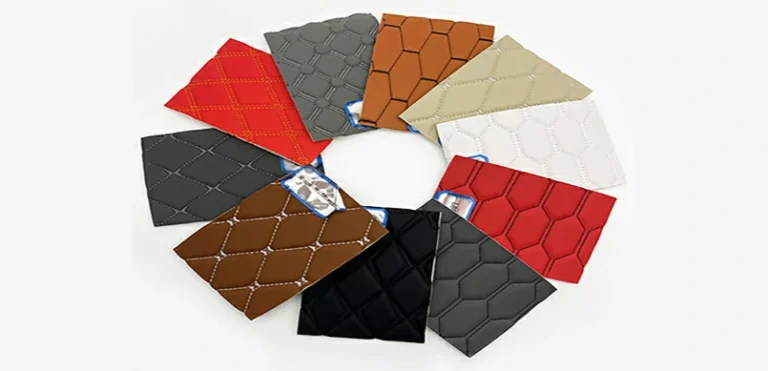
In large production projects, consistency is very important. Genuine leather always has natural differences in texture, color, and thickness. PU leather offers more stable quality in mass production. Buyers can also customize color, gloss, texture, and embossing more easily.
| Feature | PU Leather | Genuine Leather |
|---|---|---|
| Price Stability | Stable | Fluctuates often |
| Texture Consistency | High | Natural variation |
| Customization | Flexible | Limited |
| Maintenance | Easy | More difficult |
Today many brands also care about animal-free materials and environmental standards. This gives PU leather more market value, especially in younger consumer markets.
What is PU leather made of?
Many people buy PU leather without understanding its structure.
PU leather uses fabric as the base and applies polyurethane coating layers to create a leather-like surface and texture.
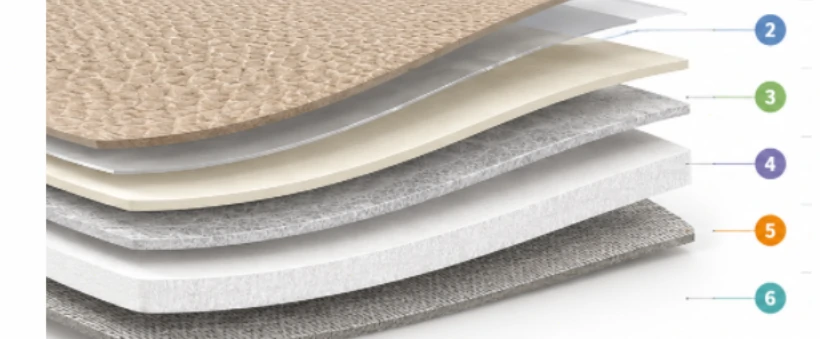
PU leather production combines textile technology and chemical coating processes. The material usually starts with a fabric base such as polyester fabric, cotton fabric, or non-woven fabric. This layer provides strength and structure. Then manufacturers apply liquid polyurethane resin onto the fabric surface through dry or wet coating methods.
How PU leather gets its leather-like feel
During production, the polyurethane layer can create small micro-pores through foaming processes. These micro-pores help improve softness and flexibility, which makes the material feel more like genuine leather. After coating, the surface goes through embossing treatment using metal rollers. This process creates patterns similar to natural leather grain.
| Production Step | Main Purpose | Effect on Material |
|---|---|---|
| Fabric Base | Structural support | Strength and flexibility |
| PU Coating | Surface formation | Leather appearance |
| Foaming Process | Create micro-pores | Soft touch |
| Embossing | Add leather texture | Natural visual effect |
| Surface Finishing | Protection and coloring | Durability and style |
After embossing, the material goes through drying and curing processes. These steps stabilize the polyurethane layer and improve abrasion resistance and tensile strength. Finally, manufacturers apply finishing treatments such as coloring, protective coatings, matte surfaces, glossy finishes, or lychee grain effects.
Why PU leather supports small sample orders better
Many customers ask me why PU leather can support smaller sampling quantities compared with PVC leather. The answer mainly comes from production methods. PU leather production is more flexible during coating and color adjustment. PVC leather often needs larger production runs because of its manufacturing setup and material preparation process. This makes PU leather more suitable for custom developments, especially for fashion products and new project testing.
Because PU leather has strong design flexibility, it is now widely used in shoes, bags, garments, furniture, automotive interiors, and many industrial products. The material can create matte, glossy, embossed, or soft-touch surfaces depending on customer needs.
How to Care for PU Leather?
Wrong cleaning methods can quickly damage PU leather surfaces.
PU leather should be cleaned gently with soft cloths, mild soap, and proper storage away from heat and sharp objects.
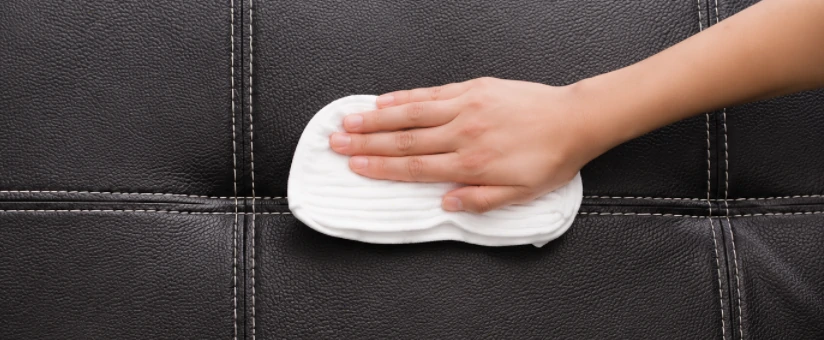
Many people think PU leather requires difficult maintenance. Actually, modern PU leather is relatively easy to clean if users follow simple care methods. Proper maintenance can greatly extend the product lifespan and maintain a clean appearance.
Daily cleaning and protection
For normal cleaning, I usually recommend using a soft damp cloth to wipe away dust and light dirt. If stronger cleaning is needed, a small amount of mild soap mixed with water works well. The key point is to avoid soaking the material. After wiping, always dry the surface with a clean cloth.
| Care Method | Recommended | Avoid |
|---|---|---|
| Cleaning Tool | Soft cloth | Hard brush |
| Cleaning Liquid | Mild soap water | Alcohol or bleach |
| Storage | Cool dry place | Hot sunlight area |
| Usage | Gentle handling | Sharp object scratches |
Strong chemicals such as alcohol, bleach, or heavy solvents can damage the polyurethane coating. These chemicals may cause peeling, discoloration, or cracking over time.
Heat and storage matter a lot
Heat is one of the biggest enemies of PU leather. Long exposure to direct sunlight, heaters, or hot car interiors can dry out the polyurethane layer and make it brittle. I also suggest avoiding strong friction and sharp objects because the surface coating is thinner than genuine leather and can scratch more easily.
For bags, sofas, and upholstered products, avoid excessive pressure or overloading. Deep wrinkles may become permanent if the material stays compressed for long periods. During storage, keep PU leather products in cool and dry places. Do not seal them tightly inside plastic bags for too long because trapped moisture can create sticking or cracking problems.
Different products also need different care details. Jackets, shoes, sofas, and automotive interiors all face different environmental conditions. In my experience, simple daily care can already improve PU leather lifespan significantly.
Conclusion
Modern PU leather combines style, durability, flexibility, and value for today’s global market.