Are your costs constantly rising while product lifespans are simultaneously shrinking? Many companies overlook a critical issue: the wrong choice of rubber material.
Incorrect material selection not only drives up maintenance expenses but also leads customers to question the reliability of the product.
When selecting rubber materials, it is often difficult to achieve both “affordability” and “durability” simultaneously.
Choosing the right material is paramount for different operating conditions—particularly when deciding between SBR and NBR,
as a single erroneous decision can result in additional costs and performance risks.
What are the differences between SBR and NBR materials?
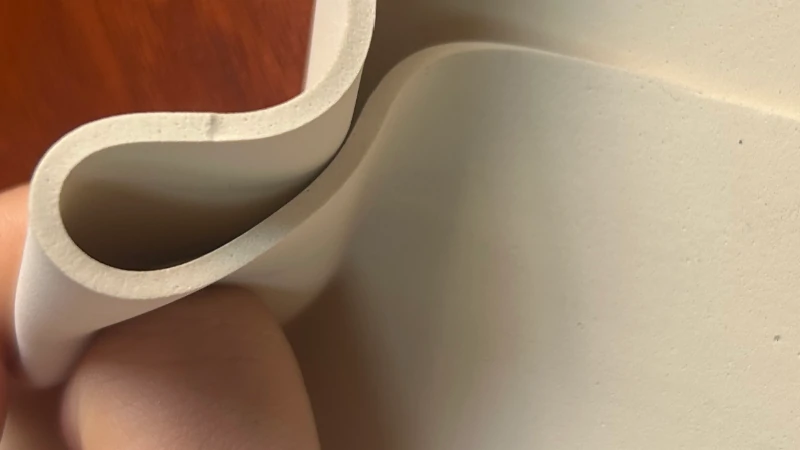
SBR is a common type of synthetic rubber that, due to its low cost and high versatility, is widely utilized in a diverse range of products,such as equipment protective covers, sports protective gear,
thermal insulation materials, and cushioning pads.
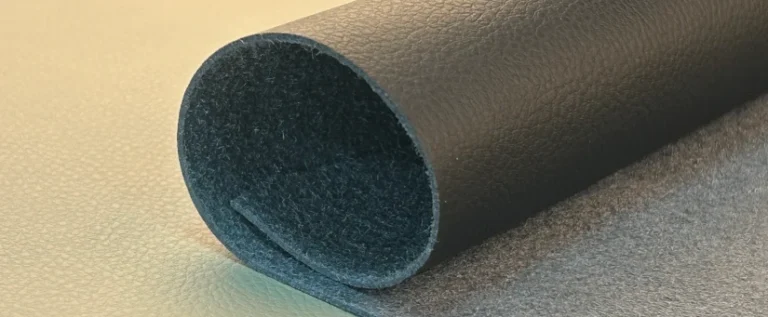
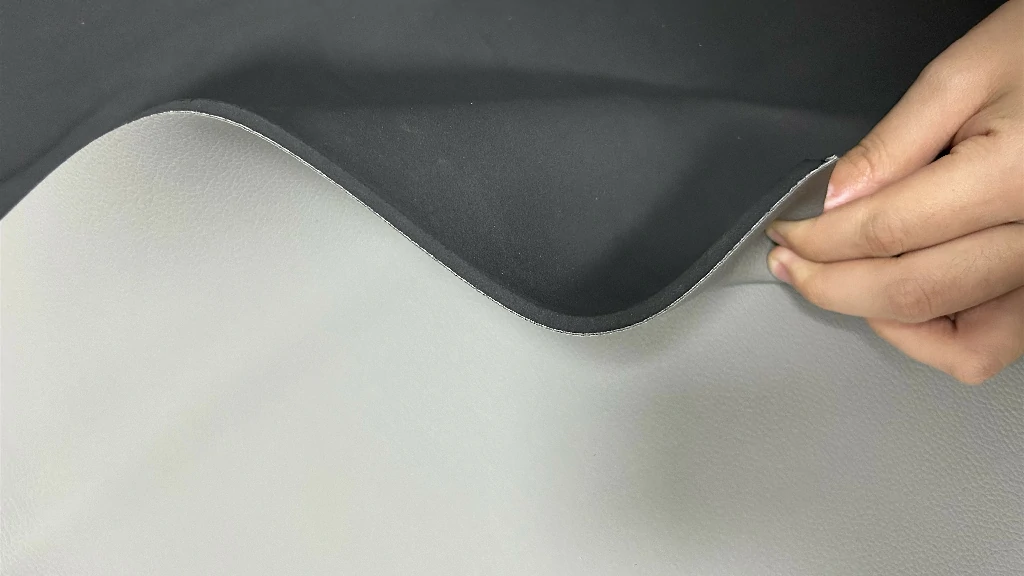
When combined with PVC, SBR serves as the inner layer,providing soft cushioning that enhances shock absorption and comfort, while the PVC outer layer offers protection and facilitates easy cleaning.
Our company’s SBR materials feature excellent elasticity, customizable density options, and competitive pricing; consequently,we frequently receive inquiries regarding this material from equipment manufacturers throughout Europe.
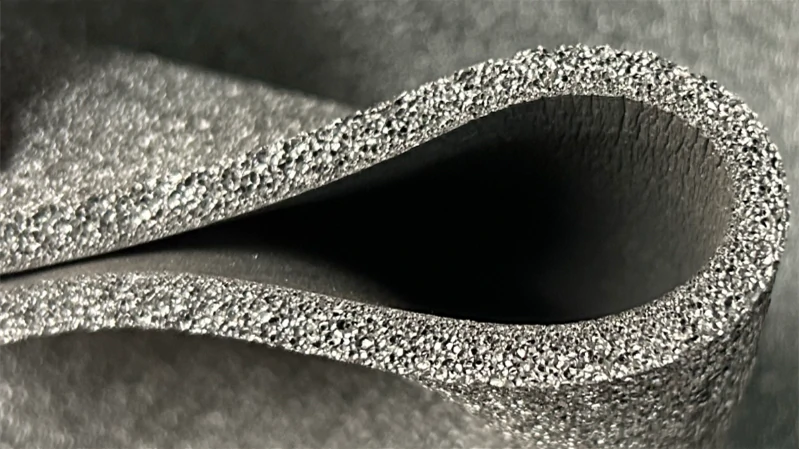
NBR is a highly practical synthetic rubber frequently utilized in products requiring durability and resistance to environmental factors,such as equipment housings, protective coatings, gaskets,
and thermal insulation materials, is particularly well-suited for environments involving elevated temperatures or exposure to oils.
When compounded with PVC, NBR forms an inner structural layer that offers a balance of support and flexibility,ensuring resistance to deformation over extended periods of use, while the PVC outer layer enhances overall durability and ease of cleaning.
Compared to general-purpose rubbers, NBR is better suited for applications where long-term stability is a critical requirement.
Many equipment manufacturers with rigorous requirements for device usage scenarios prioritize this material.
Core differences in performance and application
From my daily work, I see that SBR and NBR serve different needs. SBR rubber is widely used because it is affordable and flexible.
It works well when clients want to control cost. I often recommend SBR for basic equipment covers where the environment is stable.
On the other hand, NBR rubber performs better in harsh conditions. It resists oil, heat, and aging. Many water heater manufacturers prefer NBR.
I have worked with several clients who switched from SBR to NBR after facing durability issues. The cost increased, but product life improved.
I always tell clients that the choice depends on the final use. There is no absolute better option, only a more suitable one.
| Material | Main Advantage | Typical Use |
|---|---|---|
| SBR | Low cost, soft | General equipment covers |
| NBR | Oil and heat resistant | High-demand equipment |
What are the disadvantages of SBR rubber?
These are some of the concerns raised by one of my clients from Europe while sourcing SBR materials.
I believe that every buyer harbors similar concerns prior to making a purchase.

Limitations in durability and user perception
I often receive feedback from European clients about SBR. They usually ask about smell and surface quality. After lamination with PVC, SBR may show wrinkles if the glue process is not controlled well.
This is what we call “telegraphing.” I remember one client who was worried about this issue. We adjusted the glue and process, and the result improved. Another concern is smell.
If we use solvent-based glue, the odor can be strong. This affects user experience and environmental compliance. Water-based or odorless glue is better, but the cost is higher.
Also, SBR does not perform well in high heat or oily environments. Over time, it may degrade faster. So I always suggest SBR only for standard conditions where cost is the priority.
| Disadvantage | Impact | Solution |
|---|---|---|
| Weak durability | Shorter lifespan | Use in mild conditions |
| Odor issue | User discomfort | Use odorless glue |
| Surface wrinkles | Appearance defect | Improve lamination process |
What are the disadvantages of NBR?
High performance comes with trade-offs.
NBR is more expensive and slightly less flexible, which may increase production cost and processing difficulty.
Cost and processing considerations
While NBR offers strong performance, it also has limitations. The most obvious one is cost. NBR is more expensive than SBR. For clients with tight budgets, this can be a challenge.
I have seen projects where NBR was the best technical choice, but the budget forced a switch to SBR. Another point is flexibility. NBR is not as soft as SBR. This can affect handling and processing during production.
Also, lamination with PVC requires proper glue selection. The wrong adhesive can reduce bonding strength. However, when durability is critical, NBR is still my first recommendation. It performs well over time.
It resists oil and heat effectively. For equipment like water heaters, this matters a lot. So I always balance cost and performance before making a suggestion.
| Disadvantage | Impact | Note |
|---|---|---|
| Higher cost | Increased budget | Not ideal for low-cost projects |
| Lower flexibility | Harder processing | Needs better handling |
| Glue sensitivity | Bonding risk | Requires proper adhesive |
Conclusion
Choose SBR for cost, choose NBR for durability and performance.Regardless of the materials you choose, our company will provide products of the highest quality to manufacturers sourcing from us.