
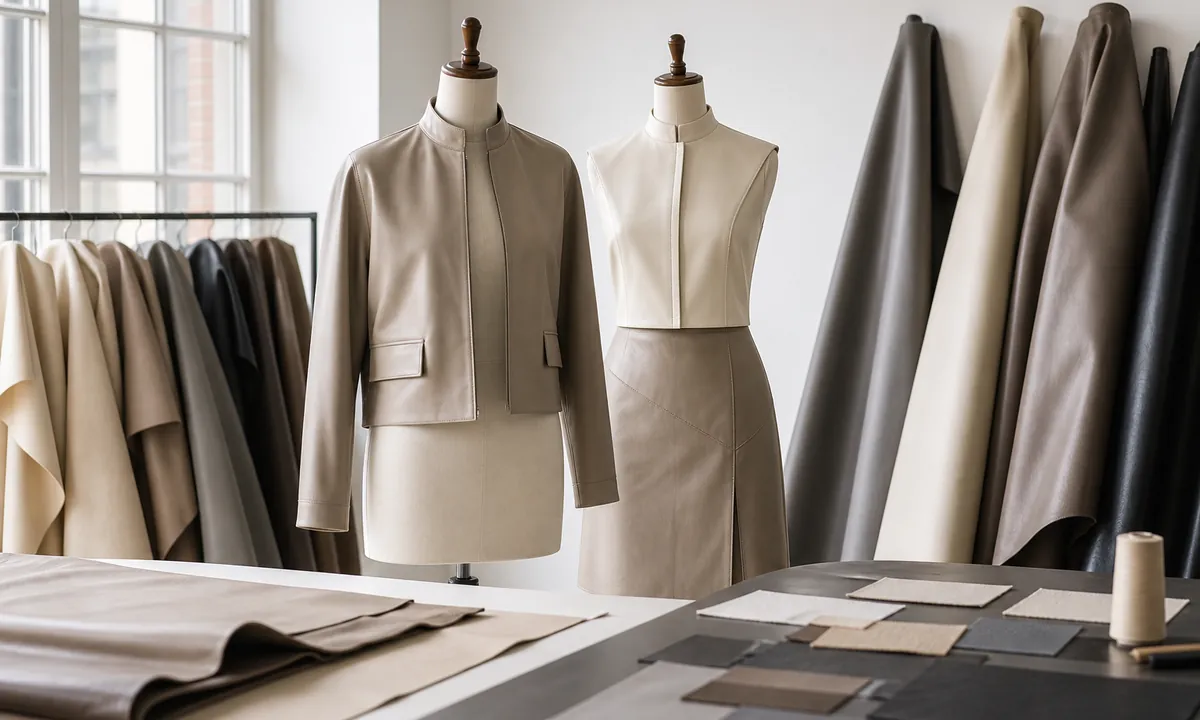
Material selection for garment production
Synthetic Leather for Garments, Fashion Panels and Apparel Production
Clothing leather must drape, fold and sew well. A stiff backing or wrong surface can delay sample approval even when the color looks correct. Wandao Leather helps garment factories, apparel brands, importers and fabric sourcing teams compare synthetic leather materials by application, backing, thickness, texture, color and sample requirements.
Application sourcing problems
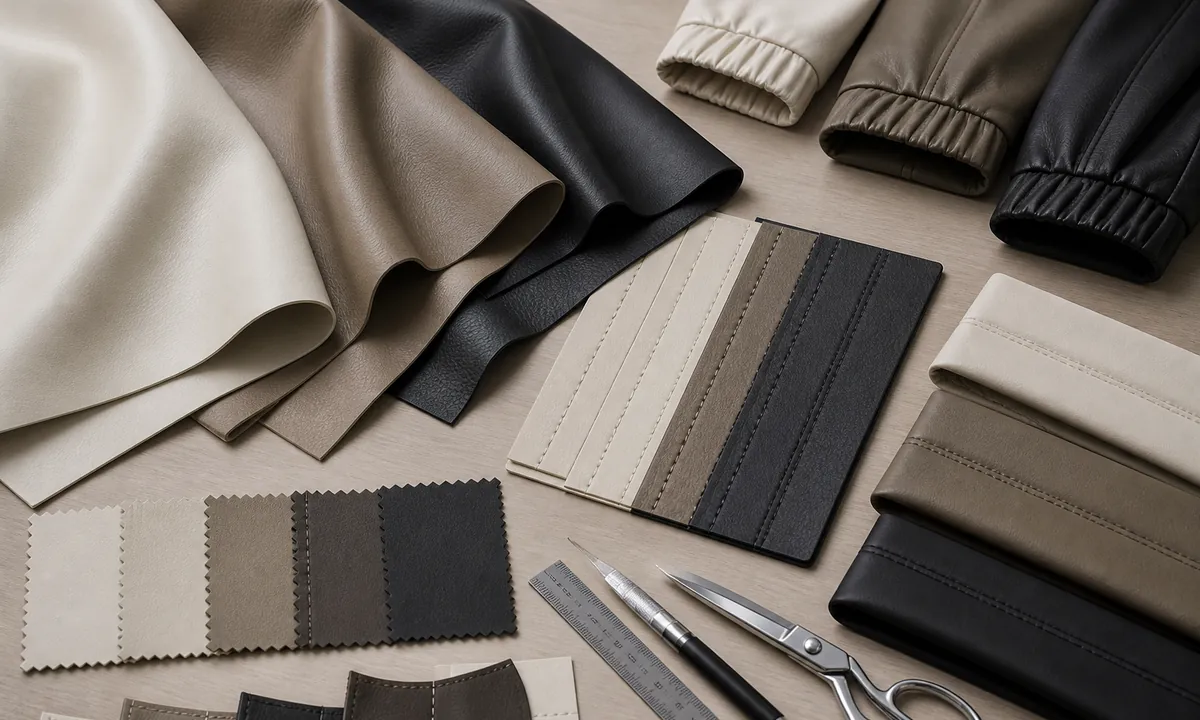
Garment leather must be judged in motion, at seams and against the body
A jacket panel, skirt, trim detail and stage costume do not need the same weight, drape or surface. Begin with the pattern, lining, seam construction, folding areas and desired silhouette.
-
The surface changes when the garment moves
Gloss, grain and hand feel can look different when curved across the body. Review a sewn panel, not only a flat sample.
-
Drape and seam bulk are overlooked
Material that is too thick or firm can restrict movement and create bulky seams; excessive stretch can distort during cutting and sewing.
-
Wear and care expectations are not specified
Rubbing, flexing, color transfer and care requirements should match the garment, adjacent fabrics, market and named method.
Material options
Material options for garment and apparel manufacturing
Compare the material routes below by construction, processing and approval requirements. Each guide focuses on jackets, skirts, pants, labels, accessories and fashion panels.
What buyers should confirm
Key requirements for clothing leather
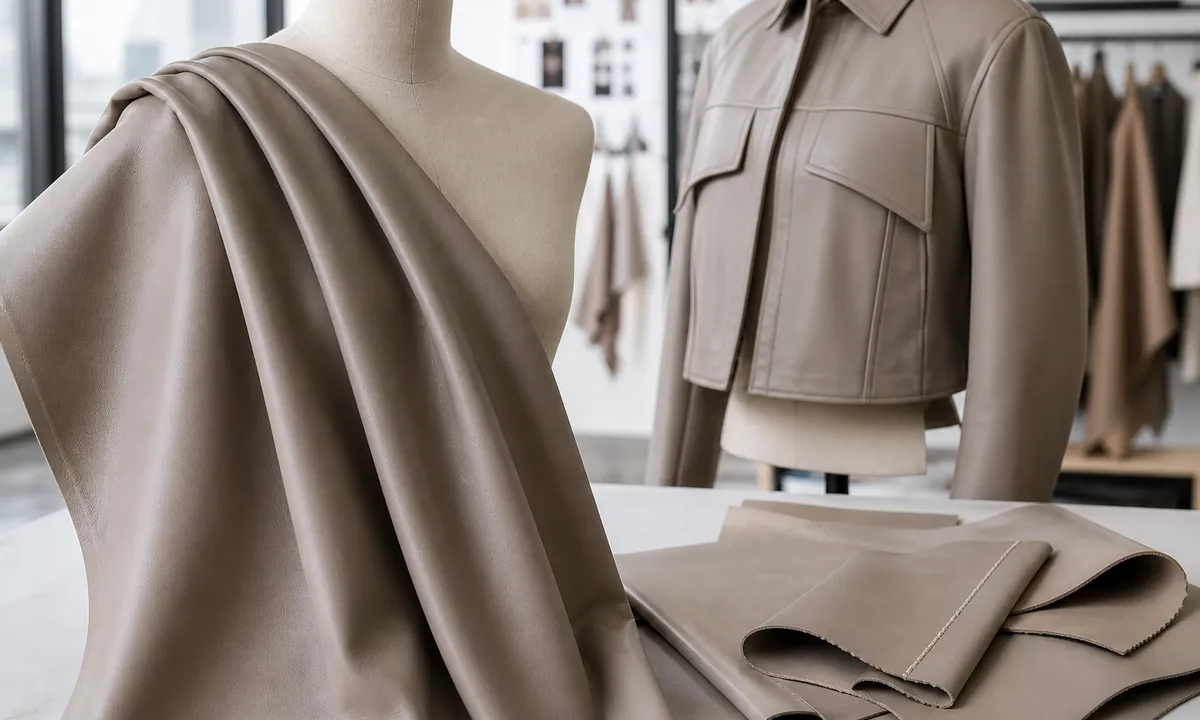
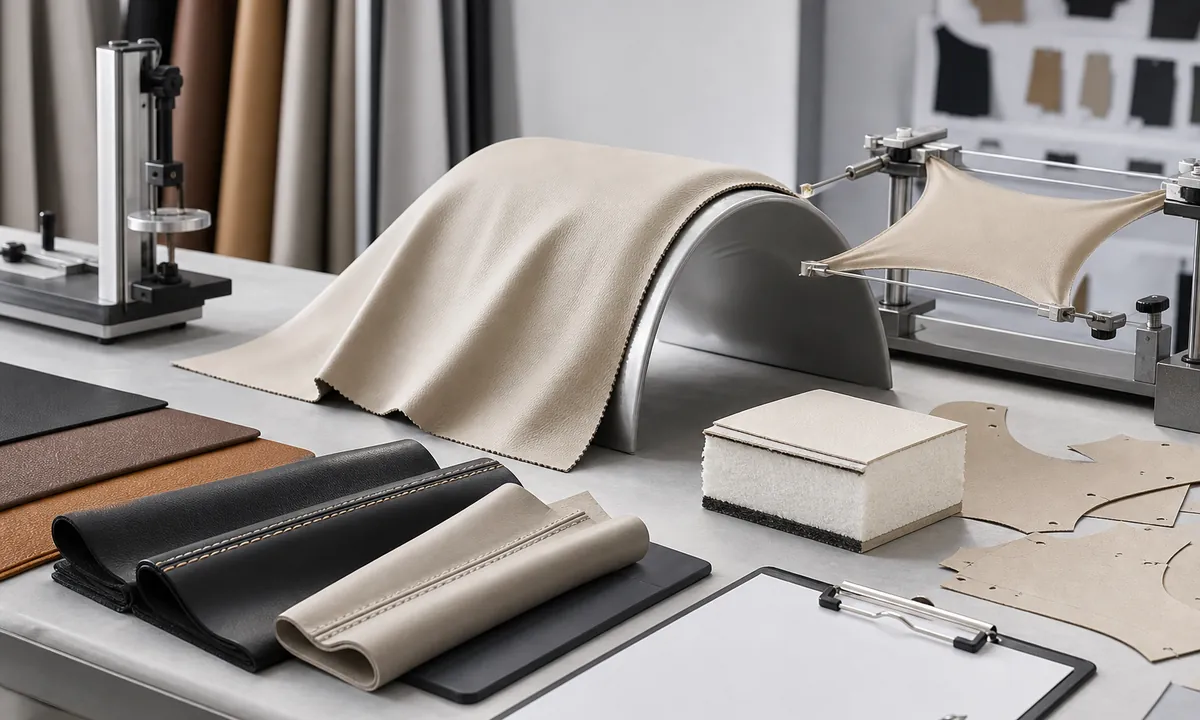
Approve the material as part of the garment construction. Drape, recovery, seam behavior and surface appearance need to work together.
-
Soft Drape
Hang and fold a full-width sample to judge how it falls, creases and returns before cutting production patterns.
-
Lightweight Feel
Balance low weight with enough body for the garment silhouette, seam design and any lining or reinforcement.
-
Folding Behavior
Test cuffs, collars, plackets and other repeated-fold areas using the actual construction and stitch density.
-
Color Matching
Approve color under collection lighting and check transfer requirements for adjacent fabrics or linings.
-
Surface Finish
Judge gloss, grain and touch while the material is curved and moving; flat-table appearance can be misleading.
-
Sewing Stability
Run a trial for material feed, needle marks, seam puckering, edge turning and stretch recovery.
Specification checklist
Information to confirm before requesting clothing leather samples
A complete inquiry helps avoid wrong sample directions and gives the supplier enough context to quote the right material.
| Item | What to share | Why it matters |
|---|---|---|
| Final product | jackets, skirts, pants, labels, accessories and fashion panels | The product type changes the suitable surface, hand feel, backing and thickness. |
| Material options | PU Leather | Different materials solve different buyer concerns; do not choose only by price or color. |
| Surface and texture | Smooth, embossed, matte, semi-gloss, soft-touch or project-specific finish | The visible surface must match product design and cleaning expectation. |
| Backing and thickness | Knitted, woven, non-woven, brushed, microfiber base or project backing | Backing and thickness affect sewing, stretching, tear direction and sample approval. |
| Color and sample | Color card, buyer swatch, reference product or custom OEM direction | Early color confirmation reduces sample rejection and bulk mismatch. |
| Testing request | Abrasion, rubbing, flex, flame, UV, cleaning or chemical requirements if needed | Testing should be confirmed by application, destination market and test method. |
Browse Clothing Leather products
Use the application product collection to review material directions related to garment and apparel manufacturing.
View all products
Browse synthetic leather products by material and application category.
Read application guides
Use buying and application guides to prepare sample requirements before contacting us.
Material selection
How to compare materials for garment and apparel manufacturing
For apparel, compare complete constructions by drape, weight, sewing behavior, surface effect and care expectation. Upholstery material is not automatically suitable for garments.
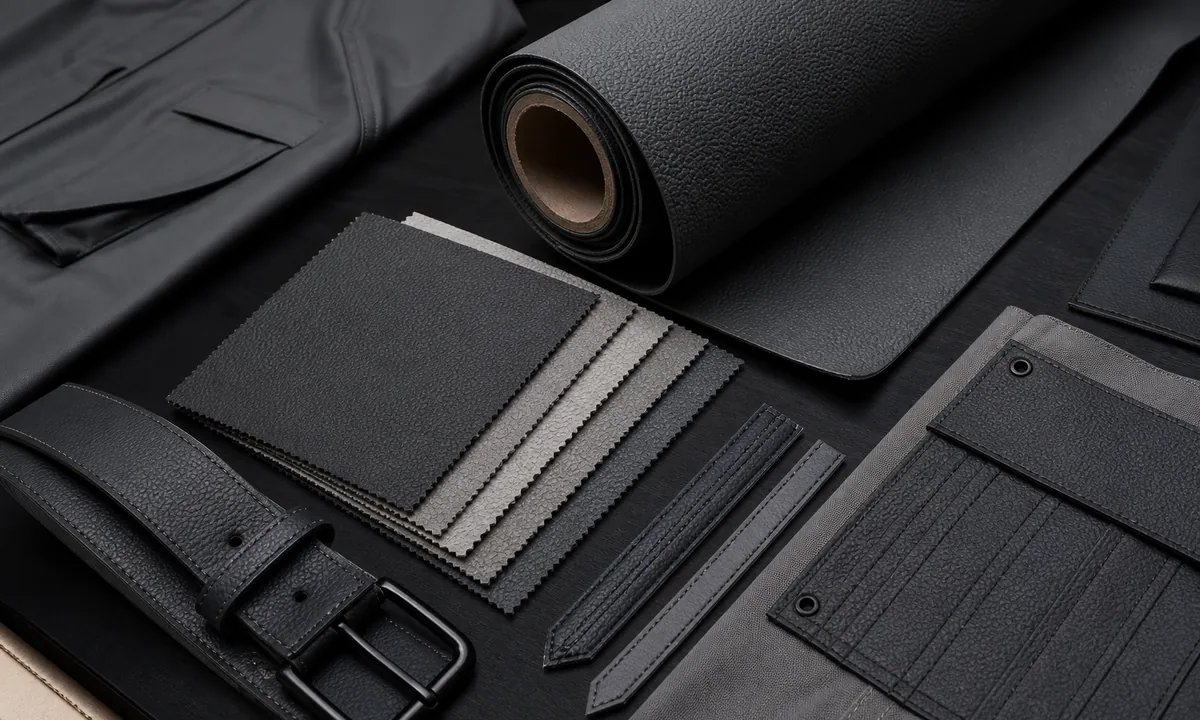
PVC leather
Useful when cleanable surface, embossing and volume upholstery cost control are important.
Review PVC leather options
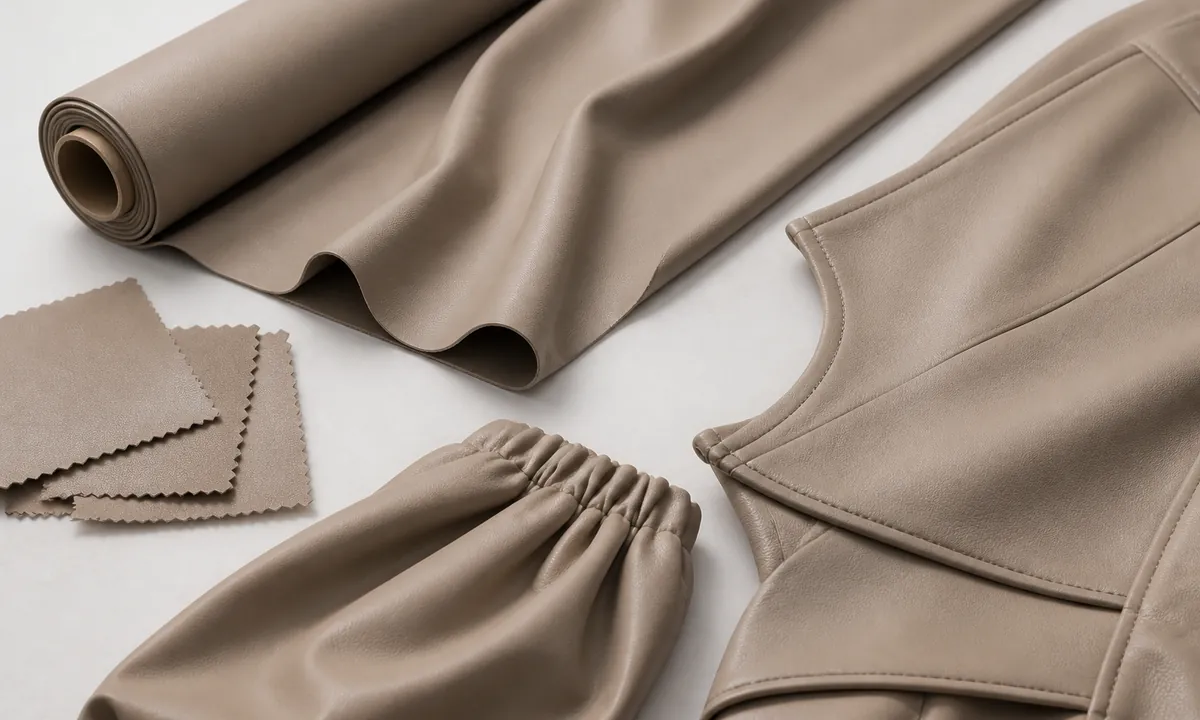
PU leather
Useful when soft touch, flexible drape and refined surface appearance are important.
Review PU leather options
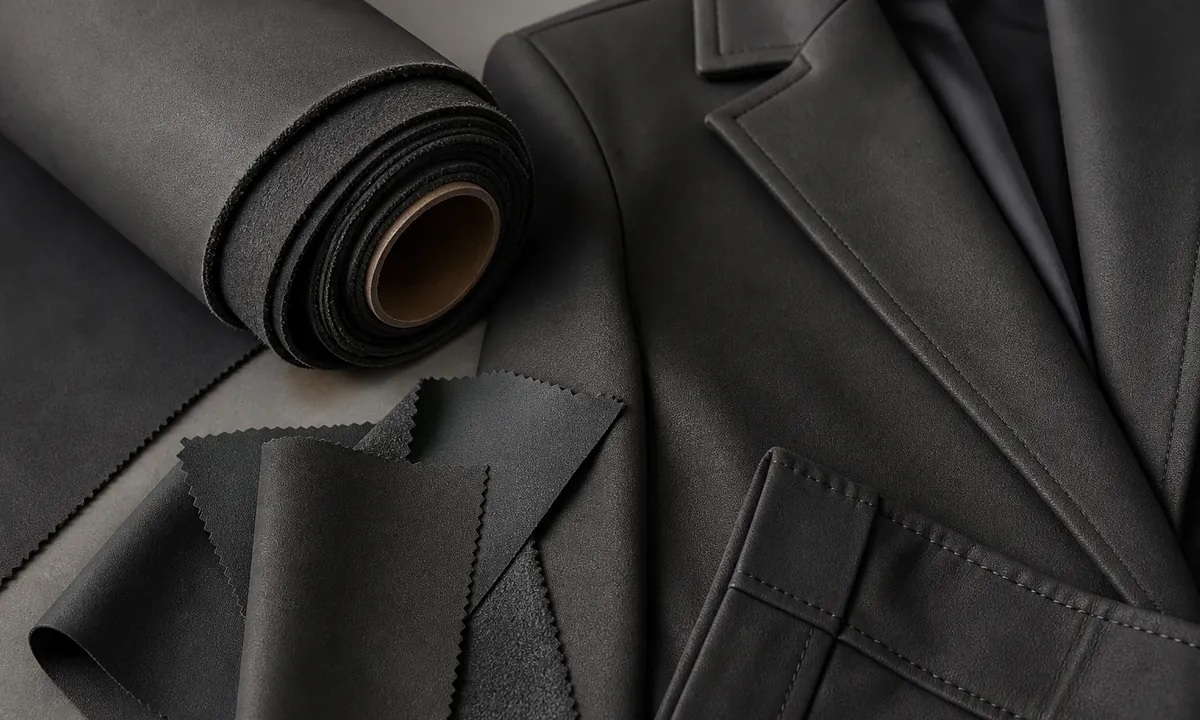
Microfiber leather
Useful when a stronger base structure or higher-use product positioning is needed.
Review microfiber leather options
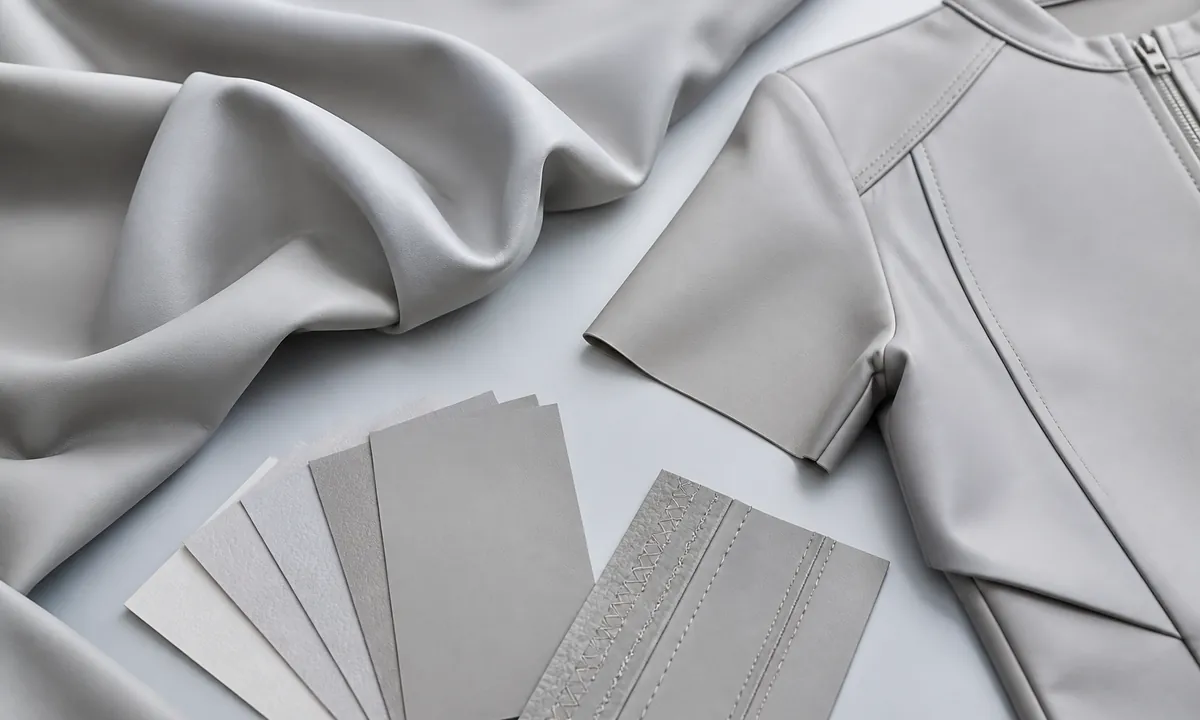
Silicone leather
Useful when a specialty soft-touch or cleaning surface requirement justifies the material choice.
Review silicone leather options
FAQ
Clothing Leather FAQ for B2B buyers
What material is suitable for garment and apparel manufacturing?
PU constructions are commonly evaluated for soft hand feel, drape and fashion surface effects. Other materials can fit structured or specialty garments, but the sample must be tested in the actual pattern.
Can clothing leather be customized?
Yes. Color, grain, texture, thickness, backing, hand feel and surface finish can be discussed according to the buyer's target product and sample requirement.
Should I make a garment trial before bulk approval?
Use a swatch for initial color and touch direction, then make a sewn panel or garment trial. Drape, needle marks, seam bulk and movement cannot be approved flat.
How do I request samples?
Send garment type, panel use, desired drape and weight, color or swatch, surface finish, backing, sample meters, quantity, market and named rubbing or flex requirements.
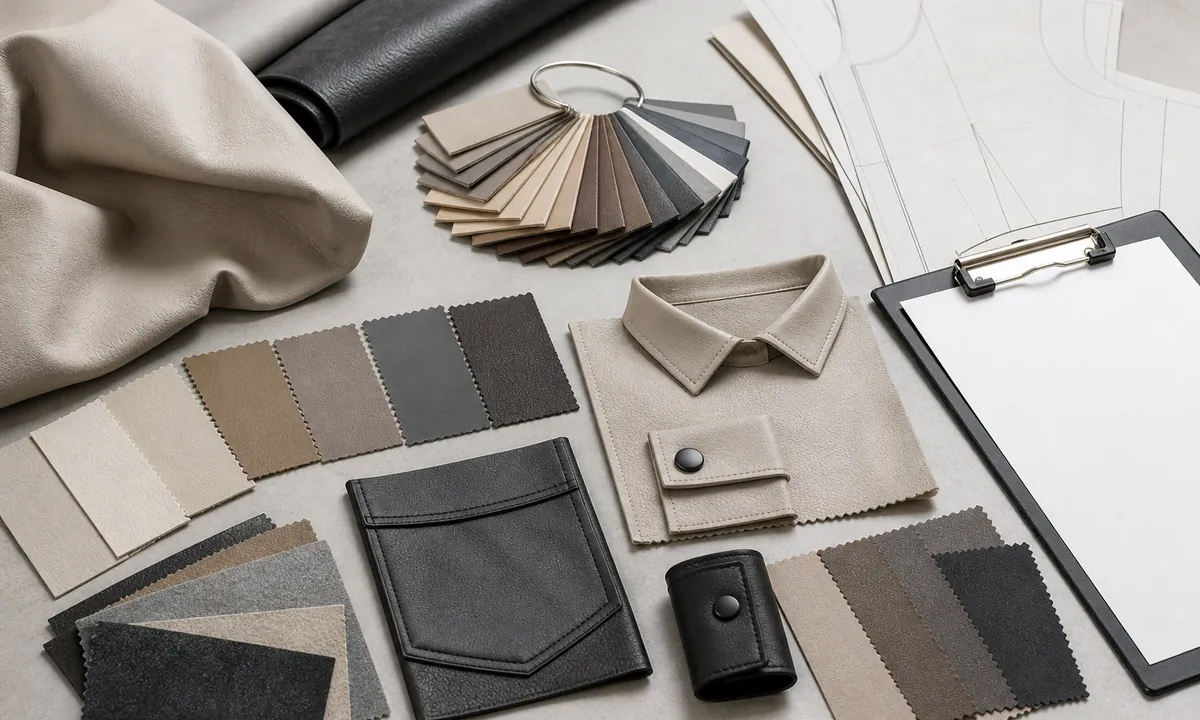
Sample, color card and quotation
Send the garment design and material reference
Share the garment type, panel use, target drape, weight, color, grain, gloss, backing, sample requirement, estimated quantity and any named performance method.