
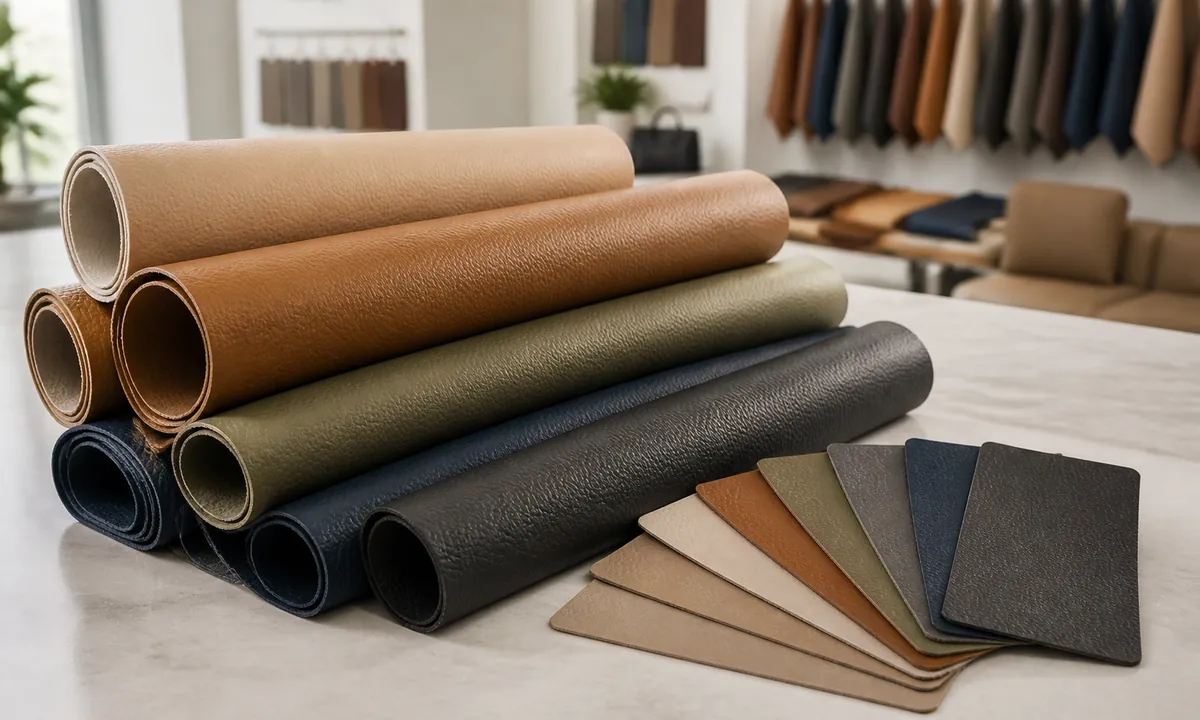
Microfiber leather supplier for structured synthetic leather projects
Microfiber Leather for Automotive, Footwear, Bags and High-use Upholstery
Microfiber leather is often considered when buyers need a synthetic leather material with a stronger base structure, stable surface appearance and better support for demanding products. Wandao Leather helps B2B buyers match microfiber leather to automotive, footwear, bag and furniture applications through construction, color, texture, thickness and performance discussion.
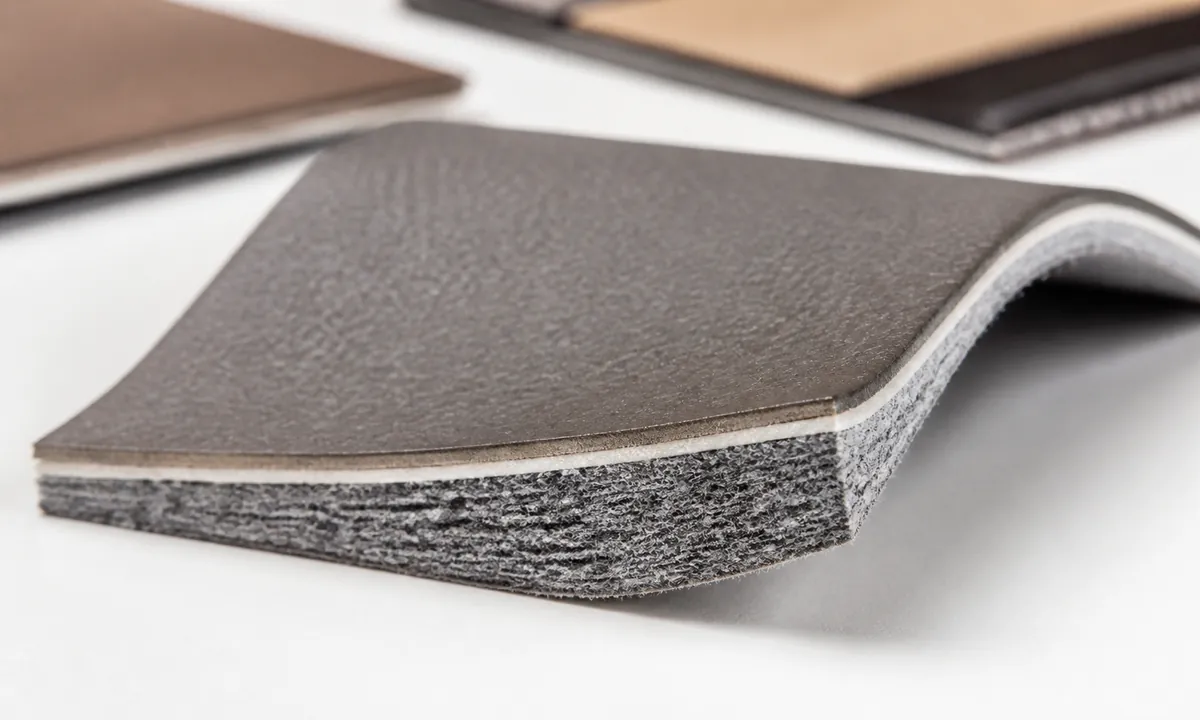
Structure first
Microfiber base and surface construction should fit the finished product.
Use-case testing
Tear, flex, rubbing or peel discussions depend on the application.
Premium positioning
Choose microfiber when the project needs the structure to justify the cost.
Sourcing problems
Microfiber leather should be selected for a clear performance reason
Some buyers ask for microfiber leather because it sounds premium. A better inquiry explains the stress points of the finished product: automotive seating, shoe flex, bag corners, stitching, upholstery tension or repeated handling.
-
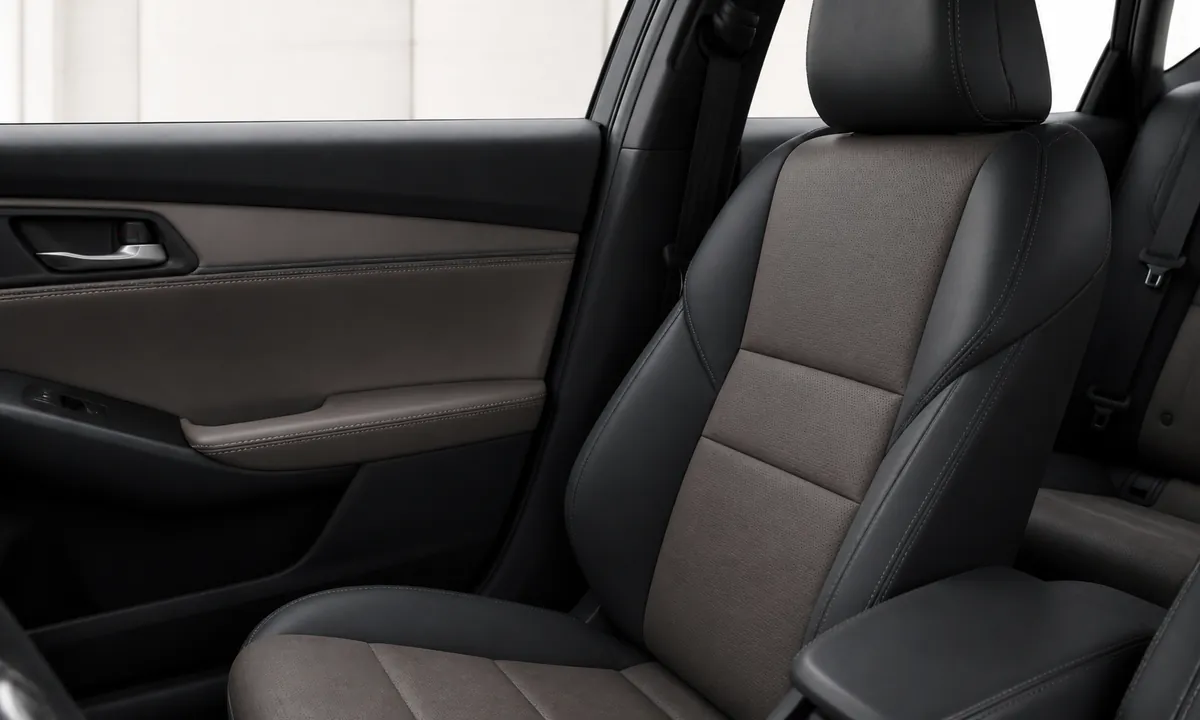
Automotive interiors need stable structure and surface review
Seat and trim projects may require abrasion, rubbing, flame, odor or other tests depending on the buyer and market.
-
Shoes need flex support and edge behavior
Footwear materials should be checked for bending, stitching, surface finish and how the backing handles production.
-
Bags need structure around handles, corners and seams
A bag material should balance surface appearance with tear support, firmness and repeated handling.
Specification control
Microfiber leather specifications to confirm before sampling
For microfiber leather, the inquiry should explain why microfiber is needed. This keeps the sample request tied to product performance instead of a vague premium label.
| Specification item | Options to confirm | Why it matters in production |
|---|---|---|
| Final application | Automotive, footwear, bags, furniture, sports goods or project seating | Microfiber leather is usually selected for higher-use products, so use conditions matter first. |
| Base construction | Microfiber base or microfiber non-woven substrate with suitable surface layer | The base affects tear support, sewing behavior and the structure buyers expect from microfiber. |
| Thickness and firmness | Target thickness, soft or firm hand feel, dense or flexible construction | Footwear, bags and automotive seating need different balance between support and flexibility. |
| Texture and finish | Smooth, fine grain, suede-like effect, matte or custom surface appearance | Surface selection should match brand design and downstream manufacturing. |
| Color approval | Standard color, custom color, color card or buyer sample | Color confirmation is important for high-value products and repeated orders. |
| Performance request | Tear, tensile, flex, rubbing, peel or abrasion test discussion if needed | Test targets should be linked to the application and verified before bulk order. |
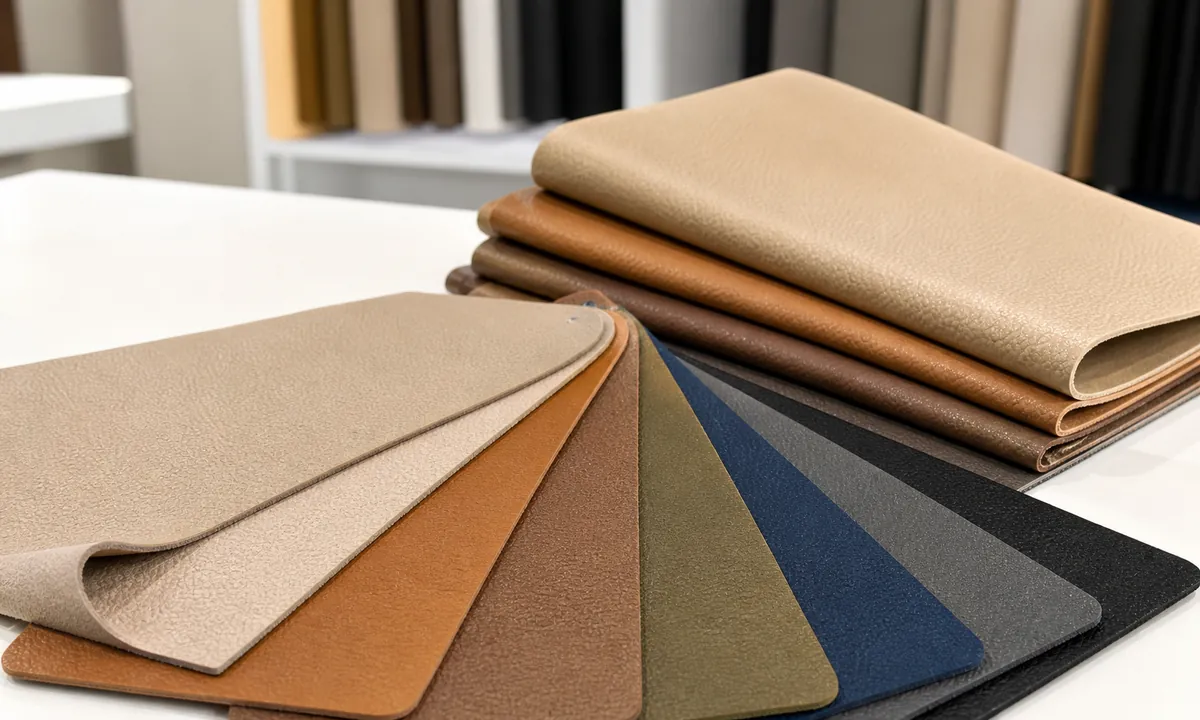
Compare the microfiber base, surface finish and flex behavior on a physical sample.
Application paths
Microfiber leather applications and related product collections
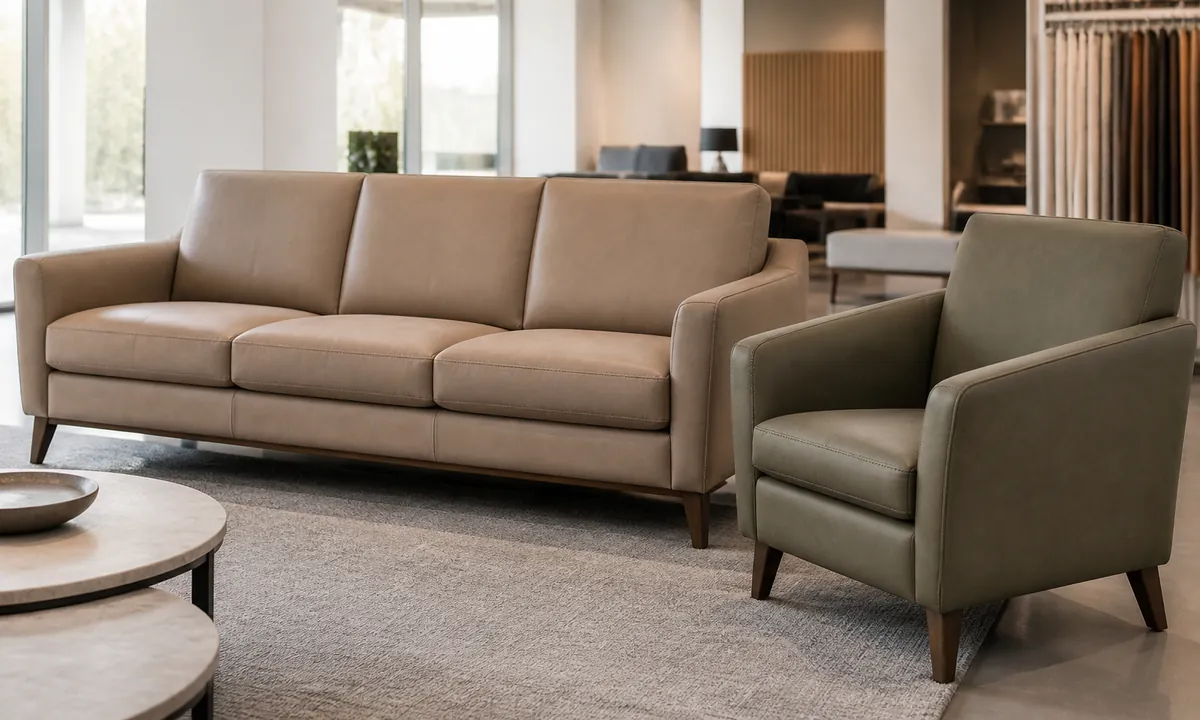
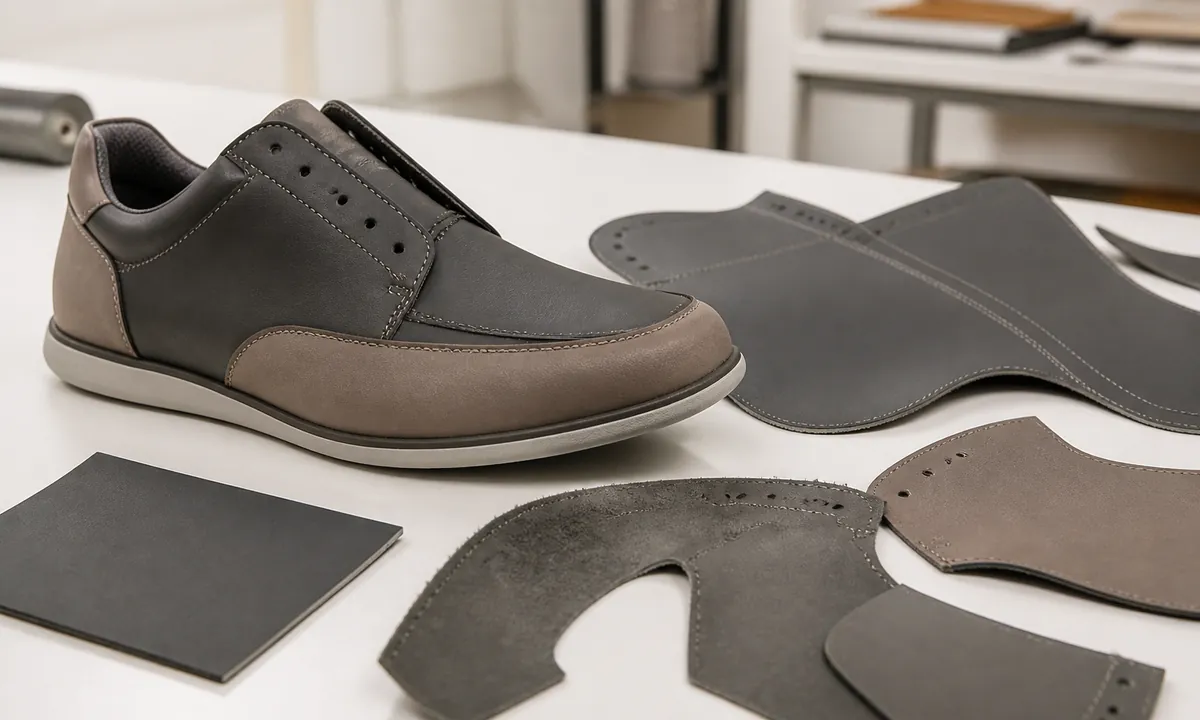
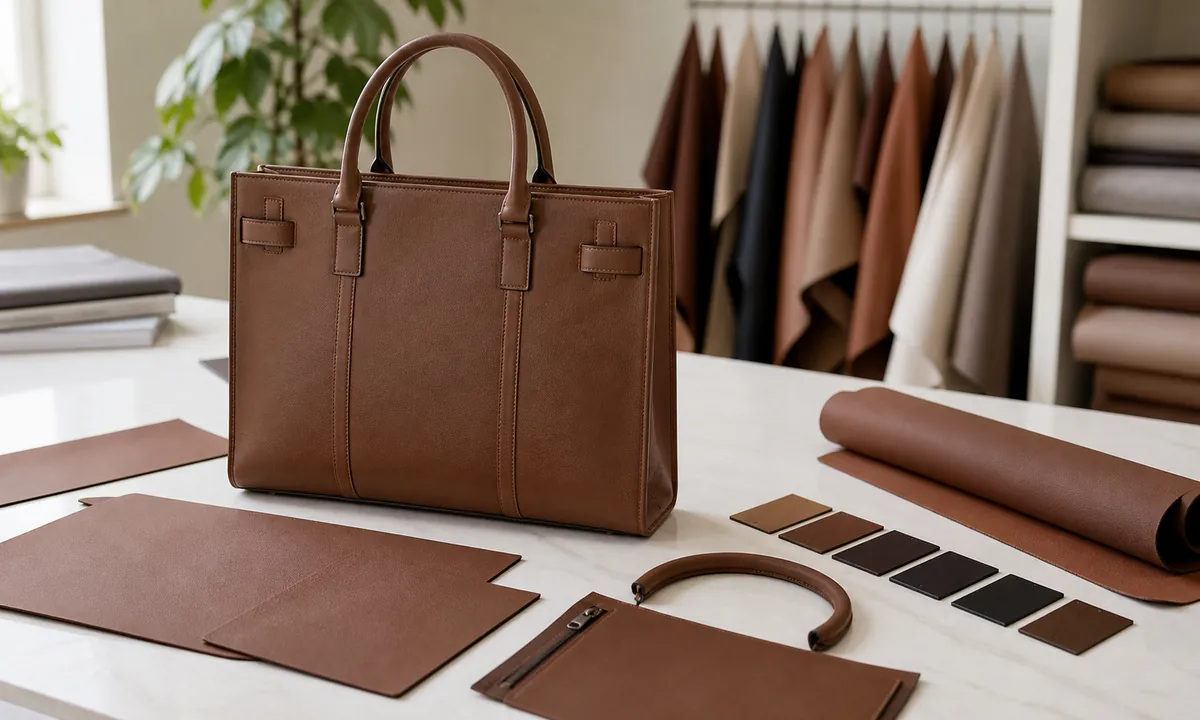
Use these application pages to define the product environment before comparing thickness, surface, backing and testing requests.
Material construction
What is microfiber leather for B2B material selection?
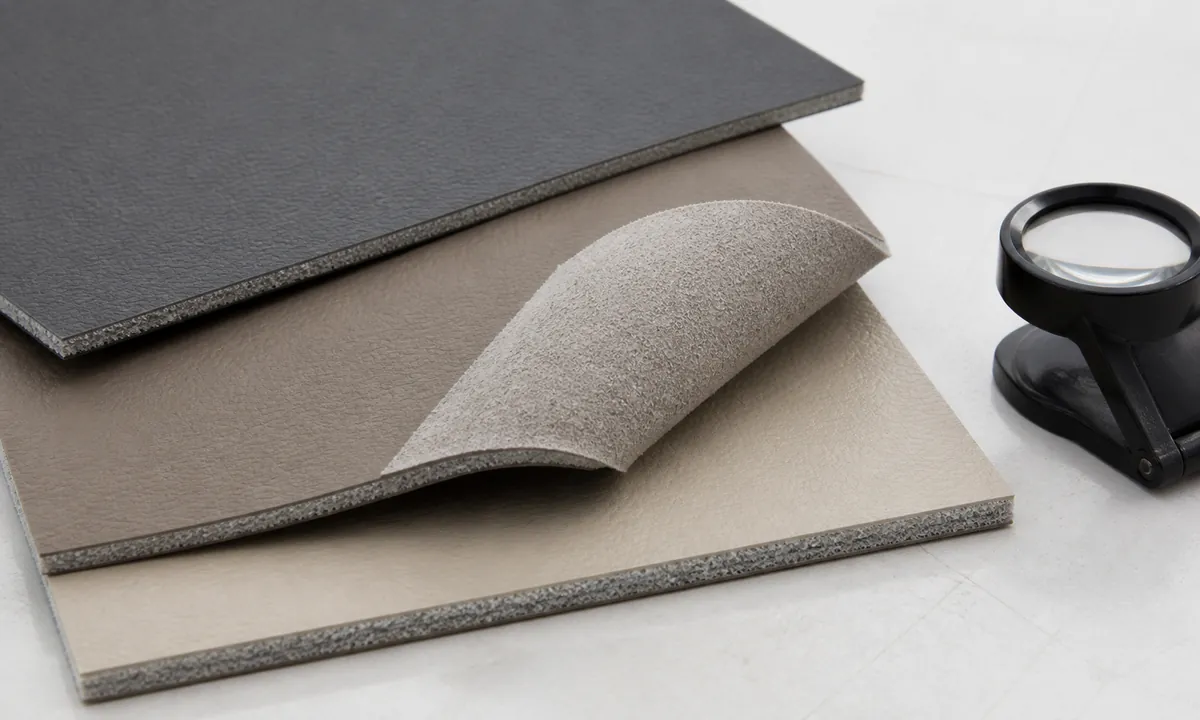
Microfiber leather is a synthetic leather material built around a microfiber base or microfiber non-woven substrate with a suitable surface layer. It is often used when buyers need more structural support than ordinary synthetic leather options can provide, but the exact construction still needs to match the product and test target.
-
Microfiber base
The base structure helps support tear direction, sewing behavior, firmness and repeated-use products.
-
Surface layer
The surface can be developed for smooth, grained, matte or other visual effects depending on the project.
-
Thickness and firmness
Automotive, footwear, bags and furniture may need different balances of density, softness and flexibility.
-
Physical sample verification
Because microfiber projects are often higher value, buyers should confirm real swatches before bulk purchasing.
Why it matters
Why buyers choose microfiber leather for demanding synthetic leather applications
Microfiber leather is not necessary for every product. It is most useful when the buyer needs stronger construction, better handling under stress or a higher-positioned synthetic leather material.
-
Stronger base discussion for high-use products
Automotive seating, shoes and bags often benefit from a material conversation focused on tear, flex and structure.
-
Stable premium surface options
Microfiber leather can support refined surface appearance when the product needs a more premium synthetic leather feel.
-
Useful for sewing and formed products
The base can help with production behavior where edges, seams and curved parts are important.
-
Performance targets can be specified clearly
Tensile, tear, flex, rubbing, peel or abrasion requests should be tied to buyer test methods and application.
Product collection
Microfiber leather product collection and buying resources
Use the material collection and buying resources to prepare a microfiber leather inquiry with real application details.
Microfiber leather collection
View microfiber leather products by material category.
Automotive leather collection
Browse automotive synthetic leather product directions.
Buying guide
Prepare sample and quotation information.
Material comparison
Compare microfiber with PVC, PU and silicone when choosing material.
Supplier support
How Wandao Leather supports microfiber leather sourcing
Wandao Leather helps overseas buyers specify microfiber leather by application, not by buzzword. We connect the sample request with base structure, surface finish, thickness, color, test expectation and quotation details.
-
Application-based recommendation
We review whether microfiber leather makes sense for automotive, footwear, bag or upholstery use.
-
Base and surface matching
Microfiber base, thickness, firmness, texture and finish can be discussed around the product.
-
OEM color and sample support
Color cards, buyer swatches and reference products can guide sample development.
-
Testing conversation
Tear, tensile, flex, rubbing, peel and abrasion requests should be defined by market and method.
Material choice
Microfiber leather compared with PVC, PU and silicone leather
Microfiber leather is usually compared when the buyer is deciding whether the project needs stronger construction or a higher material grade.
Microfiber vs PVC leather
PVC leather is often practical for cleanable and cost-controlled upholstery. Microfiber leather is considered when structural support or product positioning matters more.
Compare with PVC leatherMicrofiber vs PU leather
PU leather often leads when soft hand feel and surface variety are the priority. Microfiber leather adds a stronger base conversation for higher-use products.
Compare with PU leatherMicrofiber vs silicone leather
Silicone leather is usually a specialty surface choice. Microfiber leather is more about base structure, product support and durable synthetic leather positioning.
Compare with silicone leather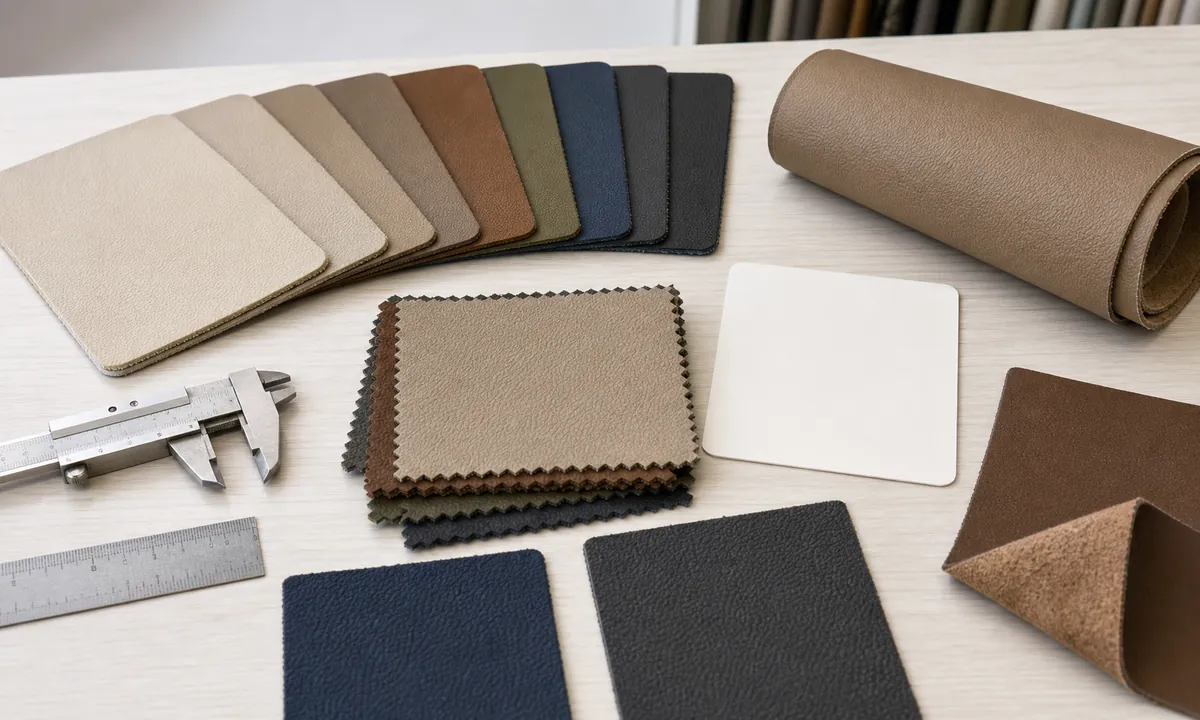
Before sampling
Information to prepare for a microfiber leather quotation
A useful microfiber leather inquiry should explain product stress points and appearance targets.
-
Final application
Automotive, shoes, bags, furniture, sports goods or other product.
-
Performance reason
Why microfiber is needed: structure, flex, tear support, surface quality or positioning.
-
Sample target
Existing swatch, color card, reference image or product requirement.
-
Construction
Thickness, firmness, surface texture, backing and hand feel.
-
Order context
Sample needs, bulk quantity, roll width, destination market and timeline.
-
Testing needs
Tear, tensile, flex, rubbing, peel or abrasion methods if required.
FAQ
Microfiber leather FAQ for B2B buyers
Which manufacturing applications commonly use microfiber leather?+
Microfiber leather is considered for automotive interiors, footwear, bags, furniture upholstery and other products where the base structure, flex behaviour and surface consistency matter. The category name does not guarantee suitability. Buyers should match the complete construction, thickness, firmness, surface finish and required test method to the actual component and production process.
How is microfiber leather different from conventional PU leather?+
Microfiber leather normally uses a dense microfiber nonwoven base combined with a polyurethane surface system. Conventional PU leather may use knitted, woven or other textile backing constructions. This structural difference can influence tear support, edge handling, firmness and flex response, but actual performance still depends on the complete formulation and manufacturing route. Compare physical samples and named test results rather than relying on the material label alone.
Is microfiber leather suitable for automotive interiors?+
It can be evaluated for seats, door trim and selected interior components when the construction matches the component and buyer specification. Confirm the exact requirements for abrasion, colour rubbing, flex, peel, fogging, odour, flammability, light ageing or chemical exposure using the buyer's named methods and conditions. Approval should be based on the relevant sample, component trial and required report.
What should footwear and bag buyers check?+
Review repeated flexing, tear support, peel behaviour, stitching, skiving, edge finishing, shape retention and surface wear according to the component. A flat swatch may look suitable but behave differently after lasting, folding or structured assembly. Send the product design, component position and current reference so the sample direction reflects the real manufacturing process.
Which microfiber leather specifications can be customised?+
Development can cover colour, grain, gloss, hand feel, firmness, total thickness, usable width and surface treatment. Feasibility depends on the application, performance target and order context. A physical reference is more useful than photographs because it communicates surface friction, flexibility, density and colour more reliably. Custom samples should be approved again before bulk coordination.
How should performance requirements be specified?+
State the test method, conditioning, target value and destination-market requirement. General words such as “high abrasion” or “automotive grade” are not measurable specifications. Relevant methods may cover tensile and tear strength, flex, peel, rubbing, abrasion, hydrolysis, flame or chemical resistance. Wandao can coordinate a suitable material and testing route after the requirement is defined, but final acceptance relies on the approved sample and applicable report.
How do I request microfiber leather samples and a quotation?+
Send the final product and component, physical swatch or colour reference, target grain and firmness, thickness, usable width, estimated quantity, destination market and any named test requirement. If some details are not yet known, begin with the application and current material. We will identify missing information, suggest a practical construction direction and coordinate relevant samples before preparing a reliable quotation.
Sample, colour card and quotation
Send Your Microfiber Leather Application and Performance Target
Tell us where the material will be used, which component stresses matter and what surface, firmness, thickness or testing target it needs to match. A clear brief helps us recommend a useful construction instead of sending unrelated samples.
- Final product and component
- Physical swatch or colour reference
- Target grain and firmness
- Thickness and usable width
- Estimated order quantity
- Named test method, if required
What Happens After Your Inquiry
1. Specification review
We review the application, component stress, firmness, thickness and test information, then identify any details still needed.
2. Construction direction
We suggest available swatches or a custom development route based on the confirmed base, surface and processing needs.
3. Sample and quotation coordination
Samples, realistic timing and a reliable quotation are coordinated after the construction and key specifications are clear.
Wandao Leather is a synthetic leather supplier and factory-matching partner in Dongguan, China. We coordinate the material route; final suitability is confirmed through the approved sample and any testing required by the buyer.