
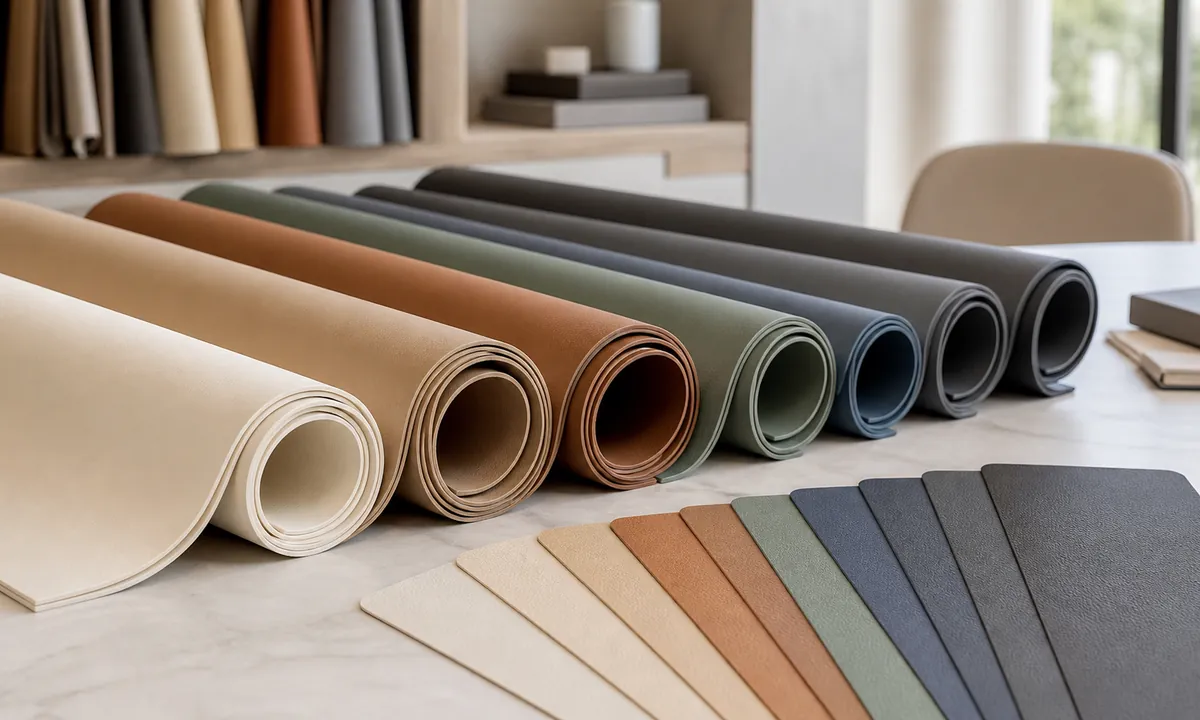
silicone leather selection for automotive interiors
Silicone Leather for Automotive
Silicone leather is a specialty option, not a default answer for every project. Buyers should define the surface requirement and cost position before sampling. For automotive interiors, Wandao Leather helps buyers match silicone leather by application, construction, backing, thickness, color, texture and sample requirements.
Application fit
When silicone leather for automotive makes sense
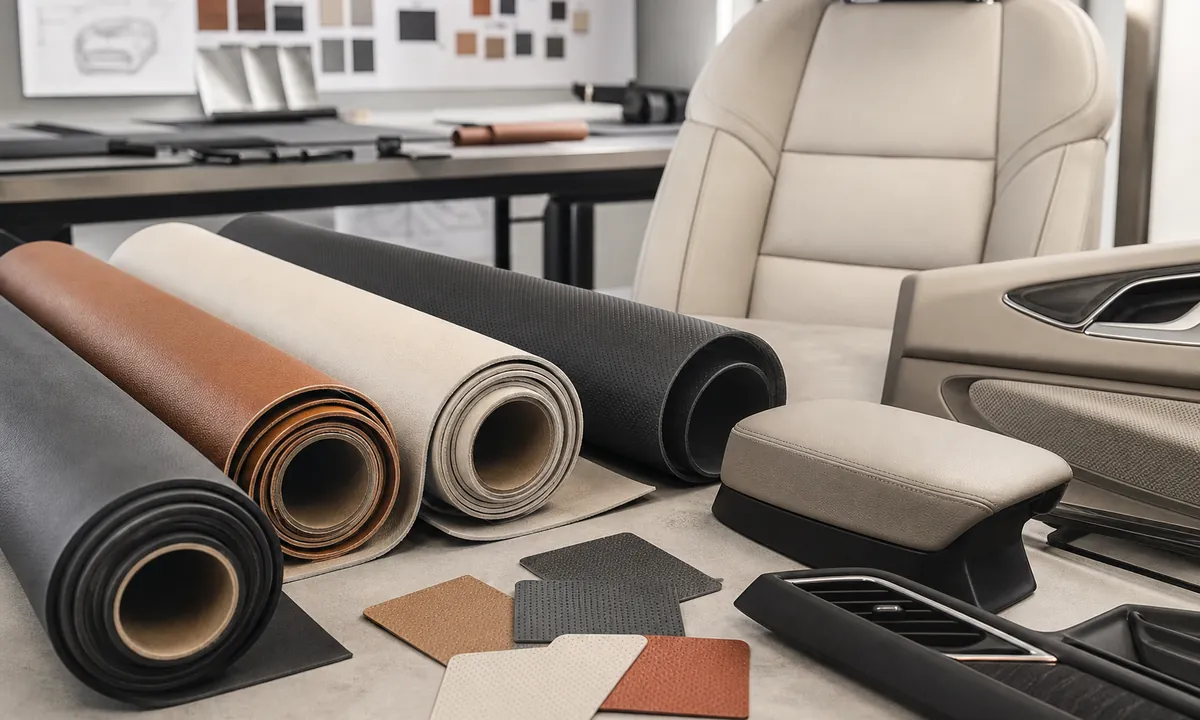
Automotive leather projects usually need early discussion about surface feel, odor concerns, abrasion, color stability and market-specific testing. Silicone Leather is useful when the buyer needs specialty soft-touch surface options for projects where cleaning expectation, feel or finish justifies the material choice.
-
Start with the finished product
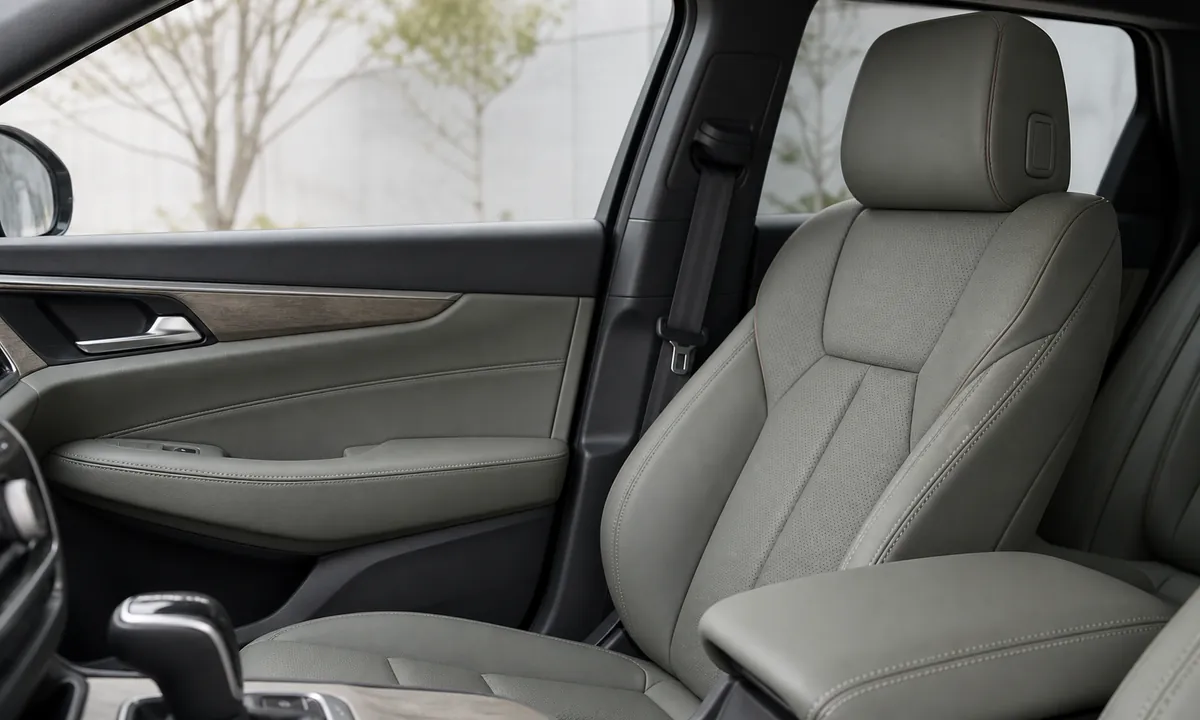
Confirm whether the material will be used for car seats, door panels, armrests, headrests, steering wheel covers and interior trim. This keeps the sample request tied to real production.
-
Match construction to use
Check silicone surface, backing, thickness, hand feel, texture, matte level, color and application requirement before approving the material for automotive interiors.
-
Approve the complete construction for automotive interior
Color and grain are only part of approval; component fit, processing behavior and the buyer-specific test methods also depend on the backing, thickness and complete construction.
-
Confirm testing only when required
If your buyer or market requires cleaning, abrasion, flame, UV or chemical requirements when the buyer has a confirmed destination market and method, share the method before sampling.
Specification control
Recommended information before sampling
A clear specification prevents wrong sample directions and makes quotation more realistic for automotive interiors projects.
| Specification item | What to confirm | Why it matters |
|---|---|---|
| Final application | car seats, door panels, armrests, headrests, steering wheel covers and interior trim | The product determines the surface, backing, thickness and performance direction. |
| Material construction | silicone surface, backing, thickness, hand feel, texture, matte level, color and application requirement | The full construction should be checked, not only the visible surface. |
| Color and texture | Approved color standard, grain, gloss level, perforation pattern and any two-tone coordination | Instrument panels, seats and trim are viewed together, so grain and color approval must be controlled across adjacent parts. |
| Backing and thickness | Backing type and thickness suited to wrapping, sewing, perforation, quilting or lamination | Construction affects edge turning, seam appearance, forming behavior and how the material sits on the component. |
| Roll and order details | Usable width, component yield, trial quantity, projected volume, destination market and launch timing | Part dimensions and cutting yield influence material consumption, quotation and production planning. |
| Testing request | cleaning, abrasion, flame, UV or chemical requirements when the buyer has a confirmed destination market and method | Test targets should be linked to the market and confirmed method before sampling. |
OEM and sample matching
Customization options for silicone leather for automotive
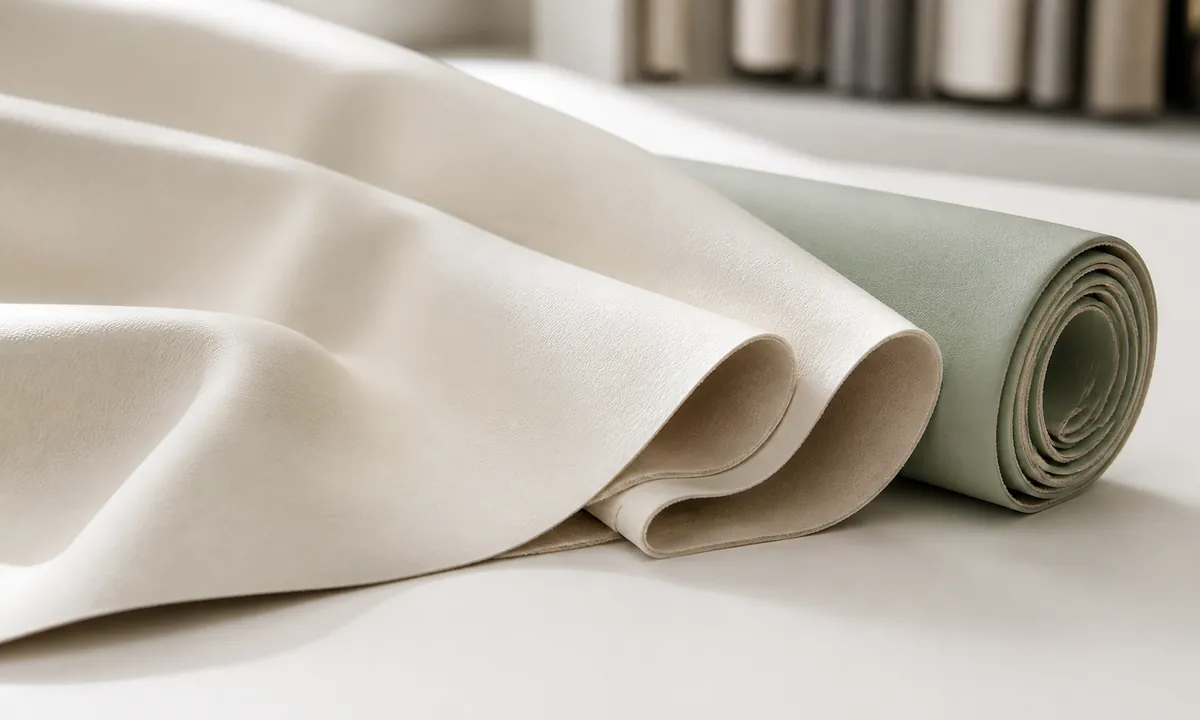
For automotive interiors, color, grain, backing, thickness and surface finish should be developed against the finished product, production method and approval standard.
-
Color matching
Use a physical master or approved seat cover, door insert, armrest, headrest or trim component sample to control color and surface approval.
-
Texture and finish
Set grain scale, gloss and finish against the seat cover, door insert, armrest, headrest or trim component design and neighboring materials.
-
Backing and thickness
Select backing and thickness around sewing, perforation, quilting, wrapping or lamination, not from a swatch book alone.
-
Sample confirmation
Review a representative sample through sewing, perforation, quilting, wrapping or lamination, then freeze the approved color, surface and construction for bulk reference.
Related material paths
Compare related materials and application pages
Review the broader silicone leather category, compare other material options for automotive interiors, and browse related product collections before confirming samples.
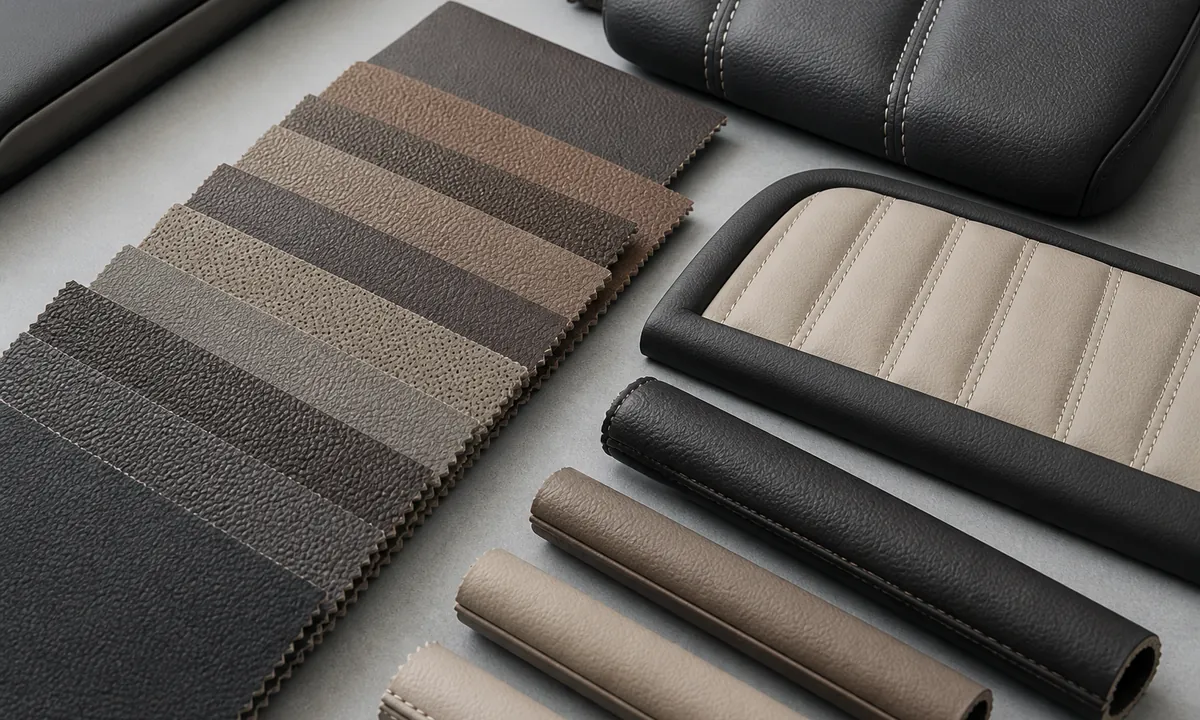
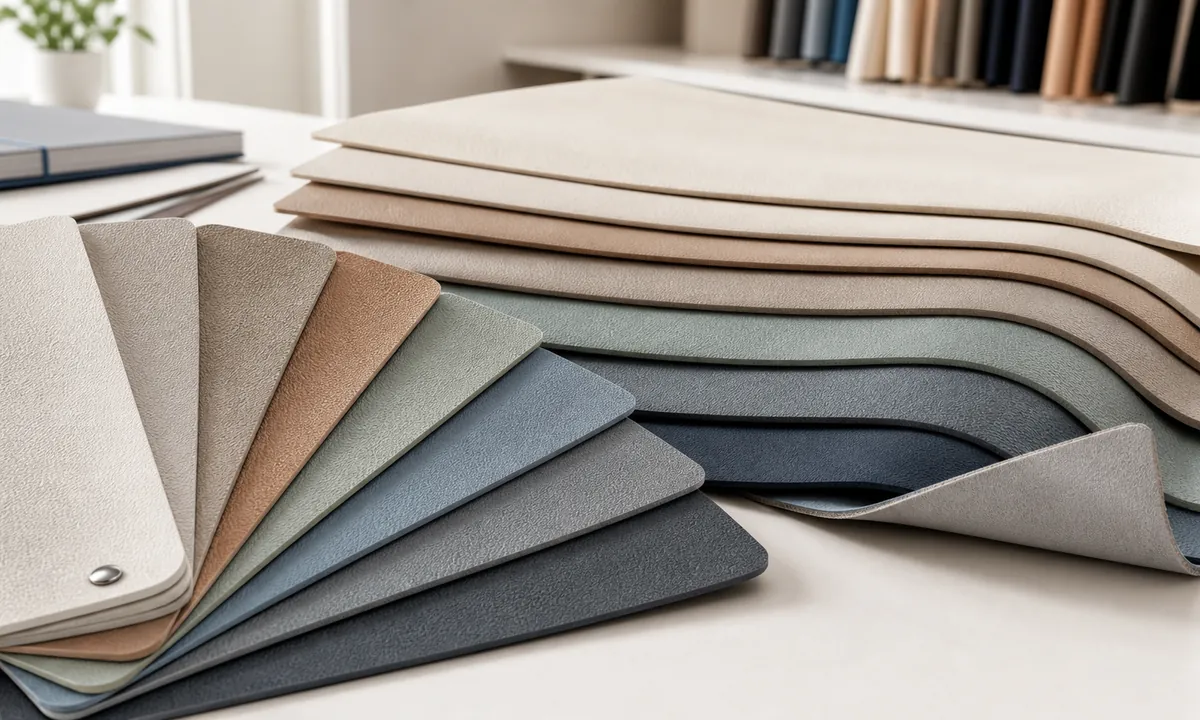
Silicone Leather
Review the broader silicone leather category to understand construction, customization and application considerations.
Review silicone leather specifications
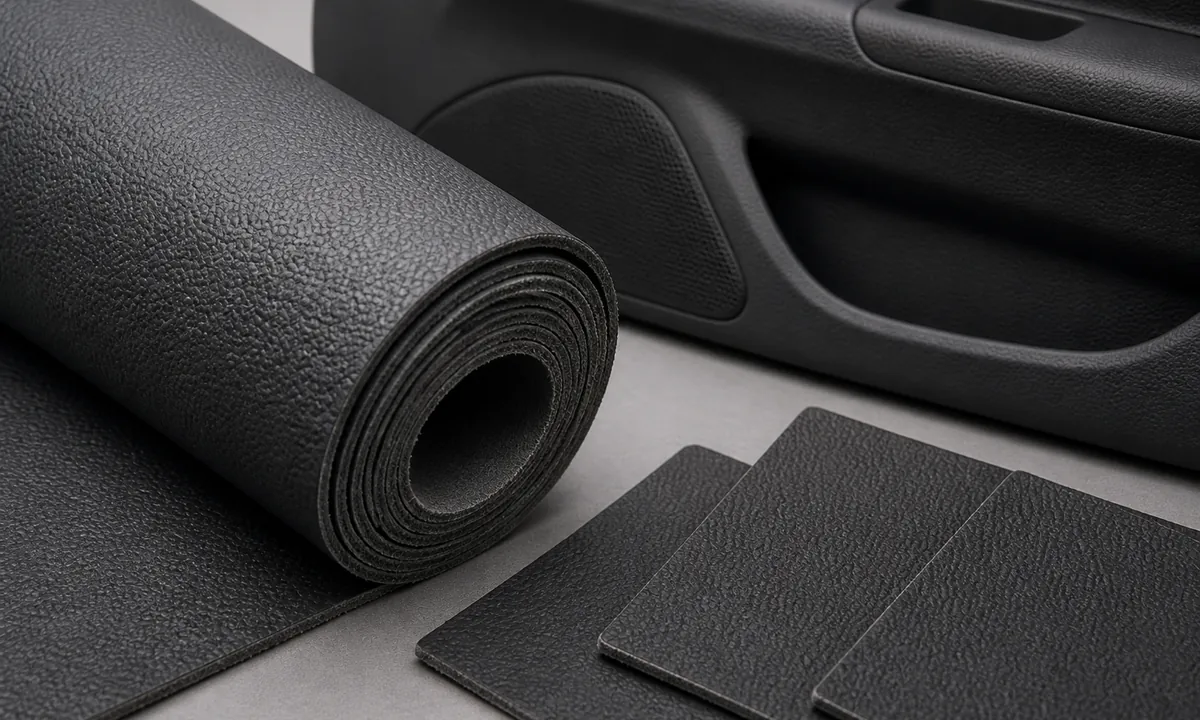
Automotive Leather
Compare other material routes for automotive interiors before selecting a construction.
Compare materials for automotive interiors
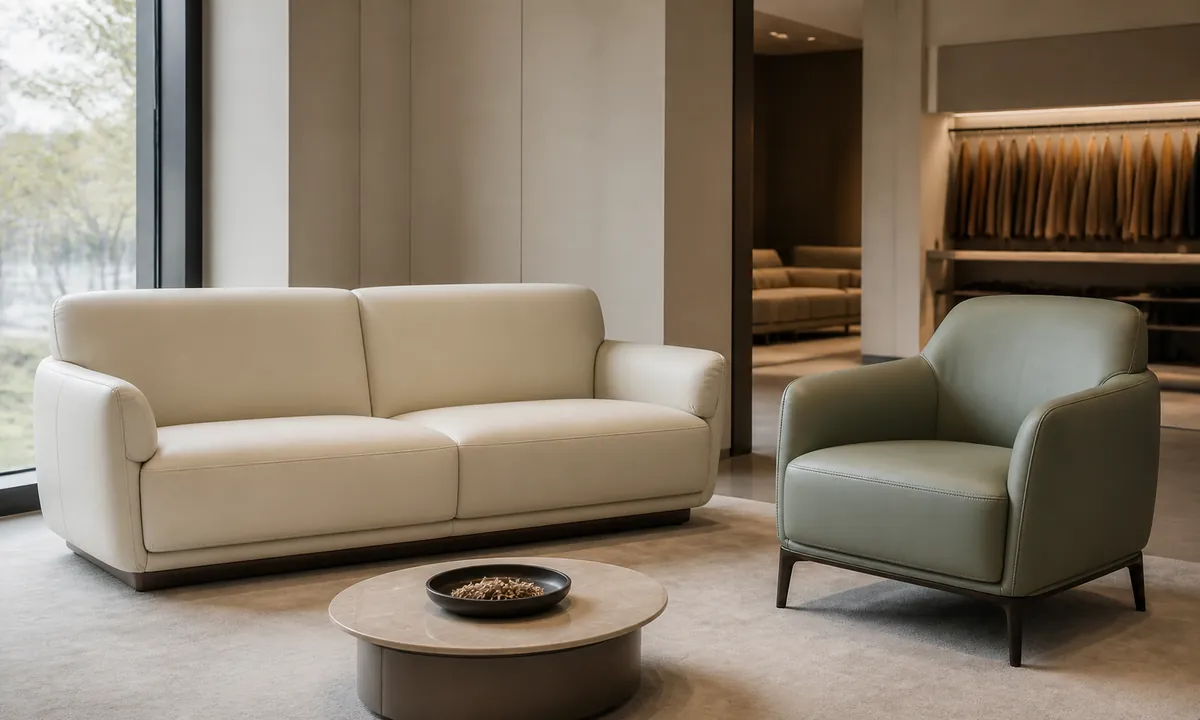
Silicone Leather products
Browse products organized by material to compare available surface and construction options.
Browse silicone leather products
Automotive Leather products
Browse products organized for this application and prepare a more focused sample request.
Browse products for automotive interiors
Same application
Other material options for automotive interiors
PVC Leather for Automotive
Evaluate PVC leather when its construction is better aligned with the component, processing route and required tests.
PU Leather for Automotive
Evaluate PU leather when its construction is better aligned with the component, processing route and required tests.
Microfiber Leather for Automotive
Evaluate microfiber leather when its construction is better aligned with the component, processing route and required tests.
Same material
Other Silicone Leather application pages
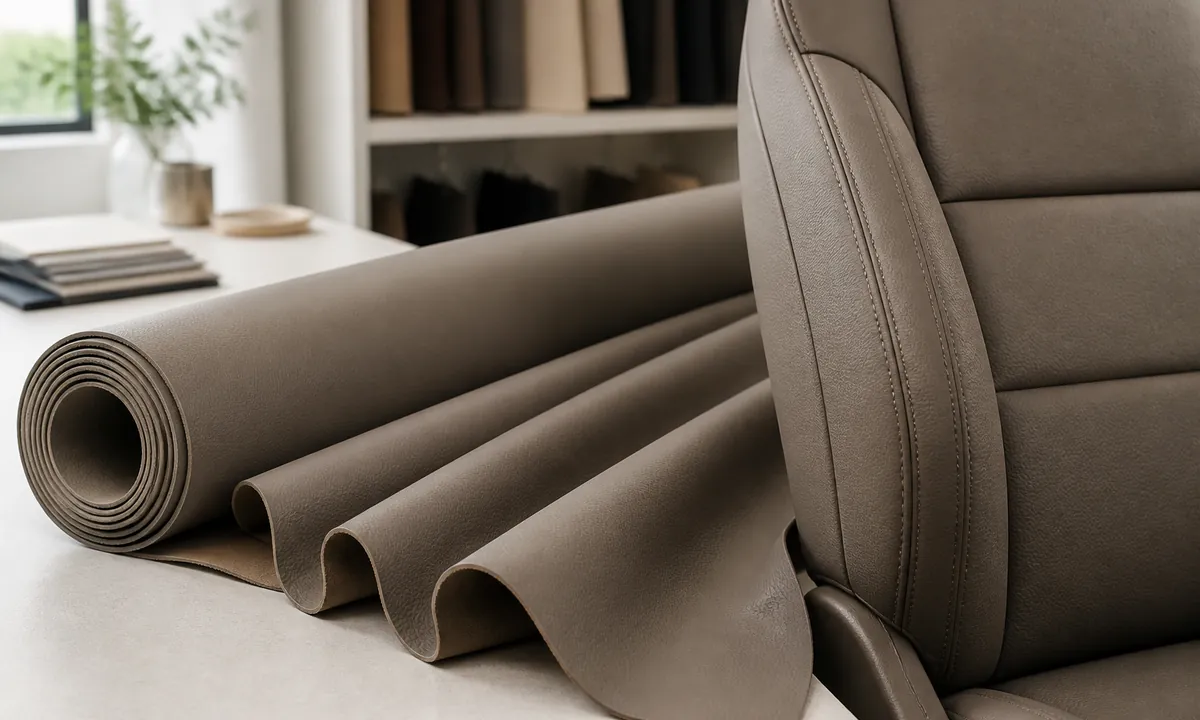
Before inquiry
Buying checklist for silicone leather for automotive
Prepare the following details before asking for samples or quotation. This allows the proposed silicone leather construction to be checked against automotive interior production before quotation.
-
Final product
car seats, door panels, armrests, headrests, steering wheel covers and interior trim
-
Target sample
Color card, swatch, photo reference or current material.
-
Construction
Confirm surface feel, cleaning behavior, backing and the project-specific performance target together with thickness, color and the finished-part requirement.
-
Order context
State the seat cover, door insert, armrest, headrest or trim component, sample type, estimated production volume, usable width, destination market and target timing.
-
Testing needs
cleaning, abrasion, flame, UV or chemical requirements when the buyer has a confirmed destination market and method
-
OEM details
Custom color, grain, backing or surface treatment request.
FAQ
Silicone Leather for Automotive FAQ
Is silicone leather suitable for automotive interiors?
Silicone Leather can be suitable when its construction matches the final product. For automotive interiors, buyers should confirm surface finish, backing, thickness, hand feel, color and testing needs with physical samples.
Can silicone leather be customized for this application?
Yes. For automotive interior projects, OEM development can cover color, grain, backing, thickness and finish after sewing, perforation, quilting, wrapping or lamination requirements are clear.
What should I send before asking for a quotation?
Send the seat cover, door insert, armrest, headrest or trim component, physical color or grain reference, backing, thickness, usable width, quantity, market and named test methods.
Can Wandao Leather help compare other materials?
Yes. If Silicone Leather is not the right direction, Wandao Leather can help compare PVC, PU, microfiber or silicone leather options based on the application.
Sample, color card and quotation
Send your silicone leather for automotive requirement
Share your final product, target sample, thickness, backing, texture, color, quantity and testing needs. Wandao Leather can help confirm the sample direction and quotation for your automotive interiors project.