
PVC construction for defined automotive components
PVC Leather for Automotive Seats, Door Panels and Interior Trim
PVC leather can be a practical route for selected automotive interior programs, but the material name does not establish suitability. The seat or panel design, backing, thickness, stretch, grain, surface finish, odor expectation and buyer-specific test method must be reviewed as one construction.
Before requesting a price
Provide the vehicle type, component, processing route, physical reference, estimated quantity, destination market and named tests. Without these details, quotations may compare different constructions.
Define the part before the material
Where automotive PVC leather may be evaluated
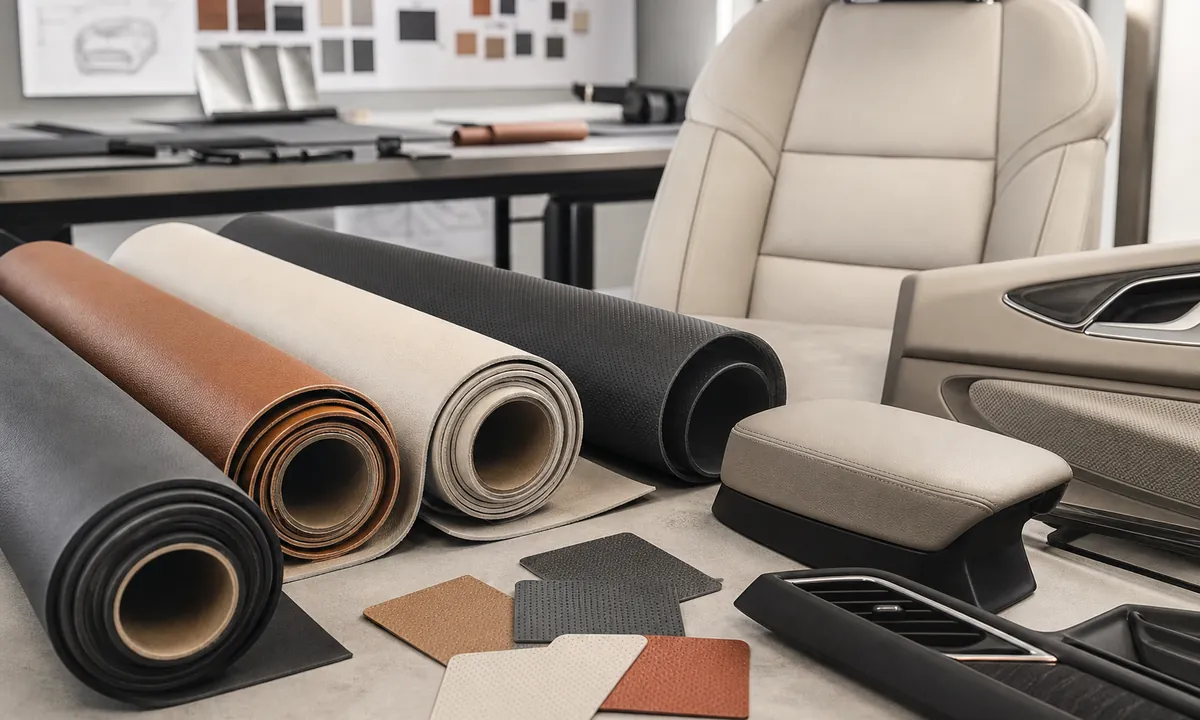
PVC can be considered for several interior components, but a construction approved for one position should not automatically be transferred to another. The stress, processing method and visible surface requirement change across the cabin.
Seat covers
Review repeated flexing, seam stress, occupant contact, abrasion, perforation and the interaction with foam and stitching.
Door panels
Confirm wrapping or lamination behavior, adhesive system, surface scuffing, grain stability and heat exposure.
Armrests and headrests
Check touch, seam appearance, stretching around curves and resistance required for repeated hand or head contact.
Interior trim
Define whether the material is sewn, wrapped, laminated or decorative, then match backing and thickness to the process.
Construction controls performance direction
Evaluate the surface, foam, backing and finish together
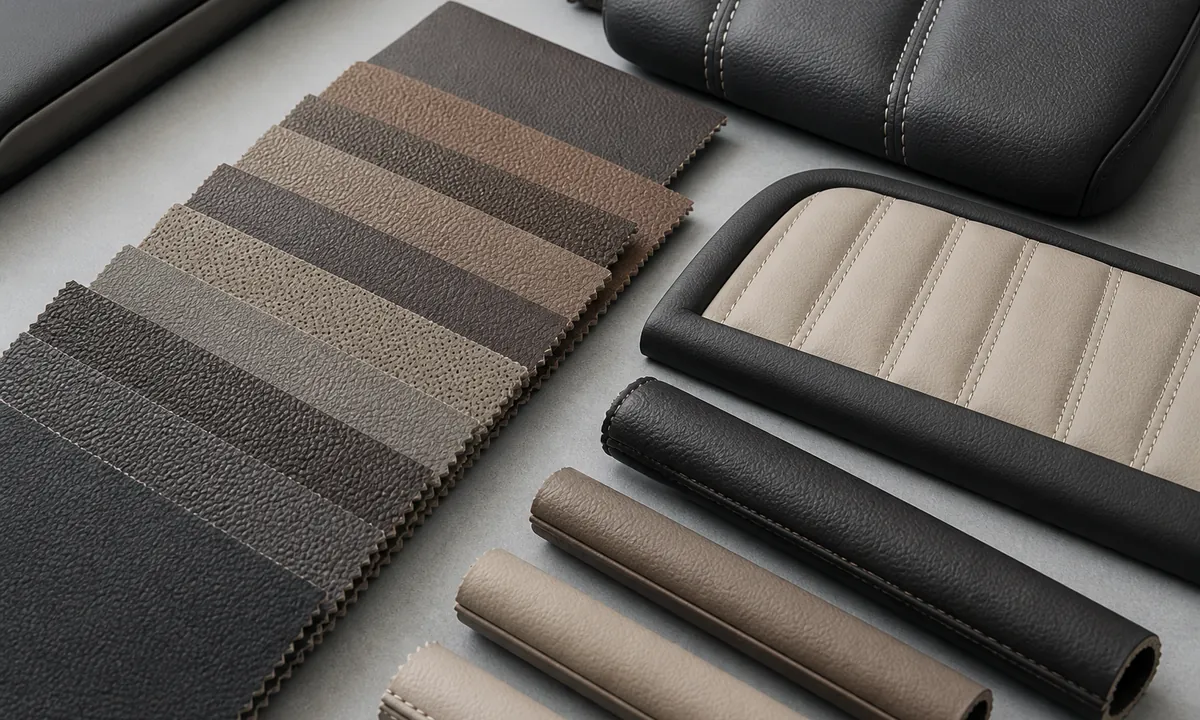
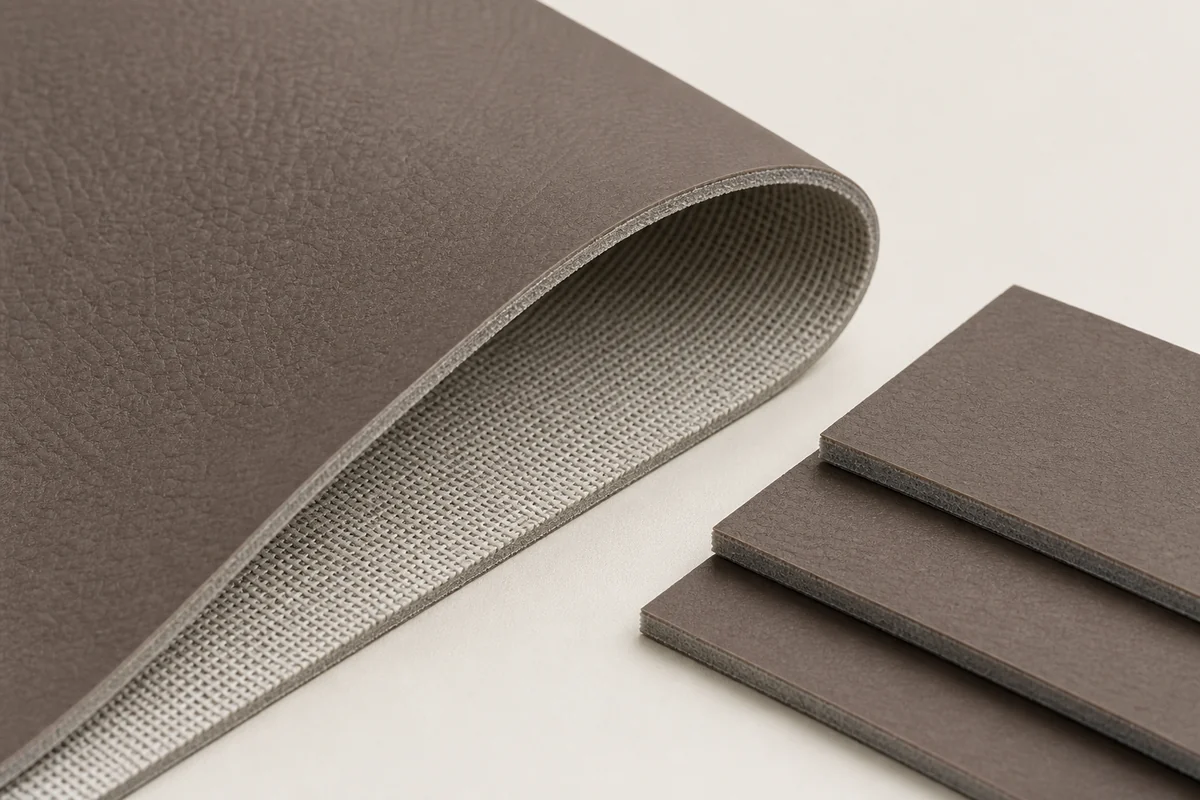
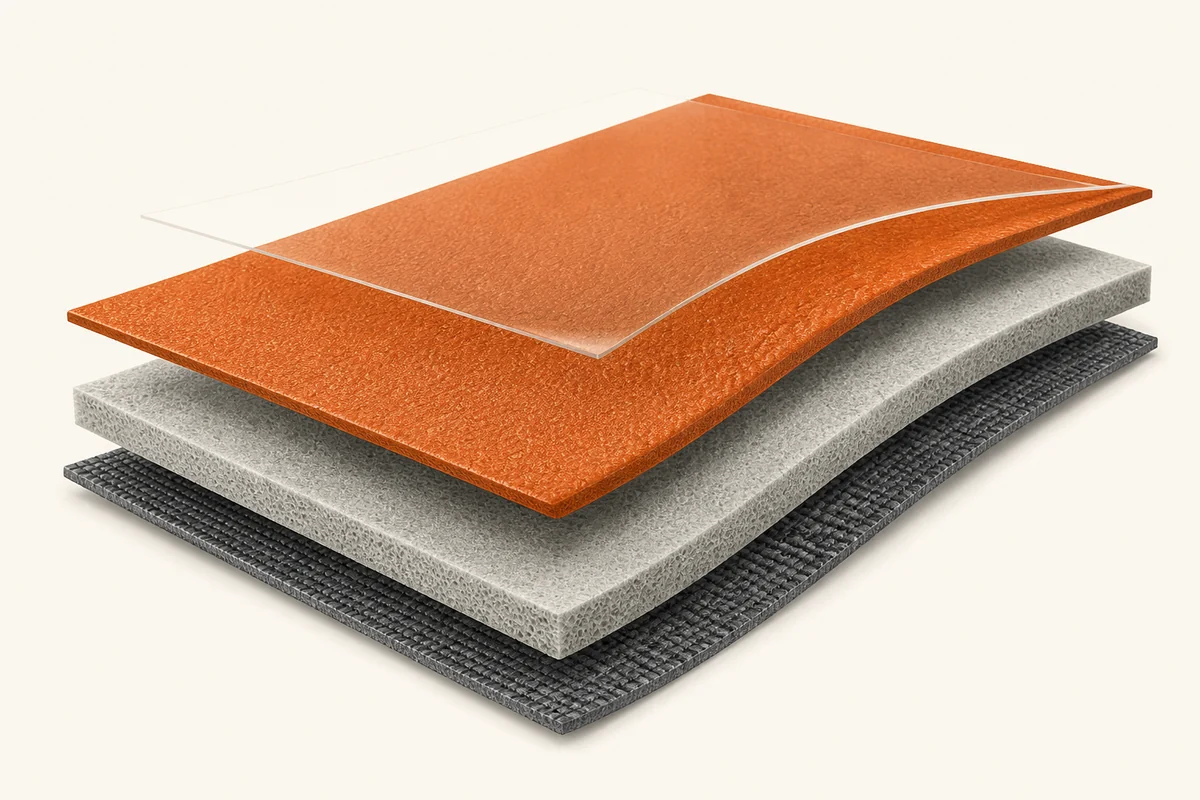
Automotive PVC leather may combine a compact surface, foamed layer, textile backing, embossing and finishing treatment. Changes to one layer can affect hand feel, elongation, thickness, seam behavior, appearance and test results.
Surface and top finish
Set the color, grain, gloss and required resistance to rubbing, cleaning agents or other specified exposures.
Foam and thickness
Influence fullness, softness, compressibility and behavior during sewing or wrapping.
Backing and elongation
Select around stretch direction, seam support, forming and lamination requirements.
Embossing and visual control
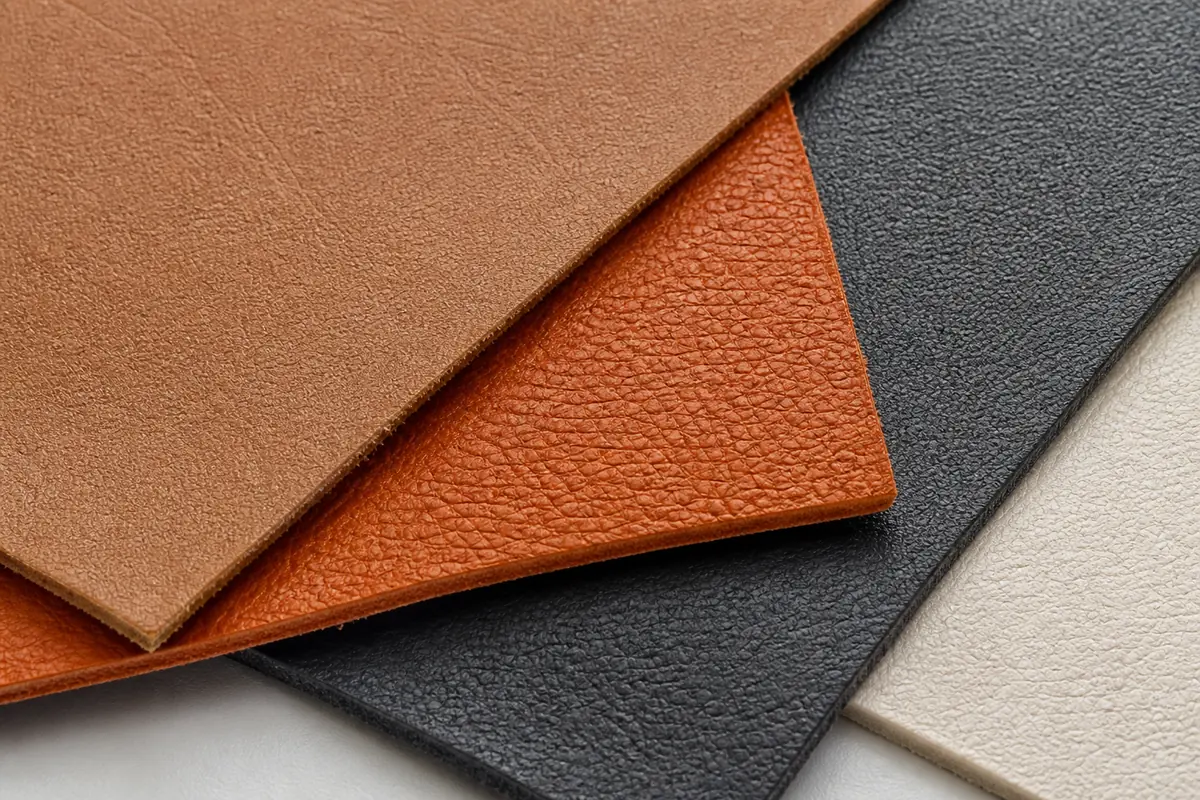
Confirm grain scale, depth, gloss and color under agreed viewing conditions.
Sampling brief
Information required for an automotive PVC sample
A physical reference is useful, but it should be accompanied by the component and test specification. Otherwise, a visually similar sample may not meet the production requirement.
| Item | Confirm before sampling | Reason |
|---|---|---|
| Component | Seat area, door insert, armrest, headrest or trim part | Defines stress, contact and visual requirements. |
| Processing | Sewing, perforation, quilting, wrapping or lamination | Determines backing, stretch and surface stability needs. |
| Construction | Backing, thickness, width, elongation and hand-feel direction | Controls manufacturing behavior and finished appearance. |
| Appearance | Physical color, grain, gloss and touch reference | Creates a measurable sample approval basis. |
| Testing | Named method, target, conditioning and market | Avoids developing against a vague automotive-grade claim. |
| Commercial context | Sample quantity, forecast volume, timeline and repeat orders | Supports feasible production and quotation planning. |
Performance must be verified
Translate the buyer specification into testable requirements
Different automotive programs may address abrasion, flexing, peel strength, rubbing, color fastness, heat aging, cold resistance, odor, fogging, flammability or chemical resistance. The applicable list, method and limit must come from the customer or target market.
Test the proposed construction
A report for another backing, thickness, finish or formulation may not represent the material being purchased.
Confirm specimen preparation
Conditioning, direction, backing and specimen preparation can affect results. Follow the named standard.
Separate material and finished-part tests
Some requirements apply to the finished component, not only the roll material. Clarify responsibility before approval.
OEM color and construction matching
Customize the variables that affect the component
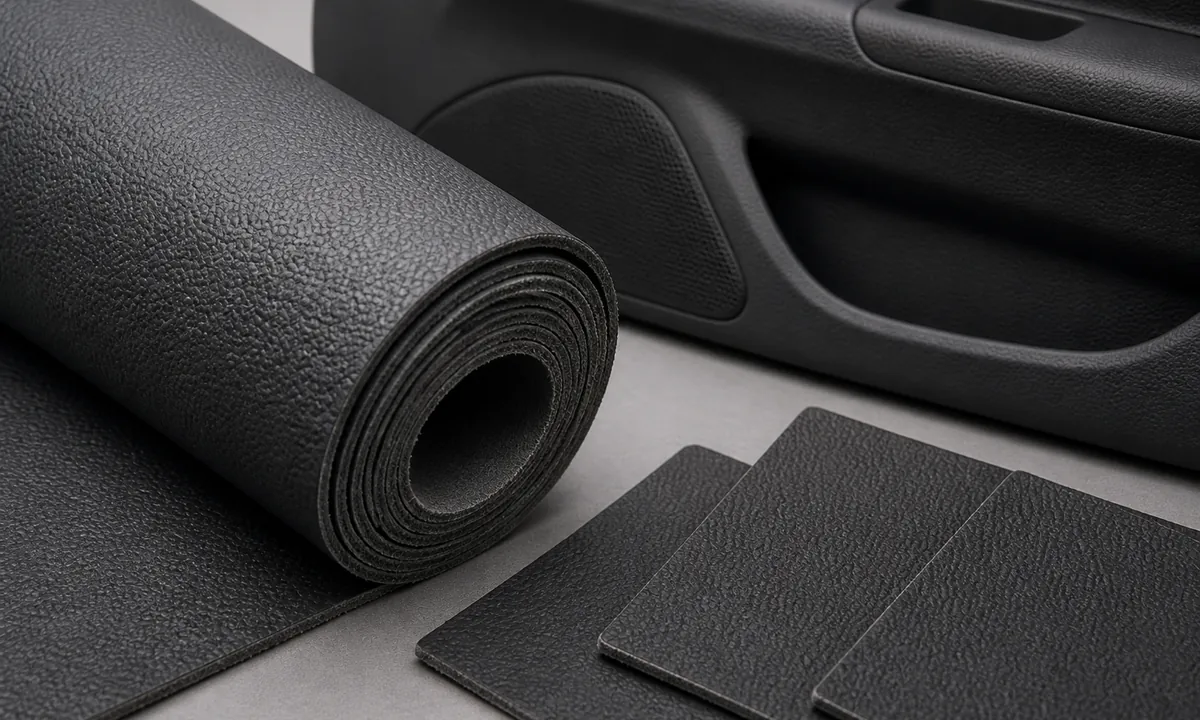
Wandao Leather can coordinate color, grain, gloss, backing, thickness, hand feel and surface-treatment development with suitable production partners. Each request should include the component and approval standard.
Physical color matching
Use a master swatch or approved color standard and define viewing conditions.
Grain and gloss alignment
Match the interior design language and neighboring components.
Backing and thickness
Set around sewing, perforation, wrapping, lamination and support.
Surface-treatment direction
Develop against named cleaning, rubbing or other specified requirements.
Related sourcing paths
Understand the material, compare the application and browse products
PVC leather constructions
Review PVC surface systems, foam, backing, embossing and custom development considerations.
Review PVC leather specifications
Automotive interior materials
Compare PVC, PU, microfiber and silicone options by component and requirement.
Compare automotive material options
PVC leather products
Browse product entries organized by the PVC material category.
Browse PVC leather products
Automotive leather products
View materials organized for seats, panels and other automotive interior uses.
Browse automotive leather products
Alternative constructions
When another material may fit better
PU leather for automotive components
Compare when softer drape or a different surface route is important.
Microfiber leather for automotive interiors
Evaluate when a dense base and higher structural-performance direction are required.
Silicone leather for automotive interiors
Consider for selected surface, cleaning or emission requirements.
Practical automotive PVC guides
Prepare the specification before sampling
Before requesting samples
Automotive PVC leather RFQ checklist
Vehicle and component
State the vehicle type and exact interior part.
Processing route
Sewing, quilting, perforation, wrapping or lamination.
Physical standard
Send color, grain, gloss and hand-feel references.
Backing and thickness
Provide the current construction or target direction.
Test methods
List the named methods, targets and market.
Order context
Include sample needs, forecast volume and timeline.
Automotive PVC sourcing questions
Frequently asked questions
Is PVC leather suitable for car seats?
It can be suitable for selected seat-cover programs when the full construction is validated against the seat design, processing route and customer tests.
Can automotive PVC leather be perforated or quilted?
These processes can be discussed, but the backing, thickness, hole pattern, stitch design and production method should be checked on a representative sample.
How do I specify odor or fogging requirements?
Provide the exact OEM or standard method, target and conditioning procedure. Generic low-odor or low-fogging wording is insufficient.
Can you match an existing grain and color?
A physical master can guide development. The resulting sample must still be approved for color, grain, gloss, touch and construction.
Component review, samples and quotation
Send your automotive PVC construction and test requirements
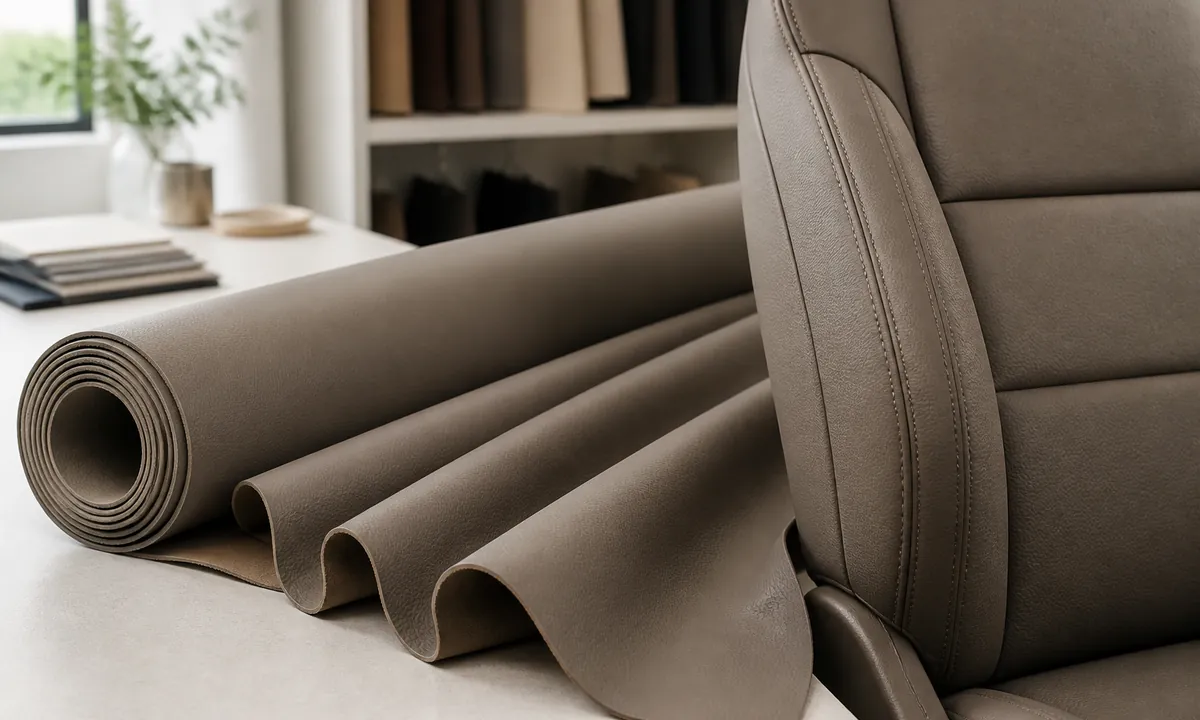
Include the component, processing route, physical reference, backing, thickness, width, quantity, destination market and named test methods. We will review the project and coordinate an appropriate sample direction.
Related sourcing paths