
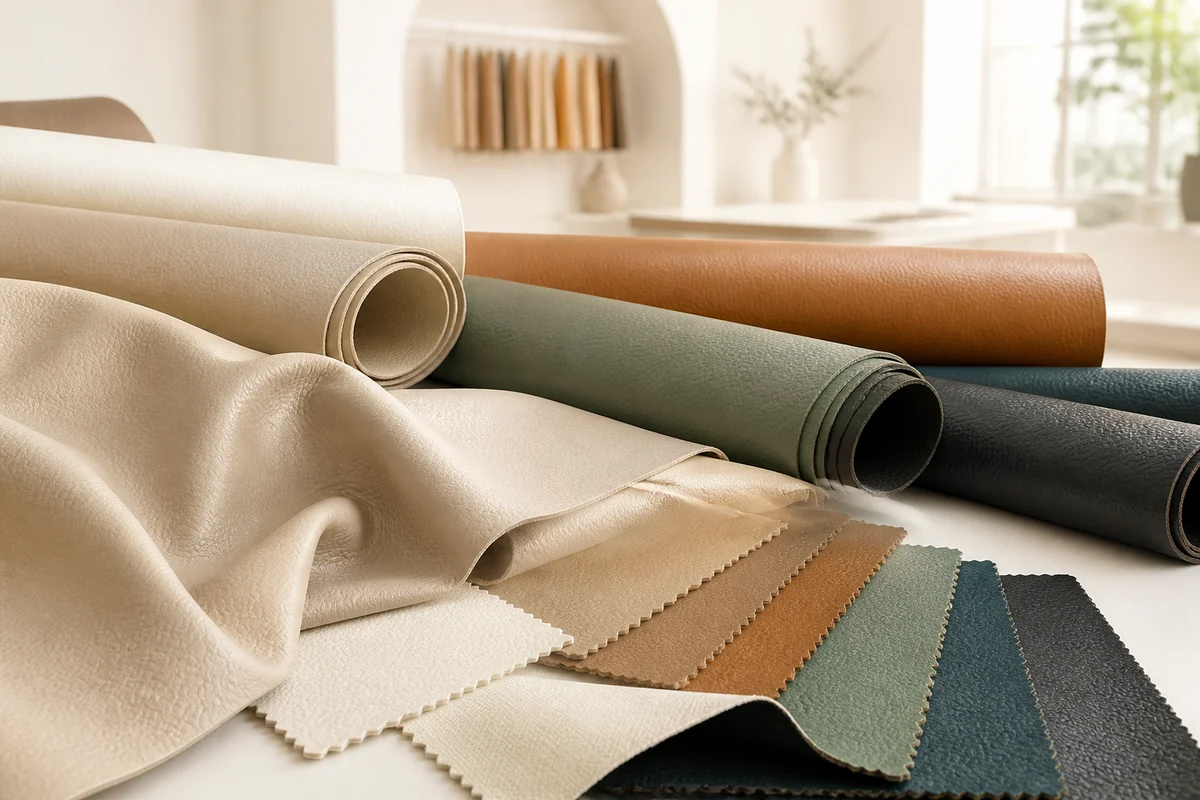
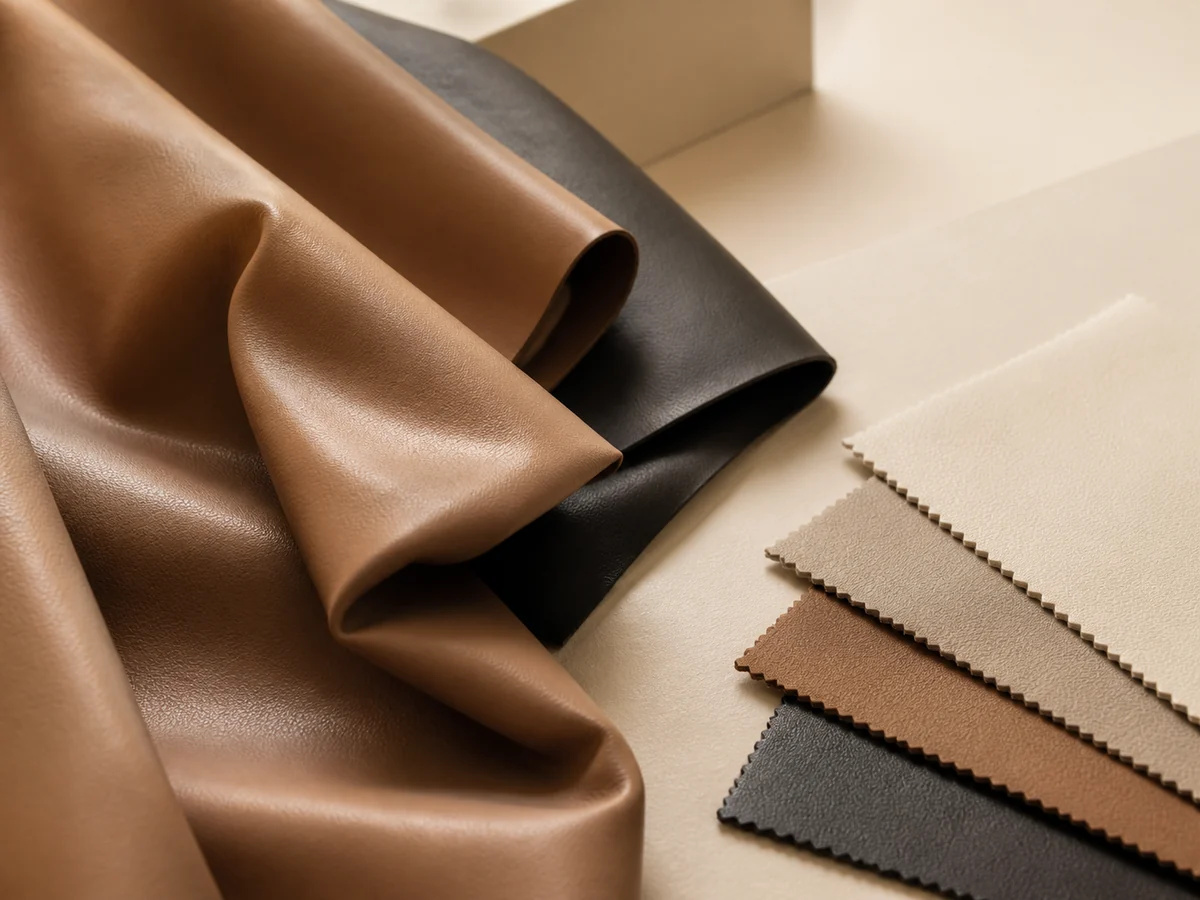
PU leather supplier for touch, color and backing matching
PU Leather for Upholstery, Fashion Products, Shoes and Interior Trim
PU leather is often chosen when the buyer needs a softer hand feel, flexible drape or refined surface appearance. Wandao Leather helps B2B buyers match PU leather material to furniture, automotive trim, clothing, shoes, bags and other products through custom color, texture, backing, thickness and sample confirmation.
Touch matters
Softness, drape and surface finish should be judged with the final product in mind.
Construction matters
Surface layer, process route and backing affect peel, flex and production handling.
Sampling matters
Color, thickness and hand feel should be confirmed before bulk order.
Sourcing problems
PU leather sourcing starts with how the finished product should feel and perform
A PU leather sample can look attractive on a desk but behave differently after sewing, folding, upholstery tension or repeated flex. Buyers should define the finished-product use before choosing the surface, backing and construction.
-
Furniture needs soft touch plus upholstery stability
A sofa or chair surface should feel comfortable, but the backing and thickness still need to support cutting and upholstering.
-
Fashion products need drape, color and surface consistency
Clothing, bags and accessories often care about hand feel, color accuracy and how the material folds in production.
-
Shoes and trim need flex and peel discussion
Footwear and selected interior trim may require flex, peel, rubbing or hydrolysis discussion based on market requirements.
Material construction
What is PU leather for industrial purchasing?
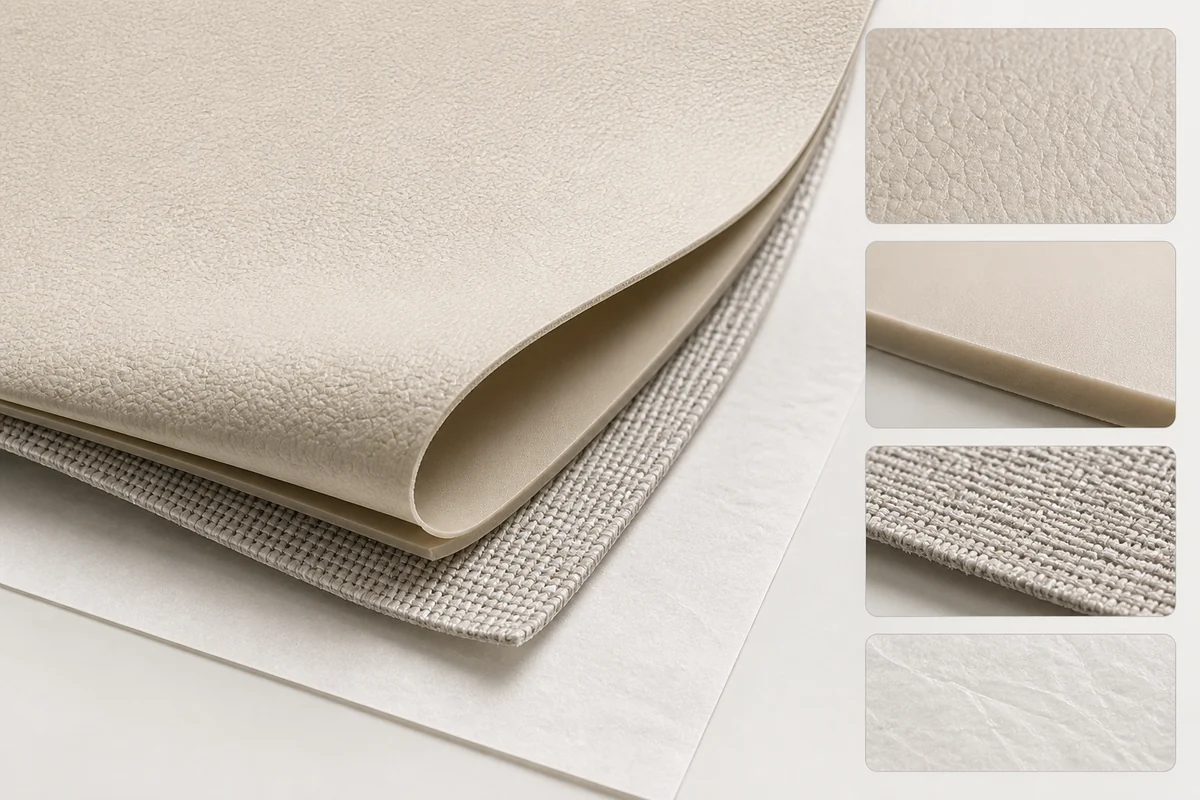
PU leather is a synthetic leather material using a polyurethane surface system, often built with release paper texture, coating layers and a selected backing. Dry process, wet process or combined constructions may be used depending on the target product. For buyers, the key is to match the construction to touch, appearance, production and test needs.
-
Polyurethane surface
The PU surface helps create soft hand feel, grain appearance, color direction and finish.
-
Release paper texture
Many PU leather grains are formed through release paper, giving buyers a wide range of visual effects.
-
Backing and construction
Knitted, woven, non-woven, brushed or other backing choices affect drape, strength and sewing.
-
Process choice
Dry, wet or combined PU constructions should be discussed by application instead of assumed from the material name.
Application paths
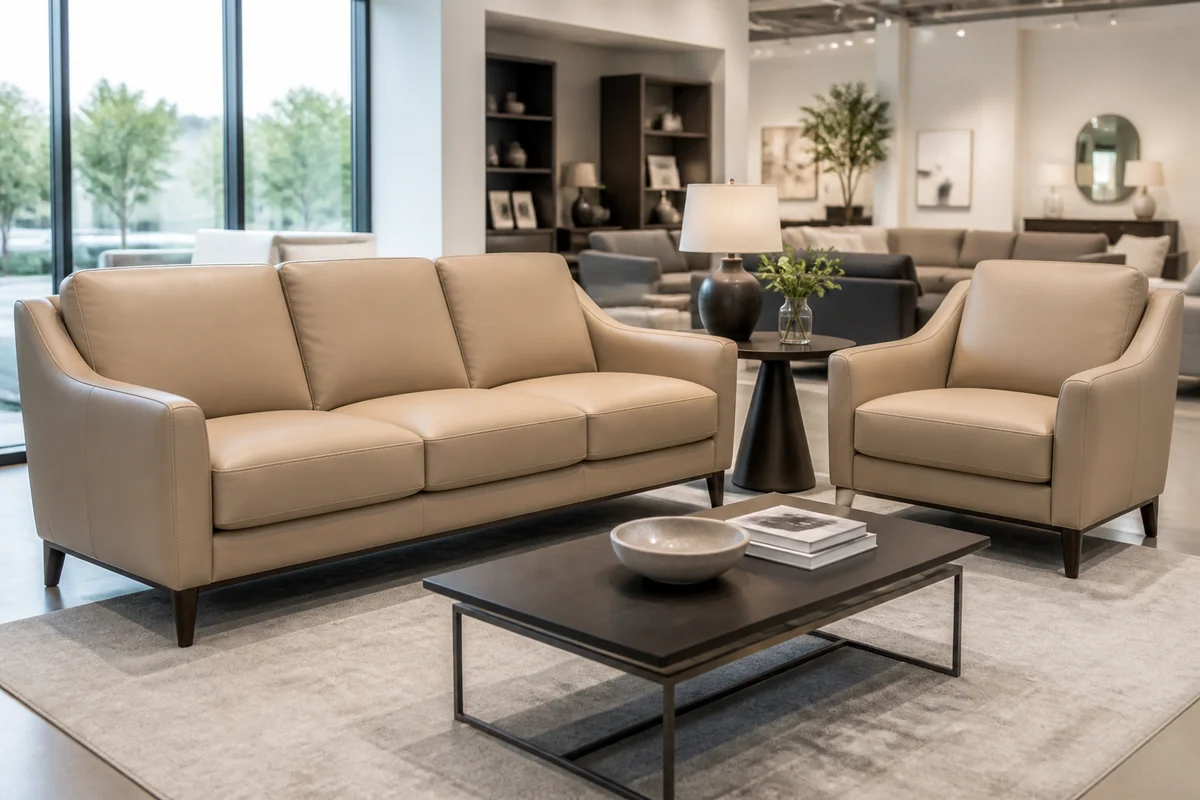
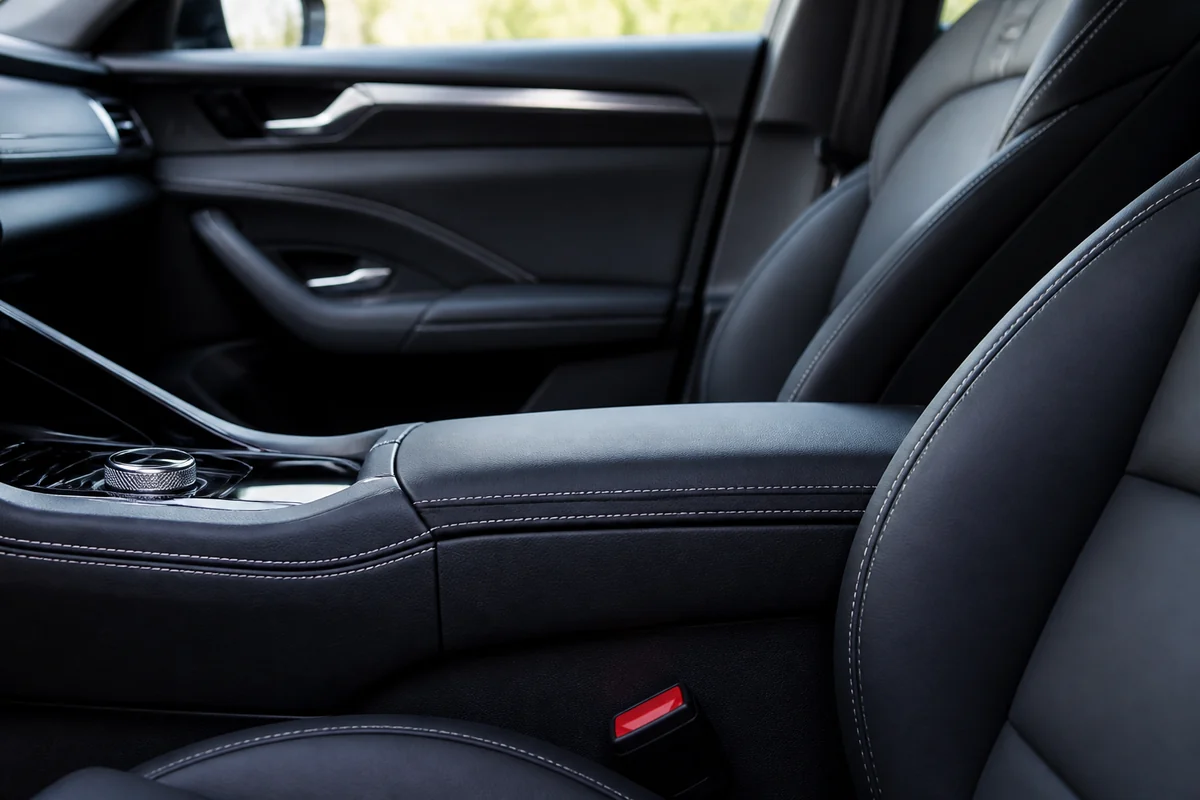
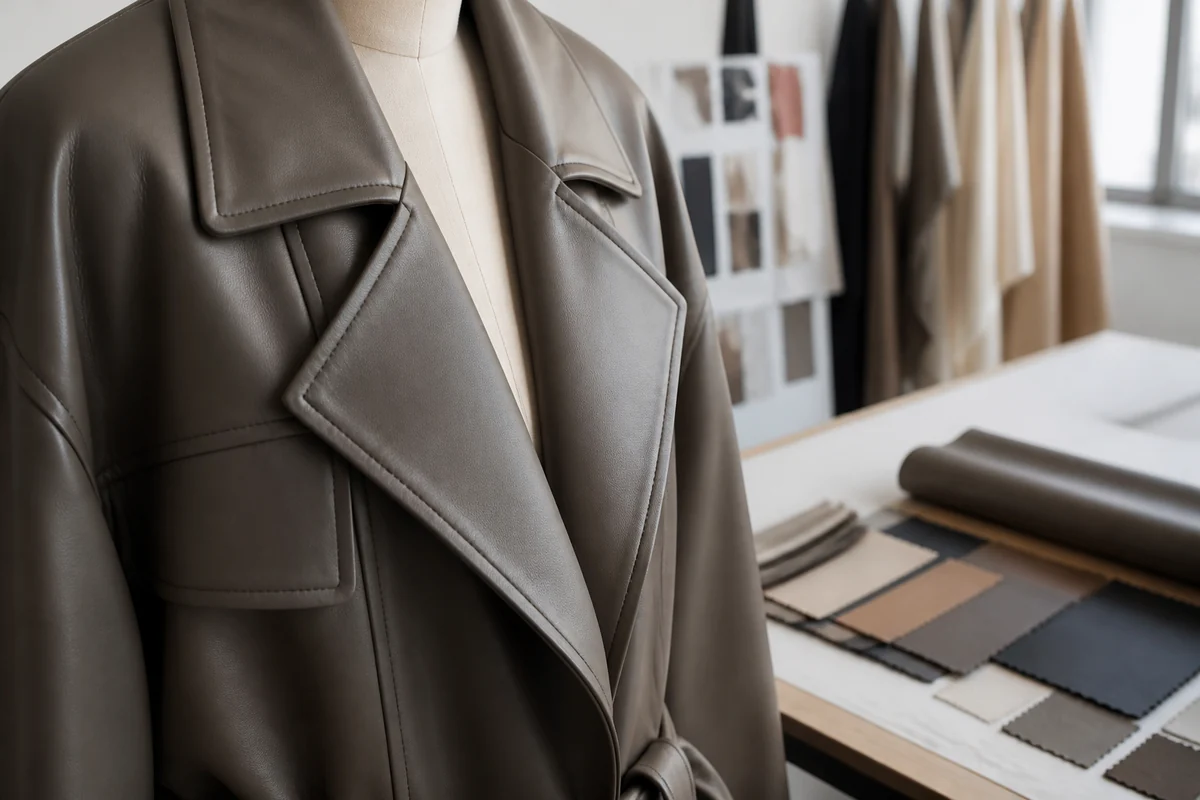
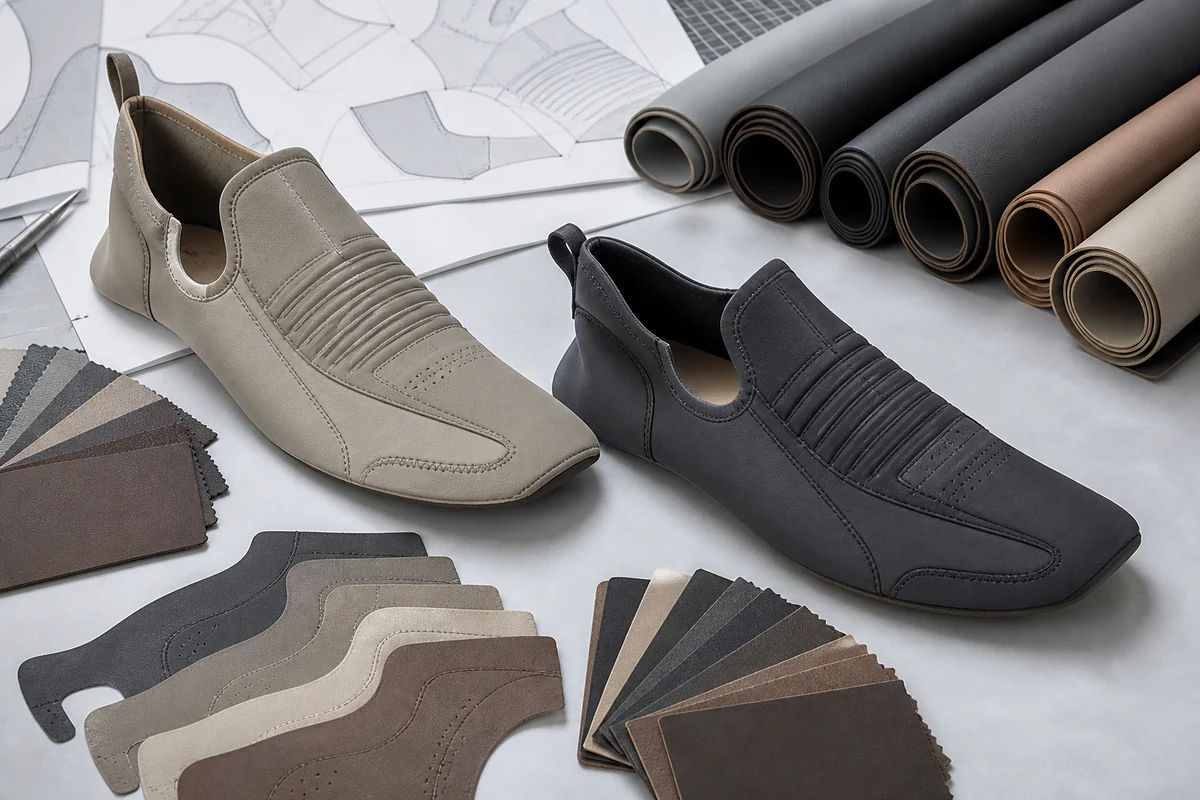
PU leather applications and related product collections
Choose the application path closest to your project, then confirm the surface, hand feel, backing and performance expectations with a physical sample.
Specification control
PU leather specifications to confirm before sampling
A good PU leather inquiry explains the finished product, target touch and expected production method. This helps avoid receiving a beautiful sample that does not fit manufacturing.
| Specification item | Options to confirm | Why it matters in production |
|---|---|---|
| Final application | Furniture, automotive interior trim, clothing, shoes, bags or other products | The same PU leather name can require different softness, backing and surface behavior. |
| Surface and hand feel | Smooth, fine grain, pebbled, matte, glossy, soft touch or firmer touch | PU is often chosen for touch and appearance, so the sample must match the finished product. |
| Thickness and backing | Target thickness plus knitted, woven, non-woven, brushed or project backing | Backing changes drape, sewing stability, peel behavior and finished-product feel. |
| Color development | Color card, buyer swatch or custom OEM color direction | Fashion and upholstery projects usually need controlled color approval before bulk. |
| Process requirement | Dry process, wet process or combined construction when the project calls for it | Construction affects feel, breathability target, cost level and performance discussion. |
| Testing request | Flex, peel, rubbing, hydrolysis or market-specific tests if required | Performance should be discussed with the exact test method instead of assumed. |
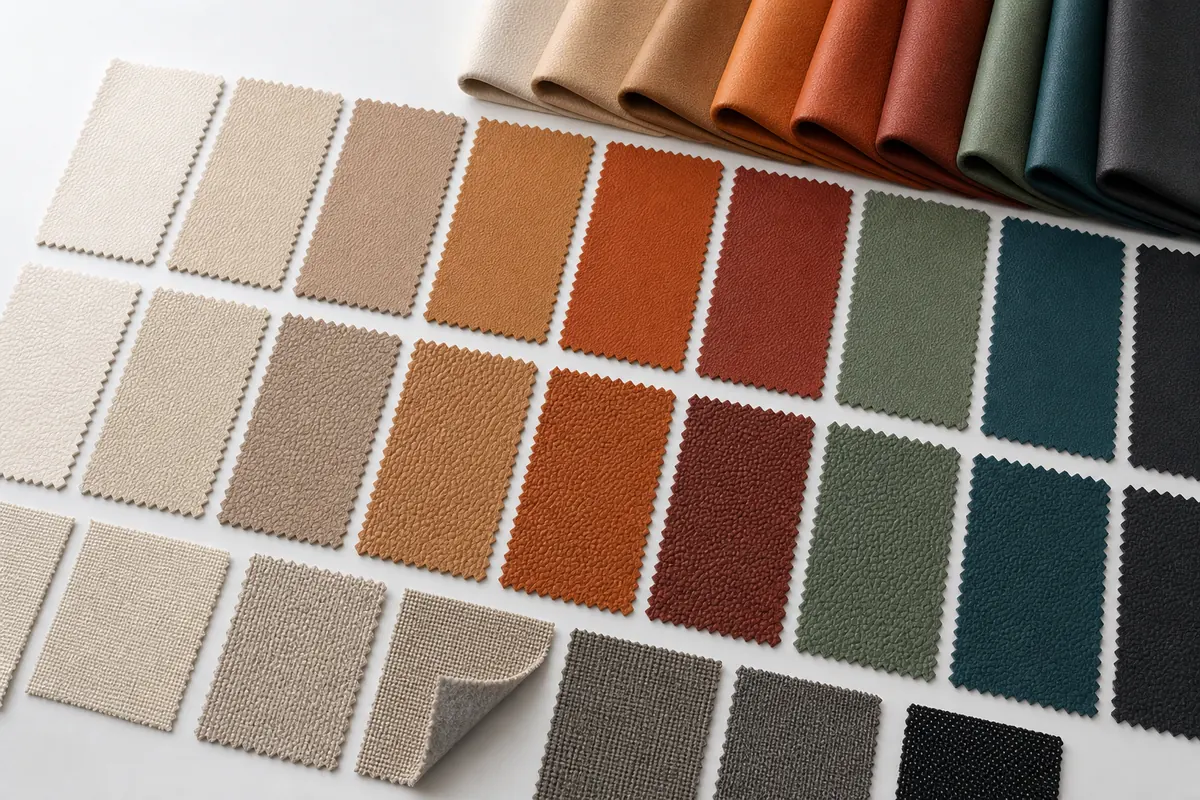
Confirm thickness, backing and hand feel on a physical sample before bulk approval.
Why it matters
Why buyers choose PU leather for soft-touch synthetic leather projects
PU leather is useful when appearance and hand feel are central to product approval. The buyer still needs to connect the requested softness to real production and performance needs.
-
Comfortable hand feel for upholstery and apparel
PU leather can be developed for softer touch when the final product needs comfort, drape or a more refined surface.
-
Wide grain and color development
Release paper texture and color development help buyers match collections, seasonal colors and product series.
-
Flexible options for shoes and bags
PU leather can be considered when folding, stitching, edge handling and appearance are important.
-
Performance discussion by test method
Flex, peel, rubbing, hydrolysis or other requirements should be linked to the destination market and exact test method.
Product collection
PU leather product collection and buying resources
Use the PU leather material collection and buying resources to prepare a sample request that includes the final product and required hand feel.
Supplier support
How Wandao Leather supports PU leather sourcing
Wandao Leather supplies synthetic leather materials and helps buyers turn a product idea into a clearer PU leather specification. We focus on practical sample direction, not exaggerated claims.
-
OEM color development
Share a color card, swatch or reference so the sample can be developed around your product line.
-
Texture and hand feel matching
We help discuss grain, softness, gloss and finish according to furniture, apparel, footwear or trim use.
-
Backing selection
Backing options can be discussed for drape, sewing, upholstery tension and production handling.
-
Performance review
Flex, peel, rubbing, hydrolysis or other tests can be discussed when your market requires them.
Material choice
PU leather compared with PVC, microfiber and silicone leather
PU leather is often the right conversation when touch and appearance lead the project, but other materials may fit better depending on cost, cleaning, structure or specialty surface requirements.
PU vs PVC leather
PVC leather is often considered for cleanable, cost-sensitive upholstery. PU leather may be preferred when softness, drape or fashion surface is more important.
Compare with PVC leatherPU vs microfiber leather
Microfiber leather may be considered when the buyer needs a stronger base structure or higher-use product positioning. PU can be a better fit when soft hand feel and surface variety are the main drivers.
Compare with microfiber leatherPU vs silicone leather
Silicone leather is usually discussed for specialty surface requirements. PU leather is often more flexible for broad color, grain and fashion development.
Compare with silicone leather
Before sampling
Information to prepare for a PU leather quotation
PU leather sampling works best when the buyer gives both the visual target and the production use.
-
Final application
Furniture, automotive trim, clothing, shoes, bags or another product.
-
Touch target
Soft, firm, smooth, pebbled, matte, glossy, flexible or structured.
-
Reference material
Color card, physical swatch, product photo or current material.
-
Construction details
Thickness, backing, process preference if known and roll width.
-
Order context
Sample needs, bulk quantity, destination market and expected timeline.
-
Testing needs
Flex, peel, rubbing, hydrolysis or chemical requirements if required.
FAQ
PU leather FAQ for B2B buyers
What manufacturing applications commonly use PU leather?+
PU leather is considered for furniture upholstery, selected automotive interior trim, clothing, shoe uppers, bags and accessories where hand feel, drape or a refined surface matters. The material name alone does not confirm suitability. Buyers should match the coating construction, backing, thickness, flexibility and required test method to the actual component, processing route and service conditions before approving a sample.
Which PU leather specifications can be customised?+
Custom development can cover colour, grain, gloss, hand feel, total thickness, usable width, backing and surface treatment. Feasibility depends on the selected production route, performance target and order context. A physical swatch is the most useful reference because photographs cannot reliably show softness, surface friction, backing or exact colour. Any custom sample should be approved again before bulk coordination.
Is PU leather suitable for furniture upholstery?+
PU leather can suit furniture projects that prioritise a soft touch and refined appearance, but the construction must match the upholstery process. Backing stability, stretch direction, thickness, seam behaviour, surface treatment and cleaning conditions all affect the finished result. Buyers should evaluate the material on a wrapped or sewn component and confirm any abrasion, flex, hydrolysis or chemical requirements using named test methods.
What should footwear and bag buyers check?+
Footwear and bag projects should review folding and flex behaviour, peel performance, edge handling, stitching, backing recovery, colour transfer and surface wear according to the product design. A material that looks suitable as a flat swatch may behave differently after lasting, sewing or repeated bending. Send the component design, existing reference and required test method so the sample direction reflects the actual production process.
How should I compare PU leather with PVC leather?+
PU and PVC use different surface systems, but neither category has one fixed feel or performance level. Depending on construction, PU may offer softer hand feel and more flexible drape, while some PVC constructions are selected where cleanability, surface firmness or cost control is important. Compare approved samples against the same application, backing, thickness, processing and test requirements rather than choosing from the material name alone.
How should hydrolysis and other performance requirements be specified?+
State the exact test method, test conditions and target value required by your market or customer. A general claim such as “five-year hydrolysis resistance” is not the same as a guaranteed service life because results depend on formulation, temperature, humidity, storage and use. Wandao can coordinate a suitable formulation and testing route after the requirement is confirmed, but acceptance should rely on the applicable sample and report.
How do I request PU leather samples and a quotation?+
Send the final product and component, colour or physical reference, target grain and hand feel, thickness, usable width, backing preference, estimated quantity, destination market and any named test requirement. If some details are not yet known, start with the application and existing sample. Wandao will identify missing information, suggest a practical material direction and coordinate relevant swatches or custom sample development before a reliable quotation.
Sample, colour card and quotation
Send Your PU Leather Target and Application
Tell us where the material will be used, how it should feel and what colour, grain, backing or test requirement it needs to match. A clear brief helps us suggest a useful material direction instead of sending unrelated samples.
- Final product and component
- Physical swatch or colour reference
- Target hand feel and grain
- Thickness, width and backing
- Estimated order quantity
- Named test method, if required
What Happens After Your Inquiry
1. Specification review
We review the application, touch target, backing, thickness and test information, then identify any details still needed.
2. Material direction
We suggest available swatches or a custom development route based on the confirmed construction and production needs.
3. Sample and quotation coordination
Samples, realistic timing and a reliable quotation are coordinated after the material path and key specifications are clear.
Wandao Leather is a synthetic leather supplier and factory-matching partner in Dongguan, China. We coordinate the material route; final suitability is confirmed through the approved sample and any testing required by the buyer.
Related sourcing paths
Related material and application guides
PU LEATHER FOR OFFICE CHAIR
Review application-specific construction, samples and specification requirements.
Evaluate PU leather for office seatingPU LEATHER FOR BAGS
Review application-specific construction, samples and specification requirements.
Review PU leather for bag manufacturingOFFICE CHAIR LEATHER
Compare material routes for this manufacturing application.
Review leather options for office seatingBAG LEATHER
Compare material routes for this manufacturing application.
Compare synthetic leather options for bags