
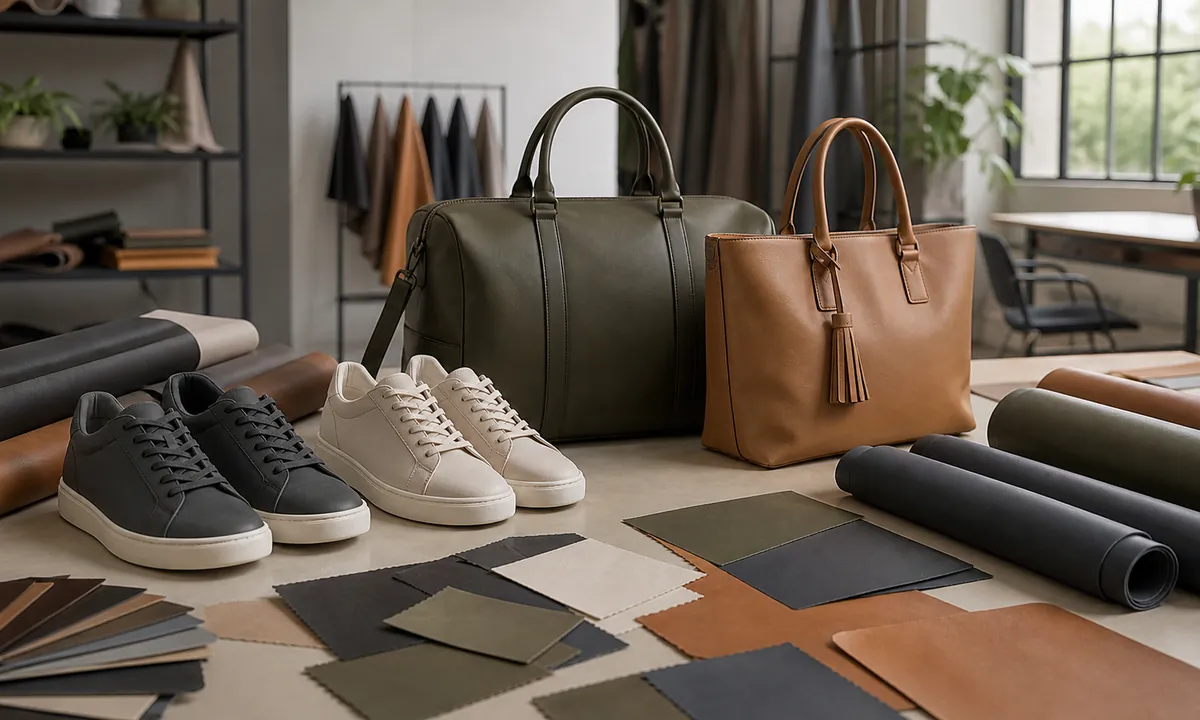
Material selection for footwear
Shoe Leather
Footwear materials face repeated flexing, lasting, stitching, edge finishing and abrasion. Wandao Leather helps footwear factories, brands and sourcing teams compare synthetic leather by upper, lining and reinforcement requirements, backing, thickness, texture, color and sample approval needs.
Application sourcing problems
Component position and assembly method determine the material construction
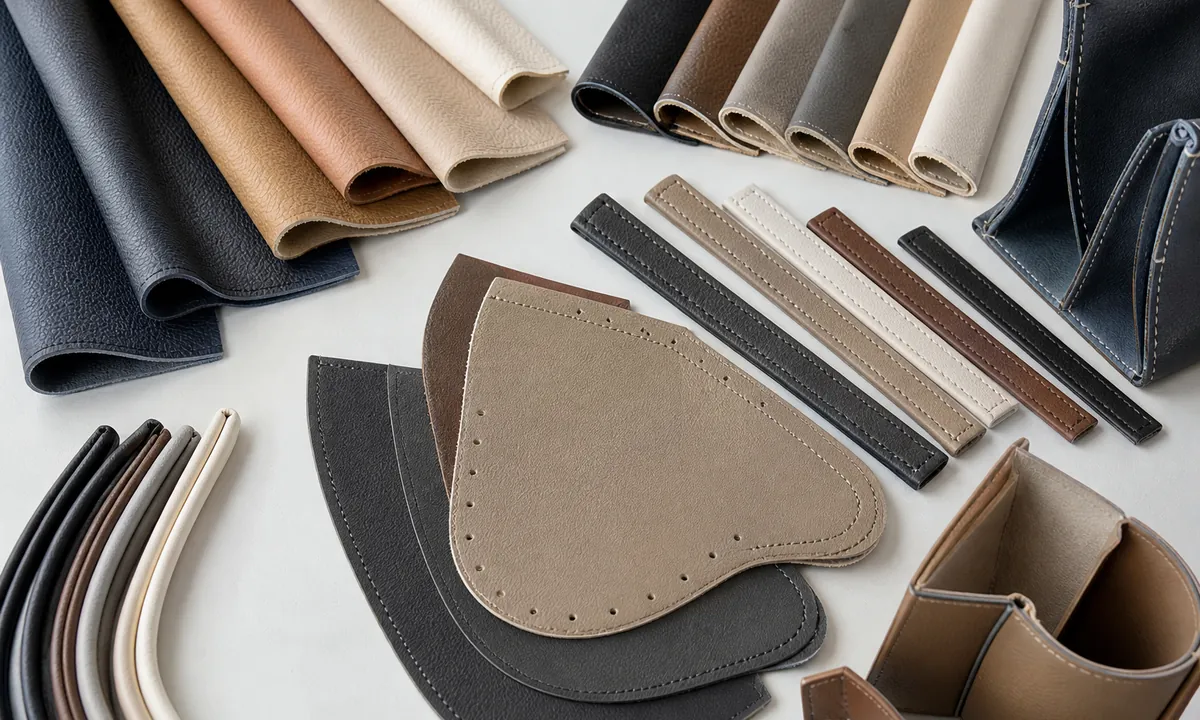
A shoe upper, lining, tongue, quarter panel and reinforcement need different softness, support and edge behavior. Define the component, pattern, lasting, stitching and finishing process first.
-
The finish fails at folds and edges
A surface that looks good flat may whiten, crack, mark or change gloss around lasting, folded seams, handles and corners.
-
The component becomes too soft or bulky
Backing and thickness control shoe lasting, seam bulk, skiving, folding, bonding and support around eyelets or hardware.
-
Flex and color targets lack component context
Shoe uppers, linings, tongues and reinforcement panels use different flex, rubbing, peel, color-fastness or tear methods. Name the component and standard.
Material options
Material options for footwear and shoe components
Compare the material routes below by construction, processing and approval requirements. Each guide focuses on shoe uppers, linings, tongues, quarter panels and reinforcement components.
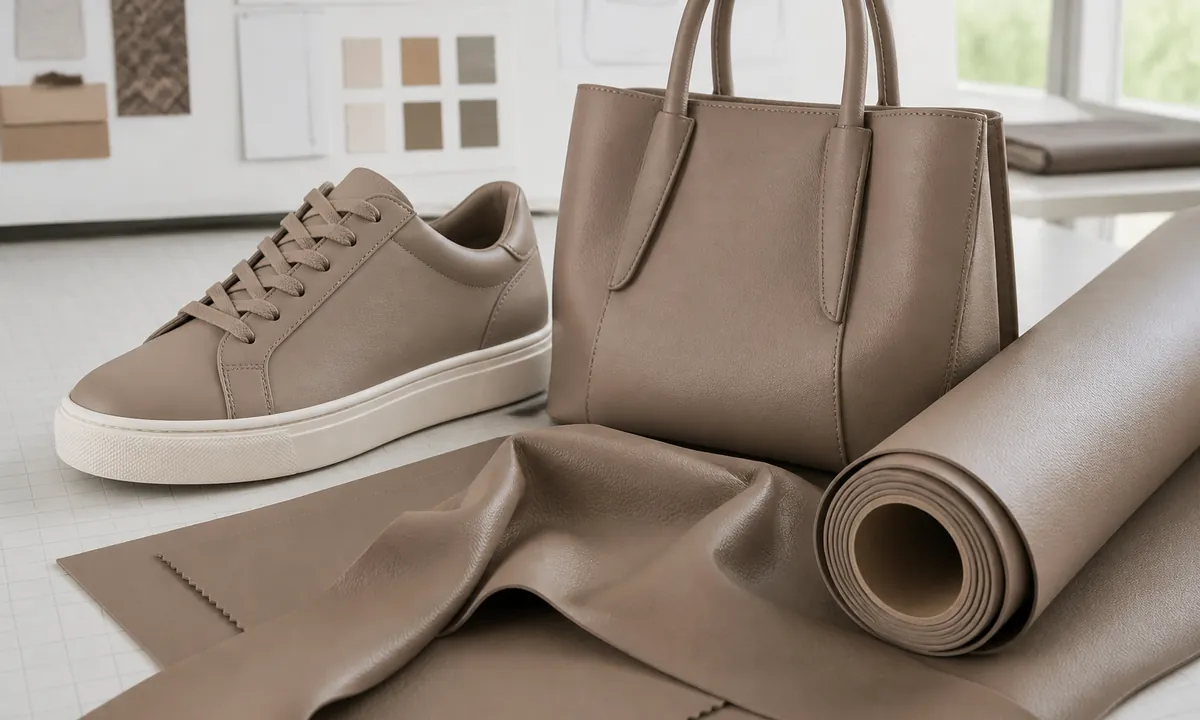
PU Leather for Shoes
Evaluate PU leather when the product needs soft hand feel, flexible drape and a wide range of release-paper surface effects.
Review specifications for this application
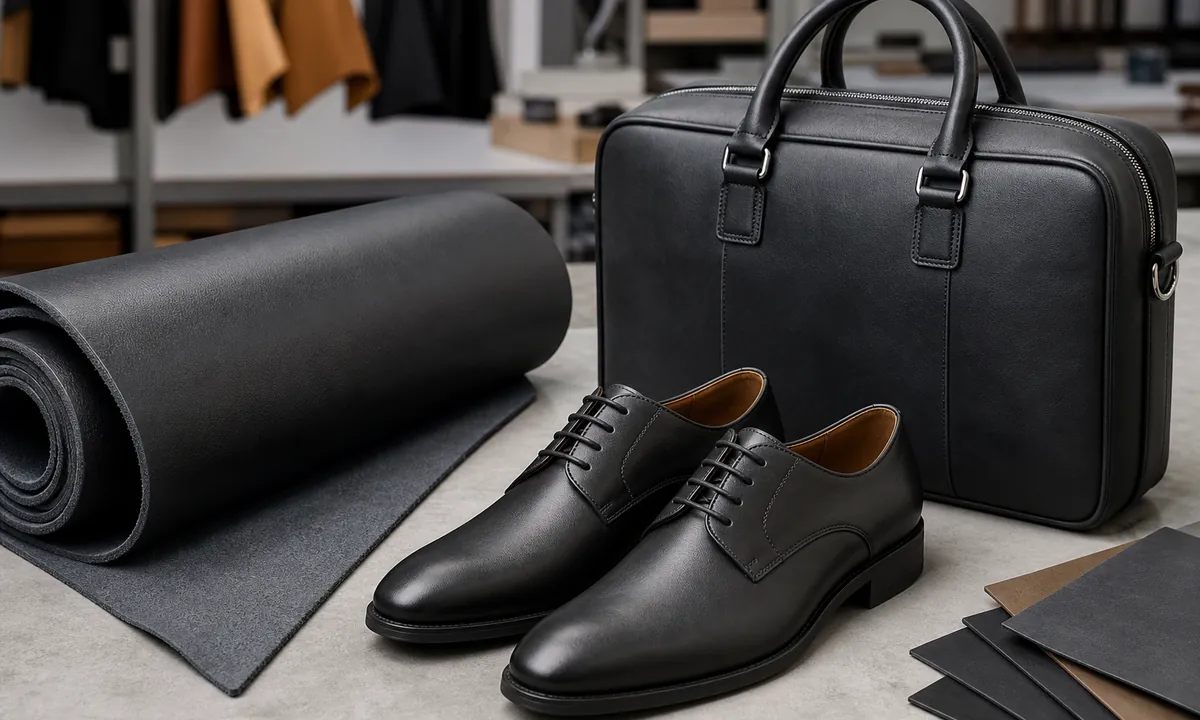
Microfiber Leather for Shoes
Evaluate microfiber leather when the product needs a stronger microfiber base structure for higher-use products where support and surface stability matter.
Review specifications for this application
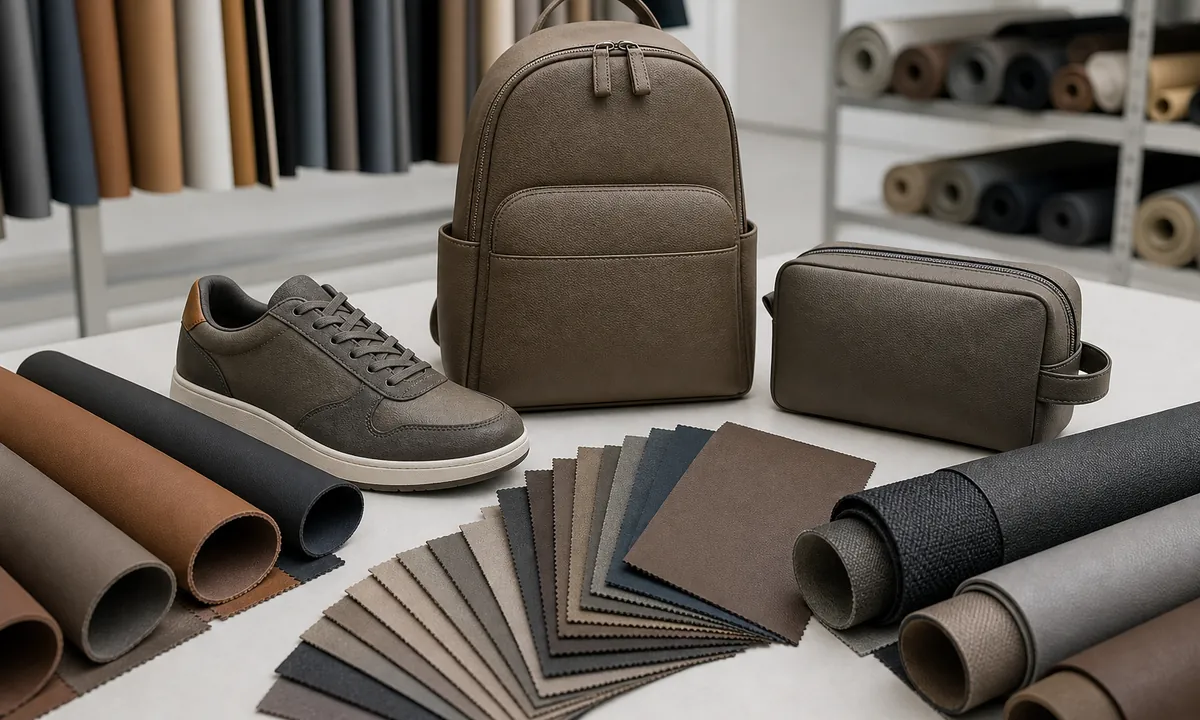
PVC Leather for Footwear
Review PVC leather when cleanability, embossing range and volume cost control are important for the footwear program.
Review PVC leather options
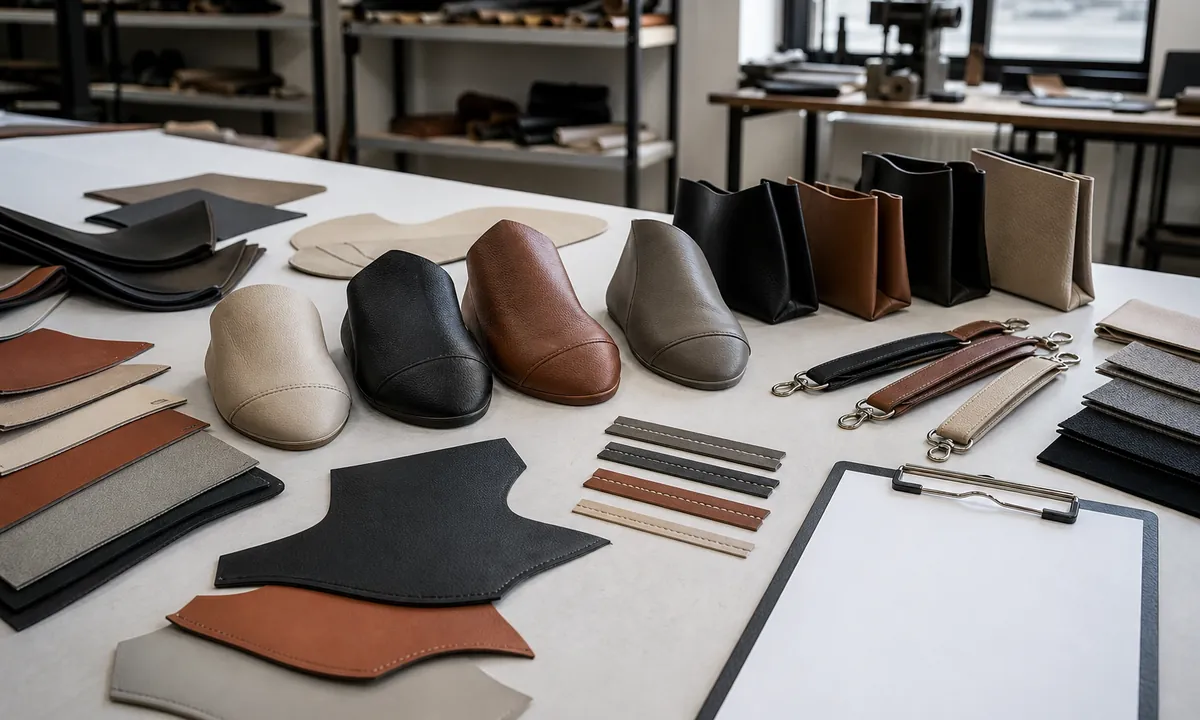
What buyers should confirm
Key requirements for footwear leather
Evaluate the material in the intended component and assembly process. Surface appearance, support, folding and sewing behavior must be approved together.
-
Flex Behavior
Test repeated bending at the shoe vamp and other flex zones using the intended thickness and backing.
-
Tear Support
Review stitch lines, eyelets, handles and hardware areas where holes and concentrated loads can initiate tearing.
-
Edge Handling
Check skiving, folding, raw edges, edge paint and adhesive compatibility on representative cut parts.
-
Color Fastness
Confirm rubbing or transfer requirements for linings, socks and light-colored adjoining materials.
-
Surface Finish
Inspect grain, gloss and color after lasting, folding and sewing because assembly can alter the finish.
-
Production Stability
Freeze the construction and run a trial for cutting yield, sewing, forming and component consistency.
Specification checklist
Information to confirm before requesting footwear leather samples
A complete inquiry helps avoid wrong sample directions and gives the supplier enough context to quote the right material.
| Item | What to share | Why it matters |
|---|---|---|
| Final product | shoe uppers, linings, tongues, quarter panels and reinforcement components | The product type changes the suitable surface, hand feel, backing and thickness. |
| Material options | PU Leather, Microfiber Leather, Synthetic Leather | Different materials solve different buyer concerns; do not choose only by price or color. |
| Surface and texture | Smooth, embossed, matte, semi-gloss, soft-touch or project-specific finish | The visible surface must match product design and cleaning expectation. |
| Backing and thickness | Knitted, woven, non-woven, brushed, microfiber base or project backing | Backing and thickness affect sewing, stretching, tear direction and sample approval. |
| Color and sample | Color card, buyer swatch, reference product or custom OEM direction | Early color confirmation reduces sample rejection and bulk mismatch. |
| Testing request | Abrasion, rubbing, flex, flame, UV, cleaning or chemical requirements if needed | Testing should be confirmed by application, destination market and test method. |
Browse Shoe Leather products
Use the shoe leather collection to review material directions for footwear projects.
View all products
Browse synthetic leather products by material and application category.
Read application guides
Use buying and application guides to prepare sample requirements before contacting us.
Material selection
How to compare materials for footwear and shoe components
Choose by component and price position. Compare fashion surface development, structural support, repeated flex, edge handling and assembly behavior across complete constructions.
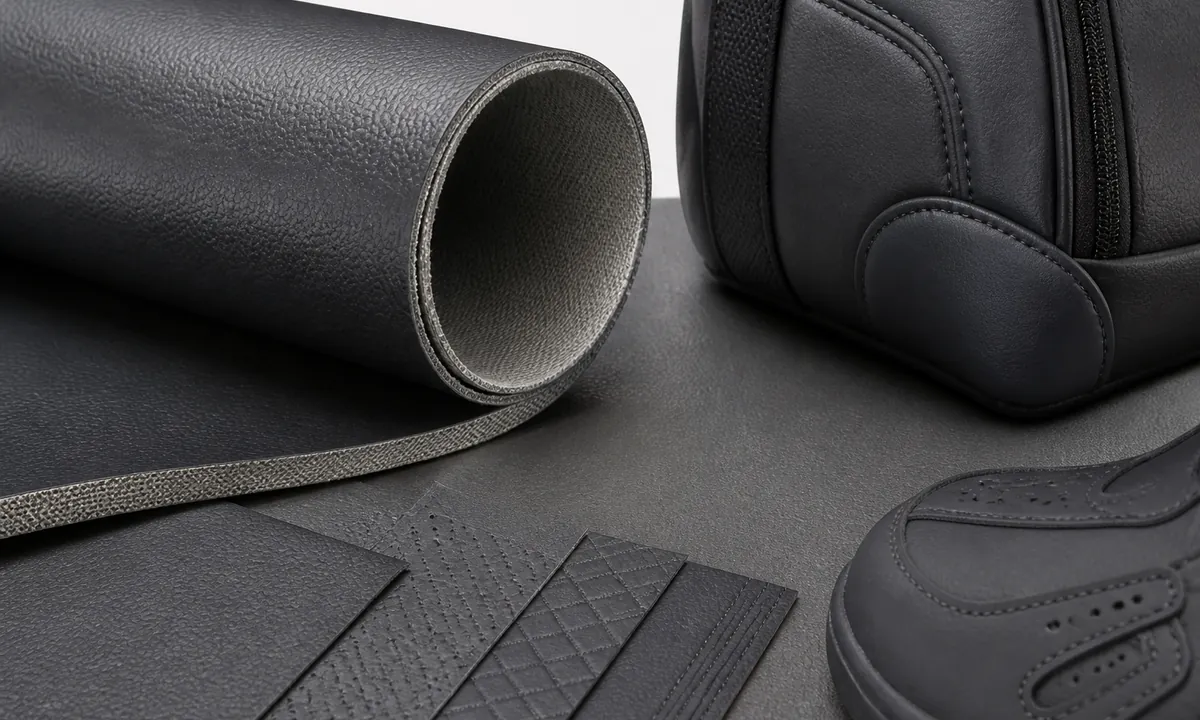
PVC leather
Useful when cleanable surface, embossing and volume upholstery cost control are important.
Review PVC leather options
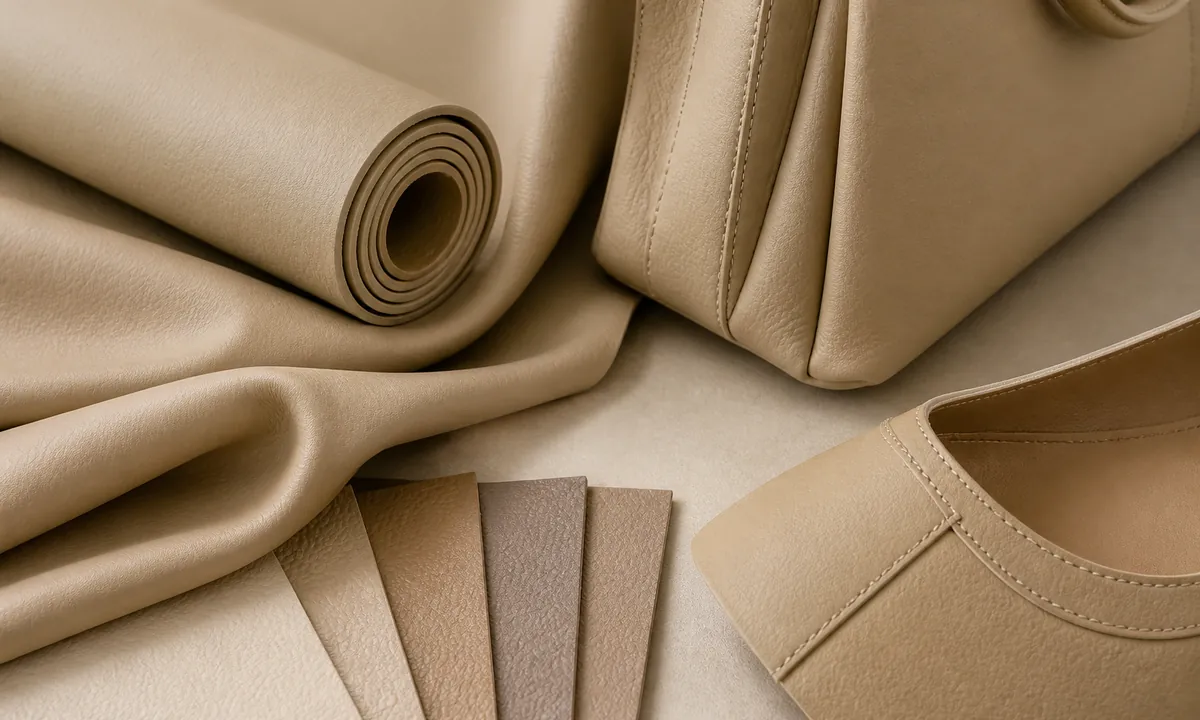
PU leather
Useful when soft touch, flexible drape and refined surface appearance are important.
Review PU leather options
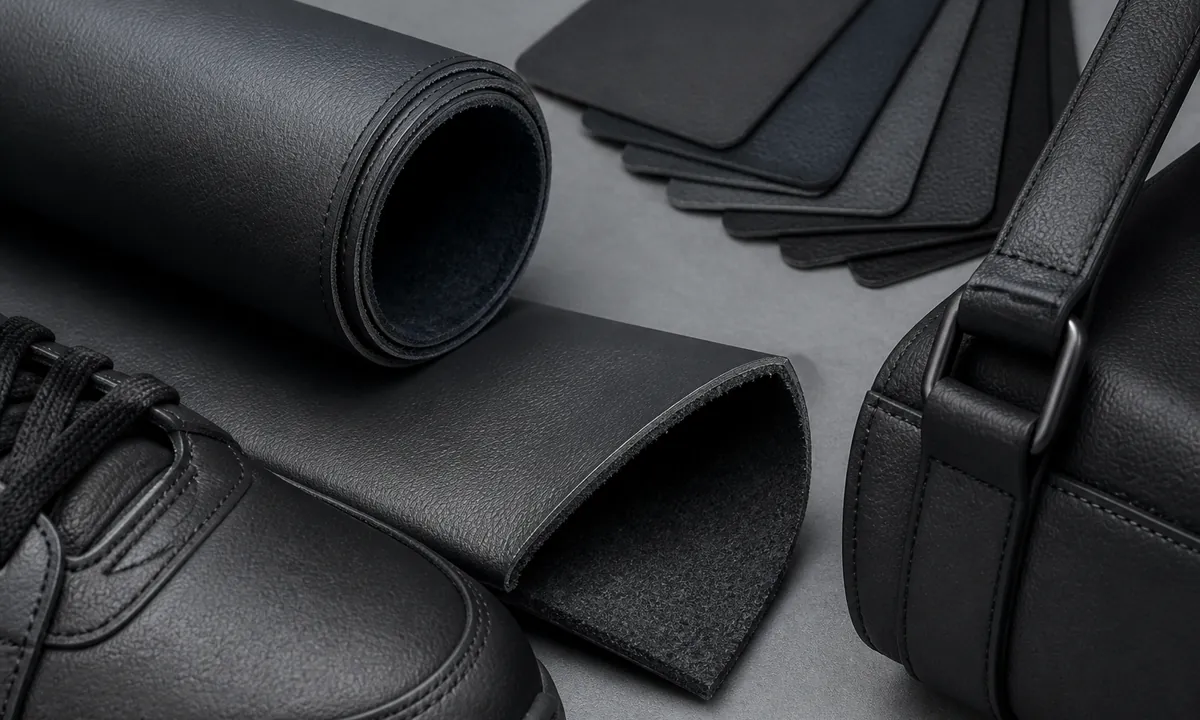
Microfiber leather
Useful when a stronger base structure or higher-use product positioning is needed.
Review microfiber leather options
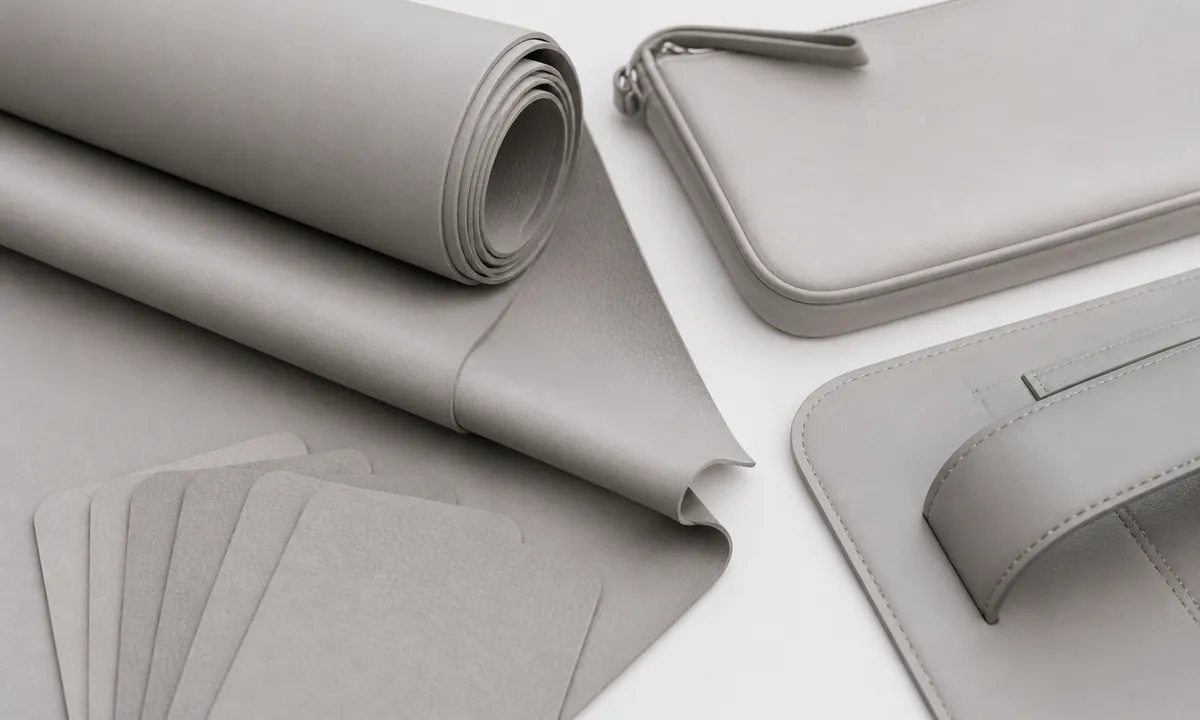
Silicone leather
Useful when a specialty soft-touch or cleaning surface requirement justifies the material choice.
Review silicone leather options
FAQ
Footwear Leather FAQ for B2B buyers
These answers help footwear manufacturers prepare a component-specific inquiry. Final recommendations depend on the construction, processing method and approval standard.
What material is suitable for footwear and shoe components?
PU is often compared for fashion colors and flexible surfaces; microfiber for structural support and repeated flex; PVC for selected cost-controlled constructions; and silicone for specific surface requirements. The component and assembly method determine the complete construction.
Can footwear materials be customized?
Color, grain, texture, thickness, backing, hand feel and surface finish can be discussed according to the target product. Feasibility depends on the chosen construction, processing route and commercial requirements.
Why should samples be tested as cut components?
Lasting, folding, stitching, skiving, edge paint and hardware create stresses that a flat swatch does not reveal. Approve representative shoe-upper, strap, gusset or reinforcement components before bulk production.
What information should I send with a sample request?
Send the product and component, assembly method, target hand feel or firmness, color and grain reference, backing, thickness, sample meters, projected quantity, market and exact test methods.
What is the minimum order quantity?
MOQ varies with the material family, backing, finish, color, grain and whether an existing article can be used. Share the projected quantity and customization needs so the practical route can be checked.
Can you match an approved footwear sample?
A physical reference can guide color, grain, gloss, hand feel and construction matching. The developed material still needs component trials and approval under the buyer's current specification.
What happens after I submit the component specification?
The component position, assembly process, appearance target, performance requirements and commercial details are reviewed before suitable articles, sample options and quotation information are proposed.
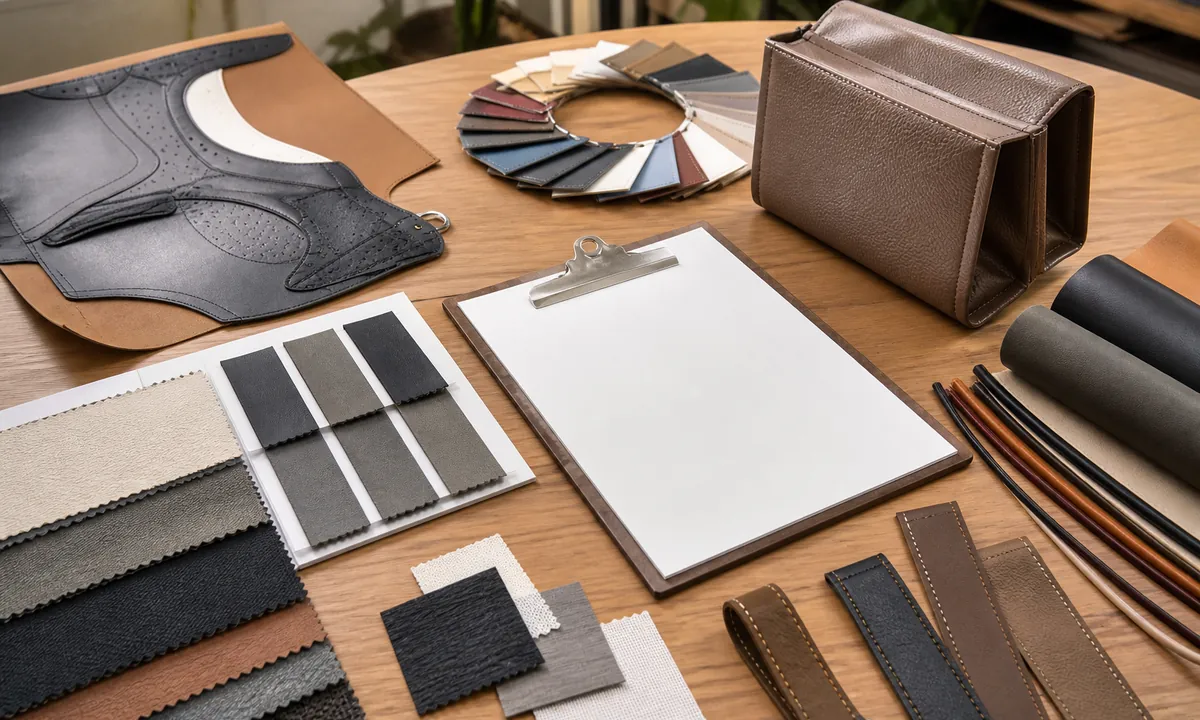
Sample, color card and quotation
Send the footwear component specification
Share the product, component position, assembly method, target color, grain, hand feel or firmness, backing, thickness, sample quantity, projected order and named test methods.