
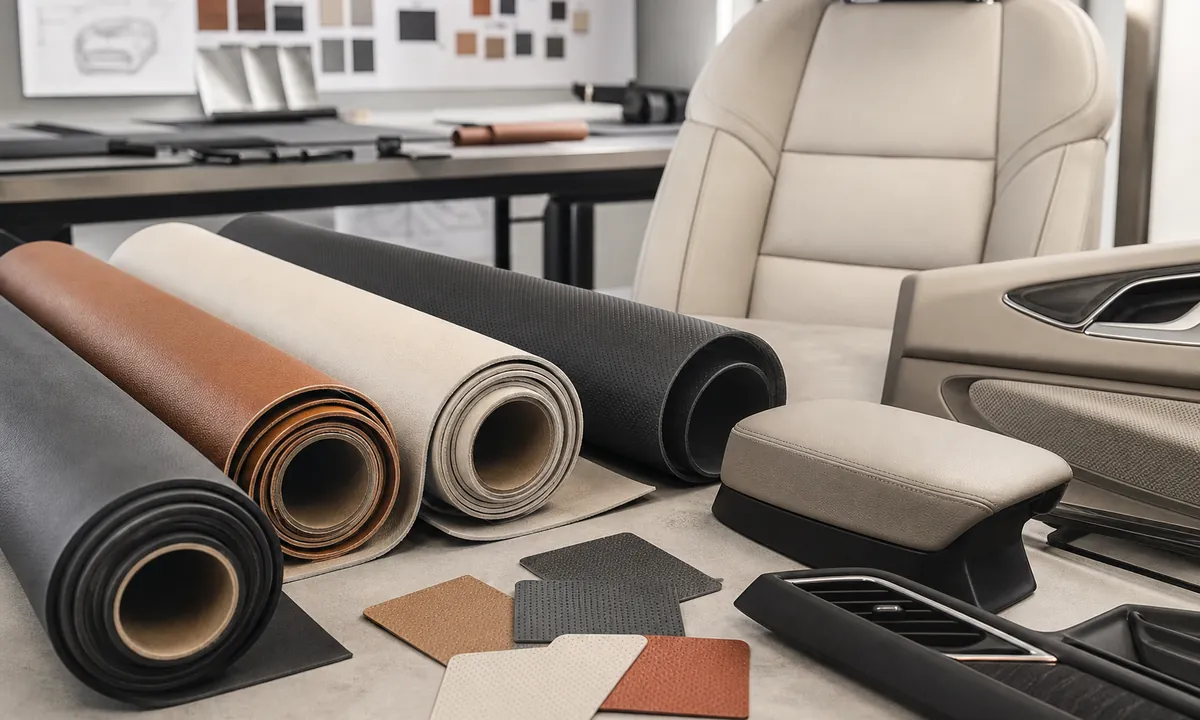
Material selection for automotive interiors
Automotive Leather Matched to the Component and Buyer Specification
Automotive leather is not one universal grade. Seat upholstery, door panels, armrests, headrests and trim can require different surface systems, backing constructions, thicknesses, forming behavior and test methods. Wandao Leather helps overseas buyers compare PVC, PU, microfiber and silicone leather around the actual component.
Component first
Name the seat, panel or trim part before choosing a material family.
Method-specific testing
Use the customer's named test and target, not a generic automotive claim.
Sample-to-bulk control
Confirm color, grain, backing, thickness and agreed inspection points.
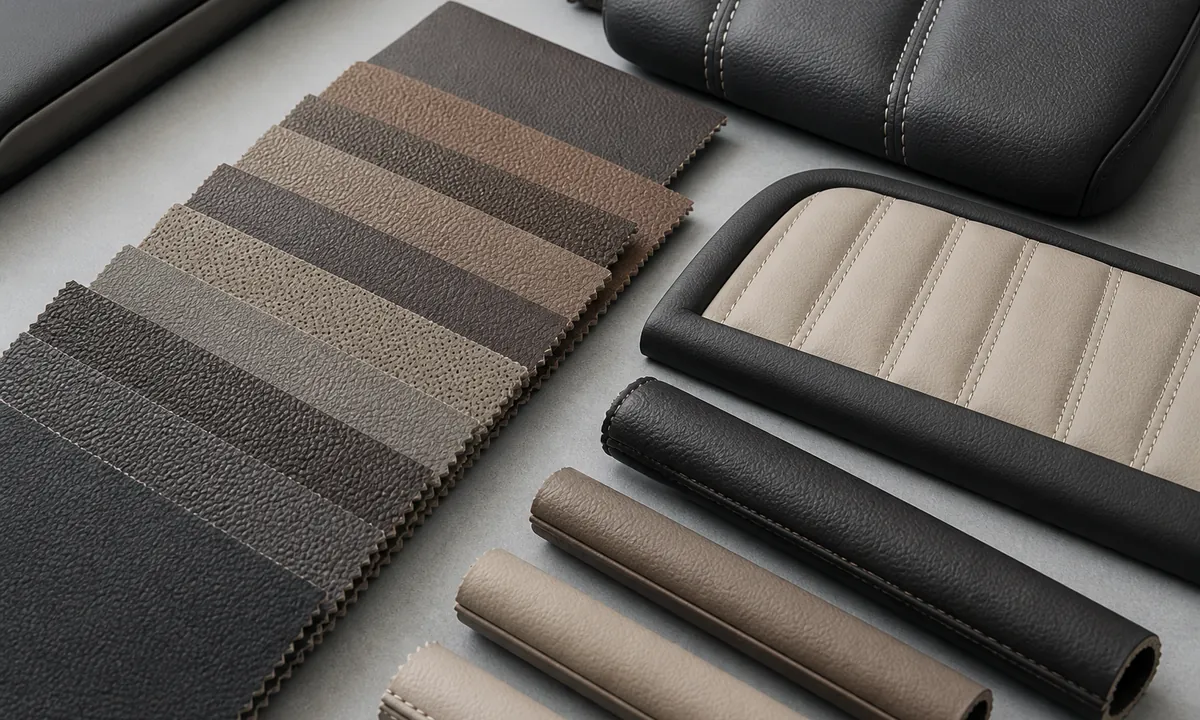
Avoid an incomplete RFQ
The phrase automotive leather does not define the product
A supplier cannot recommend a credible construction from the material name alone. The vehicle segment, component, covering process, approved appearance, use conditions and customer test specification determine which sample should be evaluated.
Where will it be installed?
Seat contact area, bolster, door insert, armrest, headrest, steering-wheel cover and decorative trim do not receive identical stress.
How will it be processed?
Sewing, perforation, quilting, lamination, wrapping and forming can change the backing and elongation requirement.
What must be approved?
Define the physical color standard, grain, gloss, hand feel and acceptable variation before production.
Which tests actually apply?
Provide the OEM, Tier supplier or market method and target. Test names without methods are not enough for material matching.
Compare realistic material routes
PVC, PU, microfiber and silicone leather for automotive interiors
Each family can be produced in different quality and performance levels. The descriptions below explain where buyers usually begin the comparison; they do not replace validation of the exact construction.
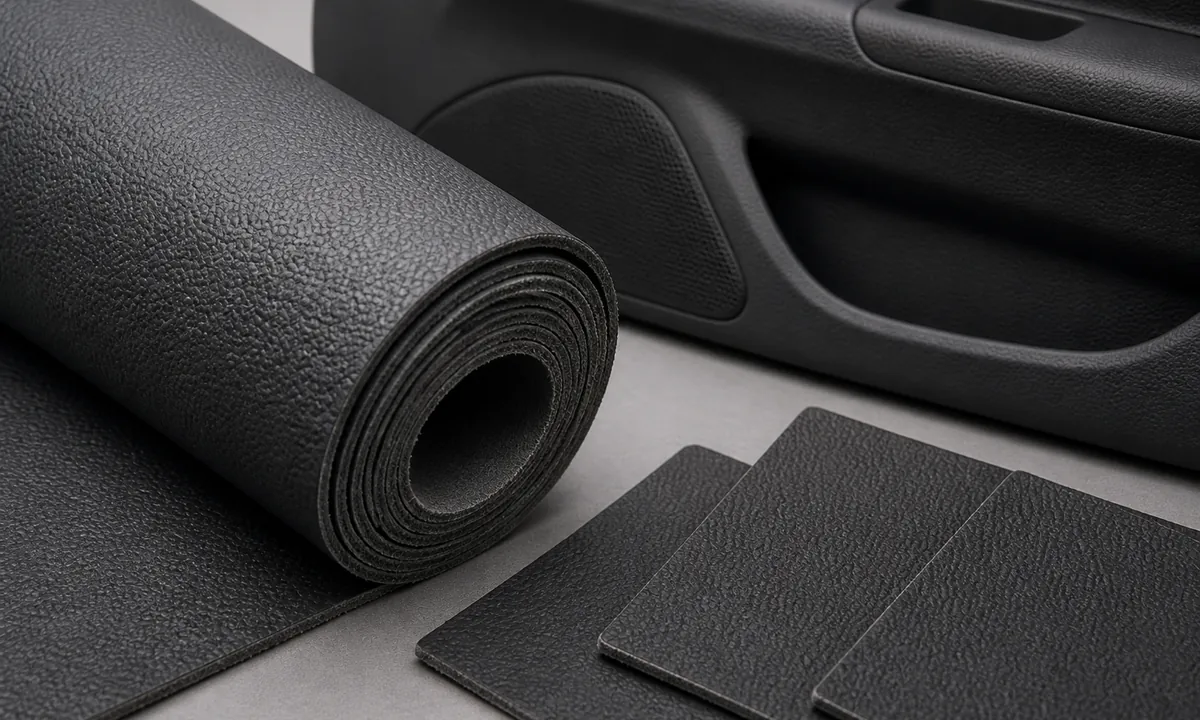
PVC leather
Often evaluated for selected seat-cover, door-panel and trim programs where embossing, surface maintenance and cost control are important.
Specify PVC leather for automotive interiors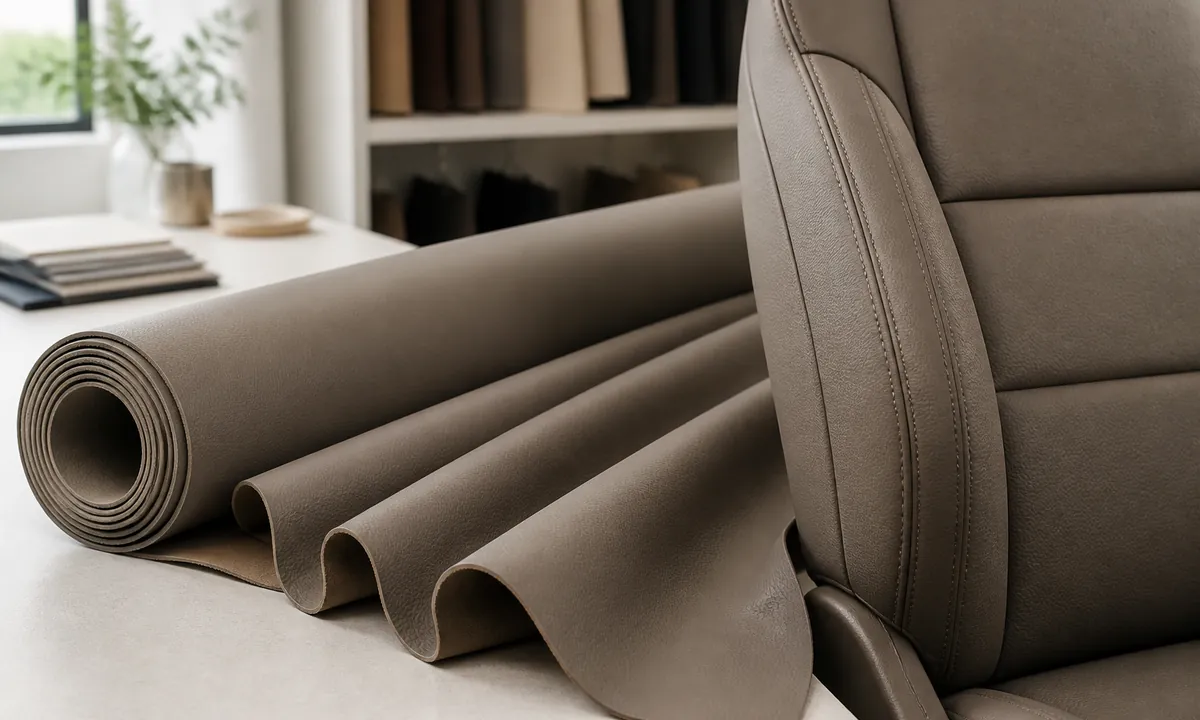
PU leather
Often considered where softer touch, flexible drape and release-paper surface effects are important, subject to hydrolysis and other project requirements.
Review PU leather for automotive components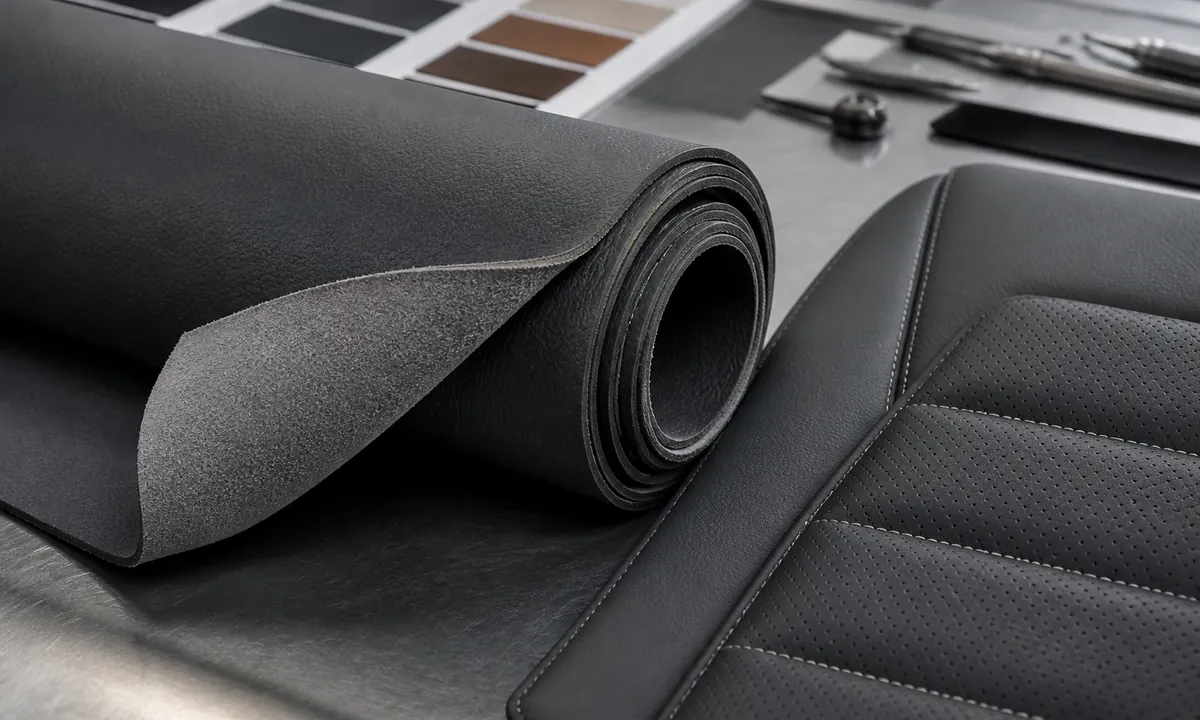
Microfiber leather
Evaluated when a dense microfiber base, structural support or higher physical-performance direction justifies the material position.
Evaluate microfiber leather for automotive use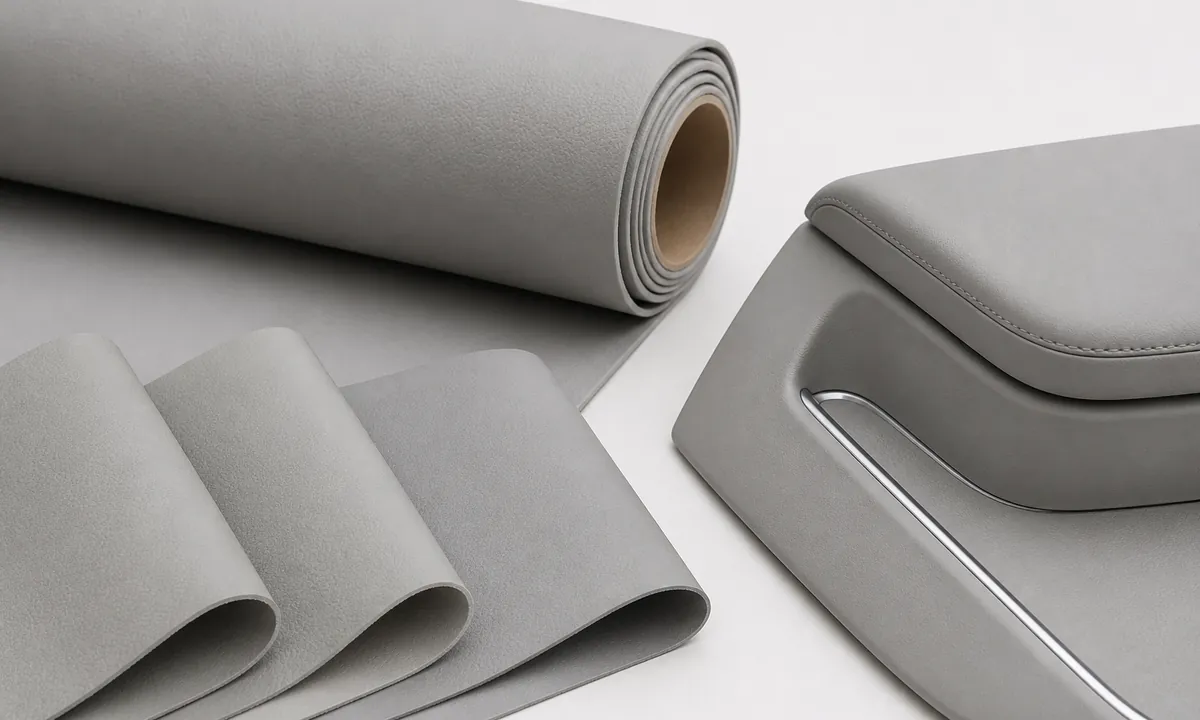
Silicone leather
A specialty route for selected projects where surface feel, cleaning behavior or emission requirements support the additional material cost.
See where silicone leather fits automotive interiors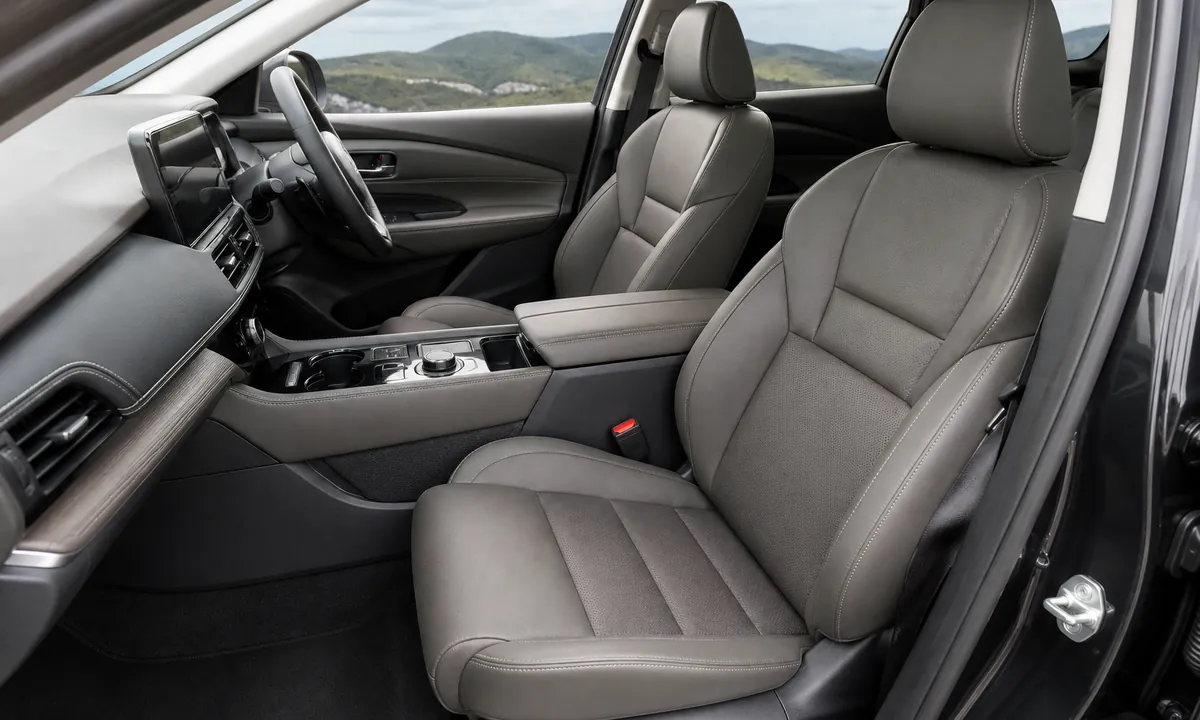
Component-based requirements
One cabin contains several material environments
Seats and bolsters
Consider seam stress, repeated flexing, abrasion, occupant contact, perforation and foam interaction.
Door panels and armrests
Review wrapping or lamination method, surface scuffing, hand contact, heat exposure and adhesive compatibility.
Headrests and trim
Confirm grain scale, color harmony, forming behavior and whether the part is sewn, wrapped or laminated.
Commercial and aftermarket programs
Clarify vehicle type, replacement market, usage intensity and the buyer's actual test specification.
Information before sampling
Build the automotive leather specification around the part
A complete brief reduces irrelevant samples and allows the production partner to evaluate feasibility before quotation.
| Decision | What to provide | Procurement risk controlled |
|---|---|---|
| Vehicle and component | Vehicle type, interior part and contact area | Prevents one construction being assumed for every cabin position. |
| Processing route | Sewing, quilting, perforation, lamination, wrapping or forming | Aligns backing, elongation and surface stability with production. |
| Approved appearance | Physical color, grain, gloss and hand-feel standard | Creates a clearer sample and bulk reference. |
| Construction | Material family, backing, thickness, width and required softness | Reduces sewing, forming and dimensional mismatch. |
| Test specification | Named method, target, conditioning and destination market | Avoids vague claims and testing the wrong standard. |
| Order context | Sample stage, forecast quantity, timing and repeat-order plan | Supports a feasible sampling and quotation route. |
Performance and compliance
Automotive requirements must be tied to a test method
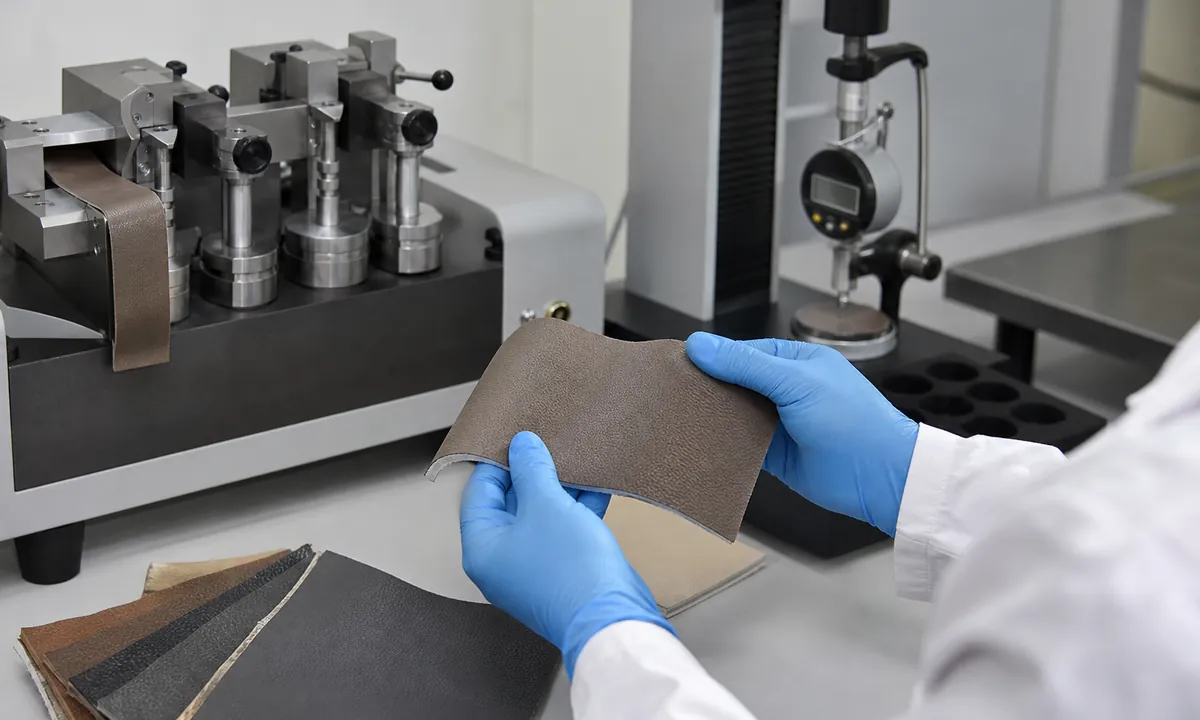
Abrasion, flexing, peel strength, color fastness, heat aging, cold resistance, fogging, odor, flammability and chemical resistance may be relevant, but not every project uses the same methods or limits. Wandao Leather can coordinate testing support after the exact material and requirement are confirmed.
Do not approve from a generic report
A report is useful only when its material construction, color or finish where relevant, test method and validity correspond to the product being purchased.
Products and technical guidance
Continue from material comparison to product and specification research
Automotive leather products
Browse materials organized for automotive interior applications.
Browse automotive leather products
PVC leather selection
Review the construction and specification questions for automotive PVC.
Read the automotive PVC guide
Backing for car seats
Understand how backing affects sewing, stretch and seat-cover support.
Review backing selection
PVC or PU for car seats
Compare the complete constructions instead of relying on material labels.
Compare PVC and PU leather
From inquiry to bulk order
A practical automotive material approval sequence
1. Define the component
Share the vehicle, part, processing route and target market.
2. Compare constructions
Review material family, surface, backing, thickness and hand feel.
3. Approve and test samples
Check appearance, processing behavior and named tests on the proposed material.
4. Freeze bulk references
Record the approved sample, specification, tolerances and inspection points.
Automotive sourcing questions
Frequently asked questions
Use these answers to prepare a more complete automotive leather inquiry. Final recommendations still depend on the exact component and buyer specification.
Which synthetic leather is best for car seats?
There is no universal best material. Compare the seat design, covering process, target touch, durability requirements, test methods and budget before choosing PVC, PU, microfiber or silicone leather.
Can one material cover every interior component?
A program may coordinate color and grain across components, but seats, bolsters, door inserts, armrests and trim can require different backings, thicknesses, stretch behavior or surface constructions.
Can you match an existing approved sample?
A physical reference can guide color, grain, hand feel and construction matching. The developed sample must still be approved and tested against the buyer's current specification.
What testing information should I provide?
Provide the named standard or customer method, target value, conditioning requirement, destination market and the component to which it applies. Avoid sending only a generic request for automotive grade.
What is the minimum order quantity?
MOQ depends on the selected construction, backing, color, grain and whether an existing article can be used. Share the project quantity and customization needs so the feasible route can be checked.
How long do sampling and bulk production take?
Timing varies with sample availability, custom color or grain work, testing and approval cycles. A reliable schedule can be confirmed after the component specification and required development steps are reviewed.
What happens after I send an inquiry?
The team reviews the component, process, performance targets and commercial details, then proposes suitable constructions, sample options and the information needed for quotation and approval.
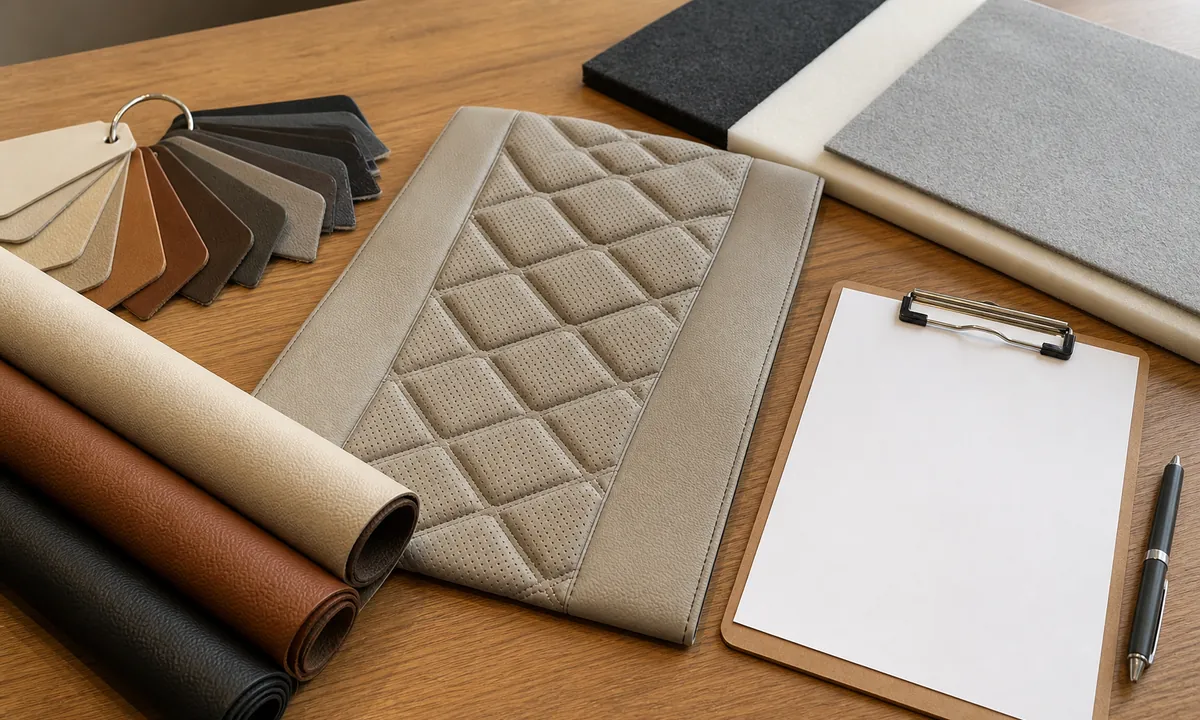
Component review, samples and quotation
Send the component specification before selecting automotive leather
Tell us the vehicle type, interior component, processing method, material preference, backing, thickness, color and grain standard, estimated quantity, destination market and required test method.
Related sourcing paths
Related material and application guides
PVC LEATHER
Review material constructions, specification factors and suitable applications.
Review PVC leather specifications and applicationsPU LEATHER
Review material constructions, specification factors and suitable applications.
Compare PU leather constructionsMICROFIBER LEATHER
Review material constructions, specification factors and suitable applications.
Explore microfiber leather optionsSILICONE LEATHER
Review material constructions, specification factors and suitable applications.
See where silicone leather fits