
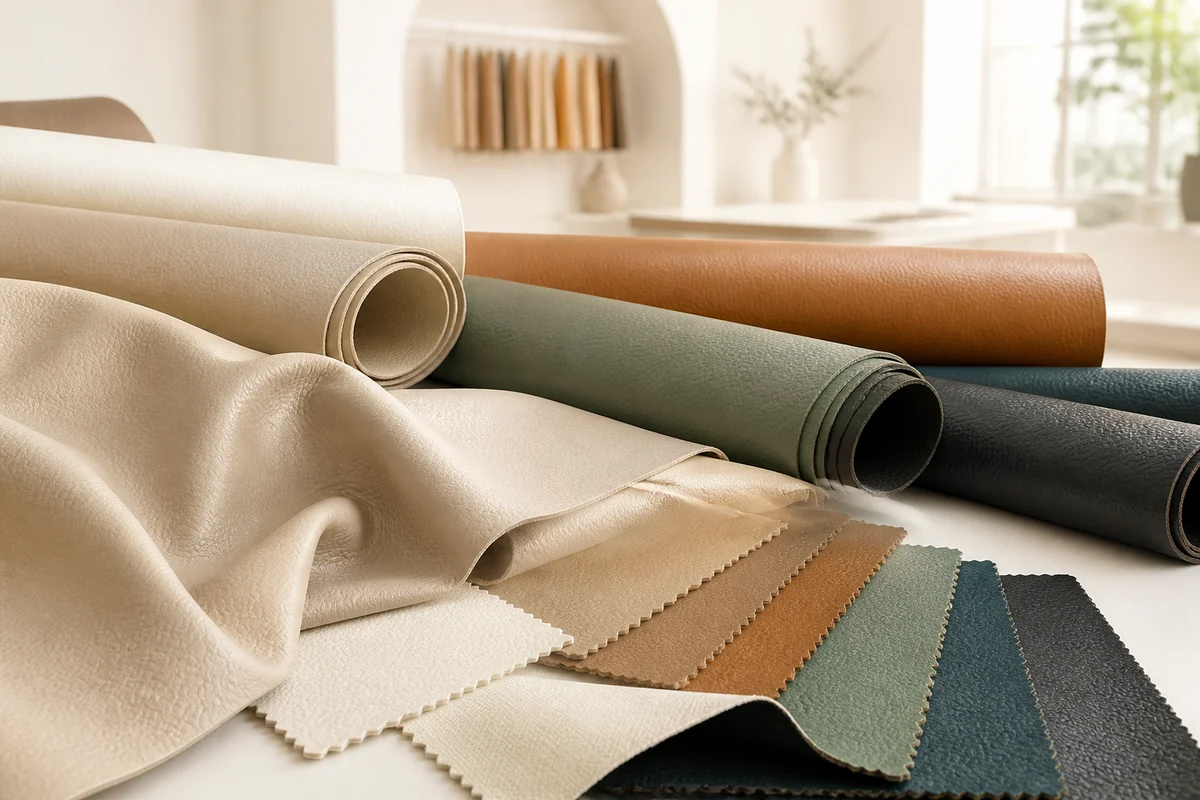
PU leather selection for garment production
PU Leather for Clothing
A PU sample can look good as a swatch but fail in folding, sewing, upholstery tension or repeated flex if the construction is not matched to the product. For garment and apparel manufacturing, Wandao Leather helps buyers match PU leather by application, construction, backing, thickness, color, texture and sample requirements.
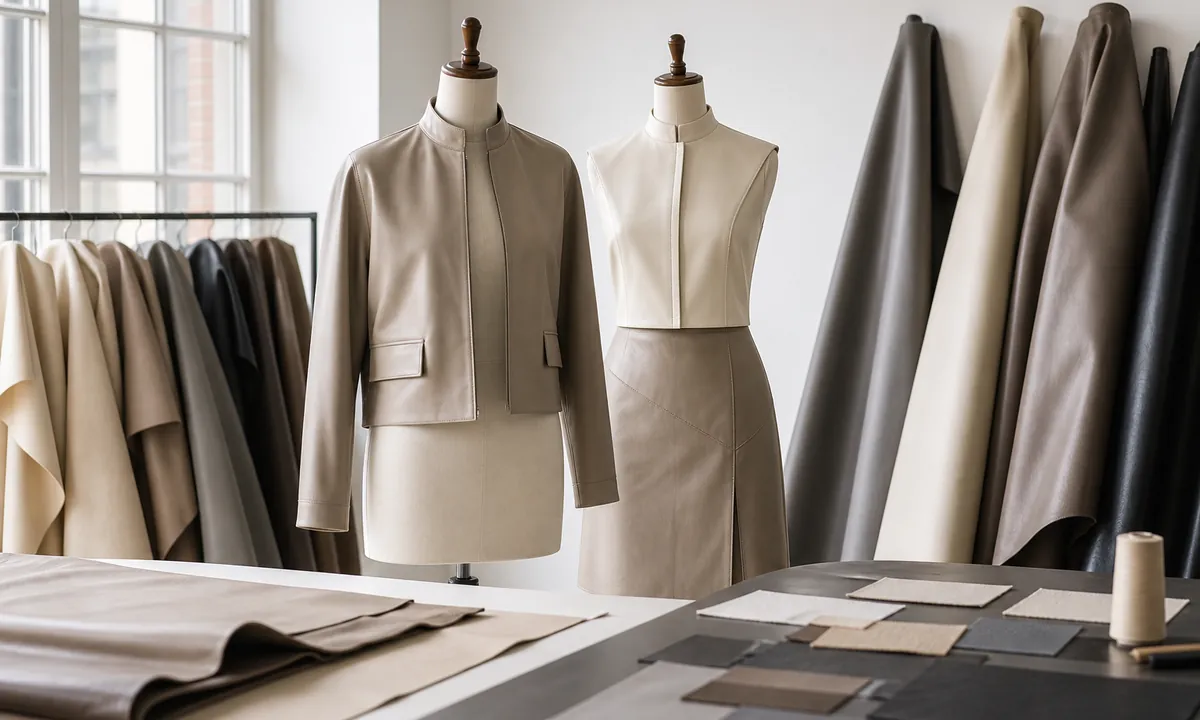
Application fit
When PU leather for clothing makes sense
PU leather is often the practical starting point for garments that need soft hand feel, controlled drape and fashion-oriented color or surface effects. Weight, backing, stretch and seam behavior must be judged in a sewn garment panel.
-
Start with the finished product
Confirm whether the material will be used for jackets, skirts, pants, labels, accessories and fashion panels. This keeps the sample request tied to real production.
-
Match construction to use
Check PU surface, process route, backing, thickness, hand feel, texture, gloss, color and performance request before approving the material for garment and apparel manufacturing.
-
Approve the complete construction for garment
Color and grain are only part of approval; drape, crease recovery, seam behavior and surface consistency also depend on the backing, thickness and complete construction.
-
Test the garment construction, not only the coating
If your buyer or market requires flex, peel, rubbing, hydrolysis, abrasion or chemical requirements when the buyer has a confirmed method, share the method before sampling.
Specification control
Recommended information before sampling
A clear specification prevents wrong sample directions and makes quotation more realistic for garment and apparel manufacturing projects.
| Specification item | What to confirm | Why it matters |
|---|---|---|
| Final application | jackets, skirts, pants, labels, accessories and fashion panels | The product determines the surface, backing, thickness and performance direction. |
| Material construction | PU surface, process route, backing, thickness, hand feel, texture, gloss, color and performance request | The full construction should be checked, not only the visible surface. |
| Color and texture | Approved color, surface effect, gloss and hand feel under the lighting used for the garment collection | Garments show shade and sheen across moving panels, so approval should include drape and finished appearance. |
| Backing and thickness | Lightweight backing, thickness, softness and stretch behavior for cutting, sewing, folding and wearing | The construction affects drape, seam bulk, comfort and how the garment moves on the body. |
| Roll and order details | Garment type, pattern dimensions, usable width, sample meters, color split and production schedule | Pattern layout and seasonal color quantities influence yield, sampling and order planning. |
| Testing request | flex, peel, rubbing, hydrolysis, abrasion or chemical requirements when the buyer has a confirmed method | Test targets should be linked to the market and confirmed method before sampling. |
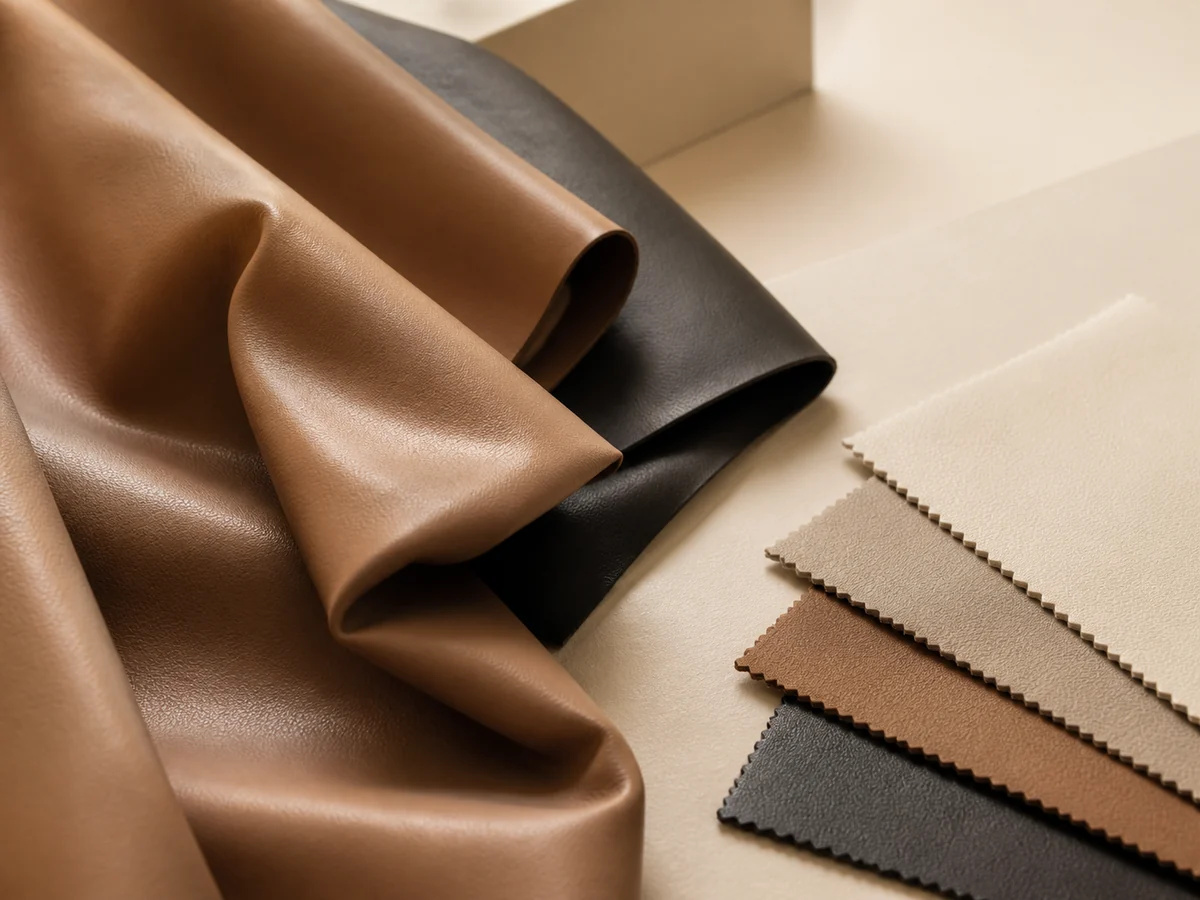
OEM and sample matching
Customization options for PU leather for clothing
For garment production, color, grain, backing, thickness and surface finish should be developed against the finished product, production method and approval standard.
-
Color matching
Use a physical master or approved jacket, skirt, trouser panel, label, trim or fashion accessory sample to control color and surface approval.
-
Texture and finish
Set grain scale, gloss and finish against the jacket, skirt, trouser panel, label, trim or fashion accessory design and neighboring materials.
-
Backing and thickness
Select backing and thickness around cutting, folding, sewing and edge finishing, not from a swatch book alone.
-
Sample confirmation
Review a representative sample through cutting, folding, sewing and edge finishing, then freeze the approved color, surface and construction for bulk reference.
Related material paths
Compare related materials and application pages
Review the broader PU leather category, compare other material options for garment production, and browse related product collections before confirming samples.
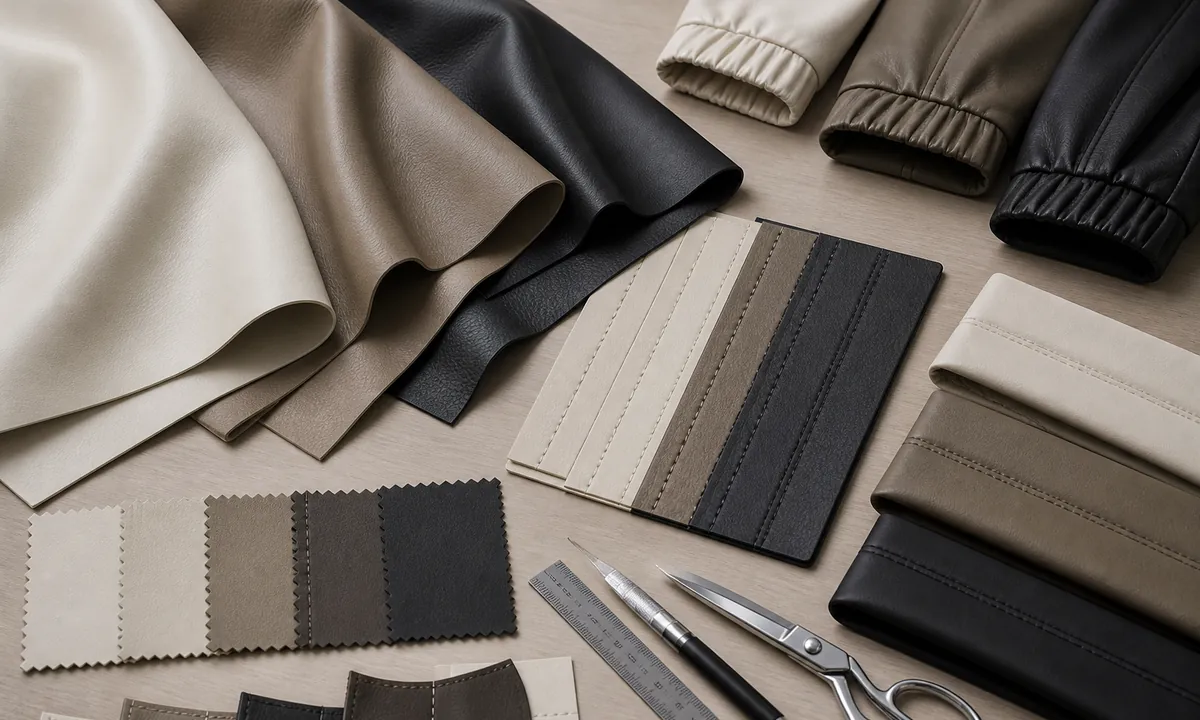
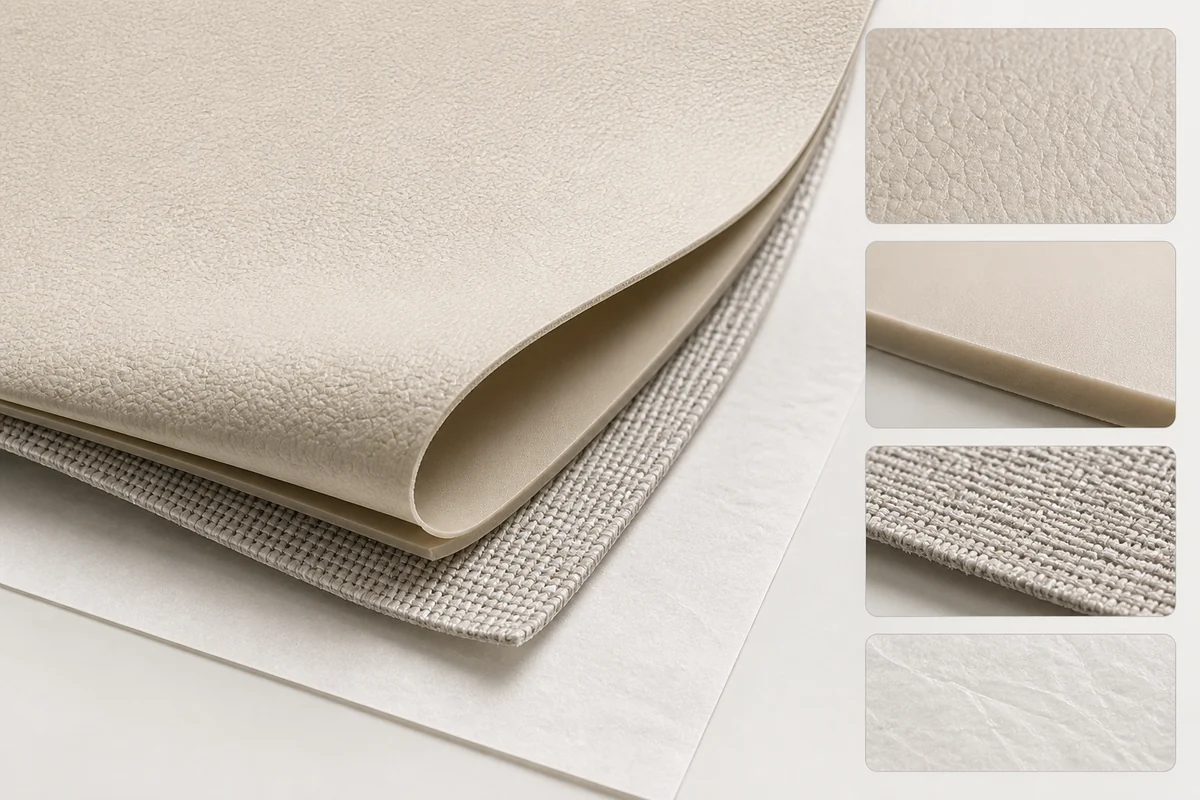
PU Leather
Review the broader PU leather category to understand construction, customization and application considerations.
Review PU leather specifications
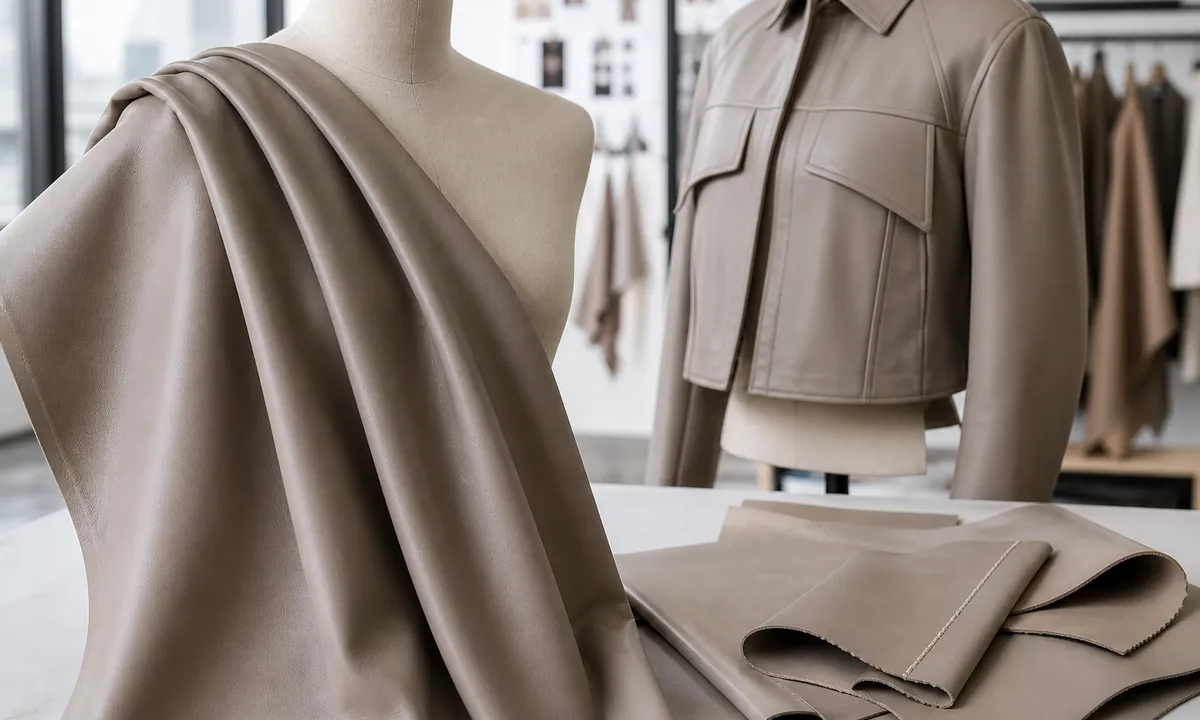
Clothing Leather
Compare other material routes for garment and apparel manufacturing before selecting a construction.
Compare materials for garment production
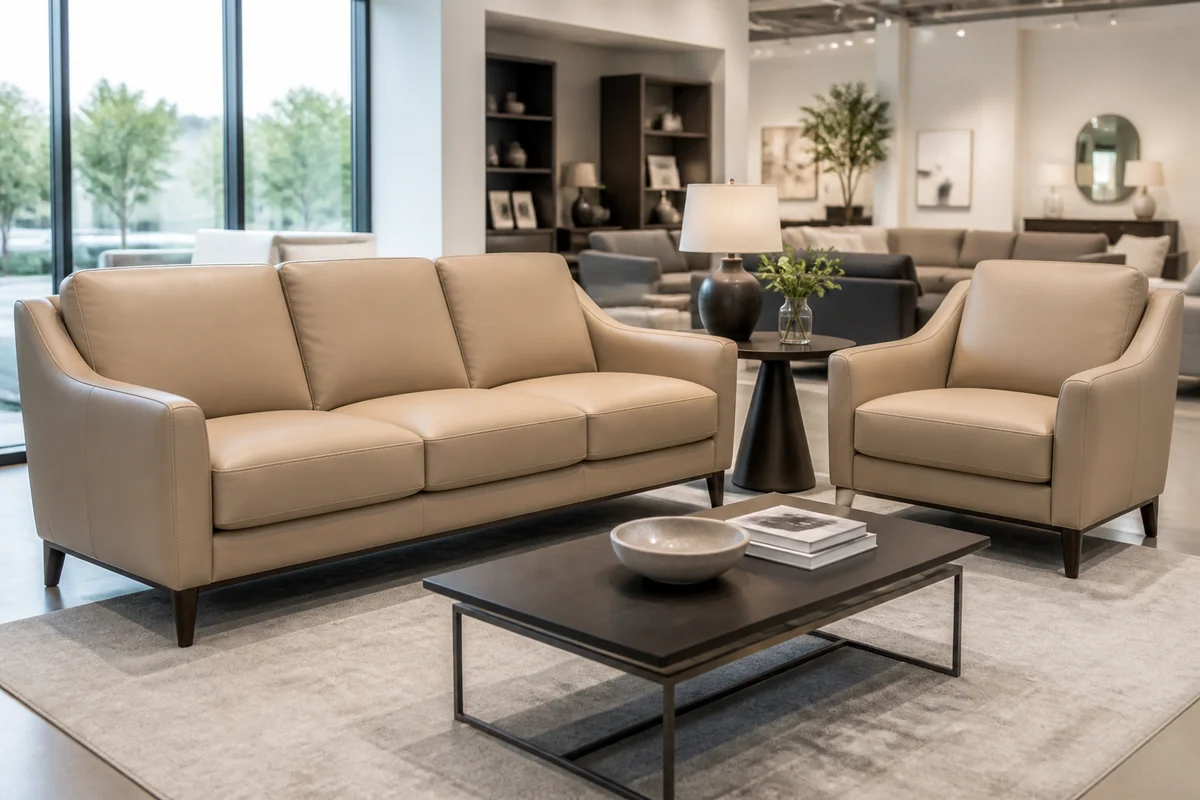
PU Leather products
Browse products organized by material to compare available surface and construction options.
Browse PU leather products
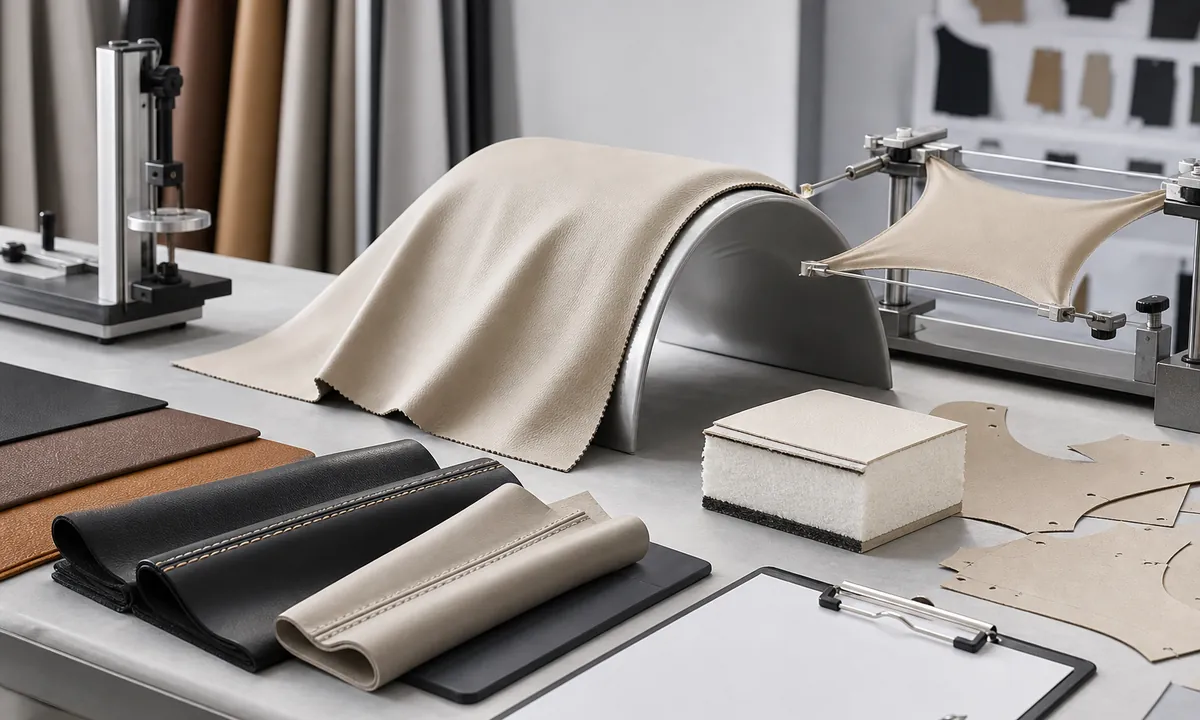
Clothing Leather products
Browse products organized for this application and prepare a more focused sample request.
Browse products for garment production
Same application
Other material options for garment and apparel manufacturing
Same material
Other PU Leather application pages
PU Leather for Furniture
Review how the PU leather construction changes for the application shown on this card.
PU Leather for Automotive
Review how the PU leather construction changes for the application shown on this card.
PU Leather for Office Chair
Review how the PU leather construction changes for the application shown on this card.
PU Leather for Shoes and Bags
Review how the PU leather construction changes for the application shown on this card.
Before inquiry
Buying checklist for PU leather for clothing
Prepare the following details before asking for samples or quotation. This allows the proposed PU leather construction to be checked against garment production before quotation.
-
Final product
jackets, skirts, pants, labels, accessories and fashion panels
-
Target sample
Color card, swatch, photo reference or current material.
-
Construction
Confirm hand feel, drape, surface construction, backing and hydrolysis requirement when applicable together with thickness, color and the finished-part requirement.
-
Order context
State the jacket, skirt, trouser panel, label, trim or fashion accessory, sample type, estimated production volume, usable width, destination market and target timing.
-
Testing needs
flex, peel, rubbing, hydrolysis, abrasion or chemical requirements when the buyer has a confirmed method
-
OEM details
Custom color, grain, backing or surface treatment request.
FAQ
PU Leather for Clothing FAQ
Is PU leather suitable for garment and apparel manufacturing?
Run cutting, sewing and repeated-fold trials on cuffs, collars or other stressed areas. Add rubbing, color-transfer or flex requirements only when they correspond to the garment and destination market.
Can PU leather be customized for this application?
Yes. For garment projects, OEM development can cover color, grain, backing, thickness and finish after cutting, folding, sewing and edge finishing requirements are clear.
What should I send before asking for a quotation?
Send the jacket, skirt, trouser panel, label, trim or fashion accessory, physical color or grain reference, backing, thickness, usable width, quantity, market and named test methods.
Can Wandao Leather help compare other materials?
Yes, but alternatives should solve a defined problem. A more structured PVC or microfiber construction may suit selected panels, while silicone is a specialty option; none should replace a workable PU construction without a product reason.
Sample, color card and quotation
Send your PU leather for clothing requirement
Share your final product, target sample, thickness, backing, texture, color, quantity and testing needs. Wandao Leather can help confirm the sample direction and quotation for your garment and apparel manufacturing project.
Related sourcing paths