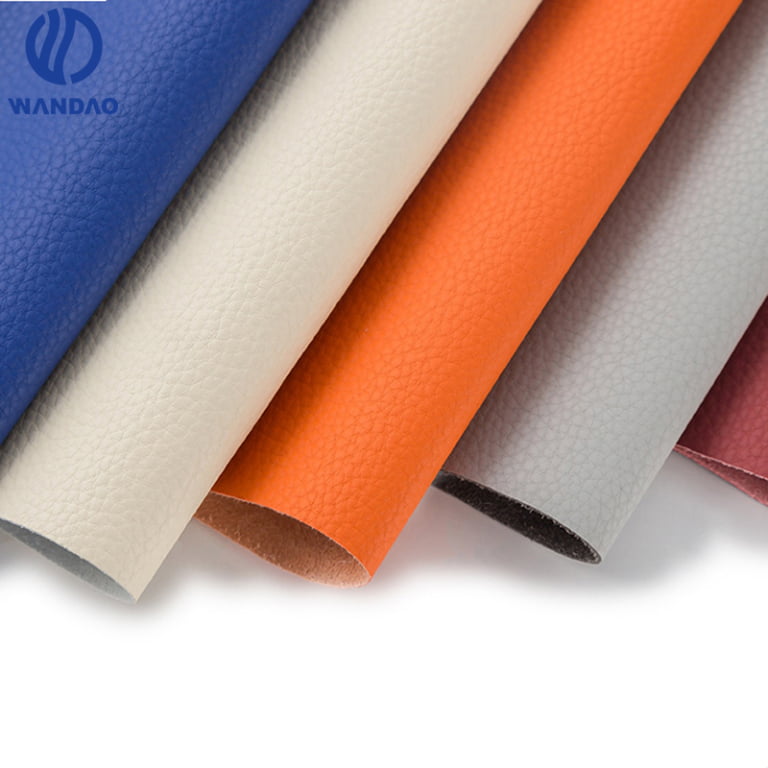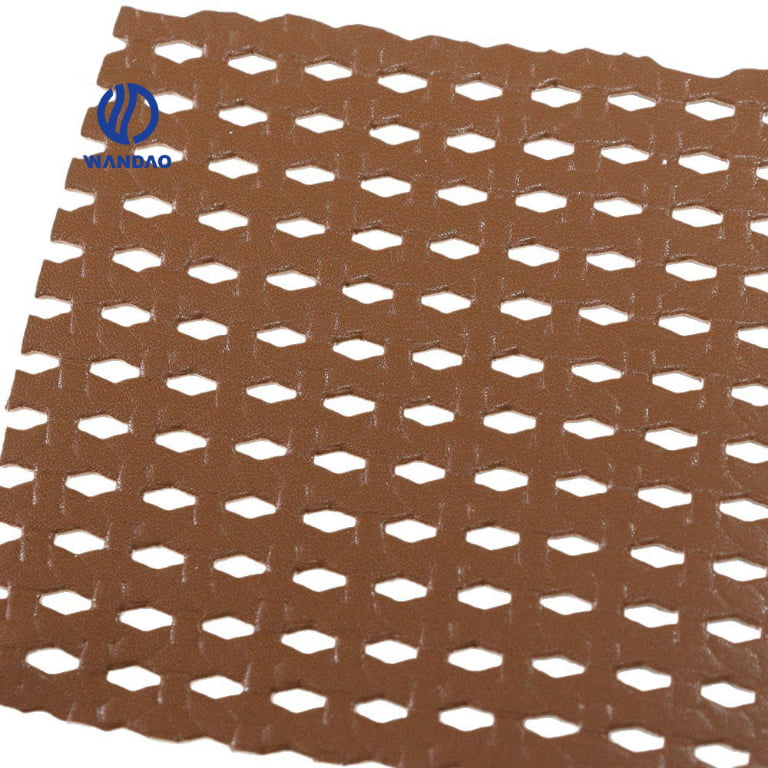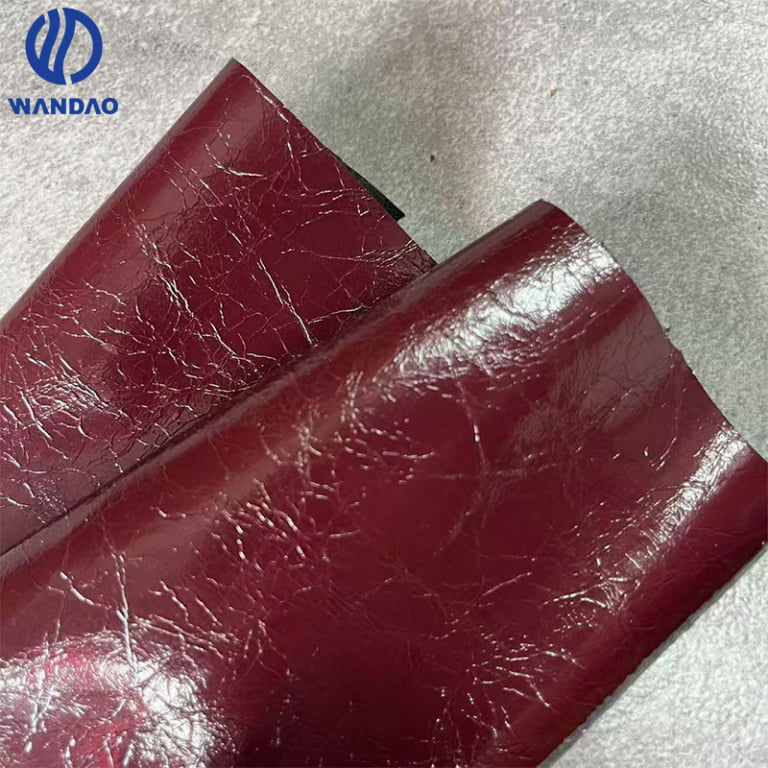

Car seat bolster wear should be evaluated along the actual entry-and-exit contact path, not only on a flat abrasion swatch. For an outer seat bolster, the material, supporting shape, seam location and cover fit form the test article. Use suitable material screening, then a programme-approved representative assembly trial with defined contact conditions and inspection stages. A high rubbing count does not automatically demonstrate that the finished bolster will retain its required appearance during ingress and egress.
Map the contact path on the actual seat
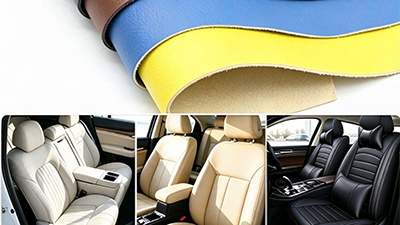
Identify the seat variant, side and bolster region involved. Record the approved geometry and cover construction. An outer cushion bolster, a backrest bolster and a centre insert are different locations; do not merge their requirements into one generic upholstery durability statement.
Have the seat development team define the representative entry-and-exit motion for the programme. Contact location, direction and the relevant counterface belong in that definition. A casual demonstration can reveal a concern, but it should not become the sole qualification method without a controlled procedure.
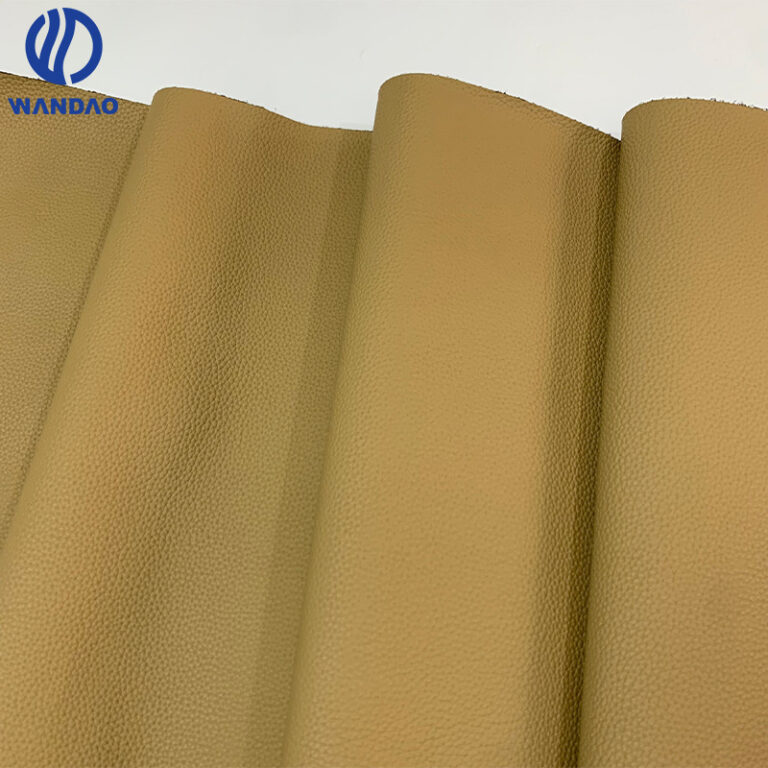
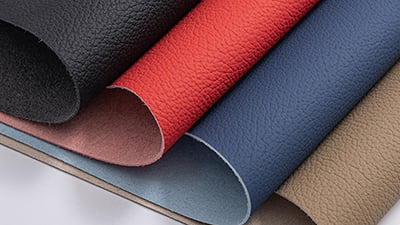
For a microfiber automotive upholstery candidate, supply the bolster brief with the sample request. The exact construction and surface finish matter to the comparison. Do not infer an approval from the word “microfiber” or from a report for another seat region.
Define car seat bolster wear by its failure modes
List the observations the programme will inspect: surface appearance, coating damage, exposed backing, seam deterioration or other specified changes. Distinguish the first visible concern from the formal stopping criterion. A trial that records only whether a hole formed can miss an earlier cosmetic failure relevant to the customer.
Map each observation to the seat drawing. A mark concentrated beside a seam suggests a different comparison from uniform change across the contact area. Treat that pattern as an investigation lead rather than a diagnosis. Preserve the surrounding apparently sound material as a reference.
| Assessment level | Useful purpose | Key limitation |
|---|---|---|
| Flat material specimen | Compare candidates under one defined method | Does not reproduce the entire bolster |
| Shaped material test | Evaluate a specified support/contact arrangement | Still has its own laboratory geometry |
| Production-intent bolster | Assess cover, seam and support together | Applies to the recorded assembly and procedure |
| Programme ingress/egress trial | Check the defined seat-use simulation | Not a universal cycle-to-years prediction |
Read the abrasion method before comparing the count
VDA 230-211 addresses abrasion of leather and coated textiles for automotive seating using a Martindale ball-plate arrangement. The ball plate beneath the specimen is part of that method’s defined test situation. Its result is not simply interchangeable with every flat Martindale report.
Ask the laboratory to confirm applicability to the actual material and customer requirement. Retain the method edition, specimen construction, conditioning and endpoint. If the programme specifies a different procedure, follow it rather than substituting a familiar number from another test.
Keep material-screening results distinct from an assembled ingress-and-egress evaluation. Both can be useful, but they address different levels of the product. A laboratory method name is not evidence that the proposed finished seat has been tested under its own programme.
Image placeholder: Outer seat bolster with the programme’s conceptual entry-and-exit contact path highlighted, alongside a flat specimen and a shaped test specimen labelled as different assessment levels.
Build a representative bolster specimen
Use the intended face material, backing or laminate, seam arrangement and support geometry. Record how the cover is fitted through the approved manufacturing process. A loosely draped swatch over a foam block is not necessarily representative of a production bolster, even if the general shape looks similar.
Keep the material direction and panel revision traceable. If two candidates need different patterns or conversion processes, identify those differences. The comparison may still support a product choice, but it should be described as a comparison of assemblies rather than a pure material ranking.
Inspect the baseline before applying the programme’s exposure. Record existing stitch marks, wrinkles or other agreed observations. This helps distinguish manufacturing condition from test-induced change and prevents the final report from assigning every visible feature to wear.
Specify the contact and loading programme
The responsible engineering team should define the motion, loading, counterface, environmental condition and inspection sequence. Use suitable qualified equipment and safe procedures. This article does not prescribe a rig force, movement speed or cycle count for all seats.
Keep the counterface identity and replacement rules controlled under the selected method. An unidentified clothing sample used until it changes condition can make results difficult to compare. If a particular garment is relevant to a field complaint, evaluate it in a clearly labelled supplementary investigation.
Record any preconditioning required by the customer separately from the motion programme. Do not assume that a result on fresh material represents every prior heat, cleaning or ageing exposure. Conversely, do not add arbitrary exposures and call the resulting procedure a recognised standard without approval.
Follow progression along the same inspection map
At each agreed stage, photograph the named locations under consistent conditions. Retain an overview showing the contact path and close views of relevant changes. Report the state at each inspection rather than presenting only the most favourable photograph at the end.
Keep surface, seam and support observations in separate fields. For example, a change in bolster shape should not be automatically reported as face abrasion, and a seam concern should not disappear inside a general surface rating. The programme needs enough detail to assign the next investigation to the right part of the assembly.
If a test stops early, state why and at what stage. A stopped test with no observed failure establishes only the achieved exposure under its conditions. It does not justify an untested higher rating or a prediction of years of use.
Investigate geometry and material together
If a concern is reproducible, use controlled comparisons to separate candidate influences. Hold the geometry constant when evaluating a material change, or hold the material constant when evaluating an approved construction revision. Document unavoidable differences and their effect on interpretation.
A changed support profile or seam location may be a development option, but it belongs to the seat designer. Do not recommend moving a controlled seam or altering an airbag-related region as a simple wear fix. A cosmetic improvement must not bypass the programme’s safety and functional requirements.
Similarly, an unapproved surface treatment that makes a sample slide differently is not evidence that the supplied upholstery meets the original specification. If a revised finish is proposed by the supplier, identify it as a new candidate and repeat the relevant approvals.
The broader automotive material selection brief should keep the specific bolster task visible. Avoid transferring approval from a centre seat panel or a flat decorative area to a different contact geometry without the responsible team’s assessment.
Image placeholder: Staged inspection sheet for the same bolster, with separate fields for face appearance, seam condition and support shape, plus an unchanged reference assembly.
Make the approval specific enough for repeat orders
Release the exact material construction, cover drawing, conversion specification and relevant seat variant. Retain the baseline and final observations, test procedure and acceptance decision. The record should say what passed and what was not included.
Define changes that trigger review: surface finish, backing, laminate, pattern, direction, seam construction or support. The programme determines the necessary validation, but a substitute should not inherit approval merely because its colour and nominal thickness look similar.
For production complaints, connect the affected seat to cover and material identities and preserve the known service history. Compare the damage map with the development evidence without assuming every field event reproduces the rig. Use the difference to improve the investigation rather than forcing a correlation that the data do not support.
Send a component brief with the sample request
Provide the seat variant, bolster location, contact-path requirement and production-intent layer stack. Include the customer method and the appearance or damage endpoints. If the programme has not yet defined them, identify that as a development decision rather than asking the supplier for a universal “heavy-duty” grade.
To compare candidates, send Wandaoleather the bolster drawing and ingress-and-egress evaluation brief. The aim is a traceable material-and-component decision, not an unsupported promise based on a rubbing count.
Frequently Asked Questions
Does a flat abrasion result approve an outer seat bolster?
No. It supports its defined specimen test. The production bolster adds shape, support, seams and contact conditions that need the programme’s representative evaluation.
Are all Martindale results directly comparable?
No. Confirm the exact method, support arrangement, specimen, conditioning and endpoint. A ball-plate method should not be treated as identical to every flat-test report.
What should be recorded besides a final wear count?
Record the material and assembly identities, contact programme, inspection stages and separate surface, seam and support observations. State why any test stopped.
Can a bolster cycle count be converted into years?
No general conversion is established here. Report the achieved exposure and conditions without claiming a service-life relationship that has not been validated.
Can a seam be moved to reduce rubbing?
Only through the responsible design authority’s controlled development process. Do not alter safety-related seams or interfaces on the basis of a wear observation alone.
What changes need approval review?
Review relevant changes to the face finish, backing, laminate, panel, direction, seams or support. The approval belongs to the recorded component combination, not every similar-looking material.