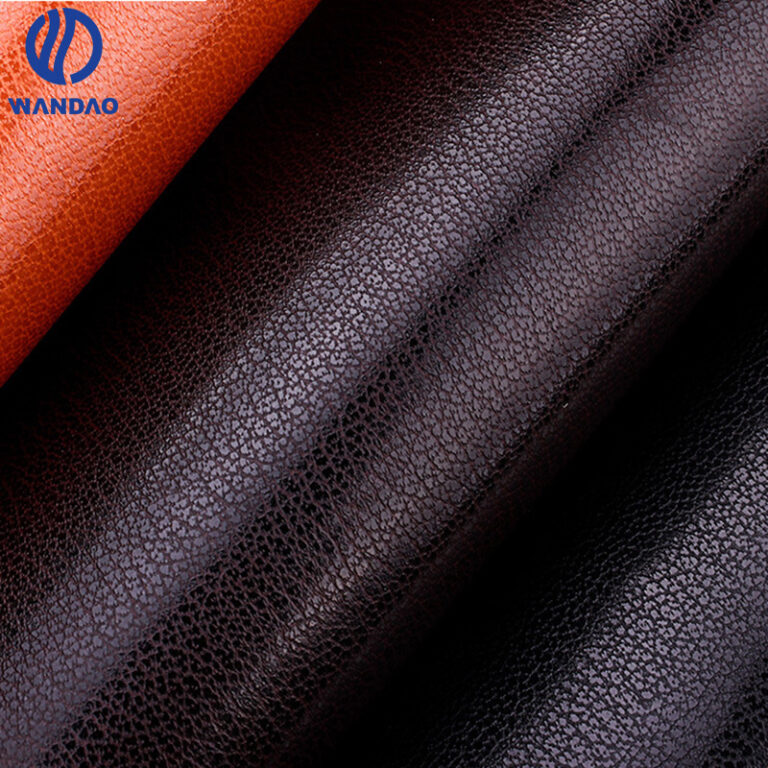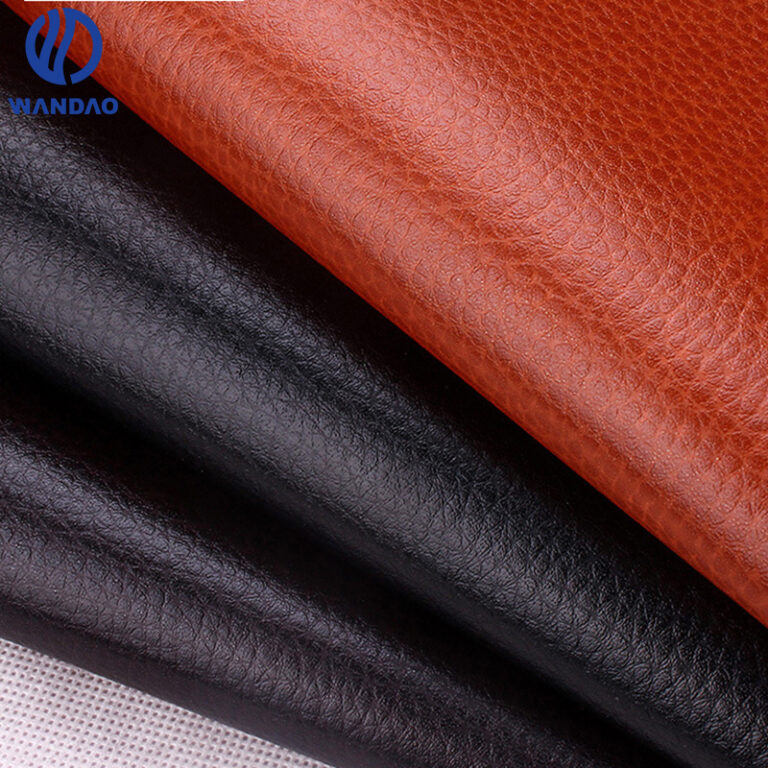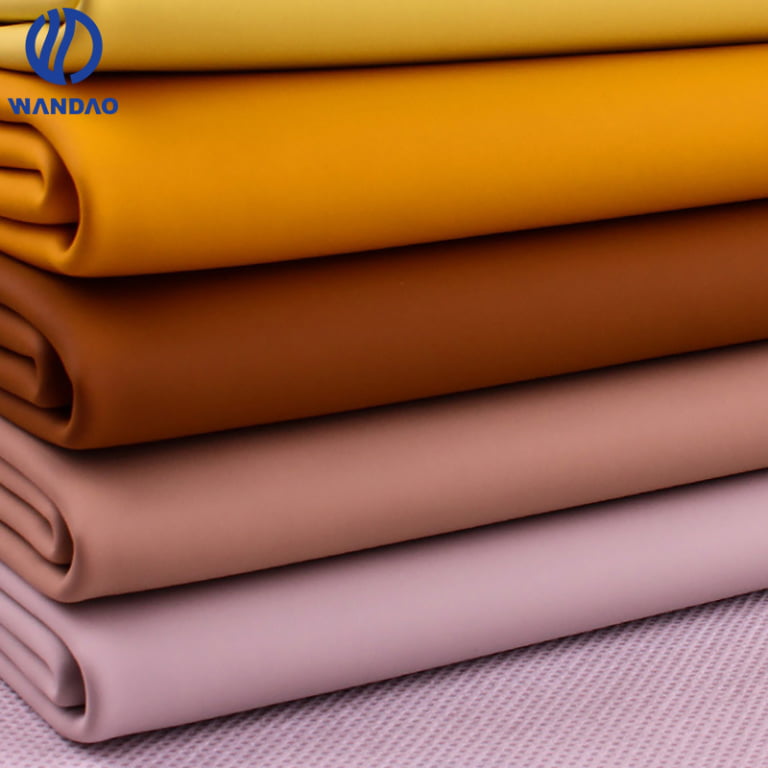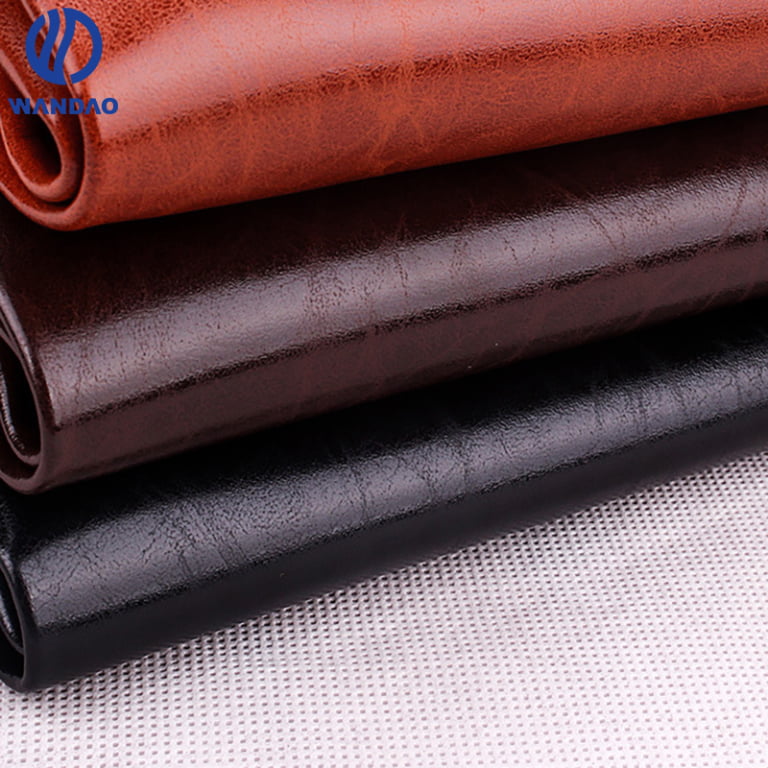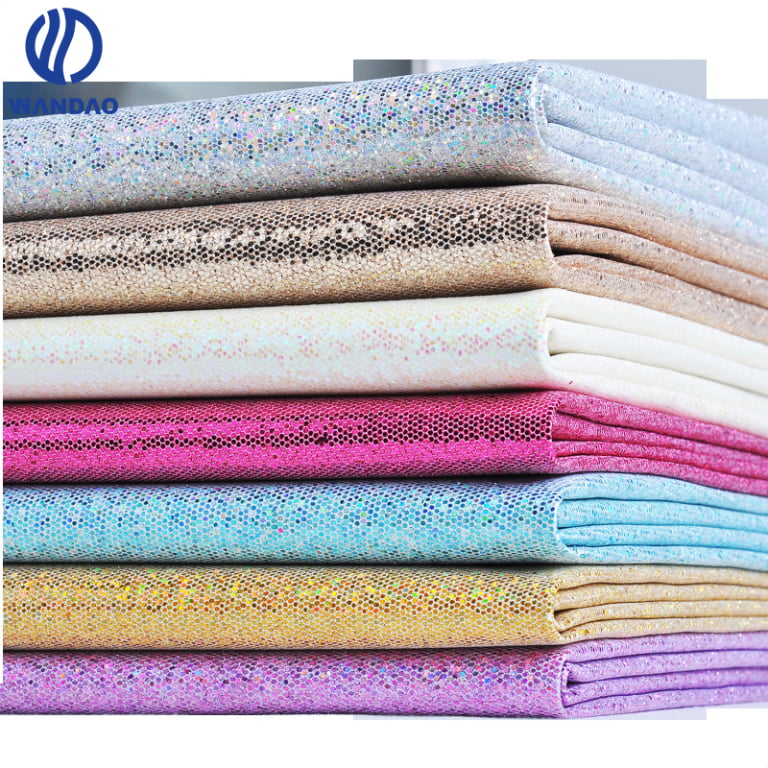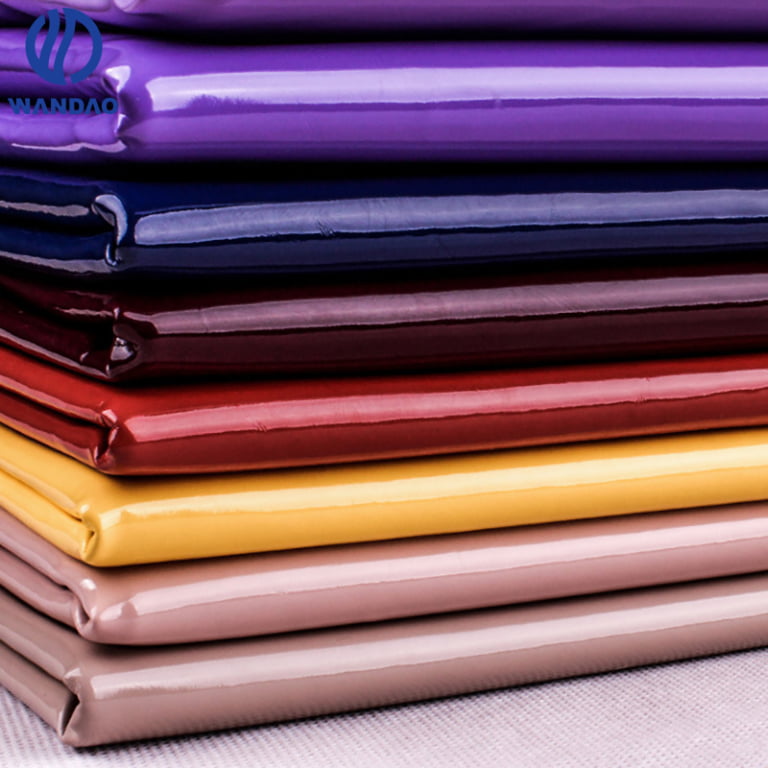
Faux leather wall panels should be specified as an installed panel system, not simply as furniture upholstery fixed to a wall. The face material, padding, substrate, adhesive, edges, joints and mounting arrangement all belong in the project brief. Approve their appearance together and obtain the evidence required for the actual installation. A seating-material report or an attractive padded sample does not establish wall-finish fire compliance, acoustic absorption or suitability for every building.
Define what the wall treatment is meant to do
Separate the architectural purpose from the material description. A decorative feature wall, a protective padded surface and an acoustic treatment have different decisions to resolve. Ask the project designer to identify the intended function, location, installation method and required evidence before requesting a colour sample. Do not allow the word “soft” to imply a measured acoustic property.
Record whether the design uses individually wrapped removable panels, a site-upholstered assembly or material directly adhered to a surface. These constructions should not be treated as interchangeable in a quotation. Identify the responsible panel manufacturer and installer, and state whether the material supplier is supplying only the face roll or another defined component.
The furniture and upholstered-panel material range can support an initial face-material discussion. Project approval, however, belongs to the specified panel assembly. Keep the commercial material choice and the building’s technical acceptance process linked without suggesting that one automatically completes the other.
Write a layer schedule for faux leather wall panels
A layer schedule should name the face construction and backing, any padding, the board or substrate, adhesive where used, edge treatment and mounting details. Include the air space behind the panel if the design has one. Use actual product identifiers and drawing revisions rather than a generic sketch labelled “foam and leather.”
The schedule should also identify what is exposed at panel joints and returns. A sample with concealed edges may not represent a production panel with visible side faces. Likewise, a thin display board may not reproduce the selected padding and substrate. Ask the fabricator to mark any difference between a presentation sample and the intended installation.
| Specification item | Decision to document | Evidence owner |
|---|---|---|
| Face material | Construction, colour, grain and direction | Material supplier and designer |
| Padding and substrate | Exact products and panel geometry | Panel fabricator |
| Adhesive or fixing method | Approved combination and process | System designer and fabricator |
| Joints and returns | Visible boundaries and acceptable alignment | Designer and installer |
| Fire requirements | Applicable route and representative construction | Project fire professional or authority |
| Acoustic requirement, if any | Required result and tested assembly | Acoustic consultant and laboratory |
This division of responsibility prevents a common procurement gap: everyone approves their own component, but nobody confirms the combination. A complete submission should allow the reviewer to trace each result to the same proposed system or clearly identify where further evidence is required.
Do not transfer a sofa test to a wall installation
The ACT indoor coated-fabric flammability guidance distinguishes upholstery, adhered wall treatments and wrapped wall panels, including different mounting arrangements. It is voluntary guidance and explicitly does not represent every location’s requirements. That distinction is a reason to confirm the project’s route, not to declare a universal fire classification.
Have the responsible professional confirm the applicable requirements for the building, occupancy and jurisdiction. Ask the laboratory or approval reviewer whether the available report represents the intended face, backing, substrate, adhesive and mounting. Do not replace that review with a supplier statement that the surface is “fireproof.”
If a report covers a particular construction, document any proposed substitution. A different board, padding, adhesive or installation detail should enter the agreed review process. Purchasing should not assume that a visually identical face makes the revised assembly equivalent. Keep the approved system reference attached to the order and installation documents.
Require acoustic evidence only when an acoustic claim is made
ISO 354 describes reverberation-room measurement of sound absorption for relevant treatments and objects. Its scope provides a measurement reference; it does not assign an absorption result to an untested faux leather panel.
For an acoustic project, request the actual report and have the consultant compare its tested construction and mounting with the proposal. Do not copy an acoustic value from the padding alone onto the completed covered panel. The claim should identify the assembly it describes and the relevant report, rather than relying on the visual impression of softness.
If the project is purely decorative, say so in the brief and avoid adding unsupported acoustic language. That is a legitimate specification boundary, not a defect. It lets the buyer compare appearance and fabrication options without paying for or advertising a function that has not been established.
Approve a junction, not just a single sample square
Build a representative adjacent-panel mockup using the intended materials and fabrication route. Include a critical corner or return if the design depends on that detail. View the assembly from the agreed room positions under consistent lighting, including the lighting arrangement that the designer expects to reveal the broad wall surface.
Record panel alignment, visible edge shape, joint appearance and surface direction separately. If a discrepancy appears, establish whether it follows the face material, the underlying panel geometry or installation. A photograph should identify the observation, not assign the material supplier responsibility before the cause has been investigated.
For a PU upholstery face candidate, retain the exact construction and sample identity. A different backing or finish can require renewed fabrication review even when the colour name is unchanged. Approve the actual material on the actual detail rather than an unspecified family of similar-looking rolls.
Check fabrication compatibility without inventing a universal recipe
Have the fabricator trial its proposed adhesive or attachment process with the identified stack. Review the face after the agreed process and observation interval for visible marks, unevenness or other project-defined changes. Include an untreated reference when investigating whether a change is associated with the bonding operation.
If an appearance problem emerges, preserve the material and process record. Compare a controlled change rather than replacing several inputs at once. The objective is a repeatable fabrication route. This article does not prescribe adhesive chemistry, open time, pressure or heating settings; those belong to the qualified manufacturers’ validated instructions.
Keep structural fixing and site installation outside the face-material approval. The installer must follow the system designer’s approved details, especially around openings and building services. A material sampling discussion is not authority to revise wall attachments or conceal access requirements.

Plan the material quantity from the developed panels
Count the different panel sizes and developed cover blanks, including returns and construction allowances established by the fabricator. Compare them with usable roll width and approved direction. Wall area alone does not identify the cutting requirement: the layout must accommodate the actual pieces and any appearance-group restrictions.
Separate prototype material, production allowance and approved replacement stock in the quotation. If panels are individually replaceable, identify which spare blanks or finished panels the reserve can supply. Do not call every remnant a service spare without checking its size, source identity and suitability for the intended position.
Keep panel location codes through production and installation. For a long visible elevation, record which panels were reviewed together. A later replacement should be checked against the actual surrounding installation, not guaranteed to disappear visually because it shares the original colour code.
Close the specification before ordering the full elevation
The release pack should contain the intended function, layer schedule, panel drawings, approved mockup, relevant project evidence and installation responsibilities. Mark limitations clearly, including any variants not covered by the submission. This gives procurement a defined product to order and quality a defined reference to inspect.
To discuss face-material sampling, send Wandaoleather the wall-panel layer schedule, developed panel sizes and project requirements. Identify the system fabricator and any required evidence so the material enquiry supports the installation rather than implying approval from a swatch alone.
Frequently Asked Questions
Can sofa upholstery approval be reused for a wall panel?
Not automatically. Wall treatments can have different construction, mounting and project requirements. Have the responsible reviewer confirm which evidence applies to the proposed installation.
Are padded faux leather panels automatically acoustic?
No. An acoustic claim requires suitable evidence for the identified covered assembly and mounting. Soft appearance or a padding-only report does not establish the completed panel’s result.
Should the adhesive be included in the specification?
Yes, when it forms part of the construction. Identify the approved product and process through the fabricator’s documentation and review substitutions through the project’s change-control route.
Why build an adjacent-panel mockup?
It reveals joints, alignment and relative appearance that a single sample cannot show. Include representative returns or corners when those details are important to the design.
Is wall area enough to calculate roll quantity?
No. Use developed cover blanks, quantities, usable width and approved orientations. Include returns and separately identified prototype, production and spare requirements.
What should accompany a material sample request?
Provide the intended function, layer schedule, panel geometry, fabrication method and project evidence requirements. State who owns the complete system approval so a face-material sample is not mistaken for it.