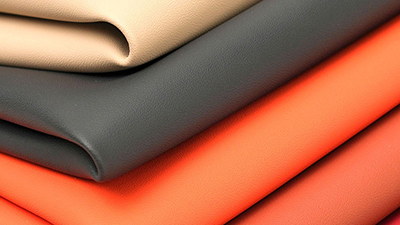

Fleet seat upholstery replacement should start with a verified seat inventory and approved cover specifications, not a single metres-per-vehicle estimate. Bus and truck fleets can contain different seat variants, cover revisions and service histories. Identify the replacement scope for each approved configuration, validate representative first articles and purchase traceable kits in the required mix. Material selection supports that programme, but it does not authorise changes to seat structures, restraints, sensors or other safety-related interfaces.
Inventory the seats before estimating the material
Record the seat manufacturer, model or part identifier where available, vehicle application, seat position and cover revision. Distinguish driver seats from passenger seats and benches rather than treating every place in the vehicle as one interchangeable unit. Include handed versions and special configurations that the fleet actually operates.
Inspect a representative sample through the operator’s authorised maintenance process. A vehicle model name alone may not identify every fitted seat or previous refurbishment. Record unknowns and resolve them before releasing replacement patterns. Do not guess the current construction from a marketing photograph of the vehicle.
Keep the scope explicit: original-style replacement upholstery is different from an additional loose seat cover. This article addresses a controlled replacement-cover programme with the responsible seat or vehicle authority. It does not provide instructions for dismantling seats or bypassing manufacturer repair procedures.
Define fleet seat upholstery replacement by component
Decide what the order includes for each approved seat variant: cushion cover, back cover, headrest cover or a complete upholstery kit. Identify any panels that use a different material and any parts excluded from the scope. A complete seat kit should have an unambiguous piece list.
Also distinguish material-only replacement from problems requiring a different repair decision. If inspection finds damaged padding, support or another seat component, route it through the authorised service process. A new cover should not be used to conceal an unresolved issue or to make an unapproved assembly appear complete.
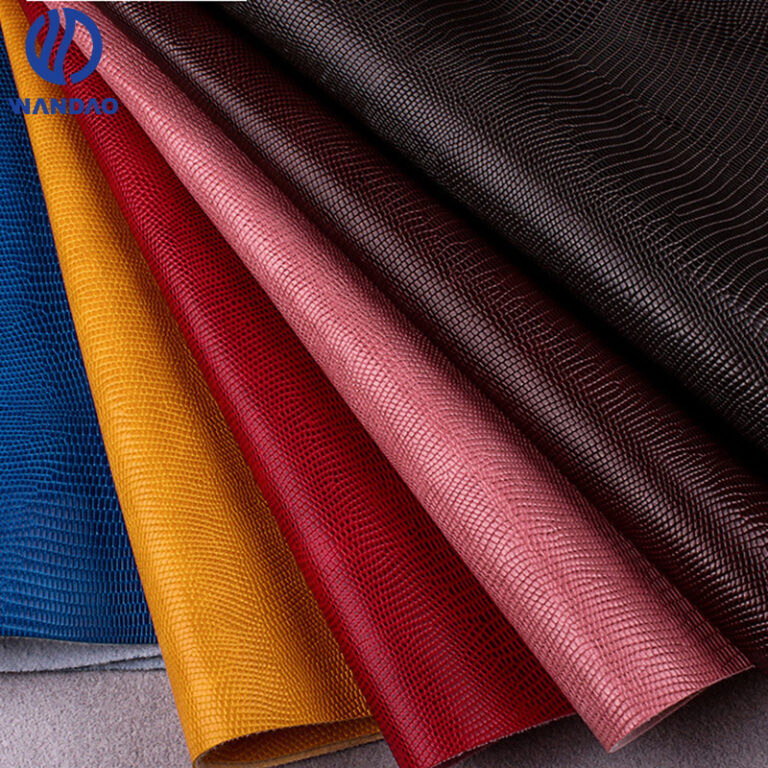
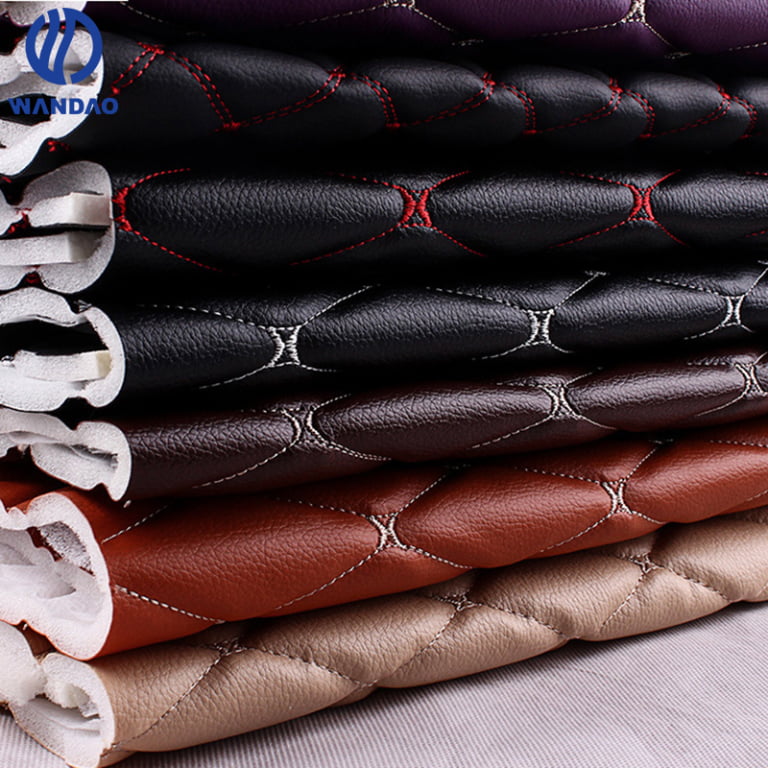
Start the material discussion with the automotive upholstery range and the actual fleet application. Specify the seat zones and intended service requirements. A generic “bus leather” or “truck leather” request does not define the construction or evidence needed by a particular programme.
| Inventory field | What to verify | Purchasing consequence |
|---|---|---|
| Seat variant | Manufacturer or approved part identification | Select the correct cover family |
| Replacement scope | Cushion, back, headrest or full kit | Count actual panel demand |
| Revision and handedness | Current approved pattern and orientation | Prevent apparently similar kit substitutions |
| Controlled interfaces | Requirements identified by the design authority | Determine approval and installation boundaries |
| Material construction | Exact face and backing specification | Request relevant samples and evidence |
| Service stock | Kit mix and revision compatibility | Avoid unusable spare inventory |
Put the design authority ahead of material substitution
Have the responsible seat or vehicle manufacturer identify the controlled features and permitted replacement procedure. Depending on the actual seat, these can include restraint-related interfaces, deployment regions, sensing arrangements, heating or other integrated functions. Do not assume every bus or truck seat contains the same equipment.
In its interpretation concerning aftermarket covers and side airbags, NHTSA highlights the need to consider how covers affect vehicle safety systems and explains that the agency does not approve or certify seat covers. That letter addresses its stated aftermarket scenario; it is not blanket approval for a fleet replacement design.
Use the current requirements applicable to the actual vehicle, market and repair programme, with qualified engineering or compliance review where needed. Do not describe a material supplier’s report as a certification for the whole replacement seat. Procurement should retain the relevant approval reference, not attempt to infer it from a surface material’s commercial description.
Approve one representative construction before multiplying the order
Prepare first articles for the seat variants identified by the programme. A representative trial should use the proposed material, approved pattern, sewing specification and authorised installation process. Identify which variants are covered by each approval and which still need separate evaluation.
Review fit, panel alignment, specified appearance and all programme-required checks. Record whether the intended kit can be installed without unapproved adjustment. If a first article requires cutting a new opening or altering a controlled seam, stop and return the design to the responsible authority rather than treating the change as routine trimming.
Keep first-article appearance approval separate from other acceptance evidence. Material tests, cover manufacturing checks and finished-seat requirements answer different questions. A sign-off should identify what was actually reviewed and by whom, especially when several suppliers contribute to the replacement assembly.
Calculate demand by kit family and panel coverage
Use the verified inventory to count each replacement kit or component. In a hypothetical planning example, 60 back-cover-only replacements and 40 complete seat-cover kits are not 100 identical units. Calculate the pattern demand for those two scopes separately. The figures illustrate counting logic, not a fleet-size or consumption recommendation.
For material purchasing, use the approved cut patterns, usable width and permitted directions for each family. Include the actual covered surfaces rather than estimating only from the visible seat front. Keep different face materials and concealed fabrics in separate bill-of-material lines so quotations remain comparable.
Show trial material, production allowances and service stock separately. Base them on the programme’s evidence and planning assumptions rather than a universal waste percentage. Review the mix when the fleet changes the replacement scope: a purchase optimised for complete kits may not supply the new mix of cushion-only and back-only covers efficiently.
If PVC automotive upholstery is one candidate, evaluate the exact proposed construction against the approved requirements. A lower roll price is not a like-for-like saving if it requires a different cover process, fails the programme’s evidence requirements or changes the accepted replacement scope.
Pilot the logistics as well as the cover
Run a controlled pilot before ordering the entire fleet quantity. Check that packaging identifies the correct seat family, handedness, kit contents and revision. Ask the authorised installer to record missing pieces, identification ambiguities and unplanned adjustments. These observations can prevent a technically approved cover from becoming a logistics problem.
Track material and cover batch identities through the pilot. If one kit fails inspection, the operator should be able to identify related stock without treating every vehicle as equally affected. Keep installed locations linked to the kit record where the fleet’s maintenance system supports that traceability.
Record actual pilot labour and downtime for internal planning, while keeping their limitations visible. Do not promise a fixed installation time or saving based on a different seat variant. The purpose of the pilot is to replace assumptions with programme-specific evidence, including whether the proposed packaging and work sequence are practical.
Make spare stock revision-aware
Define which service events the reserve is intended to support. A stock of generic metres still requires cutting and sewing; finished kits depend on the relevant pattern and material approval remaining current. Choose the reserve format based on the operator’s service model and supplier arrangements.
Label spare stock with construction and revision information, and follow the supplier’s storage instructions. When the approved cover changes, review whether existing spares remain usable for any identified seat family. Do not discard or substitute them automatically; disposition should follow the programme’s technical and inventory decisions.
For appearance-sensitive replacements, compare the spare with the actual seat and agreed replacement scope before installation. Do not promise that stored material will be visually indistinguishable from every used neighbouring surface. The operator should know who approves an acceptable service appearance and any expansion of the replacement scope.
Release a traceable repeat-order specification
The final order should name each seat family, component scope, kit quantity, drawing revision, material code, approved evidence and installation authority. Add packaging, traceability, inspection and change-notification requirements. This turns repeat purchasing into replenishment of identified items rather than another interpretation of an old photograph.
To prepare a material enquiry, send Wandaoleather the seat-family inventory and approved replacement-cover brief. Include the component mix and programme requirements so material sampling and quotation reflect the actual fleet task.
Frequently Asked Questions
Can one material allowance be used for every fleet seat?
Not reliably. Identify the seat variants and replacement scopes, then calculate from their approved patterns and quantities. Driver seats, passenger seats and benches should not be assumed interchangeable.
Is a complete kit the same as a cushion-cover replacement?
No. Define the piece list for each scope. Count component-only replacements separately from complete kits so the material and finished-cover orders match the actual demand.
Does an automotive material report approve a replacement seat?
No. Material evidence has its own scope. The responsible seat or vehicle authority must control the cover and assembly requirements, including any relevant safety-related interfaces.
Why run a pilot before a fleet-wide order?
A pilot checks the approved cover in practice and tests identification, packaging and installation logistics. Record the findings by seat variant rather than assuming one trial covers every configuration.
Should spare stock be kept as rolls or finished kits?
Choose according to the service model, manufacturing arrangements and revision stability. Rolls still require conversion, while finished kits must remain compatible with the identified seat and cover revision.
Can an installer modify a kit to make it fit?
Unplanned changes should be referred to the responsible design authority. Do not alter controlled seams, openings or other interfaces outside the approved replacement procedure.