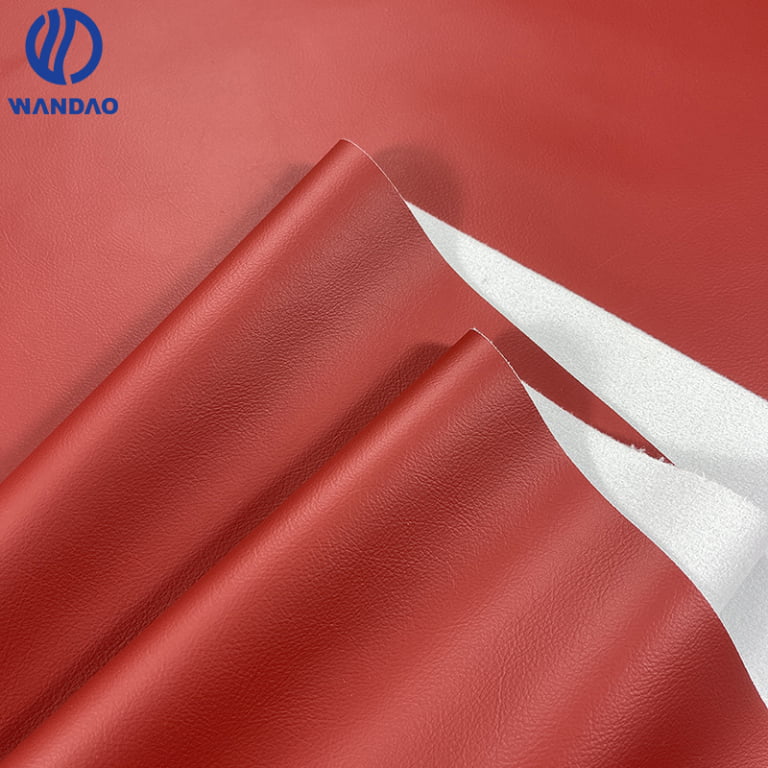
Silicone leather abrasion resistance should be judged from a report that identifies the tested construction, method, conditions and stopping point. A large rub count alone does not establish how long an office-chair cover will last. Before comparing suppliers, confirm that the results concern the coated face and answer the same wear question. Then keep material abrasion evidence separate from the chair’s seams, edges, cleaning requirements and assembled-part approval. The useful purchasing outcome is a comparable evidence package, not the largest number.
For silicone leather used on office chairs, this guide focuses on interpreting abrasion reports. It does not rank silicone above other upholstery materials or prescribe one cycle threshold for every chair model.
Define the silicone leather abrasion resistance requirement
Begin with the part and the purchasing question. Identify whether the candidate covers a seat face, backrest, arm pad or another component. State whether the task is screening a new finish, comparing quotations or confirming an existing buyer specification.
A buyer may already have a required method and acceptance criterion. Preserve those requirements in the request rather than replacing them with the supplier’s preferred test. If no method has been chosen, ask the technical team and laboratory to select an applicable assessment before ordering a report.
Keep the result tied to the intended indoor seating application. A favorable flat-material test is not a complete chair approval. Likewise, a product description such as premium, commercial grade or high abrasion is not a substitute for the report behind that description.
Write down the question before opening competing data sheets: does each proposed coated construction meet the same agreed material-wear requirement? That wording prevents the review from drifting into an unsupported prediction about years of use.
Check the tested material and face before the count
Match the report’s specimen description to the quoted item. Request the supplier code, finish, color, backing and relevant construction revision. Keep the sample or lot identifier where available. If the report belongs to another article, ask the supplier to explain why it is relevant rather than treating a similar trade name as a match.
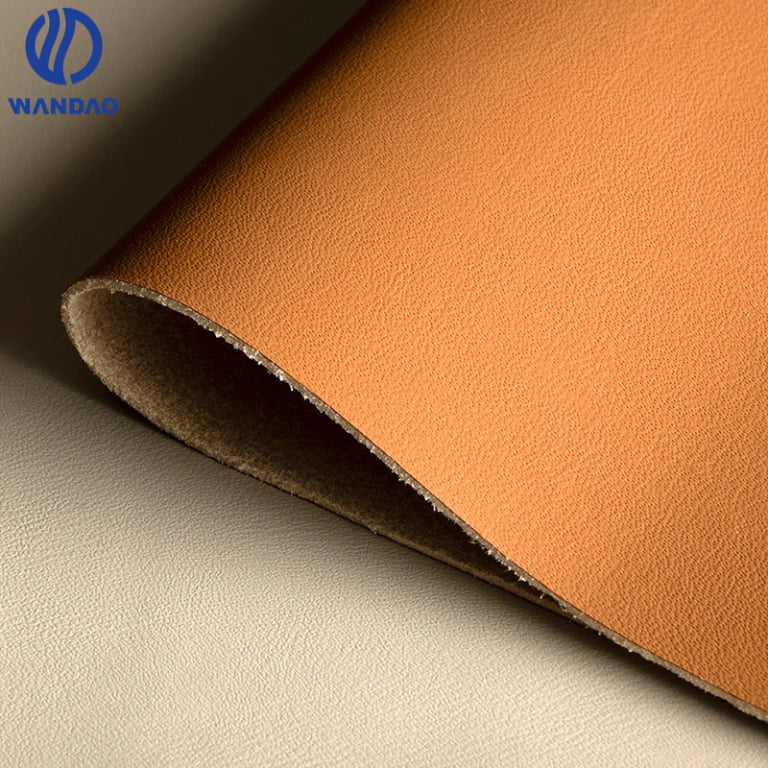
Identify which face was exposed to abrasion. A result for an uncoated reverse face answers a different question from wear of the visible coating. The silicone leather material page provides sourcing context, but it does not give one performance result covering every construction sold under that name.
Also distinguish the supplied backing from extra support introduced for the test. Ask the laboratory to document specimen mounting and any departure from the named method. A purchasing reviewer need not invent laboratory settings; the objective is to know what was done and whether the reports are comparable.
If the supplier offers several textures or surface finishes, clarify which one the evidence supports. Do not assume a report is irrelevant merely because a color code differs, but do not extend it automatically. Obtain a documented technical explanation or the additional evidence needed for the proposed variant.
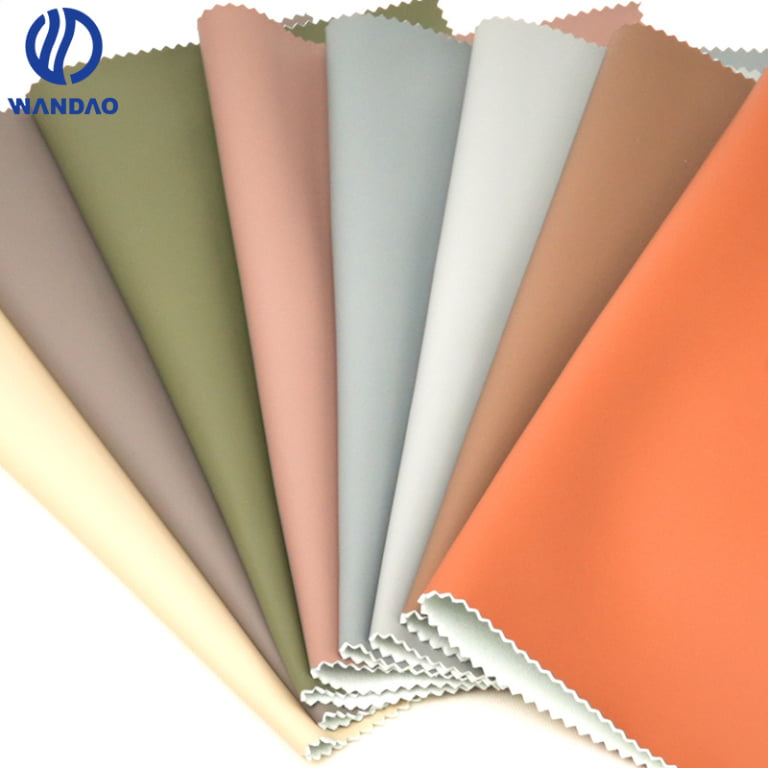
[Image placeholder 1: Identified silicone-coated upholstery swatches showing the wear face and reverse, beside a blank report-review checklist. No invented laboratory results.]
Read the method number, not just the machine name
“Martindale tested” is not a complete method reference. ISO 12947-2:2016 excludes coated fabrics, including laminated fabrics, from its scope and directs coated-surface abrasion questions to ISO 5470. A report citing it for a silicone-coated wear surface deserves clarification rather than automatic acceptance.
ISO 5470-2:2021 concerns Martindale abrasion of coated surfaces and includes wet and dry methods. Its scope distinguishes the coating from an uncoated reverse face. Have the laboratory confirm applicability to the submitted construction and identify the actual method used.
The important distinction is not that every Martindale result is unsuitable for coated material. It is that the apparatus name does not tell you which standard, surface or assessment was used. Ask for the complete designation and edition.
Another route is ASTM D3389-21, a rotary-platform abrasion method for rubber- or plastics-coated fabrics. Its scope reports wear through mass loss or cycles to initial exposure of the underlying fabric. Those are different outcomes from an unspecified appearance score.
ACT’s indoor coated-fabric abrasion guidance references ASTM D4157 for Wyzenbeek abrasion and a modified ASTM D3389 assessment for print retention. The print-retention modification should not be silently presented as the ordinary coating-wear endpoint. Confirm which question the submitted report addresses.
| Report description | Review question | Keep separate |
|---|---|---|
| Martindale | Which standard and which tested face? | Coated-surface assessment versus textile breakdown |
| Wyzenbeek double rubs | Which method, abradant and stopping rule? | Results from other procedures |
| Rotary-platform test | Mass loss, coating exposure or a stated modification? | Different endpoints and reporting units |
| Print-retention rating | Which visual procedure and reference scale? | General coating wear and service-life claims |
This is a report-reading map, not a declaration that every listed method is necessary. Order the assessment needed by the buyer’s requirement. Repeating several unrelated methods without a decision question can increase cost without resolving the original comparison.
Find out why the test stopped
Separate an observed endpoint from a planned stopping count. A test may stop because the defined failure condition is observed, or because the requested assessment count has been reached. The report needs to say which occurred.
Consider a hypothetical comparison. Candidate A reaches the agreed stopping count without the specified endpoint being observed. Candidate B is tested further before that endpoint is recorded. This does not reveal Candidate A’s eventual endpoint, so it does not establish a complete ranking of their endurance.
Keep the laboratory’s wording when summarizing the result. “No defined endpoint observed through the stated count” is different from “failure at that count.” Neither wording, without more information, says that the specimen retained its original gloss, color or texture.
Ask for the inspection observations and any requested photographs alongside the count. If the buyer’s criterion includes appearance, check that it was actually assessed. An unmeasured attribute should remain unconfirmed rather than being inferred from the absence of a reported hole.
Also review how multiple specimens were reported. A summary number can conceal individual results or different stopping reasons. Ask for the detail relevant to the acceptance decision, and use the method’s reporting requirements rather than inventing an averaging rule.
Compare reports only after matching conditions
ASTM D3389 identifies test conditions, abradant, contact pressure, specimen mounting or tension, and finishing materials as factors that can affect abrasion results. This is a reason to request those details, not to guess which supplier has used the most favorable setup.
For a procurement comparison, place the required method and each submitted method side by side. Include the edition, tested face, condition, endpoint and declared deviations. Mark missing fields as unresolved. Do not assign them the values found in the other supplier’s report.
If the procedures differ, ask whether existing evidence can legitimately answer the requirement. The technical reviewer may request a matching test or decide that the reports should remain separate. Do not create a conversion ratio between Martindale cycles, Wyzenbeek double rubs and rotary-platform results.
Where the same method is reported but results differ unexpectedly, begin with specimen identity and test records. A difference is a reason to investigate, not proof of deception or proof that one material family is superior. Keep any repeat testing tied to the specific discrepancy.
[Image placeholder 2: Side-by-side report fields for method, tested face, abradant, endpoint and stopping reason, with a separate office-chair seat-edge detail.]
Do not turn the abrasion result into a lifetime promise
The ACT abrasion disclaimer warns that higher abrasion numbers do not necessarily mean longer service life. It also distinguishes flat abrasion from edge wear in actual upholstery. A result cannot be converted directly into years of chair use or a proportional replacement interval.
For the approval record, keep the abrasion requirement in its own row. Cleaning compatibility, color transfer, flexing, seams and other relevant requirements need their own evidence. A favorable abrasion result should not close an unanswered question elsewhere in the specification.
Likewise, do not rewrite abrasion resistance as scratch-proof performance. If a buyer has a particular sharp-contact concern, describe that use condition and ask the technical team how it should be evaluated. The article does not establish a new scratch test or promise resistance to every object.
This separation is especially useful when reviewing marketing copy. Keep wording proportional to what the report demonstrates: identify the method and result where appropriate, but remove unsupported implications about lifetime, maintenance or all-purpose durability.
Connect the report to a representative chair component
As a practical development recommendation, retain a production-representative upholstered component beside the approved material reference. Identify the pattern, seam arrangement, support and attachment route used. This allows purchasing and manufacturing to discuss the same construction.
Review the seat face, front edge, curved areas and seams relevant to the design. Record any visible grain distortion, marking or assembly problem as its own observation. A flat abrasion report does not tell the upholsterer how to resolve an unsuitable seam or a poor wrap.
If a pattern or support change is required to use the candidate, include that change in the approval. The material may still be suitable, but it is being approved in a revised assembly. Do not present the successful prototype as an unchanged drop-in substitution.
The office-chair leather selection page provides context for alternative materials if the proposed construction does not meet the brief. Compare those alternatives against the same application requirements rather than choosing by resin label.
Close the evidence gaps before bulk release
Use a short report-review record with the required method, submitted report identifier, specimen match, relevant result and remaining questions. Each open item should name the evidence needed and the person responsible for resolving it.
A report with missing specimen identity is not necessarily a failed material, but it is insufficient for a traceable approval. A fully traceable result outside the buyer’s limit is a different decision. Keep missing evidence and demonstrated nonconformance separate.
Once approved, connect the reference sample, material specification, report and component revision. Review changes to the surface, backing or finishing route before relying on the original evidence for a substitute. Decide the required verification from the actual change.
Send Wandaoleather your chair component and abrasion-report requirements when discussing silicone upholstery samples. Include the method and endpoint your buyer needs, or state that these still require technical agreement.
Frequently Asked Questions
Does a high silicone leather abrasion count predict chair life?
No direct service-life prediction follows from the count alone. Keep the result tied to its method and specimen, and evaluate the other requirements of the chair separately.
Is every Martindale report suitable for a coated surface?
No. Check the standard and tested face. ISO 12947-2 excludes coated fabrics, while ISO 5470-2 addresses coated-surface abrasion. The laboratory should confirm applicability to the submitted construction.
What does a test stopped without failure establish?
It establishes that the defined endpoint was not observed through the reported stopping count under those conditions. It does not reveal the eventual failure count or establish an unmeasured appearance result.
Can Martindale and Wyzenbeek numbers be compared using a ratio?
Do not use an assumed conversion for purchasing approval. Keep unlike procedures separate and request evidence that addresses the buyer’s agreed method and endpoint.
Does abrasion evidence also prove cleaning compatibility?
No. Cleaning compatibility is a separate requirement. Identify the intended cleaning routine and obtain relevant evidence instead of inferring it from an abrasion result.
What should accompany the abrasion report in a sample submission?
Include the quoted material identity, finish and backing, the tested-face description, method and conditions, endpoint and stopping reason, plus the relevant appearance observations and component reference.