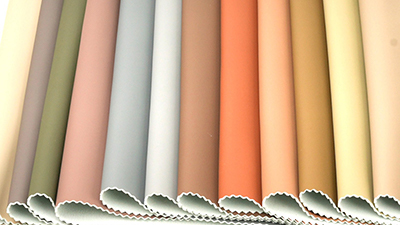
Sofa upholstery lightfastness should be specified for the intended indoor exposure and exact surface construction. For seating beside large windows, request a defined light-exposure method, colour assessment and report for the proposed material, then review a representative furniture sample. Keep fading separate from changes in gloss, surface condition and initial shade. A laboratory exposure can compare candidates under its conditions, but it does not provide a universal number of years before a sofa changes colour.
Describe the window-side application
Begin with the furniture location and design brief. A sofa in a shaded interior and a sofa placed beside a glazed elevation should not receive the same unexplained “indoor use” description. Record the known room layout, glazing and shading information, and identify any uncertainty for the project team.
Do not invent an exposure dose from a room photograph. The laboratory and project specifier should decide which procedure and conditions are relevant. Site information helps frame that discussion, but a window-facing sample board is not automatically a standard test.
For a microfiber furniture upholstery candidate, identify whether the visible surface is coated and describe the actual finish. The backing category alone does not establish colour stability. Request evidence for the supplied construction and colour rather than relying on the word “microfiber”.
Separate sofa upholstery lightfastness from other changes
Record the concern precisely. A newly delivered cushion that differs from its neighbour presents an initial matching question. A change that develops after a defined exposure presents a retention question. Do not use an initial colour-matching approval as evidence of long-term appearance retention.
Also distinguish fading from altered sheen, surface cracking, contamination or a change visible only at a different viewing angle. These may require separate observations or investigations. A report with one colour endpoint should not be expanded into a claim that every property remains unchanged.
| Question | Evidence to request | Avoid assuming |
|---|---|---|
| Initial shade match | Approved reference and matching assessment | That a match proves lightfastness |
| Colour after light exposure | Named method, conditions and rating | That exposure hours equal service years |
| Gloss or surface change | Separately defined appearance observations | That a colour rating covers texture |
| Outdoor suitability | Applicable outdoor requirements | That an indoor light test is complete weathering approval |
Read the light-exposure method behind the rating
ISO 105-B02:2014 describes textile colour-fastness assessment using an artificial light source representative of daylight. Its scope identifies two blue-wool reference series whose results may differ. Ask the laboratory to confirm applicability to the actual material and retain the procedure and reference system with the rating.
The ACT indoor coated-fabric lightfastness guidance provides application-specific voluntary guidance and explicitly cautions that testing hours do not directly correlate with service hours. It is a useful specification reference, not evidence that an untested product has achieved its guideline.
Do not compare two ratings until the methods and conditions are understood. A familiar grade without the exposure route, assessment procedure and tested construction leaves important gaps. Ask for the actual report rather than copying a number from an abbreviated marketing sheet.
Use the exact proposed colour and finish
Give every submitted specimen a material, colour and finish identifier. Record the batch and sample source. If one colour has evidence and another does not, describe the second as unevaluated unless the customer accepts a documented grouping rationale. Do not quietly transfer an approval across the entire collection.
Keep an unexposed reference from the same identified material for the agreed comparison. Protect it according to the laboratory’s instructions and record its storage. A reference left on a sunny desk during the test can undermine the subsequent visual comparison.
Ask whether the specimen is supplied roll material or a converted assembly. Bonding, forming or other production steps should be recorded where they form part of the product being approved. A changed construction must remain visible in the report, even if its trade name is unchanged.
Approve the assessment conditions before exposure
Set the required endpoint with the buyer and laboratory. Identify what is assessed, when it is assessed and which reference determines acceptance. If a numerical colour difference is required, keep its measurement and calculation convention with the result rather than treating every reported number as equivalent.
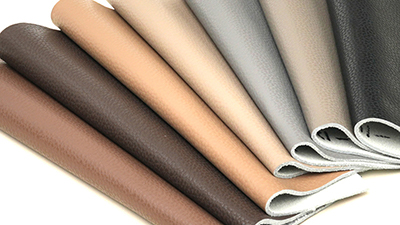
Define the visual assessment arrangement too. Use consistent lighting, orientation and specimen presentation. A textured curved panel can look different from a flat coupon because the presentation is different; compare like arrangements and document any supplementary furniture-level observations.
Do not choose the most favourable inspection view after seeing the samples. The accepted reference and assessment plan should exist before the result is known. This makes the approval repeatable across purchasing, quality and the furniture customer’s design team.
Use a result without converting it into a warranty
A passing result supports the identified material under the stated method and acceptance rule. It does not establish that every room, season or maintenance history produces the same outcome. Keep the report’s scope intact when preparing a specification or customer-facing description.
Avoid a simple conversion from accelerated test hours to years beside a window. If a project needs a service prediction, that requires relevant correlation evidence and specialist judgement. A supplier should not create the conversion merely because the buyer wants a convenient lifespan figure.
Keep the wider furniture material brief separate from an outdoor-use claim. Indoor window exposure, outdoor weathering and other durability requirements are different questions. One test should not become an all-purpose assurance about the complete furniture.
Investigate a field colour complaint systematically
Record the affected zones and surrounding areas before cleaning or replacing them. Include overall photographs that show location and close views taken consistently. Note furniture orientation, known shading changes, maintenance history and any relevant treatments without treating incomplete recollections as measured exposure data.
Compare the material identity with the approved purchase and report. A wrong batch, different finish or undocumented substitution is a different investigation from a correctly supplied material that changes under service conditions. Resolve identity before deciding which new laboratory comparison would be useful.
Use protected or less-exposed areas as investigation leads, not perfect controls. Their contact, cleaning and construction histories may differ. Explain these limitations rather than claiming a precise light-induced change from an uncontrolled comparison alone.
Review replacement panels in the actual setting
A replacement cut from original reserve material should be reviewed against the installed sofa. The reserve and the furniture may have different exposure histories. Matching the original colour code does not guarantee an invisible replacement beside a changed surface.
Have the furniture maker and customer agree the replacement scope and appearance reference. Do not promise that replacing one small panel will always restore a uniform appearance. Retain photographs and the decision so later orders follow the same expectations.
Image placeholder: Installed sofa with named exposure zones beside a retained original swatch and a proposed replacement panel, shown under the same inspection light.
Release a clear window-exposure specification
For a multi-colour furniture range, prepare an evidence matrix before ordering. List each proposed colour and finish against the available report, sample identity and approval decision. Keep untested entries explicit. If the customer accepts a representative-colour approach, retain the rationale and the person who approved it. This avoids creating a collection-wide claim by copying one successful report across several quotations. The matrix is a purchasing record, not a new technical standard or a prediction that all variants age alike.
Also identify the source of the approved reference. A digital image, a newly made swatch and the retained physical master are not interchangeable records. The parties should agree which reference governs a disagreement and how it is stored and replaced when necessary.
Include material and finish codes, colour, intended location, chosen method, exposure conditions, assessment procedure and acceptance criteria. Name the report and physical reference. Mark variants that remain outside the approval rather than hiding them under a generic “UV resistant” label.
Review relevant changes to finish, colour or construction through the agreed process. A new sample should not inherit an old report merely because it belongs to the same polymer family. Where the project changes location or use, reassess the brief as well as the material.
For a focused sample enquiry, send Wandaoleather the window-side seating brief, proposed colour and required lightfastness evidence. Include the appearance reference and project assessment route so the comparison addresses the actual indoor furniture requirement.
Frequently Asked Questions
Does an indoor sofa need a lightfastness requirement?
Define the requirement from the intended location and project brief. Seating beside a large window deserves an explicit exposure discussion rather than an unexplained indoor-use label.
Does the microfiber backing determine whether the face will fade?
No single backing description establishes the visible surface’s colour retention. Identify the complete construction, finish and colour and request relevant evidence for that candidate.
Can accelerated exposure hours be converted into sofa years?
No general conversion is supported here. Use the actual method and result, and require relevant correlation evidence before making a service-life prediction.
Does a colour rating prove that gloss and texture remain unchanged?
Not automatically. Record the required colour and other appearance endpoints separately. Do not extend one measured property to changes the report did not assess.
Can a test on one colour approve every colour?
Not without an accepted, documented basis. Identify the tested colour and finish and make any unassessed variants visible in the approval record.
Will original spare material always match an exposed sofa?
No such guarantee follows from the original colour code. Review the replacement beside the installed furniture because their exposure histories may differ.