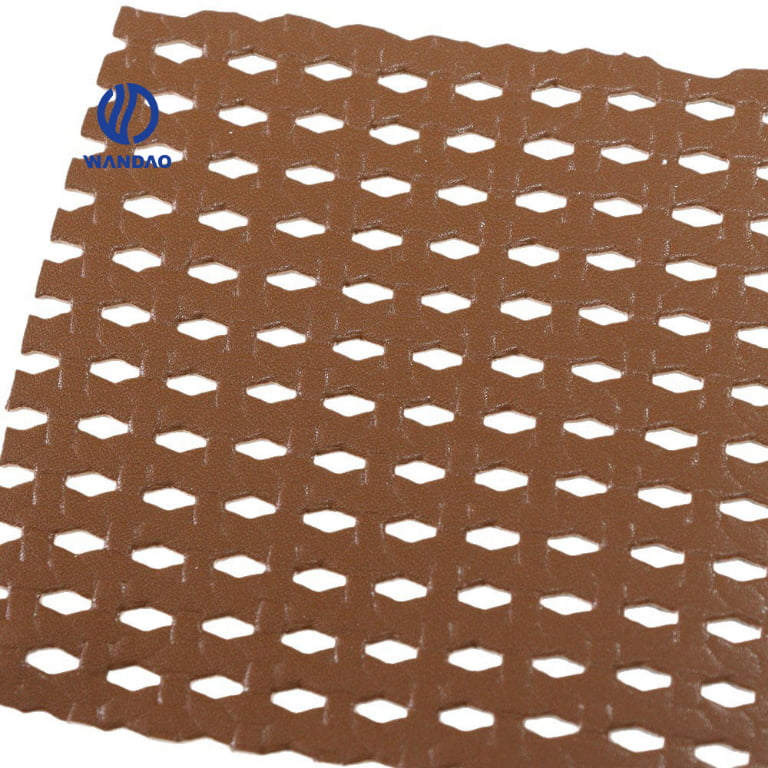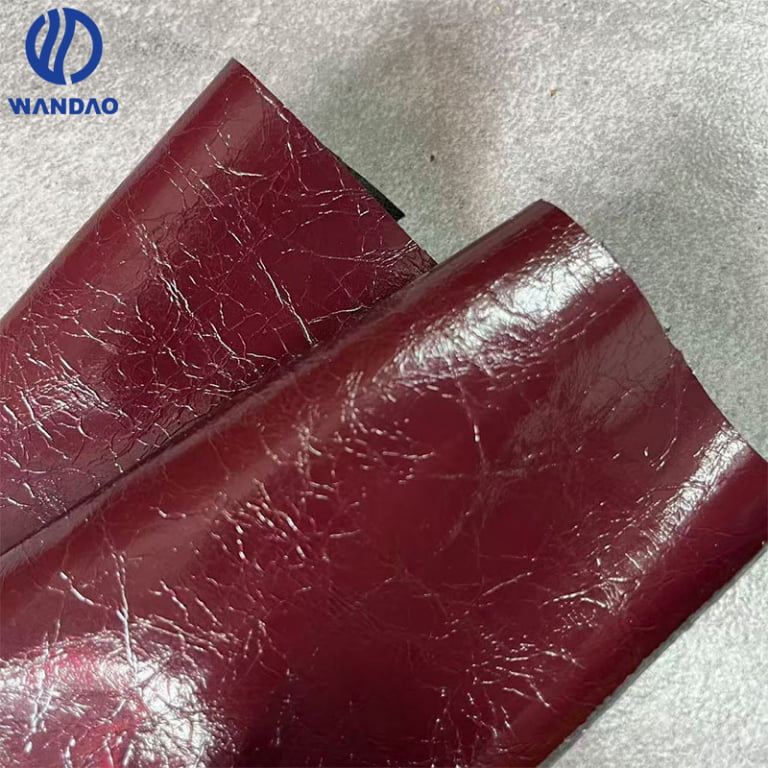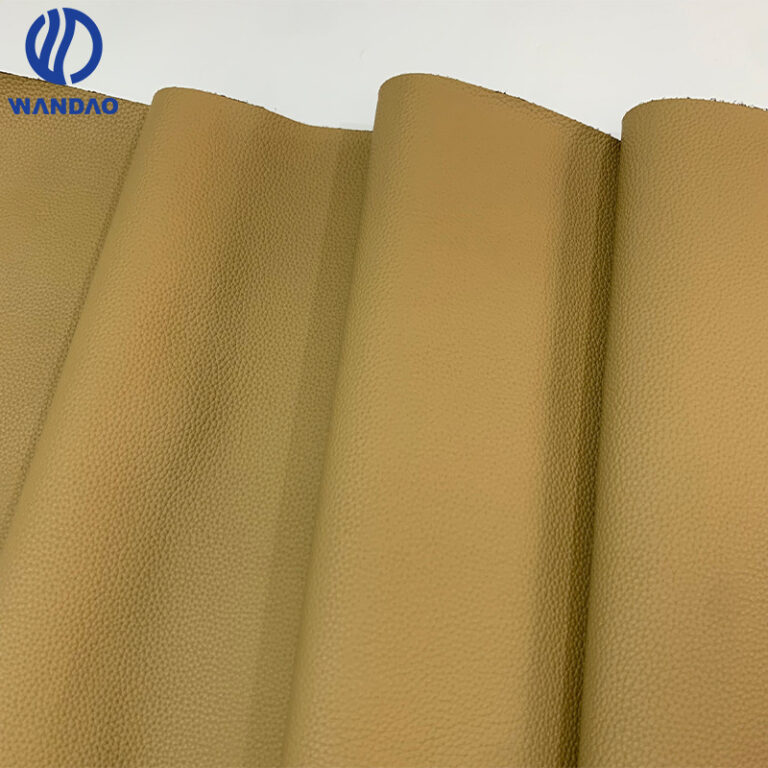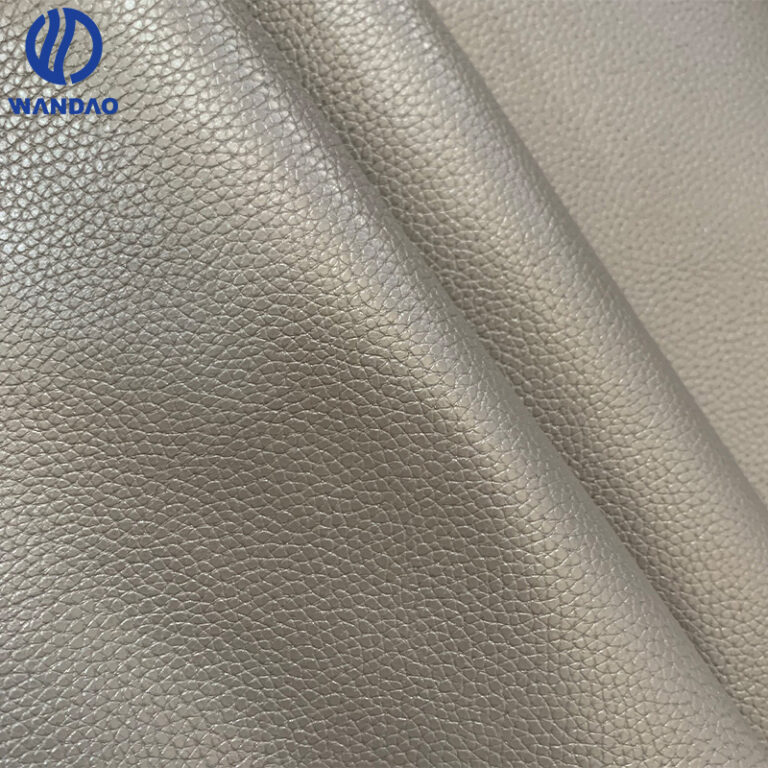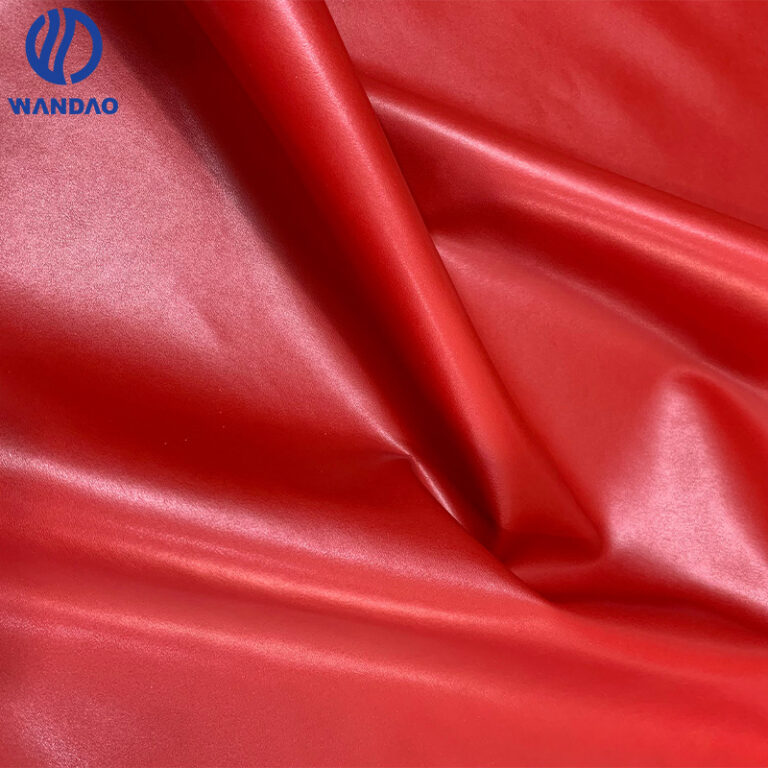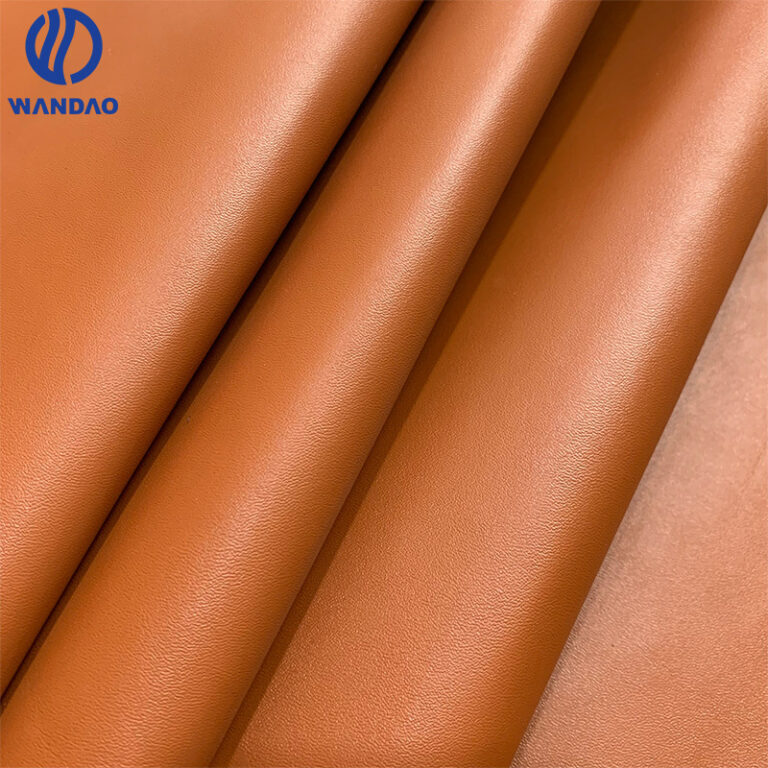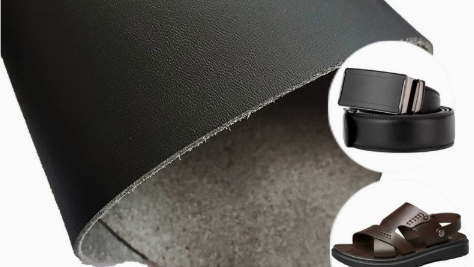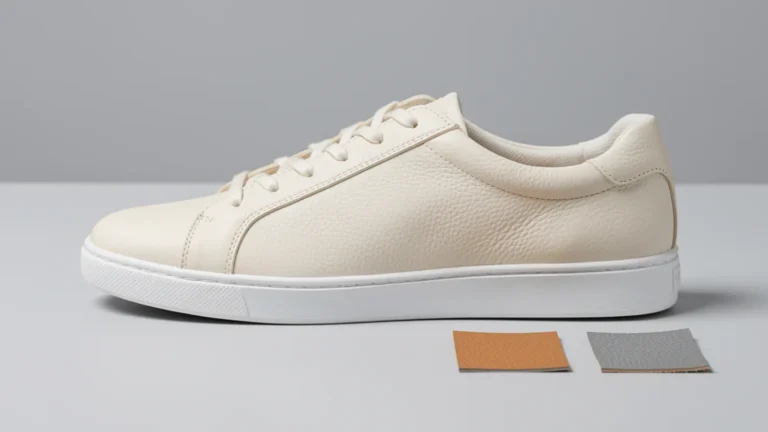
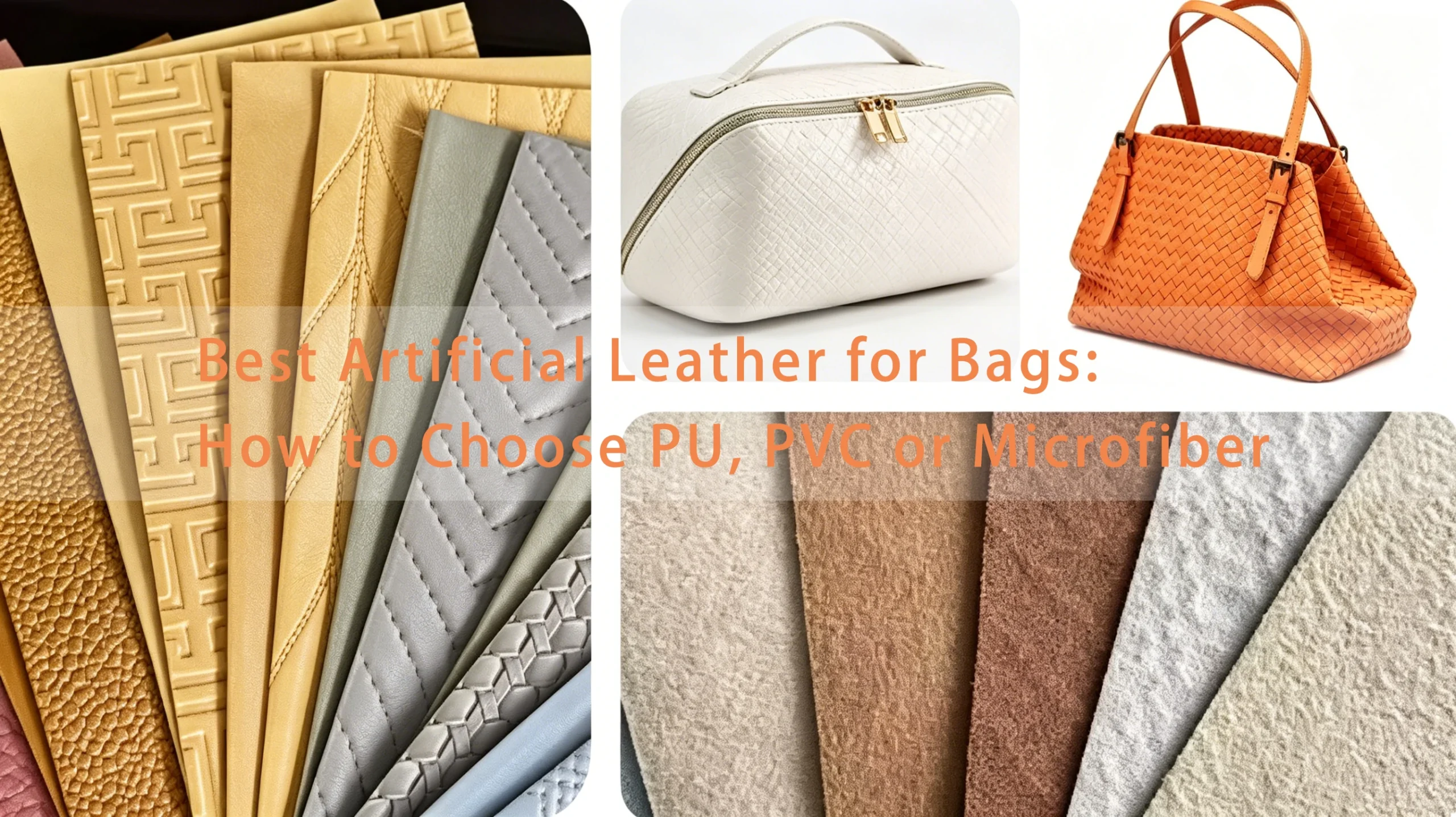
Choosing the wrong leather can ruin an excellent handbag design. PU leather is the best choice for most fashion handbags because it offers a good balance of softness, durability, appearance, and cost. PVC leather works better for luggage and travel bags that need higher stiffness and water resistance. Microfiber leather is the premium option for luxury handbags because it feels closer to genuine leather and provides excellent durability.
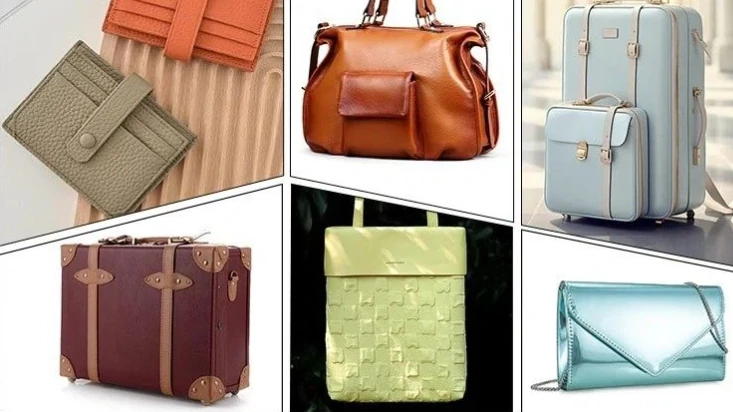
I have worked in the artificial leather industry for more than ten years. During this time, I have supplied customers from over thirty countries, and more than 60% of our production has been exported worldwide. One question appears in almost every inquiry: Which leather should I choose for my handbag collection? The answer is not always the same because every project has different requirements. Fashion handbags, luxury bags, tote bags, travel bags, and luggage all require different material properties. Price, appearance, structure, softness, and durability all affect the final decision. Some buyers focus on luxury appearance. Others care more about cost control or long service life. In this guide, I will explain how I recommend materials to my customers and how you can select the right artificial leather for your handbag project.
What Is the Best Artificial Leather for Bags?
For most handbags, PU leather offers the best balance of appearance, flexibility, durability, and price. Microfiber leather is ideal for premium collections, while PVC leather is better for travel bags and luggage.
Why different bags require different materials
I never recommend one material for every handbag because every product serves a different purpose. A lightweight fashion handbag requires a soft touch and elegant appearance. A travel bag must resist wear and hold its shape during transportation. A luxury handbag needs a premium surface that closely resembles genuine leather. Many buyers only compare prices, but material selection should begin with the product itself. I usually ask customers several questions before recommending materials.
- Who are your target customers?
- What is your expected selling price?
- Should the bag feel soft or structured?
- Will the bag be used every day?
- Do you need premium branding?
Once I understand these details, recommending the right material becomes much easier.
Recommended material for different bag types
| Bag Type | Recommended Material | Thickness | Recommended Backing |
|---|---|---|---|
| Fashion Handbags | PU Leather | 0.8–1.2mm | Microfiber Backing |
| Tote Bags | PU Leather / Microfiber Leather | 1.1–1.4mm | Microfiber Backing |
| Travel Bags | PVC Leather | 1.0–1.2mm | Knitted Fabric |
| Luggage | PVC Leather | 1.0–1.2mm | Knitted Fabric |
| Luxury Bags | Microfiber Leather | 1.2–1.6mm | Microfiber Backing |
| Wallets | PU Leather | 0.7–0.9mm | Twill Fabric |
PVC vs PU vs Microfiber Leather
| Feature | PVC | PU | Microfiber |
|---|---|---|---|
| Cost | Lowest | Medium | Highest |
| Softness | Medium | Soft | Very Soft |
| Durability | High | High | Highest |
| Shape Retention | Excellent | Good | Excellent |
| Luxury Feel | Fair | Good | Excellent |
| Water Resistance | Excellent | Good | Good |
| Weight | Medium | Light | Light |
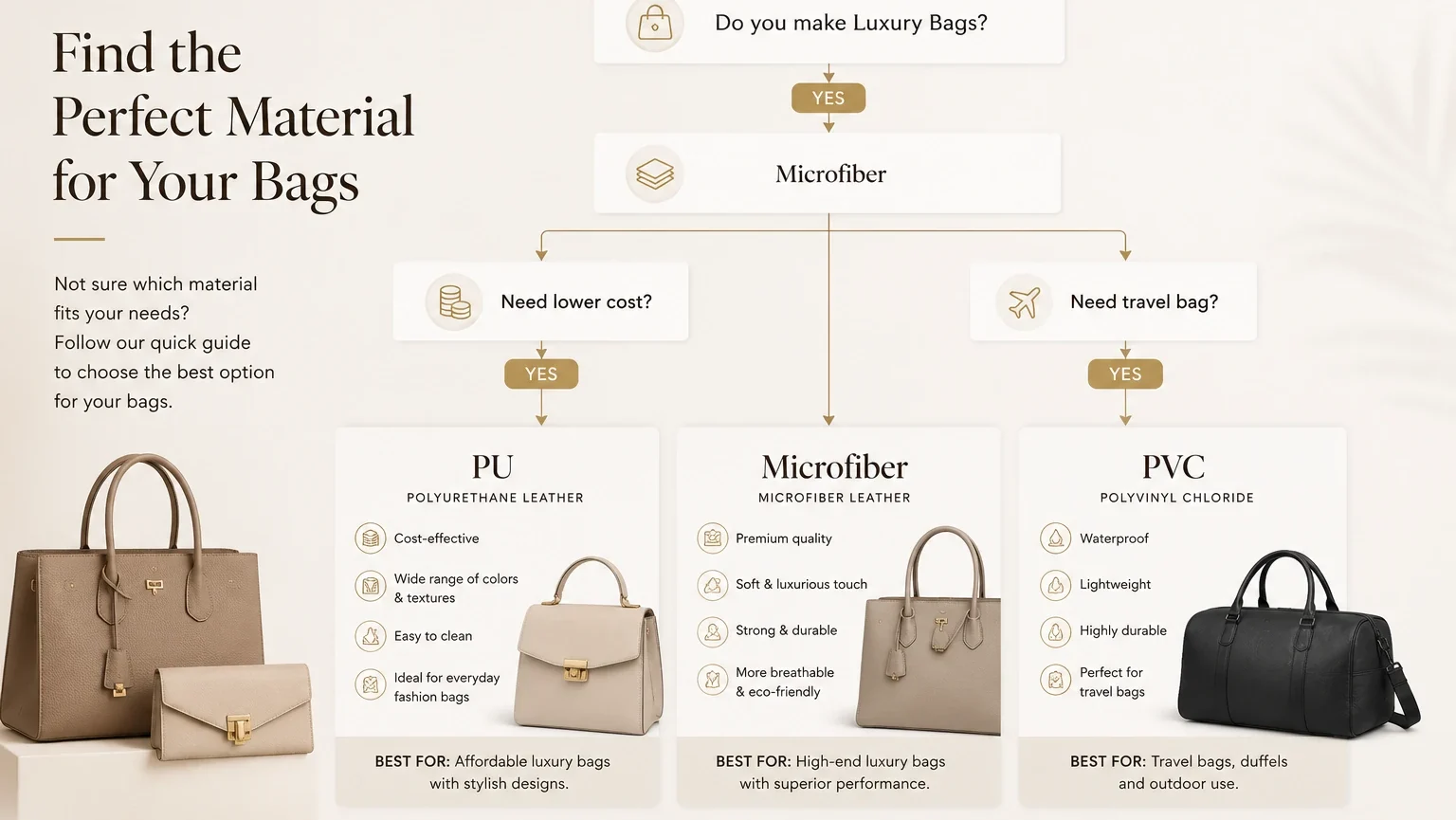
| Best For | Travel Bags | Fashion Bags | Luxury Bags |
There is no single best material for every bag. The right choice depends on your product positioning, target market, budget, and performance requirements.
Quick Recommendation
-
- Choose PVC leather for luggage and travel bags.
- Choose PU leather for fashion handbags.
- Choose Microfiber leather for premium and luxury collections.
PU Leather for Bags
PU leather is the most popular artificial leather for bags because it offers an excellent balance of appearance, flexibility, durability, and cost. It is widely used for fashion handbags, tote bags, wallets, and many premium bag collections. Compared with PVC leather, PU feels softer and more natural. Compared with microfiber leather, it provides a lower cost while still delivering a premium look.
Why Choose PU Leather?
I often recommend PU leather because it is suitable for most handbag projects. Modern PU leather offers realistic grain, good abrasion resistance, and excellent flexibility. It also supports various colors, embossing patterns, and surface finishes, making it easy for brands to develop different collections while controlling production costs.
Recommended Specifications
| Item | Recommendation |
|---|---|
| Common Thickness | 0.7–1.4mm |
| Recommended Thickness | 0.8–1.2mm |
| Common Width | 1.4–1.6m |
| Recommended Backing | Microfiber, Knitted Fabric, Suede Microfiber |
| Typical Applications | Fashion Bags, Tote Bags, Wallets |
For most handbags, I recommend a thickness of around 1.0mm because it provides a good balance between flexibility and structure. Thinner materials create lightweight bags, while thicker materials help maintain a more structured shape.
Popular Surface Finishes
| Surface Finish | Best Application |
|---|---|
| Plain Texture | Business Bags |
| Litchi Texture | Everyday Handbags |
| Nappa Texture | Premium Women’s Bags |
| Crocodile Texture | Luxury Collections |
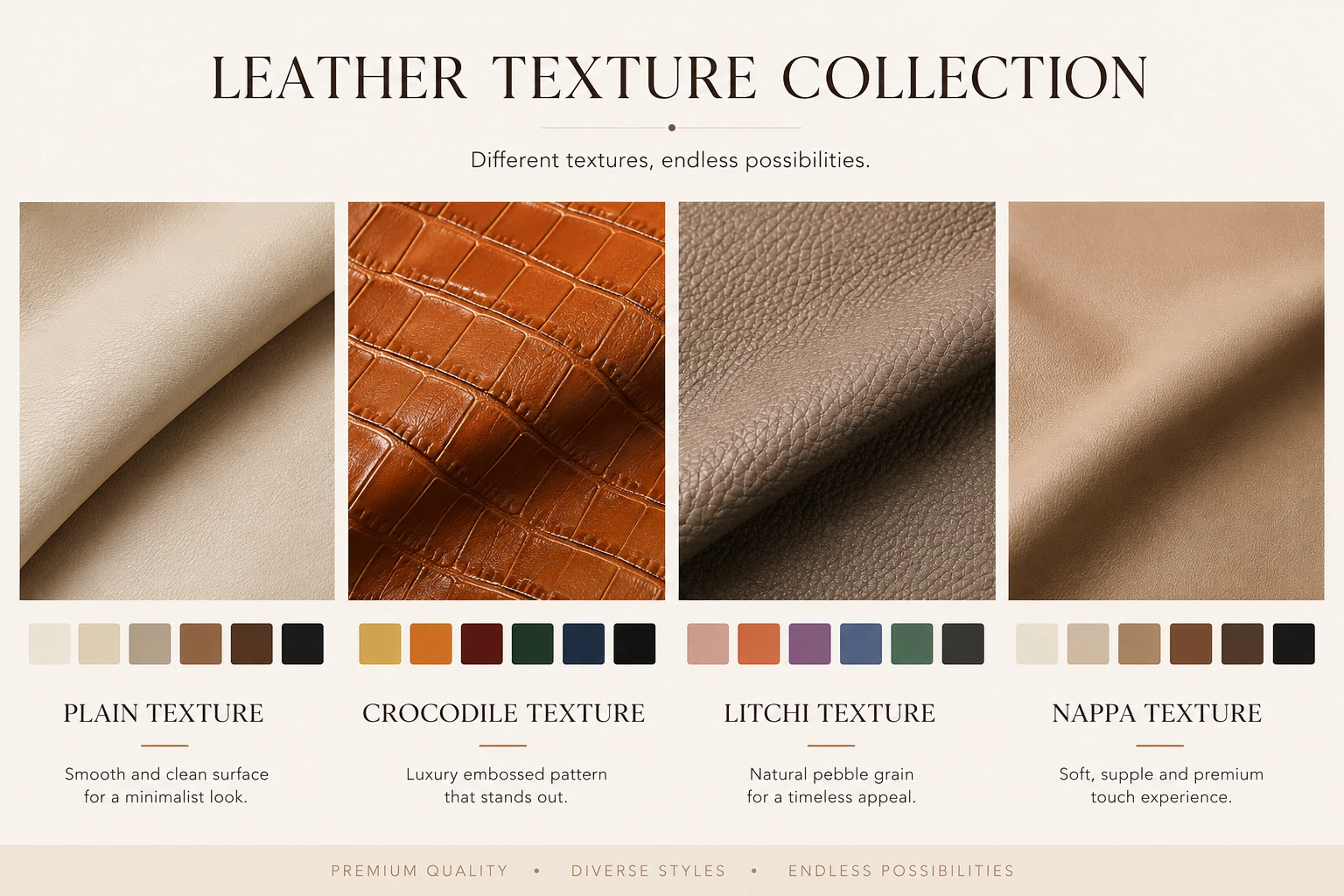
Litchi texture remains the most popular choice because it hides scratches and creates a natural leather appearance. Nappa texture is preferred for premium handbags with a softer feel, while crocodile embossing is especially popular in luxury collections targeting Middle East markets.
PVC Leather for Travel Bags
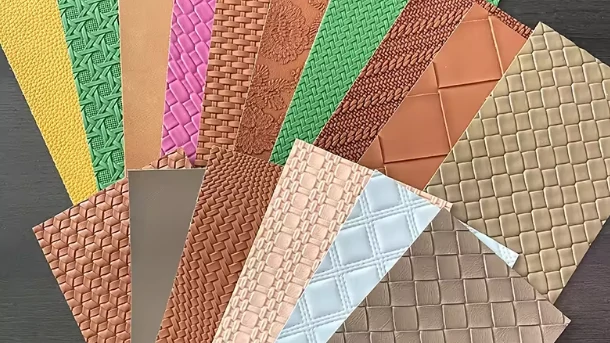
PVC leather is a practical choice for bags that require durability, water resistance, and excellent shape retention. It is widely used for travel bags, luggage, utility bags, and other products where strength and long service life are more important than a soft touch.
Why Choose PVC Leather?
I usually recommend PVC leather for functional bags rather than luxury handbags. Compared with PU leather, PVC has a firmer structure and better water resistance, making it ideal for products that experience frequent handling and transportation. It also offers a competitive cost, helping manufacturers control production budgets without sacrificing durability.
Recommended Specifications
| Item | Recommendation |
|---|---|
| Common Thickness | 0.6–1.2mm |
| Recommended Thickness | 1.0–1.2mm |
| Common Width | 1.4–1.6m |
| Recommended Backing | Knitted Fabric |
| Typical Applications | Travel Bags, Luggage, Utility Bags |
Key Advantages
| Feature | Benefit |
|---|---|
| High Rigidity | Maintains bag structure |
| Excellent Water Resistance | Suitable for daily and outdoor use |
| Good Abrasion Resistance | Improves product durability |
| Competitive Cost | Reduces production costs |
| Easy Maintenance | Simple to clean and maintain |
Microfiber Leather for Luxury Bags
Microfiber leather is the premium choice for luxury bags because it offers exceptional durability, a soft touch, and a genuine leather-like appearance. It is widely used for designer handbags, premium tote bags, and high-end fashion collections where both appearance and long-term performance matter.
Why Choose Microfiber Leather?
I recommend microfiber leather for brands that want the closest alternative to genuine leather. Its dense microfiber structure provides excellent strength while remaining soft and flexible. Compared with PU leather, microfiber offers better abrasion resistance and longer service life. Compared with PVC leather, it delivers a more natural feel and a higher-end appearance, making it ideal for premium handbag collections.
Recommended Specifications
| Item | Recommendation |
|---|---|
| Common Thickness | 0.8–1.6mm |
| Recommended Thickness | 1.2–1.4mm |
| Common Width | 1.4–1.6m |
| Recommended Backing | Microfiber |
| Typical Applications | Luxury Bags, Designer Handbags, Premium Tote Bags |
Key Advantages
| Feature | Benefit |
|---|---|
| Premium Appearance | Looks and feels similar to genuine leather |
| Excellent Durability | Long service life with strong wear resistance |
| Soft Touch | Creates a comfortable and luxurious feel |
| Good Shape Retention | Maintains the bag’s structure over time |
| Luxury Positioning | Suitable for premium and designer collections |
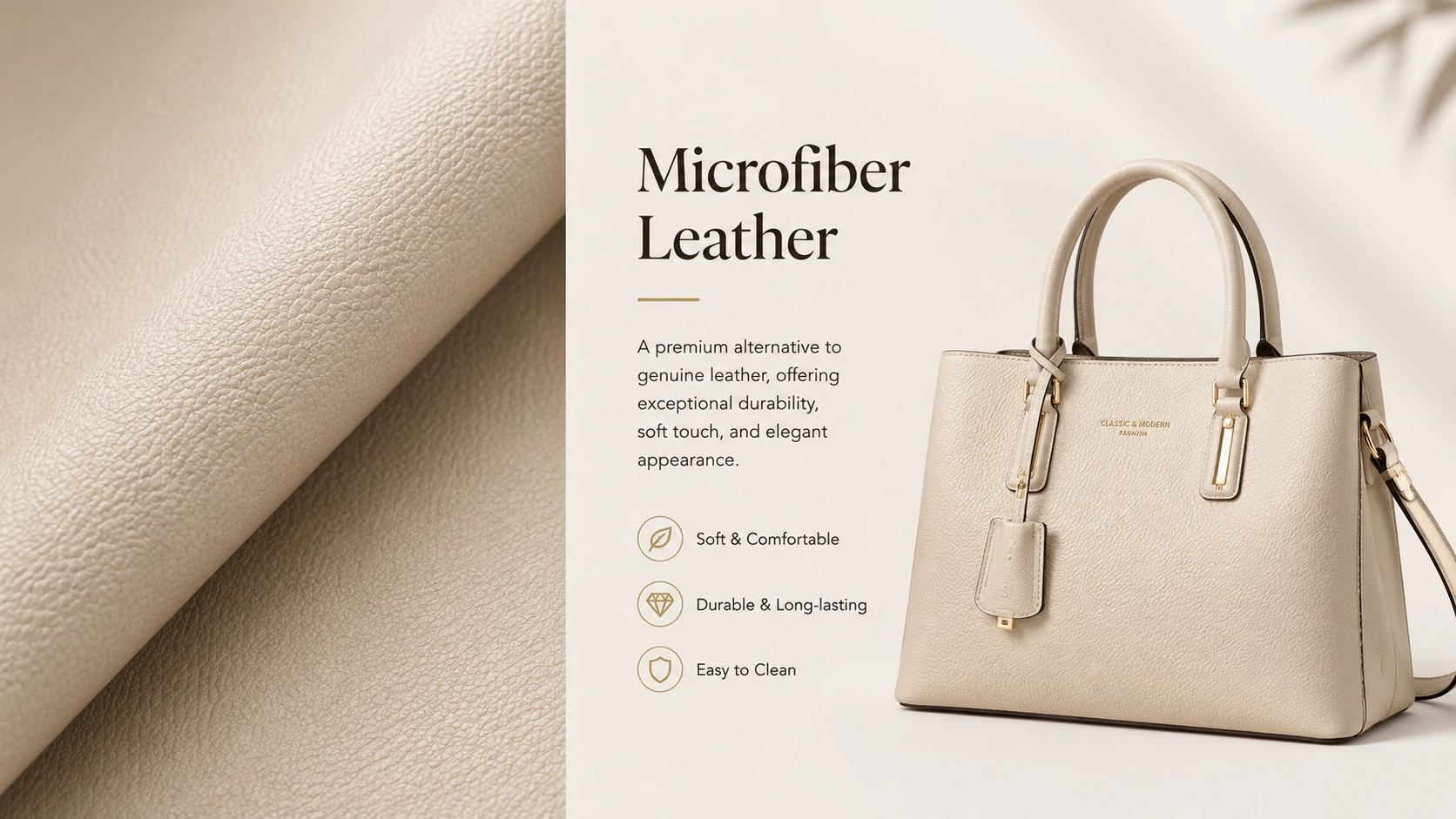
As more brands look for sustainable alternatives to genuine leather, microfiber leather has become one of the fastest-growing materials in the handbag industry. It combines a premium appearance with outstanding durability, making it an excellent choice for luxury collections that require both quality and long-term performance.
Customization Options for Bag Manufacturers
Every bag brand has different design requirements. We offer flexible customization services to help you develop artificial leather that matches your products, brand identity, and target market.
Customization Services
Whether you have a physical sample, color swatch, photo, or design file, we can customize the material to meet your requirements. From embossing and color to thickness and backing, we help ensure every batch remains consistent for mass production.
| Customization Item | Available |
|---|---|
| Color Matching | ✓ |
| Custom Embossing | ✓ |
| Thickness Adjustment | ✓ |
| Backing Selection | ✓ |
| Surface Finish | Matte / Semi-Matte / Glossy |
| Width | 1.4–1.6m |
MOQ & Sample Service
For stock materials, the MOQ starts from just 1 meter. We also provide free samples, with customers only covering the shipping cost. This allows you to evaluate the color, texture, thickness, and backing before placing a bulk order.
| Service | Details |
|---|---|
| Stock MOQ | From 1 meter |
| Free Samples | Available (Freight Collected) |
| Custom Embossing | Available for Bulk Orders |
| Production Width | 1.4–1.6m |
Case Study: Helping a Saudi Arabian Customer Develop a Premium Handbag Collection
One project impressed me because it perfectly demonstrated how selecting the right material can improve an entire handbag collection. A customer from Saudi Arabia contacted me to develop a premium handbag project. His goal was clear from the beginning. He wanted the bags to look luxurious, maintain a structured shape, and match elegant gold hardware. During our online discussions, we quickly identified that choosing the correct material would be more important than simply selecting the lowest price. The biggest challenge was color confirmation. Photographs often look different on different screens, so I suggested sending physical samples instead of relying only on online communication. I prepared several materials with different textures, including our most popular Litchi embossing and Nappa finish. I also included multiple thickness options because handbag structure changes noticeably with different material thicknesses. For this project, I recommended:
| Item | Recommendation |
|---|---|
| Material | PU Leather |
| Surface | Nappa Texture |
| Thickness | 1.2mm |
| Backing | Microfiber Backing |
| Hardware | Gold Metal Accessories |
After receiving the samples, the customer compared every material with his prototype. He liked both the Litchi and Nappa textures, but after making several trial bags, he chose the 1.2mm Nappa PU leather with microfiber backing. He told me the finished handbag looked more premium, maintained its shape better, and felt softer than the other options. The final order was approximately 3,000 meters. Because we had already confirmed the color, thickness, embossing, backing, and production details during the sampling stage, manufacturing started immediately after receiving the deposit. The customer also had a purchasing agent in China, which simplified logistics. We delivered the finished goods directly to the designated warehouse, making the export process smooth and efficient. After receiving the shipment, the customer expressed his satisfaction with both the material quality and our service. Since then, we have continued discussing future handbag projects together.
How Do I Choose the Right Supplier?
Even the best material cannot guarantee a successful project if the supplier is unreliable. A good artificial leather supplier should provide stable quality, flexible customization, fast communication, reliable logistics, and consistent support from sampling to bulk production.
What I Believe Matters Most
After working in artificial leather exports for more than ten years, I have found that customers care about much more than product prices. Most long-term buyers want a supplier who can solve problems quickly, recommend suitable materials, and keep production stable over time. Many handbag projects involve several development stages. A customer may first request samples, then modify the color, adjust the thickness, change the backing fabric, and finally confirm mass production. If the supplier lacks experience, small mistakes during these stages can delay the entire project. That is why I always encourage customers to evaluate suppliers based on their complete service rather than price alone.
Why Customers Choose to Work With Us
| Our Advantage | Benefit to Customers |
|---|---|
| Over 60% of production exported | Rich international project experience |
| Customers in 30+ countries | Understanding of different market needs |
| Free sample support | Lower product development risk |
| MOQ from 1 meter | Easy testing before bulk orders |
| Fast color matching | Shorter development cycle |
| Custom embossing | Exclusive product designs |
| Experienced Middle East shipping | Smoother logistics and documentation |
| Stable bulk production | Reliable long-term supply |
Our location also gives us an advantage. Based near Guangzhou and Shenzhen, we have access to one of China’s most efficient logistics networks. Whether customers need samples delivered quickly or large production orders shipped internationally, we can arrange transportation efficiently and provide the necessary export documentation.
FAQ
What is the best PU leather thickness for handbags?
For most handbags, 0.8mm to 1.2mm PU leather provides the best balance of flexibility, durability, and appearance. Lightweight fashion bags usually use 0.8–1.0mm, while structured totes and briefcases perform better with 1.2–1.4mm.
Is soft PU leather durable enough for everyday handbags?
Yes. High-quality soft PU leather is durable enough for daily use when combined with a strong backing fabric and a wear-resistant PU coating. Premium materials resist cracking, peeling, and surface wear much better than low-cost alternatives.
Can you customize embossing?
Yes. We can customize embossed patterns for bulk orders based on your samples, photos, or design files. In addition to our existing textures such as Litchi, Nappa, Saffiano, and Crocodile, we can also develop exclusive embossing patterns to help your brand create unique handbag collections.
Should I choose matte or glossy PU leather for my handbag collection?
Matte PU leather suits premium and minimalist handbag collections because it looks elegant and hides scratches well. Glossy PU leather is better for fashion collections that use bright colors and eye-catching designs. The best choice depends on your target market and brand positioning.
Is PU leather waterproof enough for handbags?
PU leather is water-resistant rather than completely waterproof. It handles light rain, accidental spills, and everyday moisture without problems. However, prolonged exposure to water may reduce its service life over time.
Can you match my sample?
Yes. If you send us your physical sample, color swatch, or reference photo, we can match the color, thickness, backing fabric, embossing, and surface finish as closely as possible. Physical samples provide the most accurate results before mass production.
Can you provide free samples before bulk production?
Yes. We provide free material samples for most products. Customers only need to cover the shipping cost. Testing samples before mass production helps you confirm the color, texture, thickness, backing, and overall quality, reducing development risks and ensuring the material meets your project requirements.
Ready to Find the Right Artificial Leather for Your Bags?
If you are developing handbags, tote bags, wallets, luggage, or other fashion accessories, choosing the right material is one of the most important decisions you will make. The right leather improves product quality, strengthens your brand image, and reduces production problems. Whether you need PU leather, PVC leather, or microfiber leather, I can help you select the most suitable material based on your product design, target market, and budget. If you already have a product idea, simply send me:
- Your product photo or drawing
- Required thickness
- Preferred backing fabric
- Color reference
- Embossing pattern (if available)
- Target price
I will recommend the most suitable material for your project and provide free samples for evaluation. For stock materials, our MOQ starts from only 1 meter, making product development easier and more flexible.
Conclusion
The best handbag material depends on your product positioning, target customers, and quality expectations. Selecting the right supplier is just as important as selecting the right leather, and both decisions contribute to a successful handbag collection.