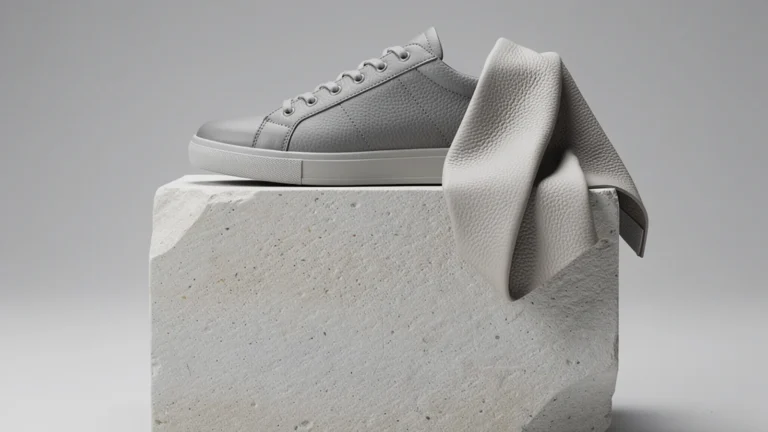
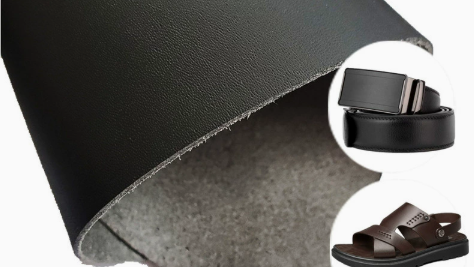
Microfiber leather breathability cannot be judged from softness, a porous-looking backing, or a waterproof label. For shoe linings, ask separately about water vapour transmission, vapour absorption, and airflow, then check the construction that will actually surround the foot. A flat swatch is useful for screening, but foam, adhesive and the upper can change the result. The purchasing decision is therefore which lining assembly meets the shoe brief, not which material carries the strongest breathability claim.
Define microfiber leather breathability before requesting samples
A request for “breathable microfiber” leaves the supplier to guess the problem. Is the development team replacing a lining that stays damp, investigating a hot-feeling shoe, or trying to improve airflow through a perforated quarter? These are different investigations. Start with the shoe type, the component and the observed problem. Keep any comfort objective separate from a numerical material requirement until the team has established how the two will be evaluated.
For construction options, the microfiber leather for shoes selection page connects the material request with linings, uppers and reinforcement components. This article addresses lining moisture assessment specifically; it is not an approval of every microfiber construction for every footwear position.
In procurement documents, avoid shortening all moisture-related results to a single “breathability” field. Keep the measured property, method, specimen and unit together. Otherwise, one supplier may submit an absorption result while another supplies a transmission result, and the apparent comparison becomes meaningless before sampling even begins.
Separate three properties that answer different questions
ISO 17699:2003 describes separate assessments of water vapour permeability and absorption for footwear uppers or complete upper assemblies. That distinction is useful when writing a lining brief: moisture passing through a specimen and moisture taken up by it are not the same outcome. Confirm the appropriate specimen arrangement with the testing laboratory.
| Property | Buyer question | Do not infer |
|---|---|---|
| Water vapour permeability | How does vapour pass through the specified specimen under the selected conditions? | Liquid-water resistance or a guaranteed dry foot |
| Water vapour absorption | How much vapour does the specimen take up during the assessment? | Equivalent transmission through the lining |
| Air permeability | How readily does air pass through under the defined test pressure? | The same ranking in a vapour test |
| Wear assessment | How does the complete shoe perform in the agreed wearing trial? | A universal comfort claim covering other shoes or users |
ASTM D737 concerns air permeability of textile fabrics and includes coated and layered constructions within its stated scope. It is not a replacement for a footwear vapour assessment. If airflow is part of the design brief, ask the lab whether the proposed material and assembly can be assessed appropriately and report that result separately.
A supplier’s statement that one sample “breathes twice as well” is incomplete unless both results refer to the same property and comparable conditions. Ask for the underlying reports before interpreting a ratio. Different methods, specimen arrangements or units should not be combined into a homemade ranking.
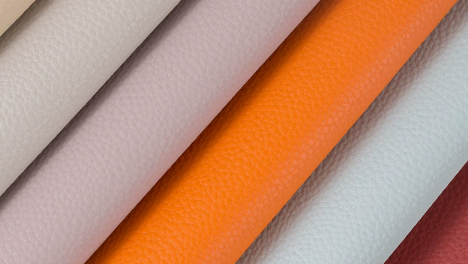
Screen the swatch, then examine the assembly
A loose lining sample is the right starting point for checking identity, finish, thickness and handling. It is not the entire shoe. Map the layers that sit behind the lining in the actual component. A tongue, heel area and quarter panel may have different stacks, even when the visible lining material is identical.
Use the broader microfiber leather construction guide to keep the base and surface specification clear. In the development record, distinguish microfiber leather from ordinary microfiber cleaning cloth or an uncoated textile. A shared fibre description does not establish the same construction or measured moisture behaviour.
Possible contributors to an unexpected assembly result include adhesive coverage, added foam, a continuous film, local reinforcement and changed surface finishing. Treat these as engineering hypotheses to test, not automatic explanations. A comparison that changes all five variables at once will not reveal which one mattered.
SATRA TM47:2019 is intended to assess vapour absorbed and transmitted by a single material or an assembly, including footwear synthetics and textiles. Discuss it with the laboratory when the question concerns a lining package rather than an isolated sheet. The selected procedure should determine specimen preparation; do not improvise a stack and then describe the result as an unmodified standard test.
A practical comparison sequence
- Identify the current lining and candidate with traceable sample codes.
- Compare the individual materials using the same agreed method.
- Build representative assemblies with recorded layer order and bonding details.
- Compare those assemblies under the chosen procedure.
- Review complete shoes through a separately documented wear assessment where comfort claims are intended.
Keep screening and approval decisions distinct. A promising swatch can earn a prototype trial without earning a production release. Conversely, an assembly that misses the target may justify investigating the bond pattern or upper construction before rejecting the lining family altogether.
Also distinguish the zones being approved. If the laboratory specimen represents the quarter lining, do not file it as evidence for a padded tongue with a different stack. A component map can connect each sample to its position and make gaps visible before the next prototype round. This is particularly useful when several factories contribute parts to the same shoe and use similar names for different laminates.
What to check in a supplier’s report
The report should let another member of the development team identify exactly what was tested. Product name alone is rarely enough for internal traceability. Record the supplier code, colour, finish, thickness, backing, lot and any perforation or lamination. If the report covers a different construction, describe it as background evidence rather than approval evidence.
Check the method and edition, specimen description, conditioning, reported units, individual results where available, and any deviations. Ask which face was exposed and whether the sample included the layers relevant to your decision. A report for an unbonded lining should not silently become a report for a foam-backed lining.
Next, check the acceptance rule. A result can be valid yet insufficient for the intended shoe. The buyer, developer and laboratory should agree the requirement for the project instead of borrowing a threshold from a different footwear category. This article does not provide a universal pass value or a substitute for the full test procedure.
If protective footwear is involved, involve the responsible compliance specialist early. General lining development evidence does not replace the requirements for that finished product. Keep this article’s purchasing workflow separate from any certification claim.
Investigate a disappointing prototype without changing everything
Suppose a candidate performs acceptably as a sheet but the shoe trial still raises moisture concerns. First verify that the prototype used the tested construction. Then compare the actual assembly with the submitted specimen. Look for unrecorded backing changes, bonding differences or a reinforcement panel covering the area assumed to be open.
A useful investigation holds the lining constant while comparing a clearly defined assembly change, then holds the assembly constant while comparing linings. Label each trial and retain its build record. This is a proposed development approach, not a standardized testing sequence or a claim that a particular adhesive pattern will solve the problem.
Do not overlook the distinction between a reported sensation and a measured property. A wearer’s description of heat or dampness is valuable feedback, but it does not identify the failing layer by itself. Record the shoe size, fit, socks, activity and trial conditions consistently enough to interpret that feedback alongside the laboratory work.
[Image placeholder 2: Side-by-side sample cards for a loose microfiber lining and its bonded shoe assembly, with spaces for specimen ID, layer order, test method and separate absorption and transmission results.]
Freeze a lining specification that production can follow
Once a candidate is approved, attach the approval to a defined construction and component. Include the physical reference, material code, layer stack, adhesive specification, allowed manufacturing variation and agreed verification plan. Do not reduce that record to the word “breathable” on the purchase order.
Define which changes require review. A new surface finish, backing, lamination or perforation arrangement may warrant a fresh comparison. The purpose is not to demand every test for every administrative change, but to identify changes that could affect the property being claimed and assign responsibility for approving them.
Keep liquid-water claims separate. A vapour assessment is not evidence that the assembled shoe is waterproof. Similarly, passing a material moisture test does not establish resistance to rubbing, flexing or colour transfer. Those belong in their own requirements when relevant to the lining position.
For a focused development request, send Wandao Leather the shoe type, lining position, current sample and proposed assembly. Include the specific moisture property to investigate, the agreed test method if available, and the sample quantity needed for laboratory and prototype work.
Frequently Asked Questions
Is microfiber leather breathable enough for shoe linings?
It depends on the specified construction and the shoe assembly. Request measured vapour performance for the candidate and evaluate the relevant bonded lining package. The material name alone does not establish suitability or wearer comfort.
Is water vapour absorption the same as permeability?
No. Absorption concerns vapour taken up by the specimen, while permeability concerns passage through it under defined conditions. Keep the two results separate when comparing lining candidates.
Does an air permeability result prove moisture comfort?
No. Airflow and vapour performance are different measurements, and neither alone establishes complete-shoe comfort. Use the relevant material tests alongside representative assembly and wear assessment.
Should the adhesive and foam be included in testing?
If the decision concerns the bonded lining package, discuss a representative assembly with the laboratory. Record the actual layers and bonding details and use a procedure suitable for that specimen rather than assuming a loose-sheet report covers it.
Does breathable microfiber leather make a shoe waterproof?
No. Vapour transmission does not demonstrate resistance to liquid-water entry. Any waterproof claim requires separate evidence for the relevant finished construction and intended conditions.
What should a lining sample request include?
Include the shoe type, component position, material reference, finish, thickness, backing, layer stack and bonding details. Name the moisture property, proposed test method and project acceptance requirement, and identify whether approval concerns a sheet, assembly or finished shoe.