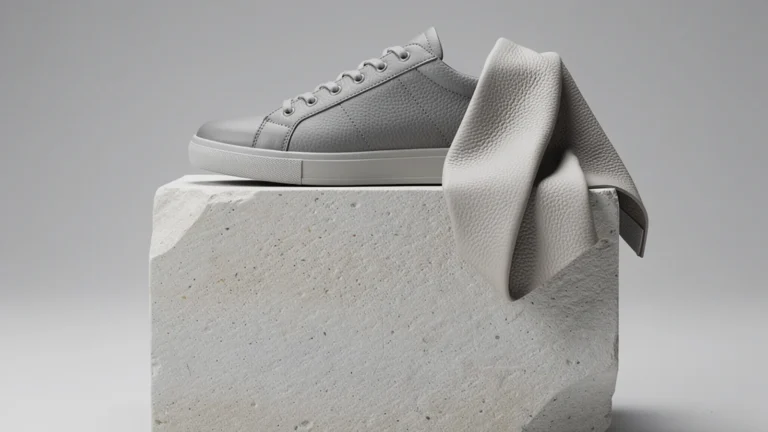
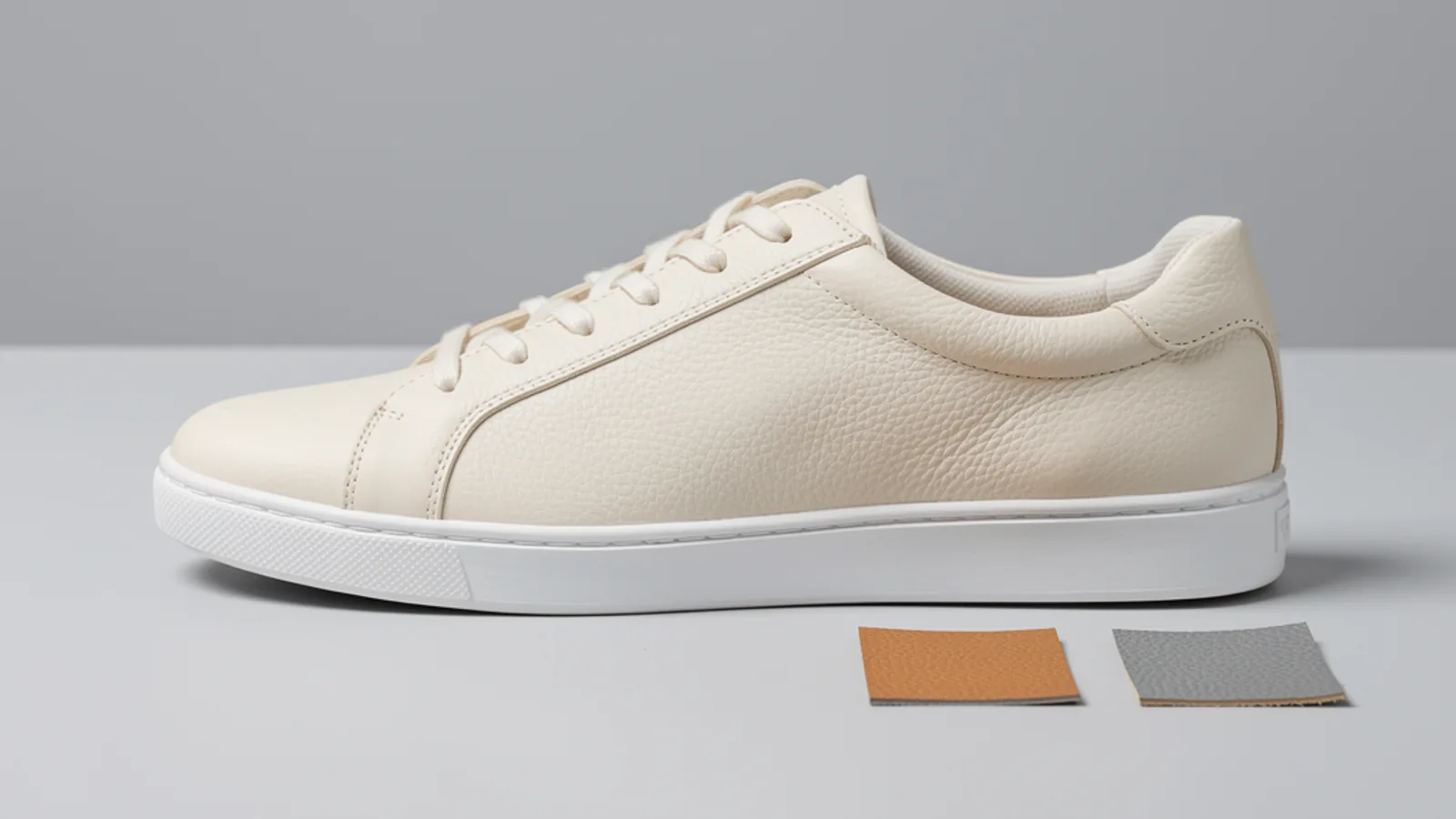
Is Microfiber Leather Durable Enough for Your Shoe Upper?
Start with the part and the use conditions. A flexible casual-shoe vamp, a reinforced eyelet panel and a decorative overlay do not have identical jobs. A swatch approved for one part should not automatically become the approved material for every other part.
Define what failure would mean for your project before asking for a durability number. Is the concern a visible crease crack, an exposed backing, a torn stitch line or separation between layers? Those outcomes require different evidence. A material can look acceptable after rubbing while still needing investigation at a repeatedly bent seam.
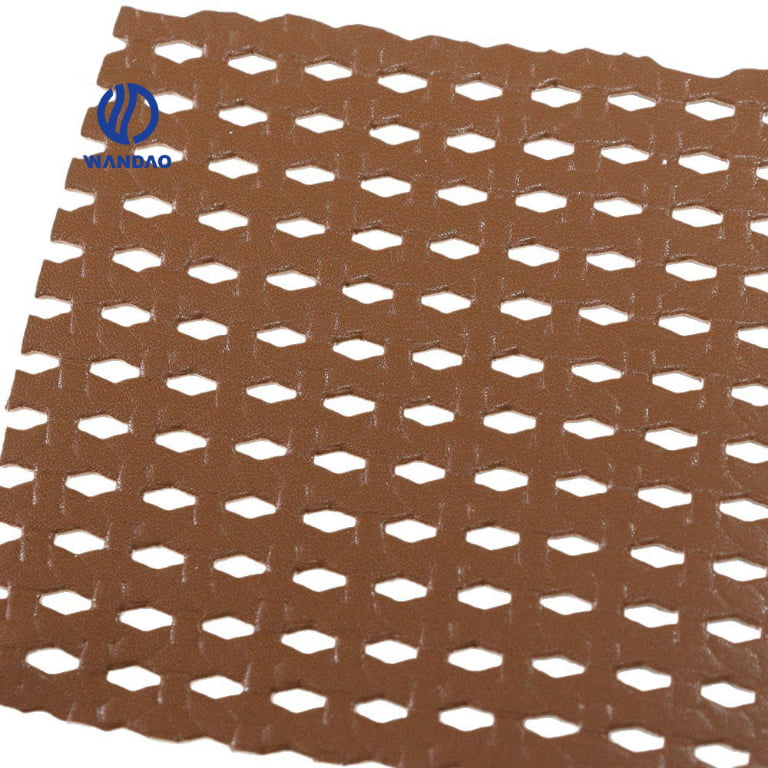
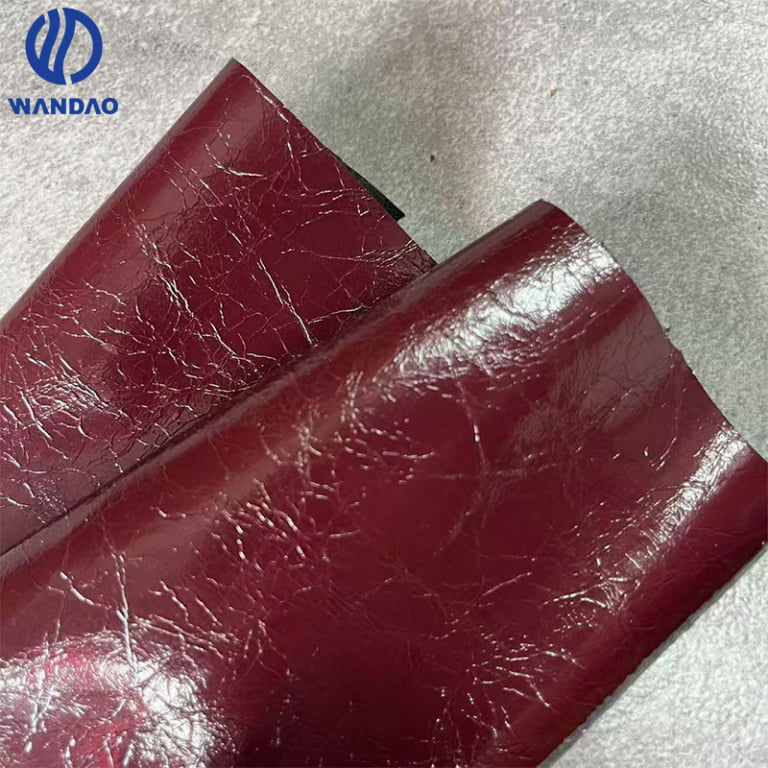
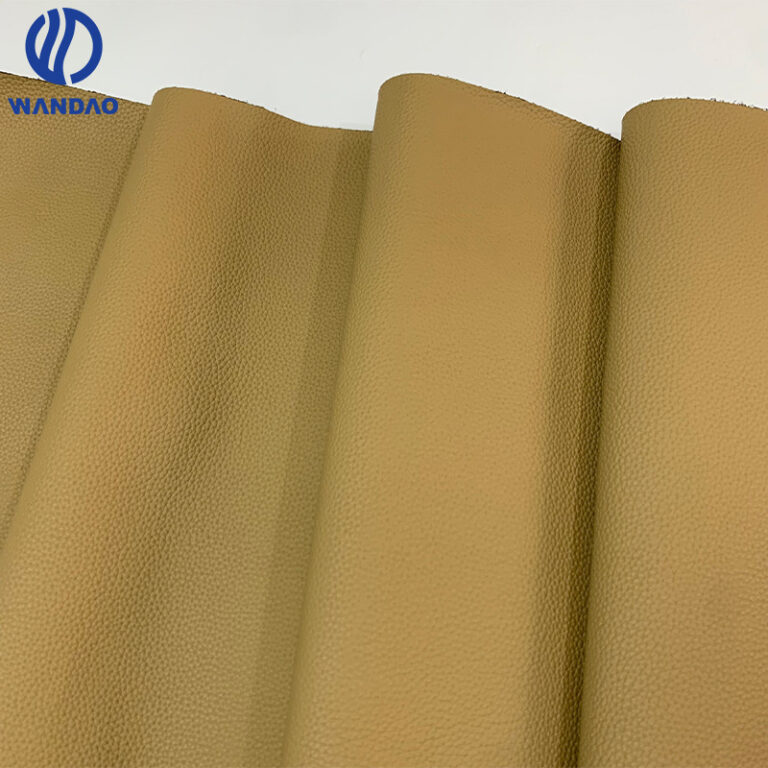
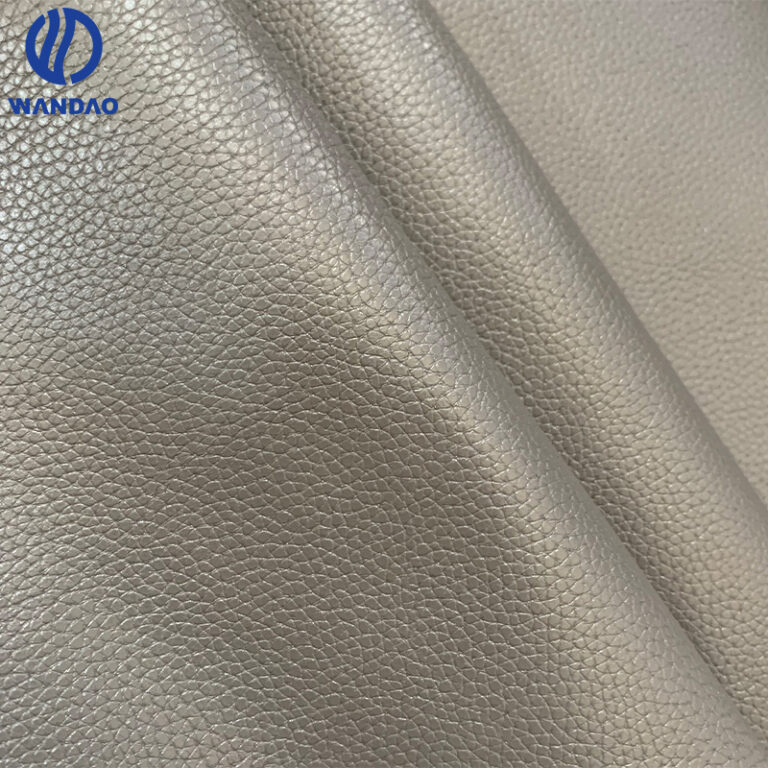
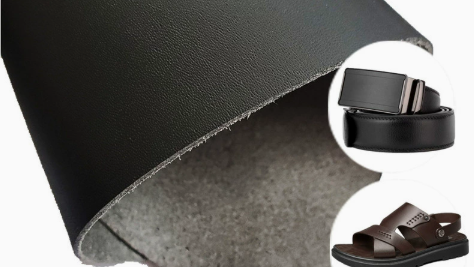
For a footwear-specific starting point, review our microfiber leather for shoes page, then request evidence tied to the proposed grade and finish. Treat product-family descriptions as a way to shortlist samples, not as approval of an untested shoe construction.
The workflow below is a buyer-side engineering recommendation. The cited standards identify test scopes; they are not a universal specification, and this article does not assign passing limits to every microfiber upper.
Separate the Failure Modes Before Comparing Results
“Durable” is too broad to function as a purchase specification. Use an observation to decide what to investigate, rather than treating the observation as a confirmed diagnosis.
| What you want to prevent | Evidence to request | What that evidence does not establish |
|---|---|---|
| Cracks at bending creases | Upper-material flex results, conditions and damage observations | Abrasion resistance or a guaranteed service life |
| Visible surface wear | Abrasion method, contact conditions and agreed appearance endpoint | Resistance to repeated folding |
| Coating lifting from its support | Coating-adhesion results and recorded failure location | Upper-to-outsole bond strength |
| Tears around cut edges or seams | Appropriate tear evidence plus a sewn-panel assessment | Approval of every stitch pattern |
| Loss of performance after storage or exposure | Defined ageing conditions and relevant before/after results | An automatic conversion from test hours to years |
For example, “peeling” could describe a surface layer separating, a finish wearing away, or a different layer failing underneath. Ask for close-up photographs and identification of the separated layers. Ordering a stronger backing without first locating the failure may not address the complaint.
Keep cosmetic and functional limits separate. A buyer may reject an appearance change before a specimen develops a hole. If another report records only the later endpoint, the two results do not represent the same acceptance decision.
Flexing: Match the Method to the Footwear Task
Repeated bending deserves its own assessment. ISO 17694:2016 covers flex resistance of footwear uppers and linings. Its scope helps identify the relevant property, but the method reference alone does not tell you whether your proposed upper meets your customer’s specification.
There is also a practical reason not to compare all “flex cycles” as though they were interchangeable. In its technical discussion of preferred test methods, SATRA recommends its TM25 vamp-flex method over TM55 for this assessment because the bending action is better aligned with footwear vamp flexing. A method written into a customer’s specification still needs to be followed or formally changed; do not substitute another one silently.
Ask the laboratory which method fits the component and intended use. Then make the purchase record explicit about the method edition, sample direction, conditioning, test conditions, inspection point and definition of damage. Where cold or wet use matters, discuss an appropriate additional assessment rather than assuming a dry, room-temperature result covers it.
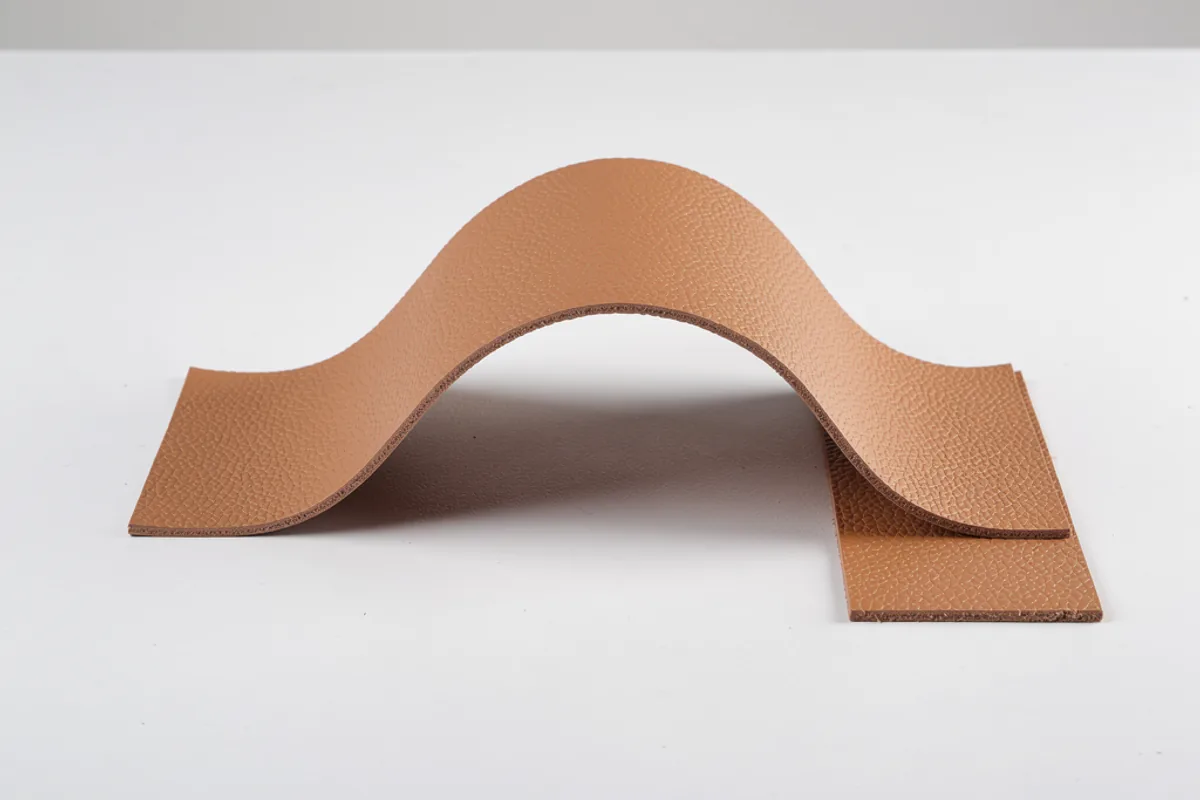
Avoid informal folding demonstrations as a substitute for a report. They may help a development team discuss hand-feel or locate a visible weakness, but they do not reproduce a controlled method. Keep such observations in the sample notes and use them to guide questions for the laboratory.
Abrasion and Coating Adhesion Answer Different Questions
For coated materials, ISO 5470-2:2021 addresses abrasion resistance using a Martindale abrader. Have the laboratory confirm the method is suitable for the surface being assessed. Do not copy an abrasion result for an uncoated textile backing into the specification for a coated upper face.
A useful abrasion report needs more than a large cycle count. Ask what was assessed, how the endpoint was defined and what the specimen looked like at the agreed inspection stage. Specify whether the buying concern is finish loss, visible colour change, exposure of an underlying layer or another agreed condition. These are proposed purchasing questions, not a reproduction of the standard’s procedure.
Coating adhesion needs a separate discussion. ISO 2411:2024 is a method for determining coating adhesion strength of coated fabrics. When applicable to the proposed construction, it can help assess a coating-to-support interface. It should not be presented as a test of the bond joining an upper to an outsole.
When reading an adhesion result, ask where separation occurred. A force value without the failure description can leave an important question unanswered: did the intended interface separate, or did another part of the specimen fail first? Ask the laboratory to explain what the reported result supports before using it to approve a different laminate or finish.
Include the Actual Layers and Shoe Construction
Do not let “microfiber” stand in for a complete construction description. Ask the supplier to identify the supplied grade, nominal thickness, surface finish, supporting layers and any lamination included in the sample. Our microfiber leather overview provides a starting point for material discussions, but the order specification should describe the selected construction.
If the shoe factory adds a lining, reinforcement or adhesive, record that addition separately. A supplier’s sheet-material result does not describe a factory-added composite unless that composite was actually tested. The same distinction applies when a sample is split, skived, perforated, printed or otherwise modified during development.
For stitched areas, retain the proposed seam layout in the trial panel. Ask the footwear technologist to assess the needle, thread, stitch spacing, edge distance and reinforcement as a combined construction. Changing several of those variables at once makes it harder to determine why one prototype differs from another.
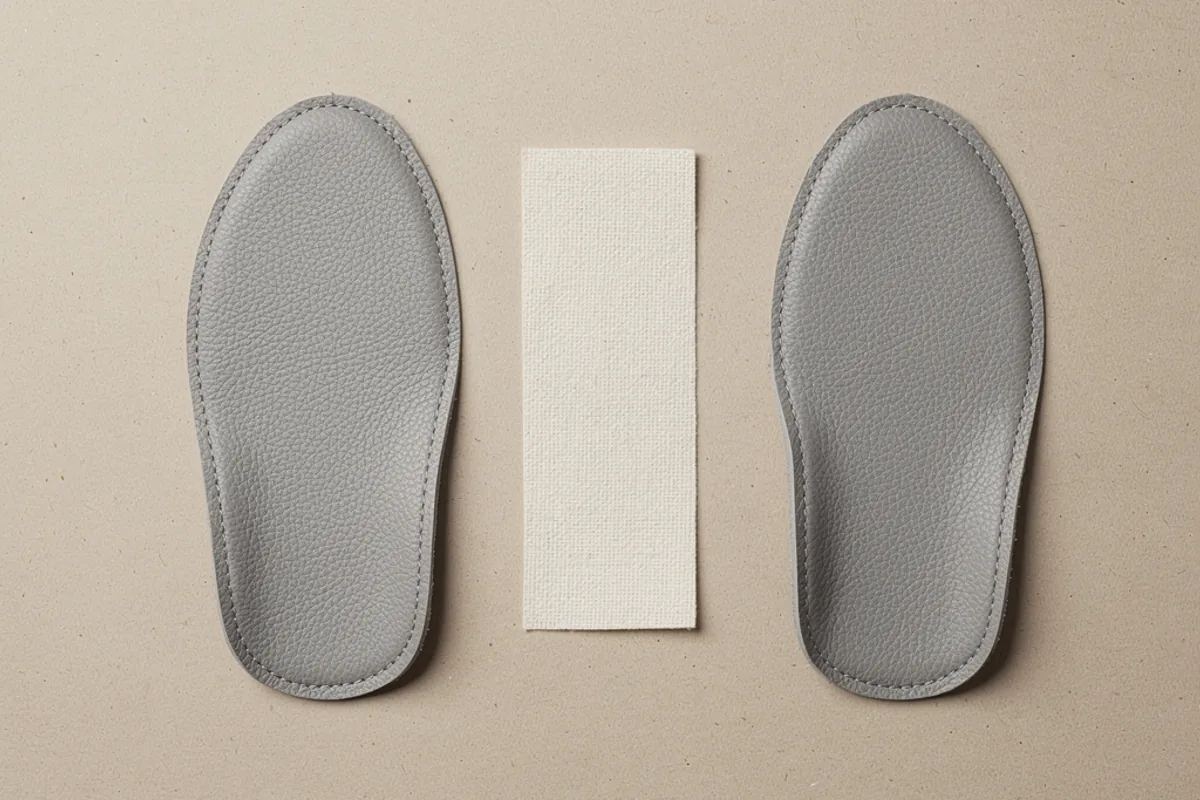
Next, evaluate a prototype made with the intended last, lining and assembly process. This is a separate approval stage, not a replacement for material testing. Use the prototype to investigate whether the selected material and construction work together, and keep the material report linked to the prototype revision.
Assess Ageing Without Inventing a Lifespan
Initial results are only one part of a durability decision. Ask whether the proposed test plan should include ageing that is relevant to expected storage and use. ISO 1419:2019 describes accelerated-ageing methods for coated fabrics; the specific method and assessment need to suit the material and question.
For a PU-containing construction, include a discussion of moisture-related ageing or hydrolysis where relevant. Do not infer the resin chemistry from the word “microfiber,” or assume every PU formulation behaves identically. Request the applicable test conditions and results rather than accepting an unsupported lifespan label.
Our recommended reporting approach is to pair the selected ageing exposure with the properties that matter to the project. For example, ask whether flex behaviour or coating adhesion should be reassessed after the agreed exposure. State which properties were actually measured; a visual check alone should not be described as retained mechanical strength.
A statement such as “passed ageing” is incomplete without the exposure conditions, duration and evaluation criterion. Likewise, do not convert laboratory hours into service years unless the supplier provides a validated, application-specific basis for that prediction. Accelerated screening and a real-world warranty are different commitments.
Water resistance is another separate requirement. If that is part of the brief, use our microfiber leather waterproofness guide alongside the durability assessment. A water-resistance claim does not supply the missing flex, wear or adhesion evidence.
A Practical Approval Workflow for Buyers
Use this sequence to keep the comparison focused and the purchasing record usable.
- Write the end-use brief. Identify the shoe type, upper component, expected exposure and unacceptable failure. Separate appearance requirements from structural ones.
- Freeze sample identity. Record the grade, colour, finish, thickness, backing or laminate, batch reference and development revision. Keep a labelled reference sample.
- Agree the test plan. With the customer and laboratory, select methods, conditions and acceptance criteria before comparing results. Identify which requirements come from the customer and which are internal development targets.
- Compare like with like. Check the complete reports, not just a sales-sheet summary. Resolve differences in methods, conditioning, units and endpoints before ranking materials.
- Approve the prototype separately. Use the intended materials and assembly process. Record any changed layers or construction details and determine what needs reassessment.
- Control production changes. Agree what requires notification, a revised sample or further testing. Keep the approved specification connected to incoming material identification.
Imagine two suppliers both submit a “pass” for flexing. One tested the exact embossed finish you ordered; the other tested a smooth development sample. Even if their cycle counts match, your first decision is to resolve sample equivalence, not to select the cheaper result. The same logic applies when a report covers only one colour or a different backing.
If the report lacks a field, ask for clarification rather than assuming favourable conditions. A missing failure description is not proof that no damage occurred, and an old report is not automatically evidence for a revised grade. Keep unresolved items outside final approval until the supplier or laboratory can address them.
Frequently Asked Questions
How long does microfiber leather last in shoes?
There is no defensible universal lifespan for all microfiber shoe uppers. Evaluate the exact grade, relevant test conditions and finished-shoe construction. A service-life or warranty claim needs evidence for the intended use, not just a material name or accelerated-ageing result.
Is microfiber leather always more durable than regular PU leather?
No universal ranking should be assumed. Compare the proposed constructions under the same relevant methods and acceptance criteria. A microfiber label alone does not establish better flex resistance, surface wear resistance or coating adhesion than another candidate.
Can microfiber leather peel or crack?
Do not assume a microfiber upper is immune to either problem. Treat cracking and layer separation as distinct assessment questions, then request flex and coating-adhesion evidence appropriate to the actual construction. A visible defect needs investigation before its cause can be assigned.
Does a high abrasion cycle count prove a shoe will last longer?
Not by itself. An abrasion result addresses a defined rubbing assessment and endpoint. It does not establish flex resistance, seam performance, coating adhesion, ageing behaviour or the durability of the complete shoe.
Can accelerated-ageing hours be converted directly into years of use?
Do not make that conversion without a validated relationship for the material and intended application. Record the exposure and assessment conditions, and use the result within that scope rather than turning it into an unsupported service-life promise.
What should I request before approving a microfiber shoe upper?
Request an identified sample, its construction details, complete reports for the agreed properties, clear acceptance criteria and a prototype made with the intended assembly process. Resolve changes in finish, backing, lamination or processing before extending approval to production.
Turn the Durability Question Into a Sample Brief
The strongest shortlist is not the one with the largest isolated test number. It is the one supported by comparable reports for the exact materials and a clear route to prototype approval.
To discuss a candidate upper material, send Wandaoleather your shoe-upper brief with the component, target thickness and finish, planned lining or backing, expected use conditions and required tests. Use that brief to establish what sample and supporting evidence are needed before making a durability commitment.