The Structure of PVC Leather
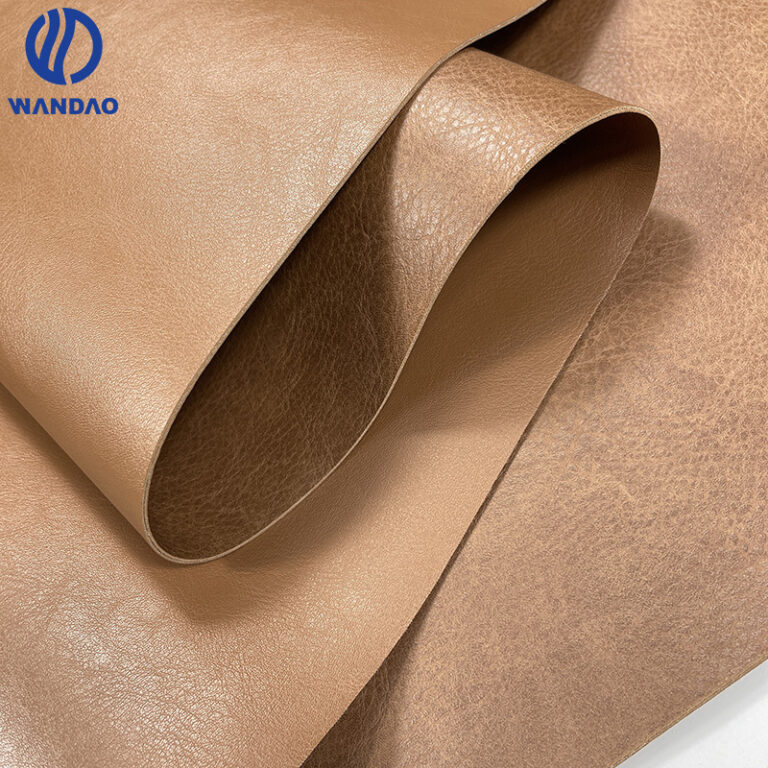
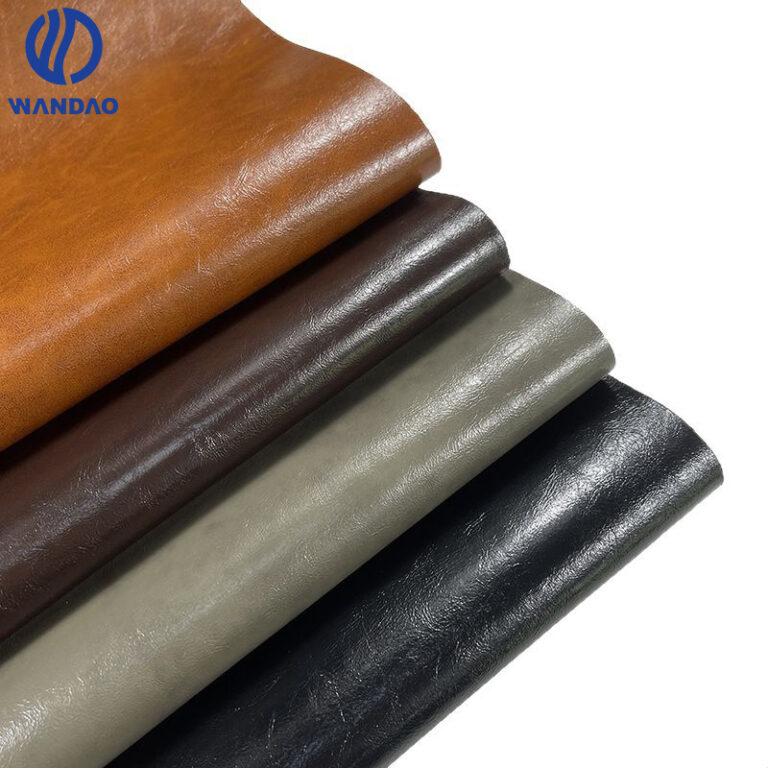
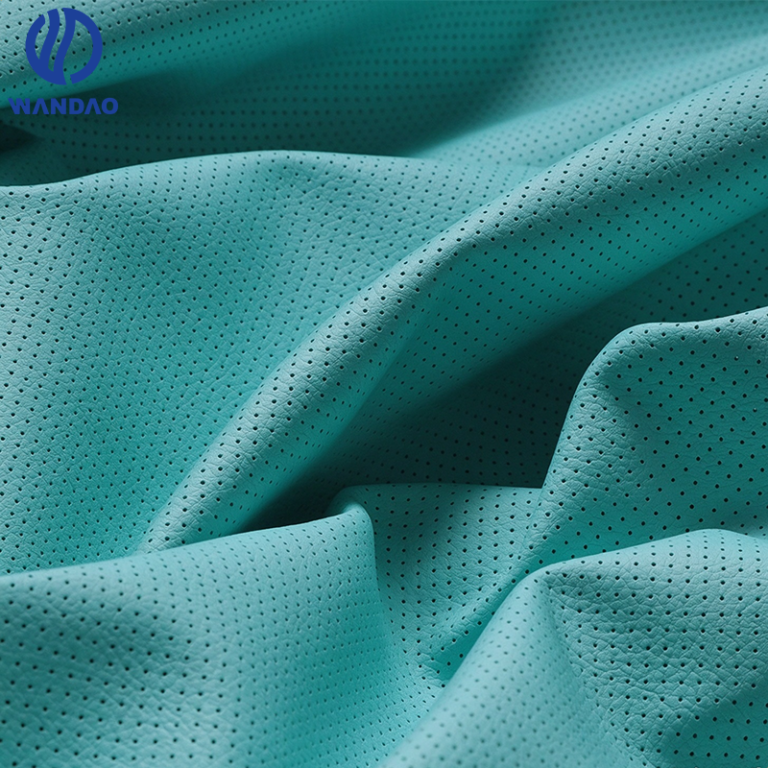
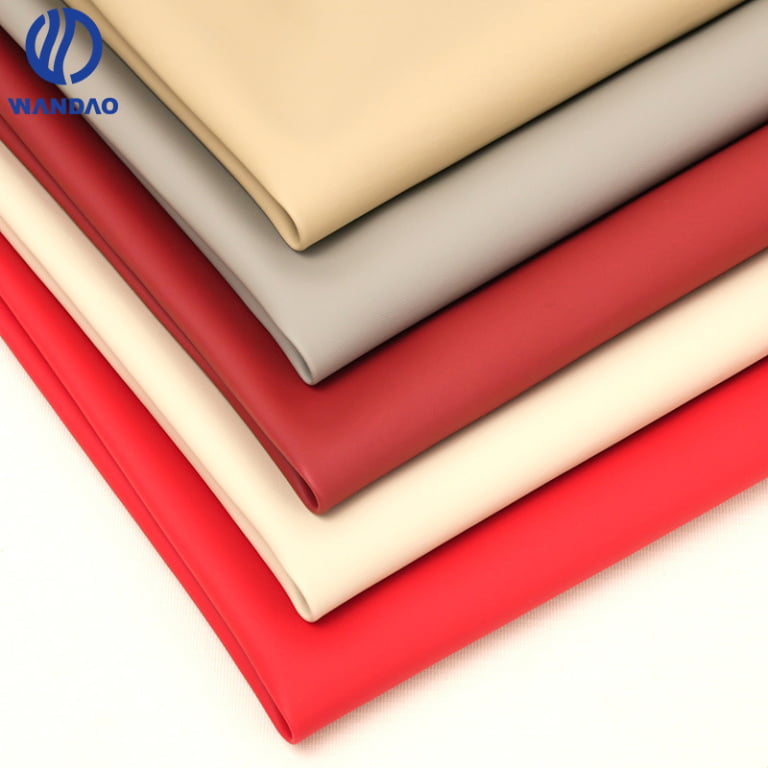
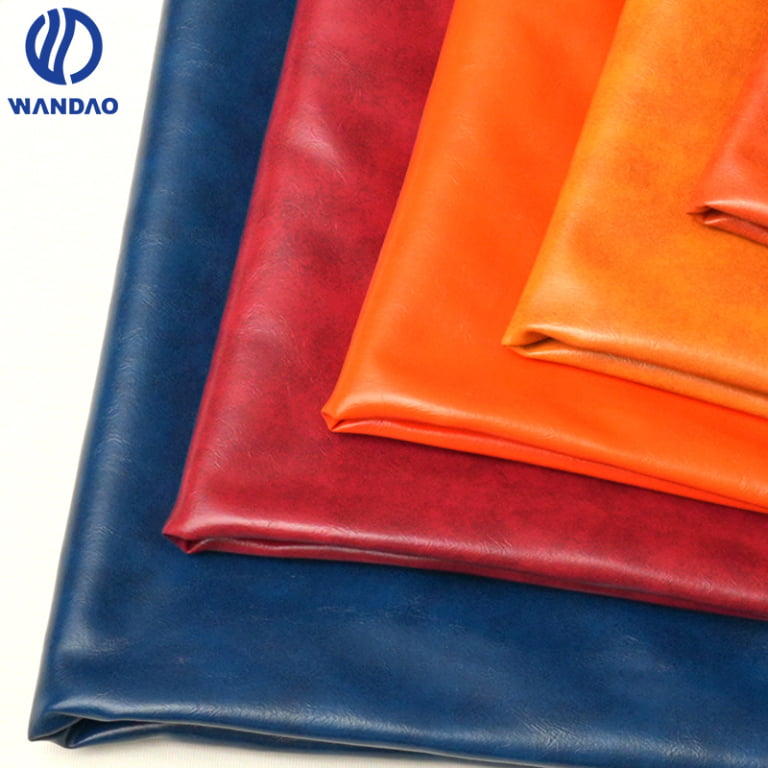
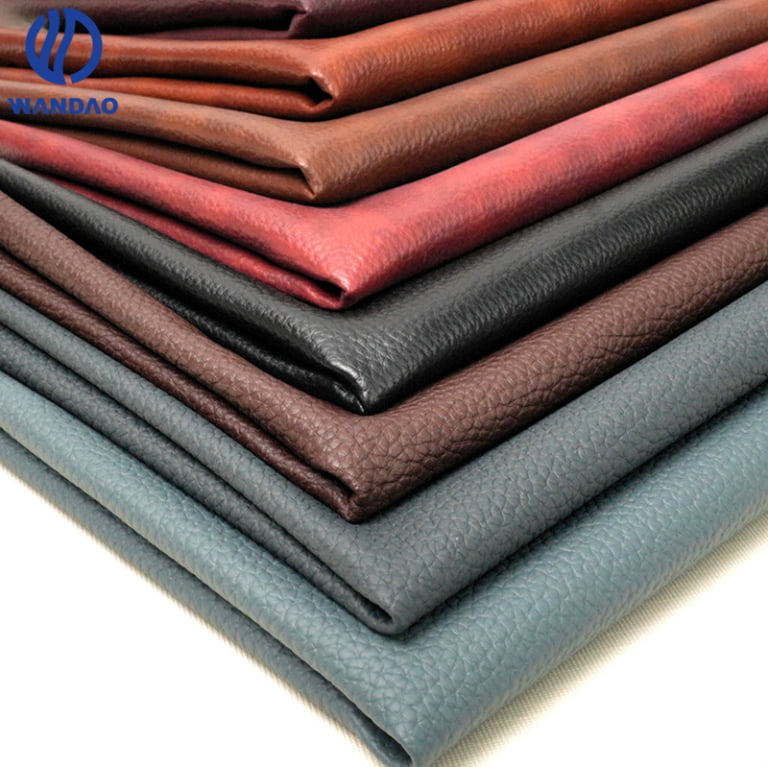
A complete PVC leather specification states the construction and acceptance target that the supplier must reproduce. It normally includes the surface appearance, backing, thickness range, usable width, color reference, grain, hand feel, quantity, and intended fabrication process.
The visible surface is important, but it is only one part of the buying decision. Backing can affect handling, sewing, lamination, wrapping, and the way the material behaves in the finished component. Thickness can affect feel, cutting, cost, and processing. For this reason, approve a production-representative construction sample rather than a grain plate, image, or isolated color chip.
| Specification item | What to request | Approval question |
|---|---|---|
| Surface and grain | Matte/gloss target, texture reference, hand-feel expectation | Which visual feature is non-negotiable: grain, sheen, color, softness, or overall appearance? |
| Backing | Backing type, stretch/handling needs, bonding or sewing process | Has the proposed backing been reviewed in the actual component process? |
| Thickness | Target range and buyer tolerance | What thickness range is acceptable after the finished-part process? |
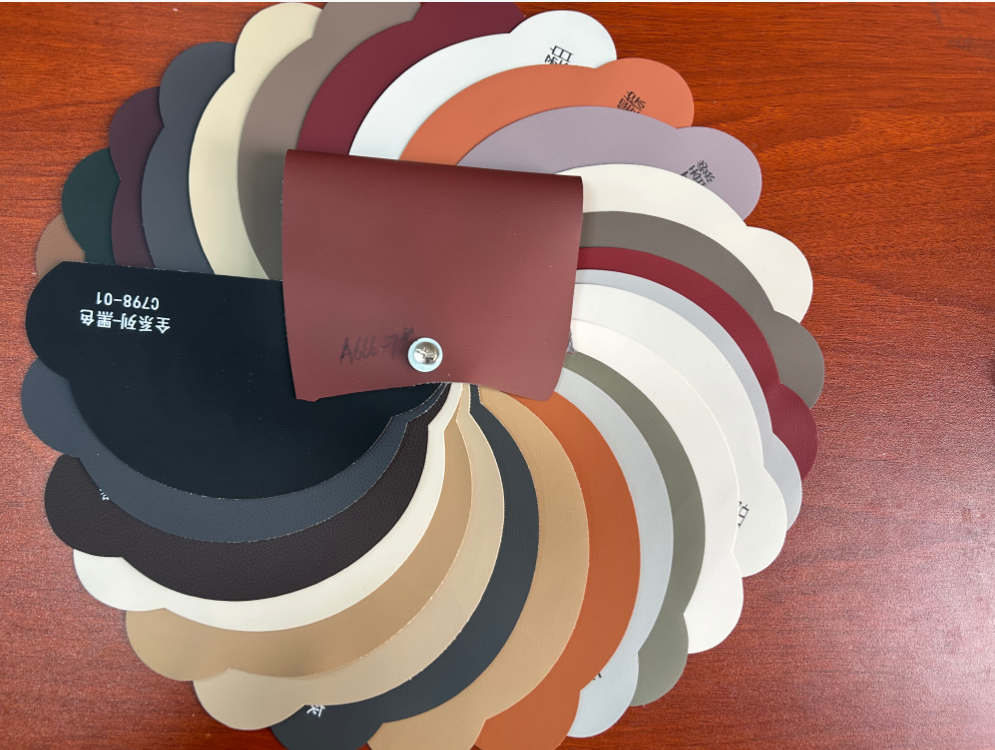
| Color | Color chip, master sample, code, and viewing conditions | What is the approved bulk-production reference? |
| Width and roll format | Minimum usable width, cutting layout, roll preference | Does the proposed format support material yield and factory handling? |
| Quantity | Sample quantity, pilot quantity, bulk forecast, delivery point | Is stock material acceptable, or is custom color/grain/backing required? |
When the design requires custom color, embossing, backing, thickness, or finish, separate the “must match” details from the details that can be adjusted. This allows the supplier to propose a realistic sample route and avoids approving an attractive development sample that cannot be repeated under the bulk-order conditions.
Turn Testing and Compliance Into Project-Specific Questions
Testing selection means confirming the method, specimen construction, acceptance criterion, laboratory, and report requirement for the particular vehicle program. It does not mean assuming that all PVC leather offered for interiors has the same approved performance.
For a U.S. project that requires FMVSS No. 302, the regulation specifies a burn-rate criterion of no more than 102 mm per minute when material is tested under its defined procedure [49 CFR §571.302]. The practical procurement step is to request a report that identifies the tested specimen and conditions. NHTSA’s FMVSS No. 302 laboratory test procedure shows why a traceable record matters; a broad “compliant” statement is not a substitute for evidence tied to the offered construction.
Cabin-air questions also need a project-specific method. The U.S. EPA explains that volatile organic compounds can be emitted as gases from certain solids or liquids, while effects vary by compound, exposure level, and duration [U.S. EPA VOC guidance]. That does not create an automotive acceptance limit. Instead, ask the OEM or customer which cabin-emissions method and limit apply. ISO 12219-1 identifies a whole-vehicle test-chamber method for determining VOCs in road-vehicle cabin interiors, while the acceptable result must come from the applicable customer or program requirement.
Fogging should be discussed separately when glass deposits or windshield visibility are relevant. ISO 6452 addresses fogging characteristics of rubber- or plastics-coated trim materials used in automobile interiors. It identifies a method; it does not create one universal pass/fail result for every project.
| Approval area | Buyer question | Record before bulk approval |
|---|---|---|
| Flammability | Which regulation, OEM requirement, and test route apply to this component and market? | Method, specimen construction, test report, pass/fail criterion, report date. |
| VOC or cabin emissions | Which method, sample preparation, and limit does the program require? | Customer specification, lab, limit, and material version tested. |
| Fogging | Is fogging evaluated separately for this interior part? | Method, criterion, component scope, and approval authority. |
| Wear, aging, or low-temperature behavior | Which exact tests are required for the application? | Test method, exposure condition, required result, and tested construction. |
| Color and appearance | How will grain, gloss, color, and lot consistency be judged? | Master standard, lighting conditions, tolerance, and change-control process. |
Where market compliance is relevant, ask what chemical declaration is required. For example, the EU End-of-Life Vehicles Directive restricts lead, mercury, cadmium, and hexavalent chromium in materials and components placed on the market, subject to Annex II exemptions [Directive 2000/53/EC]. This is not a complete global chemical checklist, so the destination market and customer specification still control the buyer’s request.
Evaluate Samples in the Finished-Part Process
Buyer action
Before bulk approval, keep one approved material record containing the physical sample, construction specification, color standard, relevant test evidence, approval date, and change-notification rule.
Compare Suppliers by Specification Control, Not Price Alone
Supplier evaluation for automotive PVC leather means checking whether a supplier can translate a component brief into a repeatable material specification, coordinate samples, and control changes after approval. A low quotation is only comparable when surface, backing, thickness, test route, color standard, quantity, and delivery assumptions are the same.
- Ask whether the proposal is stock material, modified stock, or custom development.
- Ask what can be controlled: color, grain, backing, thickness, finish, width, and roll format.
- Request a sample specification that can become the reference for pilot and bulk production.
- Ask how color, backing, construction, or source-material changes are communicated after approval.
- Confirm the quantity needed for sample, trial, and bulk stages before comparing offers.
- Agree on quality-control checkpoints and acceptance samples rather than relying on photographs alone.
Wandao Leather works as a synthetic-leather sourcing and material-matching partner, helping buyers compare PVC construction, texture, backing, thickness, color, and application needs. To start with a usable brief, send your vehicle application, component, reference material, target market, required tests, quantity, and desired sample format to our team.
FAQ
Provide the vehicle type, component, target market, intended fabrication process, desired thickness, backing, color reference, grain or surface preference, estimated quantity, and any customer test requirements. The supplier needs both the visual reference and the approval conditions for the finished part.
Not automatically. Furniture and automotive components can have different processing, appearance, durability, cleaning, and approval requirements. Confirm the actual component, operating conditions, required test methods, and acceptance criteria before using a material originally developed for furniture.
The buyer should request evidence tied to the tested specimen and the applicable procedure, rather than accepting a generic claim. Confirm the material construction, test method, test conditions, result, report date, and whether the tested construction matches the material proposed for the project.
No. VOC and fogging are different evaluation topics and may use different methods. Confirm whether the vehicle program requires one or both, which method applies, how samples are prepared, and what acceptance criterion the customer uses before requesting test work.
Begin with the exact vehicle category, seat or interior component, occupancy level, cleaning routine, destination market, and customer approval route. For relevant projects, confirm whether UNECE R118 or another specified requirement applies to the actual vehicle and component before selecting a test plan.
Choose stock material when an existing construction, color, grain, and quantity suit the project and speed is important. Choose custom development when the application requires a specific color, texture, backing, thickness, finish, or approval target that stock material cannot meet. Confirm sample and bulk conditions before deciding.