Furniture manufacturers, importers, and product development teams often receive many PVC leather options with similar colors or patterns. However, the right choice depends on how the finished piece will be used and how it will be made. A soft sofa, a dining chair, an office chair, and a restaurant booth can all require different material priorities.
What should buyers define before selecting PVC leather for furniture upholstery?
Buyers should define the final furniture type, expected use, target market, construction method, required appearance, and order quantity before they compare PVC leather samples. This gives the supplier enough information to recommend a more relevant material direction.
The first question is not “Which PVC leather looks best?” It is “What will the finished furniture need to do?” A residential sofa may prioritize hand feel and a coordinated color collection. A commercial seating project may need a clearer discussion about frequent use, cleaning routines, construction details, and any project-specific testing request.
Start with the final application
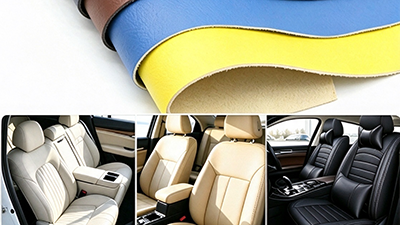
Use a specific application name when you request materials. “Furniture leather” is useful as a broad category, but it does not describe the finished product well enough for material matching.
| Furniture application | Questions to confirm | Why the answers matter |
|---|---|---|
| Sofa upholstery | Desired hand feel, cushion construction, texture, seam style, and color direction | These factors influence how the material looks and feels on large upholstered surfaces. |
| Dining chairs | Seat shape, cleaning routine, surface finish, and production method | Chair upholstery needs to suit both the product design and practical daily use. |
| Office chairs | Use frequency, seat and back construction, texture, and target project level | Frequent-use seating should be evaluated against its actual product requirements. |
| Hotel or contract seating | Project specifications, cleaning conditions, local requirements, and approval process | Contract projects often require more detailed confirmation before sampling and bulk ordering. |
Supplier insight
From our experience, buyers get better sample recommendations when they describe the finished furniture first. A request for “PVC leather” is a starting point. A request for a sofa, dining chair, office chair, or commercial seating project gives the material discussion a practical direction.
How do surface finish and texture affect furniture upholstery selection?
Surface finish and texture affect the visual character, hand feel, and product positioning of upholstered furniture. They should be selected with the whole furniture collection in mind, not from a swatch alone.
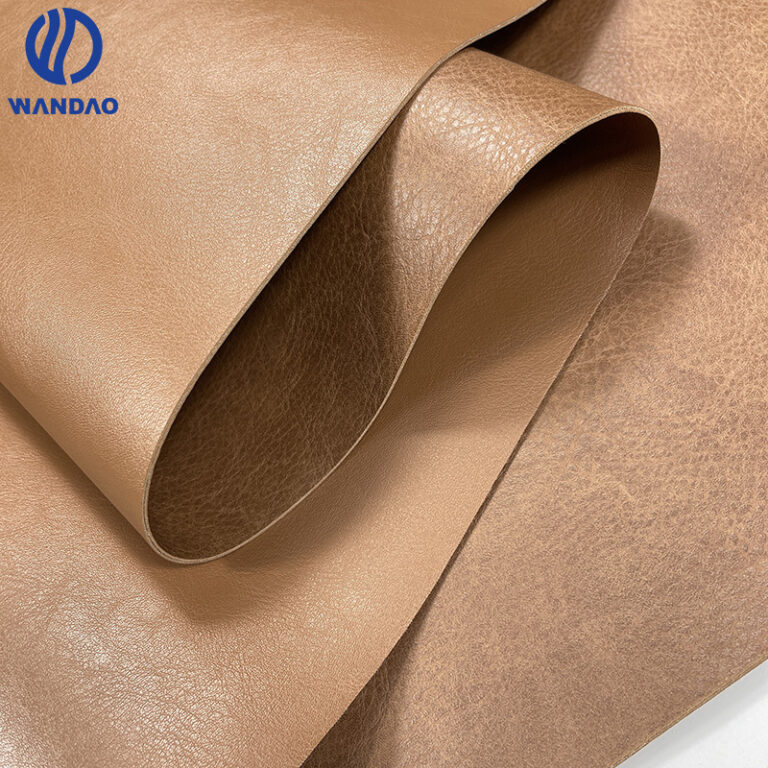
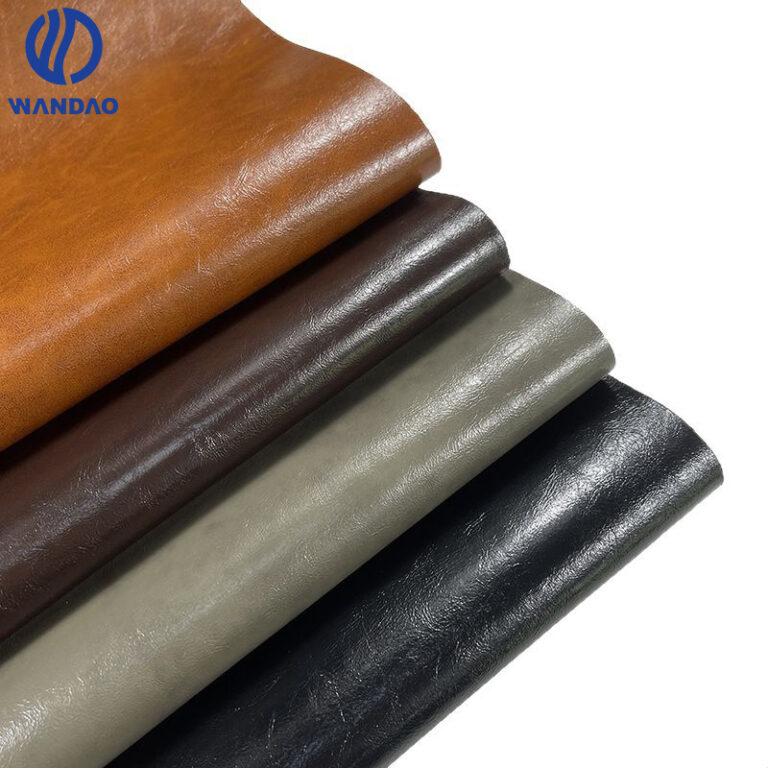
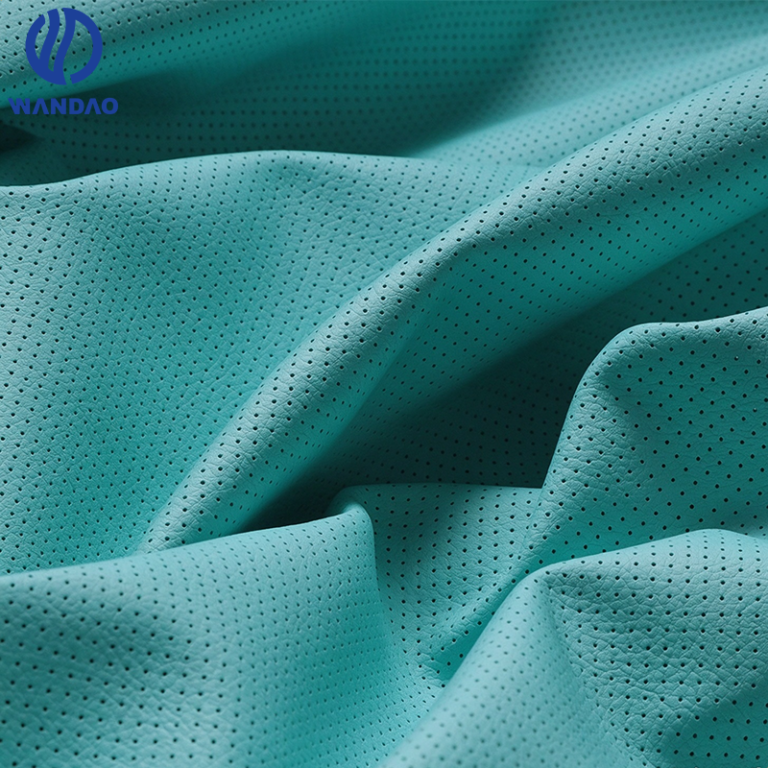
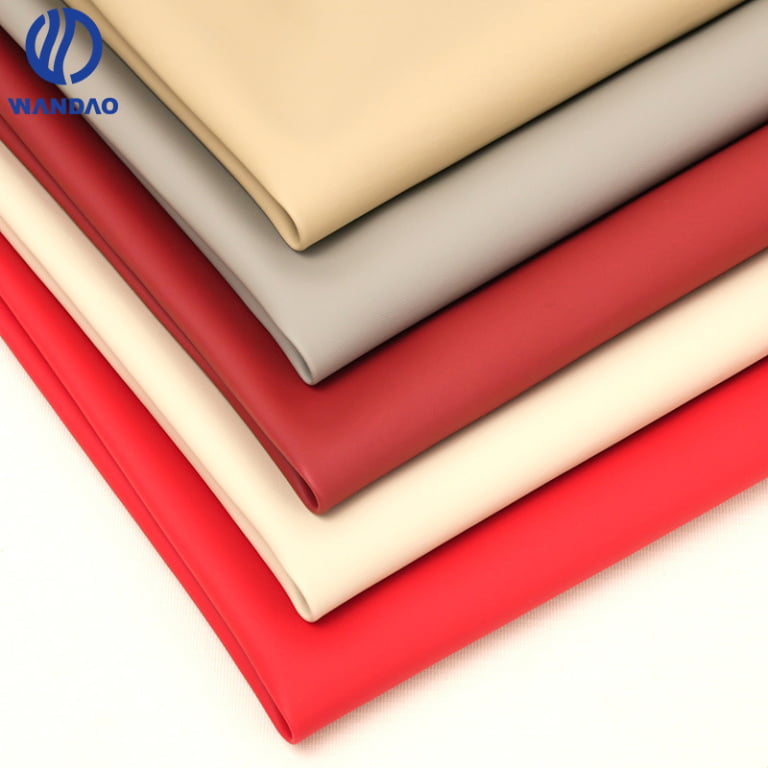
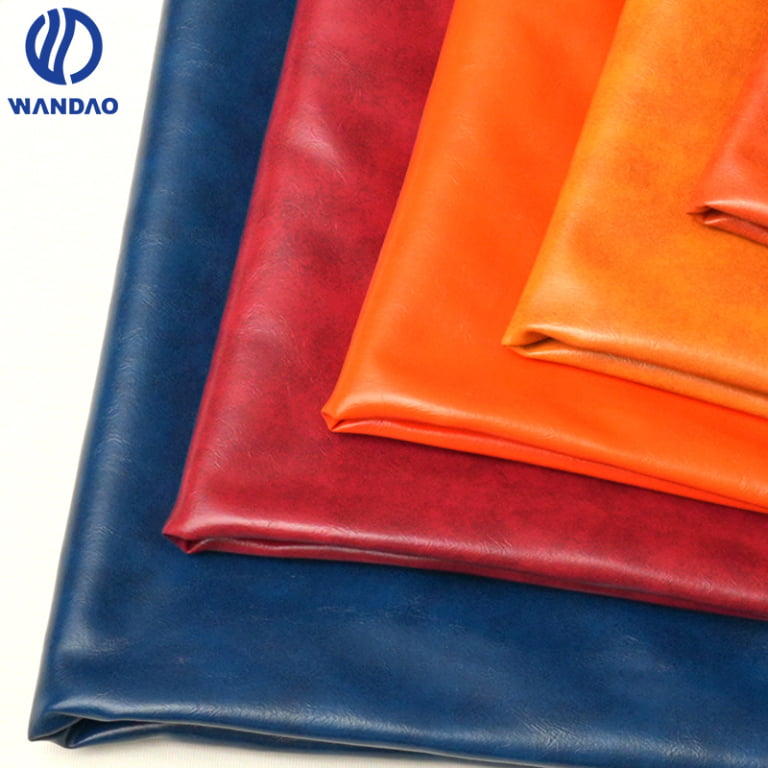
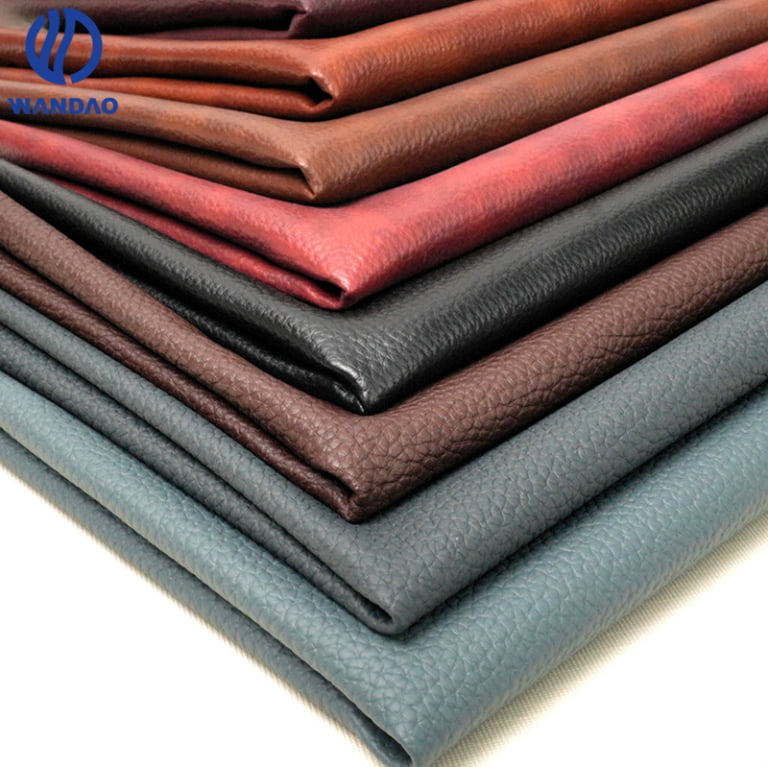
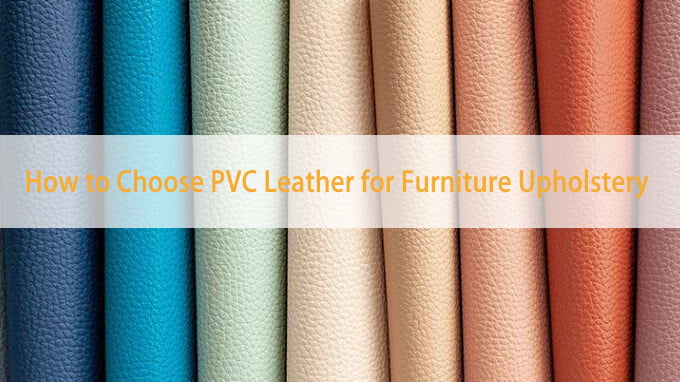
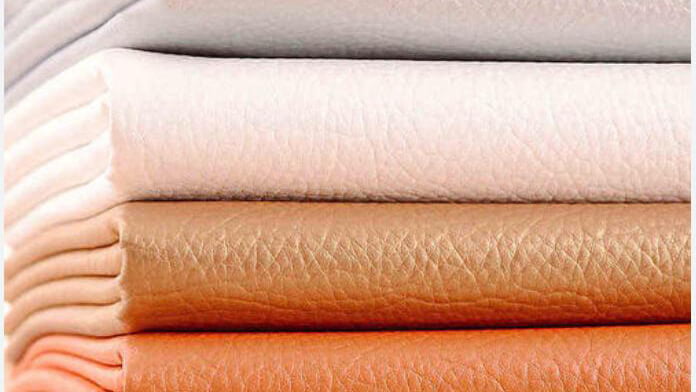
PVC leather can be developed with different grains, embossing effects, matte or glossier finishes, and color treatments. A fine grain may suit a clean modern seating collection. A deeper grain may create a more traditional or textured look. Neither option is always better. The choice should match the design direction, the chair or sofa shape, and the buyer’s preferred sample.
Compare samples on the intended furniture shape
A flat swatch cannot show every visual effect. A texture may look different after it is wrapped around a cushion, pulled across a curved chair back, or used beside wood, metal, or fabric components. When possible, compare samples under the lighting conditions used for product review and place them next to the other materials in the furniture collection.
For custom development, buyers should provide a reference sample, color target, or clear visual direction. This reduces avoidable misunderstandings about grain depth, gloss level, and hand feel.
Supplier insight
PVC leather textures are commonly developed through embossing and surface finishing. The same color can look very different when the grain, gloss, backing, or thickness changes. For this reason, a final material decision should be based on an approved sample rather than a screen image alone.
Why do backing fabric and thickness need to be considered together?
Backing fabric and thickness work together to influence handling, construction behavior, hand feel, and the material’s suitability for a specific furniture design. Buyers should discuss them as a combination rather than treating thickness as the only specification.
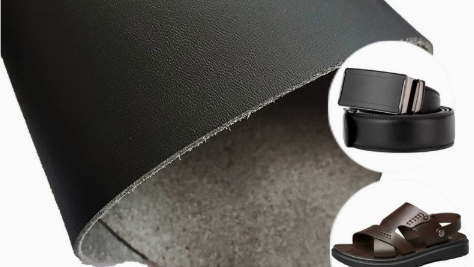
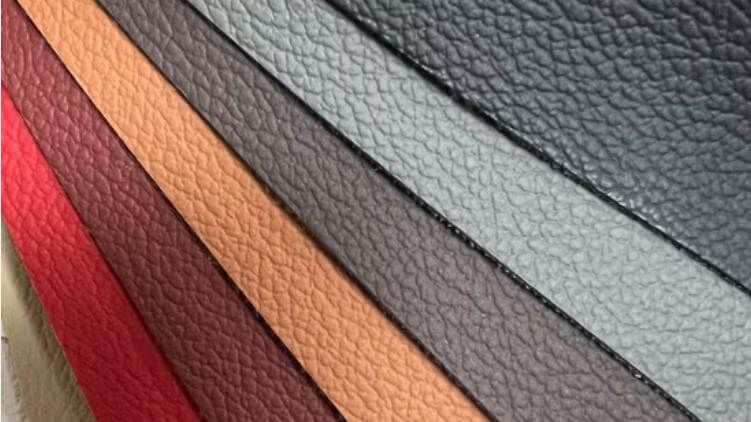
Thickness is often one of the first questions in an upholstery inquiry. It matters, but a thicker material is not automatically more suitable. The right range depends on the furniture structure, foam shape, sewing method, edge treatment, and intended feel. Backing fabric also matters because it can influence how the material handles during cutting, sewing, wrapping, and upholstering.
Build a usable specification brief
Before sampling, ask your team to prepare a short specification brief. It does not need to be complicated. The goal is to give the supplier enough context to recommend a material direction and send relevant swatches.
| Specification item | What to provide | How it supports selection |
|---|---|---|
| Final application | Sofa, dining chair, office chair, booth seating, or other furniture type | Helps match the material to the end use. |
| Construction information | Flat panel, cushion, curved shape, stitched seam, piping, or wrapped edge | Helps assess handling and appearance on the finished product. |
| Surface direction | Matte, glossy, smooth, embossed, printed, or grain reference | Helps narrow down suitable textures and finishes. |
| Backing preference | Existing reference, desired feel, or construction requirement | Helps align the material with processing needs. |
| Order plan | Sample stage, trial order, or bulk quantity estimate | Helps determine whether stock options or custom development are more practical. |
Industry test methods can support material discussions, but a test name alone does not confirm that a material is right for every project. For example, ASTM D4157 describes a test method used to evaluate the abrasion resistance of woven fabrics. Buyers should still confirm which test method, performance level, specimen, and acceptance criteria apply to their own finished furniture project.
How should buyers evaluate PVC leather samples before bulk ordering?
Buyers should evaluate samples in the same way the material will be used in the finished product. A visual swatch review is useful, but it should be followed by checks for color, texture, hand feel, backing, thickness, workmanship, and fit with the furniture construction.
Start by comparing the sample with the approved color reference or collection direction. Then look at the surface under normal product-review lighting. Check whether the grain and finish fit the intended design. If the project involves sewing, wrapping, or upholstery work, the production team should also review the material during a practical trial instead of relying only on a sales sample.
Keep the approval record clear
For custom material development, retain the approved sample and document the agreed details. This can include the material reference, color, texture, backing, thickness range, use application, and any confirmed project requirements. A clear approval record helps both the buyer and supplier communicate more consistently before bulk production.
If a project includes flammability, chemical, abrasion, or other compliance requirements, state them at the beginning of the sampling process. In the United States, the U.S. Consumer Product Safety Commission’s upholstered furniture guidance is a useful starting point for understanding that regulatory requirements can depend on the product and market. A supplier should not claim compliance unless the relevant material, test method, report, and project requirement have been confirmed.
When should buyers choose stock PVC leather instead of custom development?
Stock PVC leather can be more practical when a buyer needs a smaller quantity, a quicker material decision, or a color and texture that already fits the product line. Custom development is more appropriate when the project requires a specific color, grain, backing, thickness, or finish that cannot be matched closely enough from available materials.
The decision is not only about price. It is also about development time, approval steps, order planning, and how important the requested material difference is to the finished furniture. A buyer who needs to validate a new furniture design may start with a suitable stock material. A buyer developing a long-term collection may prefer to discuss a custom direction after the application and sample requirements are clear.
Next step for furniture buyers
Prepare your final application, preferred color, texture reference, backing or hand-feel direction, estimated quantity, and any testing requirements. Then Contact Wandao Leather to discuss PVC leather options for your furniture upholstery project.
What are common mistakes when selecting PVC leather for furniture upholstery?
The most common mistake is choosing material only by visual appearance. A sample can look correct in isolation but still be a poor match for the finished furniture structure, end use, or production process.
- Using a vague application description: “Furniture” is too broad when the final product is a sofa, dining chair, office chair, or restaurant booth.
- Comparing only color: Grain, gloss, hand feel, backing, and thickness can change the final appearance and handling.
- Approving from photos only: A physical sample and, where possible, a production trial provide more useful information.
- Leaving testing requirements until late: Project-specific requirements should be discussed before the final sample is approved.
- Assuming every PVC leather is interchangeable: Materials developed for different applications can have different surface, backing, construction, and sourcing considerations.
A practical selection process is usually straightforward: define the product, send a clear brief, review relevant samples, conduct the needed production checks, and confirm the final reference before placing a bulk order.
Frequently Asked Questions
PVC leather can be considered for sofa upholstery when its surface finish, backing, thickness, hand feel, and construction behavior suit the intended sofa design. Buyers should review a physical sample and, when possible, a production trial instead of selecting only from photographs or a color card.
Provide the final furniture application, preferred color and texture, approximate thickness or hand-feel direction, backing preference if known, estimated quantity, and any project-specific testing requirements. This information helps the supplier recommend more relevant material options.
No. Thickness should be selected together with backing fabric, furniture construction, cushion shape, sewing method, and the desired hand feel. A thicker material is not automatically the best option for every sofa, chair, or upholstered furniture design.
Backing fabric can affect how PVC leather handles during cutting, sewing, wrapping, and upholstery work. It can also influence the finished hand feel and suitability for a specific furniture structure. Buyers should discuss backing together with the final application and surface requirements.
Stock PVC leather is often practical when the buyer needs a smaller quantity or a faster material decision and an available color and texture fit the project. Custom development is more suitable when a specific color, grain, backing, thickness, or finish is required for a long-term furniture collection or project.