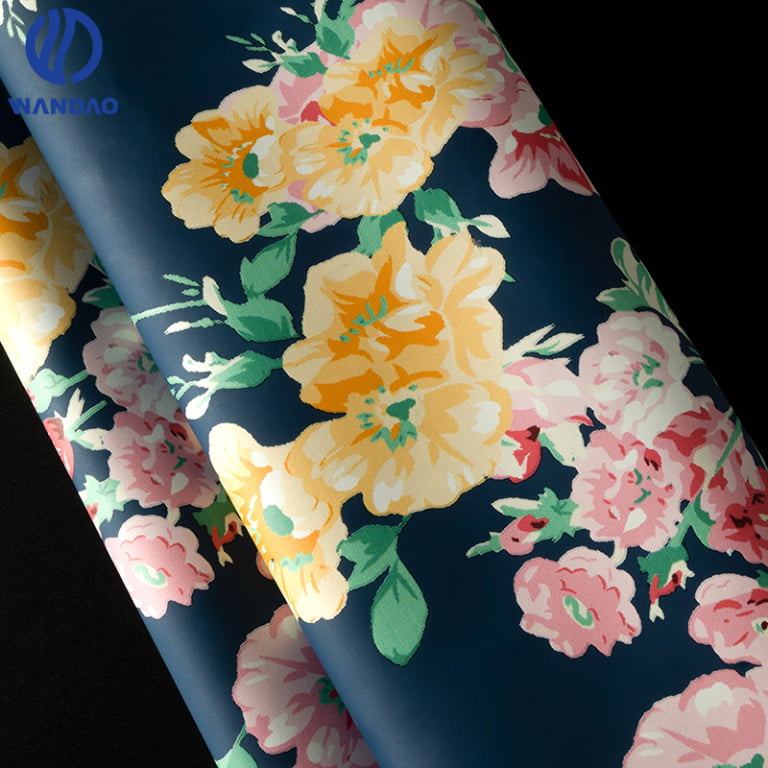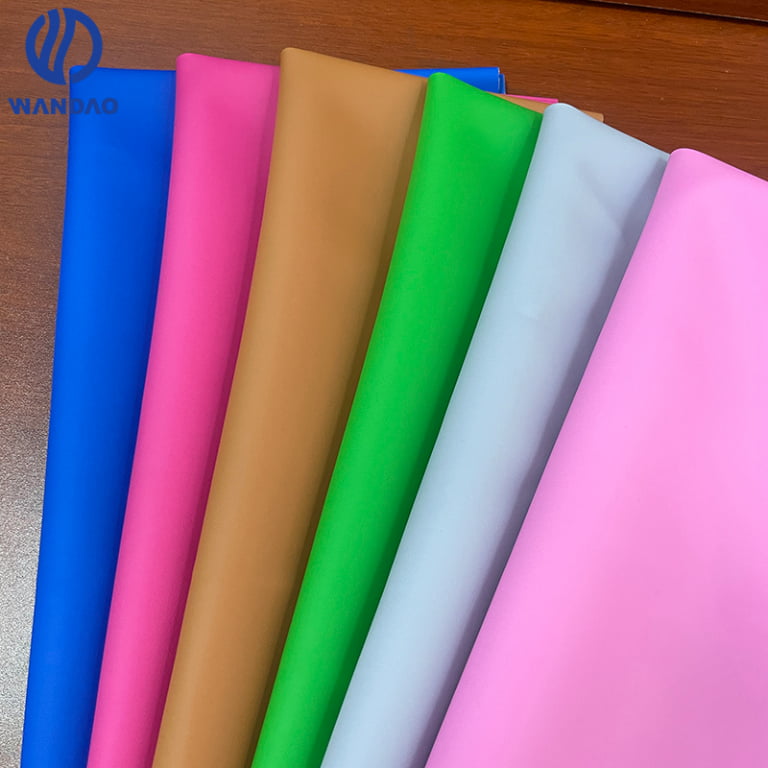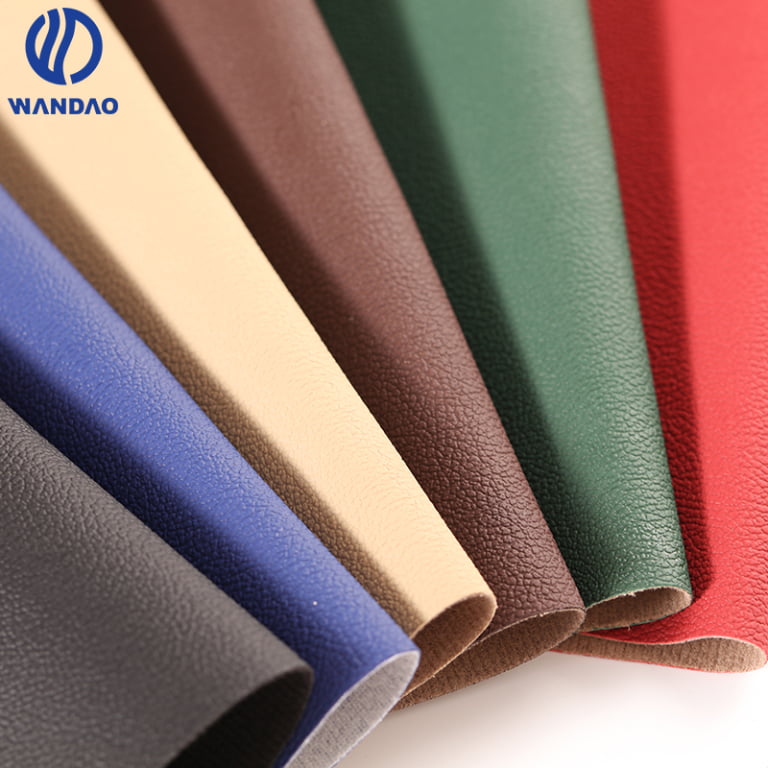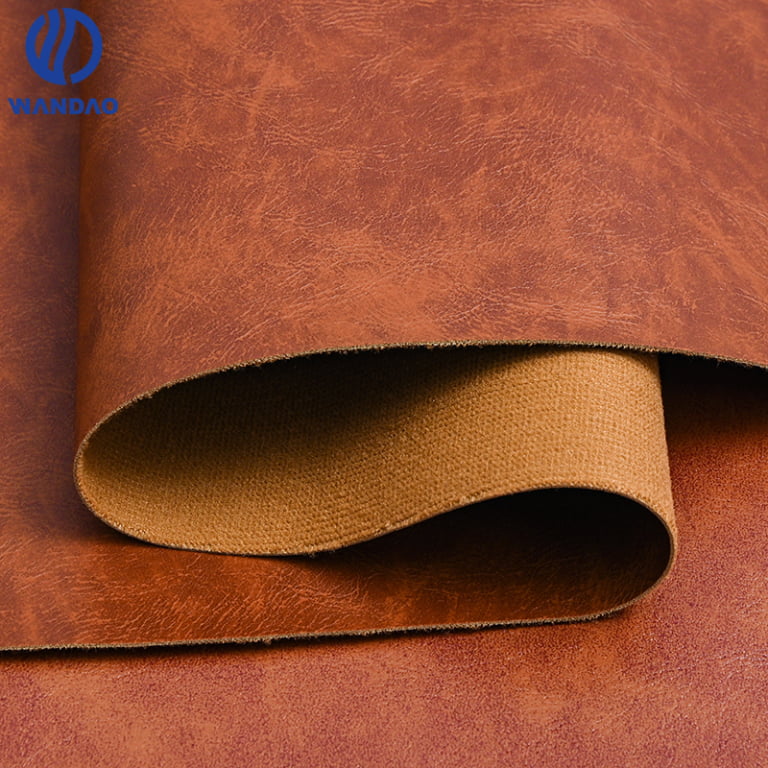
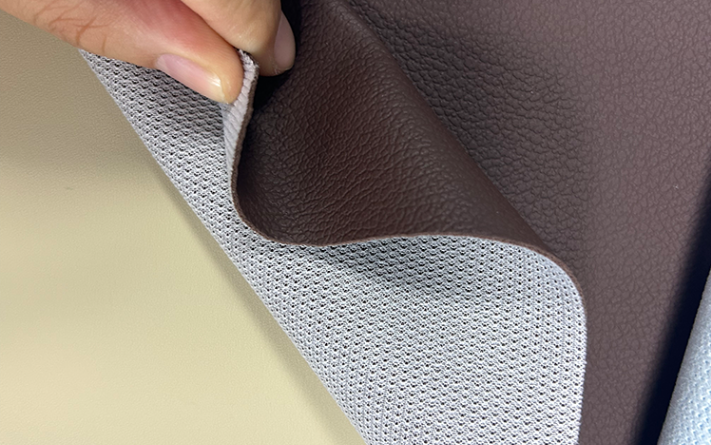
Marine leather replacement is not simply a matter of choosing a new leather-looking fabric. Boat upholstery faces sunlight, salt air, moisture, rain, temperature changes, mold risk, repeated cleaning, and frequent passenger contact. A material that looks acceptable inside a home or vehicle can fail quickly on a boat if its surface, backing, coating, and production quality are not designed for outdoor marine use.
Why the Original Boat Leather Started Peeling
Marine leather peeling refers to a failure in which the surface coating, face layer, or laminate begins to crack, lift, flake, separate, or expose the backing beneath the upholstery. It is usually a material-system and environment problem rather than one single defect.
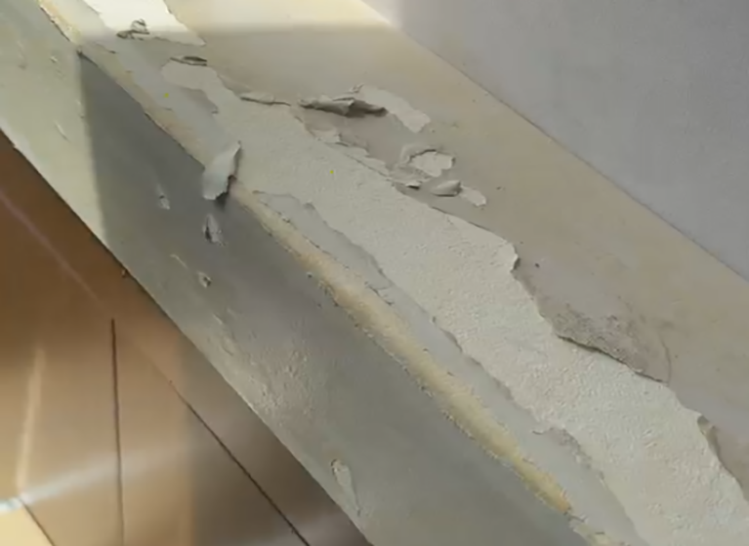
In this customer case, the first message was simple: the leather on the boat had peeled severely and required replacement. That situation is common in marine upholstery because a boat seat is exposed to more than normal sitting wear. It may be parked in direct sunlight, exposed to damp air, wet clothing, sea spray, rain, dust, sunscreen, drinks, and cleaning chemicals. When the cover is stretched over foam and a seat frame, the front edge, seams, corners, and frequently sat-on areas can experience repeated flexing at the same time.
Peeling may appear when the face layer loses adhesion to the backing or foam laminate. Cracking may occur when a surface becomes less flexible after heat, UV exposure, chemical contact, or repeated flexing. Mold and mildew can become a problem in seams, backing fabric, foam edges, dirt deposits, and trapped moisture even if the visible surface itself is easy to wipe. A cover may also become stiff, glossy, sticky, faded, or discolored before the peeling becomes obvious.
For coated upholstery materials, adhesion between the surface coating and backing is a critical part of the construction. ISO 2411 describes a method for determining coating adhesion strength in coated fabrics. The standard explains how adhesion can be measured; it does not prove that every marine leather construction has the same performance.
The important lesson is that replacing a failed boat cover with ordinary furniture leather can repeat the same problem. Indoor furniture materials are usually selected for a different environment. They may have a soft hand and an attractive grain, but they are not automatically intended to face constant sun, wet-dry cycles, outdoor cleaning, salt air, or mold risk. Marine upholstery should be selected for the actual vessel environment and for the way the seat is constructed.
When reviewing a peeling boat seat, examine more than the visible damage. Ask whether the seat stays uncovered outside, whether a cover is used during storage, whether water reaches the seams, whether the foam stays damp, which cleaners are used, and whether the seat is exposed to saltwater, freshwater, pool chemicals, fishing products, sunscreen, or heavy passenger use. Those answers determine whether the next material should prioritize smooth cleaning, UV resistance, mold resistance, abrasion resistance, softness, stretch, or a combination of these requirements.
| Visible problem | Possible contributing factors | What to confirm before replacement |
|---|---|---|
| Peeling or flaking surface | Layer adhesion failure, heat, moisture, chemical exposure, flexing, weak original construction | Face-to-backing construction, adhesion control, seat geometry, foam and seam condition |
| Cracks on seat edges | Repeated stretching, UV exposure, hardening, tight upholstery pattern, poor edge design | Flexibility, stretch direction, sewing pattern, corner and front-edge trial |
| Mold or mildew marks | Trapped moisture, damp foam, dirt, poor drying, seam and backing contamination | Drying route, ventilation, cleaning plan, backing and foam condition |
| Fading or gloss change | Sunlight, UV, cleaning chemistry, surface wear, pigment or coating change | Color reference, outdoor exposure expectations, cleaner compatibility |
Buyer action
Before choosing replacement marine leather, photograph the damaged seat, identify where peeling started, describe storage and cleaning habits, and inspect foam, seams, and backing. Replacing only the visible face material may not solve a moisture or construction problem underneath.
How We Turned the Customer Inquiry Into a Marine Material Brief
A marine upholstery material brief refers to the practical information needed to match a boat seat with the correct surface, backing, thickness, texture, color, roll format, and outdoor-use performance requirements. It turns a general request for “boat leather” into a workable sampling and quotation process.
After receiving the peeling-seat inquiry, the next step was not to send a random color card. We first discussed the use of the boat and the customer’s expectations for the replacement. The goal was to identify a material that could support a marine application and still give the customer a clean, professional seat appearance. The customer needed outdoor yacht leather rather than ordinary PVC upholstery.
For a boat or yacht seat, the material brief should include the following information:
- The type of boat: yacht, fishing boat, speedboat, pontoon boat, sailboat, passenger boat, or marina vehicle.
- Where the seat is installed: captain’s seat, passenger bench, sun pad, deck cushion, cabin seating, side panel, or lounge area.
- Whether the seat remains outdoors, is covered between uses, or is stored inside.
- The main exposures: direct sunlight, rain, saltwater, freshwater, fishing gear, sunscreen, food, drinks, mold risk, and cleaning chemicals.
- The upholstery process: sewing, stapling, gluing, piping, quilting, foam lamination, heat forming, or another route.
- The desired color, grain, gloss, softness, texture, and visual style.
- The required roll width, quantity, sample format, budget, and delivery destination.
The customer’s questions showed that cleaning was an important concern. This is a realistic purchasing question for marine seating. Boat owners do not want a surface that holds dirt in deep texture valleys or becomes difficult to wipe after sunscreen, drinks, dust, or light soil.
Based on the surface comparison for this customer project, we explained that the smoother option was easier to wipe than the ordinary PVC material the customer was replacing. Its smoother face gives dirt and light spills fewer deep recesses to enter. Actual cleaning performance still depends on the surface finish, grain depth, cleaning chemical, wiping method, and maintenance routine.
That does not mean the material can be cleaned with any chemical. “Easy to clean” should always be linked to an approved cleaning procedure. Boat operators should first remove loose dust and dirt, then use a compatible cleaner and soft cloth, and avoid aggressive solvents, abrasive powder, high-pressure damage, or unapproved chemicals that may alter the surface. The actual cleaning program should be tested on a retained sample before it is used across a full fleet or yacht project.

For broader marine and outdoor material context, see our marine upholstery leather page, marine vinyl fabric page, and silicone leather overview. These pages can help buyers compare different marine surface routes before choosing a specific construction.
| Buyer information | Why it affects marine leather selection | Example question |
|---|---|---|
| Boat and seat location | Captain seats, sun pads, cabin benches, and exterior cushions receive different sunlight and flexing loads | Will the material be used on an exposed deck cushion or a covered cabin seat? |
| Cleaning method | Cleaner type and wiping frequency affect surface selection and topcoat requirements | Which cleaner, disinfectant, or stain remover does the operator currently use? |
| Texture preference | Grain changes appearance, dirt visibility, hand feel, and maintenance | Does the buyer want a smoother easy-wipe look or a more visible leather-like grain? |
| Roll and order requirement | Width, length, color, MOQ, and delivery affect the usable quotation | How many seats or square meters are needed, and what is the delivery destination? |
Buyer action
Send the supplier a photo of the failed seat, the boat application, the desired grain, color reference, cleaning routine, required roll quantity, and delivery country. This gives the supplier enough information to recommend a marine construction instead of a generic upholstery material.
The Two Marine Leather Textures We Recommended
Marine leather texture refers to the visible and tactile grain applied to the yacht upholstery surface, which affects the finished seat’s appearance, feel, dirt visibility, cleaning behavior, gloss, and overall style. The texture should be selected together with color, backing, thickness, and the boat’s use environment.
For this customer, we presented two dedicated marine leather texture options. Both were intended for outdoor yacht and boat seating, but each produced a different visual result. This gave the customer a choice between a more textured leather-like appearance and a smoother surface that supports straightforward day-to-day maintenance.
The first option is a textured, marine-style upholstery material. This finish gives the boat seat a richer marine-grade leather look while effectively minimizing the visibility of marks from daily use. It is an excellent choice for boat builders and refurbishers seeking a traditional marine aesthetic, and it is easier to maintain than standard PVC leather. However, its tactile feel is not as soft as the other texture.

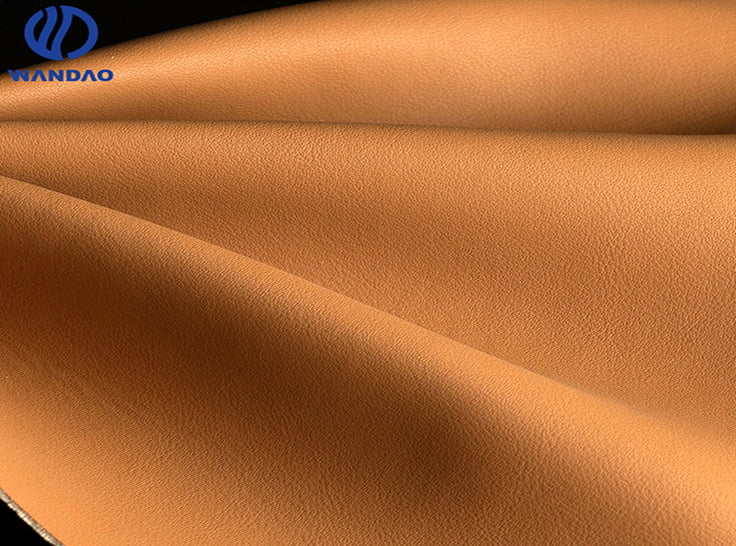
The second option features a fine, smooth surface texture. This material is easier to clean; its smoother surface is better suited for routine wiping—a significant advantage for yacht interiors, which are frequently exposed to sunscreen, water spots, dust, and beverage spills. A smoother surface also gives the yacht a neater, more modern appearance.
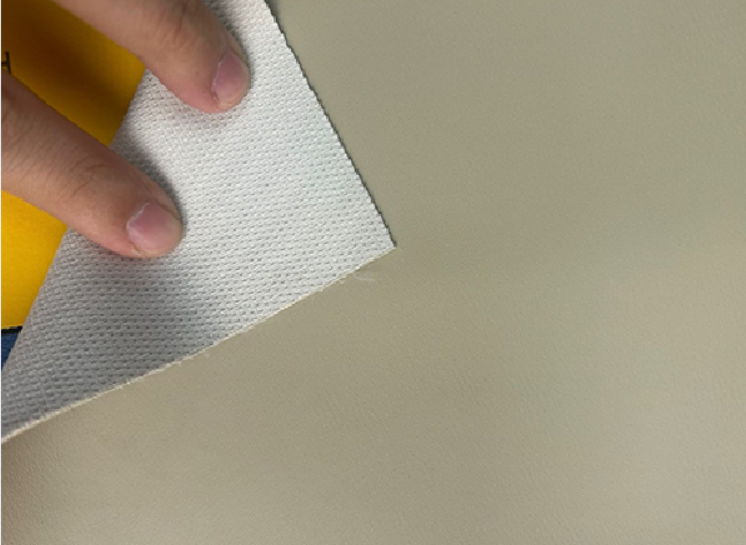
Texture is not only a design decision. It should be compared under real lighting and after practical handling. Dark colors can hide some dirt but may become hotter in direct sun. Light colors can feel more luxurious but may show sunscreen, mud, fishing stains, denim transfer, or beverage stains more clearly. A fine or smooth grain can look high-end but may make scratches and gloss changes easier to notice. A more visible grain can be more forgiving visually but must still be easy to wipe.
| Texture | Visual character | Mainteance consideration | Possible application |
|---|---|---|---|
| Litchi grain | Leather-like, visible, slightly more textured | Can visually mask minor marks; confirm that grain recesses remain easy to wipe | Exterior benches, passenger seats, fishing boats, traditional yacht upholstery |
| Fine grain | Clean, modern, controlled and refined | Generally easier for regular wiping; check scratch and gloss behavior | Premium yachts, resort boats, captain seats, modern marine interiors |
Before making a bulk decision, the buyer should compare both textures on a real seat section. Ask the upholsterer to sew, wrap, and staple each sample around the actual foam and seat edge. Then inspect the surface under sunlight, after wiping, and after the material has been stretched around corners. This is more reliable than choosing only from a small swatch.
Buyer action
Choose the grain based on the boat’s visual target and maintenance reality. Use a visible grain when you want a traditional leather-like look, and consider a smoother surface when easy routine cleaning and a modern yacht appearance are more important.
Marine Leather Specifications: What the Customer Received
Marine leather specification refers to the controlled material requirements that define the upholstery roll supplied for boat seating, including width, length, weather-related performance, surface properties, and fire or quality documentation. A specification is more useful than a general claim such as “marine grade.”
For the material selected in this real customer inquiry, the supplied product information included the following figures and claims:
| Specification | Customer information | How to use it correctly |
|---|---|---|
| Roll width | 1.4 m | Use for cutting layout, nesting, freight planning, and seat-panel design. |
| Roll length | 29 m | Use for planning production yield, inventory, and roll handling. |
| Quoted price | US$6.23/m | Confirm the quoted unit, texture, color, width, MOQ, packing, and delivery term before comparing offers. |
| Abrasion claim | Approximately 200,000 cycles | Confirm the test method, abrasive, load, endpoint, sample construction, and report before using it as a cross-supplier comparison. |
| Cold-resistance claim | Approximately -15°C | Confirm the conditioning method, flex geometry, exposure time, and acceptance criterion for the intended boat environment. |
| UV claim | UV level 4 | Confirm the applicable test method and rating system, because “UV level 4” is not one universal standard. |
| UV exposure claim | Approximately 600 hours | Confirm the exposure method, lamp, temperature, humidity, and visual acceptance criteria. |
| Fire claim | BS 5852 | Confirm the relevant source, ignition schedule, specimen construction, version, and customer requirement. |
| Warranty claim | At least 5 years | Confirm scope, exclusions, maintenance conditions, and whether the warranty covers material, fading, peeling, labor, or only manufacturing defects. |
| Mold and antibacterial claim | Mold-resistant and antibacterial | Confirm the relevant test method, treatment durability, limitations, and whether the complete seat construction remains dry and clean. |
How to read the abrasion figure: The approximately 200,000-cycle abrasion result should always be read together with its test method, abrasive material, load, specimen construction, and failure definition. ISO 5470-2 is a Martindale-based abrasion method for coated fabrics. A cycle number from a different method or different endpoint should not be compared as if it were the same result.
These figures are customer-product information for the selected marine upholstery material. They should not be treated as universal values for every boat leather. In particular, abrasion cycles, UV hours, cold resistance, fire performance, and warranty terms only become useful purchasing evidence when they are connected to a named method, sample construction, test conditions, report, and acceptance rule.
Case-study price note: US$6.23/m was the price quoted for this customer’s selected marine leather configuration. It was based on the selected texture, width, roll length, construction, and order conditions at that time. Marine leather pricing can change with color, backing, width, quantity, packaging, freight, and delivery destination.
The claimed price was US$6.23 per meter for the selected product. Buyers should not compare this number with another supplier’s price until they know whether both quotations use the same unit, width, thickness, grain, backing, roll length, color, MOQ, packaging, and delivery term. A lower linear-meter price may be more expensive per square meter if the roll is narrower. A lower price may also refer to ordinary upholstery PVC rather than an outdoor yacht construction.
The marine leather was positioned for outdoor yacht seating because the customer needed a material that could support sun, moisture, mold risk, cleaning, and regular passenger use. The surface was also selected for easier maintenance. These factors together—not only one abrasion number or one price—made the material relevant to the customer’s replacement project.
For buyers who need more general material controls, our quality control page explains why construction, color, thickness, backing, and inspection requirements should be confirmed before bulk production.
This is the retail price,a discount is available for quantities reaching 1,000 meters.
Buyer action
Use the specification table as an RFQ checklist. Ask for the original test method and report for every performance claim, and compare prices only after normalizing the unit, width, texture, backing, order quantity, and delivery terms.
How to Choose Marine Leather for Boat Seats Before Ordering
Marine leather selection refers to matching the upholstery material to the boat’s seat design, outdoor exposure, maintenance system, desired style, production process, and commercial requirements before bulk purchase. A real seat trial is the safest way to reduce replacement risk.
The customer in this case finally purchased after reviewing the material options, discussing the smoother surface and maintenance question, and comparing the specified roll format and price. That is a sensible purchase path. The customer did not buy only because the material was called yacht leather. They selected it after the material was connected to the actual problem: replacing a boat seat whose old leather was peeling severely.
For other buyers, the same decision should follow a structured sequence:
- Assess the old seat. Identify peeling, cracking, mildew, fading, foam damage, seam failure, and water-entry points.
- Define the boat environment. State whether the seat is exposed to direct sun, rain, saltwater, freshwater, fishing activity, resort passengers, or long storage periods.
- Choose the visual direction. Compare visible grain, smoother grain, color, gloss, texture, and hand feel with the boat’s style.
- Confirm the construction. Record thickness, backing, usable width, roll length, foam interface, sewing process, adhesive, piping, and stapling method.
- Review the cleaning plan. Test approved cleaning products on a retained sample before using them on the full seat.
- Run a seat-cover trial. Upholster one representative seat or cushion section and inspect corners, seams, stretched zones, and high-contact areas.
- Lock the bulk specification. Keep an approved sample, material code, color, grain, roll format, test evidence, inspection plan, and change-notification rule.
Boat leather should be selected as a complete system. The face material may be marine grade, but a poor seam, damp foam, unsuitable thread, weak adhesive, or trapped moisture can still create failure. Marine upholstery is strongest when the material, foam, sewing, drainage, ventilation, cleaning, storage cover, and use environment work together.
For example, a smoother surface may be easy to wipe after a day on the water, but the seat should still be dried after heavy rain. Mold resistance can reduce risk, but it does not eliminate the need to remove trapped moisture and dirt. UV performance can improve outdoor stability, but a protective boat cover and proper storage can still reduce long-term exposure. A warranty may provide reassurance, but the buyer should understand the maintenance conditions and exclusions before assuming every kind of outdoor damage is covered.
The commercial decision should also be clear. Confirm the number of seats, total square meters, preferred roll quantity, color requirements, available budget, shipping method, destination port, and lead time. For custom color or texture, confirm whether there is a development fee, MOQ, sample charge, or additional lead time. Stock colors and standard grains may be faster, while custom marine upholstery projects need a more detailed approval route.
Final answer: dedicated marine leather is worth choosing when a boat seat needs to face outdoor use, repeated cleaning, sun, moisture, and passenger contact. The customer case in this article shows how a peeling boat seat can be converted into a structured material decision: identify the damage, define the outdoor environment, compare grain options, confirm that the smoother surface is easy to maintain, review the real product specification, and approve the seat trial before bulk purchase. For more information on marine leather, please visit: https://wandaoleather.com/marine-vinyl-fabric/
| Approval stage | What to check | Decision outcome |
|---|---|---|
| Damage review | Peeling, cracking, mold, seams, foam, and water entry | Identify the reason the original cover failed |
| Material selection | Marine grain, smoothness, color, hand feel, UV and cleaning requirements | Choose the appropriate surface direction |
| Specification review | Width, roll length, backing, price, test claims, warranty, MOQ, and delivery | Confirm a comparable commercial offer |
| Seat trial | Cutting, sewing, wrapping, foam, corners, seams, and finished appearance | Confirm upholstery compatibility |
| Outdoor use review | Sunlight, water, dirt, sunscreen, cleaning, storage, and drying | Confirm real application suitability |
| Bulk release | Approved sample, batch control, inspection, and change notification | Control repeat material quality |
Frequently Asked Questions
A: Boat leather can peel when the surface layer or laminate loses adhesion after a combination of sunlight, heat, moisture, repeated flexing, cleaning chemicals, trapped water, weak backing, or unsuitable upholstery construction. The visible peeling should be assessed together with foam, seams, backing, and storage conditions before replacement.
A: Dedicated marine leather is designed for a more demanding outdoor upholstery environment, while ordinary PVC may be intended for indoor furniture or other applications. The correct comparison depends on the complete construction, backing, topcoat, UV and cleaning requirements, and actual test evidence. A material should not be approved for boat use from the name alone.
A: A smoother marine surface is generally easier for routine wiping than a deeply textured ordinary PVC surface because dirt and spills have fewer deep recesses to enter. Buyers should still confirm the recommended cleaners, wiping method, contact time, and drying procedure for the exact material.
A: Visible grain provides a stronger leather-like appearance and may visually hide minor marks, while smooth grain creates a cleaner and more modern yacht appearance that can be easier to wipe. The buyer should choose based on design, dirt visibility, cleaning routine, sunlight, and the finished seat sample.
A: Confirm the boat application, color, texture, backing, thickness, usable width, roll length, price unit, MOQ, delivery term, cleaning compatibility, outdoor-use evidence, sample size, sewing or stapling process, warranty scope, batch control, and change-notification process. Test the material on a real seat before bulk production.
A: No. UV resistance is a performance claim that applies under a defined test method and exposure condition. Real boat life also depends on color, sunlight intensity, storage cover use, cleaning products, temperature, moisture, seat design, and maintenance. Ask for the relevant report and use protective storage and cleaning practices.