As a PVC leather supplier for automotive seat applications, we have been closely working with manufacturers in the automotive interior industry for years. Based on our material supply experience and feedback from different vehicle projects, PVC leather continues to be one of the most widely used materials for car seats due to its balanced performance in cost, durability, and production efficiency. It performs consistently well in mass production environments where both quality stability and cost control are essential.
Next, based on my years of supply experience, I will answer your questions regarding the styles, characteristics, and textures of PVC leather used in car seats.
What is the structure of PVC leather?
PVC leather (Polyvinyl Chloride leather) is a synthetic upholstery material designed to imitate the appearance and texture of real leather. PVC leather is mainly used as the outer surface layer in car seats.
I usually see PVC leather applied on visible and contact areas of automotive seats, not inside structural foam layers.
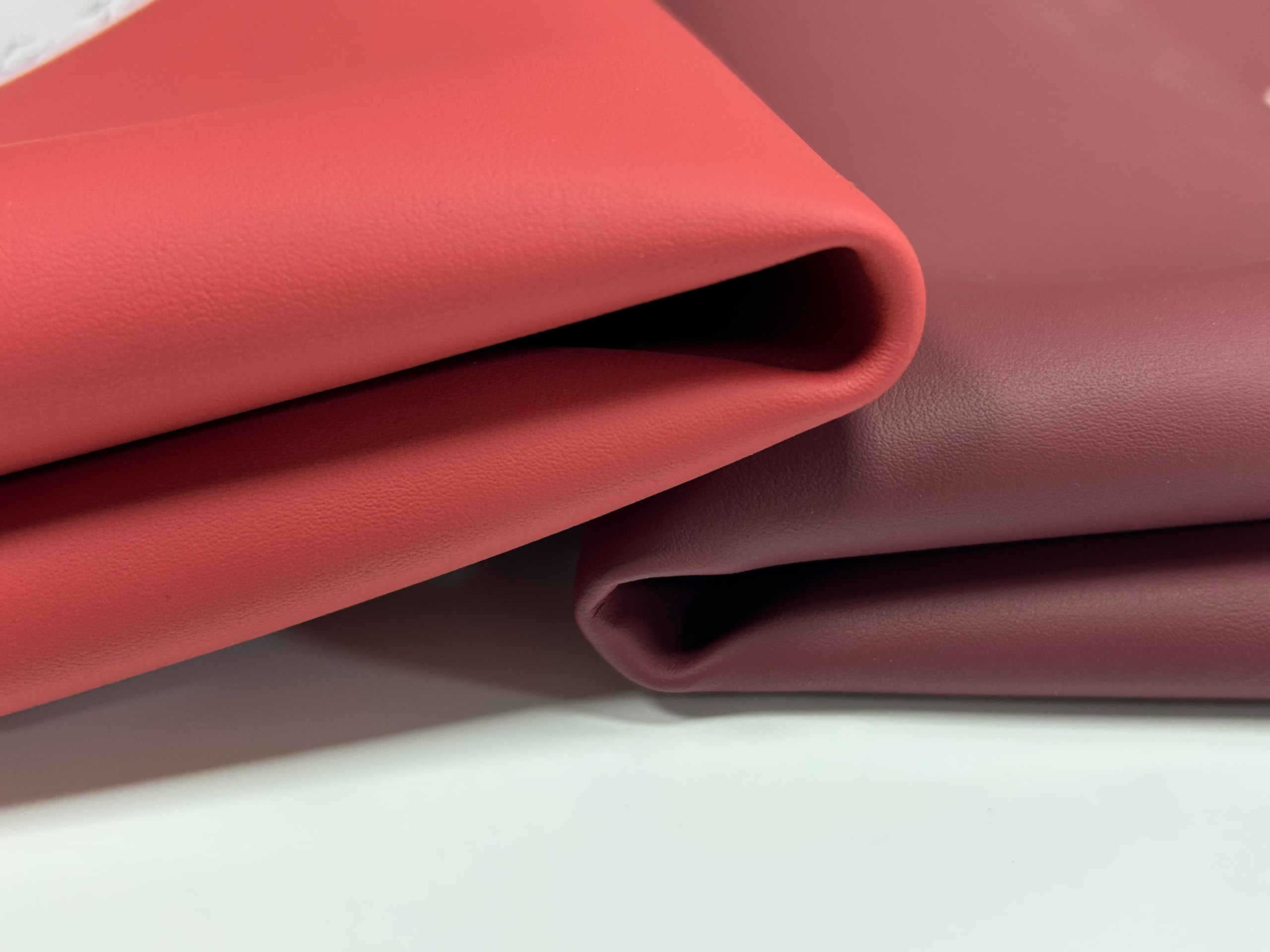
In automotive seat production, PVC leather is placed on the outer layer that passengers directly touch. This includes the seat surface and visible wrapping areas. It is not used as a load-bearing material. It works as a protective and decorative layer. I often explain to new buyers that PVC leather is similar to a “skin layer” of the seat system. It defines appearance and touch feeling. In real factory production, the leather is cut, stitched, and then wrapped over foam. The stability of PVC leather affects how smooth the final seat surface looks after assembly.
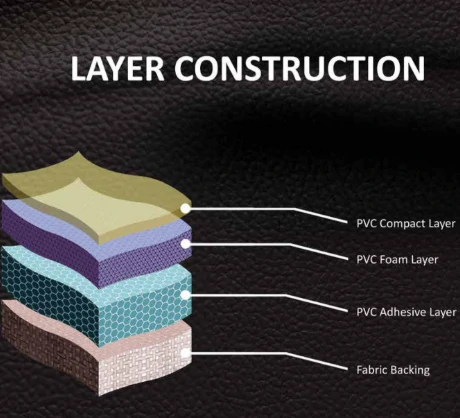
Car seats are not uniform structures. It is a multi-layer composite structure, usually including:
- Surface texture layer
- Foam layer
- Backing fabric layer
Typical PVC Leather Surface Styles Used in Car Seat Design
In automotive interiors, seat leather is one of the materials that most directly impacts the sense of “premium quality” and “comfort.” PVC artificial leather is widely used in car seats due to its advantages such as controllable cost, wear resistance, water resistance, and ease of cleaning.
However, many people overlook one point: PVC isn’t just about “color”; the texture is the key factor that truly determines its quality.
Below, we’ll explain the characteristics and applicable scenarios of several common PVC textures for car seats from a practical application perspective.
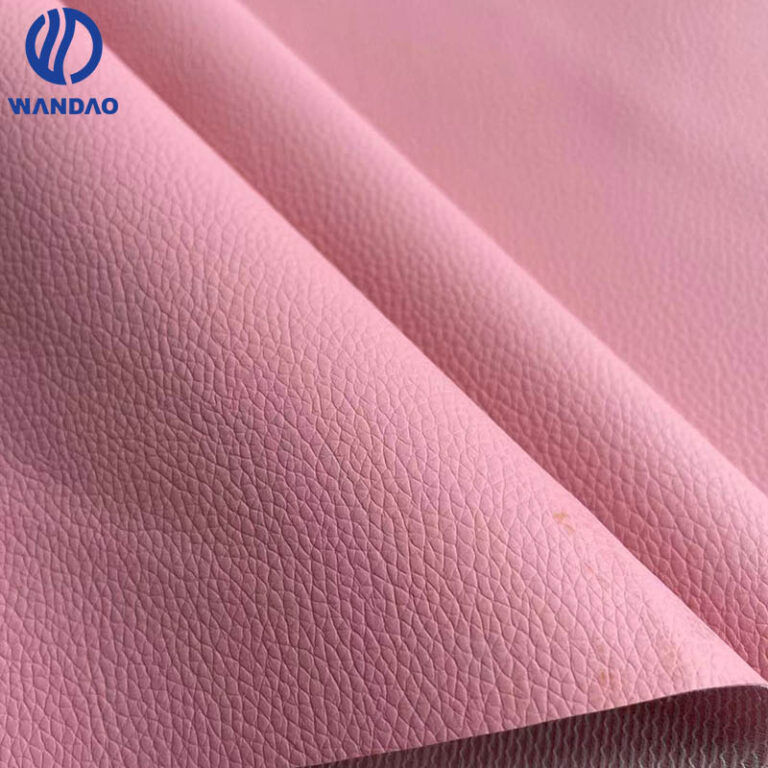
1.Lychee pattern
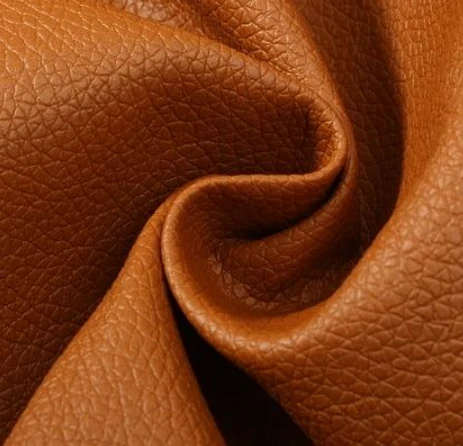
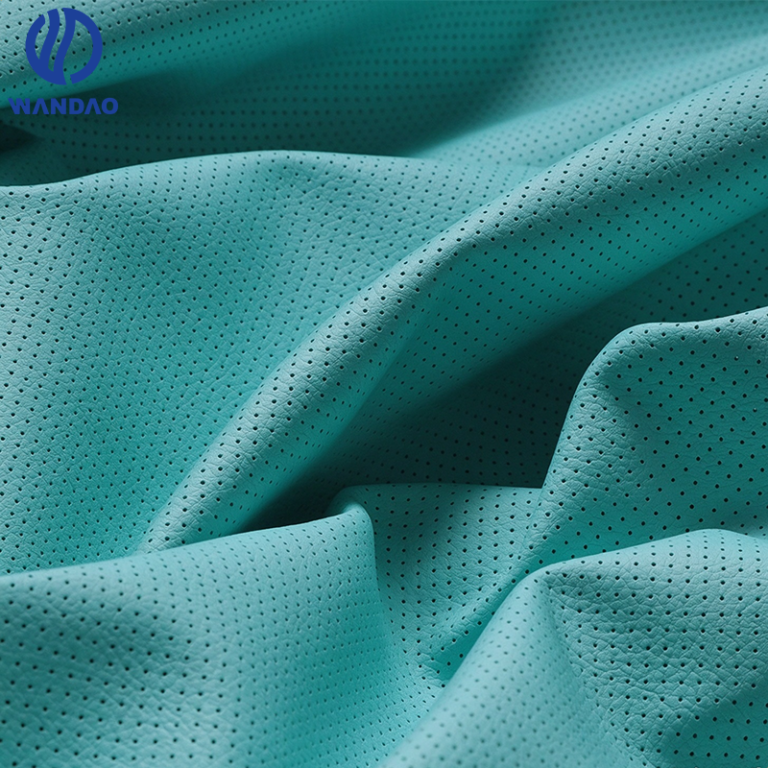
- Features: Finely textured surface; soft, non-glaring visual appeal; balanced feel (neither rough nor slippery)
-
Advantages: Aesthetically pleasing and versatile; resistant to scratches; suitable for mass-produced vehicles
-
Common Applications: Passenger car seats; Ride-hailing/taxi interiors; Mid-range SUVs
Summary: The lychee grain pattern is a “safe” choice.
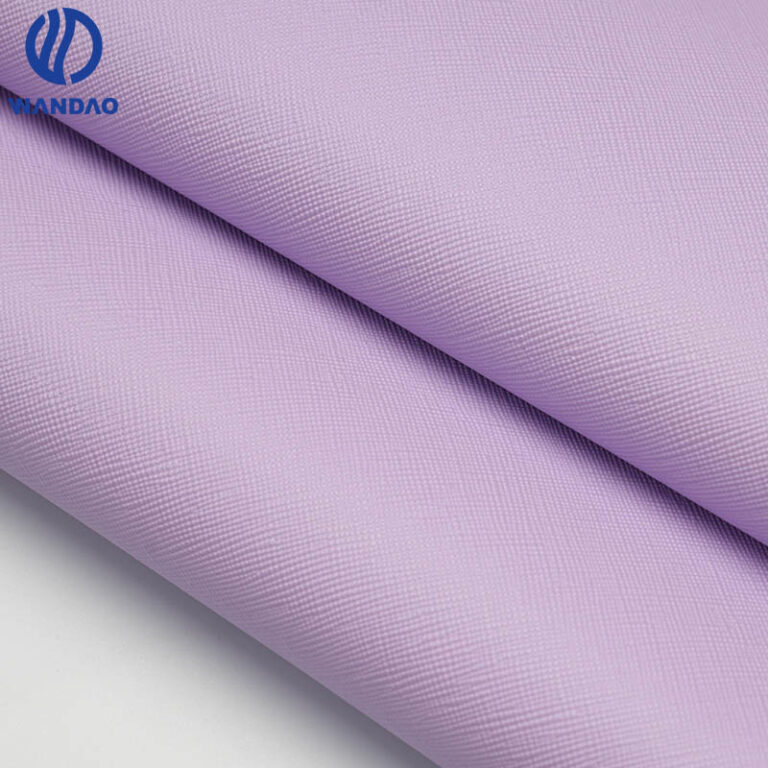
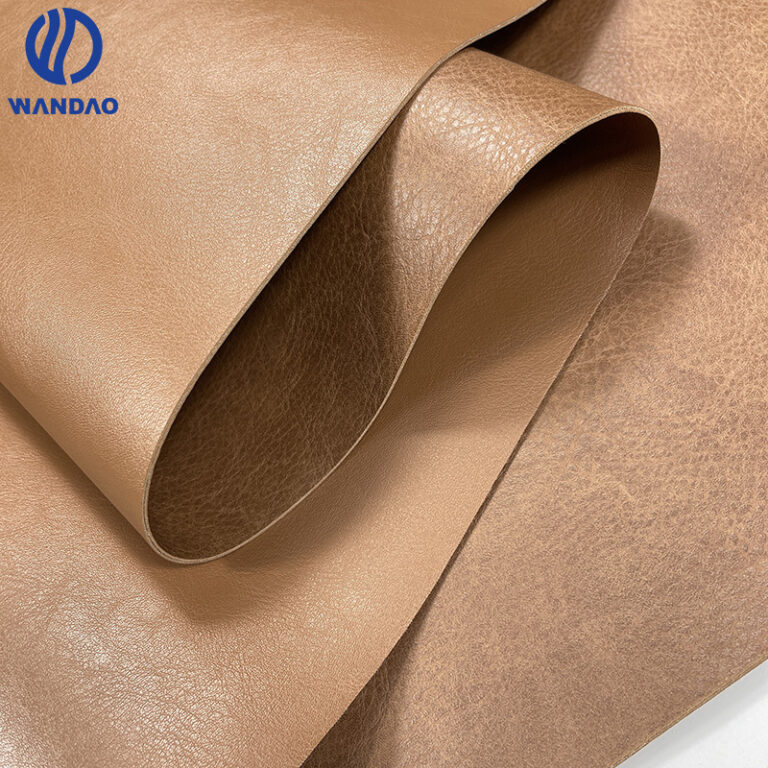
2.Napa pattern
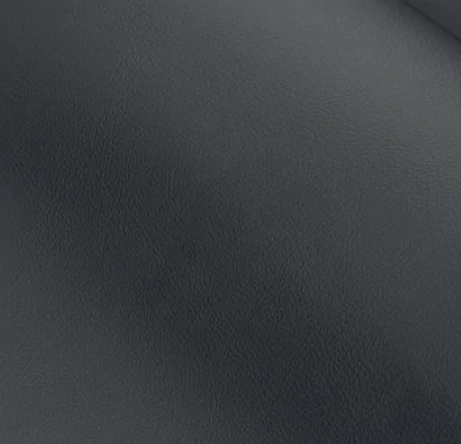
- Features: Finer and smoother texture; visually close to genuine leather; softer light and shadow.
- Advantages: Strong sense of luxury; suitable for “comfort seat” positioning; better aligns with the interior trends of new energy vehicles.
- Common Applications: Interiors of new energy vehicles (EVs); seats in high-end models; business/executive vehicles.
Summary: the Napa grain offers a premium and understated visual appearance.
3.Big lychee pattern
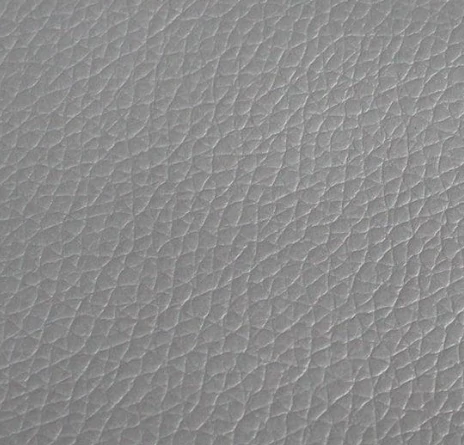
- Features: Larger, more prominent grains; Stronger visual impact; More rugged style
- Advantages: More scratch and wear resistant; Suitable for high-intensity use; Less prone to showing dirt
- Common Uses:SUV seats; Commercial vehicles, construction vehicles; Taxi back seats
Summary: Coarser texture is more durable and suitable for high-wear applications.
Regardless of the texture, it depends on your needs.
Typical PVC Leather Backing Used in Car Seat Design
In the realm of PVC leather for car seats, many people focus on the surface texture and color, but what truly determines the material’s durability, ease of manufacturing, and seating comfort is the backing fabric.
It is the “skeleton layer” of the PVC leather, and different backing fabric structures directly affect the overall performance of the material.
1.Knit Backing
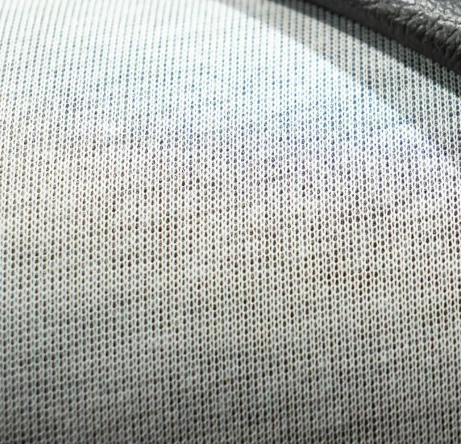
- Features: Composed of polyester knitted structure; possesses good elasticity and extensibility; has a soft hand feel.
- Advantages: Adaptable to complex seat shapes (strong coverage); wrinkle-resistant; good molding performance; suitable for mass production of automotive interiors.
Summary: Knitted soles = “the most balanced and versatile choice”
2.Nonwoven Backing
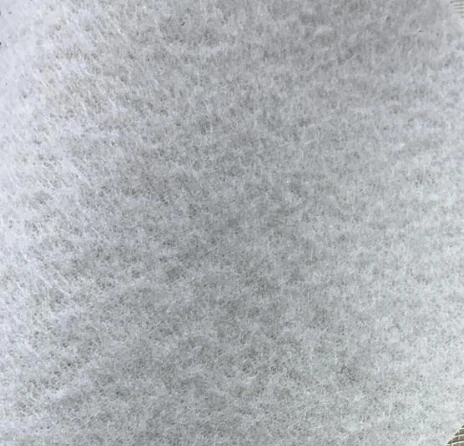
- Features: Made from randomly laid-out and pressed fibers; stable structure but low elasticity; relatively “dry” and “hard” surface.
- Advantages: Lower cost; uniform and stable thickness; good resistance to deformation; suitable for flat or slightly curved surfaces.
Summary:Stable structure and affordable price
3.Woven Backing
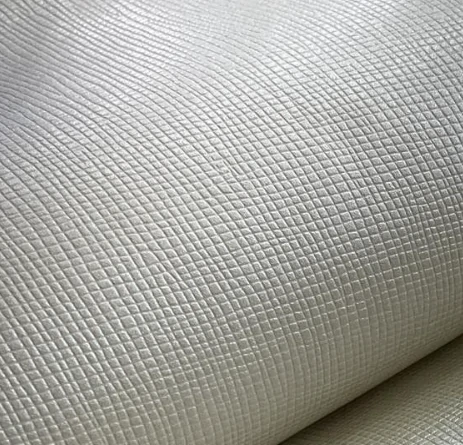
- Features: Tightly interwoven warp and weft structure; High strength and structural stability; Low deformation rate.
- Advantages: Highest tensile strength; Not easily deformed; Suitable for high-frequency applications; Long service life.
Summary:Durable and stable
Of course, our company also offers a variety of bottom designs, and we welcome inquiries from buyers all over the world for customized designs.
PVC vs PU Leather for Car Seats
When choosing materials for car seats, PVC leather and PU leather are the two most commonsynthetic options. They look similar, but their performance, price, and best-use scenarios arequite different. PVC leather is known for its excellent durability, water resistance andcost-efficiency, making it ideal for high-traffic vehicles, commercial fleets, and budget-friendlymodels. PU leather, on the other hand, offers a softer touch, better breathability and morepremium appearance, which is often used in mid-to-high-end vehicles.
| Feature | PVC Leather | PU Leather |
|---|---|---|
| Durability | Higher | Medium |
| Cost | Lower | Higher |
| Softness | Medium | Softer |
| Heat Resistance | Good | Better |
| Maintenance | Easy | Moderate |
PVC is more commonly used in:
- Entry and mid-range vehicles
- Commercial vehicles
- High-wear seating applications
PU is more often used in:
- Luxury interiors
- Premium soft-touch seating
Advantages of PVC Leather in Automotive Seats
PVC leather is widely used in automotive seat manufacturing due to its balanced performance between cost, durability, and functionality. Compared with other upholstery materials, it offers several practical advantages that make it suitable for mass vehicle production and high-frequency use environments.
1. High Durability and Wear Resistance
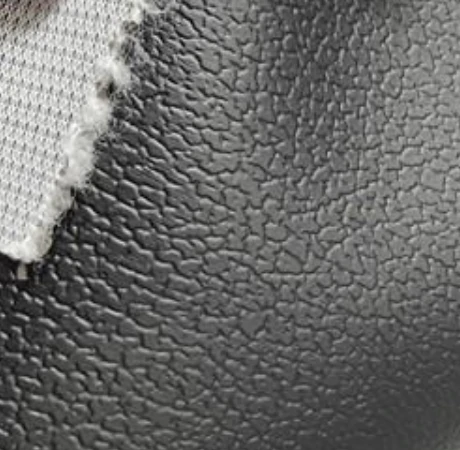
One of the main advantages of PVC leather is its strong resistance to wear and mechanical stress. It can withstand frequent seating, friction, and long-term usage without easily cracking or deforming.
This makes it especially suitable for:
- Taxi and ride-hailing vehicles
- Commercial fleets
- Family cars with daily use
2.Easy Maintenance and Cleaning
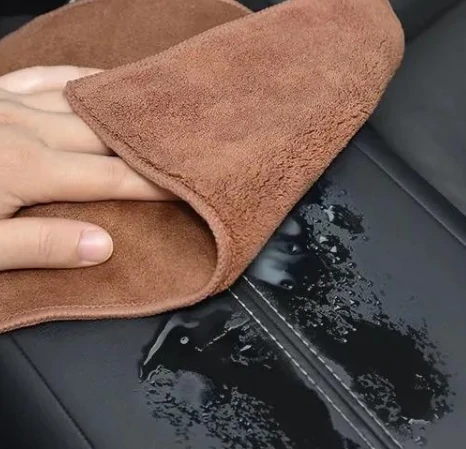
PVC leather is highly practical in real-world automotive use because it is:
- Water-resistant
- Stain-resistant
- Easy to clean with a simple wipe
This makes it ideal for vehicles that require low-maintenance interiors.
3.Flexible Design and Texture Options
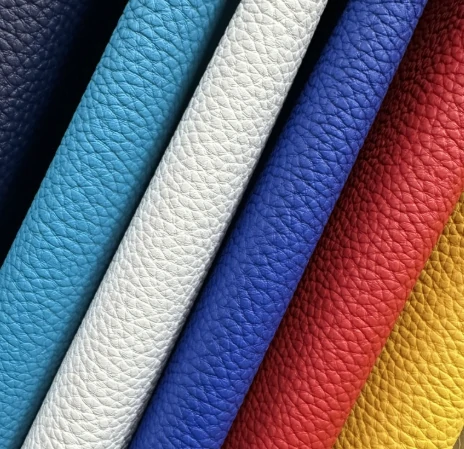
PVC leather supports a wide range of design customization, including:
- Lychee grain
- Fine grain
- Embossed patterns
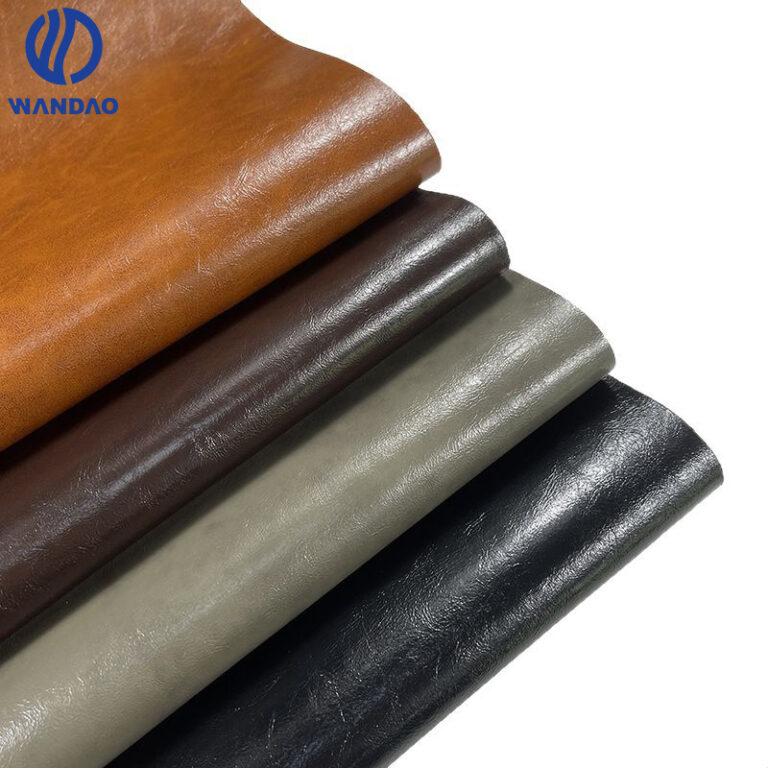
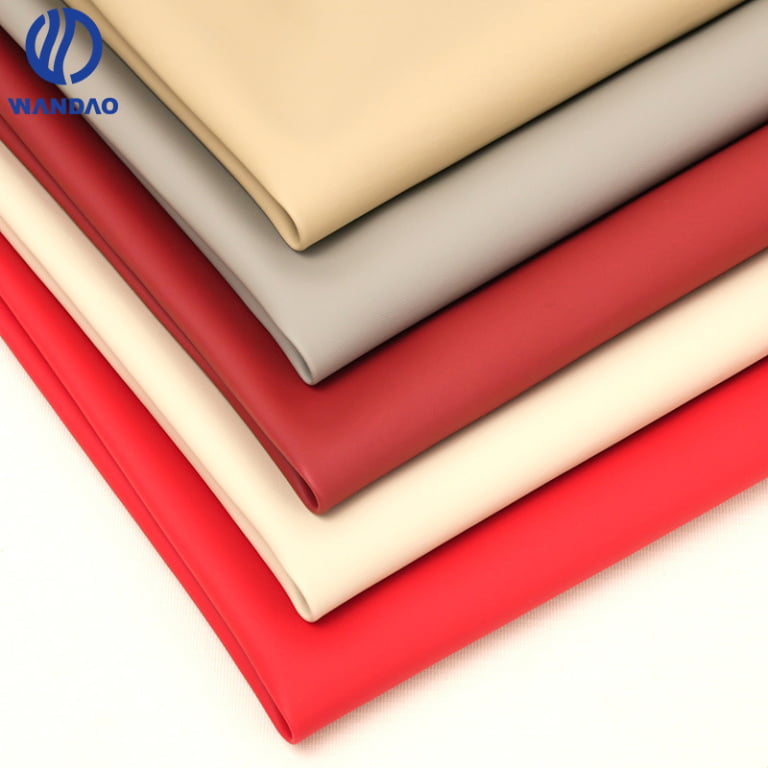
- Multiple color options
This allows automotive manufacturers to match different interior styles and brand positioning.
Overall, PVC leather provides an ideal combination of affordability, durability, and ease of maintenance for automotive seat applications. Its strong wear resistance, water resistance, and design flexibility allow it to meet the demands of different vehicle segments, from passenger cars to commercial fleets. With stable performance in mass production and long service life under frequent use, PVC leather continues to be one of the most practical and widely adopted materials in the automotive seating industry.
Frequently Asked Questions
Q1: Is PVC leather good for car seats?
Yes, PVC leather is widely used for car seats due to its durability, cost efficiency, and easy maintenance.
Q2: What is the difference between PVC and PU leather in car seats?
PVC is more durable and cost-effective, while PU is softer and more premium in feel.
Q3: Which is better, PU or PVC leather?
PVC leather often outperforms PU leather in terms of durability, water resistance, and cost-effectiveness. While PU leather offers a soft and natural feel, it’s not as tough or resistant to environmental factors as PVC leather.
Q4: How long does PVC leather last in car seats?
High-quality automotive PVC leather can last several years under normal usage conditions.
Q5: What is PVC leather made of in car seats?
It consists of a surface layer, foam layer, and backing fabric layer.
Q6:How long does PVC leather last?
PVC (polyvinyl chloride) leather typically lasts between 3 to 10 years, depending heavily on the material’s grade and how it is maintained. While highly durable, waterproof, and resistant to stains, it lacks the breathability of real leather and can eventually stiffen or crack with age and heavy use.