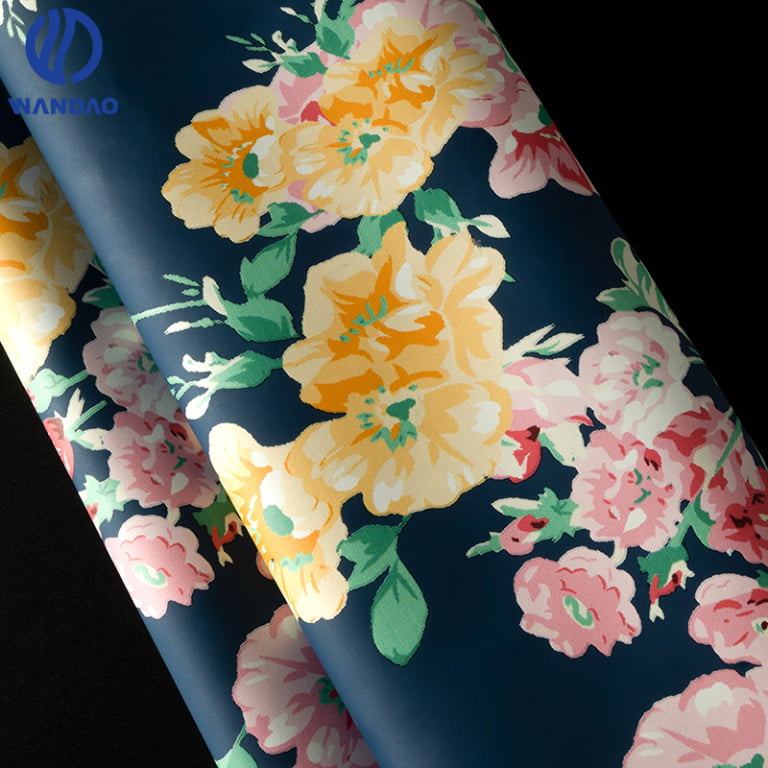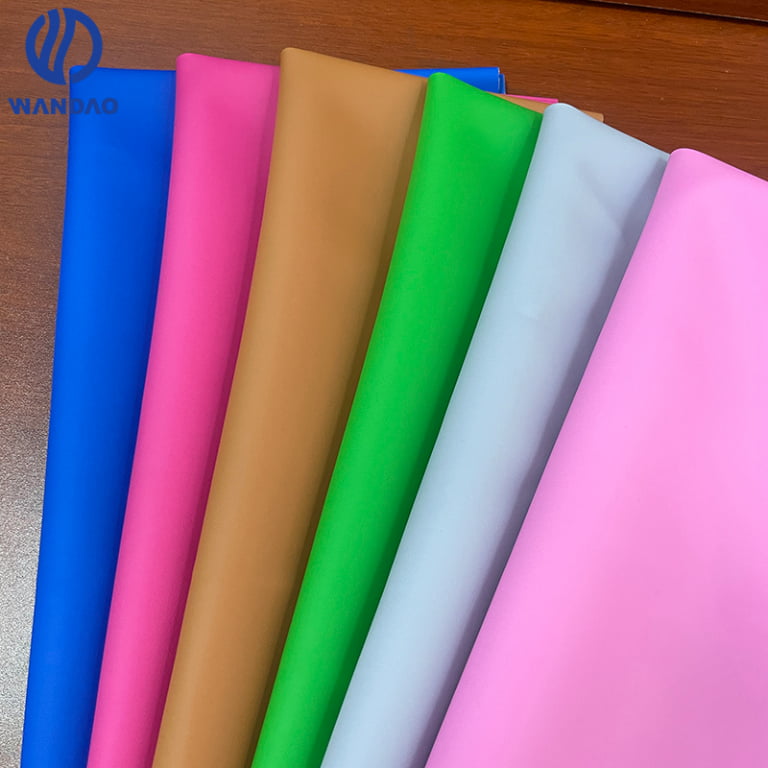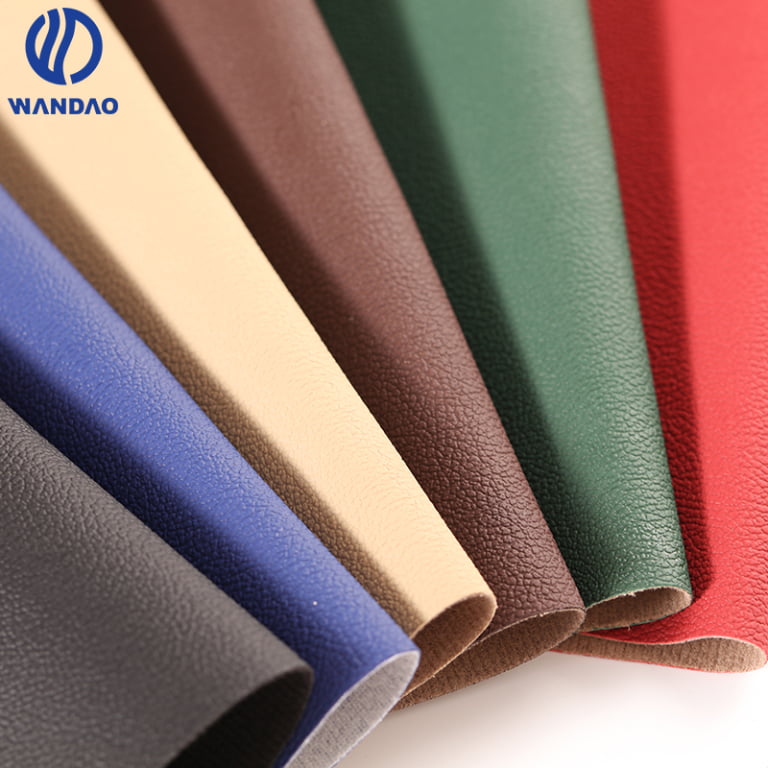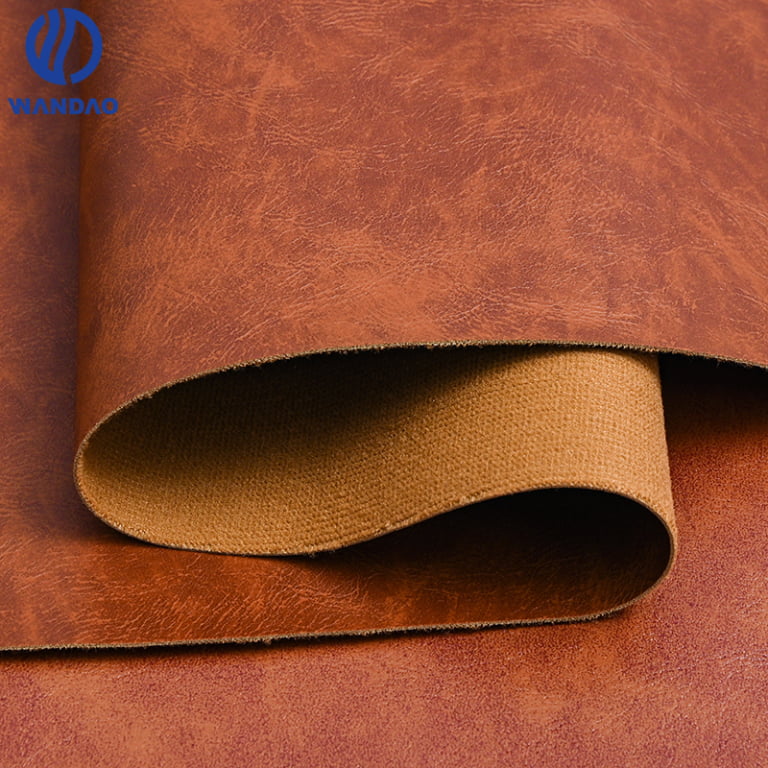
 Silicone upholstery can be attractive where strong stain release and aggressive cleaning are the leading priorities, but it normally sits in a higher-cost material conversation. PVC remains a practical option when price, texture flexibility, routine cleanability, and reliable manufacturing are more important than a premium surface system.
Why Is PVC Leather Suitable for Dining Chairs?
PVC leather for dining chairs refers to a PVC-coated or PVC-laminated textile used as the visible upholstery cover on residential, restaurant, hospitality, café, school, or contract dining seating.
The main functional advantage is the continuous coated face. When coffee, food crumbs, sauce, or another everyday spill reaches the seat, staff can often remove it with prompt wiping rather than allowing it to penetrate an exposed textile. This is particularly useful in restaurants, where many people use the same seating and cleaning may take place repeatedly during a service day. The benefit depends on the topcoat, grain, seams, needle holes, edges, and cleaning instructions; it is not a guarantee that every PVC chair is waterproof.
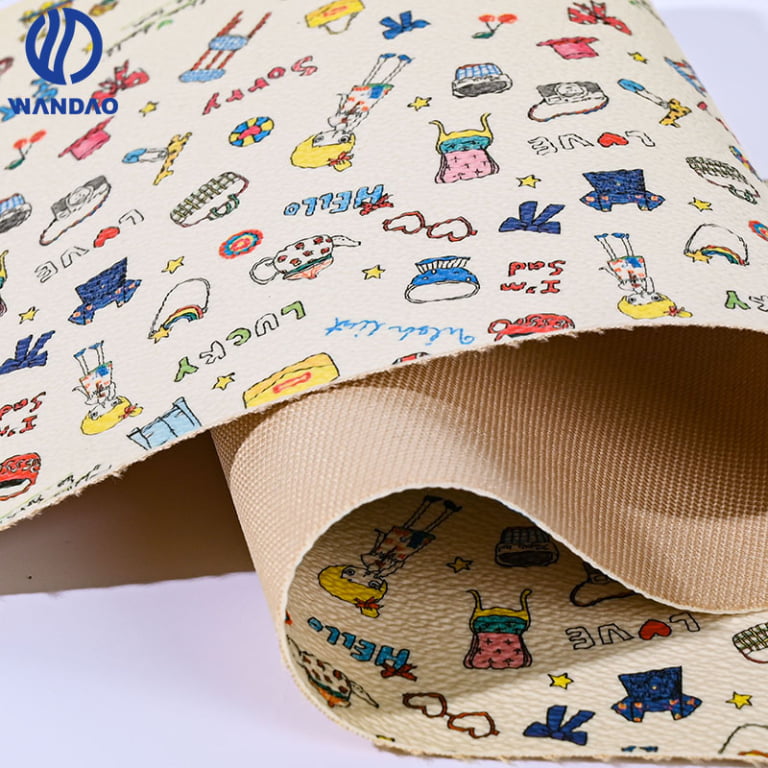
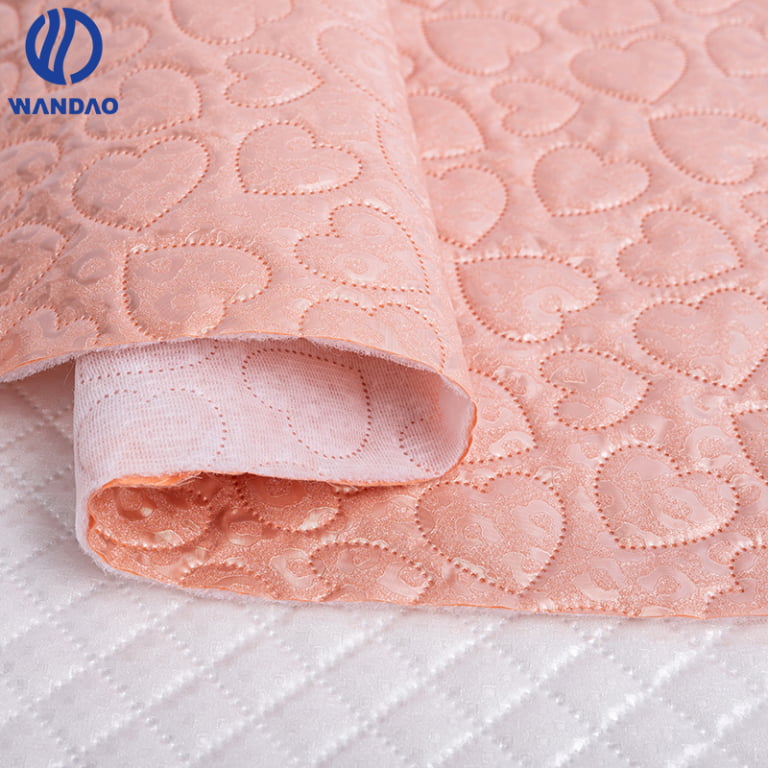
PVC is also useful for appearance-led dining furniture. The face can be embossed or printed with fine leather grain, litchi or pebble grain, Nappa-style grain, micro-wrinkle, fabric-look patterns, two-tone effects, or custom designs. Matte, satin, and high-gloss finishes change the way the grain reflects light. That allows a manufacturer to create a more decorative restaurant or dining-room collection without changing the underlying chair frame.
Silicone is worth considering when stain release, surface cleanability, or chemical exposure is more demanding than the budget permits for ordinary PVC. Its higher purchase price can be justified in selected premium hospitality, healthcare-adjacent, or heavily maintained environments, but it should be compared on a complete installed and maintenance basis. A more expensive polymer does not remove the need to test seams, backing, colour, fire performance, and the finished chair.
| Dining-chair need | Why PVC may fit | What must still be checked |
|---|---|---|
| Restaurant spill response | Continuous face supports prompt wiping of many surface spills. | Oil, food, cleaner, disinfectant, seam, edge, and liquid-penetration behavior. |
| Budget-sensitive furniture | Often lower material-cost position than premium silicone or high-spec synthetic alternatives. | Like-for-like construction, usable width, roll yield, testing, freight, and replacement cost. |
| Decorative dining collection | Many embossed and printed textures, colours, gloss levels, and custom options. | Pattern repeat, colour consistency, scratch visibility, cleaning access, and topcoat retention. |
| High-use contract seating | Can be specified against separate abrasion, tear, adhesion, flex, and seam requirements. | Test method, abradant, edge loading, food/oil exposure, and assembly-level fire requirements. |
For indoor coated upholstery, the Association for Contract Textiles (ACT) identifies 30,000 Wyzenbeek double rubs as potentially appropriate for dining areas and 50,000 double rubs as a high-traffic/public-space coated-fabric guideline under the specified method. [ACT coated-fabric abrasion guideline] These are selection references, not a conversion into years or a claim that 100,000 cycles is automatically twice as good as 50,000.
Action recommendation: Define the dining environment before choosing PVC: household, café, restaurant, hotel banquet, school, or contract dining. Then specify the actual food, oil, cleaning, abrasion, seam, and fire risks instead of relying on “waterproof vinyl.”
What Thickness, Grain, and Surface Finish Should Dining-Chair Buyers Specify?
Dining-chair PVC specification refers to selecting total thickness, grain relief, gloss, topcoat, and backing as one construction package for the chair’s shape and maintenance routine.
A total-thickness inquiry range of 0.7–1.2 mm is a reasonable starting point for many dining-chair development projects. It is not a mandatory standard. Total thickness may include a compact skin, expanded PVC or foam, adhesive, and textile backing, so two materials with the same caliper can have very different wear skins, hand feels, and sewing behavior. Ask the supplier to state the measurement method and whether the number is total thickness or face-film thickness. [ISO 7617-1] is a relevant reference for PVC-coated knitted fabrics for interior upholstered furniture and uses the coated-fabric measurement framework.
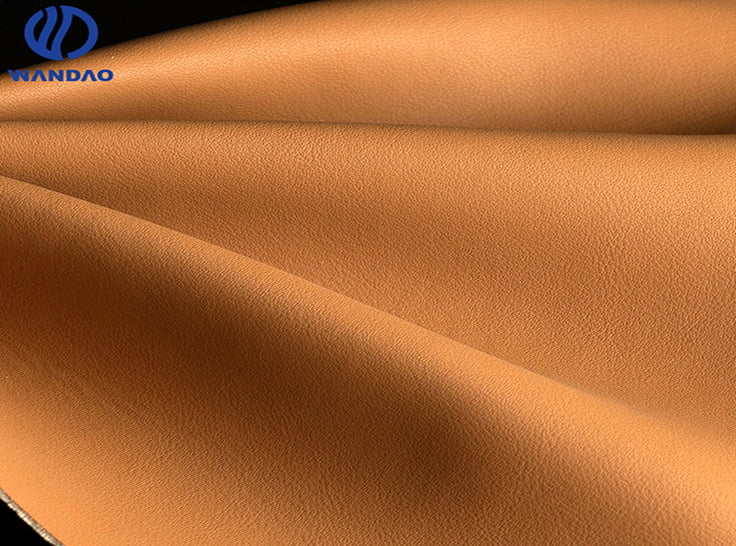
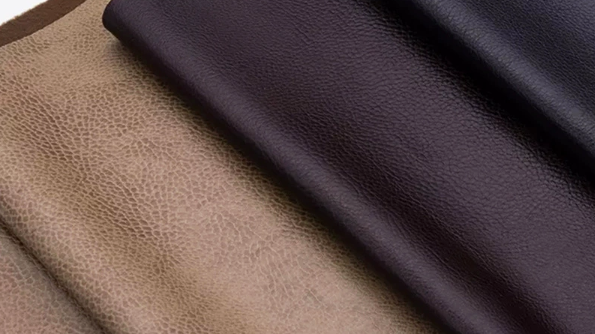
For restaurants, litchi or pebble grain is often considered because its visible relief gives the chair a stronger leather character and can make small visual marks less prominent. Nappa-style or fine grain produces a quieter and more refined surface for modern dining rooms, hotel restaurants, and premium-looking chairs. Fine leather grain and micro-wrinkle sit between those directions. The texture should be selected with cleaning access in mind: deep valleys may hold food residue, grease, or cleaning liquid and can require more brushing or wiping.
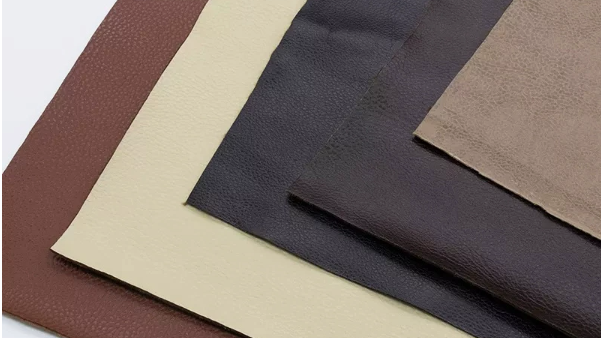
Gloss changes both design perception and maintenance visibility. Matte and semi-matte finishes reduce glare from restaurant lighting and can make an embossed surface appear less plastic-like. High-gloss finishes create stronger reflection and may sharpen printed effects, but fingerprints, scratches, scuffing, and gloss loss can become more noticeable. A glossy surface is not automatically more water-resistant than a matte surface; the coating chemistry and construction determine the relevant performance.
| Design direction | Potential dining-chair use | Procurement control |
|---|---|---|
| Litchi or pebble grain | Casual restaurants, cafés, family dining, and visible leather-look collections | Check grease/soil retention in valleys, cleaning time, stain response, and grain consistency. |
| Nappa-style or fine grain | Contemporary restaurants, hotel dining, premium-style chairs | Check topcoat scratch resistance, colour variation, and appearance under directional lighting. |
| Fine leather or cowhide grain | Broad collection use, including contract dining and coordinated furniture ranges | Approve physical grain repeat, gloss, hand, colour, and surface finish. |
| Fabric-look or printed grain | Projects seeking a warmer textile visual with a coated wipe-clean face | Test print adhesion, abrasion, flex, food/oil staining, and cleaner compatibility. |
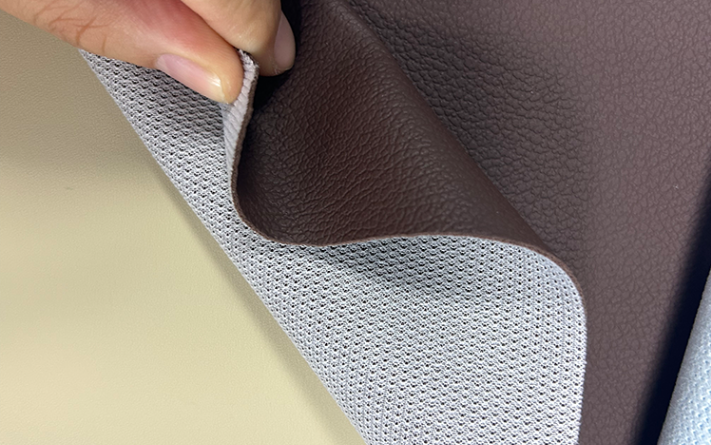
When I compare dining-chair samples, I do not judge the face first and ignore the reverse. I turn the swatch over, check the backing, bend it around a representative corner, and look at the grain after the material has been pulled over foam. That simple observation helps distinguish a visually attractive sample from a construction that can actually be cut, sewn, and installed consistently.
Action recommendation: Put total thickness, backing type, grain reference, gloss target, topcoat, and colour standard on the approval sheet. Treat 0.7–1.2 mm as a development range only, then finalize the tolerance after the actual chair trial.
How Should Buyers Evaluate Water, Oil, and Abrasion Resistance?
Dining-chair resistance testing refers to measuring how the finished PVC upholstery responds to liquid, food oils, rubbing, cleaning chemicals, flexing, and localized seam or edge stress.
Water resistance and oil resistance are related but different. A non-porous PVC face may shed a wiped spill, while cooking oil, sauce, dye transfer, or repeated chemical cleaning can interact with the topcoat differently. A finished chair also has seams, needle holes, staples, piping, and cut edges. If the chair must resist liquid penetration rather than only surface wetting, test the assembled cover or seam construction as well as the material panel.
For frequent commercial or restaurant use, a buyer may request a target of 50,000–100,000 Martindale cycles. This target must be written carefully because Martindale results from different methods, abradants, loads, and endpoints are not directly comparable. For coated upholstery, the buyer should ask whether the test evaluated the coated face, what endpoint was used, and whether the report is actually suitable for a PVC-coated fabric. ACT cautions that abrasion results alone do not predict product lifespan. [ACT abrasion testing guidance]
| Risk | What to test | Acceptance record |
|---|---|---|
| Surface water or beverage spills | Named water or hydrostatic-pressure method; include seam/assembly test if penetration matters | Face orientation, pressure or exposure time, penetration location, seam result, and visual change. |
| Food oil and sauces | Application-specific stain and cleaner panel, such as ASTM D1308 or an agreed procedure | Oil/food agent, dwell time, cleaning solution, wipe cycles, stain, colour/gloss change, tack, and cracking. |
| Frequent rubbing | Martindale only when the exact coated-face method is agreed; otherwise ASTM D4157 or ISO 5470-2 as appropriate | Method, abradant, load, cycles, direction, specimen, and failure endpoint. |
| Restaurant cleaning | Exact detergent, degreaser, disinfectant, alcohol, or bleach protocol used by the operator | Concentration, dwell time, wipe cycles, rinse, drying, colour/gloss change, tack, peeling, and adhesion. |
| Chair edge and seam stress | ASTM D751 adhesion, tear, tack tear, tensile, and flex plus a production upholstery trial | Failure location: face, backing, thread, needle holes, adhesive, foam, or seam interface. |
For comparison, ACT’s voluntary coated-fabric guidance lists 3 lbf/in minimum coating adhesion, 50 lbf breaking strength in each direction, and substrate-specific seam or tack-tear minima of 25 × 25 lbf for woven, 30 × 25 lbf for knit, and 35 × 35 lbf for nonwoven or nonwoven-composite constructions. It also lists 25,000 ASTM D2097 flex cycles without appreciable crazing, cracking, whitening, or delamination. [ACT coated-fabric physical-properties guidance] Use these values only when the project adopts the guideline and the material construction fits its scope.
Silicone may offer stronger stain-release potential in some applications, but the material’s price, hand, sewing behavior, and fire/cleaning package must be considered together. PVC is often the more economical choice when the restaurant needs good routine wipeability and acceptable food/oil performance without moving to a premium coating system. Neither material should be approved from a generic “easy-clean” statement.

Action recommendation: Write a dining-specific challenge panel before sampling: water, coffee, cooking oil, sauces, food residue, ink or dye transfer, detergent, degreaser, and the operator’s disinfectant. Approve the exact PVC colour, grain, topcoat, and seam after repeated exposure.
How Should PVC Leather Be Selected for Restaurants, Hotels, Cafés, and Other Dining Areas?
Application-based dining-chair selection refers to matching PVC construction and surface design to occupancy, cleaning frequency, food exposure, chair geometry, and regulatory requirements.
A home dining chair may receive occasional spills and moderate cleaning. A restaurant chair may be moved continuously, contacted by clothing hardware, exposed to cooking oil, and wiped several times a day. Hotel banquet seating may need appearance consistency across many chairs and a defined fire package. A school or institutional dining chair may require robust cleaning and a client-specific compliance schedule. The surface choice should follow the most demanding credible use, not the least expensive swatch.
| Application | Recommended starting direction | Priority evidence |
|---|---|---|
| Residential dining chair | 0.7–1.0 mm total thickness; fine leather, Nappa-style, or subtle litchi; matte or satin | Hand feel, stain response, colourfastness, flex, seam behavior, and household cleaner compatibility. |
| Café and casual restaurant | 0.8–1.1 mm; low-to-medium litchi or fine grain; matte or semi-matte | Food/oil stain panel, repeated wipe-down, abrasion, tack tear, edge wear, and colour consistency. |
| High-traffic restaurant | 0.9–1.2 mm; low-relief litchi, fine grain, or durable printed effect; protective topcoat | 50,000–100,000 Martindale target only with method defined, or an agreed coated-fabric method; add flex, adhesion, tear, seam, and cleaner testing. |
| Hotel banquet or hospitality seating | 0.8–1.2 mm; fine leather, Nappa-style, or subdued pebble; matte/satin for appearance control | Large-sample colour/gloss approval, cleaning, lightfastness, fire assembly, abrasion, and replacement-lot consistency. |
| School or institutional dining | Stable backing, low-relief grain, and finish selected for routine custodial cleaning | Exact cleaner/disinfectant, seam and staple-zone strength, abrasion, fire, and chemical documentation. |
| Premium stain-sensitive project | Compare tested PVC with silicone upholstery before selecting a higher-cost system | Like-for-like stain, cleaner, abrasion, flex, seam, hand, lifecycle cost, and warranty evidence. |
In a commercial project, the purchase order should state the chair application, target thickness, backing, grain, colour, gloss, usable width, roll length, cleaning chemicals, abrasion method, and required fire standard. [ISO 7617-1] is relevant to PVC-coated knitted upholstery fabrics, while [ASTM D751] provides coated-fabric methods for strength, tear, adhesion, and related properties.
Fire compliance belongs to the finished furniture system. For U.S. upholstered furniture within the applicable scope, [16 CFR Part 1640] incorporates TB 117-2013 requirements for relevant components. Other projects may require EN 1021, BS 5852, NFPA 260, or a local standard. A PVC face that passes one test does not automatically qualify a chair with different foam, barrier, adhesive, decking, or construction.
Action recommendation: Create separate approval profiles for residential, casual food service, high-traffic restaurant, hotel banquet, and institutional chairs. Do not transfer one material’s thickness, gloss, or abrasion result across all applications without a new risk review.
What Should a Dining-Chair PVC Purchase Checklist Include?
A dining-chair PVC purchase checklist refers to the documented controls used to approve the sample, release production, inspect delivered rolls, and manage later replenishment.
- Construction: face polymer, topcoat, total thickness, backing type and weight, foam or adhesive layers, usable width, roll length, grain, gloss, colour, and direction.
- Commercial terms: price unit, roll or metre basis, MOQ, tooling, sampling, testing, packaging, freight, replacement policy, and lead time.
- Physical performance: tensile, tear, coating adhesion, tack tear or sewn seam, flex, abrasion, and low-temperature performance when relevant.
- Surface performance: water, oil, food, stain, cleaner, disinfectant, alcohol, colourfastness, gloss retention, and scratch or mar behavior.
- Production trial: actual dining-chair foam, seam, piping, thread, needle, stitch, staple, corner radius, and upholstery tension.
- Bulk inspection: colour difference, gloss variation, grain repeat, pinholes, bubbles, exposed backing, creases, contamination, tackiness, odor, thickness, usable width, roll length, paper core, edges, and labels.
- Traceability: production lot, raw-material lot, colour batch, backing lot, roll number, test report, retained swatch, and change-control record.
When checking roll dimensions, distinguish nominal width from usable width and declared length from measured length. [ISO 2286-1] provides a framework for measuring roll length, width, and net mass of plastics-coated fabrics. A roll label should be reconciled with the actual unwind, not accepted solely because the printed number looks correct.
For a high-use restaurant chair, do not release the lot after only a swatch review. Inspect representative rolls and run a cut-and-upholster trial. Look for grain distortion on the seat front, colour mismatch between adjacent chairs, seam puckering, needle-hole enlargement, surface whitening at corners, oil staining, cleaner haze, and loss of gloss or tack after cleaning.
Action recommendation: Sign off the physical master and production trial before bulk release. Require the supplier to provide lot-level traceability and to notify you before changing resin, plasticizer, backing, topcoat, emboss, colour process, or production location.
Frequently Asked Questions
PVC can provide a continuous, wipe-clean surface and a broad range of grain and colour options at a cost-conscious material position. It is suitable only when the exact finish, backing, seams, cleaner, food/oil exposure, and applicable tests match the restaurant environment.
A project may begin with a 0.7–1.2 mm total-thickness inquiry range. This is a development starting range, not a universal standard. Confirm whether the number includes the face, foam, adhesive, and backing, then approve it on the actual dining-chair construction.
They can be a project target when the exact Martindale method, abradant, load, specimen, and endpoint are defined. Do not compare the result directly with Wyzenbeek or another coated-face method. Add tear, seam, adhesion, flex, stain, oil, and cleaner testing.
Silicone can be attractive where stain release and aggressive cleaning are the leading priorities, but it generally belongs to a higher-cost material choice. PVC may be the better value when routine wipeability, texture choice, roll supply, and budget are more important. Compare complete constructions and tests rather than polymer names alone.
Litchi or pebble grain, Nappa-style fine grain, fine leather or cowhide grain, micro-wrinkle, and fabric-look effects are common design directions. Choose relief and gloss according to the restaurant’s cleaning access, lighting, appearance target, and food/oil exposure.
No. Seams, needle holes, piping, staples, zippers, edges, foam, and backing can allow liquid entry. If waterproofness or liquid containment matters, specify a named material or assembly test and evaluate the finished chair construction.