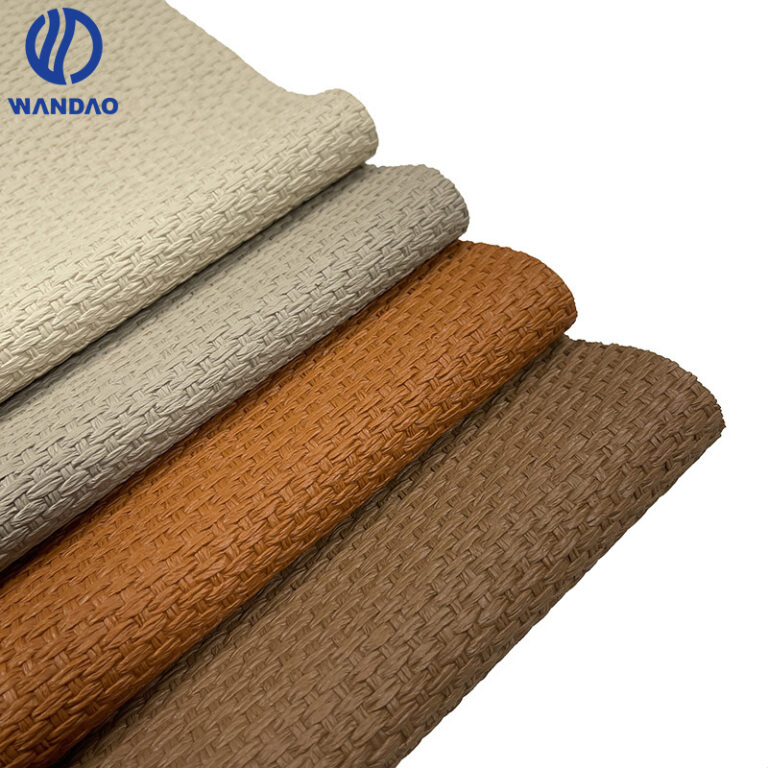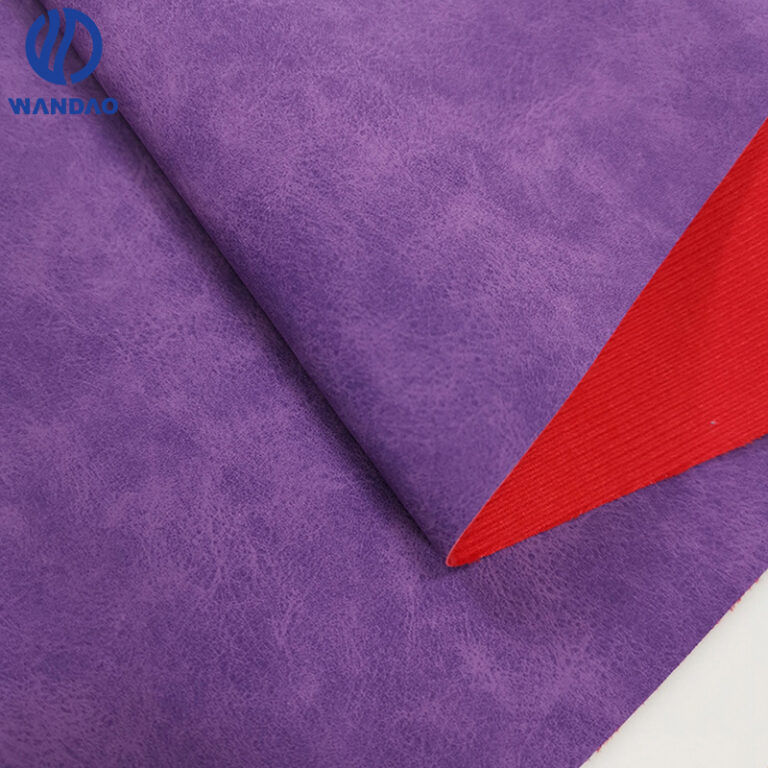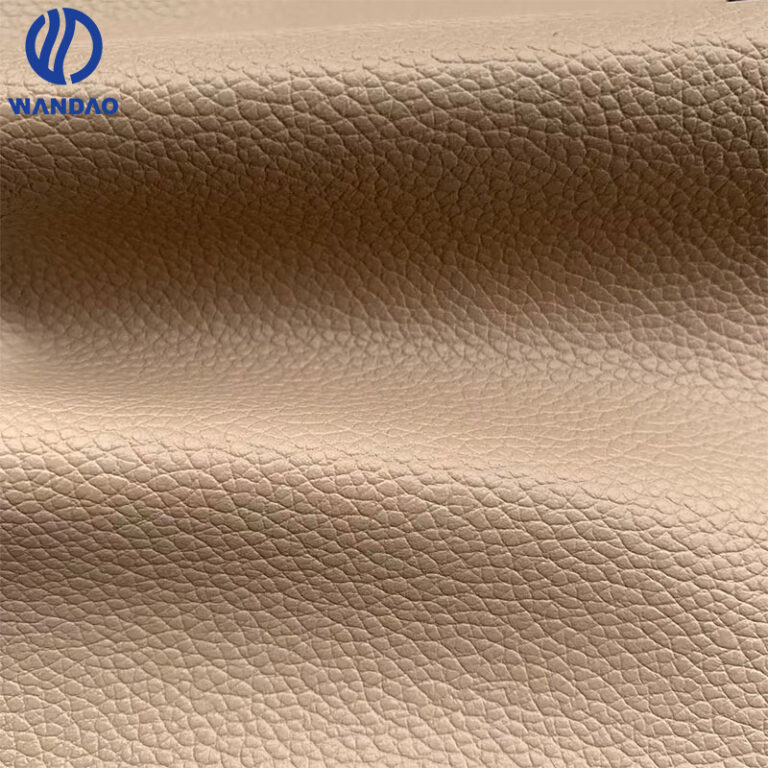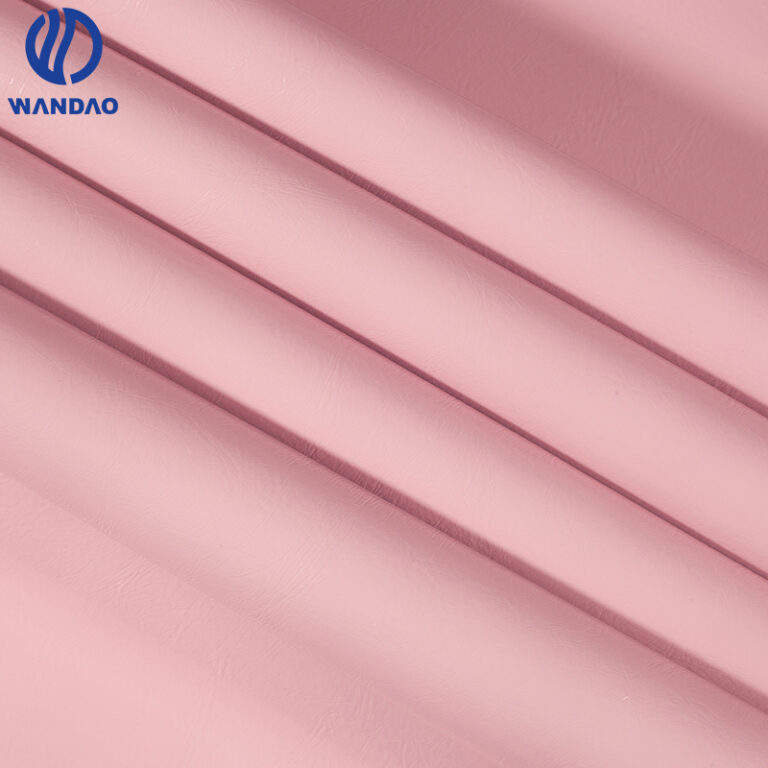
There is no single “best” material for sofa upholstery. The right choice between PVC leather and PU leather depends entirely on the end-use environment, target price point, cleaning demands, and brand positioning. This guide breaks down the real differences so sofa manufacturers, furniture brands, upholstery factories, purchasing managers, product developers, importers, wholesalers, and OEM/ODM buyers can make clear, data-backed decisions.
Market Landscape of PVC and PU Leather in Sofa Manufacturing
The market landscape of PVC and PU leather in sofa manufacturing refers to the relative scale, growth trajectory, regional demand patterns, and application split between the two materials across the global furniture upholstery sector.
Global synthetic leather market estimates vary by scope, but the direction is consistent. One major report places the market at USD 71.93 billion in 2024, projected to reach USD 93.25 billion by 2029 at a 5.33% CAGR. Another estimates USD 49.10 billion in 2025, rising to USD 103.91 billion by 2035 at 7.78% CAGR. [MarketsandMarkets] [Precedence Research]
Within this broader market, PU holds the larger share in most recent assessments, with one 2025 report attributing more than 53% to the PU segment. PVC remains significant in cost-sensitive and high-volume furniture programs, particularly in Asia. China accounts for a substantial portion of production and consumption; one dataset shows the China synthetic leather market at USD 8.39 billion in 2024, forecast to reach USD 24.07 billion by 2033 at 12.4% CAGR, representing 20.4% of global revenue in 2024. [Grand View Research] [MarketsandMarkets]
North America and Europe show stronger preference for higher-performance or lower-emission constructions, with Europe facing the most regulatory scrutiny on PVC plasticizers and solvent systems. Sofa and upholstery applications remain a core end-use for both materials, covering residential seating, commercial waiting areas, hospitality, and office furniture. Supply is still heavily concentrated in China, with additional capacity and technology inputs from other Asian and European producers. Company-level capacity data from one listed manufacturer illustrates the continued presence of both materials: 486 lakh linear metres per year of PVC-coated fabric versus 50 lakh linear metres of PU-coated capacity. [CARE Ratings]
Price ranges reported in industry coverage remain wide. Broad estimates place PVC leather roughly in the USD 0.5–3 per sq ft range and PU leather in the USD 2–3 per sq ft range for bulk, though actual factory quotes vary significantly by thickness, backing, finish, and order volume. The consistent pattern is that PVC sits at the lower end of the cost spectrum while PU commands a premium for hand-feel and positioning. [Yahoo Finance]
Actionable recommendation: Map every sofa program to a clear price tier and end-use channel before requesting samples. Start with PVC for high-volume, cost-driven lines and PU for mid-to-premium residential or export programs that emphasize touch and appearance.
Core Performance Differences Between PVC and PU Leather
Core performance differences between PVC and PU leather refer to the measurable gaps in abrasion resistance, hydrolysis behavior, flex durability, cleanability, breathability, flame response, and tactile properties that directly affect sofa service life and user experience.
Abrasion performance is one of the clearest differentiators. High-spec PVC upholstery constructions commonly exceed 100,000 Martindale rubs. Standard PU grades typically fall in the 30,000–80,000 range, although certain microfiber PU constructions can also clear 100,000. The ACT commercial benchmark for coated upholstery is 50,000 Wyzenbeek double rubs; both materials can meet or exceed this threshold depending on grade. [Mitchell Faux Leathers / ACT guidance]
Hydrolysis resistance is where the chemistry gap becomes critical. PVC is essentially unaffected by hydrolysis. PU is inherently vulnerable unless formulated with more resistant resin systems (polycarbonate preferred, then polyether; polyester is the least robust). The ACT-recommended test is ISO 1419 Method C (Tropical Test) at 70 °C and ≥95% RH, with a minimum of five weeks for general indoor contract upholstery. There is no direct conversion from test weeks to years of real-world service. [Contract Textiles / ACT]
Other practical differences include:
- Cleanability and chemical resistance: PVC generally handles water, disinfectants, and frequent wiping better because of its more impermeable surface.
- Breathability and hand-feel: PU is typically softer, more body-temperature adaptive, and more breathable.
- Flame response: PVC is inherently more fire-resistant; PU usually requires additional formulation support to meet the same codes.
- Low-temperature flexibility: PU generally remains more flexible in cold conditions; PVC can firm up depending on the plasticizer package.
Relevant standards include ASTM D4157 / Wyzenbeek and ISO 12947-2 (Martindale) for abrasion, ISO 1421 for tensile strength of coated fabrics, ISO 4674 / ISO 4675 for tear, ISO 5402-1 or ASTM D2097 for flex, ISO 1419 Method C for PU hydrolysis, and market-specific flammability rules such as BS 5852, EN 1021, NFPA 260, or California TB117. [CFFA Performance Products] [Contract Textiles]
In one recent production trial I observed at a mid-sized sofa factory, we ran parallel cutting and sewing trials on identical frame designs using a standard PVC grade and a mid-tier PU grade of similar thickness and weight. The PVC cut cleaner with less edge fraying and showed lower defect rates after the first 200 units. The PU, however, delivered noticeably softer seat and back cushions in the finished samples and required fewer complaints about “plastic feel” from the internal quality team. The difference was not dramatic in laboratory numbers, but it was immediately visible in the assembled product and in the sewing operators’ feedback on handling.
Actionable recommendation: Never accept a generic “high abrasion” or “hydrolysis resistant” claim. Require the exact test method, duration, and failure mode (cracking, flaking, delamination, color change) on the specific construction you intend to buy.
Procurement Price and Total Cost of Ownership Comparison
Procurement price and total cost of ownership comparison refers to the difference between the quoted price per square metre of PVC or PU leather and the full cost of converting that material into accepted, warrantied sofas over the product’s expected service life.
Public sources support a clear relative price ranking: PVC is typically the lower-cost option, with PU often carrying a 15%–35% premium. One market assessment places average PVC prices in the region of USD 8–18 per m², though real factory quotes for furniture-grade material are frequently lower and highly dependent on specification. Absolute numbers should be treated as directional only. [DataIntelo]
The more important calculation for OEM/ODM buyers is total cost of ownership. Material cost is only the starting point. Cutting yield, sewing efficiency, rework rates, warranty claims, and expected service life often dominate the final economics. PVC frequently wins on purchase price and can reduce cleaning-related complaints in high-traffic or high-disinfection settings. PU can deliver better TCO in mid-to-premium programs when its superior hand-feel reduces returns and its construction quality lowers long-term surface failures—provided hydrolysis resistance has been properly verified.
A practical TCO frame for sofa buyers is:
TCO per accepted sofa = (quoted material cost + cut waste + sewing labor + rework + warranty reserve + replacement reserve) / accepted units
Key levers include roll width consistency (affects nesting yield), defect rate, operator handling time, and the probability of early-life claims related to cracking, peeling, or color change. Hydrolysis failures in low-grade PU and plasticizer-related issues in poorly formulated PVC are two of the most common sources of late-stage cost.
Actionable recommendation: Build a simple internal spreadsheet that converts every material quote into cost per accepted sofa under your actual yield, labor, and warranty assumptions. Run the same model on both PVC and PU options for every new program before locking the specification.
Application-Specific Selection Guide for Sofa Manufacturers
Application-specific selection for sofa manufacturers refers to matching PVC or PU leather to the actual service conditions of residential, office, hospitality, healthcare, and other seating environments based on traffic intensity, cleaning frequency, humidity exposure, flame requirements, and target price positioning.
A practical selection matrix based on performance characteristics and industry patterns is as follows:
| Scenario | Preferred Default | Primary Reason | When to Avoid |
|---|---|---|---|
| Residential living-room sofas | PU | Softer hand-feel and more natural appearance | When budget is extremely tight or frequent disinfectant cleaning is expected |
| Office / reception seating | PVC | Higher traffic, easier wipe-down, better chemical resistance | When the brand story requires premium soft-touch positioning |
| Hotel guest-room and public-area furniture | PVC | High turnover and intensive housekeeping cleaning | Premium suites where guest tactile experience is a key differentiator |
| Restaurant booth seating | PVC | Spill resistance and frequent cleaning | High-end concept restaurants that prioritize soft hand-feel |
| Healthcare and elderly-care seating | PVC | Disinfectant compatibility and cleanability | When specific soft-touch or low-VOC requirements override cleanability |
| RV and outdoor-adjacent upholstery | Case-by-case | UV, temperature, and moisture exposure vary widely | Standard indoor grades of either material without proper weathering data |
CFFA comparative guidance consistently highlights PVC’s advantages in moisture impermeability, cleanability, UV stability, and inherent flame resistance, while noting PU’s superiority in softness, breathability, and low-temperature flexibility. These differences map directly onto the scenarios above. [CFFA Performance Products]
Mixed strategies are common and often optimal. Many factories run PVC on volume and commercial lines while reserving PU for mainline residential and export collections. Blends and upgraded constructions (for example, higher-hydrolysis PU or lower-plasticizer PVC) further expand the options.
Actionable recommendation: For every new sofa program, write a one-page brief that states the expected cleaning regime, traffic level, climate exposure, and target retail price band. Use that brief as the non-negotiable filter before any material sampling begins.
Quality Risks, Common Failures, and Forward Outlook
Quality risks, common failures, and the forward outlook for PVC and PU sofa leather refer to the typical production and field failure modes of each material, the tests that detect them, and the regulatory and technology trends that will reshape material choice over the next three to ten years.
For PU, the dominant field risk is hydrolysis—moisture- and heat-driven chain breakdown that leads to cracking, flaking, peeling, powdering, and gloss or color change. ISO 1419 Method C remains the key accelerated test. Material selection should favor polycarbonate or polyether systems over polyester when humidity and heat exposure are expected. Process control of residual moisture, catalyst, and full cure is equally important. [Contract Textiles / ACT]
For PVC, the main recurring issues are plasticizer migration (tackiness, printing, softening of contacted materials), hardening and cracking from plasticizer loss, and low-temperature embrittlement. ASTM D2199 is a classic accelerated migration test (72 h at 50 °C contact). ASTM D1790 is used for low-temperature brittleness assessment. Higher-molecular-weight or branched plasticizers and tighter control of plasticizer loading and fusion reduce these risks. [ScienceDirect review on plasticizer migration]
Looking ahead three to ten years, regulatory and brand pressure will continue to favor lower-VOC, more transparent, and more recyclable constructions. Water-based and solvent-free PU systems are already commercial and gaining share in compliance-sensitive channels. Bio-based PU remains higher-cost and still faces scale and consistency barriers. Low-plasticizer or phthalate-free PVC will remain the practical compliance upgrade path for cost-driven programs. EU ESPR-style requirements, digital product passports, and brand sustainable-procurement questionnaires will increase demand for chemical disclosure, recycled-content data, and design-for-recyclability. [European Commission / JRC circular economy documentation]
Market forecasts generally show faster growth for PU than for conventional PVC in higher-spec segments, while PVC retains a large volume base in price-sensitive applications. Neither material is disappearing; both are evolving under the same pressure for better chemistry, better data, and lower end-of-life friction.
Actionable recommendation: Treat every new material approval as a locked formulation package. Require resin-family or plasticizer-family disclosure, recent third-party test reports tied to the exact construction, and a formal change-control commitment from the supplier. Re-qualify if any key component changes.
FAQ
A: In most commercial quotations, yes. PU typically carries a 15%–35% premium over comparable PVC constructions. Absolute prices still vary widely by thickness, backing, finish, and order volume, so the only reliable comparison is a side-by-side quote on your actual specification.
A: Neither is universally better. PVC leather usually wins on cost, cleanability, abrasion resistance, and moisture/chemical resistance. PU leather usually wins on hand-feel, softness, breathability, and premium appearance. The right choice depends on the sofa’s end-use environment, cleaning demands, target price, and brand positioning.
A: Common drawbacks include a firmer, less natural hand-feel, lower breathability, and potential plasticizer-related issues such as surface tackiness, migration, hardening, or low-temperature embrittlement if the formulation is not well controlled. It also faces tighter regulatory scrutiny on certain plasticizers in some markets and is often perceived as less premium than PU.
A: It depends on the priority. Choose PVC when cost, wipe-clean performance, high traffic, or frequent disinfection matter most. Choose PU when soft touch, leather-like appearance, and residential comfort are the main selling points. Many factories run both: PVC for volume and commercial lines, PU for mid-to-premium residential programs.
A: There is no single most durable option. High-spec PVC often leads in abrasion resistance and cleanability for heavy commercial use. Well-formulated PU (especially polycarbonate or polyether systems with verified hydrolysis resistance) can deliver excellent long-term performance in residential and mid-to-premium applications. Real durability is driven more by the specific construction, test data, and end-use conditions than by the base polymer name alone.