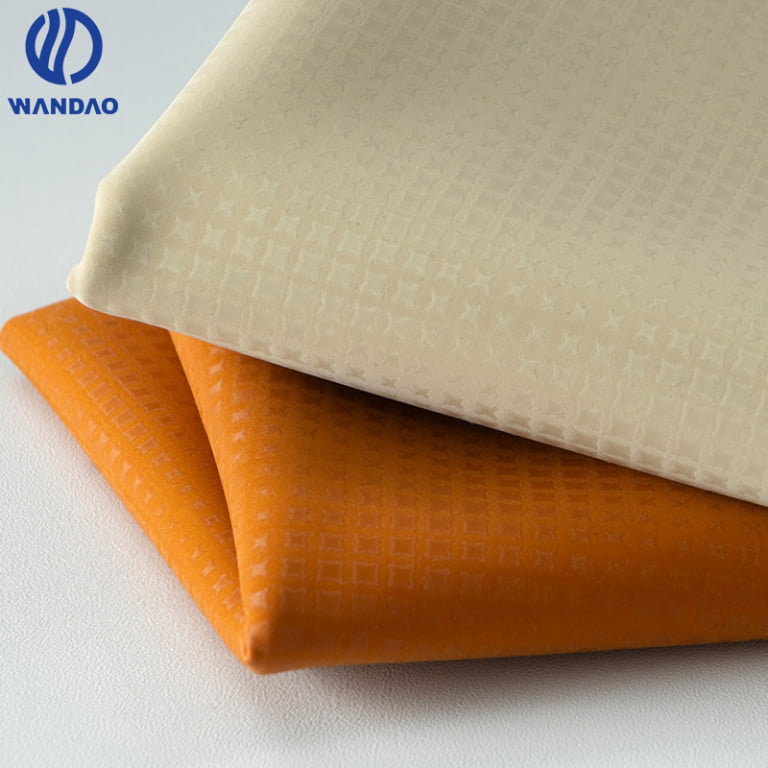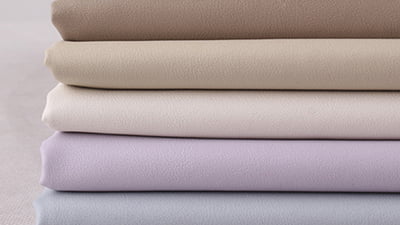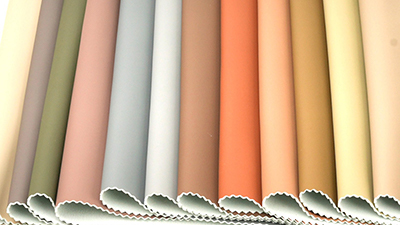
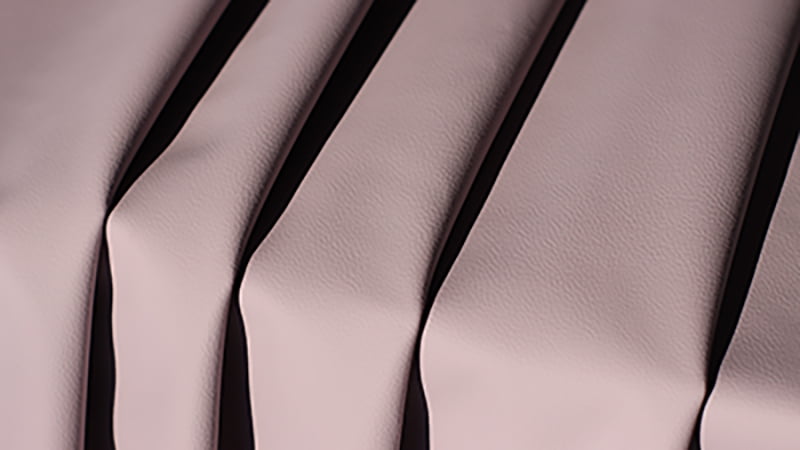
Silicone leather gloss change on a sofa should be evaluated as an appearance problem with a defined exposure history. A shiny seat patch may involve surface residue, rubbing, altered texture or a combination, and a photograph alone cannot separate those possibilities. Compare the affected area with a retained reference, then use controlled cleaning and rubbing trials on the identified construction. Judge the agreed appearance endpoint independently from whether the material has developed a hole or other structural damage.
Describe the shiny area before calling it wear
Record where the change appears: the centre of a cushion, its leading edge, a frequently touched arm or a cleaning path. Note whether it is visible under all agreed viewing conditions or only at a particular angle. Keep the location and viewing arrangement consistent when collecting comparison photographs.
Distinguish shininess from colour change, grain flattening and visible contamination. These observations can occur together, but they are not the same measurement. Avoid using “polished” as a confirmed mechanism before examining the surface and its history. The investigation should begin with what is observable, not a conclusion about the coating chemistry.
For a silicone furniture upholstery candidate, identify the exact surface construction and backing. The category name does not establish a permanent matte appearance or immunity to cleaning effects. Keep any product-specific performance statement tied to the actual approved sample and evidence.
Define the silicone leather gloss change endpoint
Agree whether the purchasing concern is a measured gloss difference, a visible patch under specified conditions, altered grain appearance or several separately recorded outcomes. A material can remain intact while no longer matching the intended appearance. The approval should therefore name the cosmetic endpoint rather than relying only on a wear-through criterion.
ASTM D523 addresses specular-gloss measurement of nonmetallic specimens using specified measurement geometries. Its description also recognises that texture and other appearance characteristics matter to visual assessment. It does not supply a universal acceptable gloss change for a sofa.
Ask the laboratory how the proposed textured, flexible surface can be measured repeatably. Record the geometry, support, orientation and measurement locations selected for the agreed procedure. Do not compare readings taken under different arrangements as though they were identical, or substitute an instrument value for every aspect of the approved visual reference.
| Observation | Question to investigate | Useful comparison |
|---|---|---|
| Shiny patch after cleaning | Is there residue or a surface change? | Approved cleaning-only control |
| Shiny patch along contact path | Does controlled rubbing reproduce it? | Rubbing-only specimen and untouched reference |
| Flattened-looking grain | Has the visible surface profile changed? | Matched close views under fixed lighting |
| Different appearance only when curved | Is viewing or support influencing the comparison? | Like-shaped specimens at the same orientation |
| Change after both cleaning and use | Is the sequence important? | Defined combined-exposure trial |
Preserve the evidence before attempting a remedy
Record the material identity, furniture configuration and known cleaning products. Note dilution, wiping equipment and frequency where reliable information exists. If the history is uncertain, say so. A returned cushion with undocumented treatments should not be compared with a fresh swatch as if exposure were the only controlled difference.
Photograph the area and retain an untreated portion before any approved investigative cleaning. Do not apply polish, solvent or a restoration coating simply to improve the inspection image. Such actions change the surface being investigated and can make it harder to determine what the original complaint involved.
Check the comparison setup first. Use consistent lighting, orientation and camera settings, and include a reference in the same view where practical. A change in illumination can alter the apparent sheen. This check does not dismiss the complaint; it prevents a documentation difference from being mistaken for evidence of a material change.
Separate cleaning, rubbing and their combination
A useful development investigation uses an untouched reference, an approved cleaning-only specimen, a rubbing-only specimen and a specimen exposed to the agreed combination. This is a proposed comparison design, not a claim that one standard requires these four groups. Have the laboratory and buyer define the procedures and inspection stages.
Keep the material construction, specimen preparation and observation conditions comparable. In the cleaning group, follow the identified authorised product and method. In the rubbing group, use an agreed apparatus and contact condition appropriate to the question. Do not silently change the abrasive, load or cleaning sequence to obtain a preferred result.
The comparison can help narrow the next investigation. A change confined to the cleaning group points to a different set of questions from a change reproduced by rubbing alone. If only the combined sequence produces the concern, retain that as an interaction to investigate. None of these patterns alone proves a particular chemical or microscopic mechanism.
Inspect at the same stage and in the same condition
Decide when each specimen will be assessed and whether the formal method requires any post-exposure treatment. Record the actual interval and condition. Comparing a freshly wiped surface with a dry reference can create ambiguity, so follow the selected procedure and label any supplementary observations clearly.
Keep the untouched reference separate from specimens handled during the test. Identify the inspection points so later measurements return to the intended locations. On a textured material, random repositioning can make a sequence harder to interpret; the laboratory should establish a suitable repeatable arrangement.
Report the visual finding alongside any numerical result. A concise record might state which named region differs from the reference under the agreed view and whether grain or colour also changed. Avoid averaging away a local unacceptable patch if the contract’s appearance requirement concerns local defects.
Do not convert abrasion counts into appearance retention
A test that stops at a different endpoint does not answer the buyer’s cosmetic question by itself. Read what the abrasion report actually assessed. If it only reports that a specimen remained intact at a stated exposure, do not rewrite that result as proof that the surface retained its original matte appearance.
Request the appearance observations required for this project as distinct data. Where an existing report is relevant, ask whether it includes the same construction, method and endpoint. A different finish or colour should not inherit the result merely because both materials are sold under the same general silicone label.
When comparing the broader furniture upholstery material options, hold the intended sofa appearance brief constant. Compare actual evidence against that brief rather than ranking entire polymer families. The useful decision is whether a named candidate meets a defined requirement on the intended furniture.

Confirm the result on a representative sofa area
Once the controlled specimen comparison is understood, review the intended cushion or arm construction. Preserve the relevant surface direction, padding and shape. The assembled review is a supplement to the laboratory record, not permission to claim that a short demonstration predicts every service condition.
Agree whether the prototype matches the approved visual reference at the selected observation stages. If the team changes the surface construction or care procedure, repeat the checks affected by that change. Keep the first candidate’s evidence attached to it instead of transferring a favourable result to a revised material.
For a field complaint, have the furniture maker and material supplier agree the disposition from the documented evidence. Do not promise that heat, stronger chemicals or additional polishing will restore the original finish. Any repair method needs its own approval and should not be presented as qualification of the original material.
Write a clear appearance-retention brief
Name the exact material, furniture zone, reference sample, authorised care method, exposure procedure and acceptance endpoint. Add the viewing and measurement arrangements and the person responsible for appearance sign-off. This removes ambiguity between “no hole,” “no colour change” and “no unacceptable shiny patch.”
To discuss sampling, send Wandaoleather the sofa appearance reference and gloss-change evaluation brief. Include the intended cleaning routine and the observations you need so the comparison addresses the broad seating surface rather than a generic durability claim.
Frequently Asked Questions
Does a shiny sofa patch prove that the coating has worn away?
No. Record the appearance and investigate residue, rubbing, texture and exposure history. A photograph alone does not establish which mechanism caused the change.
Does silicone leather always stay matte?
No universal appearance guarantee is established here. Evaluate the exact surface construction under the agreed use and cleaning conditions against a defined reference.
Can a high abrasion count prove gloss retention?
Only if the relevant report actually evaluates the required appearance endpoint under suitable conditions. A result based on another failure criterion does not automatically answer the gloss question.
Why use separate cleaning and rubbing controls?
They help distinguish which exposure reproduces the concern and whether the combined sequence matters. The findings guide further investigation rather than proving a cause without additional evidence.
Is a glossmeter result enough for a textured sofa surface?
Use a suitable repeatable measurement arrangement, but retain the agreed visual assessment as well. Texture, support and viewing conditions should be considered when interpreting the result.
Should a shiny patch be polished before inspection?
No. Document and preserve the original condition first. Any investigative treatment or repair should follow an approved procedure and remain separate from the original material qualification.