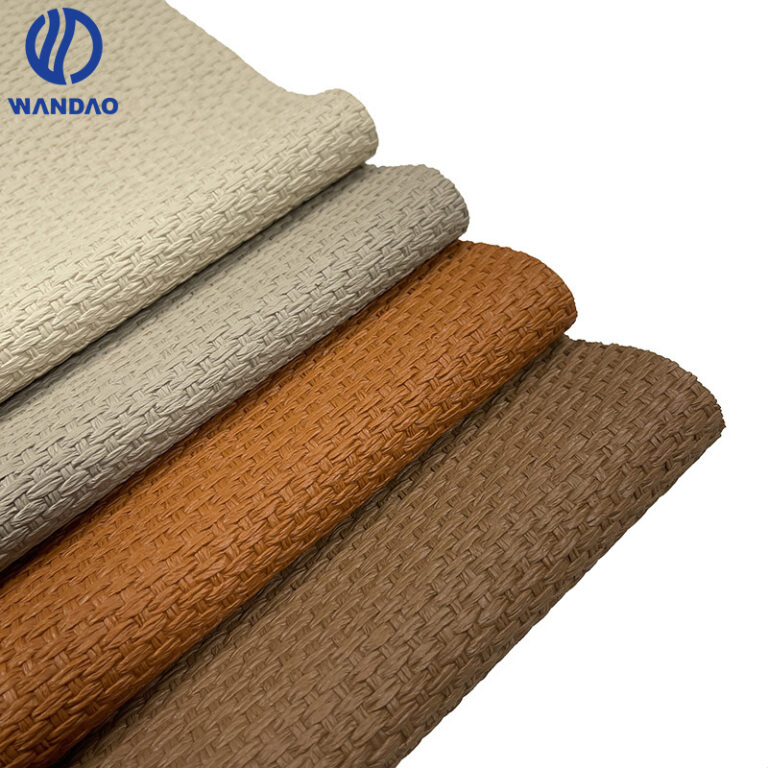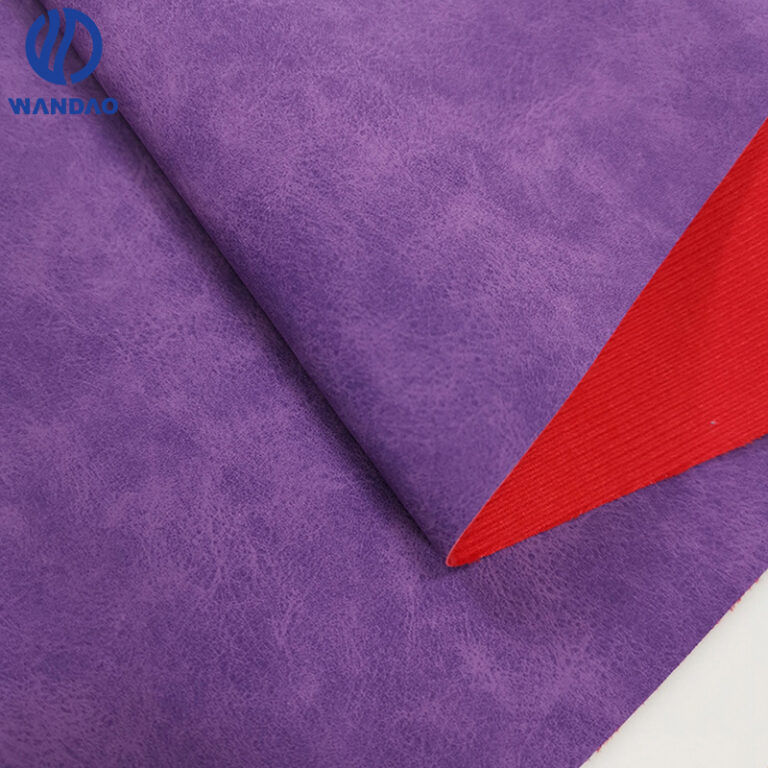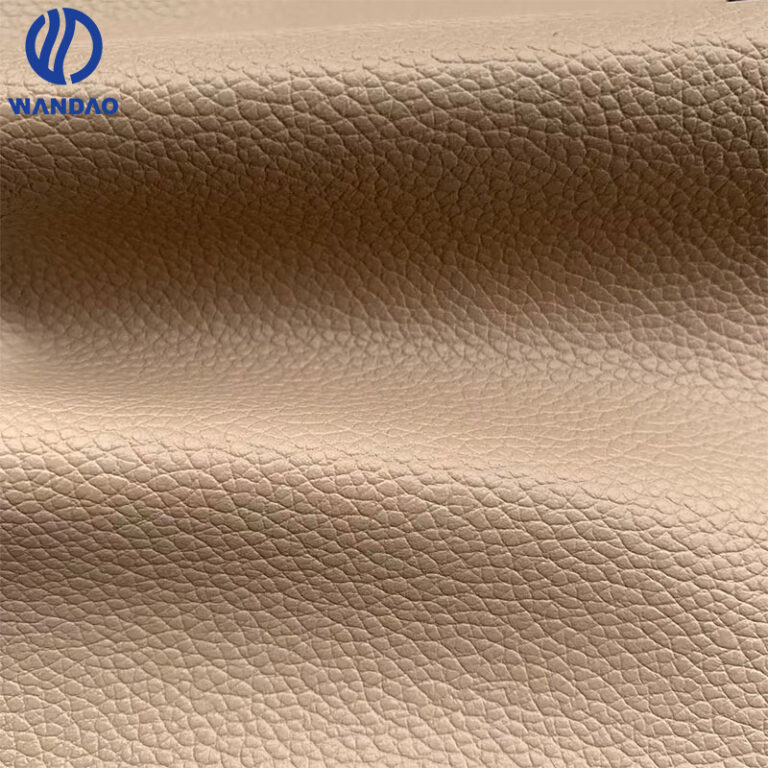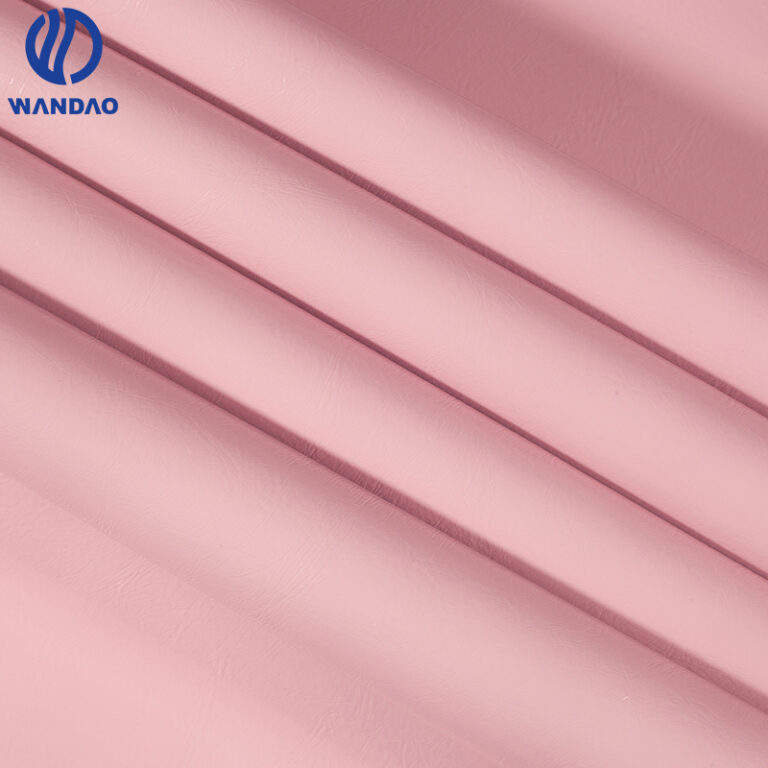
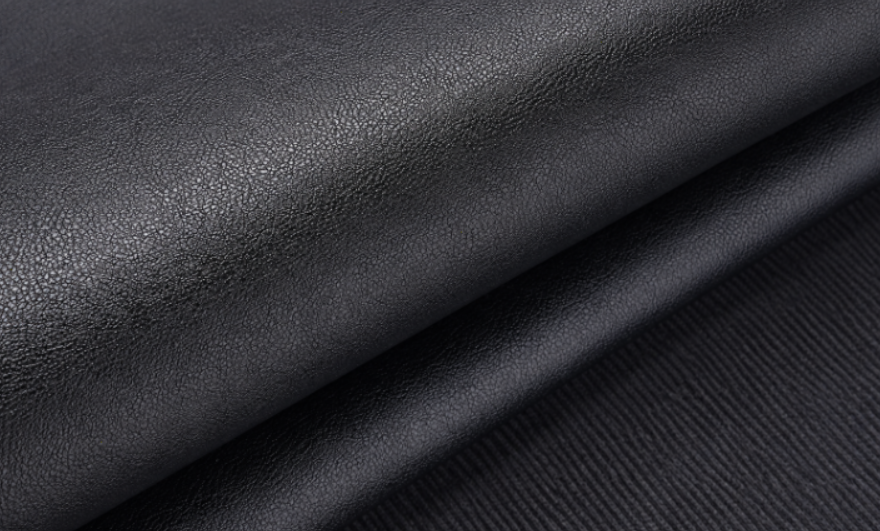
PVC and PU leather are not fixed performance categories. In automotive seating the only unit that matters is the complete, validated construction—topcoat, polymer chemistry, plasticizer or polyol package, backing, adhesive, thickness, grain and process route—tested against the OEM’s actual abuse, emissions and climate-aging requirements.
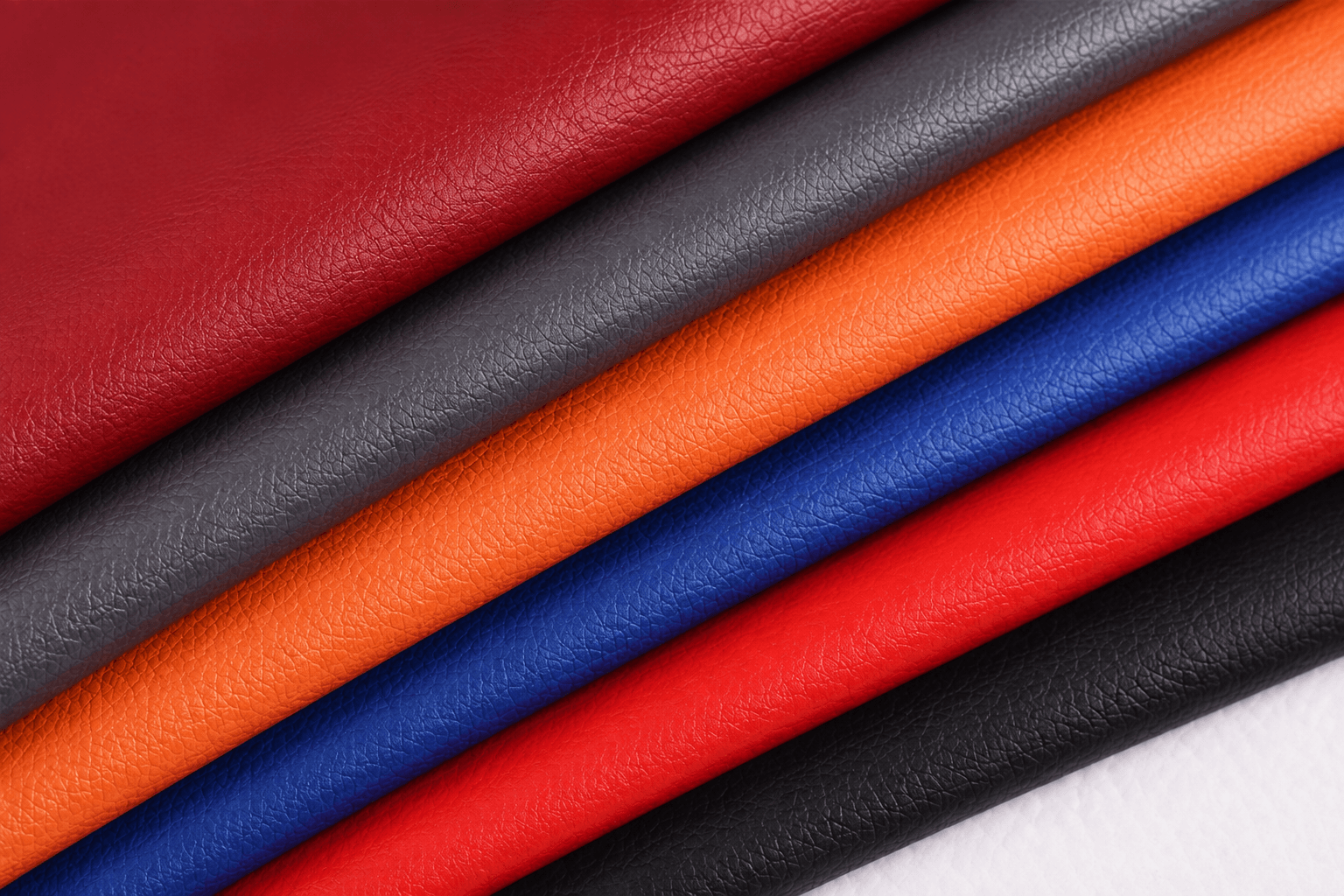
Common Misconceptions About PVC and PU Leather
Common misconceptions about PVC and PU leather refer to the widespread beliefs that one polymer family is automatically more durable, cheaper over the vehicle life, more eco-friendly or unable to meet modern VOC limits, without reference to the actual construction and test data.
“PU is always more durable” is incorrect. Polyester-based and polyether-based systems, solvent-borne versus water-borne routes, topcoat design and backing architecture produce very different hydrolysis, abrasion, flex-crack and heat-aging behaviour. PVC varies equally with resin type, polymeric versus monomeric plasticizer, stabilizer package and topcoat. A technical study of coated fabrics reported mass loss after 5,000 rubs of 7.87 mg for a TPU construction versus 118–157 mg for the PVC constructions tested (Academia.edu study). That result is verified for those specific samples and method; it is not an automotive-seat validation and cannot be generalised. Properly engineered PVC constructions regularly meet demanding abrasion and flex targets in real programmes.
“PVC is always cheaper long-term” is unsupported as a general statement. Initial material cost may favour PVC in some programmes, yet total cost of ownership also includes yield, scrap, lamination window, cut-and-sew behaviour, warranty exposure, odour risk and regulatory documentation. No universal life-cycle cost relation follows from polymer type alone. In high-soil or commercial applications, the cleanability and chemical resistance of many PVC constructions often translate into lower maintenance and longer service intervals.
“All PU is eco-friendly” is false. The label does not identify solvent use, bio-based content, recycled content or end-of-life route. EU Regulation 2021/2030 explicitly identifies DMF use in PU coating and membrane processes and sets later transition dates for those sectors (EUR-Lex).
“PU production is automatically lower-VOC than PVC production” is also false as a blanket claim. A peer-reviewed emission-inventory study reported VOC emission coefficients of 0.170 kg/m² for PU processes and 0.142 kg/m² for PVC processes; the PU wet and dry routes were 0.191 kg/m² and 0.179 kg/m² respectively (PubMed study). These are factory-process coefficients in the studied region, not cabin-emission values.
“PVC cannot meet modern automotive VOC standards” is false. Automotive methods evaluate the submitted material or part, not the polymer name. ISO 12219-2 screens VOCs, formaldehyde and other carbonyls from interior parts including seats, with a stated quantification range from sub-µg/m³ to several mg/m³ (VDI / ISO 12219-2). In one peer-reviewed automotive synthetic-leather study the pure PVC foam recorded 5.505 mg/m³ TVOC, with individual values of 0.005 mg/m³ formaldehyde, 0.022 mg/m³ acetaldehyde, 0.002 mg/m³ benzene and 0.019 mg/m³ toluene; both the PVC foam and the carbon-fibre/PVC composite met the cited interior requirements (PMC study). This demonstrates that well-formulated PVC systems can clear modern cabin-air targets.
“Low-VOC means low-fogging” is false. VDA 278 generates a VOC sum at 90 °C and a FOG/SVOC parameter at 120 °C (Gerstel / VDA 278). A material can pass one and fail the other.
“PVC is automatically non-compliant because of phthalates” is over-generalised. Plasticizer selection is formulation-specific; phthalate-free PVC is technically feasible and widely available. Under REACH, DEHP, DBP, BBP and DIBP are restricted in articles at ≥0.1 % by weight of the plasticized material, subject to defined exemptions (INERIS / REACH).
Actionable recommendation: Treat every absolute claim about either polymer as a hypothesis. Issue one identical validation matrix for both candidates before any commercial comparison.
Documented Failure Modes and Real-World Longevity
Documented failure modes for PVC and PU leather car seats refer to the observable degradation patterns—cracking, peeling, colour fading, stickiness and persistent odour—that appear in the 3–8 year service window, together with the limited public field evidence that exists.
Publicly retrievable evidence confirms that both material families can exhibit these modes, yet no open, auditable database of warranty claim rates stratified by material system, climate and vehicle type was located. OEM seat-cover warranty data remain supply-chain confidential; therefore online statements such as “it always fails after X years” cannot replace programme-specific statistics.
For PVC, colour change under severe solar exposure is well documented. A joint GM–Dow study placed eleven automotive interior polymers in 30 vehicle positions in Arizona and Texas for five years of real-vehicle exposure. Under the most severe solar conditions PVC reached a maximum colour difference ΔE of 40, among the highest of the materials tested; temperature elevation accelerated the change. The study is verified field data for those exposures and formulations, not a universal ranking. Modern PVC formulations with optimised stabilizers and topcoats significantly reduce this risk in current programmes.
PVC constructions can also harden or show surface tack when plasticizer migration or thermal ageing occurs. These modes are formulation- and process-dependent and are routinely controlled by proper plasticizer selection, heat stabilizers and topcoat design. Odour and VOC issues, when they appear, are likewise construction-specific rather than inherent.
For PU the dominant long-term risks are hydrolysis (especially polyester-based systems under heat and humidity), flex cracking, surface abrasion leading to gloss loss or delamination, and residual solvent or oligomer emissions. Polyether-based systems generally show better hydrolysis resistance, but the difference must be demonstrated on the actual construction.
Both families can suffer seam failure, perforation-edge tearing and adhesive delamination when the backing, stitch density or foam interface is under-specified. These modes are system failures, not pure polymer failures.
I once compared two otherwise identical seat-cover constructions—one PVC and one water-borne PU—on the same knit backing and the same foam pad, subjected to 50 000 compression cycles plus a subsequent 168 h heat-humidity exposure. The PVC sample showed measurable plasticizer migration and a slight increase in surface tack; the PU sample showed early micro-cracking at the high-strain bolster radius. Neither failure mode appeared in the initial laboratory abrasion or flex data. The observation reinforced that laboratory single-property results do not predict the combined field stress state, and that both materials require construction-level ageing validation.
Actionable recommendation: Require suppliers to report not only initial property values but also the same properties after the programme’s heat, humidity and UV ageing cycles, together with the observed failure mode (cohesive, adhesive, substrate tear, etc.).
Technical Performance Advantages of PVC Leather in Seat Applications
Technical performance advantages of PVC leather in seat applications refer to the measurable strengths in cleanability, chemical resistance, process consistency, abrasion performance and the ability to meet automotive flame and emissions standards when the construction is properly engineered.
Tensile strength is dominated by the textile backing and specimen geometry more than by the polymer face. One PVC coated-fabric product lists minimum breaking strength of 85 lbf warp / 70 lbf fill by CFFA-17 (approximately 378 N / 311 N) (OMNOVA product data). Comparable public automotive-grade PU figures under the same method were not located; therefore no direct numerical delta can be stated. ISO 1421 or ASTM D5034 should be specified with direction, width and rate locked.
Abrasion results favour well-designed PVC constructions in many published cases. The same PVC product reports 50 000 double rubs by Wyzenbeek (CFFA-1a, cotton duck); another flame-retardant PVC construction reports 1.3 million double rubs (OMNOVA; OMNOVA Boltaflex). These figures are manufacturer claims for those constructions and are not interchangeable with Taber or Martindale cycles. ASTM D7255 (Taber) and ISO 12947 (Martindale) require explicit load, abradant and endpoint definition.
Cold flexibility data for the same PVC product show a cold-crack temperature of –20 °F (approximately –29 °C) by CFFA-6a and 25 000 cycles of W-flex without failure (OMNOVA). ISO 4675 is the corresponding international low-temperature bend method (ISO 4675). With appropriate plasticizer and stabilizer packages, PVC constructions routinely meet demanding cold-climate requirements.
VOC and FOG must be measured on the finished article. VDA 278 supplies both the VOC sum (90 °C) and the FOG/SVOC parameter (120 °C) (FILK Freiberg / VDA 278). As noted earlier, specific PVC formulations have already demonstrated compliance with automotive interior emission targets.
Flame behaviour is governed by FMVSS 302, which limits horizontal burn rate to 102 mm/min (or self-extinguishment) for materials within the occupant compartment (Capital Testing / FMVSS 302). ISO 3795 is the corresponding international method. PVC constructions, when correctly formulated and laminated, consistently clear these requirements.
In day-to-day seat use, many PVC constructions offer particularly strong resistance to water, common cleaners, disinfectants and staining. This cleanability advantage is frequently decisive for commercial vehicles, shared-mobility fleets and high-touch surfaces. High-quality PU constructions often excel in soft hand-feel and fine grain replication; the two strengths are complementary rather than mutually exclusive.
Actionable recommendation: Lock the exact test methods, conditioning, specimen geometry, endpoint definitions and ageing cycles into the RFQ so that candidates are scored on identical data. Pay particular attention to cleanability, chemical resistance and cold-flex results when evaluating PVC options.
Matching Materials to Vehicle Segments and Real Seat Zones
Matching PVC or PU leather to vehicle segments refers to the practice of selecting the polymer family and construction according to cost targets, contact intensity, climate exposure, brand positioning and regulatory geography rather than applying a single material across an entire platform.
Economy passenger cars and high-soiling applications (shared mobility, commercial fleets) commonly favour PVC or PVC-dominant constructions for side bolsters, door inserts and armrests where cleanability, colour consistency and unit cost dominate. The construction must still clear the programme’s cold-flex, heat-ageing, migration and VOC gates. When those gates are met, PVC delivers reliable field performance at competitive total cost.
Mid-range programmes frequently adopt a zonal approach: higher-touch centre panels in PU or textile, lower-touch bolsters and backs in durable PVC. This balances perceived quality against total seat-cover cost and takes advantage of PVC’s cleanability where it is most needed.
Premium and luxury programmes prioritise hand-feel, fine grain, low gloss and perforation quality. High-specification PU, microfibre/PU composites and selected PVC artificial leathers all appear. BMW defines Veganza as its artificial-leather term and explicitly offers PVC artificial leather on certain iX3 and 7-series surfaces; the company also states that the PVC artificial leather reduces CO₂e by approximately 80 % relative to bovine leather—a manufacturer claim, not an independent LCA (BMW Group glossary; BMW press material). Volvo’s Nordico surface on models such as the EX90 is described as bio-attributed PVC with 100 % recycled polyester textile backing (Volvo Cars). These public examples confirm that PVC leather is already accepted in premium and electric-vehicle interiors when the construction meets the required performance and sustainability criteria.
Electric vehicles add emphasis on low VOC/odour, easy cleanability, surface friction/noise and sustainability narratives. No universal rule forces one polymer over the other; the same decision matrix of emissions, mass, cleanability and verified LCA applies. Tesla’s “vegan leather” descriptions do not disclose whether the construction is PVC, PU or another system, illustrating that marketing labels cannot substitute for material identification (Tesla service documentation).
Weight comparisons must be made on finished areal density or complete seat-cover mass, not on polymer name. Thickness, foam layer, backing and adhesive dominate the result. Perforated, heated or ventilated seats further raise the requirement for balanced elongation, edge strength and heat-ageing retention; a single “seat-grade” specification is rarely optimal.
Actionable recommendation: Build a simple decision matrix that lists contact intensity, climate, VOC target, cleanability priority and cost ceiling for each seat zone, then short-list constructions—not polymer families—against that matrix. PVC frequently scores strongly on cleanability and total cost in high-soil zones.
How to Make a Fair Sourcing Decision
A fair sourcing decision between PVC and PU leather refers to the process of comparing candidates on identical construction-level technical gates, verified commercial data and defined environmental boundaries rather than on polymer stereotypes.
Issue one validation matrix that covers:
– Mechanical and appearance: abrasion (method, load, endpoint), flex/crack, tensile/tear, seam strength, grain/colour retention, cold flex, heat ageing, humidity/hydrolysis ageing and UV exposure as required by the programme.
– Chemical resistance: sunscreen, hand sanitizer, sweat/sebum, cleaners and plasticizer migration where relevant.
– Emissions: ISO 12219 bag or chamber method as specified by the OEM; VDA 278 or equivalent for both VOC and FOG/SVOC; odour testing where required.
– Chemical compliance: full material declaration, restricted-substance list, REACH/SVHC status and region-specific requirements. For PVC include plasticizers and stabilizers; for PU include process solvents (including DMF status), residual monomers and catalysts.
– Environment: third-party LCA on matched functional performance (same thickness, backing, service life and end-of-life scenario), not a polymer label.
Commercial comparison should use programme-level cost: delivered material, cutting yield, sewing scrap, lamination window, qualification cost, warranty exposure and approved-substitution risk. Unit price per metre alone is insufficient. In many high-soil and commercial programmes, the cleanability and chemical resistance of PVC constructions contribute to lower lifetime maintenance cost.
A Real-World Sourcing Example: The Price of PVC Depends on the Construction
In real sourcing projects, buyers do not always choose PU simply because they consider it more environmentally friendly. We have also encountered customers who specifically prefer PVC because of its wider range of grain patterns, colours and surface finishes. One of our long-term buyers in the UAE, for example, specifically requested PVC leather with a knitted fabric backing because it matched their application and design requirements.
This is also why it is difficult to judge PVC leather simply as “low-quality” or “low-cost.” PVC products can be made to different quality levels depending on the formulation, backing fabric, thickness, surface finish, colour consistency and production requirements. For example, a buyer may request 0.8 mm PVC leather with consistent width, colour and grain, but the price can still range from approximately US$1.39 to US$2.15 per metre depending on the required quality and construction.
From a buyer’s perspective, the key question is therefore not simply “PVC or PU?” but “What level of PVC construction do I actually need?” A lower-cost PVC may be suitable when the application has less demanding requirements, while a higher-specification PVC may require better backing, tighter colour and grain consistency, improved ageing performance, lower emissions or more controlled production. These differences directly affect the final price.
The same principle applies to environmental performance. PVC should not automatically be considered environmentally inferior simply because it is PVC, just as PU should not automatically be considered environmentally friendly simply because it is PU. Plasticizer selection, additives, production processes, VOC performance, restricted substances and the overall material construction all influence the environmental profile of the finished product. For automotive applications, buyers should therefore evaluate the actual formulation and test results of the supplied material, rather than making a decision based only on the polymer name.
The practical differentiator for automotive buyers is the ability to force both candidates through the same construction-level gates and then rank only the survivors on total cost of ownership and auditable environmental evidence. When those gates are applied, PVC leather frequently demonstrates strong value through cleanability, process consistency and proven acceptance in both volume and premium programmes.
Frequently Asked Questions
Q: Is PU always more durable than PVC for car seats?
A: No. Durability depends on the complete construction—chemistry, topcoat, backing and process—not the polymer family. Matched samples tested to the same methods are required.
Q: Can PVC meet modern automotive VOC and FOG limits?
A: Yes. Compliance is demonstrated by the finished article under the OEM’s method (ISO 12219 series, VDA 278, etc.), not by the polymer name. Specific PVC constructions have been shown to meet cited interior requirements.
Q: Does “water-borne” or “solvent-free” PU automatically mean lower cabin emissions?
A: Not automatically. Factory-process emissions and finished-part cabin emissions are different. Both must be verified for the actual construction.
Q: Are phthalates inevitable in flexible PVC seat covers?
A: No. Plasticizer selection is formulation-specific. Phthalate-free systems exist; REACH restrictions apply at defined concentration thresholds with possible exemptions.
Q: Which material is lighter?
A: Neither is inherently lighter. Finished areal density is controlled by thickness, foam layer, backing and adhesive. Compare measured g/m² or complete seat-cover mass.
Q: What is the single most useful step in a PVC-versus-PU decision?
A: Issue one identical technical validation matrix covering mechanical, chemical, emissions and ageing performance, then compare only the constructions that pass.