Faux leather deep button tufting should be approved on the intended three-dimensional sofa back, with the cover, padding and button anchorage evaluated together. A flat diamond drawing does not define the developed cover blank, and a strong material strip does not approve a local attachment. Build a representative prototype, inspect the button wells and pleat paths, and freeze the accepted construction. The buyer’s task is to obtain a repeatable upholstered panel rather than select a material from softness alone.
Distinguish deep tufting from a stitched pattern
Identify the construction in the design brief. Deep button tufting draws the cover into a shaped assembly at nominated positions. A flat stitched diamond pattern is a different product detail. Do not transfer an approval for decorative quilting to a deep-drawn back simply because both create a diamond appearance.
Specify whether the proposed panel uses buttons, another attachment arrangement or a visual imitation of tufting. Record the padding profile, support and hidden fastening details through the furniture maker’s drawings. The material supplier needs to know what the cover will be asked to do, while the furniture manufacturer retains responsibility for the complete assembly.
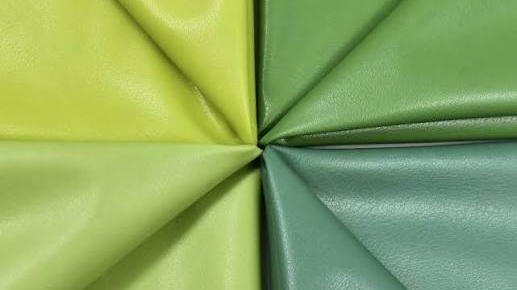
The furniture upholstery material range provides a starting point for sample selection. Compare named constructions on the intended detail. Terms such as soft, thick or premium do not define an approved draw depth, pleat shape or attachment performance.
Develop the blank for faux leather deep button tufting
Begin with the finished panel geometry, button map and approved padding arrangement. Have the upholsterer develop the cover allowance through a representative pattern trial. The visible panel width and height alone do not establish how much material the three-dimensional cover requires.
Mark direction on the trial blank and retain the pattern revision. If the material behaves differently by direction, the finished appearance may need a controlled orientation. Do not rotate pieces solely to improve cutting yield before the design team has approved the result on the tufted geometry.
Keep the developed blank separate from production cutting allowance and trial scrap. This makes quotation comparisons more useful. A supplier cannot estimate repeatable consumption accurately from an overall sofa photograph without the cover layout and manufacturing details.
| Panel feature | Prototype observation | Record to freeze |
|---|---|---|
| Button well | Local appearance and material condition | Position, draw geometry and construction |
| Pleat path | Direction, consistency and visible fold | Approved formation sequence |
| Broad raised area | Grain direction and relative fullness | Material orientation and reference view |
| Perimeter return | Fit and transition at the edge | Blank and attachment details |
| Hidden anchorage | Condition under the agreed assessment | Specified components and assembly procedure |
Use material strength evidence for the question it answers
ISO 1421:2016 includes strip and grab tensile methods for coated fabrics; its strip method also determines elongation at break. Such results describe the nominated specimens. They are not a direct approval of a button hole, hidden anchor or deeply tufted sofa back.
Ask the laboratory and furniture engineer which material and attachment assessments are relevant. Distinguish the force applied to a strip from the local condition around an actual attachment. Do not derive a universal button draw force from a tensile number on the roll-material datasheet.
Be cautious about standards found by searching the word “tufted”. ASTM D3597 concerns woven upholstery fabrics and excludes surface-coated materials such as vinyls and urethanes. Its title is not a reason to apply it uncritically to a synthetic-leather button-tufted panel.
Build a prototype that includes difficult boundaries
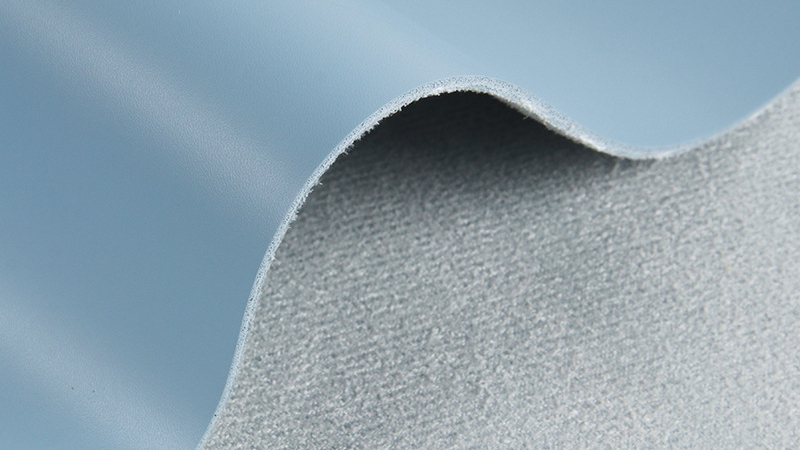
Use enough of the intended back to include adjoining button wells, an edge and a critical corner or return. An isolated central tuft may look acceptable while leaving the perimeter unresolved. The prototype should answer the details that production will actually repeat.
Keep the material code, colour, backing and batch traceable. Record padding and support identities as well. If the maker changes the padding shape during development, update the prototype record rather than attributing every appearance improvement to the cover material.
Ask the production team to record its agreed sequence and tools. This guide does not prescribe needle size, draw tension or attachment hardware. Those choices belong to the manufacturer’s validated construction, with suitable operator-safety procedures and the product’s requirements.
Inspect the wells, pleats and raised areas separately
Start with an overall appearance review under agreed lighting and viewing positions. Then inspect named local regions. Keep button alignment, pleat consistency, visible grain and material damage as separate findings so an attractive overall shape does not conceal a local concern.
At the button wells, record any hole enlargement, surface whitening, cracking or other departure from the reference. These observations should guide investigation, not automatically identify a cause. Preserve close photographs and the corresponding position on the full-panel drawing.
At pleats, compare the approved fold direction and appearance. Distinguish an intended crease from damage or an unintended ridge. The design should make that boundary clear before inspectors judge a production panel from personal preference.
Review broad areas and perimeter returns too. If an adjustment at one button creates an unacceptable change elsewhere, the complete panel is not yet approved. Evaluate the assembled pattern rather than accepting each local detail in isolation.
Check attachment behaviour through an agreed product trial
The furniture manufacturer should define the relevant loading and observation plan for the back panel. Include the attachment and supporting construction in that plan. A button that remains in place during a brief showroom demonstration has not necessarily completed the product’s required assessment.
Record the initial condition, selected inspection stages and final condition. If any movement or damage appears, identify whether it concerns the cover, thread or cord, anchor, padding or support. Avoid using “button failure” as a single category for several different findings.
Do not tighten an assembly during a test without recording the intervention and its effect on the procedure. An adjusted development prototype can still be useful, but it is not an uninterrupted result for the original construction. Freeze the successful revision and assess it through the agreed final route.
Compare material changes without losing the pattern baseline
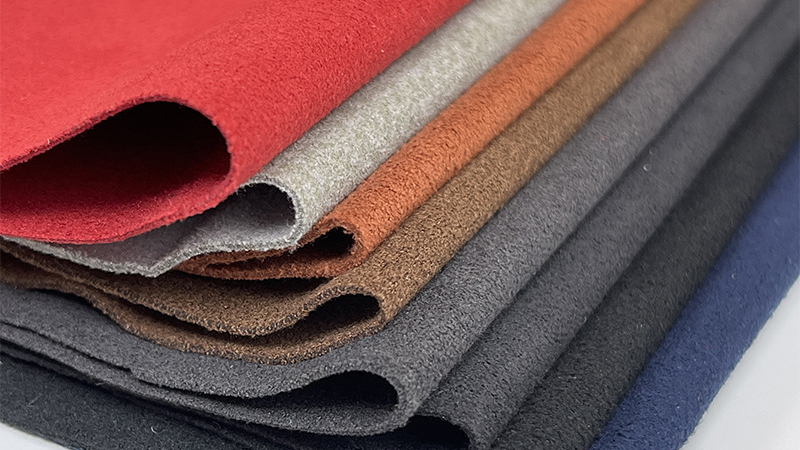
A microfiber-based upholstery candidate should be tried on the identified construction rather than approved by hand feel alone. If it requires a different blank or formation sequence, document the change. The result then represents that material-and-process combination.
For diagnosis, change one relevant input where practical. Compare a material revision on the same approved geometry, or compare a construction revision using the same material. If several changes are needed together, state that the trial selects a complete solution rather than proving which variable caused the original problem.
A more extensible material is not automatically better, and a thicker material is not automatically safer around every attachment. Request evidence against the actual panel requirements. Avoid ranking entire material families with a single mechanical property.
Image placeholder: Full tufted-back inspection board showing button-well close views, pleat direction and perimeter fit, with a traceable accepted prototype beside a controlled revision.
Release the repeatable construction
Include a repeat-build check before closing development. Have the production team reproduce the accepted detail using the written pattern and process record, then compare the result with the first prototype. If the second build needs undocumented adjustments, resolve those differences while the development team is still available. The purpose is to establish that the accepted design can be communicated and repeated, not merely that one demonstration panel can be made to look right.
The production pack should connect material identity, cutting pattern, orientation, padding, attachment components and the approved formation sequence. Retain the accepted panel or suitable reference details. Include both overall appearance and local inspection criteria.
Define how the first production pieces will be compared with the prototype and who can approve a deviation. If operators need to make discretionary adjustments, identify which adjustments are allowed and how they are controlled. An undocumented personal technique should not be the only record of the approved product.
Review later changes to material, backing, padding, button layout or anchorage. Even a small visible change may involve a different developed geometry. Decide the necessary revalidation through the furniture manufacturer’s process rather than automatically transferring the old approval.
For material sampling, send Wandaoleather the deep-tufted back drawing and prototype brief, including the proposed cover construction, developed blank and critical local observations. This supports a specific fabrication decision instead of a generic request for soft faux leather.
Frequently Asked Questions
Is deep button tufting equivalent to flat diamond quilting?
No. Deep tufting introduces a shaped cover and local attachment details that a flat stitched pattern does not represent. Approve the intended construction on a representative panel.
Can finished panel area determine material consumption?
Not by itself. Use the developed cover blank, required orientation, returns and production layout. Keep prototype and other allowances separately identified.
Does tensile strength establish an acceptable button force?
No. A strip result does not directly approve the local cover attachment or supporting structure. The manufacturer should define and validate the actual assembly requirement.
Can ASTM D3597 automatically qualify synthetic leather tufting?
No. Its scope concerns woven upholstery and excludes surface-coated fabrics such as vinyls and urethanes. Confirm method applicability to the proposed material rather than relying on the word tufted in a title.
What should the prototype include?
Include adjoining button wells, representative pleats, broad raised areas and critical perimeter details. Use the intended material, padding and attachment arrangement and keep each revision traceable.
Which changes should trigger review?
Review relevant changes to the cover construction, pattern, direction, padding, button layout and anchorage. The approval applies to the recorded panel combination and manufacturing process.