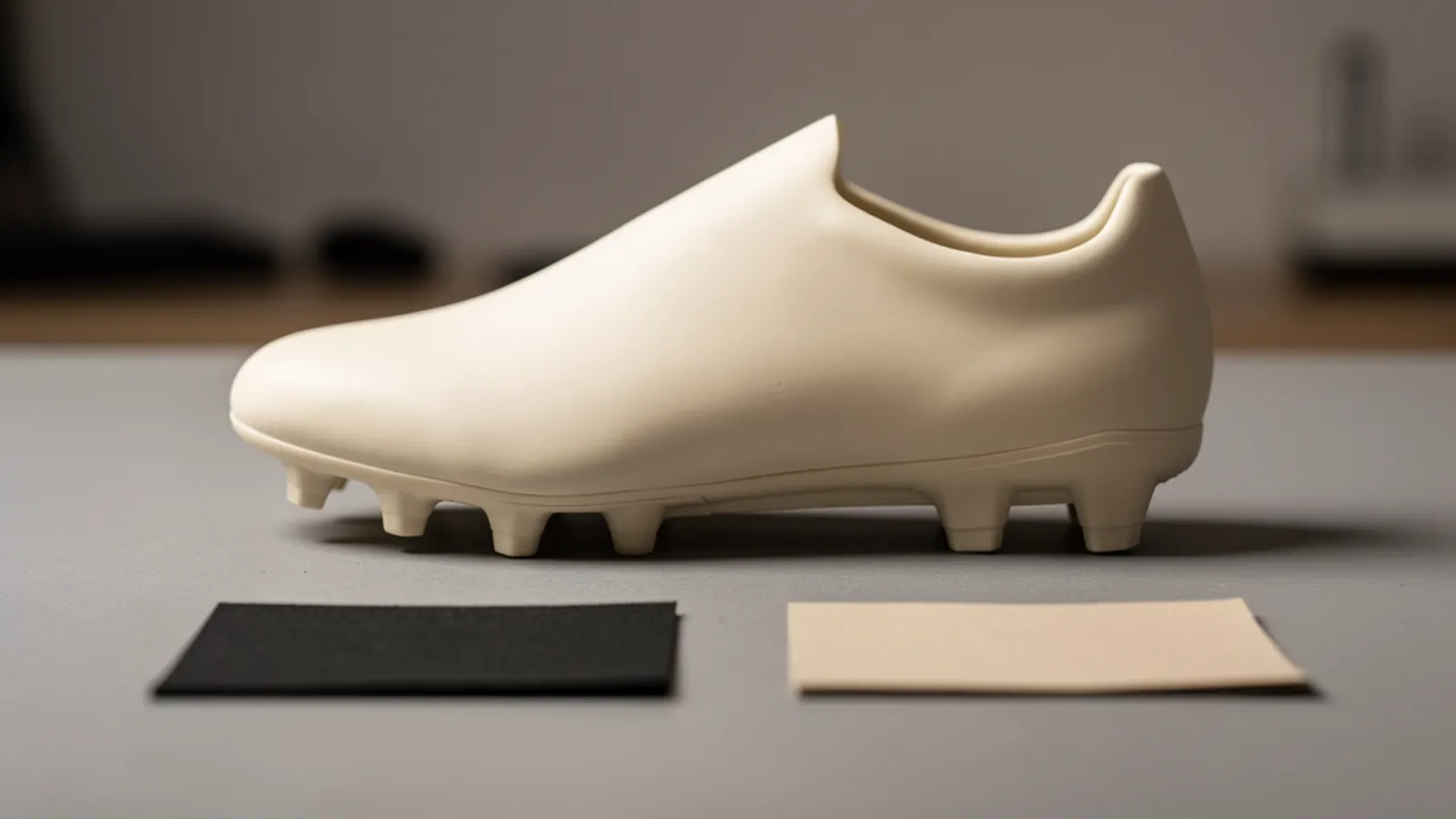
K leather vs synthetic is a comparison between kangaroo-hide leather and a broad range of engineered upper materials, not a reliable ranking of finished football boots. For a footwear developer, the better choice is the construction that meets the intended fit, touch, wet-use and manufacturing requirements. Compare identified material grades in controlled prototypes, then validate the complete boot. A soft swatch, a familiar material name or a strong laboratory result cannot settle all of those questions by itself.
K Leather vs Synthetic: Define the Upper Before Comparing It
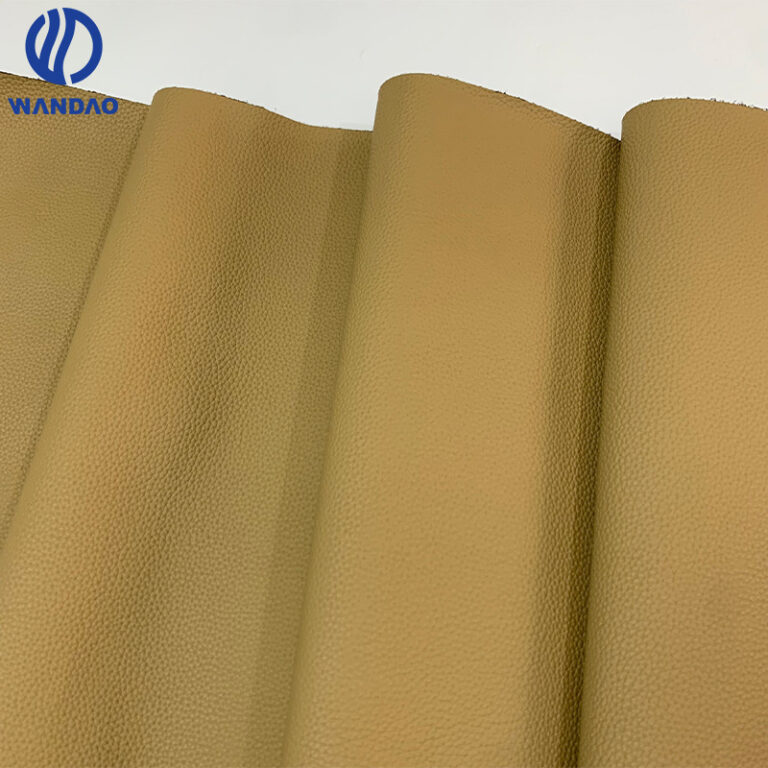
K-leather is shorthand for kangaroo leather; it is an animal-hide material, not a type of knit or a synthetic grade. The name identifies the material’s origin, but it does not give you a finished-boot specification.
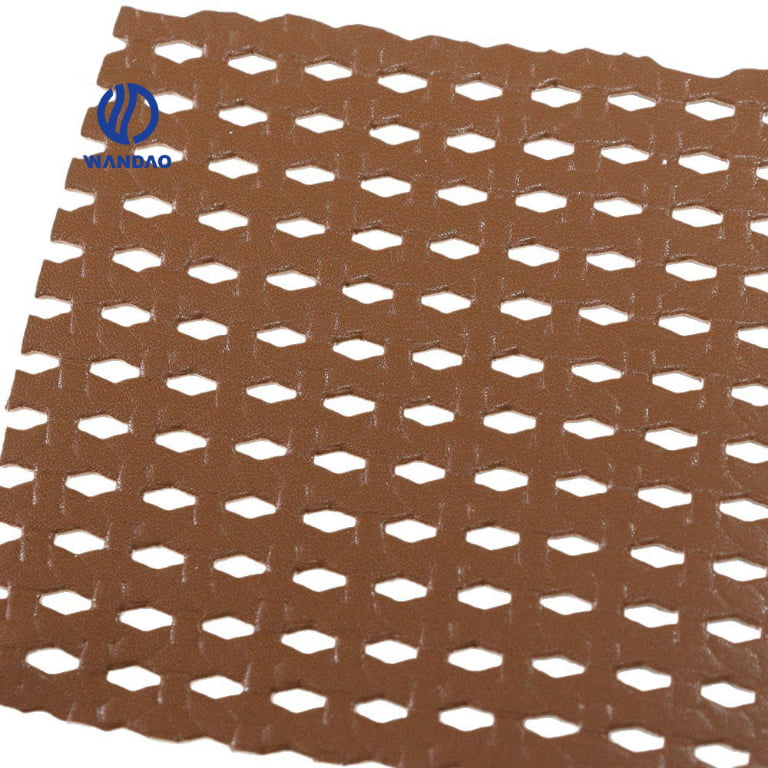
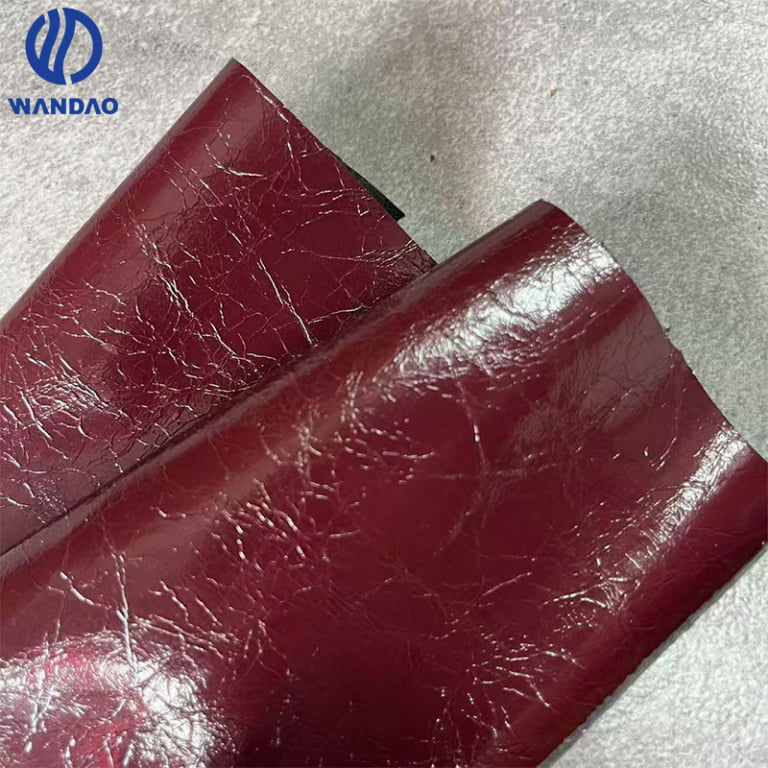
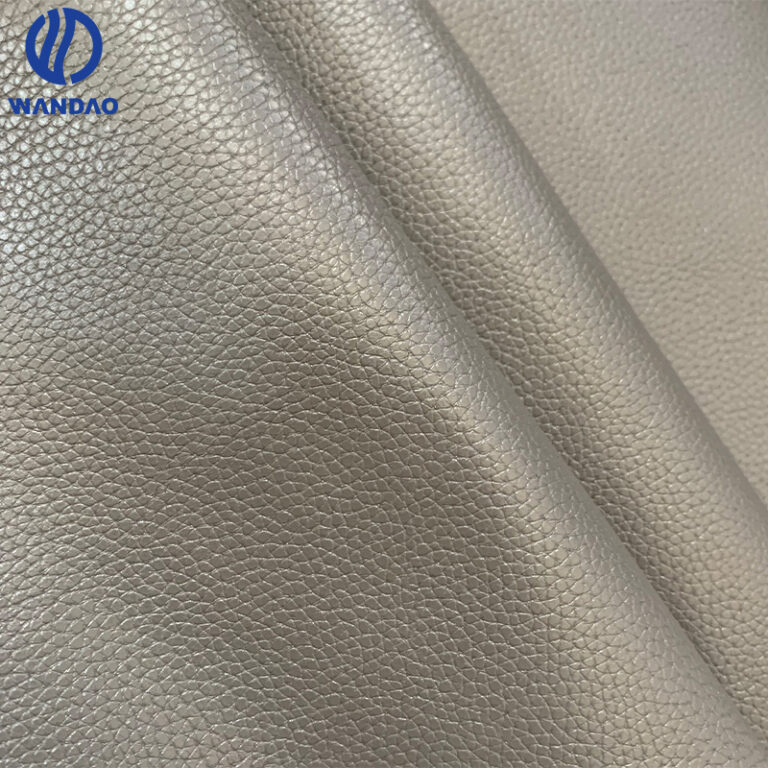
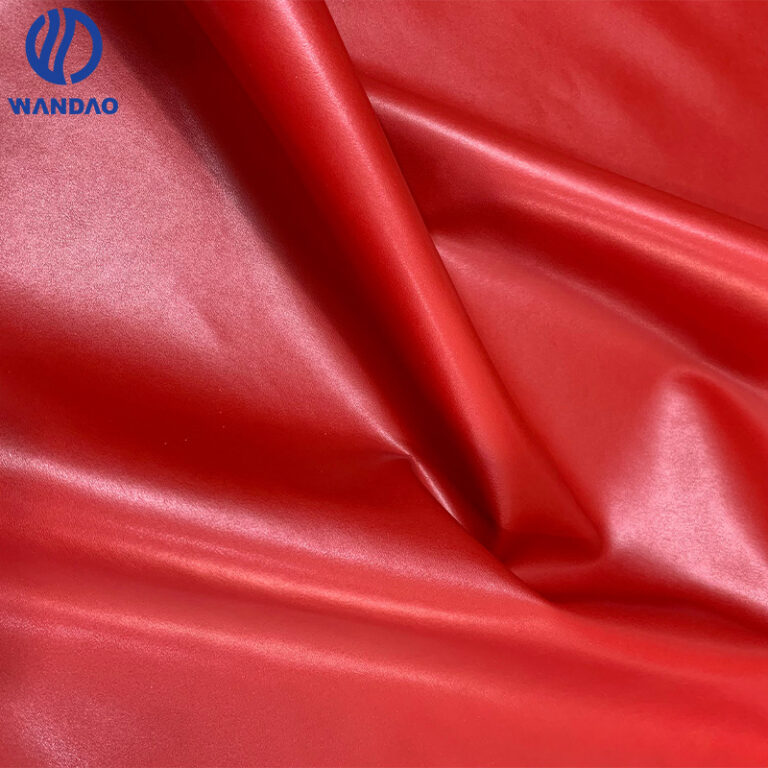
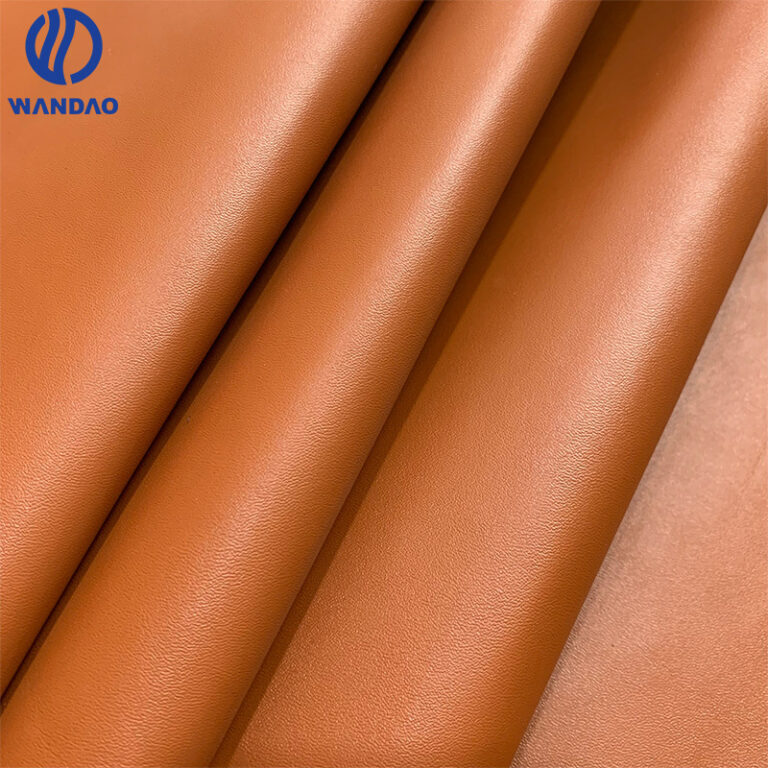
“Synthetic” needs more detail. A coated textile, a microfiber-based synthetic leather and a multilayer knit construction are not interchangeable specifications. Identify the face, backing, lining and reinforcement package before requesting comparative data. Even when two candidates have similar surface grain, they may require different assembly choices.
Our synthetic leather options for footwear components are a starting point for discussing candidate constructions. They do not establish that a particular material is already validated for competitive football boots. That application decision requires the component brief and prototype evidence.
| Comparison item | K-leather candidate | Synthetic candidate |
|---|---|---|
| Material identity | Declared kangaroo-hide leather grade and finish | Declared coating, base and any laminated layers |
| Sample description | Thickness, finish and cutting location or direction | Thickness, mass per area and material direction |
| Upper construction | Lining, seams, overlays and reinforcement map | The same details, including necessary design changes |
| Approval basis | Results for the specified material and boot | Results for the specified material and boot |
Fit Evidence Is More Useful Than a Universal Winner
A 2016 study of upper materials and football-boot fit perception tested twenty players in three boots differing in upper material: calf leather, kangaroo leather and synthetic leather. In that comparison, the kangaroo-leather boot was generally perceived closer to the participants’ preferred fit. This is useful evidence that changing the upper can change perceived fit.
It is not proof that every kangaroo upper fits better than every synthetic upper. The study evaluated particular constructions and participants; it did not test all grades, sizes or current engineered materials. Use it as a reason to conduct your own controlled wearer evaluation, not as a permanent purchasing rule.
For a development brief, replace “leather-like fit” with observable questions. Where does the upper feel tight or loose? Does the forefoot feel secure during movement? Does the heel move? Do different testers report the same issue in the same location? Record these separately from their overall preference for the sample.
Separate Initial Compliance From Fit Retention
Initial hand feel, extension under load and recovery after unloading are different observations. A flexible sample may feel appealing on a desk without producing the intended fit once lined and assembled. Likewise, a prototype that initially feels secure may need further assessment after use and drying.
Ask the laboratory to propose an appropriate extension-and-recovery assessment for the actual upper construction. Record specimen direction, conditioning, load and recovery interval. A breaking-force result answers a different question from how the material behaves under a lower repeated load. Avoid accepting one number labeled “stretch” without its method and context.
Then check the assembled boot at defined stages: before wear, after the agreed trial and after the agreed recovery period. Track the same locations each time. The purpose is to identify unacceptable shape change, not to assume that all change is bad. A designer may welcome some conformity while rejecting local looseness that compromises the intended fit.
Treat Water Uptake and Water Entry as Separate Questions
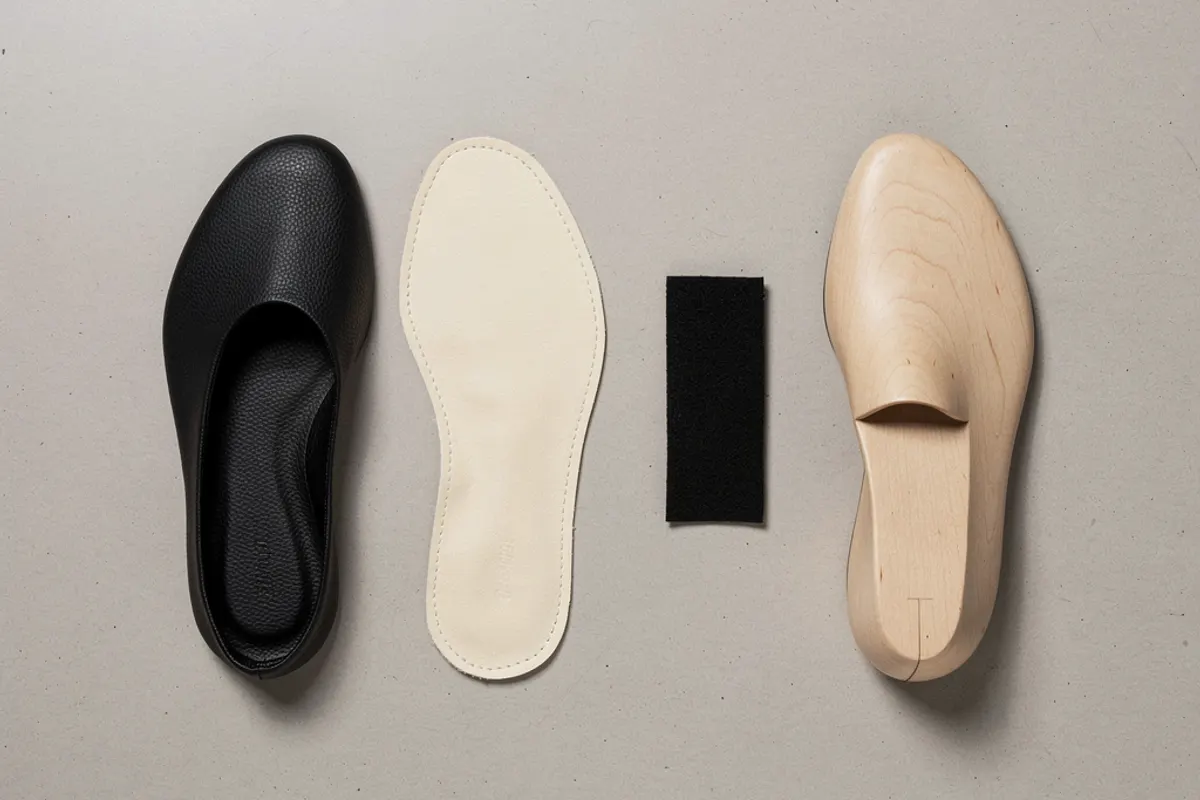
SATRA’s performance-footwear guidance distinguishes keeping water out from controlling water absorbed by the upper and other components. It notes that absorption adds weight. This is why surface beading alone is an incomplete comparison.
For development screening, agree a consistent wet-conditioning and weighing procedure with the test team. Record initial mass, exposed components, drainage or blotting procedure, measurement timing and drying conditions. These details are proposed controls, not a replacement for a published laboratory method. Do not compare an immediately weighed wet boot against one allowed to drain for much longer.
Check water entry separately at the finished-boot level where the product requirement calls for it. Seams, openings and the sole joint belong to the complete construction assessment. A coating description does not establish a waterproof boot. The comparison should also include the intended cleaning and drying instructions so the development team can assess the proposed use cycle.
After conditioning, repeat the relevant fit and visual checks. Record whether the result returns to the approved condition after drying. Do not turn a single wet trial into a claim about all synthetics or all K-leather.
Approve Touch Through the Complete Forefoot Package
For engineering purposes, treat the ball-contact area as an assembly rather than a face material alone. Map the lining, seams, overlays and reinforcement under that area. A material substitution can require changes to this package, and those changes should be visible in the development record.
Use a paired prototype comparison first. Keep the last, size, sole unit and other components consistent where practical, and record any unavoidable differences. Then allow a second, optimized construction if the candidate requires different reinforcement or processing. The first comparison helps isolate the material change; the second asks whether the resulting design is commercially useful.
A wearer trial should use clearly defined observations rather than a single question about “better touch.” Ask about perceived contact, local stiffness, seam awareness and consistency between sessions. Rotate sample order where practical and record pitch conditions. This is a proposed development approach, not a claim that subjective ratings establish superior sporting performance.
If one sample is preferred, investigate why before making a marketing statement. The preference may relate to the total construction, fit or surface treatment. Do not attribute it automatically to the hide species or polymer family.
Keep Material Flex and Sole Attachment Tests Distinct
SATRA TM25 assesses damage at flexing creases and is applicable to flexible upper and lining materials, including leather, coated fabrics and textiles. Its published scope includes wet or dry specimens at room temperature and dry specimens at sub-zero temperatures. Select conditions appropriate to the project with the laboratory.
That test does not establish that the sole is securely attached. ISO 17708:2018 addresses resistance to separation involving the upper and outsole, adjacent outsole layers, or tear failure. A change in upper material therefore needs an assembly-level review as well as material screening.
Ask the manufacturer to document the approved preparation and bonding process. In the development report, distinguish adhesive separation, material tear and failure within a layer. A summary such as “bond failed” is not enough to identify which part of the construction needs attention.
Agree pass criteria before testing. Neither a method name nor a high cycle count is, by itself, a universal football-boot approval. Keep laboratory cycles separate from promises about matches or seasons unless there is validated evidence linking the specific test to the specific use conditions.
Use a Staged Substitution Decision
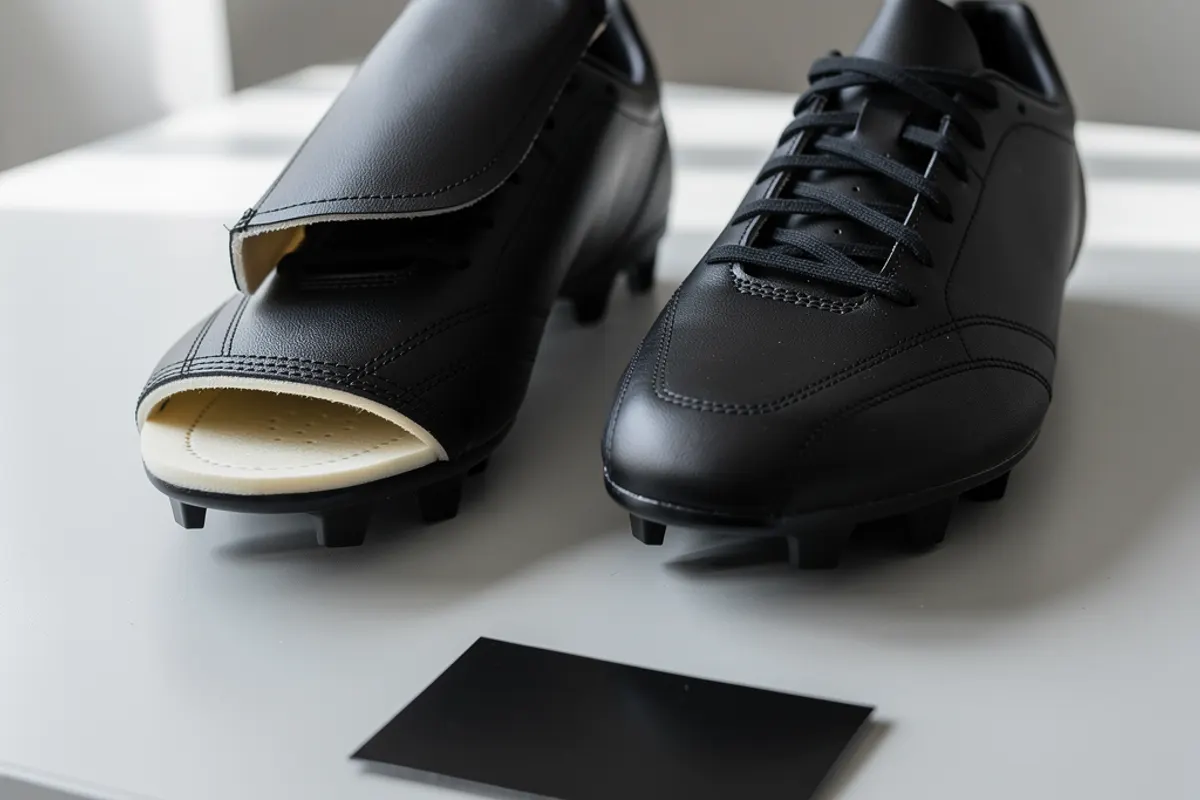
The following gates are a proposed purchasing workflow. They help prevent a visually convincing sample from moving into production while important questions remain unanswered.
| Gate | Evidence to review | Reason to pause |
|---|---|---|
| Identity and brief | Traceable grade, construction, target component and required claims | Only a generic “premium synthetic” description |
| Component screening | Appropriate material tests with matched conditions and acceptance criteria | Unrelated reports or unspecified specimen direction |
| Prototype comparison | Fit observations, wet-use checks and documented design differences | Preference recorded without construction details |
| Assembly validation | Approved processing, sole attachment and finished-boot checks | A swatch result used as whole-boot approval |
| Pilot release | Repeatable construction, retained reference and change-control record | Bulk material differs from the approved sample |
Keep final boot mass separate from material mass per area. Weigh the complete prototype in the agreed size and condition. If a lighter outer material needs additional support, include that support in the comparison. Do the same with cost: compare the accepted construction and its processing requirements, not only the quoted sheet or hide price.
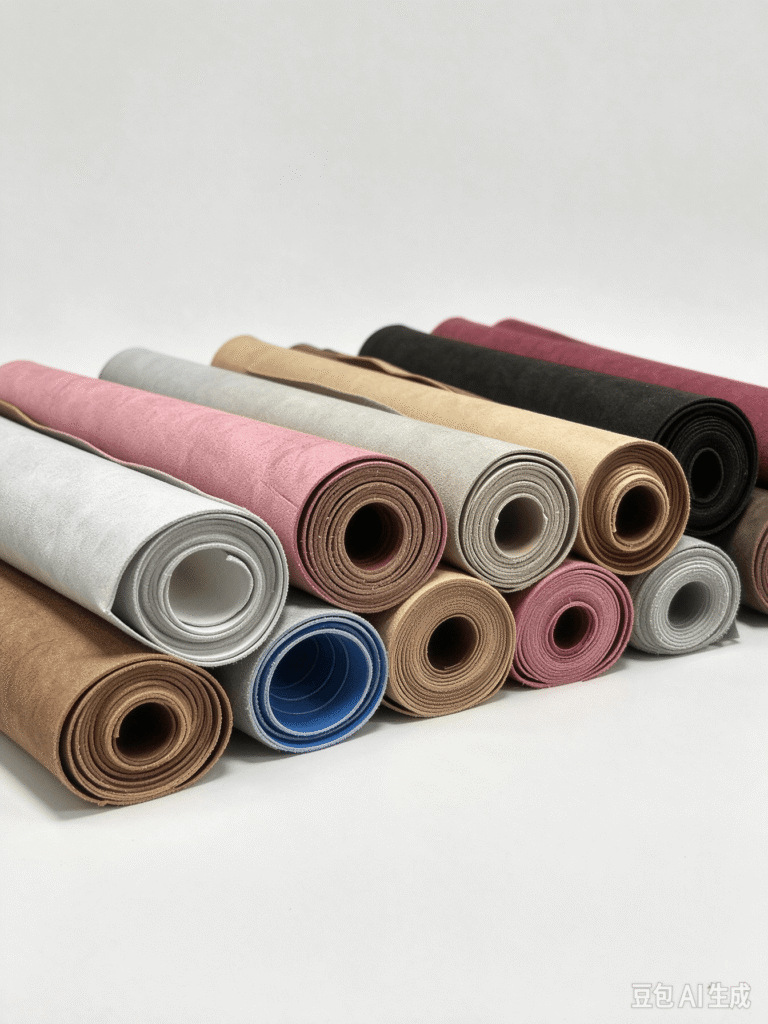
When exploring a replacement, microfiber synthetic leather for shoes and PU leather for footwear are candidate routes to discuss. Select by the complete brief rather than assuming either category automatically matches a K-leather reference.
Set a clear stopping rule for unresolved evidence. If the candidate looks suitable but the wet-fit trial, bonding assessment or composition declaration is incomplete, keep it at development status. Record who owns the open question and what evidence will close it. That is more useful than marking a sample approved with informal reservations that disappear when the purchase order is raised.
Frequently Asked Questions
What does K-leather mean in football boots?
K-leather means kangaroo-hide leather. It describes the animal material, not a synthetic upper technology or a complete performance specification.
Is K-leather always better than synthetic for fit?
No universal ranking is justified. A published study found a preferred fit for a particular kangaroo-leather boot, but buyers still need to evaluate their own materials, construction, sizes and intended users.
Are synthetic football boots waterproof?
Not simply because the upper is synthetic. Assess material water uptake and finished-boot water entry separately under the conditions required by the product brief.
Can microfiber synthetic leather replace K-leather directly?
It can be evaluated as a candidate, but direct substitution should not be assumed. Validate fit, lining and reinforcement choices, processing, wet behavior and sole attachment in complete prototypes.
Does a synthetic upper make the complete boot vegan?
The upper label alone is insufficient. Review the complete bill of materials and supporting declarations, including linings, trims and bonding materials, for the scope of the intended non-animal claim.
Can flex-test cycles predict how many matches a boot lasts?
Not without a validated relationship for the specific construction and use conditions. Laboratory flex results support controlled comparisons; they should not be converted directly into matches or seasons.
Request a Candidate Against a Complete Boot Brief
A useful enquiry includes the reference upper, component drawing, target construction, intended use conditions, required claims and agreed tests. Send your footwear material brief to discuss synthetic candidates and the verification needed before production. The decision should follow the evidence for the finished design, not the material name alone.