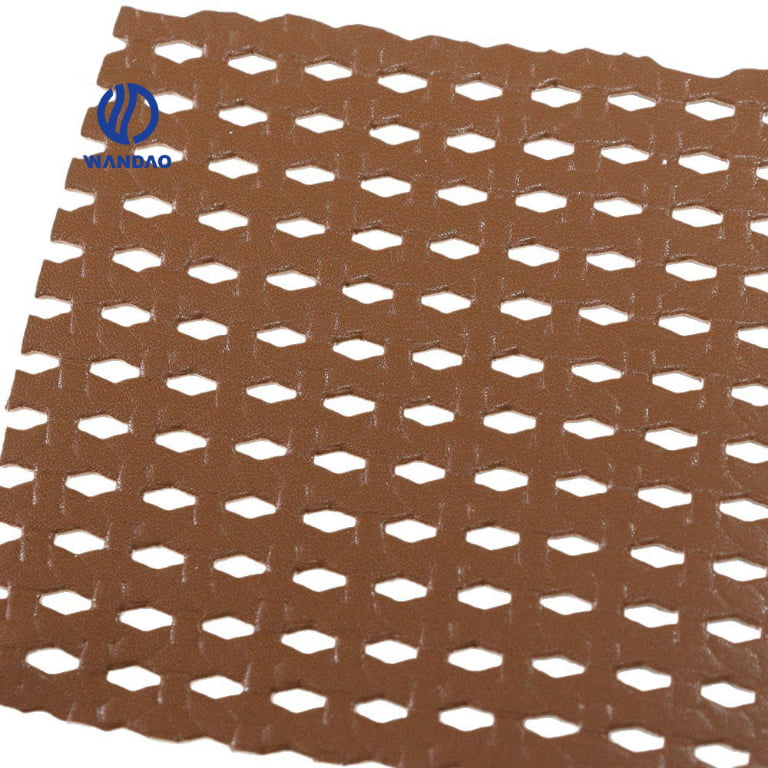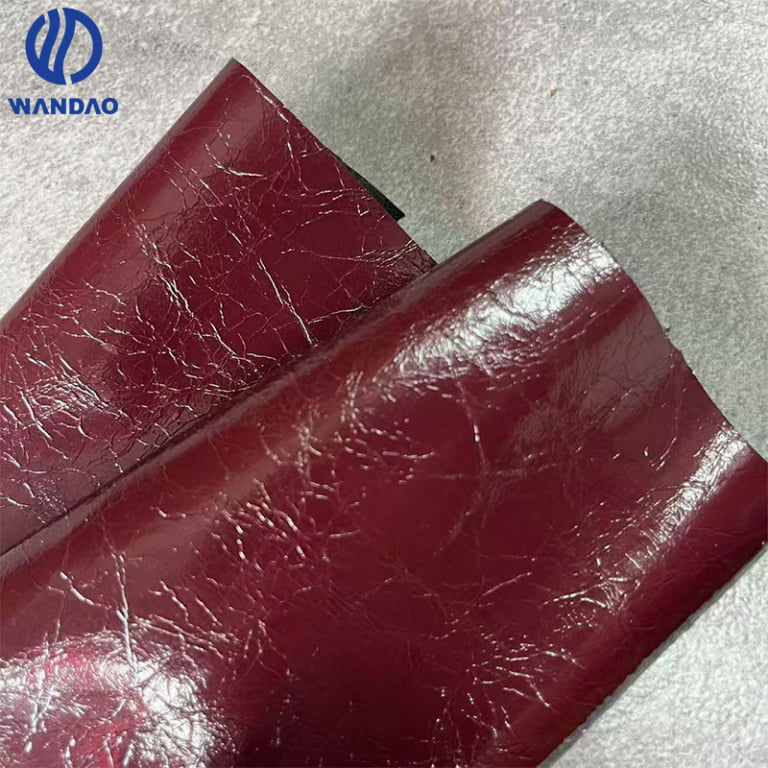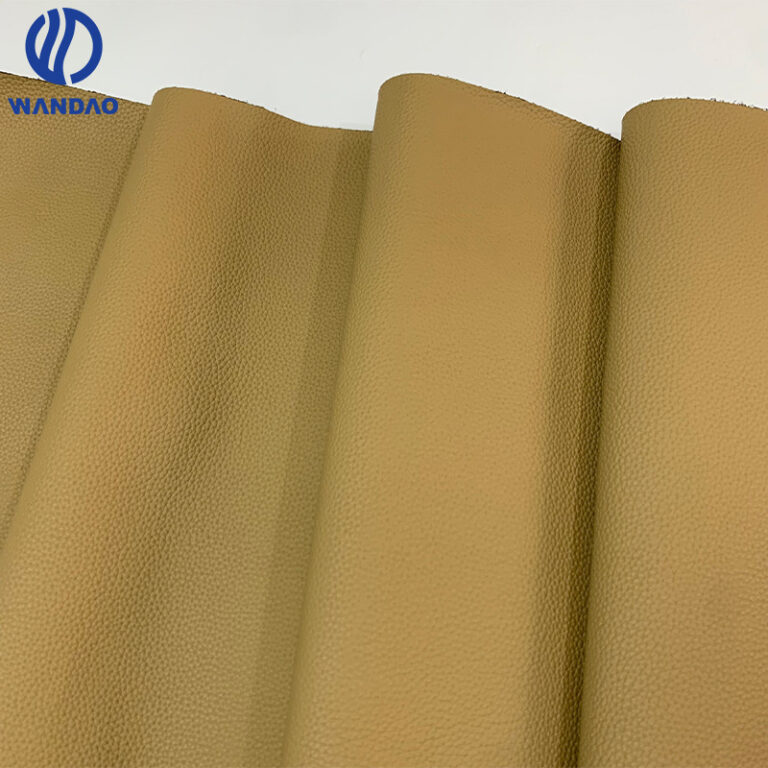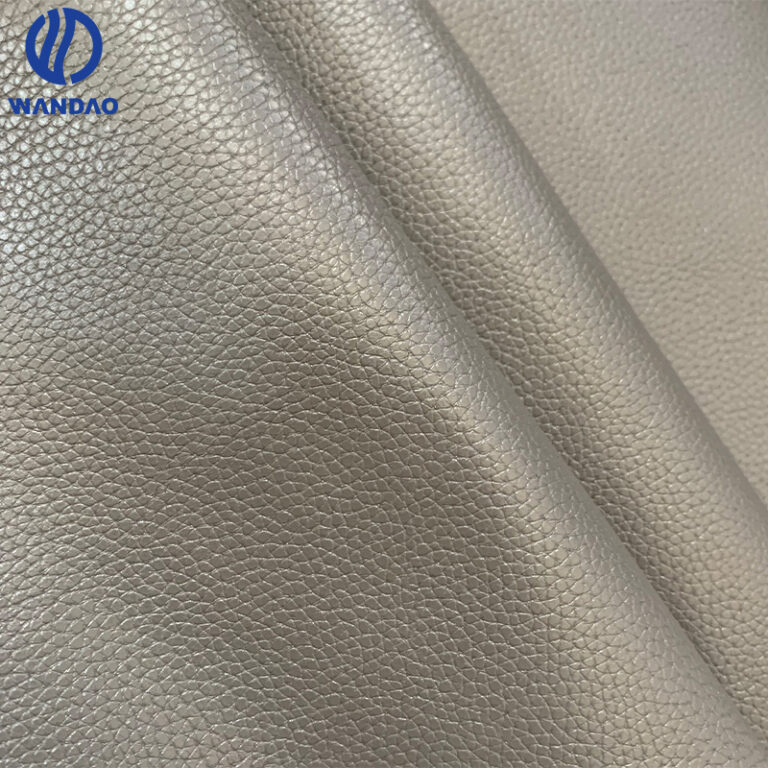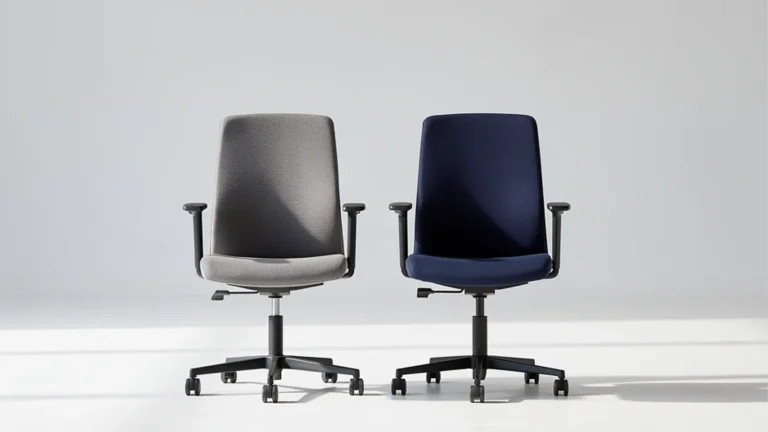
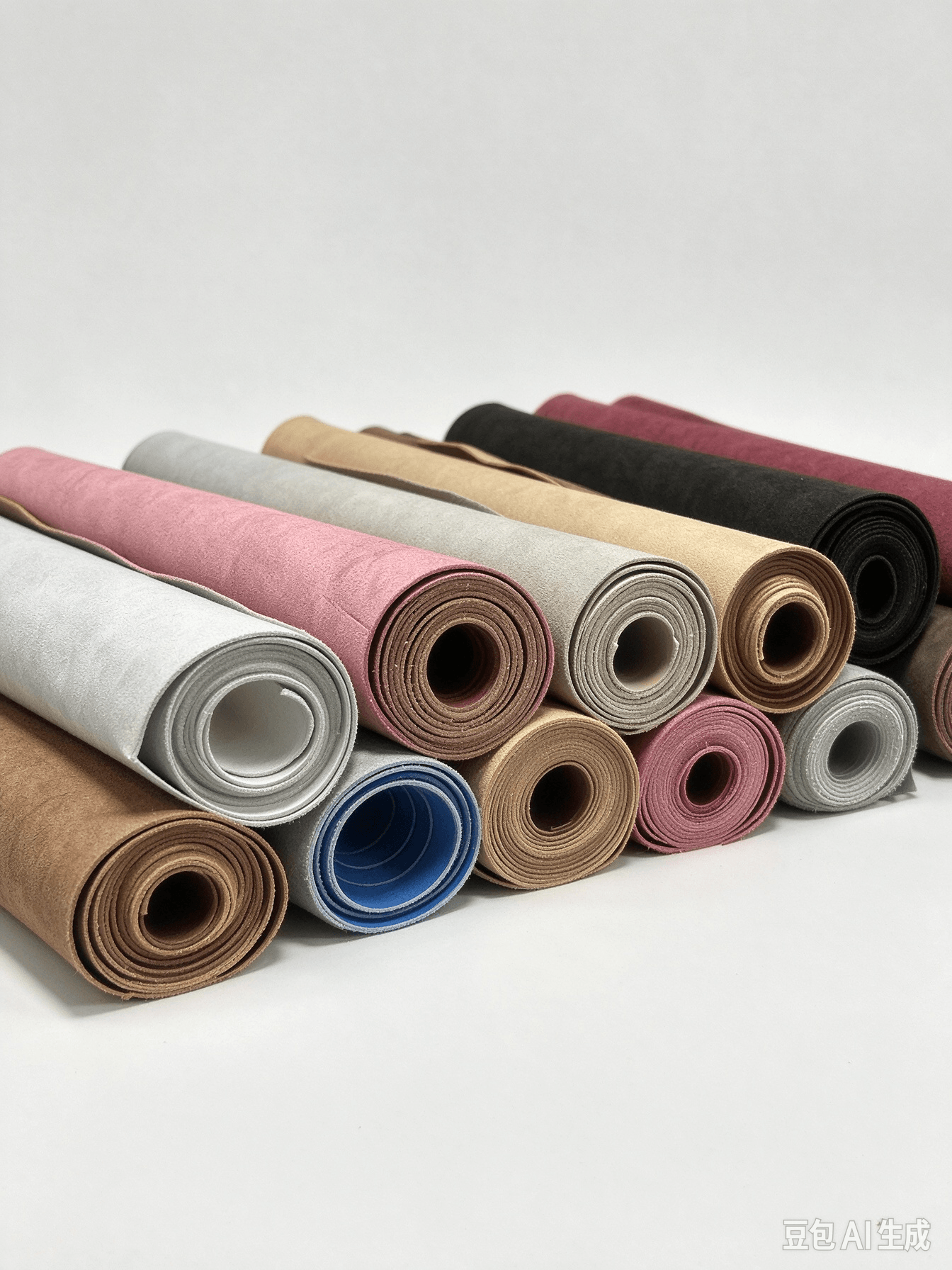
Microfiber leather vs bonded leather becomes a different decision when you are replacing an existing furniture cover. The question is not only which material to buy, but whether the proposed cover will fit, assemble and remain visually acceptable on the existing furniture. Identify the original construction, preserve evidence of its failure and validate the replacement on the actual assembly. A matching grain and thickness do not make microfiber leather a drop-in substitute, and the new material name is not a guarantee against peeling.
This guide is for furniture manufacturers and contract buyers planning a controlled cover substitution. Start a material shortlist with microfiber leather for furniture, but keep material selection separate from approval of the replacement cover. The workflow below is an engineering proposal, not a report of a completed customer repair or a Wandaoleather performance guarantee.
Microfiber leather vs bonded leather: establish what is being replaced
Bonded leather is not simply another name for a textile-backed synthetic leather. HMRC describes composition, or bonded, leather as having a basis of natural leather or leather fibres. Its description includes processes that consolidate leather pieces or fibres. That establishes a material distinction; it does not identify the precise construction of an unknown sofa cover.
Microfiber synthetic leather is also more specific than a microfiber cleaning cloth. One published research example recorded by PolyU uses a split-microfiber nonwoven base and a waterborne polyurethane coating. This is an example of a synthetic-leather construction, not a universal recipe or proof of the properties of every commercial microfiber grade.
Obtain the original purchase specification where possible. Then ask the replacement supplier for a declared substrate, coating system, thickness range and article code. If the old material cannot be identified reliably, record it as unknown rather than forcing it into a category from a photograph. That uncertainty belongs in the replacement decision.
Preserve failure evidence before stripping the cover
A photograph of peeling shows a symptom, not a complete cause. Treat surface damage, separation between layers, tearing near attachments and seam opening as different observations. Do not label all of them “poor bonded leather” and assume that a new substrate will remove every contributing factor.
Before dismantling, photograph the whole furniture item and mark damaged areas on a simple panel map. Record where damage starts, where it stops and whether apparently unaffected panels share the same exposure. Keep any known cleaning history, installation conditions and date information with the photographs. Unknown details should remain unknown.
Retain a representative damaged piece with its orientation identified and, if available, a less-exposed piece from the same cover. Keep an unused retained production sample separately. Do not scrub, coat or glue the diagnostic pieces before the supplier or laboratory has agreed what examination is needed.
This is a proposed investigation sequence, not a diagnosis. Comparing locations and retained samples can help frame questions for an examiner; it does not by itself prove hydrolysis, cleaning damage or a manufacturing defect. Escalate unresolved layer separation to someone able to examine the actual construction before making a causal claim to customers.
Map the replacement boundary panel by panel
Decide whether the project replaces a seat cover, all contact surfaces or the complete visible upholstery. A quote for one cushion is not equivalent to a quote for the whole item. Identify adjoining original panels that will remain, because those interfaces create both fit and appearance decisions.
| Part or interface | Record before removal | Approve on the replacement |
|---|---|---|
| Seat and cushion corners | Panel layout and attachment arrangement | Fit, seam position and corner appearance |
| Arms and adjoining panels | Which original surfaces remain visible | Accepted shade, gloss and grain relationship |
| Zipper or removable closure | Access and opening arrangement | Removal and refitting without forced closure |
| Foam, liner and attachment area | Condition and intended retained components | Compatibility with the revised cover assembly |
Separate the cover change from any foam, liner or frame repair. If several parts change together, record them together in the prototype specification. Otherwise, an improvement may be incorrectly credited entirely to the new cover material, or a remaining assembly problem may be incorrectly blamed on it.
Do not cut production replacements solely from a stretched or damaged removed cover. Use it as evidence alongside the original pattern, furniture geometry and a trial fitting. When the original pattern is unavailable, make that reconstruction work an explicit part of the project rather than an invisible assumption in the material quote.
Run a fit trial before approving production cutting
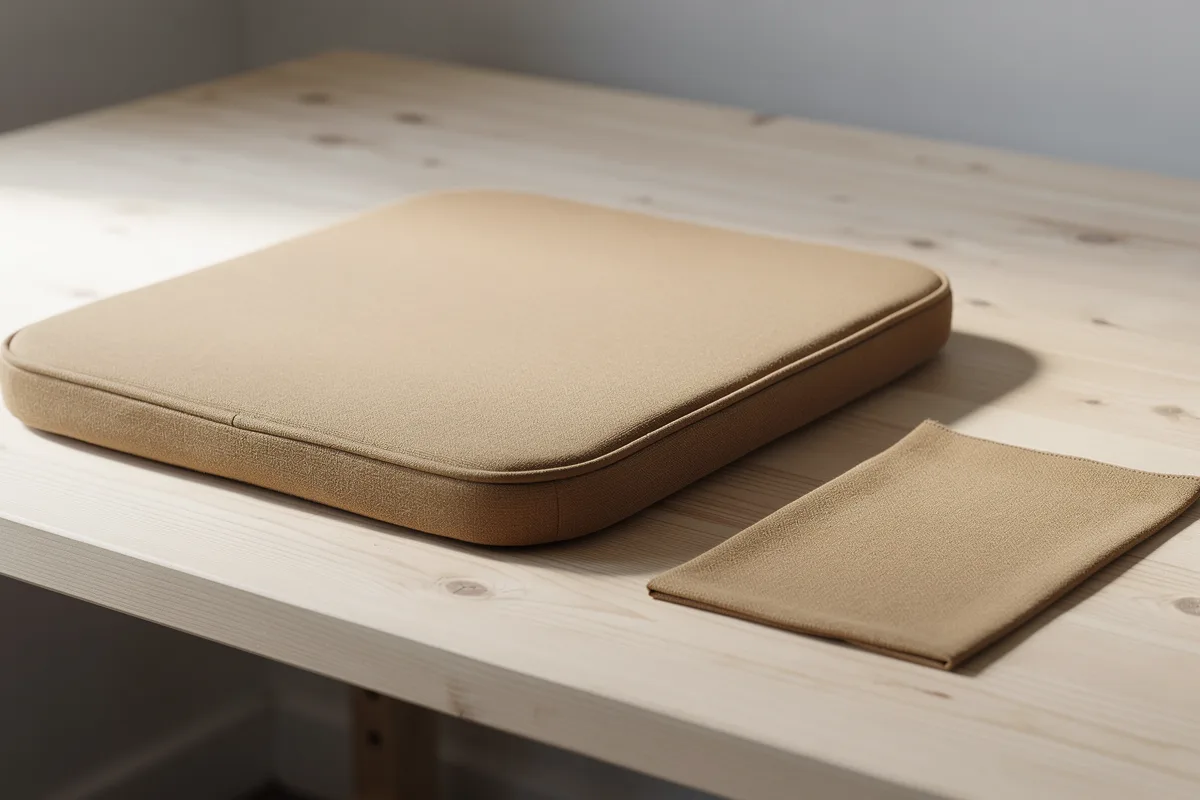
Start with a representative difficult component, such as a shaped cushion with a closure or a panel wrapping a corner. Use the proposed microfiber article and the intended thread, seam arrangement and attachment method. Keep the sample lot and cutting direction identifiable.
As an engineering inference, differences in stretch, recovery, bending and surface behaviour may change how an apparently similar sheet fits the assembly. Matching thickness does not resolve those variables. Inspect the trial in its fitted state and through the intended movement or removal sequence, not just while the cover lies flat.
Check whether seam lines align with the design, whether corners show unwanted folds and whether the closure operates without forcing it. Record observations separately from proposed fixes. If the pattern changes, issue a new revision and rebuild the relevant detail; do not approve the material against one pattern and manufacture against another.
Keep the original approved pattern available if it exists. The goal is not to change every dimension, but to establish which dimensions and operations can remain. A successful trial supports that particular construction; it does not authorize the same substitution across every sofa model.
Choose evidence that addresses the observed risk
Ask for reports tied to the candidate article, not a generic brochure for microfiber leather. The laboratory should confirm which methods apply to the original and replacement constructions. A method suitable for a coated textile must not automatically be assigned to every leather-fibre composite.
- ISO 2411:2024 concerns coating adhesion of coated fabrics.
- ISO 7854:1995 concerns resistance of coated fabrics to damage by flexing.
- ISO 1419:2019 concerns accelerated ageing of rubber- or plastics-coated fabrics.
These are different questions, not interchangeable durability scores. Agree the selected method, conditions, specimen identity and acceptance criteria before testing. If an aged specimen will receive a subsequent assessment, have the laboratory define and report that sequence rather than combining unrelated numbers from separate datasheets.
The Association for Contract Textiles coated-fabric guidance also cautions against interpreting hydrolysis test weeks as years of service. A replacement should not be sold with a fixed lifespan inferred from accelerated exposure. Likewise, ACT warns that abrasion results do not establish service life; use and maintenance conditions matter.
Keep cleaning compatibility in the approval plan. Name the intended cleaning product and the actual proposed cleaning procedure, then ask the material supplier to review them and agree an evaluation. Do not infer compatibility from a generic claim that synthetic leather is easy to clean. Before release, have the responsible specialist review any existing assembly-level approvals affected by the substitution.
Approve partial-replacement appearance in context
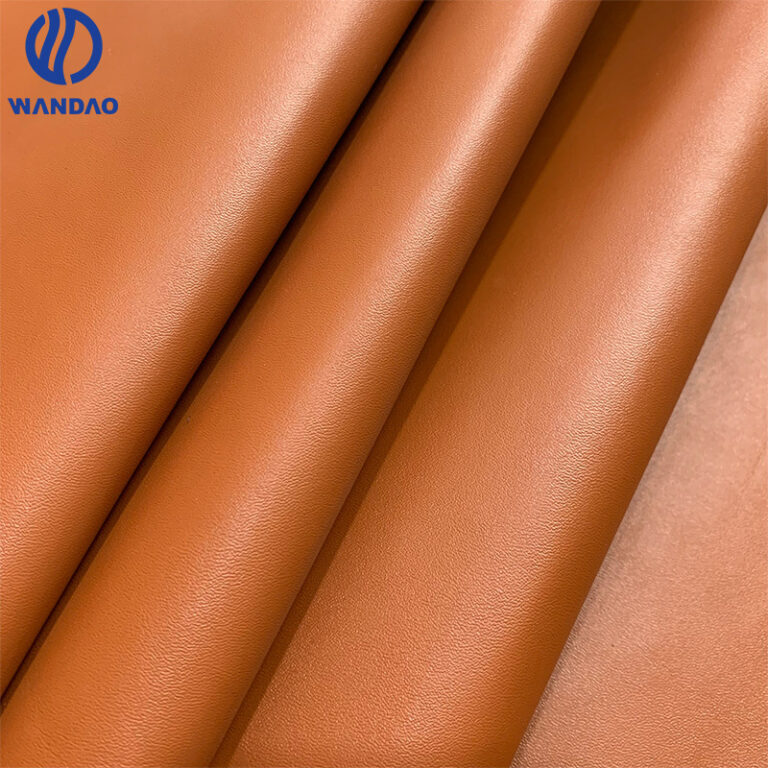
A new tan swatch may look acceptable on a desk yet make a retained arm panel look different when installed. Review candidate colour, gloss and grain next to the surfaces that will remain, under agreed viewing conditions. The acceptance target should be the installed relationship, not an isolated colour name.
Agree whether the project requires a close match, allows a deliberate contrast or needs broader replacement. Do not promise an invisible repair before the customer has seen the proposed combination. If the old surface has changed unevenly, one new shade may not visually match every retained area; make that risk part of the decision.
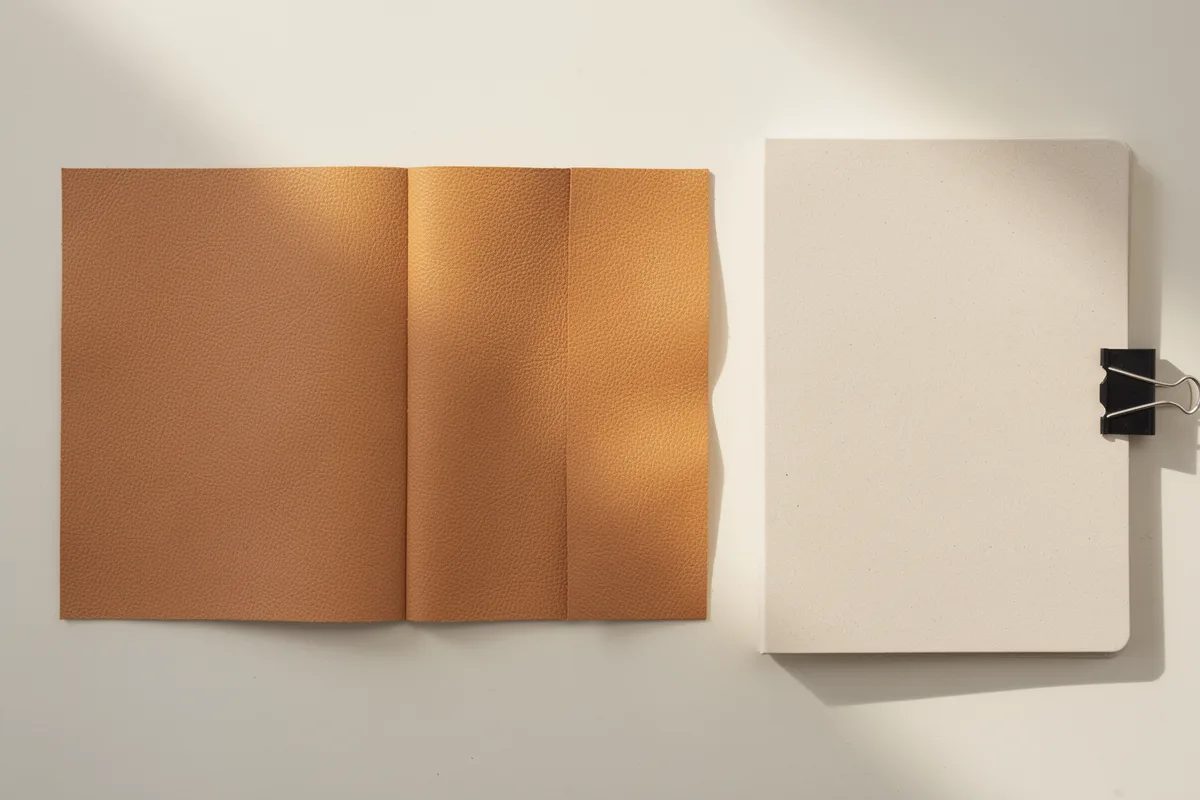
Retain an approved physical reference and identify the accepted lot. For future service pieces, record the replacement article and shade rather than only the original furniture colour. A later buyer should be able to distinguish the original cover from the approved substitute without relying on staff memory.
Release the change, not just the purchase order
Compare project costs on the same replacement boundary. Include removal and refitting, pattern reconstruction if needed, trial work, material consumption and any agreed component changes. A lower price per metre does not settle the cost of a successful replacement, and no fixed saving can be inferred from either material category.
The release record should identify the old specification or documented unknowns, the approved replacement article, the affected panel list, pattern revision, appearance reference, test evidence and cleaning instruction. State who approves a later change in coating, backing, thickness or finish. Hold the change if the assembly trial or essential evidence remains unresolved.
For broader construction options, consult the microfiber leather overview and the furniture leather application page. To discuss a replacement candidate, send Wandaoleather the furniture cover brief, affected panel photographs, available material specification and the intended cleaning conditions. This creates a useful sampling request without assuming the old failure has already been diagnosed.
Frequently Asked Questions
Can microfiber leather replace bonded leather on furniture?
It can be considered as a candidate, but approve the exact construction on the furniture assembly. Identify the original cover, define the panels being replaced and validate fit, appearance, cleaning compatibility and relevant test evidence before releasing the change.
Are bonded leather and microfiber leather the same construction?
No. Bonded or composition leather has a basis of natural leather or leather fibres. Microfiber synthetic leather can use a microfiber nonwoven substrate with a polymer coating. Obtain the exact supplier declaration because neither name fully specifies a commercial cover.
Will microfiber leather guarantee that the new cover never peels?
No. The material name is not a guarantee against failure. Review the candidate coating and substrate, the assembly, cleaning conditions and applicable evidence. Investigate the original damage separately rather than assuming a substrate change has removed its cause.
Can I reuse the old cover as the cutting pattern?
Use the removed cover as a reference, not an unquestioned production master. It may be stretched or damaged. Compare it with the original pattern and furniture geometry where available, then approve a trial cover made from the proposed replacement material.
Can I replace only a damaged seat and keep the original arms?
That depends on the assembly and the accepted appearance. Define the replacement boundary and review the new material beside retained panels. Approve any difference in shade, gloss and grain before ordering; do not promise an invisible match from a loose swatch.
Do abrasion cycles or ageing weeks predict replacement-cover lifespan?
No. They describe results under specified test conditions, not a direct number of service years. Use applicable reports to evaluate defined risks, alongside the assembly trial and intended use and maintenance conditions, without converting the results into a lifespan guarantee.