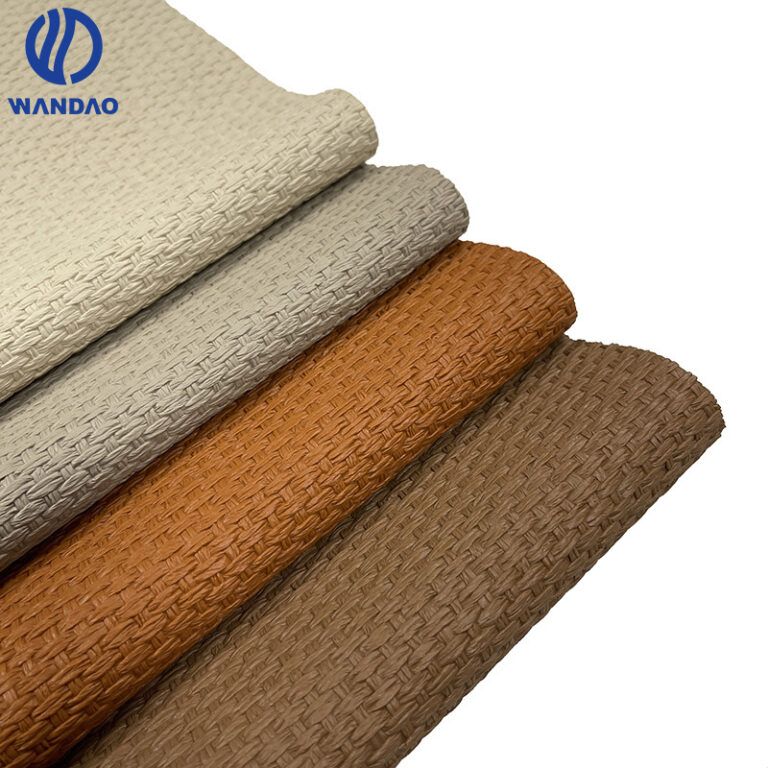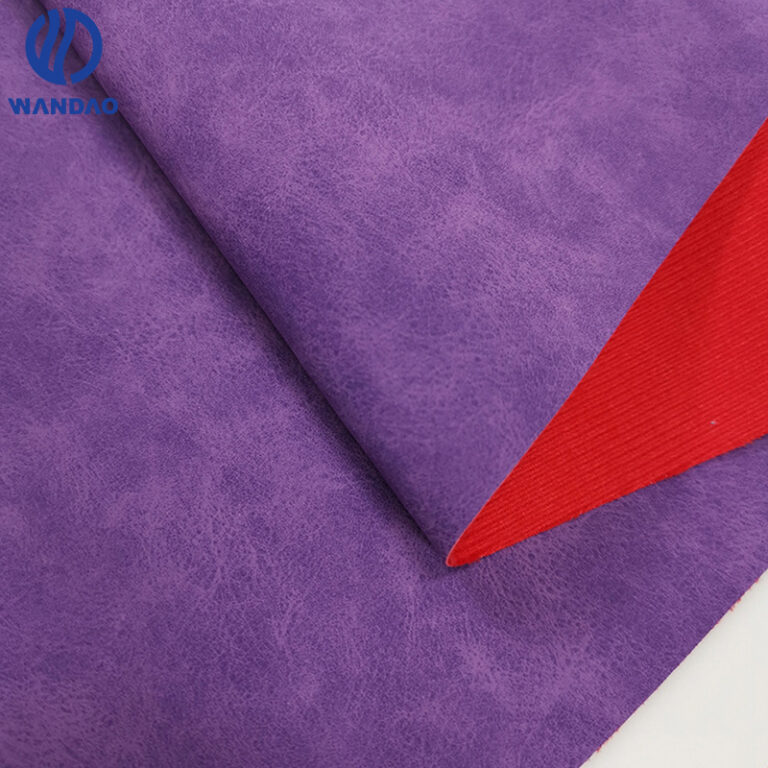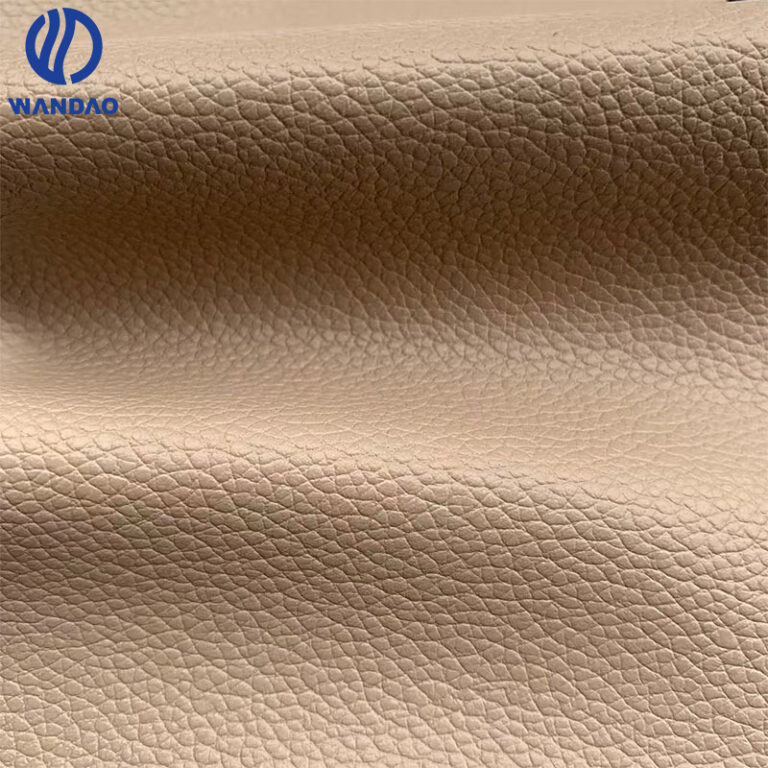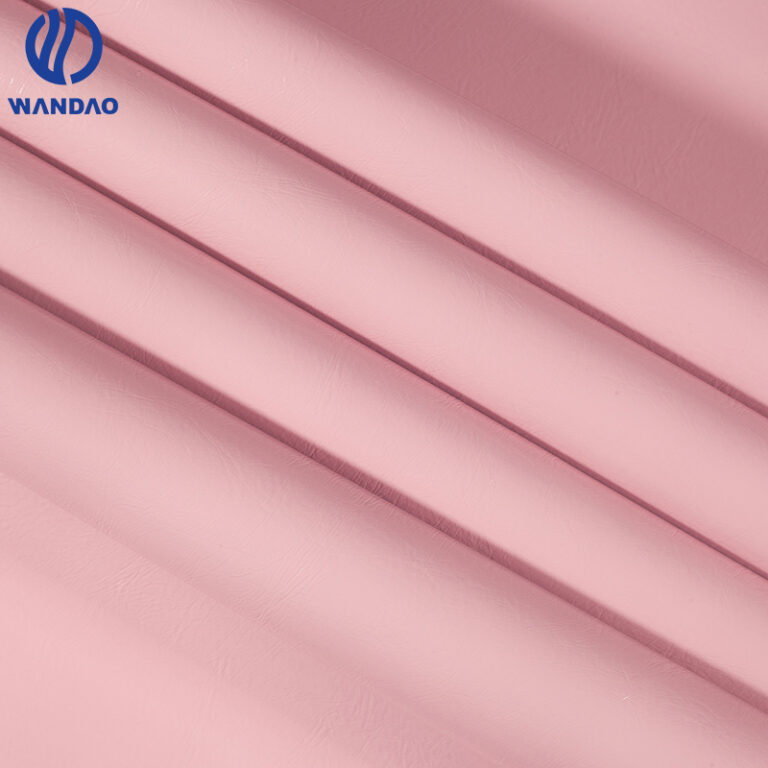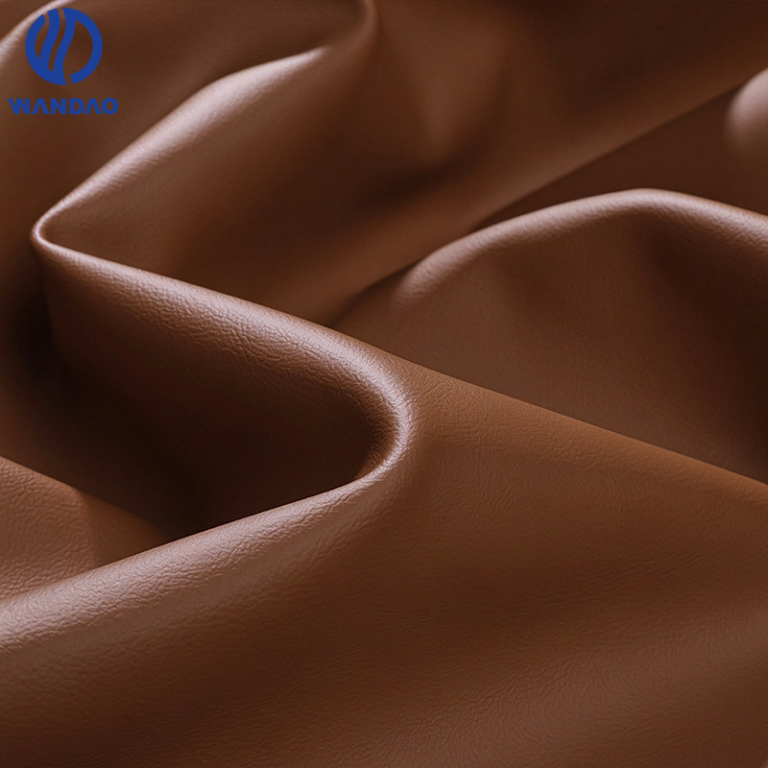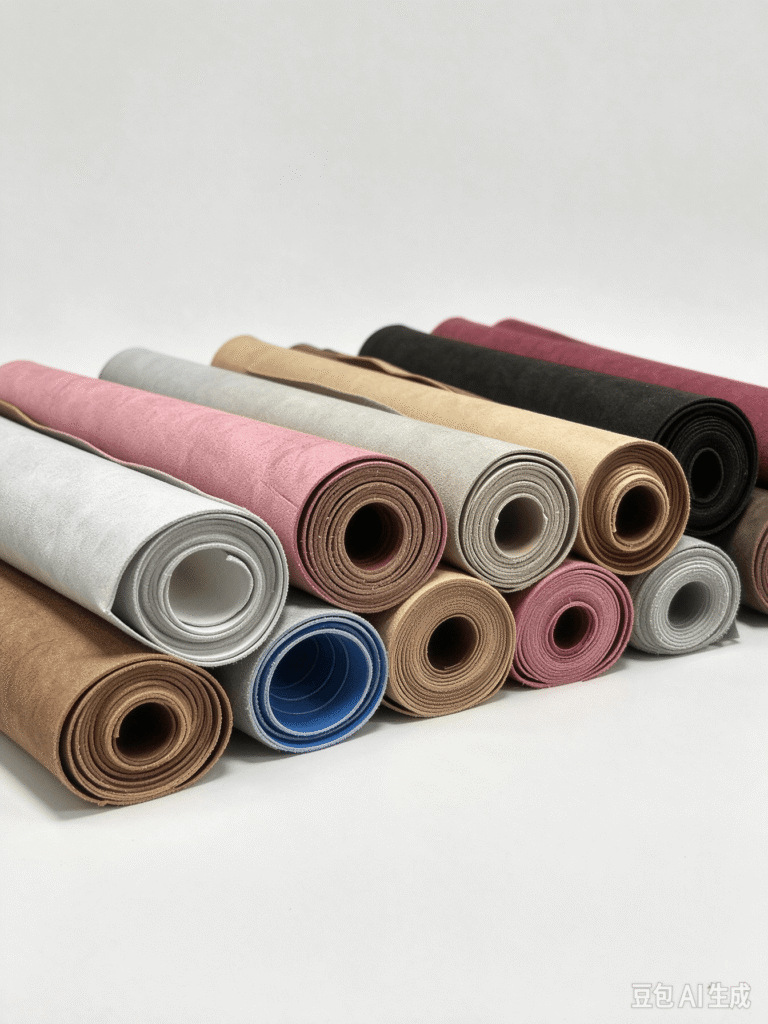
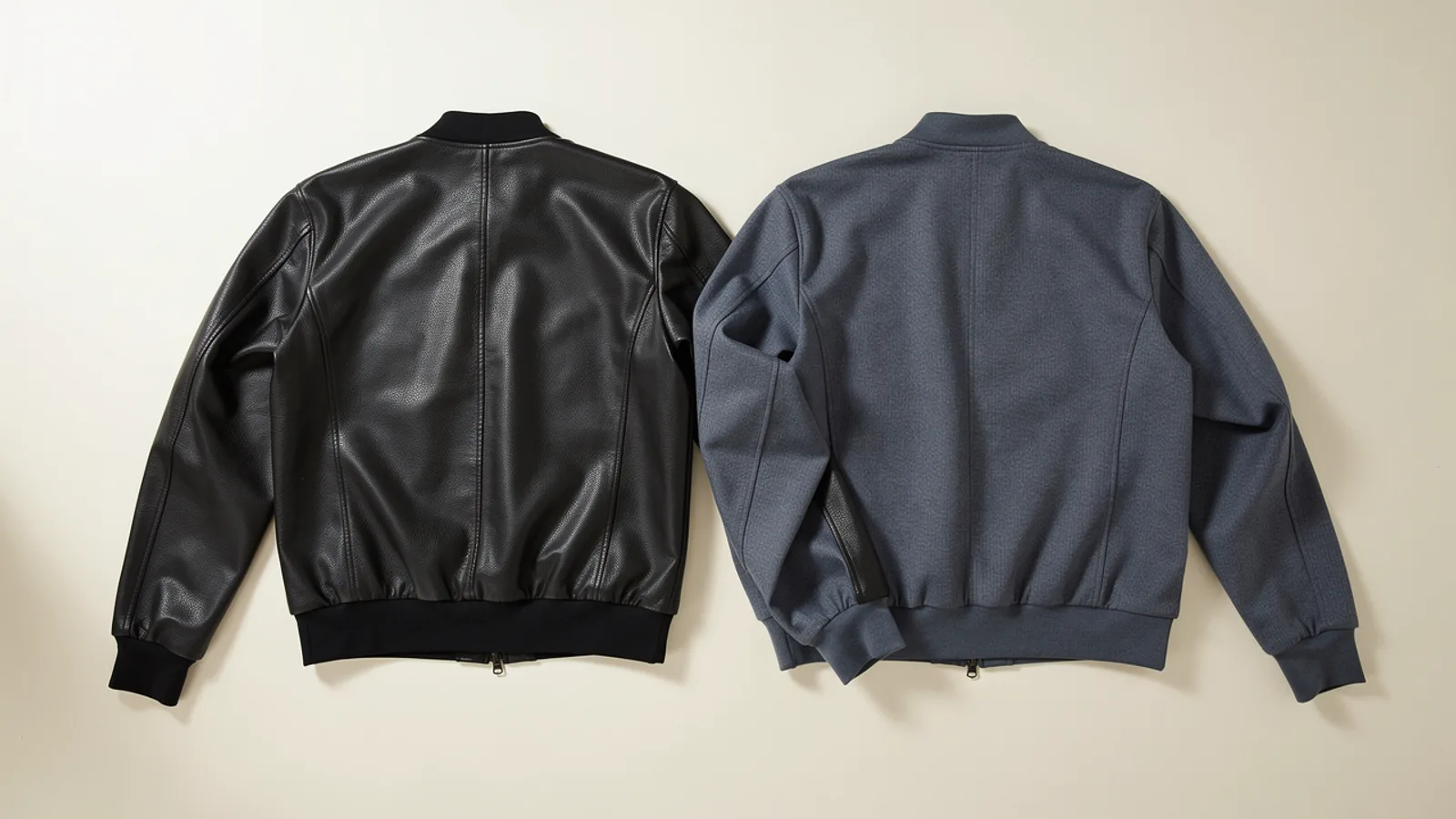
PU leather vs polyester is not simply a choice between two fibres. For a jacket developer, the useful comparison is a specified leather-look PU-coated shell against a specified polyester fabric shell. If you are transferring an existing woven-polyester jacket into PU leather, keep the design brief but reopen the pattern, sewing and care approvals. A matching colour, thickness or polyester backing does not establish that the new shell will work with the old construction. Approve the assembled jacket before releasing the substitution.
This guide focuses on that transfer decision, rather than ranking every jacket material. For the proposed coated shell, start with PU leather for clothing and request a construction-specific sample. The checks below are a proposed development workflow, not test results for any Wandaoleather material.
PU leather vs polyester: define the two shells first
In this comparison, PU leather means a leather-look polyurethane-coated textile; polyester identifies the fibre used in the comparison fabric. A polyester fabric may also carry a coating or laminate, so asking for “polyester” alone leaves the construction unresolved. Specify whether the existing shell is uncoated, coated or laminated before asking a supplier for an alternative.
Write separate descriptions for the face and support structure. For the PU candidate, request the declared coating system, backing fibre and backing construction. For the polyester control, record its fibre composition, weave or knit, finish and any added layer. Keep lining and interlining descriptions separate. Do not treat a statement about the backing as the composition of the whole jacket.
| Comparison field | Existing polyester shell | Proposed PU shell |
|---|---|---|
| Identity | Article code, textile construction and finish | Article code, coating and backing construction |
| Dimensions | Usable width, mass and thickness specification | The same fields, with agreed tolerances |
| Development reference | Approved garment and pattern revision | Trial garment tied to the candidate lot |
| Care evidence | Approved route for the existing assembly | Proposed route requiring its own review |
A filled comparison sheet is more useful than a claim that both materials contain polyester. It also prevents a quote for a lightweight coated textile from being compared with a different leather-look construction under the same abbreviated name. If the backing or finish is undisclosed, resolve that gap before treating the two offers as interchangeable.
Freeze the design brief, not the manufacturing instructions
Decide what the new version must retain: silhouette, size range, pocket position, closure layout and intended use. Then identify which manufacturing details may change. Separating those decisions lets the pattern maker preserve the design without being forced to retain an unsuitable seam or pressing operation.
Keep an approved polyester garment as the visual and fit reference. Use an uncut retained shell sample as the material reference. These serve different purposes: the garment records the assembled result, while the swatch helps compare the incoming construction. A worn jacket is useful context but should not silently become the dimensional master.
As an engineering inference, a different coating and backing can change how a panel bends, stretches or feeds through assembly. The direction and size of the change are not established by the material names. Therefore, begin with the existing pattern as a trial baseline, not an approved production pattern for the PU version.
Trial the difficult zones before making every size
A flat swatch cannot show whether a pocket opens comfortably or whether a collar sits correctly. Before committing to a complete size set, build the details most likely to decide whether the original pattern remains useful. Keep the candidate material direction and lot identifiable on each trial piece.
Front closure and pocket opening
Make a front-panel trial with the intended zipper, facing and pocket construction. Check the closed front, the open jacket and access to the pocket. Record waviness, bulk and any visible marking without immediately assigning a cause. If a change helps, identify whether it was the pattern, feeding arrangement, seam construction or another controlled variable.
Cuff, collar and folded edges
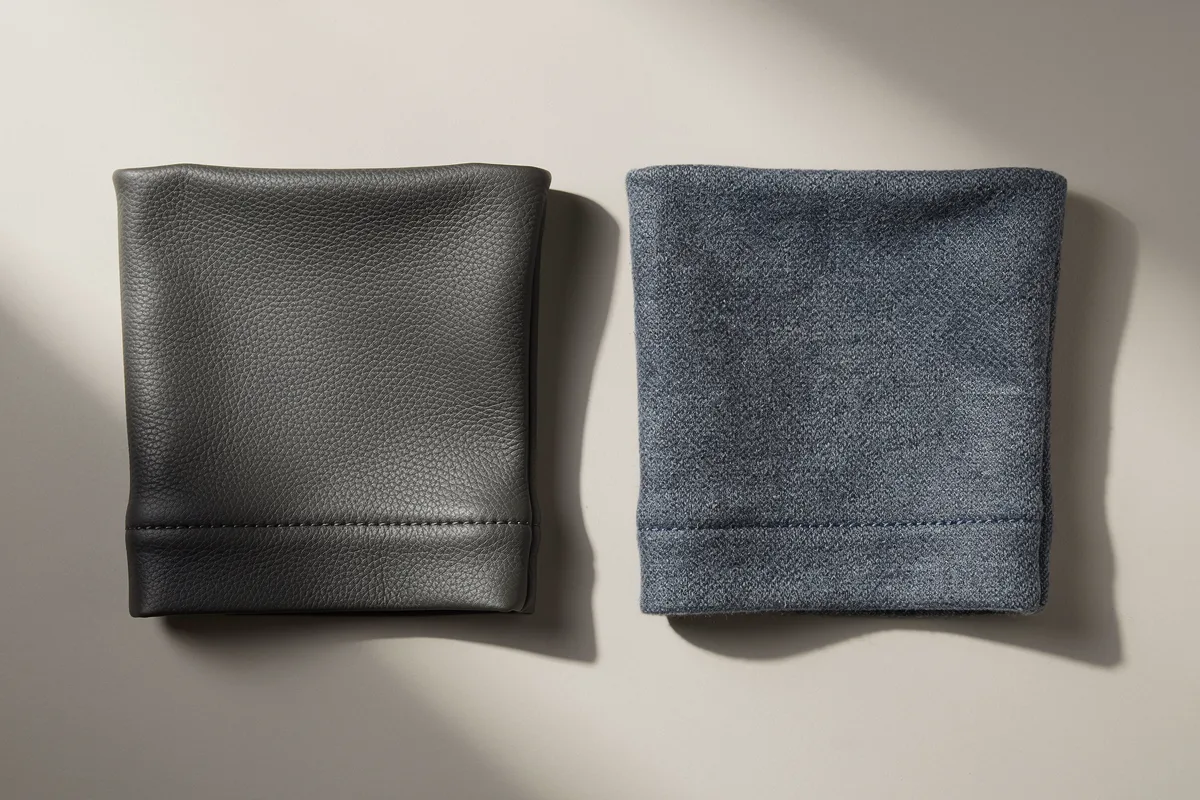
Build representative folded edges with the actual number of layers. Inspect both appearance and movement: a cuff must open as intended, and a collar should be reviewed in its worn positions. A neat single-layer seam is not evidence that a multilayer corner will meet the same appearance requirement.
Sleeve and body movement
After those details are workable, review a complete trial jacket against the fit brief. Observe reaching forward, bending the arm and operating closures. Distinguish deliberate design structure from unwanted restriction. Record the size, sample revision and reviewer observations so a later improvement can be traced to a specific change.
Do not prescribe a universal needle, stitch density, pressing temperature or adhesive from an online comparison. Ask the garment maker and material supplier to propose trial conditions, then document the combination that produces an acceptable result. An approved shell swatch does not authorize an untested production setting.
Do not carry the old seam-test specification across automatically
Test names matter as much as reported numbers. ISO 13935-2:2026 covers a grab method for seam maximum force. Its published scope mainly addresses woven textiles, normally excludes coated fabrics and nonwovens, and applies to straight rather than curved seams. That limitation is important when a woven shell is replaced by a coated construction.
Ask the laboratory to confirm an applicable seam assessment for each construction. If a modified or internal procedure is proposed, identify it as such. Do not present two results as directly comparable merely because both reports use the word “seam” or report force in the same unit.
Material flexing is a separate question. ISO 7854:1995 addresses resistance of coated fabrics to damage by flexing. It does not replace the jacket fit trial or establish a universal service life. Specify the selected method, conditioning and evaluation criteria with the laboratory; do not convert a cycle count into years of jacket use.
Keep mechanical acceptance and cosmetic acceptance separate. A seam may meet an agreed strength requirement while displaying an unacceptable ridge or needle mark. Conversely, a clean-looking sample may still lack the required mechanical evidence. Both decisions belong in the approval record.
Rebuild the care approval around the finished jacket
The previous polyester version provides a starting question, not a transferable care authorization. Review the proposed route with all relevant components present: shell, lining, interlining, trims, closures and decoration. Where a supplier does not support a proposed treatment, resolve that before scheduling it as the production care route.
For dimensional change under washing and drying, three standards have distinct roles: ISO 3759:2011 concerns preparation, marking and measurement; ISO 6330:2021 provides domestic washing and drying procedures; and ISO 5077:2007 addresses determining dimensional change. The laboratory must confirm applicability and the selected procedures for the submitted article.
These references are not a declaration that the PU jacket is machine washable. They identify different parts of an assessment when that route is appropriate. Record the agreed procedure and evaluate the garment against buyer-defined dimensional and appearance criteria. A change in drying procedure should not be hidden beneath a generic “wash tested” note.
As a proposed development check, photograph the jacket before and after the selected care assessment in comparable positions. Recheck closures, panel alignment and the previously approved cuff and collar details. Investigate changes before deciding whether to revise the construction, restrict the care route or reject the candidate shell.
Make the release decision explicit
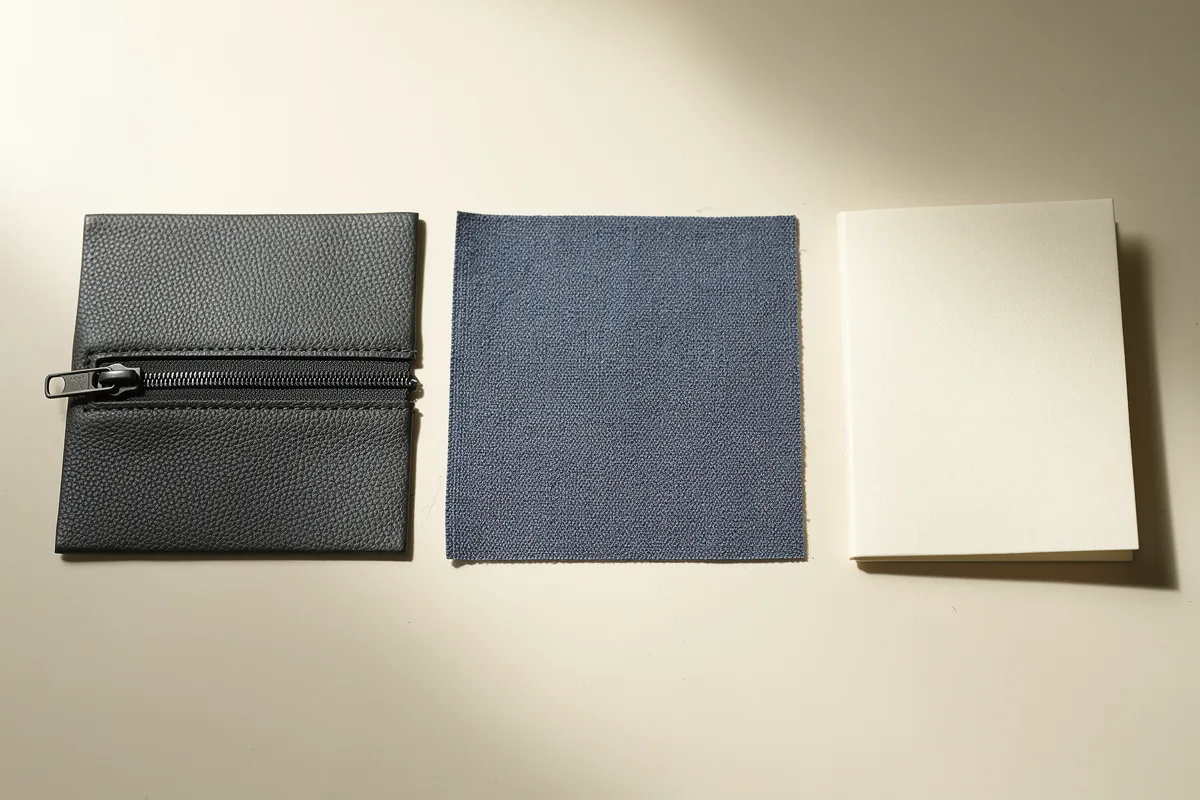
There are three practical outcomes: retain the pattern with documented process changes, issue a revised pattern, or stop the substitution. Avoid an ambiguous approval such as “material accepted, fit to be adjusted later.” That leaves purchasing and production working from different assumptions.
The relevant cost comparison is the accepted jacket, not simply the price per metre. Request separate estimates for material consumption, sample redevelopment, additional operations and any rejected trial work. These are project-specific inputs, not grounds for claiming that either PU or polyester is always cheaper.
- Record the approved material article and lot reference.
- Issue the pattern and bill-of-materials revisions together.
- Attach seam, appearance and care decisions to the same sample revision.
- Retain the approved jacket and comparison swatches.
- Require review if the coating, backing or finishing route changes.
For wider material options, use the clothing leather selection page; for material terminology, see the PU leather overview. Neither page replaces approval of the exact jacket construction. To discuss a candidate shell, send Wandaoleather your jacket brief, current shell description, intended care route and the details that must retain their appearance.
Frequently Asked Questions
Is PU leather the same as polyester jacket fabric?
No. In this comparison, PU leather is a leather-look polyurethane-coated textile, while polyester identifies the fibre in the comparison fabric. A PU shell may have a polyester backing. Confirm the coating, backing construction and finish rather than treating the fibre name as a complete specification.
Can I use the same jacket pattern after changing to PU leather?
Use it as a trial baseline, not an automatic production approval. Check the front closure, pockets, cuffs, collar and movement in the candidate material. Retain or revise the pattern only after the assembled trial meets the agreed fit and appearance brief.
Does matching thickness make the two shells interchangeable?
No. Matching thickness leaves other construction and processing differences unresolved. Compare the specified materials and trial the actual multilayer details. Thickness should be one recorded field, not the sole acceptance criterion for transferring a jacket design.
Can the original woven-fabric seam test be used for PU leather?
Ask the laboratory to confirm applicability. ISO 13935-2:2026 normally excludes coated fabrics and covers straight seams, not curved ones. Do not transfer that requirement unchanged or compare unlike test results without a documented technical basis.
Does a washable polyester backing make the PU jacket washable?
No. A statement about the backing does not approve the coating or the assembled garment. Review the proposed care route with the complete construction, including lining, trims and closures, and record the selected assessment and acceptance criteria before assigning the final care instruction.
What should a jacket-shell substitution request include?
Include the existing shell specification, proposed coated construction, approved reference garment, pattern revision, intended care route and critical appearance details. Ask for a traceable sample and define which pattern, sewing and care approvals must be completed before bulk release.