Is Faux Leather Fire Resistant Under the Test You Need?
Start by asking the supplier to finish the sentence: resistant to what exposure, under which method, on which specimen? “Fire resistant,” “flame retardant” and “passes flammability” are not sufficiently precise purchasing descriptions by themselves. Obtain the report before turning a marketing phrase into a specification.
This guide uses U.S. indoor upholstered seating as a defined example. 16 CFR part 1640 incorporates California TB 117-2013 for furniture within its scope. The regulation contains the product definition and exclusions. Confirm applicability for your actual item rather than extending the rule to every product made from faux leather.
This is a sourcing guide, not a product-specific legal determination. Ask the responsible compliance specialist and testing laboratory to confirm the market, product scope and applicable requirements. Do not transfer the conclusions to clothing, vehicle interiors or another country’s furniture market without that review.
For the material enquiry, our furniture upholstery materials page is the commercial starting point. Include the required test and intended furniture construction when discussing a candidate. The page or a sample card is not a substitute for evidence covering your selected product.
Smolder Resistance Is a Specific Question
TB 117-2013 evaluates furniture component assemblies under specified smoldering-cigarette exposure. Its sections address covers, barriers, resilient filling and decking. It is not a general open-flame performance rating.
That distinction matters when reading a report headed simply “flammability.” Identify the standard’s full designation, edition and relevant section. A shorthand reference such as “CA 117” leaves questions that the actual report must resolve.
Do not add claims about smoke toxicity, heat release or survival in a room fire unless separate, relevant evidence supports them. A result should answer the question the method actually investigates. Keep other customer requirements on separate lines rather than placing them under one broad “fire safety passed” heading.
| Supplier statement | What the buyer should request | What not to infer |
|---|---|---|
| “Fire-resistant faux leather” | Identified specimen and exact test report | Universal performance for the material family |
| “TB 117-2013 cover test passed” | Relevant section, results and sample description | Every other furniture component is approved |
| “Flame-retardant treatment added” | Separate performance and composition evidence | The treatment description proves compliance |
| “Same as the tested sample” | Traceable construction and product references | A visual match establishes technical equivalence |
The table is a report-review aid, not a set of pass criteria. Have the laboratory interpret the applicable method and any limitations in the supplied report.
Map the Cover, Filling and Any Barrier
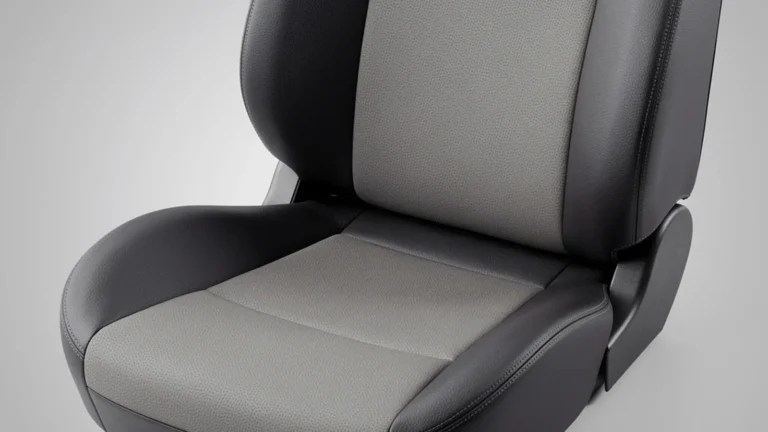
The CPSC upholstered-furniture FAQ confirms that the cover-material test applies to outer coverings such as leather and vinyl as well as textiles. A leather-look surface is not exempt merely because a supplier calls it leather rather than fabric.
CPSC describes compliance routes using passing cover and filling materials, or a passing barrier arrangement around the filling; decking, when present, has its own requirement. The barrier provisions contain construction details and limited exceptions. Have the furniture maker and laboratory confirm the applicable arrangement rather than treating any loose interliner as sufficient.
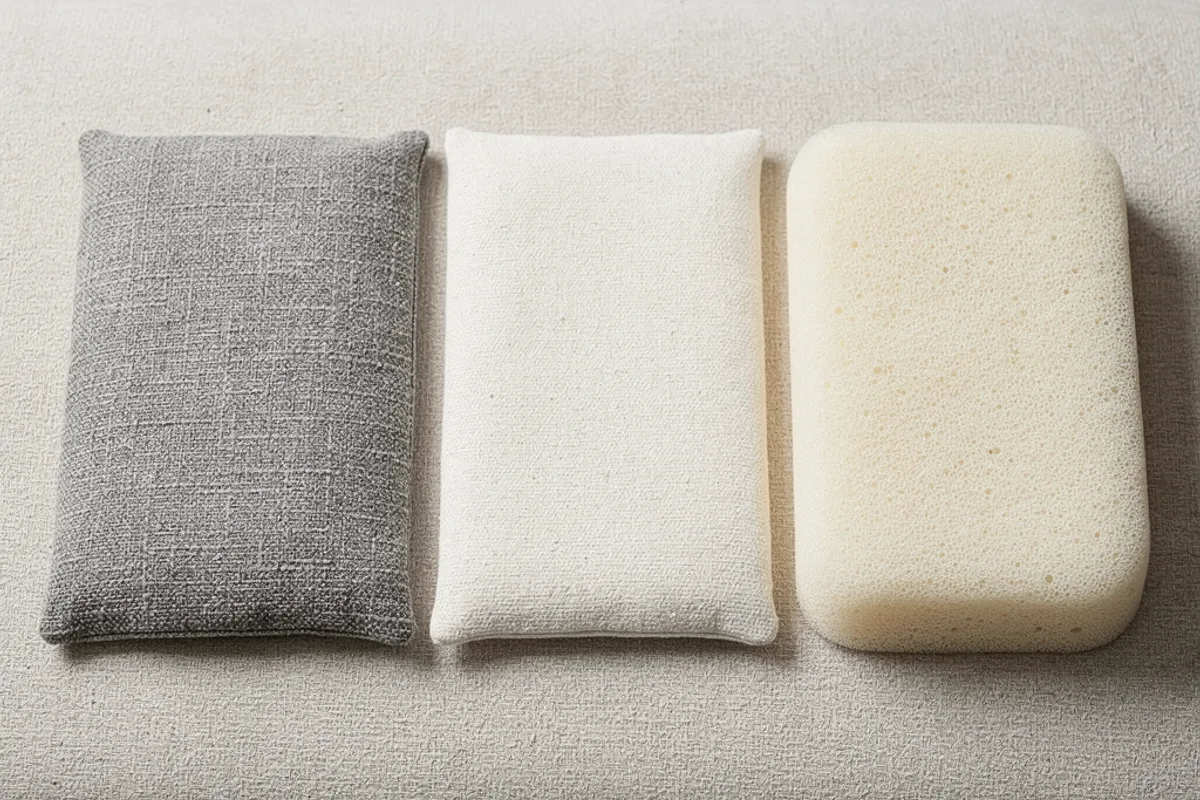
Build a simple component list for the proposed chair or sofa. Name the outer cover, filling, barrier if used and decking if present. Assign each item a supplier and product reference, then record which evidence the compliance reviewer expects for it.
A cover supplier can provide information about the supplied material. The furniture maker needs to connect that information to the selected construction. Leave unresolved components visible in the approval file; do not let a complete cover report hide a missing filling or barrier review.
The practical distinction is between a report’s scope and the product decision. Component testing is part of the specified approach; this does not mean every project automatically requires an additional full-size chair burn test. Ask for the applicable evidence, not an invented testing programme.
Read the Report Against the Material Being Ordered
Review the sample description before concentrating on the result. Match the material code, finish, colour reference, backing and any identified additional layers against the quotation and retained sample. If the report uses a laboratory code, obtain the supplier’s mapping to the commercial product.
Check the report number, issuing laboratory, dates, pages and stated method. Read qualifications and deviations rather than relying on a screenshot of the conclusion. If a report’s identity or scope is unclear, ask the supplier and issuing laboratory to resolve it before approval.
Use the following review order as a purchasing control:
- Confirm the report belongs to the candidate being considered.
- Confirm the method and section answer the specified requirement.
- Read the result and any stated limitations together.
- Check how the evidence fits the furniture component list.
- Record any remaining question and who must answer it.
Do not assume a report covers every colour, thickness or backing in a collection. Equally, do not assume every variation automatically requires the same additional test. Ask the laboratory or responsible compliance reviewer to define and document the coverage.
When evidence is unavailable, distinguish “not yet verified” from “failed.” Neither condition is approval, but they lead to different next steps. One may require obtaining the complete report; the other may require another material or construction.
Keep Chemical Treatment Separate from Performance
CPSC states that part 1640 does not prescribe chemical composition or require or prohibit flame-retardant chemicals as the means of meeting its performance requirements. Therefore, the presence or absence of a claimed treatment is not the pass result.
If the project has a chemical-content requirement, write it separately and specify how it will be substantiated. Do not translate “no added flame retardants” into “non-toxic,” or a flammability result into approval of all chemical substances. The questions need their own evidence and appropriately scoped review.
A proposed post-treatment should also go through the agreed change-review process. Do not add a spray or finish to a production material merely to reproduce an informal demonstration. Identify the proposed change and ask the qualified reviewer what verification is necessary before using it.
Use Controlled Testing, Not a Workshop Flame Demonstration
A lighter video does not reproduce the defined method or establish that the displayed sample is the ordered material. Do not conduct improvised burn tests in the sample room. The hazards annex in TB 117-2013 calls for controlled facilities, precautions and protection from combustion products.
Instead, send the laboratory the intended requirement, product description and traceable sample information. Let it confirm specimen needs and the appropriate work. Keep the quotation for testing distinct from the eventual result; booking a test is not passing one.
If a supplier offers a demonstration as supporting information, still request the actual report. The buyer’s decision should not depend on judging flame size, timing or editing in a video.
Close the Approval and Labeling Review Before Release
Section 1640.4 requires a permanent certification label on an in-scope furniture product. It also provides a specific exemption from the usual CPSA section 14(a) certification requirement with respect to this standard. Do not automatically demand a generic certificate as a replacement for the applicable labeling obligation. Other product requirements may still need separate review.
Assign ownership for the furniture’s compliance decision and label review before shipment. A material purchase approval and a finished-product release should be separate records, connected by the approved component references.
For repeat orders, require proposed substitutions to be reviewed before use. Record changes to the cover construction, relevant finishing, filling or barrier arrangement and obtain a decision on whether the evidence remains applicable. This is a recommended change-control process, not a claim that every change has the same regulatory consequence.
If you are considering a PU-based cover, our PU furniture upholstery page can support the material discussion. Request evidence for the identified candidate rather than assuming the entire PU range shares one result.
Frequently Asked Questions
Does the name faux leather prove fire resistance?
No. Request the exact test, specimen description and result for the proposed construction. A material-family name does not establish performance under a particular exposure.
Does passing TB 117-2013 mean a material is fireproof?
No. Keep the claim within the smolder-resistance test scope. Do not convert that result into an unrestricted promise about open flames or all fire conditions.
Can a cover-material report approve the whole sofa?
Not by itself. Connect the report to the furniture’s applicable component requirements and construction. The responsible compliance reviewer must resolve the remaining scope before release.
Does adding a flame-retardant treatment prove compliance?
No. A treatment description is not a performance result. Keep composition claims, test evidence and the furniture’s compliance review separate.
Can I check compliance with a lighter?
No. An improvised flame demonstration does not establish a standardized result and creates unnecessary hazards. Use a qualified laboratory and a traceable sample for the specified assessment.
What should I send with a fire-performance enquiry?
Provide the destination market, furniture type, intended component, exact requirement and proposed material reference. Ask what evidence covers that construction and identify who will review the complete furniture.
Ask for Evidence Matched to Your Furniture Brief
To discuss an upholstery candidate, send Wandaoleather your furniture material and testing brief. Include the applicable method and component role. The objective is a traceable material enquiry that supports the furniture maker’s review, not an unsupported promise of fireproof faux leather.