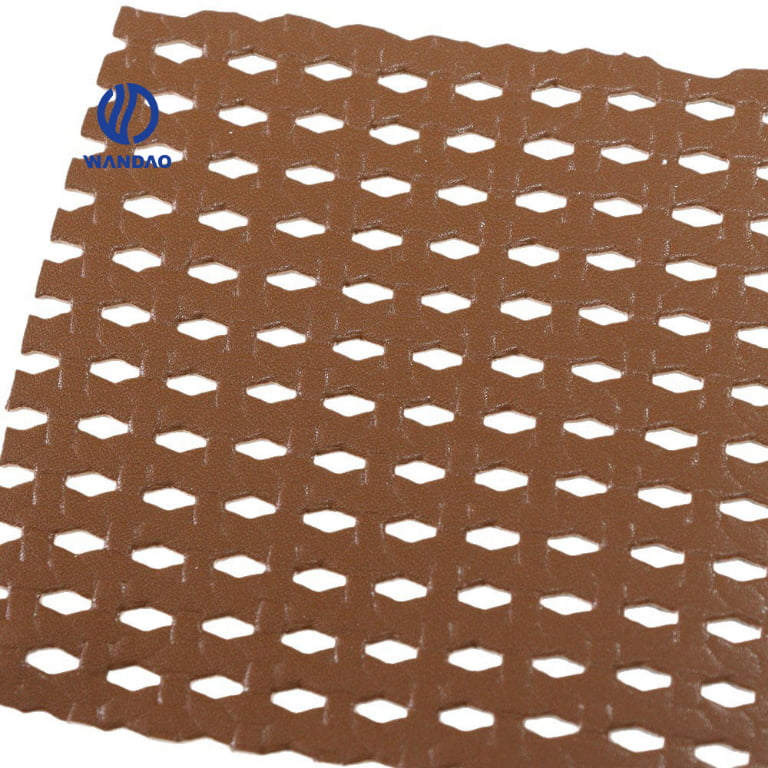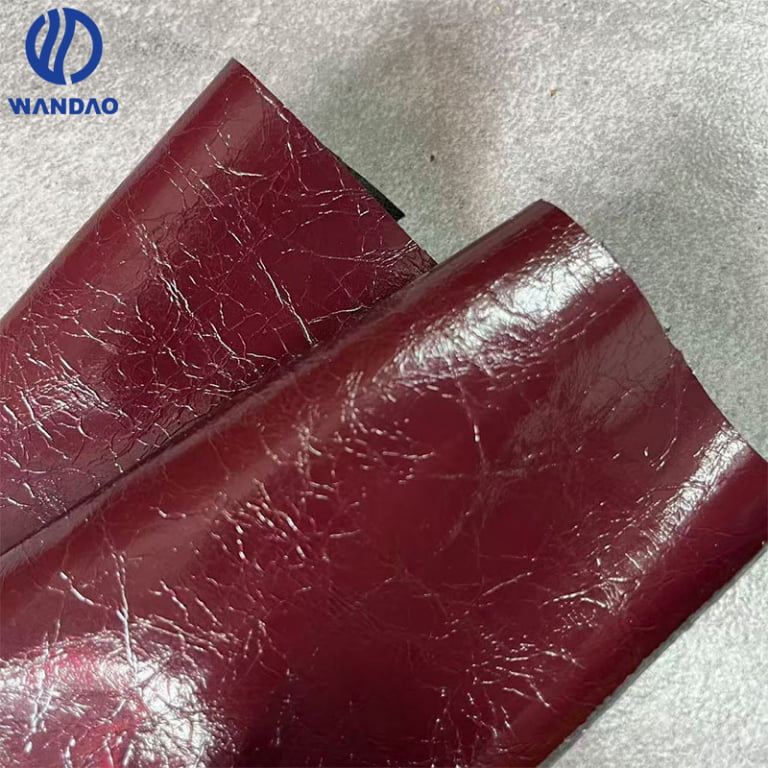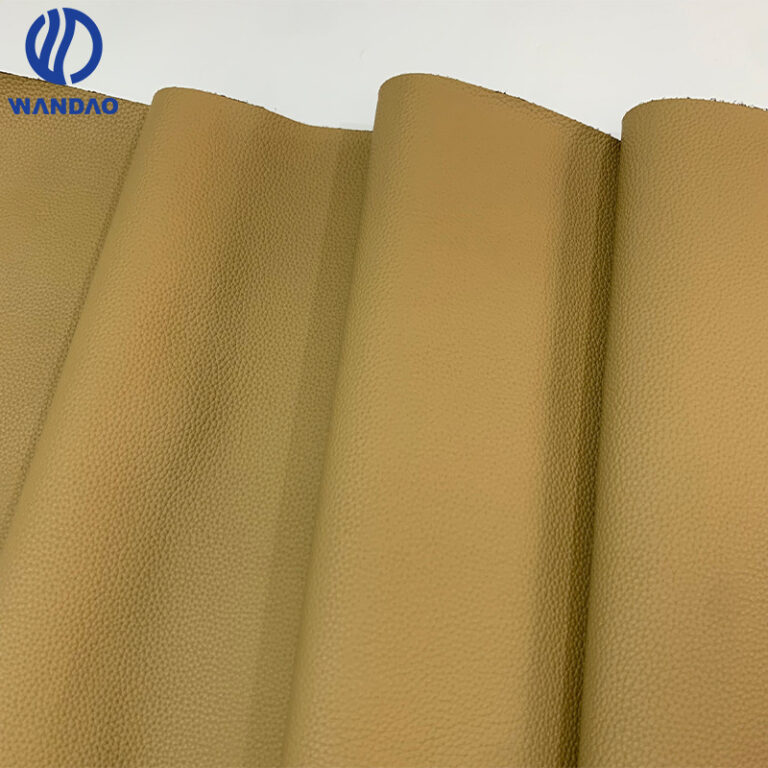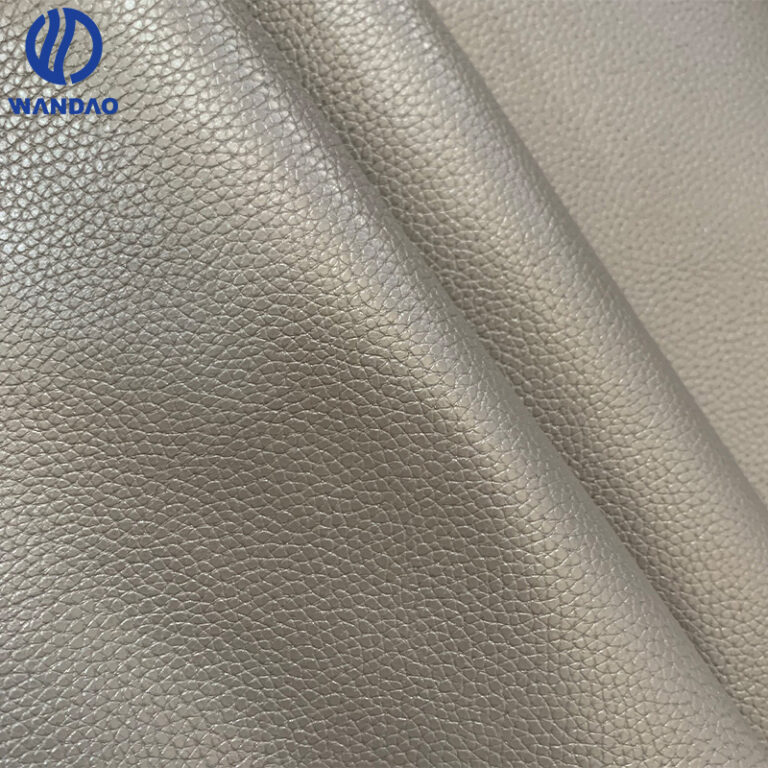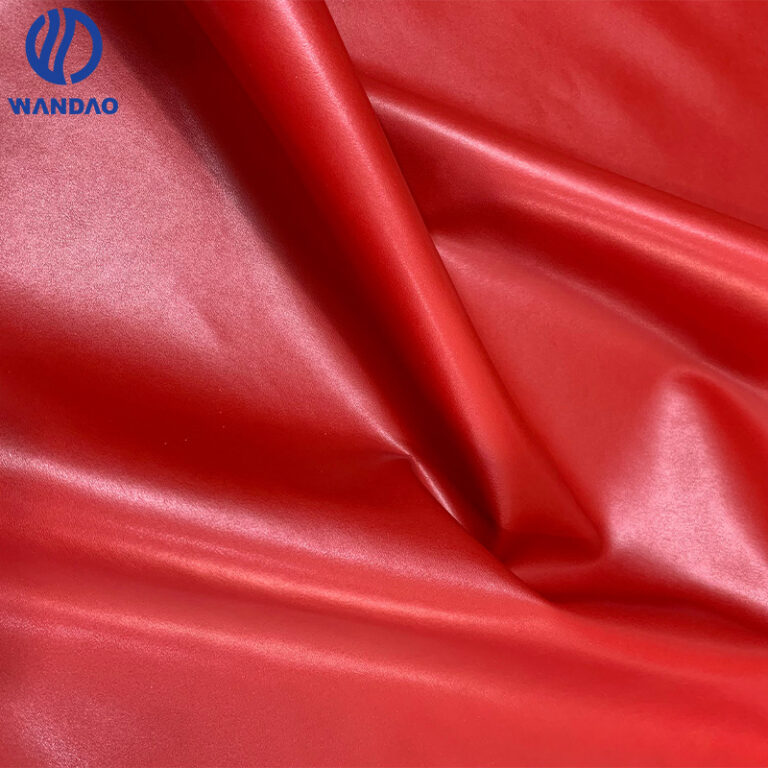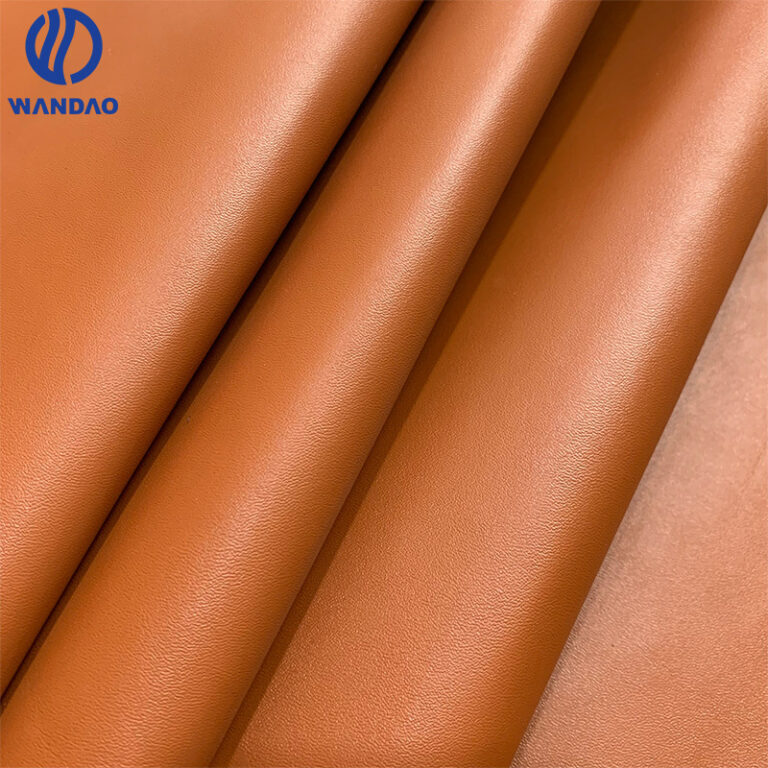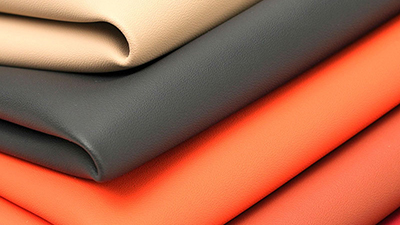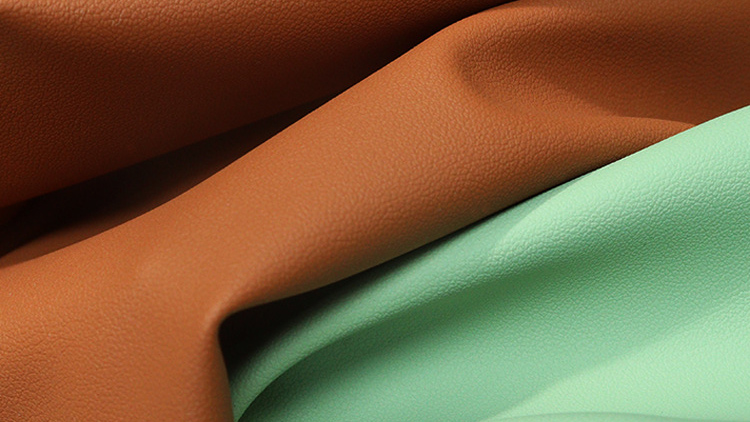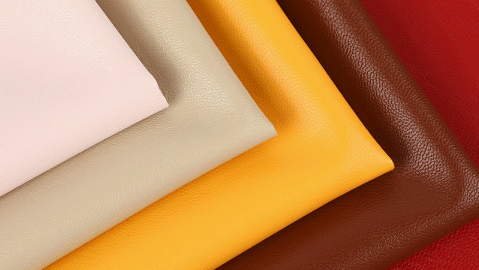
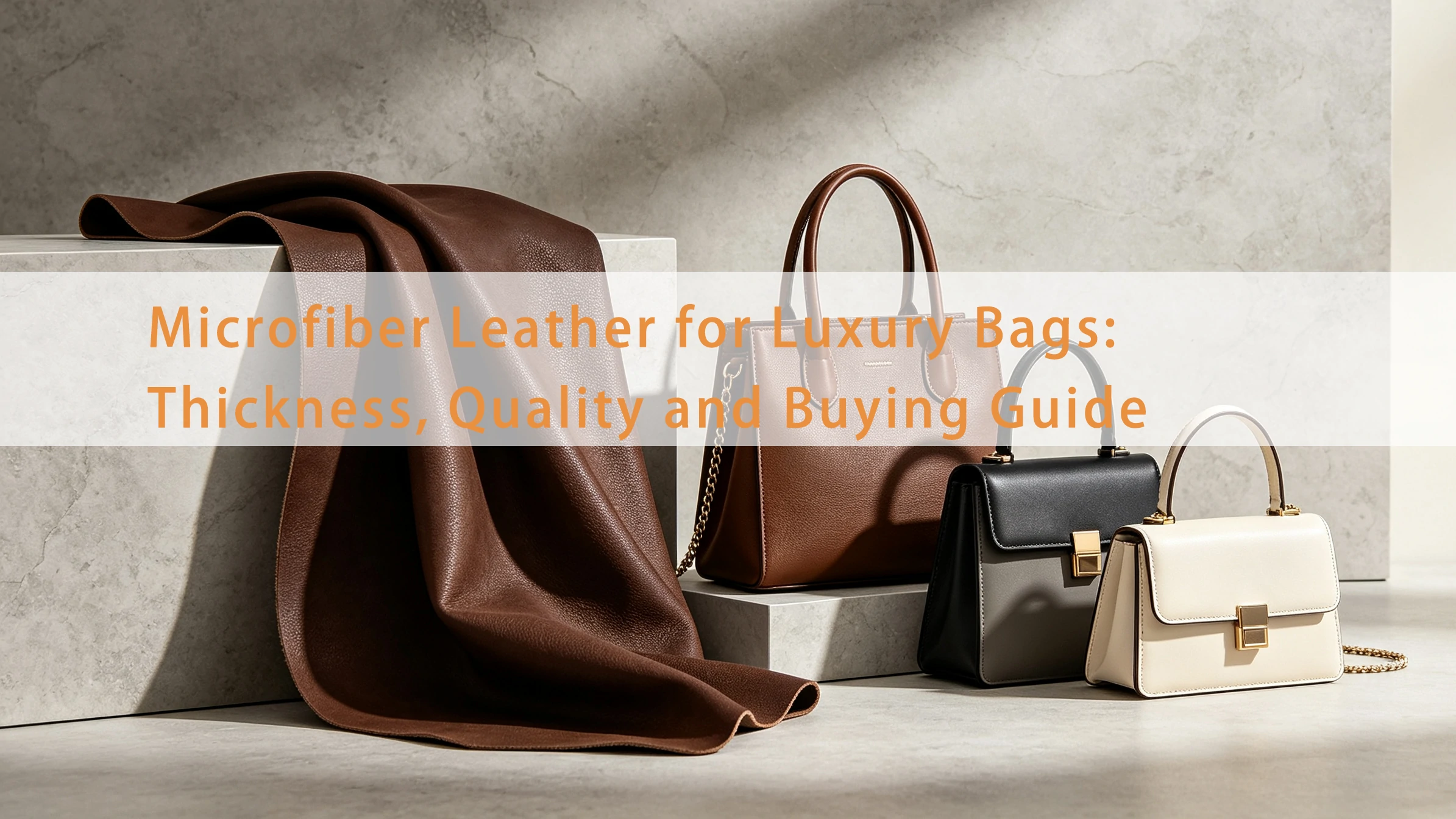
Choosing the right leather material is one of the most important decisions when developing luxury handbags. The material affects not only the appearance of the finished product, but also its durability, softness, brand positioning, and customer satisfaction.
Among artificial leather materials, microfiber leather has become the preferred choice for many premium handbag manufacturers. It offers a leather-like appearance, excellent durability, soft hand feel, and outstanding performance while remaining more consistent than genuine leather.
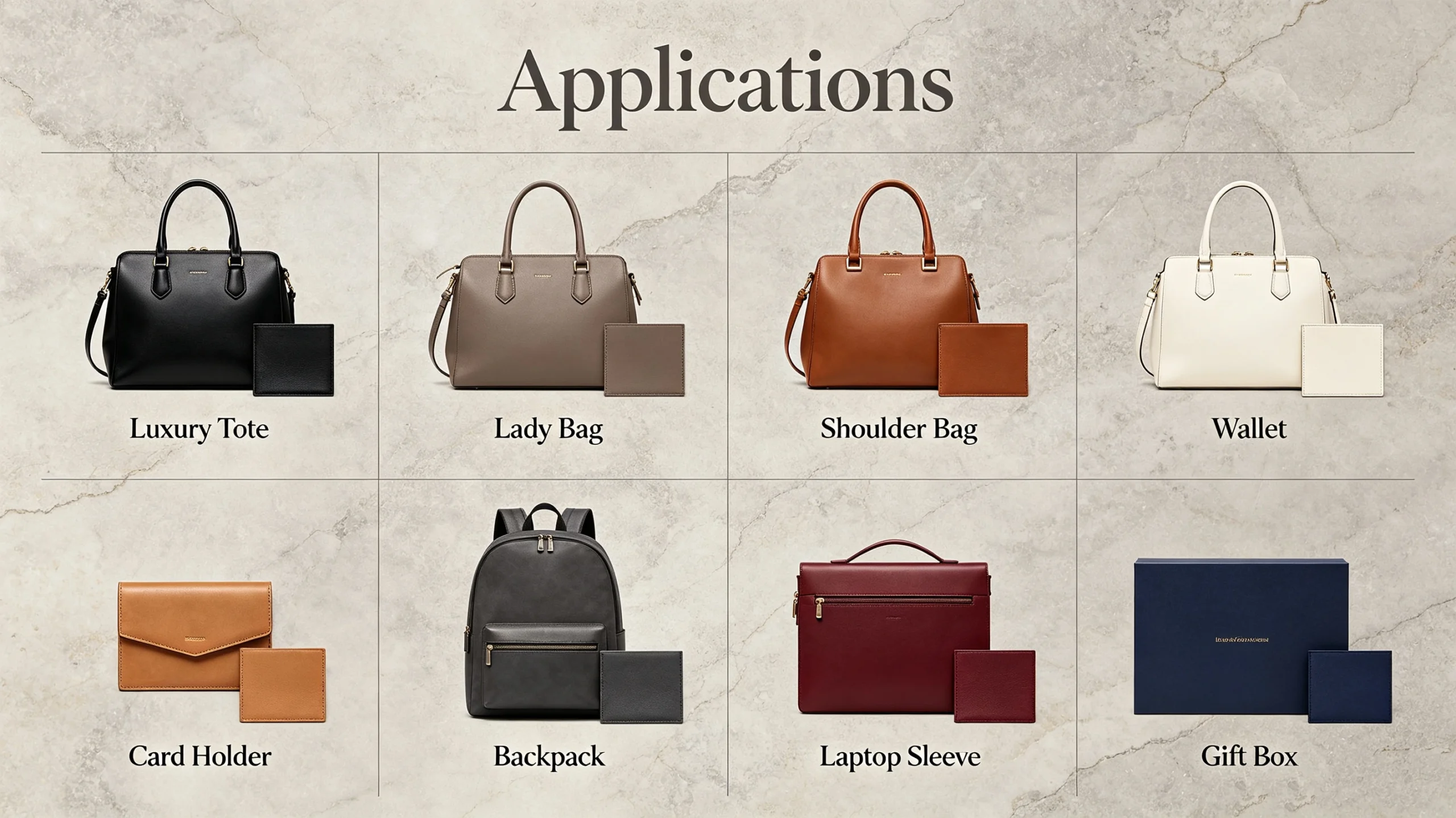
Today, many fashion brands, OEM manufacturers, wholesalers, and private-label companies choose microfiber leather for tote bags, handbags, shoulder bags, backpacks, wallets, and other premium accessories because it combines luxury aesthetics with stable production quality.
In this guide, you’ll learn how microfiber leather is made, why luxury brands prefer it, how to choose the right thickness and backing, and how to select the most suitable material for different types of luxury bags.
What Is Microfiber Leather?
Microfiber leather is a premium synthetic leather made from ultra-fine microfiber nonwoven fabric coated with high-performance polyurethane (PU). Its unique fiber structure closely resembles the collagen fibers found in genuine leather, giving it exceptional strength, flexibility, and a natural leather-like appearance.
Compared with conventional PU leather, microfiber leather offers significantly higher tear strength, abrasion resistance, and hydrolysis resistance. These advantages make it one of the most popular materials for luxury handbags and premium fashion accessories.
Unlike genuine leather, microfiber leather is manufactured under controlled production conditions, ensuring consistent thickness, texture, color, and quality across large production runs. This consistency helps brands maintain stable quality from sample development to bulk production.
Structure of Microfiber Leather
| Layer | Description |
|---|---|
| Protective Top Coat | Provides scratch resistance, stain resistance, and improved durability. |
| PU Surface Layer | Creates the leather-like appearance, softness, and embossed texture. |
| Microfiber Base | Ultra-fine microfiber structure that delivers high strength and flexibility. |
How Microfiber Leather Is Manufactured
Microfiber leather is produced by combining ultra-fine microfiber fibers into a dense nonwoven base, followed by multiple PU coating processes. The material is then embossed, dyed, and finished with protective coatings to achieve different textures, gloss levels, and performance characteristics.
This manufacturing process creates a highly uniform material that is suitable for precision cutting, digital pattern making, automated sewing, and large-scale handbag production.
Why Buyers Choose Microfiber Leather for Luxury Bags
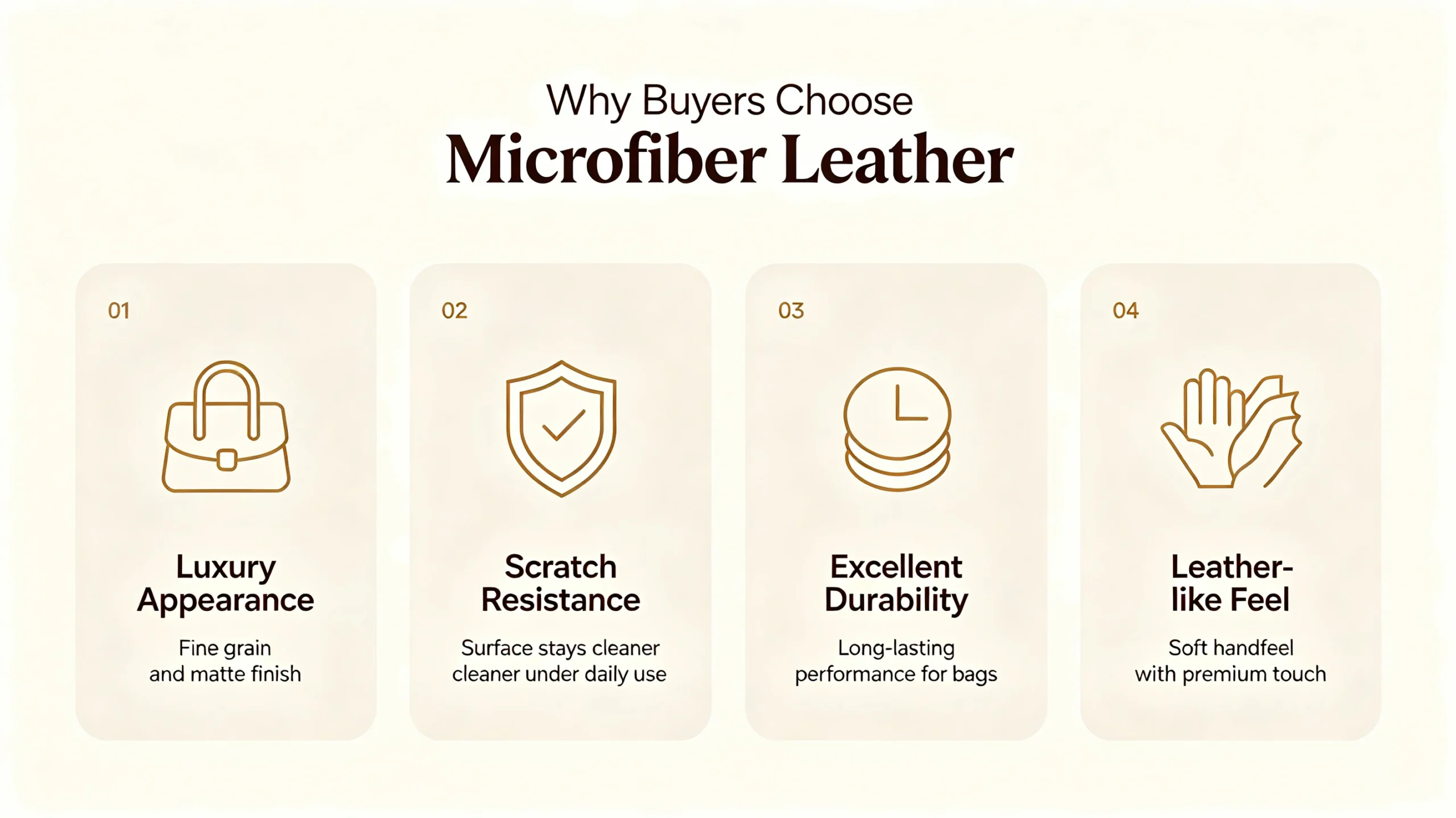
As consumers increasingly expect luxury products to deliver both premium appearance and long-term durability, microfiber leather has become one of the fastest-growing materials in the handbag industry. It combines the elegant look of genuine leather with the consistency and flexibility required for modern manufacturing.
Premium Leather-Like Appearance
High-quality microfiber leather closely resembles genuine leather in grain, softness, and visual depth. Many premium finishes are difficult to distinguish from natural leather, making microfiber an excellent choice for luxury collections.
Outstanding Durability
The dense microfiber structure provides excellent tear strength and abrasion resistance, allowing luxury handbags to maintain their appearance after years of daily use.
Excellent Softness
Microfiber leather delivers a smooth, natural touch that feels noticeably softer than standard PVC leather while maintaining better structural stability than many conventional PU materials.
Superior Hydrolysis Resistance
One of microfiber leather’s biggest advantages is its excellent resistance to hydrolysis. This helps the material maintain flexibility and reduces the risk of peeling or cracking in warm and humid climates.
Stable Quality for Mass Production
Because microfiber leather is manufactured under controlled conditions, buyers benefit from excellent consistency in thickness, color, grain pattern, and overall material performance. This greatly reduces production variation between batches.
Wide Design Flexibility
Microfiber leather is available in hundreds of colors, embossing patterns, gloss levels, and custom finishes. Manufacturers can also develop exclusive textures based on customer samples or design files for large-volume projects.
Main Types of Microfiber Leather Used for Luxury Bags
Although all microfiber leather shares the same basic construction, different surface finishes and production methods create materials with different appearances, softness, and performance. Selecting the right type depends on your target market, bag style, and brand positioning.
Smooth Microfiber Leather
Smooth microfiber offers a clean and elegant appearance with a soft touch. It is widely used for luxury handbags, minimalist tote bags, and premium accessories where a refined surface is preferred.
Litchi Grain Microfiber
Litchi texture is one of the most popular choices for handbags because it effectively hides scratches while creating a sophisticated leather appearance. It combines excellent durability with timeless visual appeal.
Nappa Microfiber Leather
Nappa-style microfiber features an exceptionally soft hand feel and subtle natural grain. It is commonly selected for premium women’s handbags, designer collections, and luxury fashion accessories.
Microfiber Leather vs. Genuine Leather
Many buyers compare microfiber leather with genuine leather when developing premium handbags. While genuine leather offers a natural appearance and unique grain variations, microfiber leather provides greater consistency, easier maintenance, and more predictable production quality.
For brands producing OEM or private-label collections, microfiber leather is often the preferred choice because every roll maintains consistent thickness, color, texture, and performance. This greatly reduces production variation and improves manufacturing efficiency.
| Feature | Microfiber Leather | Genuine Leather |
|---|---|---|
| Appearance | Very close to genuine leather | Natural grain and texture |
| Softness | Excellent | Excellent |
| Consistency | Excellent | Varies by hide |
| Abrasion Resistance | Excellent | Good |
| Hydrolysis Resistance | Excellent | Good |
| Color Consistency | Excellent | Natural variation |
| Customization | Excellent | Limited |
| Cost | Medium to High | Highest |
If your goal is to achieve a luxury appearance with stable quality and easier customization, microfiber leather is often the more practical solution for modern handbag production.
Microfiber Leather vs. PU Leather vs. PVC Leather
Although all three materials belong to the artificial leather family, each serves a different market segment. Understanding their differences helps buyers select the most suitable material according to product positioning, target customers, and budget.
| Feature | Microfiber | PU Leather | PVC Leather |
|---|---|---|---|
| Luxury Appearance | ★★★★★ | ★★★★☆ | ★★★☆☆ |
| Softness | ★★★★★ | ★★★★☆ | ★★★☆☆ |
| Durability | ★★★★★ | ★★★★☆ | ★★★★☆ |
| Abrasion Resistance | ★★★★★ | ★★★★☆ | ★★★★★ |
| Hydrolysis Resistance | ★★★★★ | ★★★☆☆ | ★★★★☆ |
| Water Resistance | ★★★★☆ | ★★★★☆ | ★★★★★ |
| Weight | Light | Light | Heavier |
| Cost | Highest | Medium | Lowest |
Each material has its own advantages. Instead of asking which material is “best,” buyers should choose the one that matches the product’s intended use.
Quick Recommendation
- Choose Microfiber Leather for luxury handbags, premium totes, designer collections, and products requiring the closest appearance to genuine leather.
- Choose PU Leather for fashion handbags, everyday bags, and collections that prioritize softness and cost efficiency.
- Choose PVC Leather for travel bags, luggage, cosmetic bags, and products requiring superior water resistance and abrasion resistance.
Related Guides:
How to Choose the Right Microfiber Leather for Different Luxury Bags
Different luxury bags require different material constructions. Choosing the correct thickness, softness, backing, and surface finish ensures the finished product meets both aesthetic and functional requirements.
| Bag Type | Recommended Thickness | Recommended Backing | Recommended Finish |
|---|---|---|---|
| Luxury Handbags | 1.0–1.2 mm | Microfiber | Nappa |
| Tote Bags | 1.1–1.4 mm | Microfiber | Litchi |
| Designer Shoulder Bags | 1.0–1.2 mm | Microfiber | Nappa |
| Crossbody Bags | 0.9–1.1 mm | Microfiber | Plain |
| Luxury Wallets | 0.8–1.0 mm | Microfiber | Saffiano |
| Card Holders | 0.7–0.8 mm | Microfiber | Saffiano |
| Backpacks | 1.2–1.5 mm | Microfiber | Litchi |
| Laptop Sleeves | 1.2–1.6 mm | Foam Laminated | Plain |
Luxury handbags generally require softer materials with refined grain patterns, while structured bags benefit from thicker constructions that improve shape retention. Selecting the appropriate specification during material development helps reduce production issues and improves the overall quality of the finished product.
Microfiber Leather Thickness, Backing and Surface Finish
Thickness is one of the most important factors affecting both appearance and performance. Material that is too thin may feel less substantial, while excessive thickness can increase weight and reduce sewing efficiency.
| Thickness | Typical Applications |
|---|---|
| 0.7–0.8 mm | Card holders, passport covers, slim wallets |
| 0.8–1.0 mm | Wallets, cosmetic bags, small accessories |
| 1.0–1.2 mm | Most luxury handbags and shoulder bags |
| 1.1–1.4 mm | Tote bags and structured handbags |
| 1.2–1.6 mm | Luxury backpacks and laptop sleeves |
Besides thickness, buyers should also evaluate softness, embossing depth, backing construction, and surface finish to ensure the material matches the desired brand image and bag structure.
Hydrolysis Resistance: Why It Matters for Luxury Bags
When evaluating premium synthetic leather, many buyers focus on softness and appearance while overlooking one of the most important performance indicators: hydrolysis resistance.
Hydrolysis is the gradual breakdown of polyurethane caused by heat and humidity. Low-quality synthetic leather may become sticky, peel, or crack after long-term storage in warm climates. This problem is especially common in tropical and Middle Eastern regions where products are exposed to high temperatures during transportation and warehousing.
High-quality microfiber leather is engineered with a dense microfiber base and premium polyurethane system, providing significantly better hydrolysis resistance than conventional PU leather. This allows luxury handbags to maintain their appearance and flexibility for many years under normal storage and daily use.
Why Buyers Should Care
- Reduces peeling during long-term storage.
- Improves product lifespan in hot and humid climates.
- Minimizes warranty claims after product launch.
- Provides greater confidence for premium handbag collections.
Abrasion Resistance Explained
Luxury handbags experience constant friction during daily use. Handles rub against clothing, bag bottoms contact tables and floors, and corners receive repeated impact during transportation.
Microfiber leather offers outstanding abrasion resistance because its ultra-fine fiber structure creates a stronger internal network than traditional synthetic leather. This helps preserve the surface texture and color even after extended use.
For premium brands, higher abrasion resistance means better customer satisfaction, fewer returns, and longer product life.
Applications That Benefit Most
- Luxury handbags
- Designer tote bags
- Business briefcases
- Premium backpacks
- Travel accessories
- Small leather goods
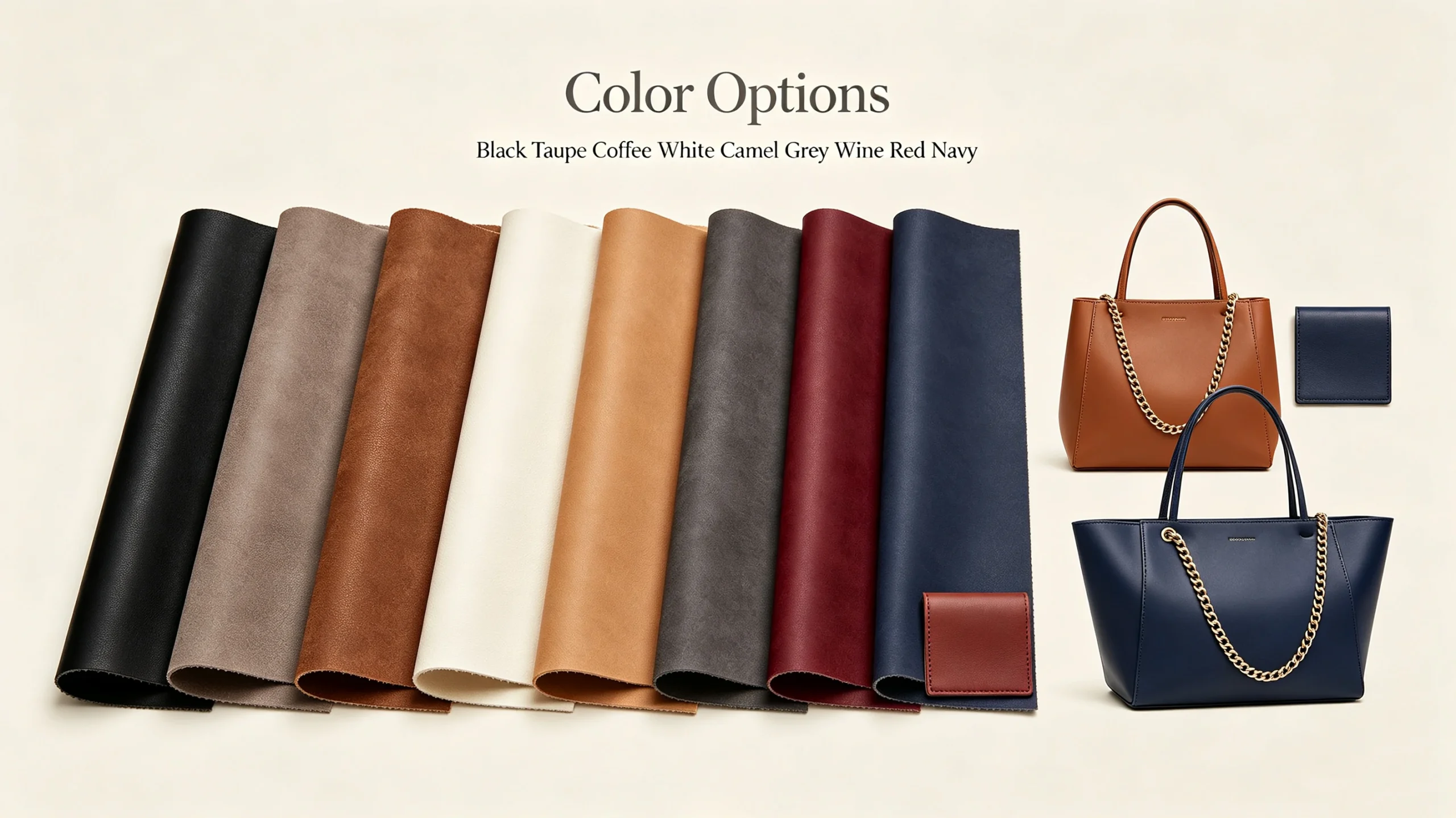
Popular Colors and Embossed Textures
Color and surface texture have a major influence on how customers perceive a luxury handbag. While color reflects brand identity, embossed textures determine the visual depth, hand feel, and scratch visibility of the finished product.
Microfiber leather supports hundreds of standard colors as well as custom color matching for large production orders.
| Texture | Recommended Application |
|---|---|
| Nappa | Luxury women’s handbags and designer collections |
| Litchi Grain | The most popular texture for premium handbags |
| Saffiano | Wallets, card holders and structured bags |
| Plain Smooth | Minimalist handbags and business collections |
| Crocodile Embossed | Luxury collections and Middle Eastern markets |
| Ostrich Embossed | Fashion accessories and premium gift items |
Besides standard embossing, we can also develop exclusive grain patterns based on customer samples, CAD drawings, or artwork for large-volume projects.
Custom Logo Options for Microfiber Leather Bags
Luxury handbags rely on branding as much as material quality. Choosing the appropriate logo technique helps strengthen brand recognition while complementing the premium appearance of microfiber leather.
Microfiber leather supports a wide variety of logo applications without compromising surface quality.
| Logo Method | Suitable For |
|---|---|
| Debossing | Luxury handbags and wallets |
| Foil Stamping | Premium branding with gold or silver finishes |
| Metal Nameplates | Designer handbags |
| Screen Printing | Fashion collections |
| Embossed Logos | Minimalist branding |
| Woven Labels | Private label products |
| Custom Zipper Pullers | Premium accessories |
During sample development, we recommend testing the selected logo process on the actual material before approving mass production. Different textures and coatings may produce slightly different visual effects.
MOQ, Sample Development and Delivery Time
Every project has different requirements, but flexible ordering options allow buyers to evaluate materials before committing to bulk production.
| Item | Details |
|---|---|
| MOQ | From 1 meter for stock materials |
| Free Samples | Available (buyers only pay shipping) |
| Custom Colors | Available for bulk production |
| Custom Embossing | Developed from samples or artwork |
| Roll Width | 1.4–1.6 meters |
| Typical Roll Length | 30–50 meters |
Why Buyers Work with Wandao
Choosing the right microfiber leather supplier is just as important as selecting the right material. Beyond supplying artificial leather, a reliable partner can help reduce development time, improve product quality, and ensure smooth bulk production.
At Wandao, we have extensive experience supplying microfiber leather for luxury handbags, tote bags, wallets, backpacks, and other premium leather goods. We work with brand owners, OEM manufacturers, wholesalers, and trading companies in more than 30 countries.
From sample development to mass production, our technical team helps buyers select the most suitable microfiber leather based on their product design, target market, and budget.
- Over 60% of our production is exported worldwide.
- Customers in more than 30 countries.
- Free material samples (buyers only pay shipping).
- MOQ from 1 meter for stock materials.
- Fast color matching and sample development.
- Custom embossed textures and colors.
- Stable quality for bulk production.
- Strict quality control before shipment.
- Professional export packaging.
- Worldwide shipping support.
FAQ
1. What is microfiber leather for luxury bags?
Microfiber leather is a premium synthetic leather made from ultra-fine microfiber fabric coated with high-performance polyurethane. It closely resembles genuine leather while offering excellent durability, softness, abrasion resistance, and consistent quality, making it one of the preferred materials for luxury handbags.
2. Is microfiber leather better than PU leather?
For premium handbags, microfiber leather generally offers better durability, higher abrasion resistance, improved hydrolysis resistance, and a more natural leather-like feel than standard PU leather. However, PU leather remains a cost-effective option for many fashion bags.
3. Is microfiber leather as good as genuine leather?
Microfiber leather cannot completely replace genuine leather, but it offers several advantages including consistent quality, easier maintenance, excellent durability, and greater customization. Many luxury brands use microfiber leather for products requiring both premium appearance and reliable performance.
4. What thickness of microfiber leather is best for luxury handbags?
For most luxury handbags, microfiber leather between 1.0 mm and 1.2 mm provides the best balance of softness, durability, and structure. Larger tote bags often use 1.1–1.4 mm, while wallets and small leather goods generally use 0.8–1.0 mm.
5. Does microfiber leather crack or peel?
High-quality microfiber leather has excellent hydrolysis resistance and is designed to resist cracking and peeling under normal use. Proper storage and selecting premium-grade materials further extend its service life.
6. Can microfiber leather be customized?
Yes. Microfiber leather can be customized with different colors, embossed textures, thicknesses, backing constructions, gloss levels, and logo applications. We also support custom embossing based on customer samples, drawings, or design files for bulk orders.
7. Can I order small quantities?
Yes. For stock materials, our minimum order quantity starts from just 1 meter. This allows buyers to evaluate materials before placing larger production orders. Customized colors and embossing normally require higher minimum quantities.
8. What should I check before buying microfiber leather?
Buyers should evaluate thickness, softness, grain consistency, backing quality, abrasion resistance, hydrolysis resistance, fold resistance, color consistency, logo compatibility, and overall workmanship before approving bulk production.
9. Can Wandao provide samples before production?
Yes. We provide free material samples, and buyers only need to arrange the shipping cost. Sampling allows customers to verify the texture, thickness, color, softness, backing construction, and overall suitability before confirming mass production.
10. Why choose Wandao as your microfiber leather supplier?
We provide complete support from material selection to bulk production, including custom colors, embossing development, sample making, quality control, export packaging, and worldwide shipping. With years of experience supplying premium artificial leather to global markets, we help buyers find the most suitable microfiber leather solution for every project.
Conclusion
Microfiber leather has become one of the leading materials for luxury handbags because it combines premium appearance, exceptional durability, and reliable manufacturing consistency. Compared with conventional synthetic leather, it offers superior softness, abrasion resistance, hydrolysis resistance, and long-term performance while remaining highly customizable.
Whether you are developing luxury handbags, tote bags, wallets, backpacks, or other premium leather goods, selecting the right thickness, backing fabric, surface finish, and logo solution is essential for achieving the desired product quality.
If you are looking for artificial leather for luxury bags, handbags, wallets, backpacks, or other fashion accessories, simply send us your product photo, preferred thickness, backing, color, and target price. Our team will recommend the most suitable microfiber leather, PU leather, or PVC leather solution for your project and support you from sampling through bulk production.