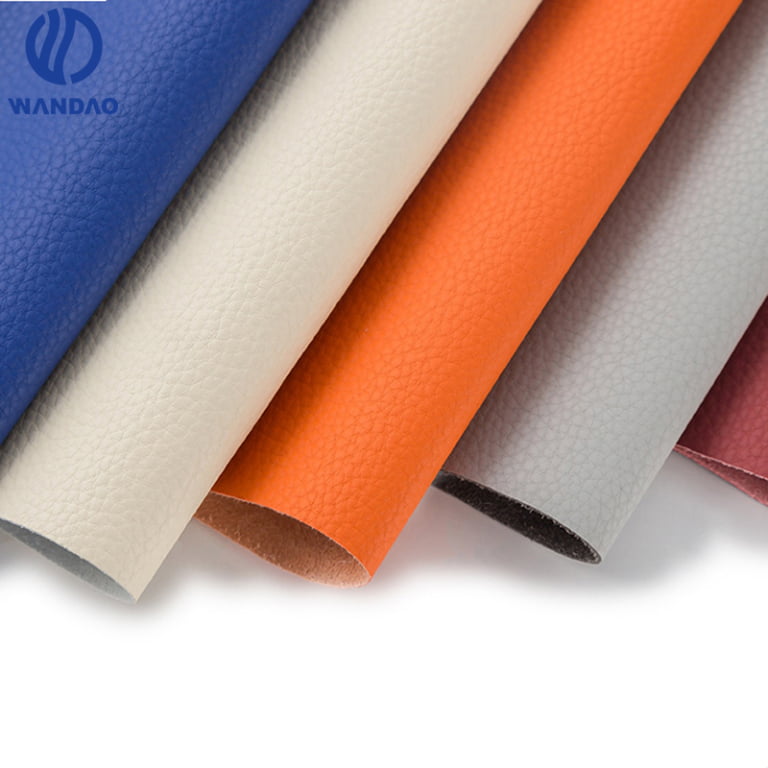
Microfiber leather skiving for a shoe edge is a controlled removal operation, not a request to make the whole material thinner. Approve the remaining edge profile, the condition of the surface and backing, and the performance of the folded or stitched component. A clean-looking bevel is useful evidence, but it cannot replace a trial of the actual shoe construction. The purchasing specification should define the required result; machine settings must be developed for the selected material and equipment.
Give microfiber leather skiving a component-level target
Start with the edge that needs treatment: a folded topline, an overlap, a tongue margin or another defined upper component. State the problem being solved, such as excessive bulk at a fold or an uneven transition. Without that information, “easy to skive” becomes a subjective sample comment rather than an approval requirement.
The microfiber leather for shoes selection page is the starting point for specifying the material. Keep its code, finish, backing and thickness connected to the skiving trial. Approval should follow that identified construction rather than the broad microfiber name.
SATRA’s basic shoemaking series describes skiving as reducing thickness at the cut edge of an upper or lining material. That local operation differs from reducing thickness across a whole panel. If the request is actually for full-area splitting, clarify it before tooling or sample work begins.
Specify the profile that must remain
A useful drawing identifies the cut edge, fold line, stitch line and transition back to full thickness. Include where thickness will be measured and which face is being processed. Do not rely on a phrase such as “half thickness” without identifying the locations and construction to which it applies.
Residual thickness and taper width answer different questions. The first describes what remains at a defined point; the second describes the distance over which the profile changes. Two edges can share one thickness reading while having very different transitions. Evaluate the profile along the edge, particularly at curves and corners.
The following is a proposed engineering specification framework, not a standard set of dimensions. The shoe developer and converter should establish the values from the pattern, material and trial results.
| Drawing field | What it controls | Evidence to retain |
|---|---|---|
| Processed zone | Where removal starts and stops | Marked pattern and component sample |
| Residual profile | Thickness remaining across the taper | Defined measurement points or section views |
| Fold and stitch positions | Relationship between the bevel and joining operation | Assembled trial component |
| Surface condition | Whether the visible face remains acceptable | Inspection photographs and reference sample |
Keep measurement technique consistent. A compressible material can give different readings when measured differently, so record the instrument and approach used for internal process checks. Where a formal thickness method is required, agree it with the laboratory. A handheld production reading should not silently become a certified material result.
[Image placeholder 1: Cross-section sketches of an unprocessed microfiber shoe edge, a gradual skived taper and an excessive cut, with fold and stitch positions shown without universal dimensions.]
Separate backing removal from face-layer damage
Inspect both sides before folding. An attractive visible face does not reveal how much supporting structure has been removed underneath. Conversely, loose fibres at the processed underside do not automatically mean the visible coating has failed. Describe the observed defect and its location before deciding what caused it.
Useful observations include an uneven taper, local breakthrough, scoring of the face, separation between layers, a ridge at the transition and irregular removal around a curve. These are inspection categories, not a diagnosis of the machine. Link each observation to a sample code and processing direction.
As an engineering hypothesis, removing too much backing may leave a visually intact surface poorly supported during folding or stitching. Cutting into the visible layer introduces a different concern. Confirm either hypothesis through section inspection and component trials instead of assuming that all failures mean the material is inherently unsuitable.
Inspect difficult geometry deliberately. A long straight coupon can conceal problems that appear when the operator negotiates a tight curve or stops near a notch. Select trial pieces from the real pattern, including changes in direction and the narrowest relevant margins. Keep these pieces separate from simple machine-setting coupons.
Build the trial around controlled comparisons
Use production-representative material and have a qualified operator establish candidate settings under the equipment’s operating instructions. This guide does not prescribe knife angles, feed speeds or blade adjustments. Record the setup so the approved result can be reproduced and investigated safely.
- Retain an unprocessed reference from the identified material lot.
- Prepare candidate edge profiles while recording the relevant setup and direction.
- Inspect the bevel and remaining structure before assembly.
- Fold and join the pieces using the intended production construction.
- Compare appearance and agreed performance outcomes before selecting a release condition.
Change a limited set of factors in each comparison. If material, blade condition, taper and adhesive all change together, a better result does not reveal which change helped. Keep the trial question narrow enough that the next action follows from the evidence.
Where a current approved component exists, include it as a reference. It provides a useful construction benchmark without pretending that its settings must suit the new material. If no approved reference exists, define acceptance with the shoe developer before choosing the best-looking candidate.
Repeat promising profiles on representative pieces. An isolated successful edge is not evidence that the process consistently follows the pattern. Review start and stop areas, variations along a curved edge and relevant positions in the supplied material. Sampling frequency should follow the production risk and agreed control plan.
Test the fold or seam that the skive was intended to improve
Make trial components with the planned adhesive, fold allowance, reinforcement, thread and stitching arrangement. An edge that appears smooth before joining may behave differently once folded and secured. Check for a visible ridge, puckering, opening of the fold or damage at the transition.
ISO 17697:2016 distinguishes needle-perforation assessment from stitched-seam assessment in footwear materials. Its stitched-seam method includes constructions taken from shoes or prepared to represent footwear seams. Discuss the appropriate method and specimen with the laboratory rather than labelling every pull trial a standard seam test.
A seam result and an edge-appearance judgment serve different purposes. Require both where both matter to the component. Record where failure occurs, not merely a final force: a failure in the processed zone can lead to a different review from failure elsewhere in the assembly. Do not invent a universal retained-strength percentage.
If the component will be repeatedly bent, add the relevant flex evaluation to the agreed plan. Keep this specific to the processed construction. A report for the original unskived sheet cannot establish that a newly thinned and folded edge has the same behaviour.
The broader synthetic leather selection guidance for shoes helps position this local process approval within the full material brief. Skiving suitability is one requirement; it does not replace the other performance and appearance requirements for that footwear position.
Read failures before changing the material
If the fold is bulky but intact, review whether the profile and fold arrangement actually match the drawing. If damage appears only after stitching, compare the stitch position with the processed zone. If the bevel is inconsistent before assembly, investigate the process inputs before changing adhesives or sewing conditions.
These are proposed troubleshooting branches, not proven causes for a particular failure. Preserve rejected pieces and their records. A photograph of the finished shoe alone may omit the underside or cut profile needed to distinguish over-removal from a joining problem.
Rework also needs a boundary. A second pass removes more material; it should not be approved merely because the edge looks smoother afterwards. If reprocessing is proposed, repeat the relevant profile and assembly checks. Prevent operators from combining several individually unapproved corrections into an undocumented production routine.
[Image placeholder 2: A footwear development tray containing labelled skived coupons, folded topline samples and stitched assemblies, with matching inspection records for the edge and taper transition.]
Release a process sample with the purchase specification
Retain the approved unassembled edge and assembled component together. Link them to the pattern revision, material lot, setup record and test evidence. The unassembled reference helps the converter control the profile; the assembled reference shows why that profile was selected.
Define review triggers such as a changed backing, thickness range, finish, pattern or joining construction. A replacement machine or materially different tooling arrangement may also require confirmation. The aim is to preserve the approved result, not to assume that one historical setting can cover every future version.
For sampling, send Wandao Leather the shoe component drawing and required edge treatment. Include the intended fold, stitch position, material reference and trial acceptance needs. Ask for a construction-specific discussion rather than a generic minimum skiving thickness.
Frequently Asked Questions
Is edge skiving the same as splitting microfiber leather?
No. Edge skiving reduces thickness locally at a defined margin. Full-area splitting addresses a broader panel or sheet. Identify the required operation before approving samples or processing instructions.
What residual thickness should a skived shoe edge have?
Set it for the material and component through trials. Specify measurement locations, taper width and the fold or stitch arrangement instead of applying one millimetre value to all microfiber leather.
Can the surface look sound while the edge is over-skived?
Yes, appearance alone may not reveal how much supporting structure remains underneath. Inspect the profile and evaluate the assembled component before accepting the edge.
Does an unskived material strength report approve the seam?
No. The processed edge and joining construction need their own relevant assessment. Confirm the seam method and specimen arrangement with the laboratory.
Should curved edges be included in the trial?
Include representative curves, corners and changes in direction where they occur in the pattern. A straight coupon alone may not represent the production handling needed for those areas.
What should be retained after skiving approval?
Keep the identified material, approved edge profile, assembled reference, pattern revision, process record and relevant test results connected. Use that package to control changes and investigate later deviations.