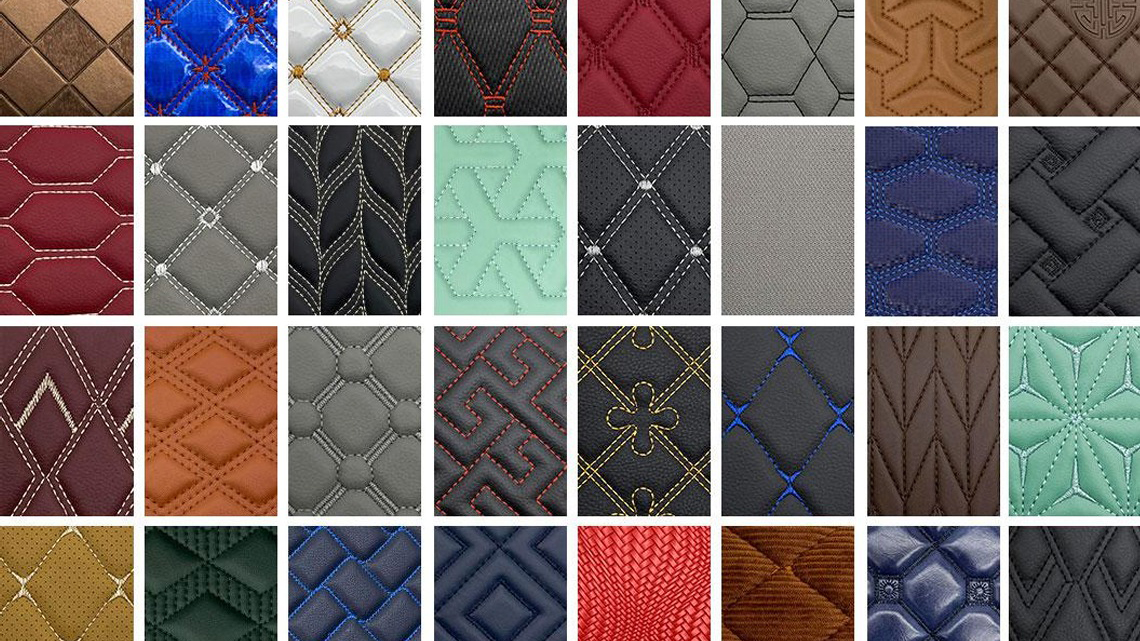
Quilted car seat upholstery should be approved as a production-size stitched panel, not only as a decorative swatch. For a microfiber cover programme, define the complete layer stack, pattern registration and measurement datums before evaluating the result. Measure dimensional change through the intended quilting and cutting sequence, inspect stitch-related damage and verify the panel on the approved seat form. A successful appearance sample does not automatically establish strength, comfort or compatibility with safety-related seat features.
Freeze the construction behind the decorative pattern
A diamond or channel drawing describes the visible geometry, but the production brief also needs the material layers. Identify the microfiber face, any foam, scrim or other backing, and the thread and stitch specification controlled by the manufacturer. Keep those inputs tied to the sample revision.
State whether the process quilts a larger blank before final cutting or quilts an already shaped panel. These routes create different inspection points. The buyer should not compare them as if a single finished dimension explains both. Agree the manufacturing sequence and the stage at which each datum is established.
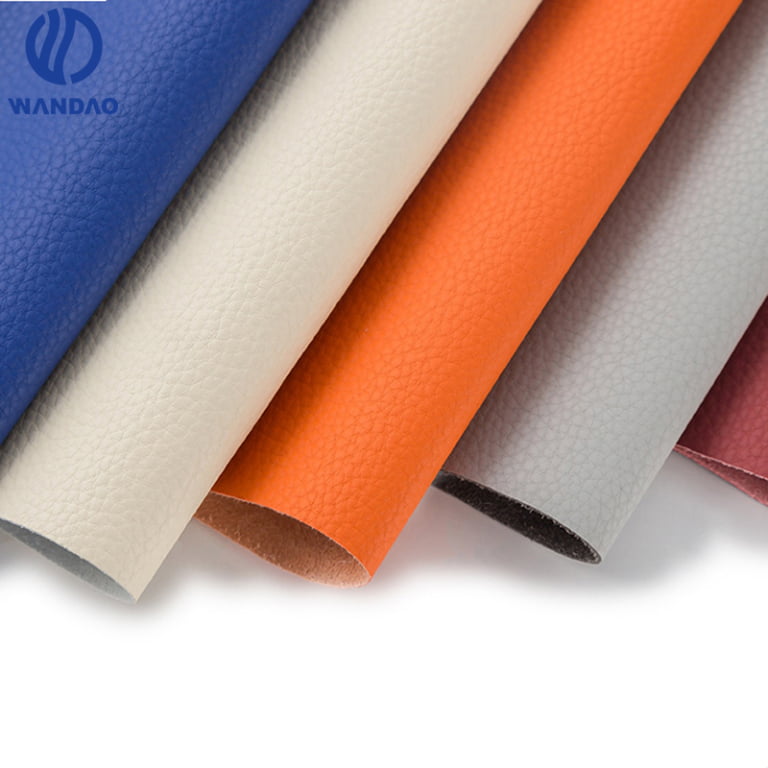
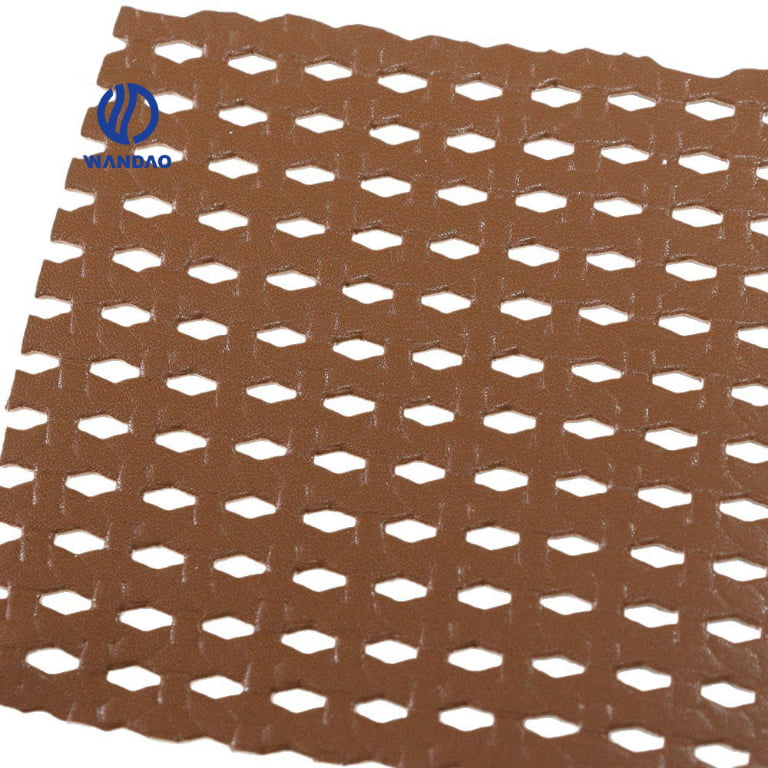
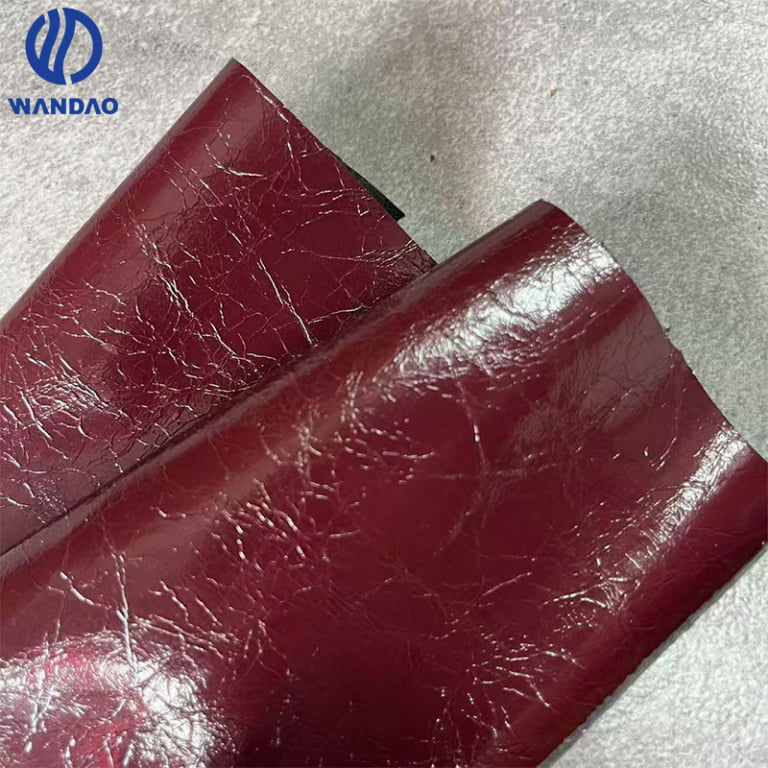
Use the microfiber automotive upholstery range as the material starting point, then add the exact quilting requirement. A material approved unstitched has not yet demonstrated how the proposed panel will look after the selected process and assembly.
Define datums for quilted car seat upholstery
A datum is the reference from which the factory measures a feature. For a quilted seat panel, the drawing should make clear how the pattern relates to the panel centreline, edges and neighbouring seams. Without those references, a regular quilting field can still be positioned incorrectly on a correctly cut panel.
Mark where pattern alignment is critical: a centre diamond, a line meeting a bolster seam or a repeat shared by adjacent panels, for example. Use the design’s actual requirement rather than inventing one tolerance for every location. Distinguish the decorative pattern boundary from the seam allowance and final cut edge.
Review the left-hand and right-hand versions explicitly. Mirroring a panel outline does not necessarily resolve how the quilt pattern should be registered. Keep handedness and orientation visible in the drawing and kit labels so the sewing team does not have to infer the intended arrangement from a photograph.
| Stage | What to measure or inspect | Question answered |
|---|---|---|
| Input blank | Layer identities, dimensions and reference marks | What entered the process? |
| After quilting | Reference distances, pattern position and visible distortion | What changed before final cutting? |
| After final cutting | Pattern-to-edge and datum relationships | Is the field registered to the panel? |
| After cover sewing | Neighbouring feature alignment and seam appearance | Does the panel work in the cover? |
| On approved seat form | Installed appearance and programme requirements | Does the complete configuration meet its brief? |
Measure take-up instead of applying a blanket percentage
Use the intended stack and process to establish whether and how the marked dimensions change. Record lengthwise and crosswise reference distances separately. Keep the measurement stage and any conditioning interval consistent so the team is comparing like observations rather than a fresh panel with one measured later.
For a simple hypothetical illustration, a marked distance of 500 mm before quilting might measure 490 mm at the agreed post-process inspection stage. That is a 10 mm reduction, or 2% of the original distance. It is an example of arithmetic, not a recommended compensation factor or a prediction for any microfiber material.
If the target post-process span were 500 mm and the same proportional response were confirmed over the relevant range, dividing 500 by 0.98 would suggest a trial starting span of about 510.2 mm. That calculation is only a development estimate. The full panel must verify it, because local pattern geometry and process response need not behave as a uniform scale change.
Do not apply that example to every axis, material or quilting layout. Develop the actual compensation from the trial, preserve the original measurements and check the resulting pattern-to-edge relationships. A panel can meet its overall width while placing an important decorative line incorrectly.
Inspect the needle path, not just the overall pattern
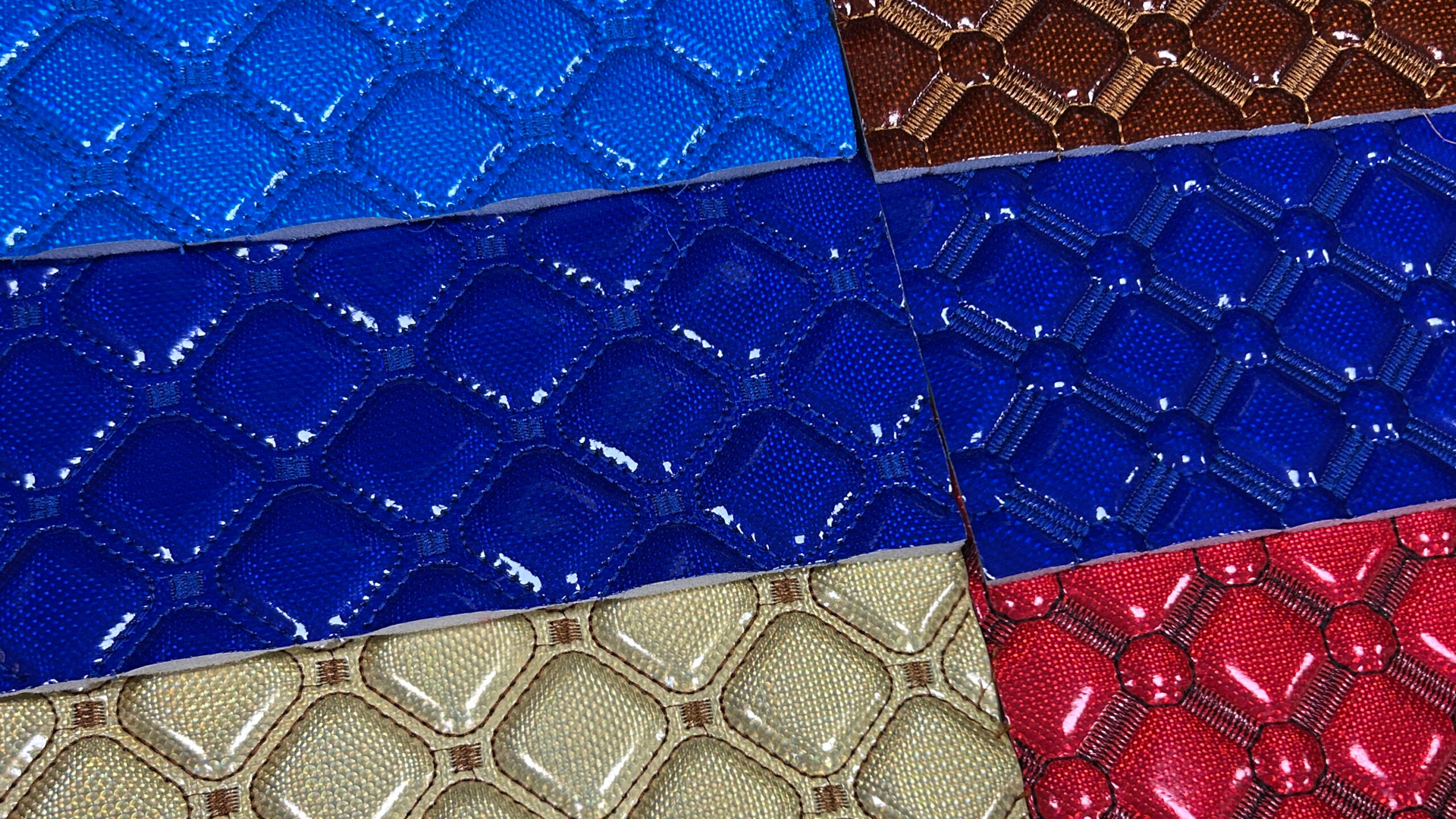
Review the face and accessible reverse side under the agreed inspection arrangement. Record enlarged or damaged holes, skipped stitches, broken thread, visible layer displacement and other defined defects by location. Keep the acceptance reference specific enough to distinguish intended stitch appearance from damage.
If a defect follows a particular turn, intersection or panel zone, preserve that pattern in the record. The production team can then investigate relevant process and construction variables through controlled trials. Do not assume from the appearance alone that the cause is a needle, a thread setting or the face material.
More stitches or tighter thread tension should not be marketed as automatically stronger. Any performance claim needs evidence for the specified construction. The buyer’s immediate task is to approve a repeatable panel and its required tests, not to infer durability from how dense the quilting looks.
Keep seam testing within its scope
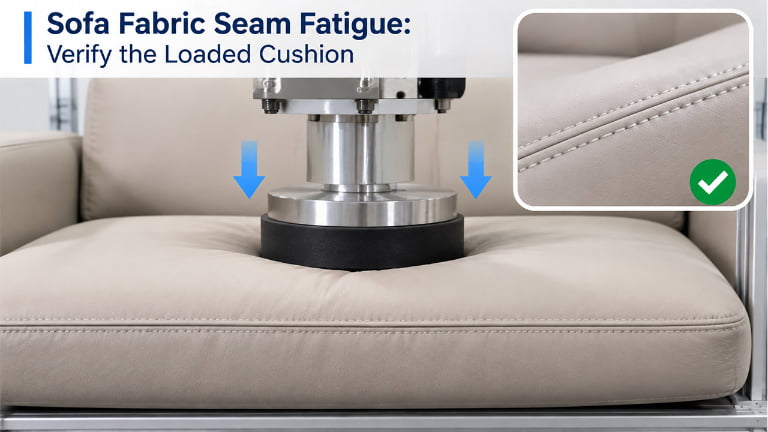
SAE J1531 addresses seam strength and seam fatigue for automotive textiles, vinyl-coated fabrics and related soft trim. It is a relevant method to discuss with the programme’s laboratory when seam performance is part of the question.
That scope does not mean every decorative stitch field has automatically passed the method, nor does it establish whole-seat performance. The laboratory and customer must agree the specimen, applicability and acceptance requirements. Keep any reported test result attached to the exact construction that was examined.
Maintain a separate list of the programme’s other material and assembly requirements. Quilting approval is not a shortcut around them. If the material is revised, determine which evidence needs renewal rather than transferring all reports from the previous unquilted or differently quilted version.
Move from a swatch to a full panel and then a cover
A swatch is useful for initial stitch and appearance development. The next stage should represent the actual panel scale, edges and registration requirements. Review the full pattern field, not only its most attractive centre section. Retain the dimensional data so the physical sample and drawing tell the same story.
Sew the approved panel into the production-intent cover and evaluate the neighbouring features. Check whether the intended alignment remains after assembly. A quilting field that is correct while flat may need further development to meet the designed installed appearance; this is a question for the controlled prototype, not an assumed benefit or defect.
Use the responsible seat manufacturer’s approved form and procedures. Do not stretch, cut or alter controlled safety-related features to make the pattern align. Changes affecting airbag deployment regions, occupant-sensing arrangements or other seat interfaces belong to the design authority and require the appropriate programme validation.
The broader automotive material specification should name the seat zone and construction being approved. A decorative-panel release must state its limits so it cannot be mistaken for approval of unrelated panels or complete vehicle-seat safety.
Make the pilot repeatable across production
Retain the quilting programme or controlled drawing, material identities, approved setup and inspection references through the manufacturer’s document system. Decide how first-piece checks and subsequent sampling will be performed. A beautifully made development sample is not enough if the factory cannot identify the settings and inputs that produced it.
Record deviations rather than correcting them invisibly. If a trial requires recutting an edge, resewing a line or unusually intensive hand adjustment, evaluate whether that action belongs in the normal process. The quotation and production plan should reflect the approved route, including any agreed rework limits.
Define change triggers for the face, foam, scrim, thread, pattern geometry, equipment or manufacturing sequence. The programme decides the extent of revalidation, but a change should enter that review rather than being presumed equivalent. Preserve a full-size reference and the associated measurements for future comparison.
Send a panel brief rather than an inspiration image
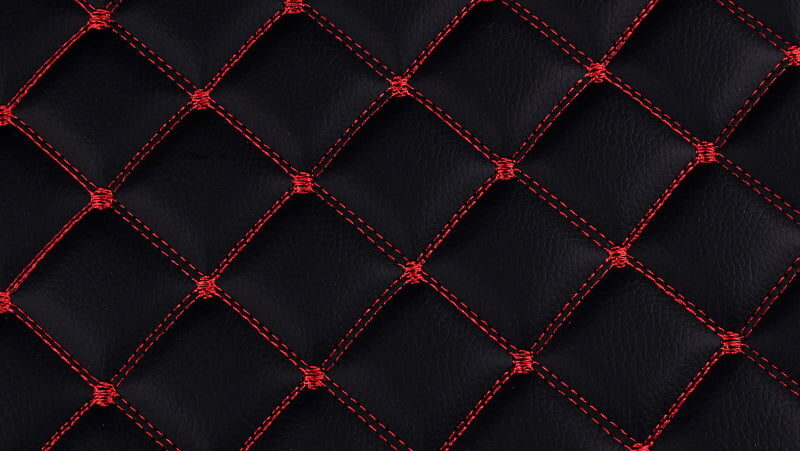
A useful enquiry includes the panel drawing, layer stack, pattern registration, intended process sequence and acceptance requirements. Add the actual seat-zone limitations and identify who owns finished-cover validation. An inspiration photograph can communicate style, but it should not replace those production inputs.
For material sampling, send Wandaoleather the quilted seat-panel brief and proposed microfiber construction. Include the largest panel and its datum requirements so the sample discussion supports the planned production trial.
Frequently Asked Questions
Can a small quilting swatch approve a complete seat panel?
No. Use it for initial development, then check production-size geometry, registration and the assembled cover. A swatch does not show every edge, neighbouring seam or installed appearance requirement.
Is there a universal quilting take-up allowance?
No allowance is established here. Measure the intended construction through its actual process and validate any compensation on the full panel before freezing the pattern.
Why measure in both principal directions?
Separate measurements show whether the observed response differs by direction. Do not assume a value established for one reference span applies uniformly to the entire panel.
Does a dense stitch pattern make upholstery stronger?
Not automatically. Strength or durability claims need suitable evidence for the exact stitched construction. Inspect process damage and apply the programme’s required tests rather than inferring performance from stitch density.
Does a seam-test report approve the whole seat?
No. It supports the tested specimen and method. Complete cover and seat validation remain separate responsibilities within the vehicle programme.
Can quilting be extended into an airbag-related seam area?
Not on the basis of decorative approval. Any change affecting a safety-related interface must be controlled by the responsible design authority and validated through the applicable programme process.