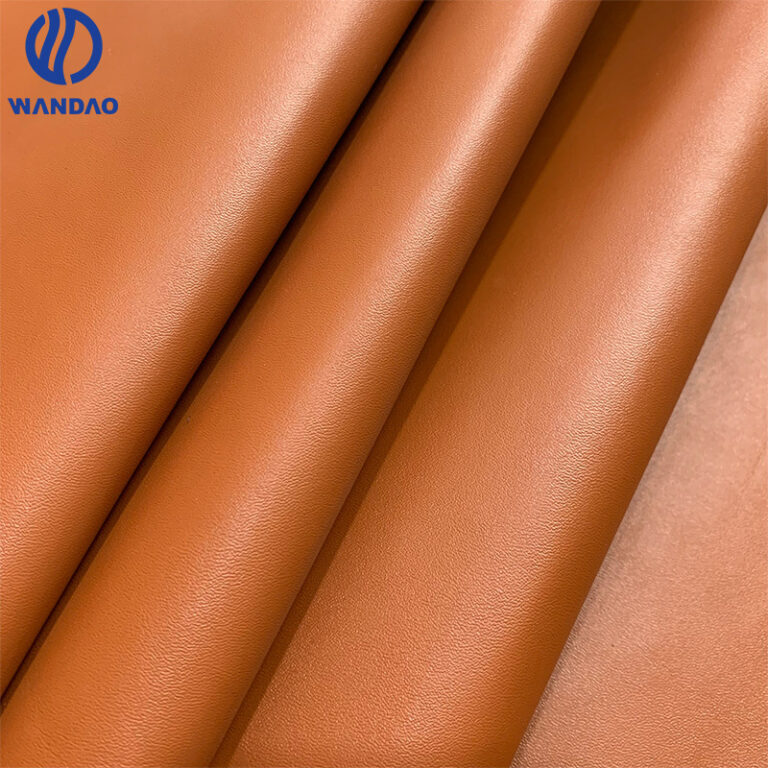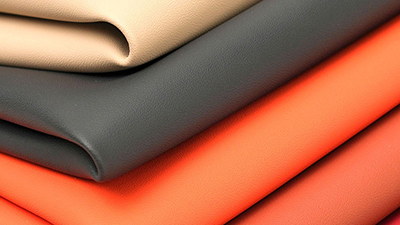
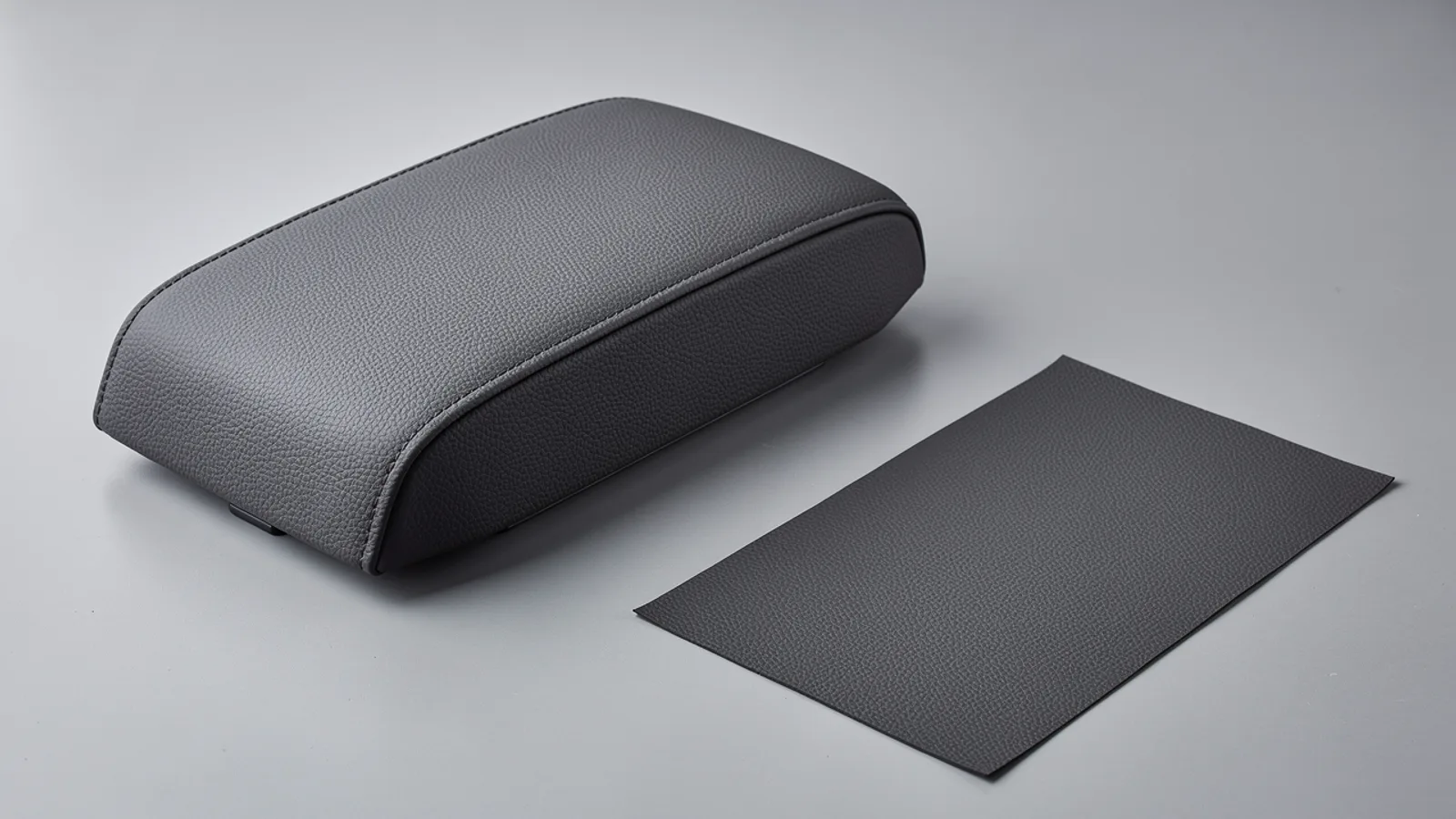
Microfiber leather stretch should be evaluated at the conditions relevant to an armrest wrap, together with recovery after unloading. Elongation at break answers a different question: how far the test specimen extends before rupture. It is not an installation allowance. For purchasing approval, connect material data to a representative armrest, a known cutting direction and a controlled pattern. A useful sample review explains both how the cover fits initially and what remains unresolved after the specified evaluation.
For microfiber leather used in automotive armrests and trim, start with the component drawing and proposed construction. This guide concerns coated microfiber synthetic leather evaluated by buyers, developers and trim manufacturers. It is not an instruction to stretch or modify an installed vehicle component.
Microfiber leather stretch: separate the measurements
A supplier may describe a material as flexible, stretchy or easy to wrap. Ask what measurement supports that description. You need to distinguish extension during a specified loading condition, the return after release, and extension remaining after the stated recovery interval.
For this discussion, “working extension” means the extension being considered for the development task, not a universal property value. “Residual set” describes the remaining dimensional change after a defined loading and recovery procedure. The time and conditions matter: do not describe a short-interval observation as proof of permanent behavior over the vehicle’s life.
| Measurement or observation | Question it addresses | What it cannot approve alone |
|---|---|---|
| Elongation at break | Extension at rupture in the stated tensile test | The permitted extension during wrapping |
| Extension under a specified load | Response under that loading condition | Recovery after the load is removed |
| Recovery and residual set | Dimensional response after unloading and the stated rest interval | The fit of every armrest geometry |
| Wrapped prototype appearance | How the defined assembly looks at inspection | Unperformed material or finished-part tests |
The definitions help prevent a sourcing error: choosing the largest percentage without first deciding which percentage matters. Keep all results tied to the method and identified specimen rather than placing unrelated values in one column labeled “stretch.”
Read elongation data without treating rupture as a target
ISO 1421:2016 addresses coated-fabric tensile testing. Its strip method measures tensile strength and elongation at break, while its grab method measures tensile strength only. Ask which method produced the quoted result, and keep the reported direction and test condition visible.
For a separate stretch-and-recovery question, SAE J855, reaffirmed in September 2022, concerns elastic and recovery properties after a low static load. Discuss applicability with the laboratory and buyer. The public scope does not supply a universal armrest acceptance value or authorize a particular forming process.
Suppose two suppliers give different elongation-at-break values but neither provides the requested recovery information. You cannot resolve the missing recovery question by ranking the break values. Request the missing evidence or keep that part of the decision open. A higher number is not a substitute for the measurement the project needs.
Also check whether the report describes the proposed coated construction or another material carrying the same commercial family name. A changed surface, support or lamination should remain visible in the sample record. The microfiber leather material overview provides product context, not a single stretch specification for every candidate.
Make cutting direction traceable
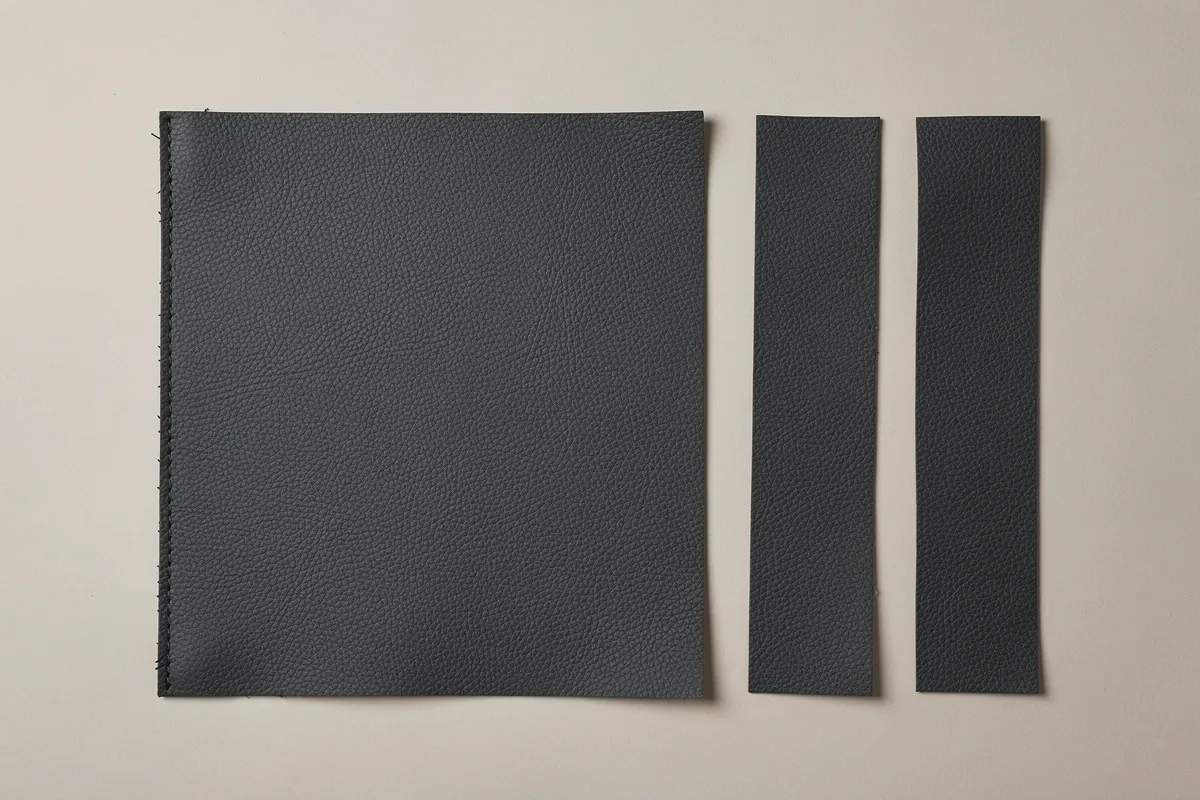
Ask the supplier to identify the material directions before cutting trial pieces. Keep those directions separate from the visible grain pattern. An embossing direction is an appearance reference; do not assume it is sufficient to identify the manufacturing direction used in a test report.
Label trial blanks and their corresponding records so the maker can reproduce the orientation. If a direction is changed during development, record it as a trial variable rather than quietly treating the pieces as identical. This is an engineering control recommendation, not a claim that one direction will always fit better.
Keep individual directional results available. An average may conceal the information needed to compare a specific cut orientation. Ask the technical reviewer whether further directions are relevant to the shape and method being assessed instead of adding arbitrary tests.
A useful photograph shows the blank identifier and its relationship to the pattern reference. Keep markings outside the evaluated face or use another agreed identification method. The point is traceability, not adding a grid that itself changes the appearance or processing of the candidate.
Freeze the armrest underneath the cover
A wrap comparison needs an identified support as well as an identified covering. Record the armrest core or shell, any foam layer, the pattern revision, seam arrangement and attachment route. If the foam or contour changes between trials, the team is no longer comparing only the cover material.
ACT’s indoor coated-upholstery guidance does not set a universal stretch-and-set minimum, noting the influence of furniture construction and factors such as foam density. This is a useful caution about evaluating a material in isolation. It is not an automotive specification or evidence that a particular armrest has passed vehicle requirements.
As practical hypotheses, a contour mismatch, an altered support or a changed seam arrangement may help explain why two trials look different. Investigate those possibilities before attributing every wrinkle to the microfiber sheet. A photograph alone cannot identify which variable caused the difference.
If the project intentionally compares complete constructions, allow the necessary changes but identify them. A material that requires a revised pattern may still be a viable choice. It should be quoted and approved as that revised construction, not presented as a direct replacement using the unchanged process.
Compare prototypes at agreed review points
Agree the review sequence before the preferred sample is made. Include the initial assembled appearance and any later inspections required by the buyer’s development plan. Define the interval, conditioning and handling for those inspections with the responsible technical team; this article does not prescribe a test cycle or temperature.
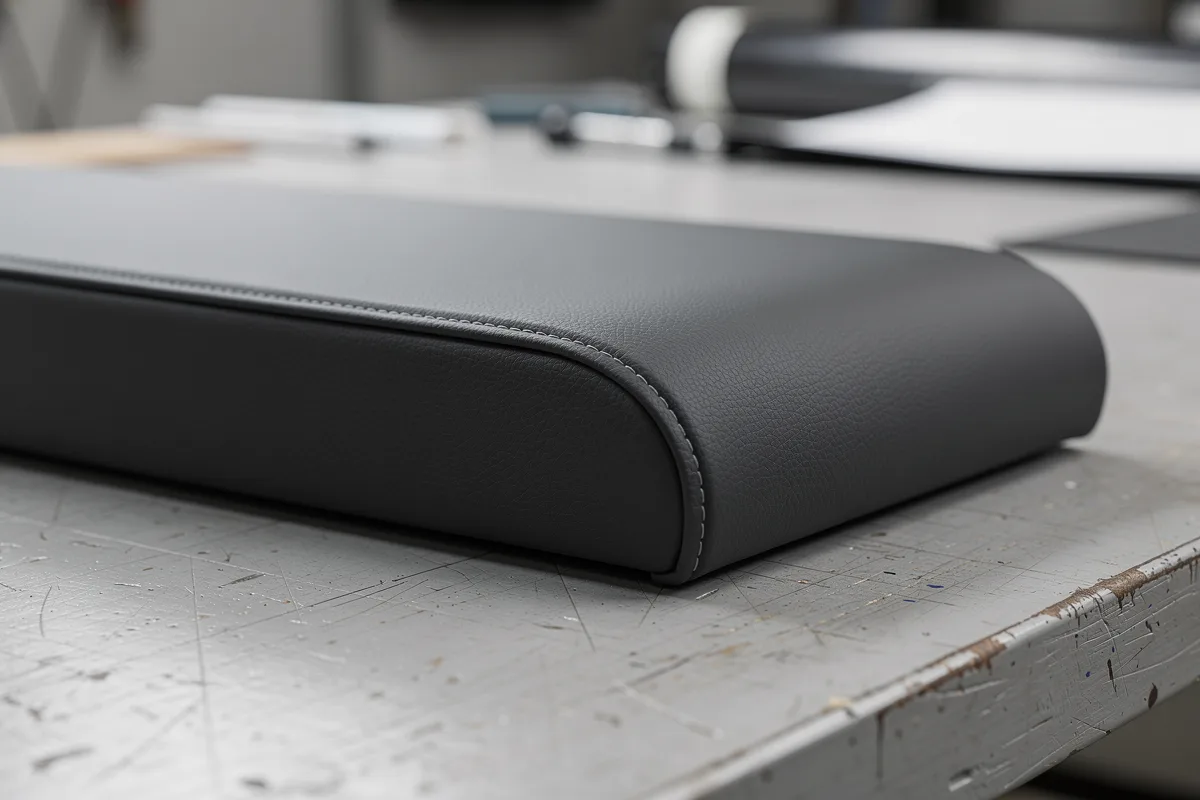
Review the broad top surface, rounded end, seam and attachment boundary separately. Record the location of a wrinkle, gap, grain distortion or edge movement rather than writing only “poor fit.” Use consistent views so that a later comparison concerns the same zones.
Keep material recovery testing distinct from observations on the bonded part. A cover fixed to a support is not an unloaded strip. Peeling it off to measure it can introduce another change, so do not treat dimensions from that operation as equivalent to a controlled recovery test without technical justification.
Retain an unformed reference from each candidate. When a visual difference appears, compare it with that reference and the earlier assembly record. If the cause is unclear, preserve the sample and ask for examination rather than masking the observation through an undocumented adjustment.
Investigate wrinkles with a specific comparison
Start with a narrow question. Is the observation repeated at the same position on matched prototypes? Did it appear after a documented pattern change? Was the support or orientation different? These questions help the developer choose the next comparison without claiming a diagnosis prematurely.
A practical trial might keep the material, support and process fixed while comparing an approved pattern revision with a proposed revision. Another might keep the construction fixed while comparing two material candidates. Record any unavoidable difference so the conclusion does not exceed what was controlled.
“Pull it tighter” is not a complete corrective-action instruction. Before changing assembly tension, have the developer specify the intended adjustment and what will be checked afterward. Otherwise, a smoother initial photograph may simply leave other questions unmeasured. Do not infer recovery, adhesion or later fit from that photograph.
If inspection suggests separation within the coated sheet, ISO 2411:2024 provides a coating-adhesion test scope to discuss with the laboratory. That is a different question from whether the assembled cover is securely bonded to the armrest support. Identify the interface under investigation before ordering a test.
Make the decision visible to purchasing and production
Use a short approval record connecting the material code, finish, color, sample identity, orientation and construction revision. Link the relevant reports and prototype photographs. State who reviewed the evidence and what remains open.
An acceptable initial fit with missing recovery evidence is a partial result, not a complete approval. Likewise, a compliant material report with an unacceptable prototype appearance does not resolve the component decision. Keep each requirement in its own field so one favorable result does not hide another gap.
For substitutions, compare the proposed change against the approved record. A different backing, pattern, foam, adhesive or assembly route should prompt a documented review of which evidence remains applicable. The reviewer may decide that existing evidence is sufficient or request targeted new work; do not automatically assume either outcome.
The automotive leather selection page can help organize other material routes if the current candidate is unsuitable. Keep the same component task in the comparison. General appearance or a premium material label does not answer an unresolved wrap-fit question.
Request samples with an armrest-specific brief
Send the drawing or reference part, the intended surface appearance and the construction information the supplier needs to select candidates. Include the current material code when replacing an existing cover. Explain whether the task is initial screening, a specific fit investigation or confirmation against an established buyer specification.
Ask separately for material data and the representative trial needed by the trim maker. Name any required method and edition, but leave unspecified settings and limits for agreement with the buyer and laboratory. Confirm the scope and availability of evidence before relying on it in the order.
Share your armrest drawing and sample requirements with Wandaoleather to discuss microfiber candidates. The most useful request connects the desired fit to the actual material and construction, rather than asking for the highest possible elongation value.
Frequently Asked Questions
Does microfiber leather stretch the same amount in every construction?
Do not assume a common value from the material name. Request data for the proposed construction, with the method, direction and conditions identified, then evaluate the candidate in the intended armrest.
Can elongation at break be used as the wrapping allowance?
No. It is an endpoint from a tensile test, not an approved forming allowance. The developer needs evidence relevant to the intended working extension, recovery and finished-part requirements.
What does SAE J855 address?
SAE J855 addresses elastic and recovery properties after a low static load. Ask the laboratory to confirm its applicability and the buyer’s acceptance requirements; the method scope alone does not approve an armrest.
Why keep material direction in the sample record?
It allows the team to reproduce the trial and compare it with the reported specimen orientation. Do not assume a visible grain pattern identifies the relevant direction or average away results needed for the chosen cut.
Can a flat swatch approve the finished armrest?
No. A flat sample supports material screening, while the representative armrest includes the pattern, support, foam, seams and attachment route. Review the assembled candidate against the actual component requirements.
Should a wrinkled prototype simply be pulled tighter?
Not as an undocumented fix. Record the wrinkle’s location and trial conditions, then have the developer choose a controlled comparison. Any proposed tension change needs defined checks rather than approval from appearance alone.