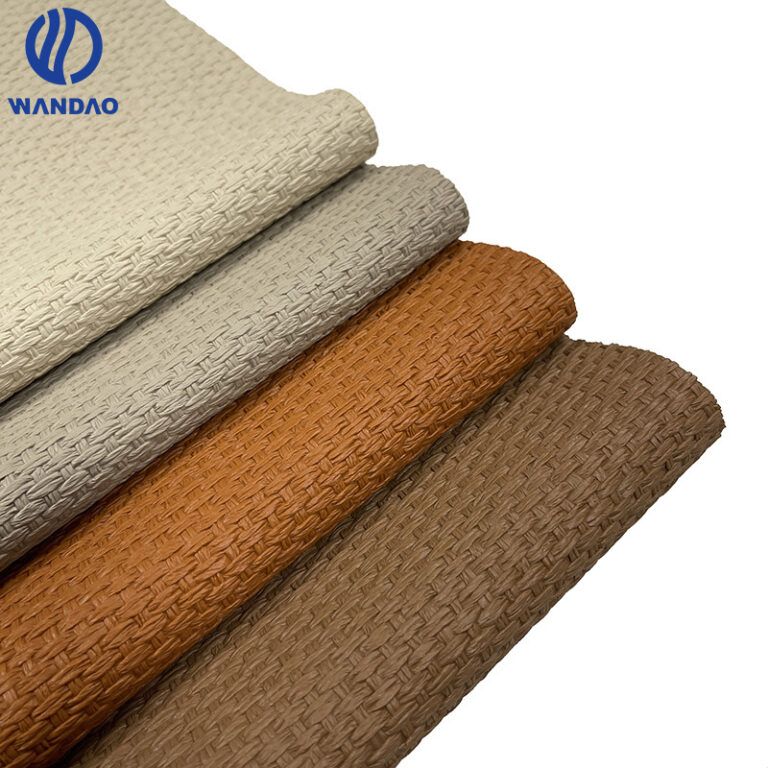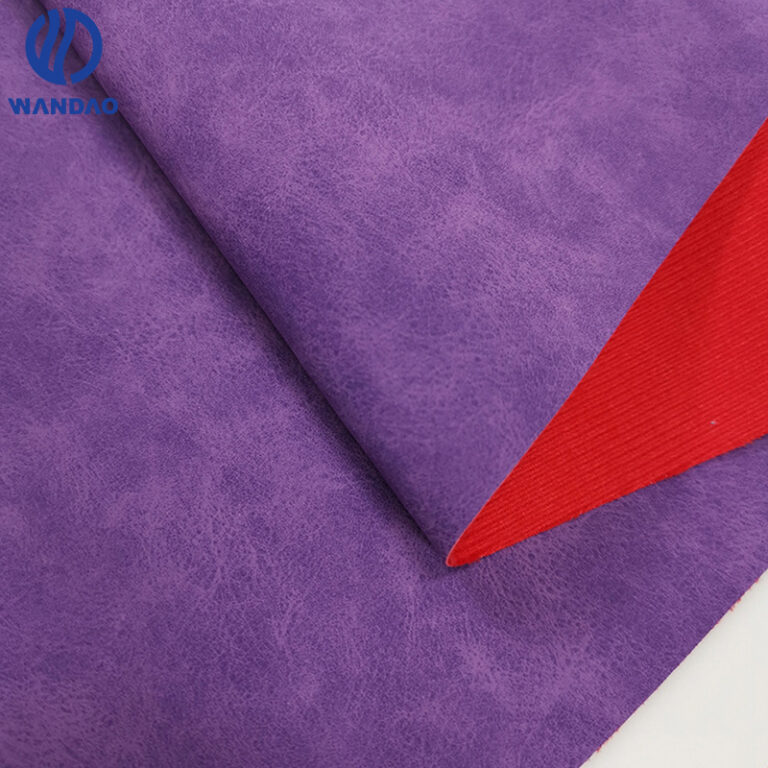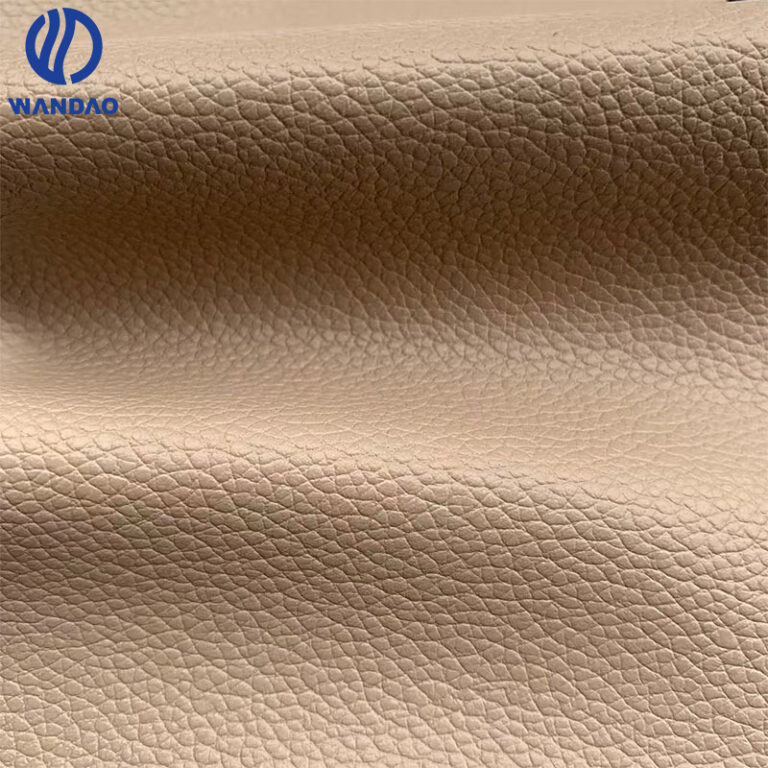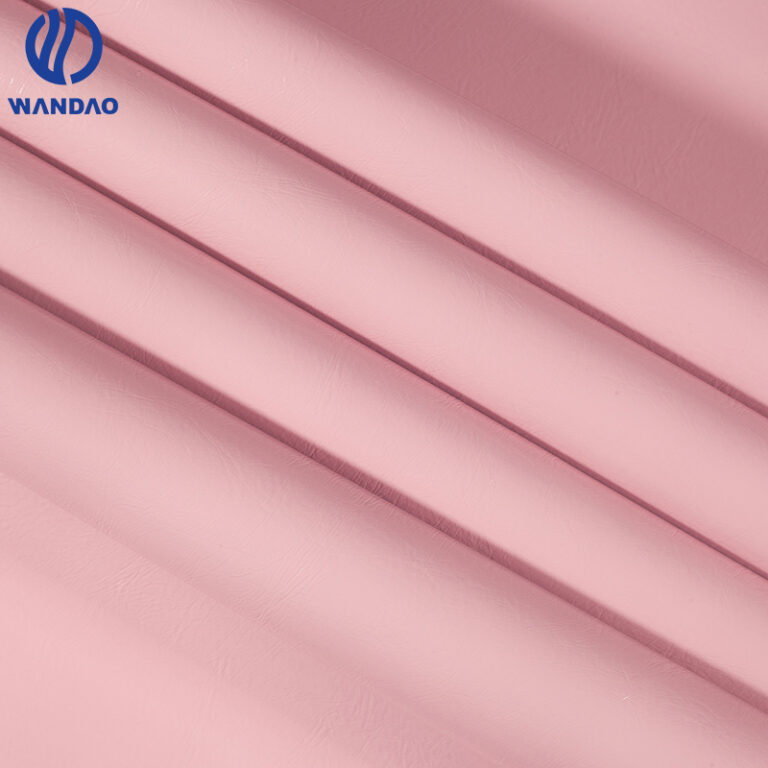
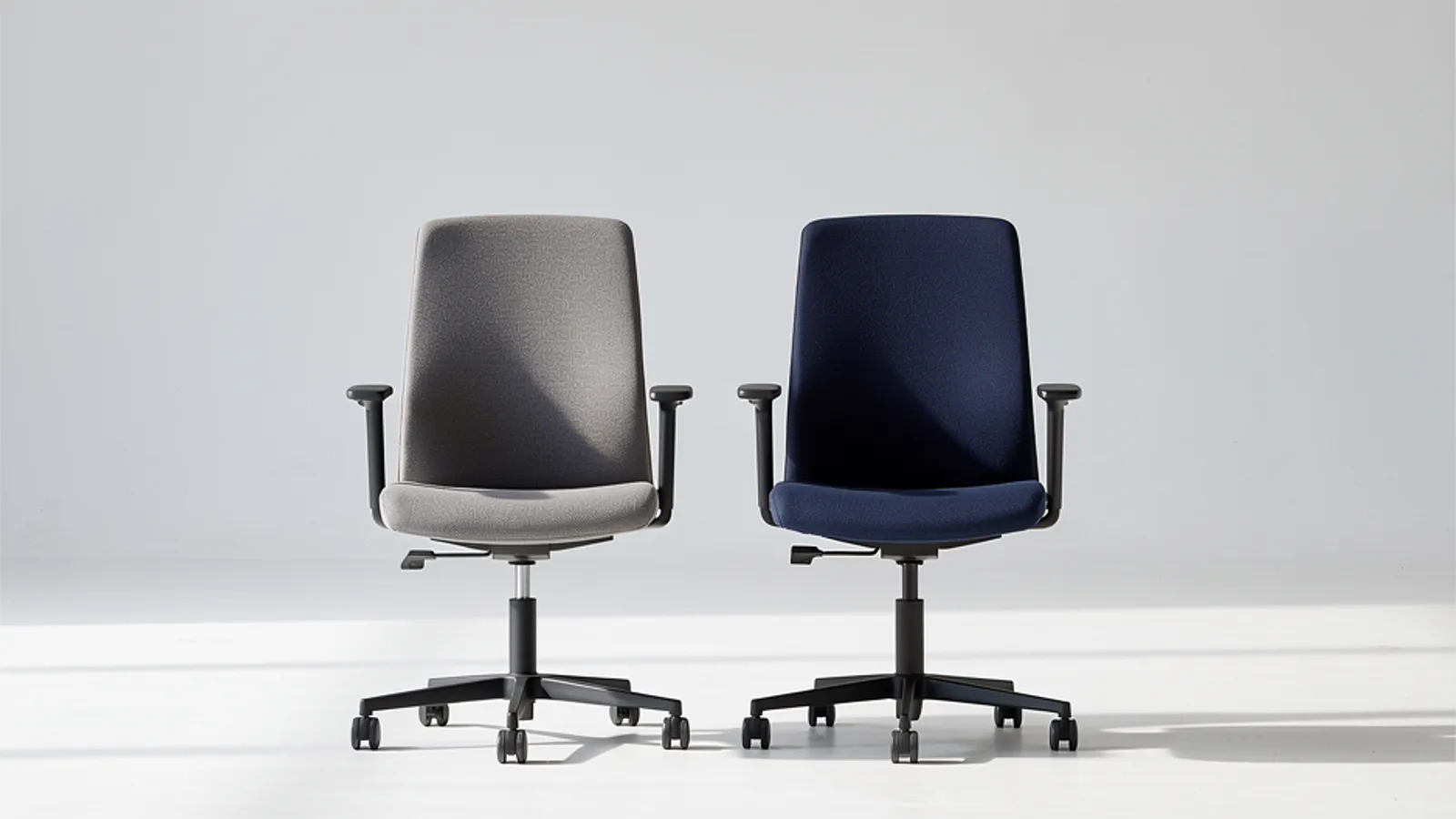
PU leather vs fabric is an upholstery decision, not a shortcut to choosing a comfortable office chair. A PU-coated cover may suit a wipe-clean brief, while a woven cover may suit a textile-handfeel brief. Neither label proves comfort, cleaning compatibility or service life. For padded task chairs, compare the actual materials on the same seat and back platform, then approve the cover, sewing pattern and maintenance instructions as one package.
Start with the chair design and use setting when reviewing office-chair upholstery materials. This guide compares PU-coated textile with woven fabric over padding. It does not rank suspended mesh seats against padded chairs: that would change the support system as well as the covering.
PU leather vs fabric: define the two samples first
A meaningful comparison needs two identifiable material constructions. For the PU option, record the surface system, textile backing, total thickness and any additional lamination. For the woven option, record the fibre blend, weave, backing treatment and finish. “Premium PU” and “performance fabric” are not sufficient sample identities.
The Association for Contract Textiles’ performance framework distinguishes woven, coated and knit constructions and selects guidelines by application and environment. A coated fabric can itself contain a woven backing. The useful distinction here is therefore the exposed coated surface versus the exposed woven textile, not plastic versus something with no plastic content.
| Approval question | PU-coated option | Woven option |
|---|---|---|
| What touches the user? | Identify the finish, grain and coating construction. | Identify the yarn surface, weave and finish. |
| What happens at a sewn corner? | Check needle-hole damage, coating appearance and backing response. | Check yarn movement, fraying and seam appearance. |
| How will it be maintained? | Validate the intended wiping procedure. | Validate the intended vacuuming and spot-cleaning procedure. |
| What is being bought? | An approved cover material and its assembly requirements. | An approved cover material and its assembly requirements. |
Use this table as a trial checklist, not a claim that either material will fail. A well-matched construction matters more than a category-level winner.
Keep chair fit separate from surface comfort
A cover cannot correct a seat that is too deep for its user or a backrest that cannot be adjusted appropriately. OSHA’s chair guidance treats seat size, adjustment and back support as important elements and recommends trying chairs before purchase. That is guidance about the chair system, not an endorsement of one upholstery chemistry.
For development, use the same shell, foam specification, cushion profile and adjustment settings when comparing covers. Ask trial users to record surface warmth, dampness, sliding and tactile preference separately from support and fit. Otherwise, a softer cushion beneath one material can be mistaken for a benefit of the material itself.
Do not reduce “breathable” to a yes/no box. ISO 9237 addresses fabric air permeability. ISO 11092:2026 addresses thermal and water-vapour resistance and includes multilayer assemblies within its scope. These are different measurements. If a comfort claim matters to the purchase, agree what will be measured and whether the specimen includes the padding or only the cover.
A practical user trial should also record room conditions, clothing and trial duration. It is a project comparison, not a universal comfort certification. Keep the observations attached to the actual prototype rather than extending them to every PU or woven material.
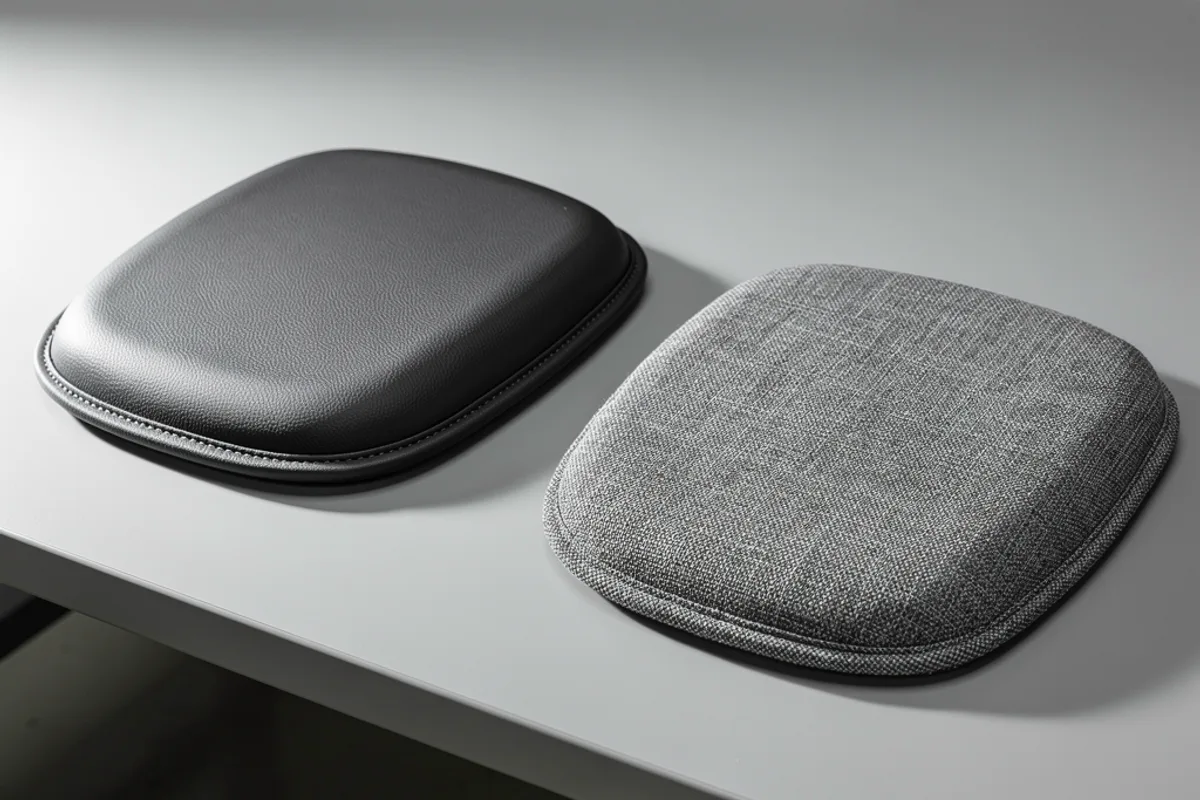
Use the seat’s front edge as an early development checkpoint
The rounded front of a padded task chair is a useful place to examine cover fit. Include both front corners, side returns and any junction between seat panels in the first prototype review. Photograph these areas before use and after the agreed trial sequence, using the same views and lighting.
As an engineering check, look for excessive local tension, uneven folds, visible stitch holes or a loose area that does not recover as expected. Do not assume a flat swatch predicts the result on a curved pad. A material may require a different cutting allowance or panel arrangement without being unsuitable for the chair.
Use two development rounds. In the comparison round, hold the chair platform and assembly record as consistent as practicable. In the optimisation round, let the upholsterer adjust the pattern for each material and record every change. Forcing different covers into one unsuitable pattern would test the pattern mismatch rather than their best achievable performance.
Record material direction on the cutting layout, plus seam allowance, thread, needle and stitch settings. These are proposed process controls, not universal settings. The approved pattern should state how it relates to the tested material so a later substitution does not silently inherit the same approval.
Choose evidence for the likely failure mode
Ask for reports for the exact construction and colour where relevant, with the method, conditions and assessment criteria visible. Avoid comparing two large abrasion numbers without checking what was rubbed, how it was loaded and what counted as failure.
ACT’s abrasion disclaimer explains why laboratory abrasion results should not be treated as a direct prediction of upholstery lifespan. A high result does not remove the need to review seams, cleaning or appearance on the finished chair.
For PU-coated upholstery, ACT’s coated-fabric physical-property guidance considers properties including coating adhesion, seam strength, flexing and hydrolysis resistance. It also notes that stretch recovery depends on furniture construction, including foam, and that hydrolysis test weeks do not directly translate into service years.
For the textile alternative, ACT’s woven-fabric guidance includes seam slippage and pilling among its assessments. Use the appropriate evidence set rather than asking both candidates for an identical list regardless of construction. The project team and laboratory should agree suitable methods and acceptance criteria.
Trial the maintenance routine, not just a fresh spill
A quick wipe of a new swatch answers only a narrow question. For a shared office, establish who cleans the chairs, what products they use, whether rinsing is required and when a seat must return to service. Obtain written material-care instructions before selecting the routine.
The following is a proposed project trial, not a standardised cleaning test. Apply only the supplier-approved procedure to representative sewn samples. Record the product, dilution, contact time, wiping material, repetitions and drying conditions. Keep an untreated control sample beside the exposed sample.
Inspect after drying for colour or gloss change, residue, tackiness, stiffness, yarn disturbance and seam appearance. Include the seat edge rather than testing only the centre of a flat panel. If the cleaning contractor requires a different chemical, resolve that mismatch before approval; do not quietly substitute a gentler cleaner during evaluation.
Wipeability is also not a waterproof-chair claim. Needle holes, seams and exposed edges belong to the assembled cover. If resistance to liquid ingress is important, define an assembly-level requirement and a suitable assessment with the manufacturer.
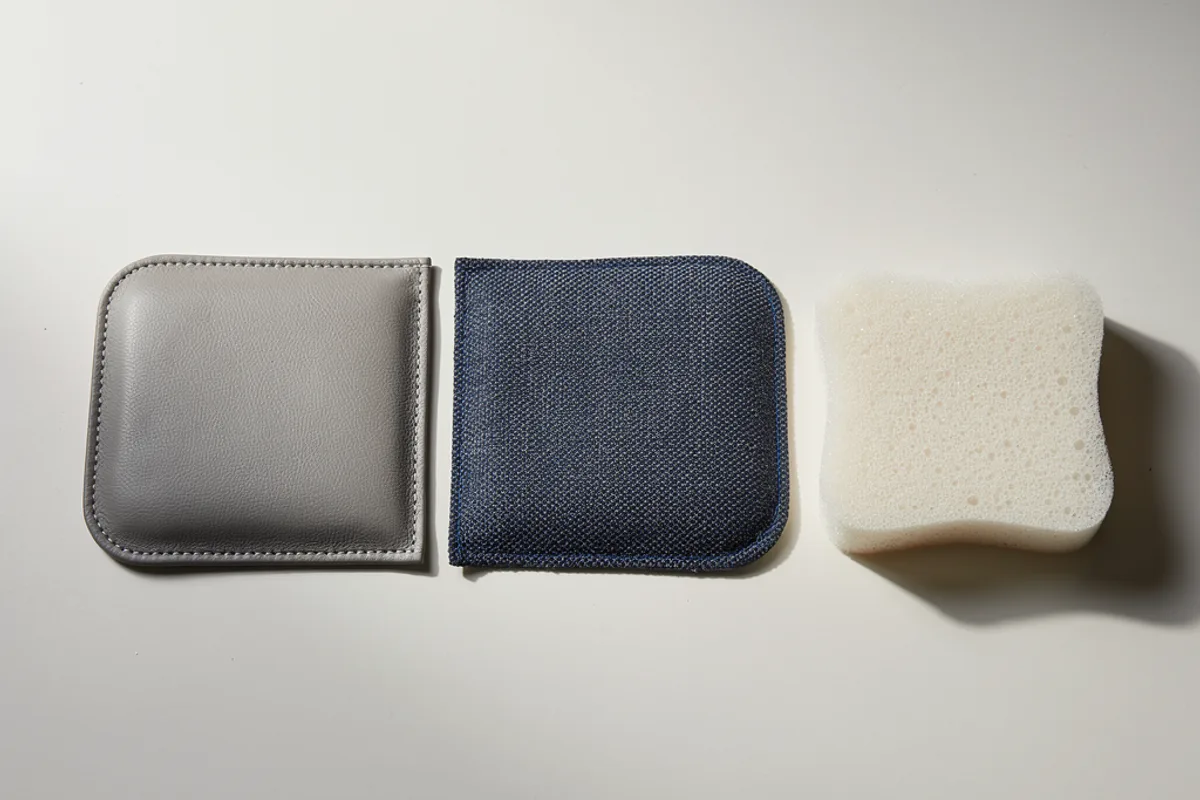
Approve a repeatable chair cover, not a single attractive sample
For the coated route, review PU materials for office-chair development against the agreed pattern and maintenance brief. If the brief changes enough to consider another coating family, treat silicone office-chair upholstery as a separate candidate requiring its own approval, not a drop-in equivalent.
Prepare a short approval pack containing the material code, colour reference, backing description, sample lot, cutting layout, sewing record, prototype photographs and report references. Add the cleaning instructions and the names of the people who approved the appearance and functional checks.
Keep a retained material sample and an agreed chair-cover reference. Specify which changes require review: backing, coating, finish, colour, foam, pattern or cleaning chemistry. A later purchase order should point to that revision, not simply repeat “PU leather” or “fabric.”
Compare costs per accepted chair cover, including usable cutting yield, sewing adjustments, rejected covers and the practical replacement route. Ask whether the seat pad can be replaced independently and whether a matching material can be managed for future batches. These are purchasing questions; neither material category guarantees a lower lifetime cost.
The decision can then be specific: choose the candidate that meets the agreed comfort observations, assembly checks and maintenance needs on this chair platform. If neither passes, revise the construction or brief before increasing order volume.
Frequently Asked Questions
Is PU leather or fabric better for an office chair?
Neither is universally better. Compare identifiable materials on the same padded chair platform, then evaluate surface comfort, cover fit, cleaning compatibility and relevant test evidence. A preference for a wipe-clean surface or textile feel is a starting point, not a complete approval.
Does fabric upholstery always feel cooler than PU?
No category label establishes that result for every chair. Evaluate the actual cover and padding combination. Air permeability and thermal or water-vapour resistance measure different properties, while a user trial also depends on room conditions, clothing and chair fit.
Can PU and woven fabric use the same cutting pattern?
They may, but this should be demonstrated on prototypes. Different stretch, thickness and backing behaviour can require revised allowances or panel layouts. Record material direction and sewing settings, and approve the optimised pattern for each candidate rather than assuming interchangeability.
Do higher abrasion results mean a chair will last longer?
Not by themselves. The test method and assessment criteria must be comparable, and abrasion does not cover every service failure. Seams, coating adhesion, cleaning exposure and the finished cover’s appearance can all require separate evaluation. Do not convert rub counts into years.
Is a PU-upholstered office chair waterproof?
A material name does not establish waterproof performance for a complete chair. Even when the coated face resists liquid, seams, needle holes and exposed edges remain separate considerations. Define and verify an assembly-level requirement if liquid ingress is important.
What should buyers send with an upholstery sample request?
Send the chair application, seat and back geometry, foam information, desired appearance, cleaning routine, target market, expected order quantity and required test criteria. Include the proposed cutting and sewing arrangement when available so material review can address the actual cover.
Turn the comparison into a sample brief
Send Wandao your office-chair upholstery brief with drawings, material preferences and maintenance requirements. Request candidate specifications and samples for prototype evaluation; final performance and acceptance criteria should be confirmed for the selected construction.