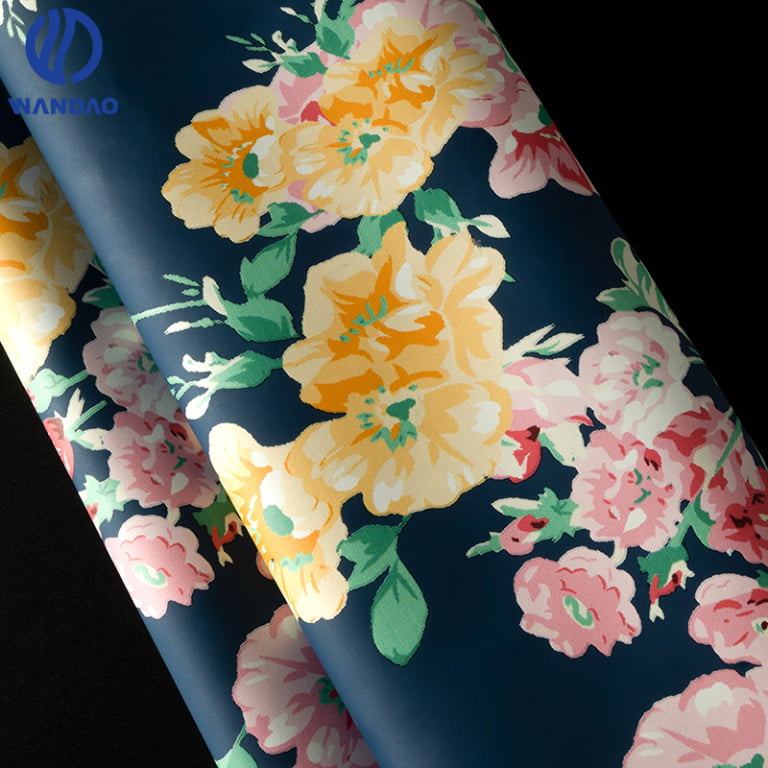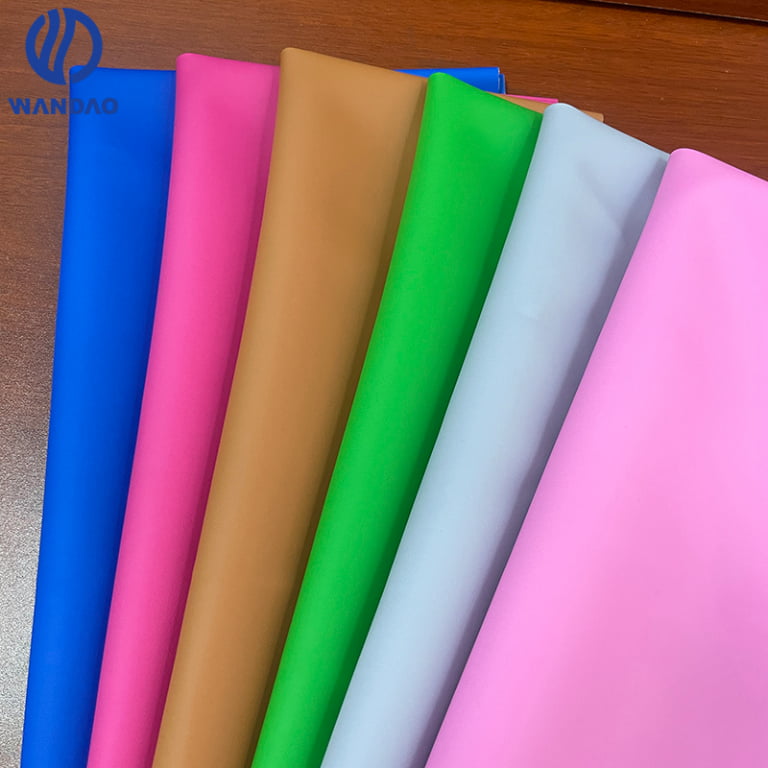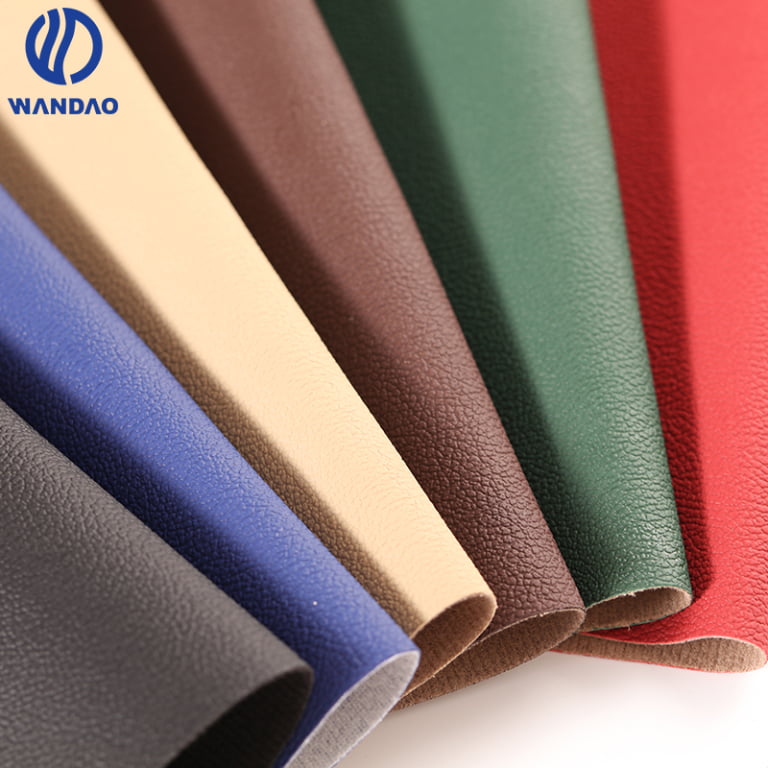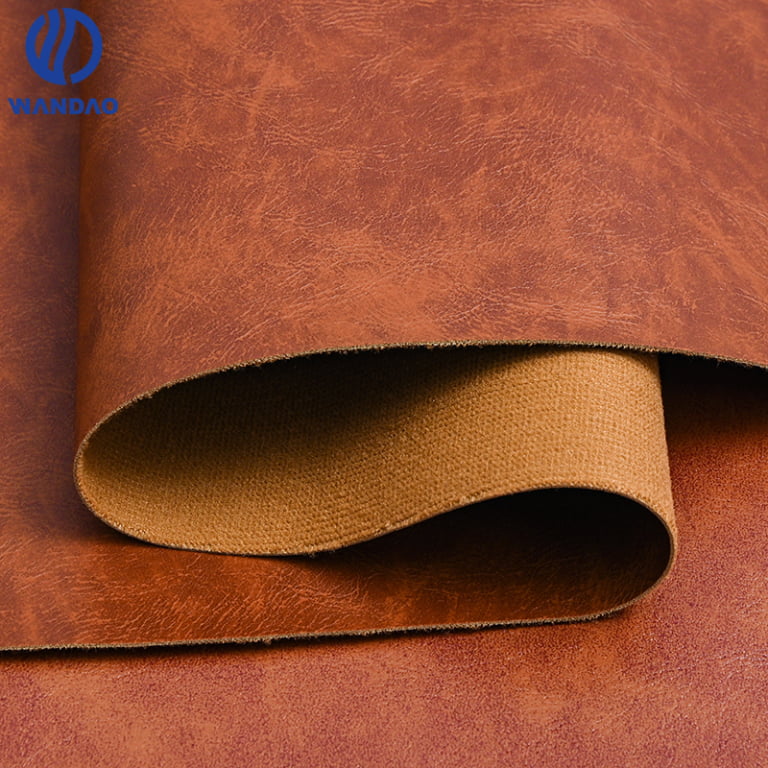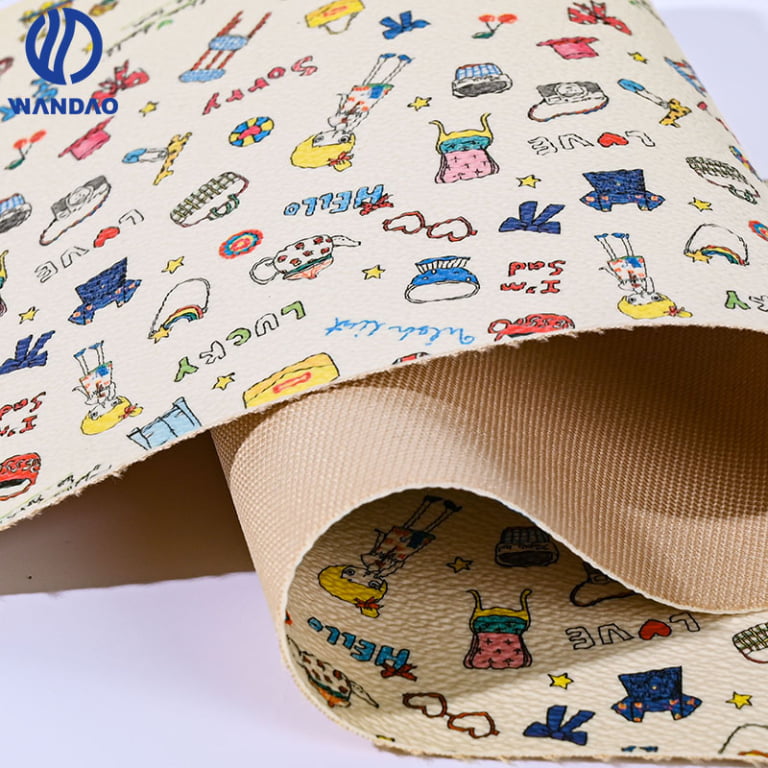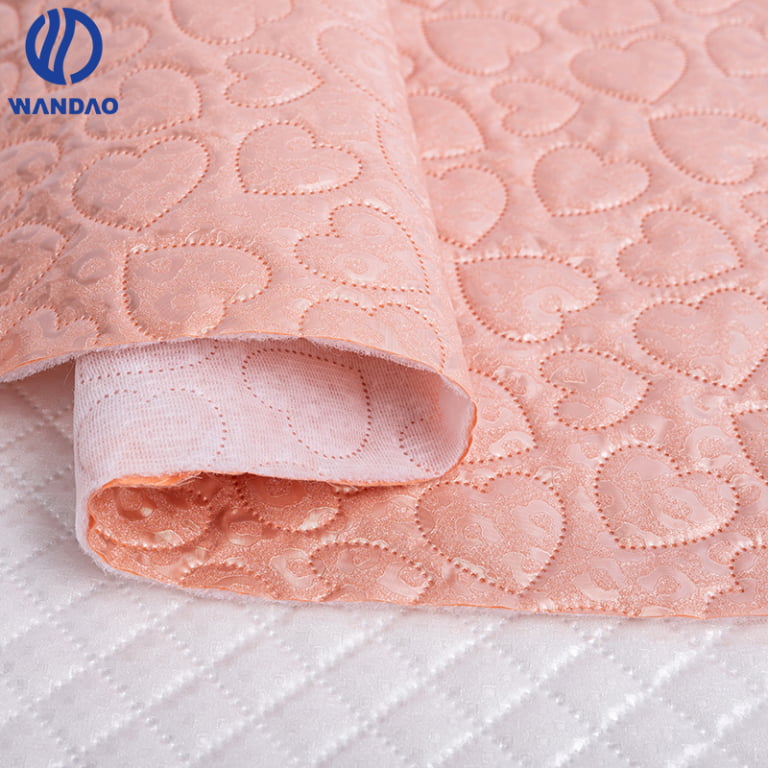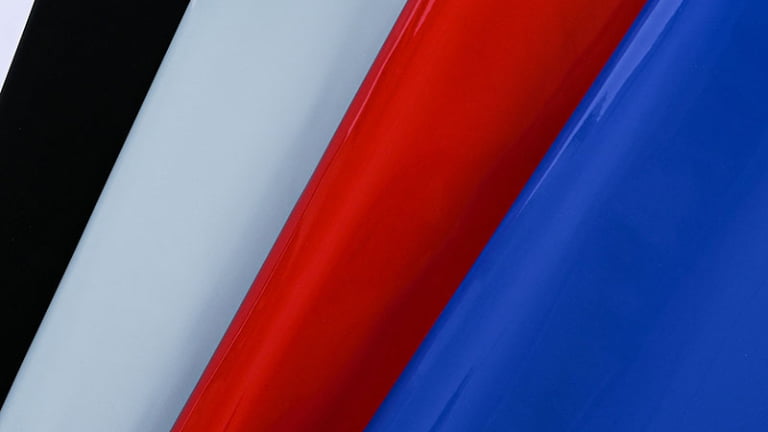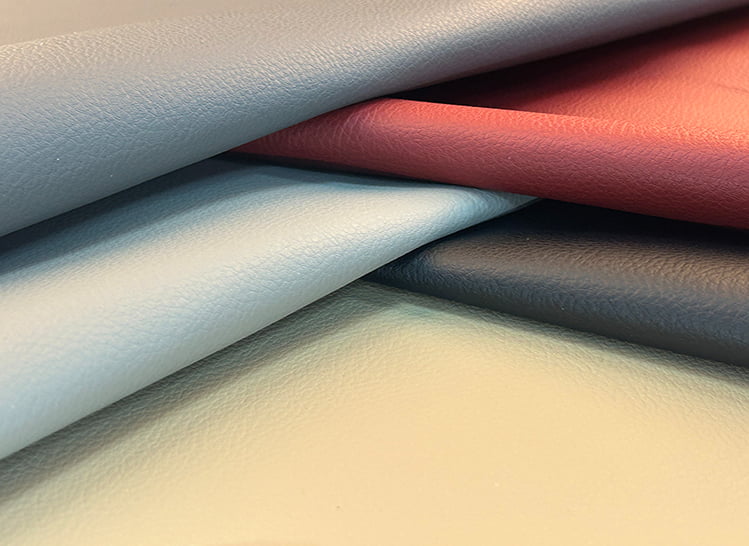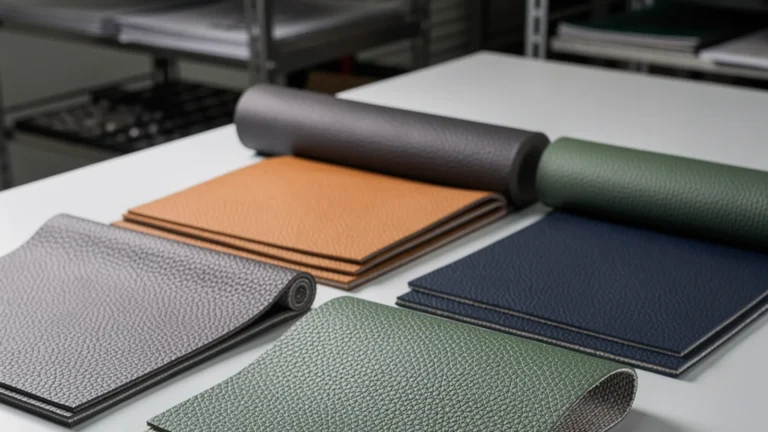
Cheap materials often raise doubts. Is PVC leather durable, practical, or simply a short-term solution?
PVC leather is a synthetic material made primarily from polyvinyl chloride (PVC). It is widely used in furniture, automotive interiors, footwear, medical equipment, and bags because it offers water resistance, easy maintenance, rich design options, and a lower cost than many alternative materials. However, it also has limitations, including reduced breathability, aging concerns, and environmental debates.
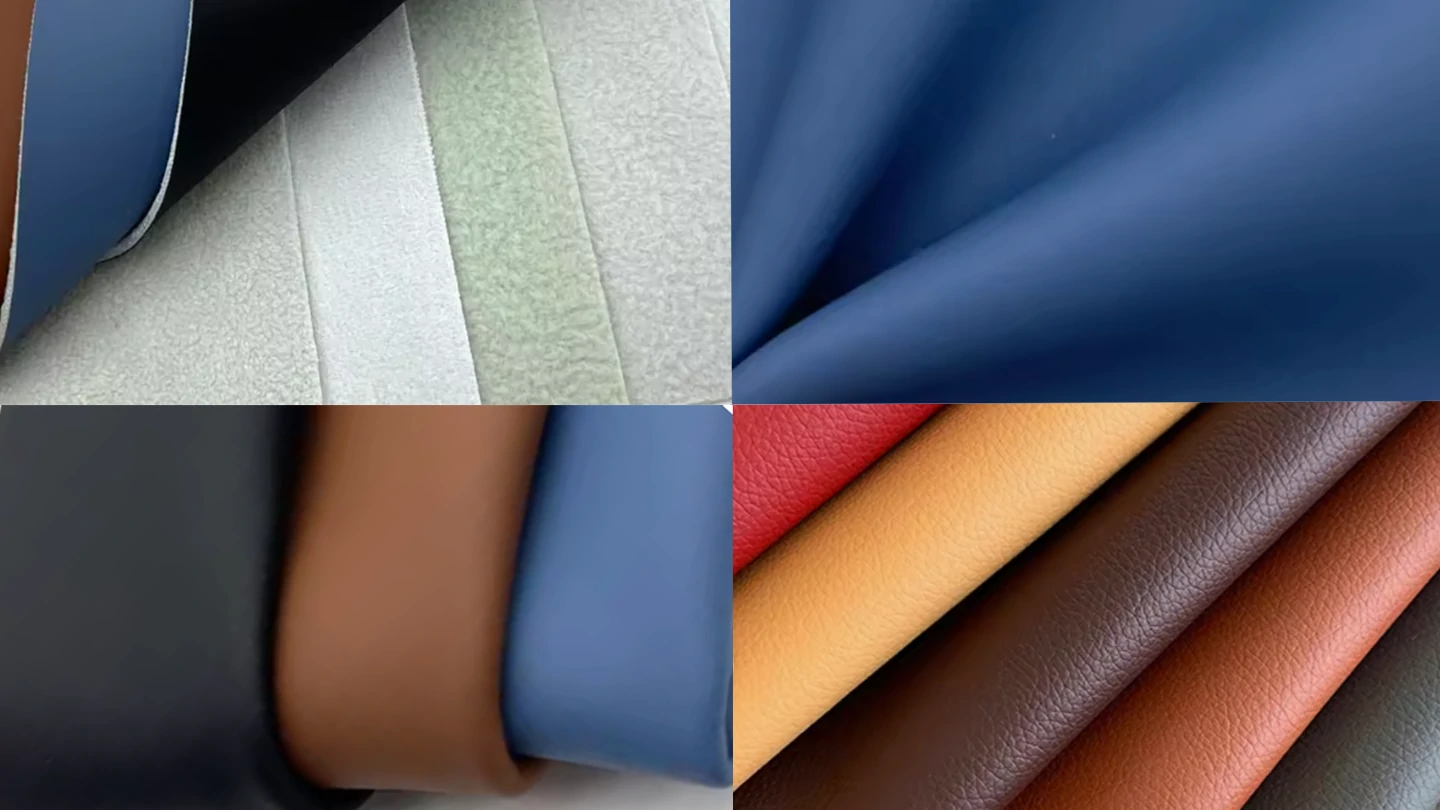
Many people encounter PVC leather every day without realizing it. It appears on restaurant chairs, hospital beds, luggage, affordable sofas, and even sections of car interiors. Yet, few people understand how this material is manufactured or why it remains one of the most commonly used synthetic leather options worldwide. As someone who has worked in the synthetic leather industry for more than a decade, I believe understanding both the strengths and weaknesses of PVC leather helps buyers make more informed decisions.
What Is PVC Leather?
Many buyers confuse PVC leather with genuine leather. This misunderstanding often leads to unrealistic expectations.
PVC leather is an artificial leather made from polyvinyl chloride resin. Unlike genuine leather, it does not contain an animal fiber structure. Instead, it combines a textile backing with PVC layers and surface treatments to create a material that can imitate the appearance of real leather.
Understanding the Structure of PVC Leather
In my experience, understanding the structure of PVC leather helps explain both its advantages and limitations. Most PVC leathers contain three main layers:
| Layer | Function |
|---|---|
| Base Fabric Layer | Provides strength and dimensional stability. |
| PVC Layer | Creates thickness, flexibility, and waterproof performance. |
| Surface Treatment Layer | Adds texture, color, patterns, and protective properties. |
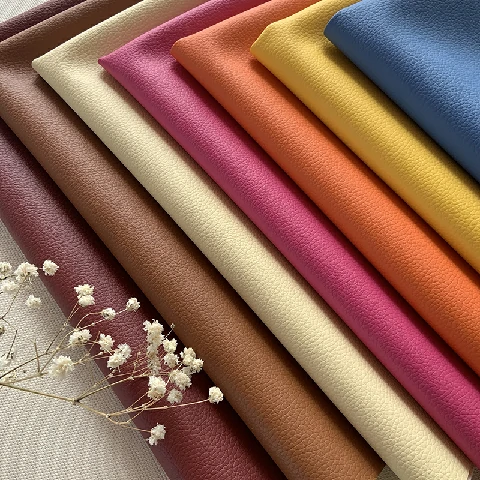
The backing fabric may consist of knitted fabric, nonwoven fabric, or polyester fabric. The PVC layer may be dense or foamed depending on the intended application. The final coating stage creates different appearances, ranging from smooth matte finishes to embossed grain patterns that resemble genuine leather.
I often describe PVC leather as an industrial material rather than a natural one. It can successfully imitate the appearance of leather, but its internal structure behaves differently. Genuine leather tends to develop a softer character over time. PVC leather generally maintains its manufactured appearance until the material eventually begins to age.
What Is PVC Leather Used For?
Choosing the wrong material can increase costs and shorten product life.
PVC leather performs best in applications that require water resistance, easy cleaning, and affordable pricing.

Common Applications of PVC Leather
Throughout my career, I have seen PVC leather used across a surprisingly broad range of industries. Each industry values different aspects of the material.
| Industry | Typical Applications | Main Advantages |
|---|---|---|
| Furniture | Sofas, dining chairs, headboards | Easy cleaning and low cost |
| Automotive | Seat sides, door panels, dashboards | Consistent appearance |
| Footwear | Fashion shoes, rain boots | Water resistance |
| Bags | Luggage, backpacks, wallets | Design flexibility |
| Medical | Examination beds, cushions | Easy disinfection |
Medical applications deserve particular attention. Hospitals often prioritize hygiene above all else. PVC leather can withstand frequent cleaning procedures and disinfectant exposure. This characteristic makes it suitable for examination chairs and medical mattresses.
Budget-conscious furniture manufacturers also favor PVC leather because it allows them to create attractive products without significantly increasing production costs. A dining chair covered with PVC leather can deliver a sophisticated appearance at a fraction of the cost of genuine leather.
For customers operating within tight budgets, PVC leather often provides the best balance between appearance and affordability.
What Are the Disadvantages of PVC Leather?
Every material has limitations. Ignoring them often results in disappointment.
PVC leather offers many benefits, but it also presents challenges involving comfort, durability, and sustainability.
The Main Disadvantages Buyers Should Understand
One mistake I frequently observe involves buyers expecting PVC leather to perform exactly like genuine leather. The reality is more nuanced.
| Disadvantage | Impact |
|---|---|
| Limited Breathability | Reduced comfort during extended contact. |
| Aging and Cracking | Surface deterioration may occur over time. |
| Poor Low-Temperature Performance | Material may become brittle in cold climates. |
| Environmental Concerns | Production and disposal remain debated topics. |
Breathability remains one of PVC leather’s most recognized weaknesses. Since the material functions as a plastic barrier, moisture transfer is limited compared with genuine leather or certain microfiber materials.
Durability also depends heavily on formulation quality. Lower-grade PVC products may crack within a few years when exposed to sunlight, humidity fluctuations, or repeated mechanical stress. Higher-quality formulations generally perform better but still face aging processes over time.
Environmental discussions surrounding PVC production continue to evolve. Many manufacturers are improving formulations and manufacturing practices. Even so, sustainability-conscious buyers increasingly evaluate alternative materials alongside traditional PVC solutions.
In my opinion, the key lies in selecting the right material for the right application rather than expecting one material to satisfy every requirement.
How Is PVC Leather Made?
The manufacturing process determines the final quality of PVC leather.
PVC leather is generally produced using calendaring methods or release paper transfer methods, each creating different performance characteristics and design possibilities.
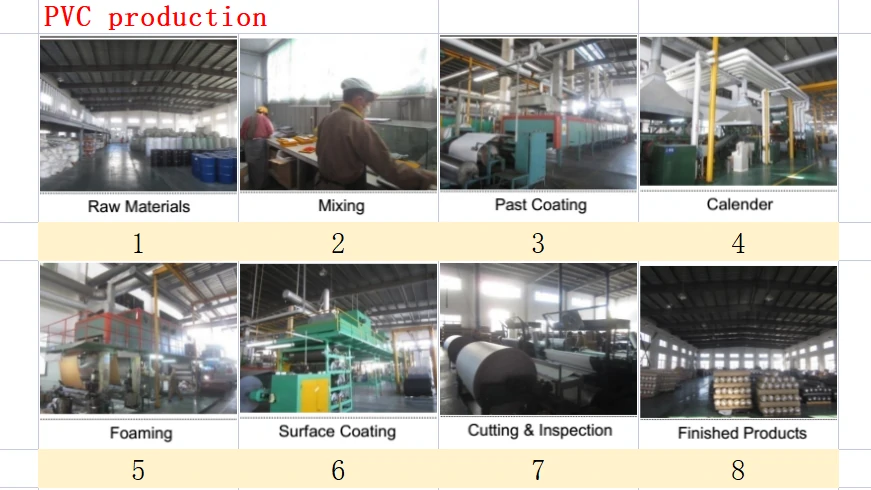
Method One: Calendaring Production
The calendaring process begins with mixing PVC resin, plasticizers, pigments, stabilizers, and additives. This mixture forms a workable compound with suitable processing characteristics.
The material then passes through calendaring equipment, where it forms a semi-dry PVC sheet. Manufacturers laminate this sheet onto a textile backing to create the initial base structure.
The resulting base consists of two layers:
- PVC surface layer
- Textile backing layer
Manufacturers often send this structure through a foaming line. The elevated temperatures cause expansion within the PVC layer. The final thickness may reach approximately twice the thickness of the original PVC base.
Embossing follows the foaming stage. Steel rollers or ceramic rollers containing engraved patterns press textures onto the material surface. Each roller functions similarly to a mold, transferring its unique grain pattern onto the PVC layer.
Finally, surface finishing adjusts gloss levels, modifies colors, or adds printed designs.
Method Two: Release Paper Transfer Production
The second production approach utilizes textured release paper. This method resembles certain semi-PU manufacturing techniques.
Release paper contains embossed patterns that transfer onto the PVC surface during processing. Manufacturers first prepare liquid PVC compounds. They coat these compounds onto the release paper.
Some products undergo foaming processes. Others maintain dense structures.
After forming the PVC layer, manufacturers apply adhesive onto the backing fabric. The PVC layer bonds with the textile substrate. Once curing finishes, the release paper separates from the PVC surface.
The textured pattern originally present on the paper now appears permanently on the finished material.
I appreciate this method because it allows excellent pattern precision and design versatility.
What Is the Lifespan of PVC Leather?
Buyers often ask one simple question: How long will PVC leather last?
Most PVC leather products provide service lives ranging from two to five years, although environmental conditions and maintenance practices strongly influence actual performance.
Factors Influencing Longevity
In my experience, lifespan discussions require context. Two seemingly identical PVC materials may perform very differently depending on usage conditions.
| Factor | Effect on Lifespan |
|---|---|
| Material Quality | Higher-quality formulations generally last longer. |
| Sunlight Exposure | Excessive UV exposure accelerates aging. |
| Temperature Conditions | Extreme cold may increase brittleness. |
| Maintenance Practices | Proper cleaning extends usability. |
| Usage Frequency | Heavy use increases wear rates. |
Products subjected to harsh environmental conditions may exhibit cracking or stiffness within one to two years. High-quality PVC leather maintained under moderate conditions often exceeds five years of service.
Regular cleaning with mild products helps preserve appearance. Users should avoid aggressive solvents and prolonged direct sunlight whenever possible.
Many homeowners choose PVC leather because replacing a cost-effective material every several years still represents excellent value compared with investing heavily in premium alternatives.
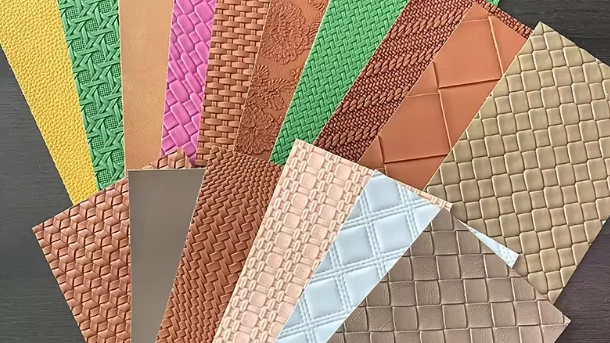
PVC leather also provides extensive decorative flexibility. Through printing and embossing technologies, manufacturers can create countless colors, textures, and patterns. This versatility allows designers to match commercial spaces, residential interiors, and healthcare environments with remarkable precision.
From a value perspective, few materials compete with PVC leather’s combination of affordability, appearance, and functional performance. While it cannot replicate every characteristic of genuine leather, it successfully fulfills the needs of countless applications worldwide.
Conclusion
PVC leather remains a practical solution for buyers seeking affordability, design flexibility, and waterproof performance. Understanding its structure, manufacturing methods, strengths, and limitations allows businesses and consumers to select the right material with confidence.
At Wandao, I have spent years helping customers navigate these choices. My goal has always been simple: provide honest information and reliable material solutions. Every project has unique requirements. The best material is not always the most expensive one. It is the material that aligns with your budget, application, and performance expectations.
Wandao – One-Stop Service, I Am the “Dragon.”
Committed to providing high-quality and environmentally responsible leather and fabric solutions for customers around the world.
If you are looking for artificial leather for bags, shoes, wallets or accessories, you can send us your product photo, required thickness, backing, color and target price. We can help recommend suitable PU leather, PVC leather or microfiber leather for your project.