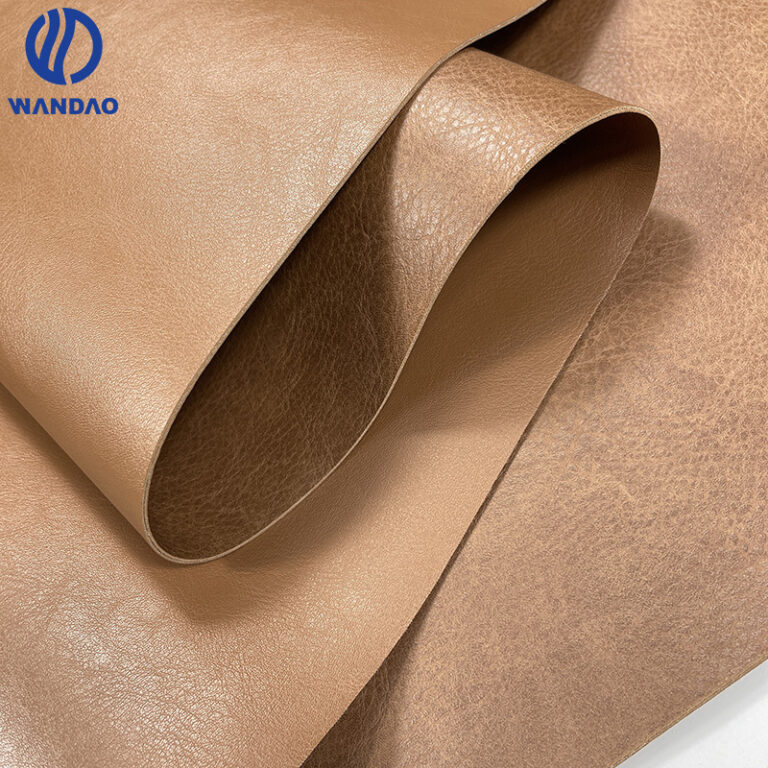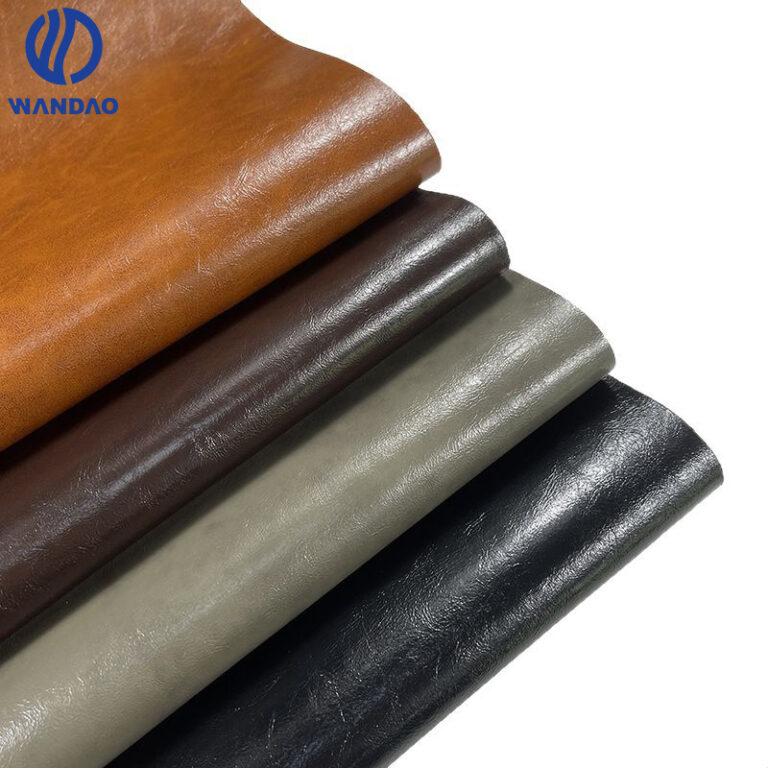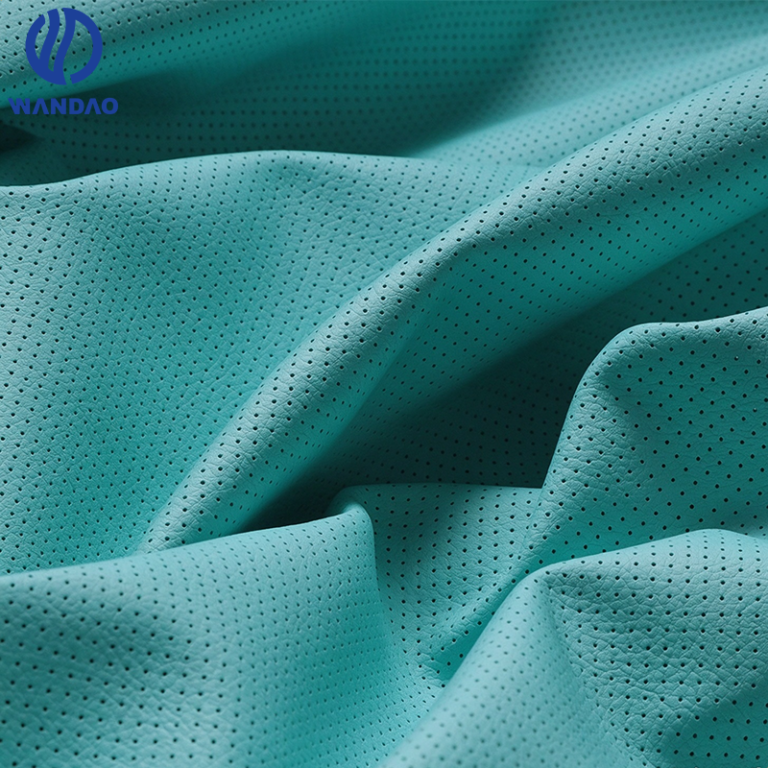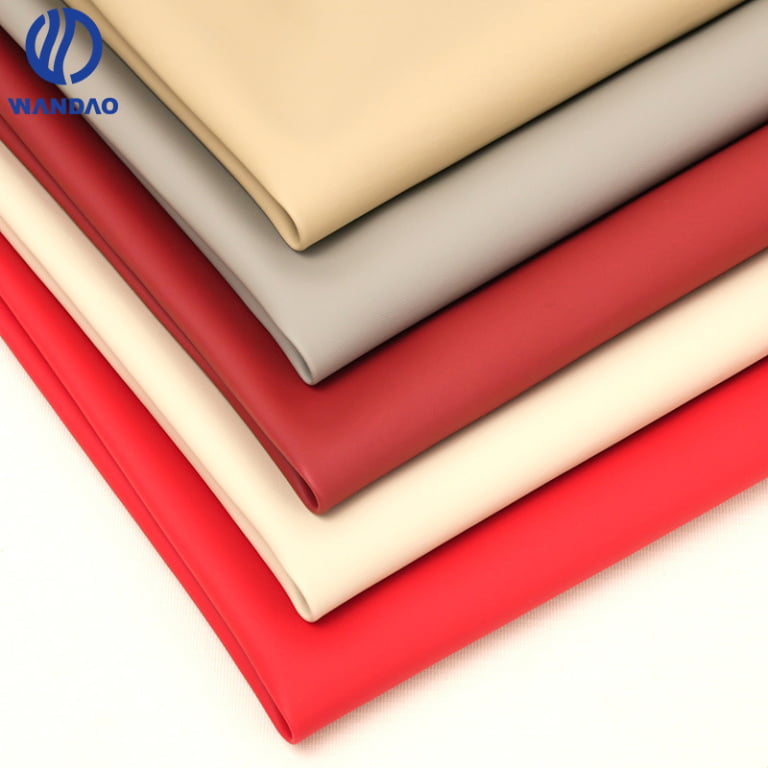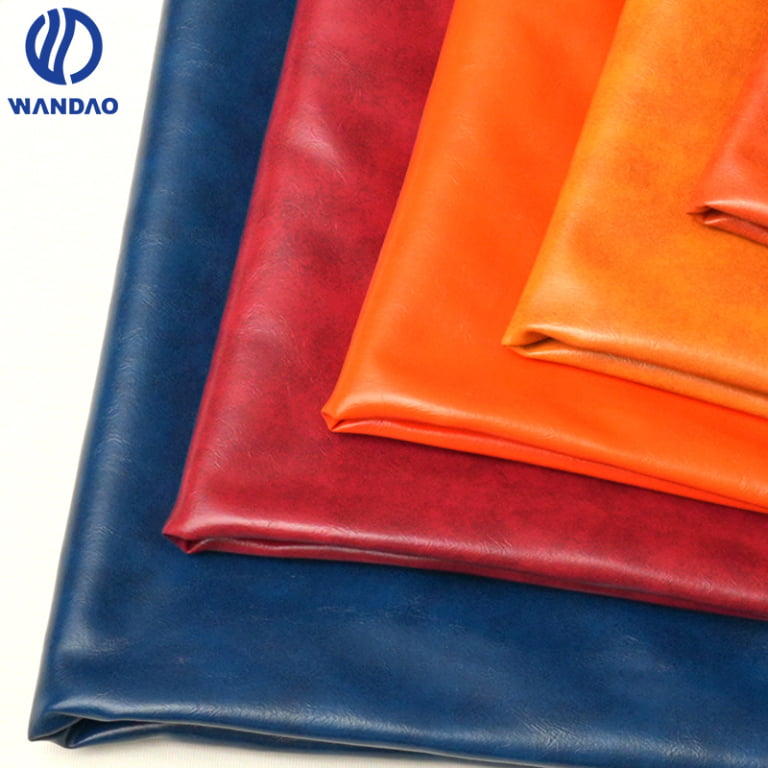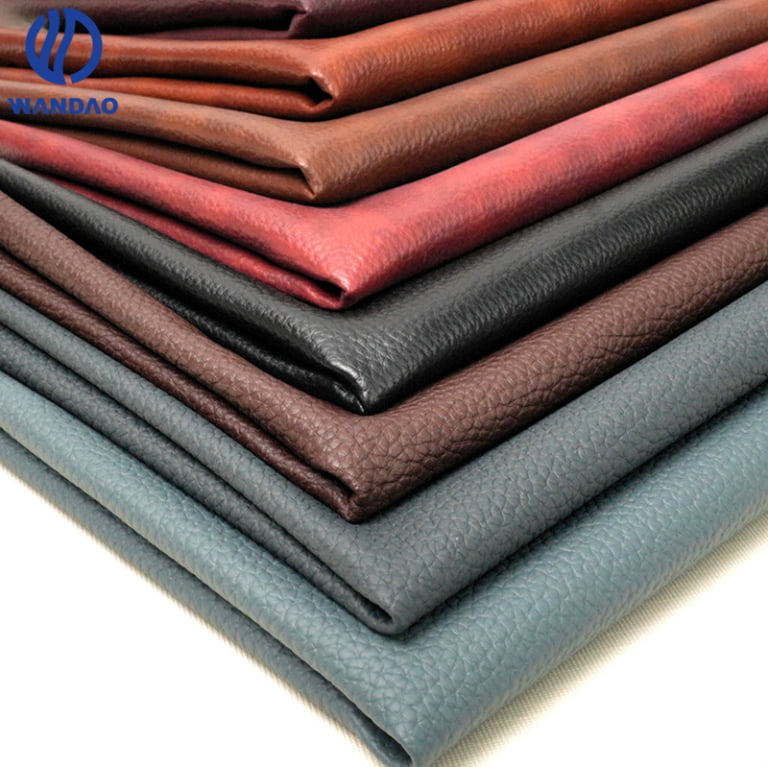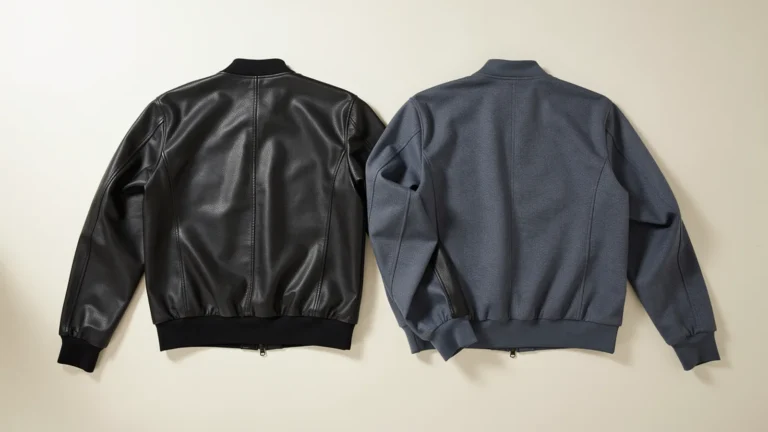
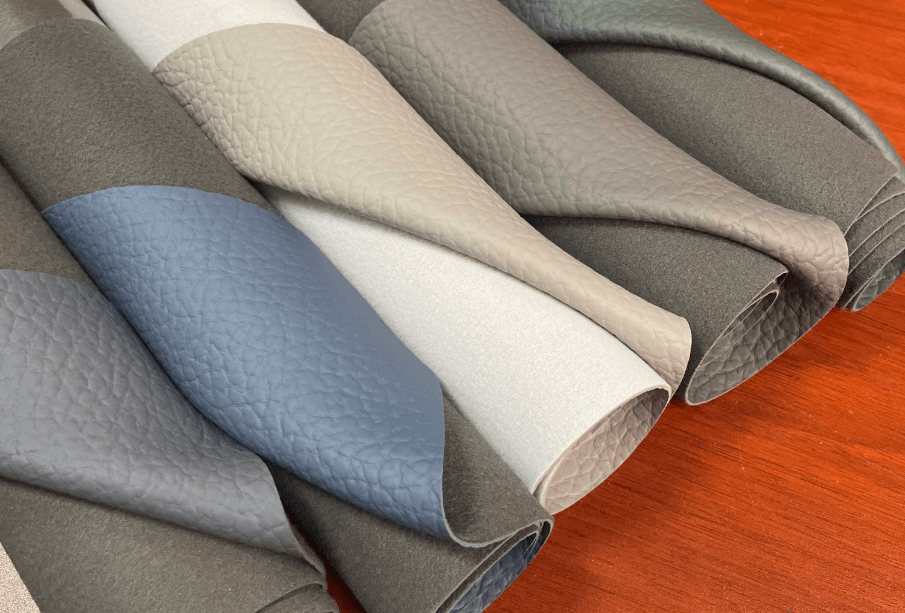
When sourcing upholstery materials for sofa manufacturing, one of the most frequent decisions B2B buyers face is choosing between PVC leather and genuine leather(PVC leather vs leather). Both materials serve the same end function — covering a sofa frame — but they differ fundamentally in composition, performance, cost, and supply chain dynamics. This article provides a data-driven comparison to help purchasing managers, product developers, and material engineers make informed sourcing decisions based on application requirements rather than assumptions.
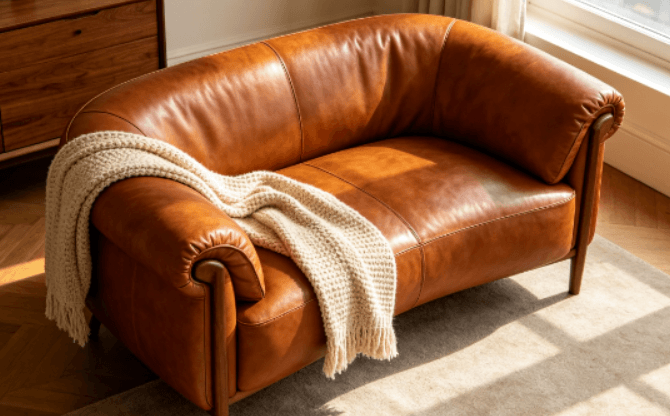
Market Scale and Growth: PVC Leather vs Genuine Leather in Sofa and Seating Applications
Where is PVC leather commonly used?
1.PVC leather applications:
Commercial sofas
Hotel furniture
Restaurant seating
Office furniture
Rental apartments
Cost-sensitive residential furniture
2.Genuine leather applications:
Luxury sofas
High-end residential furniture
Premium brands
Boutique hotels
Durability Under Simulated Sofa Use: Flex Resistance, Aging, and Failure Modes
Durability in sofa upholstery refers to the material’s ability to withstand repeated mechanical stress — particularly flexing at seat surfaces — and environmental aging from human sweat, body heat, and ambient humidity without cracking, peeling, or losing structural integrity.
The failure patterns of PVC leather and genuine leather under sofa-use conditions differ fundamentally. PVC leather tends toward embrittlement and cracking under prolonged exposure to heat and repeated flexing, particularly when the plasticizer content migrates or degrades over time. Genuine leather tends toward surface wear and fiber strength loss under humid heat and perspiration-like conditions.
SGS, a leading testing and certification organization, confirms that leather and polymeric coated materials are evaluated using flex-and-fold tests and perspiration-related aging tests, which are directly relevant to sofa-use simulation [SGS Testing Standards]. These standardized test methods are designed to replicate the cumulative mechanical and chemical stresses a sofa surface experiences over years of daily use.
Research indexed by the National Institute of Standards and Technology (NIST), linked to the International Union of Leather Technologists and Chemists Societies (IULTCS), reports that chrome-tanned genuine leather can show substantial loss in breaking strength after accelerated aging, supporting the understanding that real leather’s fiber structure degrades under heat and humidity exposure [NIST – IULTCS Leather Aging Research]. This means that while genuine leather may initially feel more substantial, its mechanical properties can deteriorate significantly in warm, humid environments — such as residential living rooms in tropical or subtropical climates.
Actionable recommendation for B2B buyers: When comparing PVC leather and genuine leather for sofa applications, do not rely on general claims about “durability.” Instead, request specific test data relevant to your target market’s climate conditions:
- For tropical or humid markets: ask for heat-aging and humidity-aging test results
- For high-use commercial seating: ask for flex-cycle test results at elevated temperatures
- For residential sofas in temperate climates: standard room-temperature flex testing may be sufficient
A responsible supplier should be able to provide test results from SGS, TÜV, or equivalent third-party laboratories — or disclose honestly that such testing has not been conducted and offer to arrange it.
Common failure modes
PVC:
- Surface cracking
- Peeling
- Plasticizer migration
- Color fading
Genuine leather:
- Drying
- Surface abrasion
- Color change
- Fiber weakening
Manufacturing Cost Structure: What Drives the Price Range of PVC Sofa Leather
The manufacturing cost of PVC sofa leather refers to the total production expense per linear meter, including raw materials — PVC resin, plasticizer, stabilizers, fillers, pigments, and auxiliaries — substrate fabric, surface treatment, processing energy, labor, and quality control, which collectively determine the ex-factory price range.
The cost of PVC sofa leather typically ranges from approximately 60 RMB/meter to 120 RMB/meter, depending on three primary variables: material thickness, backing fabric type, and surface finishing process. According to a peer-reviewed study on synthetic leather manufacturing published in PMC, the cost structure is dominated by raw material inputs, with polymer formulation, substrate selection, and coating process being the primary cost drivers [PMC – Synthetic Leather Manufacturing Economics].
Thickness impact: All else being equal, increasing material thickness raises polymer and compound consumption approximately proportionally to areal density. A 1.2 mm PVC leather will consume roughly 50% more polymer compound than a 0.8 mm version of the same formulation, translating to a higher material cost per meter [PMC – Synthetic Leather Manufacturing Economics]. However, the relationship is not perfectly linear because the backing fabric and surface treatment costs remain constant regardless of thickness.
Backing fabric impact: The choice of backing fabric significantly affects both cost and performance. Polyester woven backing is generally the most cost-efficient option for standard sofa applications. Cotton knitted backing typically carries a higher material cost due to fiber pricing and fabric construction complexity. Non-woven backing occupies a middle range depending on basis weight and bonding method, and is often selected for specific performance requirements rather than cost minimization [Texber – Fabric Type Comparison].
Surface finishing impact: Standard embossing — where a heated roller presses a grain pattern into the PVC surface — represents the baseline finishing cost. Higher-value surface treatments, such as high-solid-content PU topcoats, add coating materials, additional coating passes, extended curing time, and tighter defect control requirements, all of which increase cost [ScienceDirect – PU Coating Technology].
Translating leather cost to sofa ex-factory price: The finished sofa price does not scale linearly with leather cost. Leather is one input among frame, foam, stitching, labor, overhead, warranty reserve, packaging, logistics, and distributor margin. A practical B2B pricing relationship can be expressed as:
Sofa ex-factory price ≈ (Bill of Materials + Manufacturing Overhead + Target Margin) / (1 − Channel Deductions)
This means that if PVC leather cost doubles from 60 RMB/meter to 120 RMB/meter, the sofa ex-factory price increases only to the extent that leather represents a meaningful share of total BOM cost. For a typical 3-seater sofa using approximately 12–15 meters of leather, the leather cost contribution ranges from roughly 15–30% of total BOM depending on the sofa’s overall specification [PMC – Synthetic Leather Manufacturing Economics].
Actionable recommendation for B2B buyers: When requesting quotes for PVC sofa leather, specify not just the target price but the full specification: thickness, backing type, surface finish, and performance requirements. A price of 80 RMB/meter could represent either a mid-range standard product or a premium product with a lower-cost backing. Request a cost breakdown from your supplier — a transparent supplier should be able to explain how each variable affects the final price.
Tactile and Visual Approximation: How Close Can High-End PVC Leather Get to Genuine Leather?
Tactile and visual approximation refers to the degree to which high-end PVC leather can replicate the sensory properties of genuine leather across four dimensions: touch feel, gloss appearance, drape behavior, and initial thermal sensation upon skin contact.
One of the most common misunderstandings among B2B buyers is that “genuine leather texture” — meaning a surface grain pattern — is equivalent to genuine leather feel. In reality, texture is only one component of tactile perception. According to a study published in SAGE Journals, the tactile sensation of synthetic leather is influenced by multiple factors including surface roughness, mean friction coefficient, and viscoelasticity, not simply by the visual grain pattern [SAGE Journals – Tactile Sensation of Synthetic Leather].
Touch: High-end PVC leather with microcrystalline or PU surface treatment can achieve a relatively close approximation to mid-range genuine leather in terms of “smooth with slight damping” feel. The friction coefficient is a key engineering parameter here — adjusting surface roughness and coating formulation can narrow the tactile gap [SAGE Journals – Tactile Sensation of Synthetic Leather].
Gloss: Matte surface finishing — typically controlled through 85° gloss test values below 45% — reduces the “plastic sheen” that historically distinguished PVC leather from genuine leather. Modern high-end PVC can achieve a diffuse reflection appearance that closely resembles the matte finish of corrected-grain genuine leather. However, the “lively gloss” that changes with viewing angle — a characteristic of high-quality aniline leather — remains difficult to replicate consistently.
Drape: The way upholstery material folds, bends, and conforms to sofa contours is influenced by bending stiffness, thickness, and backing structure. Through careful selection of backing fabric type and coating flexibility, high-end PVC leather can achieve drape behavior that is functionally similar to genuine leather for most sofa designs [SAGE Journals – Tactile Sensation of Synthetic Leather]. However, the natural fiber anisotropy and irregular grain folding patterns of genuine leather remain distinctive.
Hot and cold feeling: This is often the dimension where the difference is most perceptible. Upon initial contact, PVC leather typically feels cooler and more slippery, while genuine leather warms up more quickly against the skin and provides a more natural “warm feel.” This difference is linked to the thermal conductivity and moisture absorption differences between polymer surfaces and natural fiber structures.
A first-person observation from my own testing:
I once conducted a simple blind comparison with a sofa manufacturer client in Foshan. We prepared three 30 cm × 30 cm samples: a mid-range genuine cowhide (1.0–1.2 mm, corrected grain), a standard PVC leather (1.0 mm, polyester woven backing, embossed finish), and a high-end PVC leather (1.0 mm, cotton knitted backing, PU topcoat). Six material engineers and sourcing managers each touched the samples without seeing which was which. Five out of six correctly identified the standard PVC leather within three seconds — describing it as “too smooth and cool.” But four out of six mistook the high-end PVC leather for genuine leather on touch alone. When the same group evaluated drape and thermal feel, the distinction became clearer — the high-end PVC still felt “less warm” after ten seconds of hand contact. The conclusion was clear: visual and initial touch can be very close, but sustained tactile experience still reveals the difference.
Actionable recommendation for B2B buyers: When evaluating PVC leather as a genuine leather alternative for sofas, conduct a structured sensory evaluation with your own team rather than relying on supplier claims. Test at least three dimensions: initial touch feel, sustained contact feel (15–30 seconds), and visual appearance under different lighting angles. If your target market is premium residential, the thermal sensation difference may matter more. If your target market is commercial or hospitality, visual consistency and abrasion resistance may outweigh tactile subtlety.
Why The Cheapest Material Is Not Always The Lowest Cost Choice
When sourcing sofa upholstery materials, the lowest purchase price does not always represent the lowest overall cost. For manufacturers and professional buyers, the real cost of a material extends far beyond the initial price per meter. Factors such as cutting waste, labor efficiency, production stability, maintenance requirements, replacement costs, and supplier reliability can significantly influence the total cost throughout the product lifecycle.
Although PVC leather is generally more affordable than genuine leather, its cost advantage becomes even more significant when considering its higher material utilization rate, consistent quality between batches, easier processing, and lower replacement complexity. On the other hand, genuine leather offers premium appearance and natural aging characteristics, but its higher material cost, limited cutting yield, natural variations, and additional maintenance requirements can increase the overall investment.
Therefore, B2B buyers should evaluate upholstery materials based on Total Cost of Ownership (TCO) rather than only comparing the initial material price. A material with a slightly higher unit cost may deliver better long-term value if it improves production efficiency, reduces waste, minimizes after-sales issues, and provides more stable supply performance.
Environmental Regulatory Pressure: How Compliance Requirements Are Reshaping PVC Leather Procurement
- PFAS-free declaration (specific to surface treatments, not just general)
- DMF-free process confirmation or details on solvent management
- VOC emission compliance certificates (China-specific or destination-market-specific)
- REACH SVHC test report from a third-party laboratory
The costs of these test reports are often borne by the buyers themselves.
Why Professional Buyers Prefer PVC Leather for Large-Scale Furniture Projects
When evaluating upholstery materials, many buyers focus only on the price per square meter. However, the actual production cost is also heavily influenced by cutting yield — the percentage of material that can be effectively used after cutting. Genuine leather, as a natural material, often contains unavoidable imperfections such as insect bites, scars, belly areas, and uneven grain structures. These areas need to be avoided during cutting, resulting in a typical utilization rate of around 60%–75%, depending on leather grade and selection requirements.
In contrast, PVC leather is produced in continuous rolls with a consistent surface and uniform structure, allowing furniture manufacturers to achieve a much higher cutting efficiency. In many cases, the utilization rate of PVC leather can exceed 90%. Although the price difference per meter may appear small, the reduced material waste can create significant savings in large-scale sofa production. For manufacturers producing thousands of units annually, a few dollars saved per sofa can translate into hundreds of thousands of dollars in yearly cost advantages.
Therefore, professional procurement teams do not evaluate materials based only on unit price. They consider the total material cost after cutting loss, because higher cutting yield often means better cost control, improved production efficiency, and more predictable manufacturing expenses.
Frequently Asked Questions
Q: Is PVC leather suitable for high-end residential sofas?
A: It depends on the specific PVC leather specification and the end-user’s expectations. High-end PVC leather with PU topcoat, cotton knitted backing, and matte surface finishing can be functionally suitable for residential sofas, particularly in households with children or pets where stain resistance and ease of cleaning are prioritized. However, for buyers targeting the luxury segment where “natural material” perception drives purchasing decisions, genuine leather remains the preferred choice.
Q: How long does PVC leather typically last on a sofa compared to genuine leather?
A: The service life depends heavily on quality grade, usage conditions, and maintenance. Standard PVC leather in a residential living room — with moderate daily use and away from direct sunlight — typically lasts 3–5 years before showing visible wear such as surface cracking or peeling. High-end PVC leather with proper formulation, appropriate plasticizer selection, and quality-controlled production can last 5–8 years under similar conditions. Genuine leather, if maintained properly, can last 10–15 years or more, though its surface appearance will change and develop a patina over time. The comparison is not simply about duration — it is about the nature of aging: PVC leather tends to crack, while genuine leather tends to patina.
Q: What are the main cost differences between PVC leather and genuine leather for sofa production?
A: Genuine leather typically costs 3–5 times more than mid-range PVC leather on a per-meter basis for sofa-grade material. However, the cost comparison is not linear because genuine leather has variable hide size, shape limitations, and defect rates that affect cutting yield. A sofa made with genuine leather may use 30–50% more leather area than the same sofa made with PVC leather due to hide matching, centering requirements, and defect avoidance. When total sofa BOM cost is considered, genuine leather can represent 40–60% of total material cost for a mid-range sofa, compared to 15–25% for PVC leather.
Q: Can PVC leather pass REACH and other EU chemical compliance requirements?
A: Yes, PVC leather can be formulated to comply with REACH requirements, provided the manufacturer uses REACH-compliant plasticizers, stabilizers, pigments, and surface treatment chemicals. The key is to avoid restricted phthalates (such as DEHP, DBP, BBP), ensure DMF is not used or is fully removed from the finished product, and confirm that any fluorinated surface treatments are PFAS-free. Reputable PVC leather suppliers can provide REACH compliance test reports from third-party laboratories such as SGS or TÜV. Buyers should request these reports as part of the supplier qualification process, not assume compliance based on a supplier’s general claims.
Q: Does PVC leather breathe like genuine leather?
A: Standard PVC leather has significantly lower moisture vapor permeability than genuine leather because the polymer coating forms a continuous film that blocks moisture transmission. Genuine leather’s natural fiber structure allows moisture vapor to pass through, which contributes to its comfort in seated applications — especially in warm climates. However, some high-end synthetic leather products incorporate microporous coating technologies or perforation to improve breathability. If breathability is a critical requirement for your sofa application, discuss “moisture vapor transmission rate” (MVTR) specifications with your supplier and request test data.
Q: What is the minimum order quantity (MOQ) for custom PVC leather compared to genuine leather?
A: Custom PVC leather — including specific colors, embossing patterns, backing types, and thicknesses — typically has a minimum production run of 500–1,000 meters per color per design. Some suppliers accept smaller quantities for sample development or trial orders at a premium. Genuine leather, being a natural product, is typically sold by the hide rather than by custom specification — color matching and texture consistency are inherently more variable. For B2B buyers needing consistent color and texture across large production runs, PVC leather offers a significant advantage in reproducibility and supply stability.