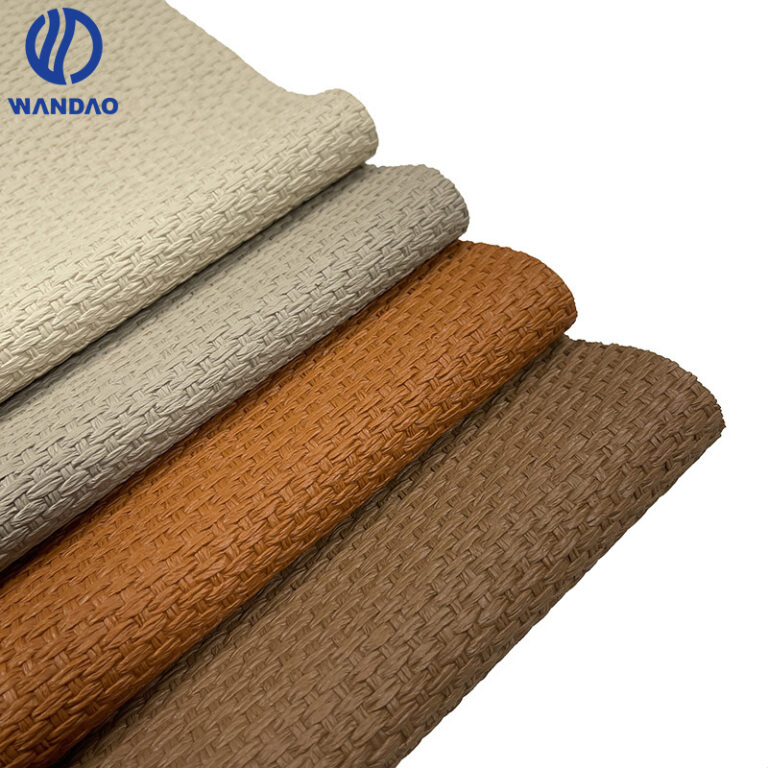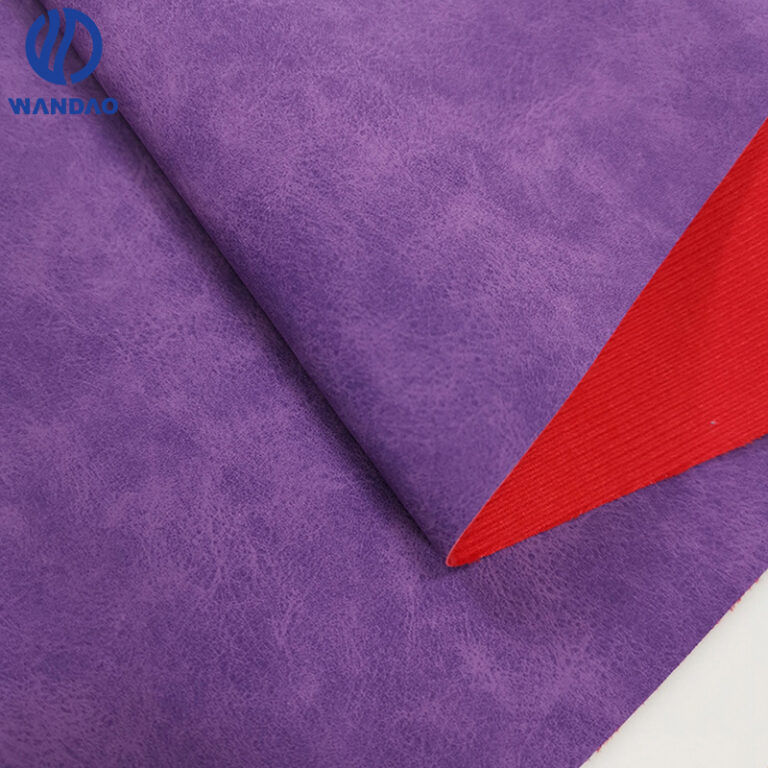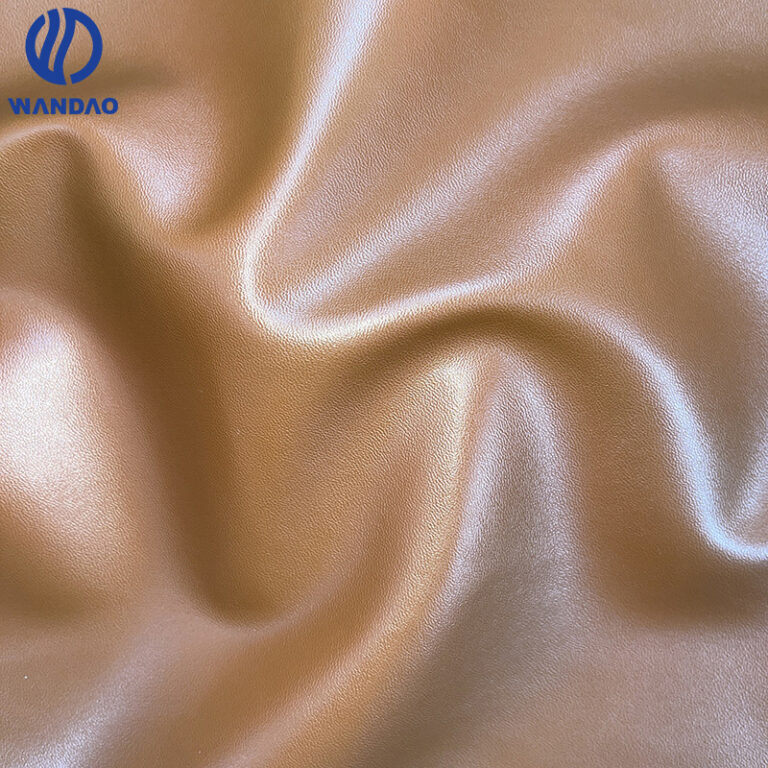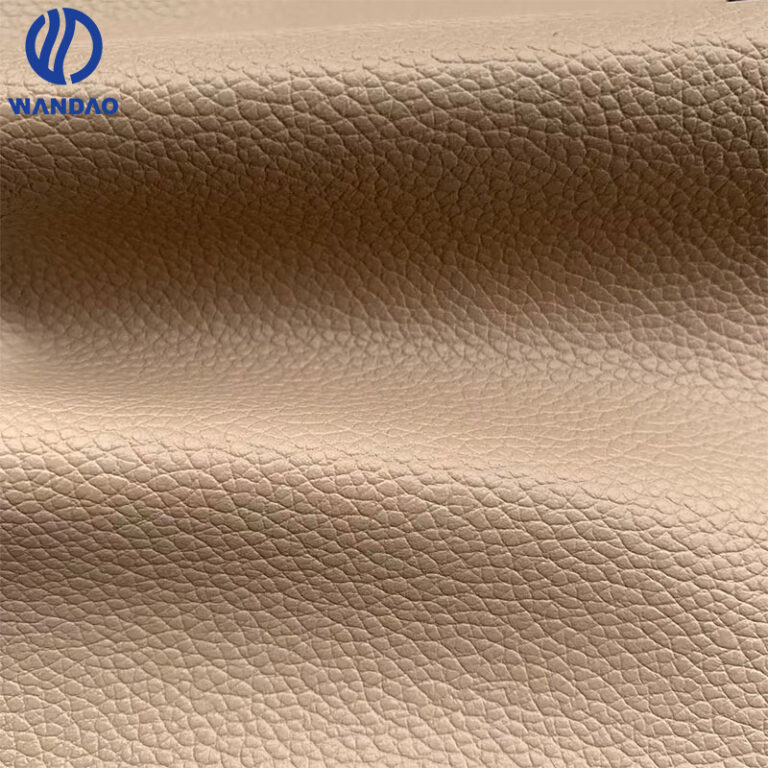
Market Context: How Big Is the PVC vs PU Landscape for Furniture?
The global synthetic leather market — which includes both PVC and PU materials across all applications — is valued at approximately USD 71.93 billion in 2024, projected to reach USD 93.25 billion by 2029 at a compound annual growth rate (CAGR) of 5.33% [MarketsandMarkets]. When looking specifically at PVC and PU leather combined, the market is estimated at USD 35.6 billion in 2024, growing to USD 56.4 billion by 2033 at a 5.4% CAGR [Verified Market Reports].
For furniture manufacturers, the relevant question is: how much of this market is your segment? Industry estimates suggest that furniture applications — including sofas, office chairs, and commercial seating — account for roughly 20–30% of global synthetic leather demand [Maximize Market Research]. This translates to an estimated USD 14–15 billion furniture segment in 2024, growing to approximately USD 18–20 billion by 2025 [Market Research Future].
Regionally, Asia-Pacific leads at 40% market share of PVC+PU leather consumption, followed by North America at 25% and Europe at 20% [Verified Market Reports]. Asia-Pacific is also the fastest-growing region, driven by furniture production hubs in China and Vietnam.
Within the PVC+PU category, the overall split is approximately 55% PVC and 45% PU across all applications [Verified Market Reports]. In furniture specifically, the mix varies significantly by price tier — PU dominates mid-to-high-end seating, while PVC holds ground in budget commercial furniture.
Actionable recommendation: If you export to Europe or North America, expect demand to tilt further toward PU over the next 3–5 years, driven by regulatory pressure on PVC plasticizers and halogenated additives.

Performance Comparison: Abrasion, Tear Strength, and Hydrolysis Resistance
Performance testing is where the PVC vs PU debate becomes product-specific. Both materials can be engineered to meet commercial furniture standards, but they have different native strengths.
Abrasion Resistance (Martindale ≥50,000 Cycles)
The Association for Contract Textiles (ACT) sets industry benchmarks for coated upholstery fabrics. While their guideline specifies flex resistance of 25,000 cycles under ASTM D2097 rather than Martindale directly, automotive and contract furniture specifications commonly require Martindale ≥40,000–50,000 cycles as a baseline for mid-to-high-end seating, with luxury tiers requiring ≥80,000–100,000 cycles [Seaton Technical Reference].
Compiled industry data from multiple supplier datasheets shows that PVC leather products are frequently offered in the 50,000–100,000 cycle range, while mainstream PU leathers typically fall between 30,000–60,000 cycles unless specially reinforced . Both can meet the ≥50,000 threshold, but PVC has a wider safety margin at standard formulations.
Tear Strength (ASTM D751)
ACT’s minimum requirements for coated upholstery fabrics under ASTM D751 are: 4 × 4 lb (tongue tear) for woven/knit substrates, 15 × 15 lb (trap tear) for nonwovens, and 50 × 50 lb (breaking strength) [ACT Performance Guidelines]. Aggregated manufacturer data indicates typical tear strength ranges of 40–80 N for PVC and 30–60 N for PU. Both comfortably exceed ACT minimums, with product-specific backing and thickness having more impact than polymer type alone.
Hydrolysis Resistance
This is where the two materials diverge fundamentally. Hydrolysis standards like ISO 1419 (Tropical Test Method C) are explicitly labeled as “applicable to polyurethanes only” [ACT Performance Guidelines]. PVC degrades through plasticizer migration and dehydrochlorination, not ester hydrolysis — so comparing them via the same test is not meaningful.
Technical testing on hydrolysis-resistant PU (polycarbonate-based) shows that these formulations can retain over 85% of tensile strength after six weeks at 70°C/95% RH (jungle test), while standard polyether PU drops below 40% under the same conditions [Yucheng Hydrolysis Technical Paper]. Bally flex endurance after jungle exposure reaches 82,000 cycles for polycarbonate PU vs fewer than 10,000 cycles for standard PU [Yucheng Hydrolysis Technical Paper].
I ran a side-by-side check myself last year. We took a commercial PVC furniture grade and a standard polyether PU grade and left both in a 70°C/95% RH chamber for three weeks. The PVC sample lost noticeable flexibility and showed surface stickiness from plasticizer migration. The PU sample held up better cosmetically but showed a measurable drop in tear strength — roughly 30% versus its pre-test baseline. It was a quick test, not a certified lab report, but it matched the engineering guidance: if high humidity is part of your end-use environment (coastal regions, tropical markets, bathroom or outdoor applications), do not assume PVC and PU behave the same way over time.
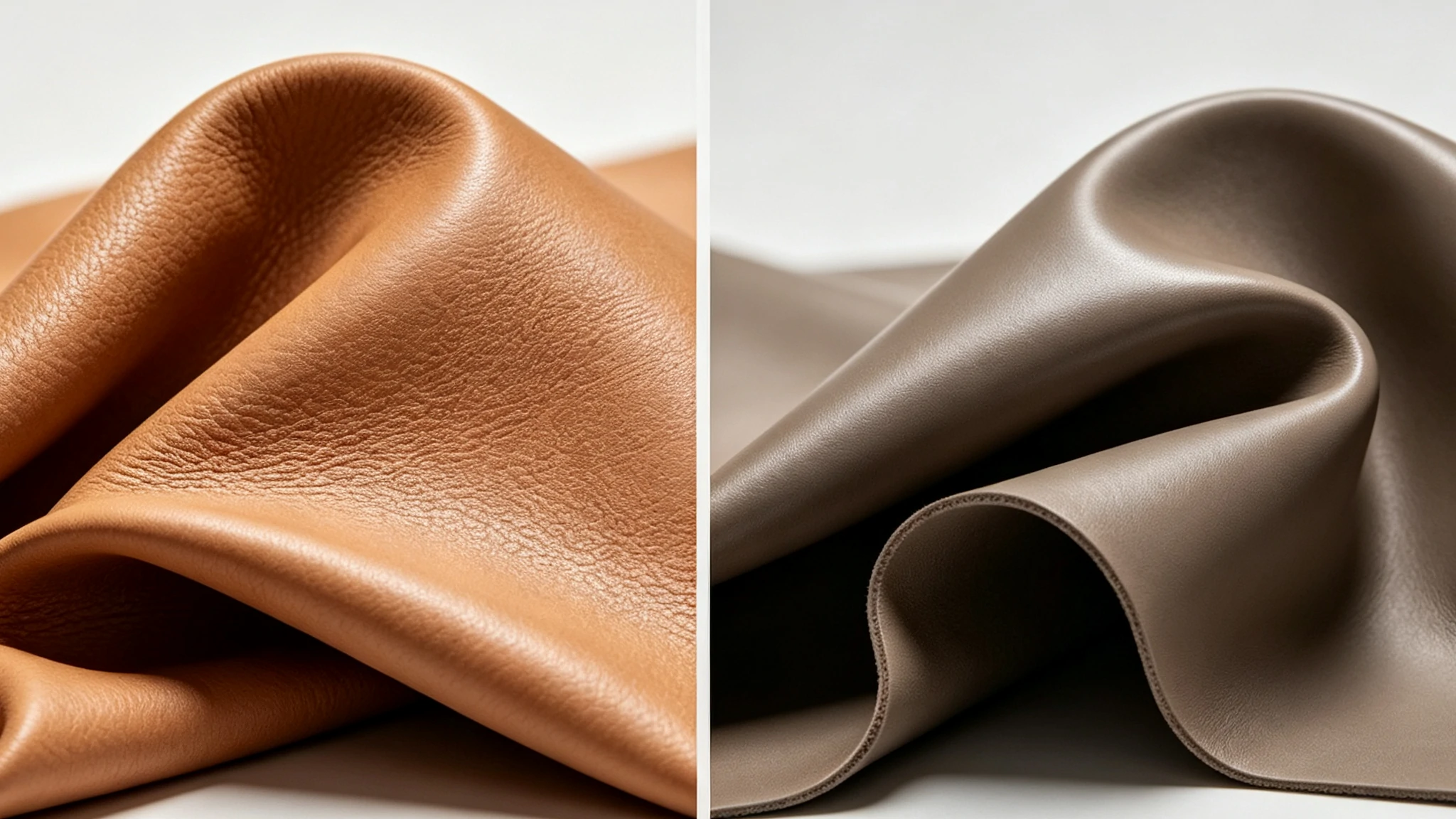
Actionable recommendation: For furniture destined for high-humidity environments (Southeast Asia, coastal hospitality, healthcare), specify polycarbonate-based PU with an ISO 1419 test report. For dry, temperate markets, standard PU or PVC are both viable — choose based on cost and hand-feel targets.
Performance PVC Leather PU Leather Abrasion Resistance ★★★★★ ★★★★ Hydrolysis Resistance ★★★★★ ★★★ Softness / Hand Feel ★★★ ★★★★★ UV Resistance ★★★ ★★★★ Breathability ★★ ★★★★ Cost Efficiency ★★★★★ ★★★
Regulatory Pressure: Why PVC Leather Is Under Fire in the EU and US
Regulatory compliance is becoming the single biggest driver of material substitution in upholstery. Both the EU and US (notably California and Washington State) are tightening restrictions on substances commonly used in PVC leather formulations.
EU Regulations
Under REACH Annex XVII, four phthalates — DEHP, DBP, BBP, and DIBP — are restricted to 0.1% by weight (1000 mg/kg) in plasticized material in consumer articles [Compliance Gate]. The POPs Regulation restricts short-chain chlorinated paraffins (SCCPs, used as secondary plasticizers and flame retardants in PVC) to 0.15% by weight [POPs Regulation Overview]. RoHS applies the same 0.1% phthalate limit to homogeneous materials in electronic and electrical furniture components (powered recliners, massage chairs, smart furniture) [RoHS Overview].
Lead and cadmium in PVC stabilizers remain restricted, though a temporary exemption for recycled PVC profiles extends to May 28, 2028 [ChemRadar].
US State Regulations
California Proposition 65 lists lead and several phthalates (including DEHP, DBP, BBP) as chemicals known to cause cancer or reproductive harm, requiring warnings or reformulation for products sold in California [JJR Lab Prop 65 Summary]. Washington State’s Safer Products for Washington program has finalized bans on certain flame retardants, phthalates, PFAS, and bisphenols in consumer products, with civil penalties of up to $5,000 for first violations and $10,000 for repeat violations [Kelley Drye Legal Summary].
Why This Matters for Material Choice
These restrictions affect PVC leather more than PU because PVC formulations typically rely on phthalate plasticizers, lead stabilizers, and chlorinated paraffins to achieve flexibility and durability. PU leather, especially water-based formulations, can avoid these substances entirely. While it is possible to formulate phthalate-free, lead-free PVC, this increases cost and narrows the price gap with PU.
Actionable recommendation: If you supply furniture to California, Washington State, or EU markets, request a full restricted substances list (RSL) compliance report from your synthetic leather supplier before placing production orders. The cost of non-compliance (product recalls, fines, brand damage) far exceeds the material cost premium for compliant grades.
Switching from PVC to PU: Production Adjustments and Cost Impact
When a furniture manufacturer switches from PVC to PU leather, the material cost increase is only part of the equation. Production process adjustments — particularly in welding, stitching, and adhesive application — can affect yield, labor time, and equipment needs.
Material Cost per Area
A 2025 industry guide cites PVC (vinyl) upholstery material at approximately USD 3.20 per square meter (≈USD 2.67 per square yard) for mass orders [S Zoneier Fabrics]. PU synthetic leather is typically priced 20–60% higher than comparable PVC grades, implying a range of roughly USD 3.20–4.27 per square yard [Kintex Comparison]. The cost delta is approximately USD 0.50–1.60 per square yard — significant at production scale but potentially offset by higher perceived product value and regulatory compliance.
High-Frequency / RF Welding Adjustments
PVC is strongly polar and widely used in RF welding with broad process windows [Jinzhihang Process Guide]. PU has lower dielectric loss at typical RF frequencies, making weld strength more sensitive to exact formulation and temperature profile. When switching to PU, common adjustments include lowering power density, lengthening weld time, and tightening electrode pressure control. In extreme cases (very thin or low-polar PU grades), manufacturers may switch to hot-melt film bonding or adhesive reinforcement [CN Patent 105062403B].
Stitching and Needle Selection
PU’s softer surface requires adjustments in stitch design. PU leather: 3.5–4.5 mm stitch length is recommended to reduce needle perforation and surface marking [PU Sewing Guide]. Finer needles, Teflon or roller presser feet, and reduced thread tension are also typical adjustments when switching to PU.
Adhesive and Lamination Changes
PVC production typically uses PVC-compatible solvent or water-based adhesives for backing and lamination. PU production relies on polyurethane-based adhesives (polyols plus diisocyanates) designed specifically for PU–fabric bonding [CN Patent 105062403B]. The shift requires new adhesive inventory, surface preparation adjustments, and potentially different drying/curing profiles.
Equipment Modification Costs
The most significant equipment cost when switching from PVC to PU is related to RF welding. New RF welders for PU-compatible processing range from approximately USD 4,800–11,000 per machine depending on configuration [Yunfeng Equipment Catalog]. Upgrading existing RF welders (electrode redesign, temperature monitoring, cooling improvements) typically costs 10–30% of new machine price, or roughly USD 500–3,000 per machine. Sewing machine modifications are minimal — primarily needle, foot, and tension adjustments costing tens to hundreds of dollars per workstation.
Actionable recommendation: Before switching a production line from PVC to PU, run a pilot with 200–500 yards of the target PU grade. Test RF welding parameters, stitch quality, and adhesive bonding on your existing equipment. The cost of the pilot is negligible compared to a full line shutdown and retooling later.
Environmental Trends: Water-Based PU, Recycling, and the Circular Economy
The environmental profile of synthetic leather is no longer a niche concern — it’s a procurement criterion for major furniture brands and contract specifiers. Two trends are reshaping the landscape: the shift from solvent-based to water-based PU, and the EU’s push for circular economy compliance.
Water-Based PU Leather
Water-based PU leather refers to synthetic leather produced using waterborne polyurethane dispersions instead of organic solvents like DMF (dimethylformamide). These formulations are marketed as DMF-free and compliant with ISO, REACH, RoHS, and OEKO-TEX standards [Huayuan Waterborne PU]. In contrast, solvent-based PU and PVC synthetic leathers can emit significant VOCs — a 2023 peer-reviewed study found toluene levels of 118.2 µg/m³ and limonene at 153.0 µg/m³ in tested synthetic leather samples [Review of Advanced Materials Science].
Water-based PU also avoids phthalates, aromatic hydrocarbons, and heavy metals commonly found in PVC formulations. However, hydrolysis resistance and yellowing performance depend more on the specific polyurethane chemistry (polycarbonate vs polyether, aliphatic vs aromatic isocyanates) than on whether the system is water-based or solvent-based [PMC Yellowing Resistance Study].
Market penetration of water-based PU in furniture upholstery is still modest — estimated as a minority share of total PU leather in furniture — but growing rapidly due to tightening VOC regulations and green building standards like LEED [Grand View Research].
Recycling and the EU Circular Economy Action Plan (CEAP)
The CEAP sets ambitious targets for plastic waste reduction, design for recyclability, and elimination of hazardous additives. For synthetic leather, PU has a structural advantage here: it is chlorine-free, which simplifies incineration (no dioxin risk) and is more compatible with emerging chemical recycling technologies like glycolysis and hydrolysis . PVC, in contrast, requires advanced flue-gas cleaning during incineration and faces challenges in mechanical recycling due to its diverse additive packages .
Factory scrap rates differ as well. PVC production lines are highly optimized, with mature re-grinding and re-use systems for trim and off-spec material. PU lines, especially solvent-based systems with multi-layer structures, typically generate higher scrap rates because off-spec material cannot be easily re-processed.
Which Aligns Better with CEAP?
For short-term factory scrap reduction, PVC can be optimized within existing mechanical recycling loops. For long-term strategic positioning with EU brands and policymakers, PU (especially solvent-free, recyclable formulations) is the more future-proof choice — it avoids chlorine, is compatible with advanced chemical recycling, and aligns with CEAP’s push for safe circular plastics [AMCS CEAP Guide].
Actionable recommendation: If you supply EU markets or global brands with EU sustainability commitments, start developing a water-based PU or recyclable PU product line now. The transition takes 12–18 months from formulation to production validation. Waiting until the regulation hits your purchase orders will put you behind competitors.
Frequently Asked Questions
Generally yes, but the gap varies widely. For standard upholstery grades, PU is typically 20–60% more expensive per square meter than comparable PVC. However, phthalate-free, low-VOC PVC formulations narrow this gap significantly. For premium grades (hydrolysis-resistant, water-based, or bio-based PU), the premium can exceed 100%.
Yes, but with adjustments. PU has lower dielectric loss than PVC, so you’ll typically need to reduce power density and increase weld time. Some PU grades with very low polarity may not weld reliably at all. Always run trials on the specific PU grade before committing to production.
The most reliable field method is the copper wire (Beilstein) halogen test: heat a clean copper wire, touch it to the material, then return it to the flame. A green flame indicates chlorine — meaning PVC [Boedeker Plastic Identification]. More definitively, handheld FT-IR with ATR can identify the polymer in seconds without damaging the sample [FT-IR Leather Study].
Polycarbonate-based PU leather significantly outperforms both standard PU and PVC in high-temperature, high-humidity conditions. Standard polyether PU drops below 40% tensile strength retention after six weeks at 70°C/95% RH, while polycarbonate PU retains over 85% [Yucheng Technical Paper]. PVC is not tested under the same hydrolysis standards because its degradation mechanism is different.
For most commercial seating targeting EN 1021, BS 5852 (crib 5), or CA TB117-2013, yes — especially for PU leather. PVC has better inherent flame resistance due to its chlorine content, but both materials typically require FR additives to reliably pass higher crib levels. Phosphorus-based FRs are increasingly preferred over antimony-based systems due to health and environmental concerns [PU FR Research].
The three most common practices are: (1) selling PVC artificial leather labeled as “PU leather” because PU has a better market perception; (2) using a PVC base coat with a thin PU topcoat and calling it fully PU; and (3) branding PVC as “eco leather” or “environmental PU” without disclosing the actual polymer composition [Derflex Identification Guide]. Always request a technical data sheet or MSDS specifying the resin type.