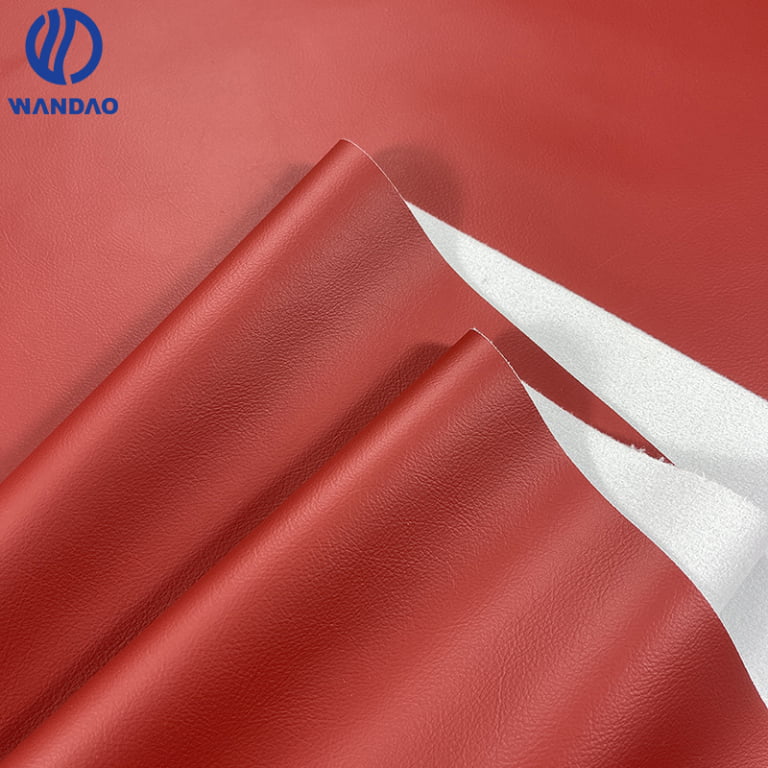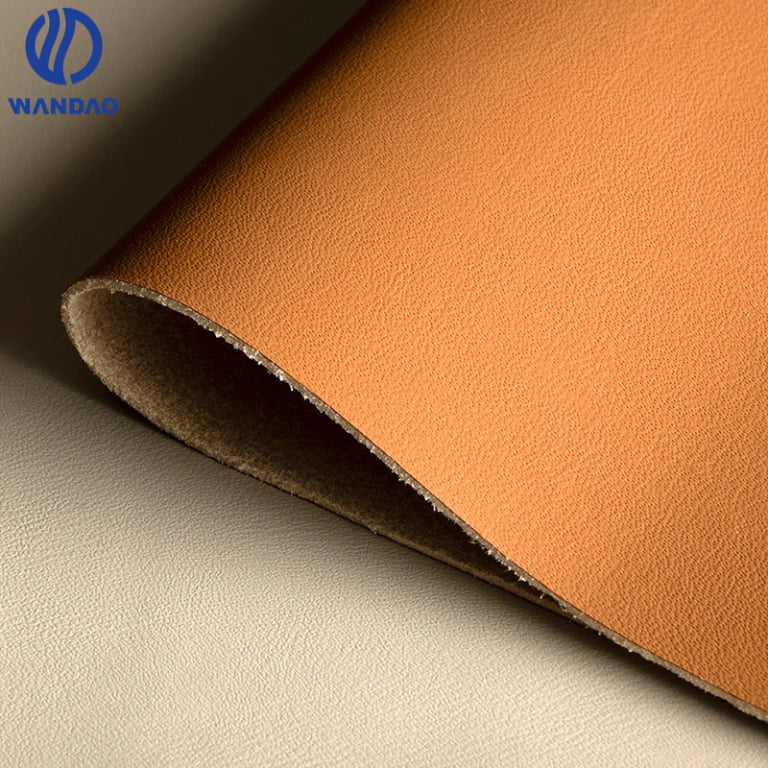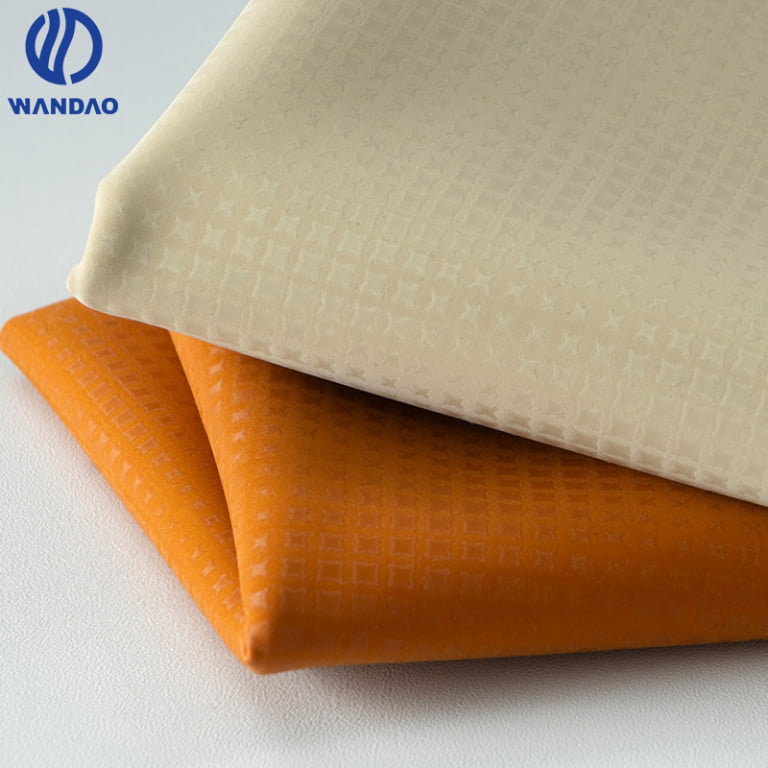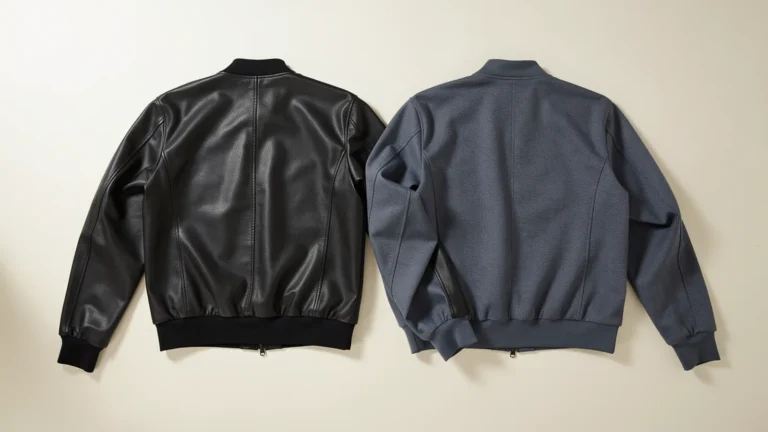
Silicone vs Leather: Define the Two Candidates First
Begin with product identification. Ask the silicone-material supplier to declare the coating system, substrate, any intermediate layers, finish, total thickness and product code. Do not assume the word silicone describes every layer. Ask the leather supplier for the hide-based material description, finish, thickness range and appearance limits.
These details matter because the comparison must remain attached to the samples actually reviewed. If a later quotation changes the substrate or finish, it is no longer enough to say that both products are still silicone or still leather. Check whether the evidence and prototype approval remain applicable.
The ACT coated-fabric selection guide includes silicone among coated upholstery options and emphasizes application requirements and communication between material and furniture suppliers. It was developed for healthcare interiors, so it should not be presented as an office-chair certification. Its evidence-review approach is useful without importing healthcare requirements into every office.
Our silicone leather for office chairs page is a starting point for discussing a candidate. This guide explains how to compare that candidate with the proposed hide leather before approving the chair cover.
Agree on the Chair’s Job Before Scoring Materials
A shared task chair, a meeting chair and a lightly used executive chair may have different priorities. Write down who will use the chair, the expected contact areas, cleaning arrangements and desired appearance. Keep these requirements the same when presenting the brief to both material suppliers.
Separate constraints from preferences. A project may require animal-hide upholstery, or it may exclude animal-derived components. That sourcing requirement can remove a candidate before performance comparison begins. It is not evidence that the remaining material has better wear or comfort properties.
| Approval question | Silicone-coated candidate | Hide-leather candidate |
|---|---|---|
| What is supplied? | Declared coating, substrate and finish | Declared leather type and finish |
| How does it feel in use? | Review the actual covered chair | Review the actual covered chair |
| Can the site care for it? | Confirm the proposed cleaning routine | Confirm the proposed cleaning routine |
| Can it be fabricated? | Trial seams, wraps and attachment details | Trial seams, wraps and attachment details |
| Which evidence applies? | Reports for the identified coated construction | Reports for the identified leather construction |
| What does the finished cover cost? | Use actual cutting and fabrication assumptions | Use actual cutting and fabrication assumptions |
Keep an unresolved requirement visible. A glossy brochure should not turn missing cleaning evidence into a pass, and an unavailable report should not be described as a measured failure. Decide whether to request evidence, commission an appropriate check or consider another candidate.
Compare Cleaning Compatibility with Stain Removal
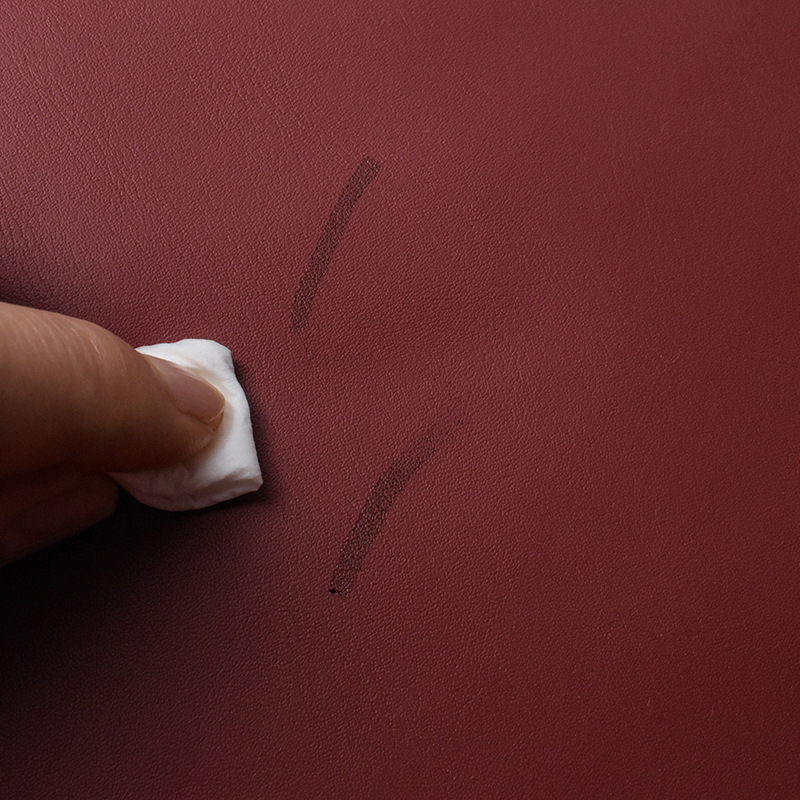
Two different questions belong in the care review: does the proposed process remove the intended soil, and does it leave the material acceptable? A surface can look clean yet show an unwanted change in gloss, colour or feel. Define both outcomes before comparing the candidates.
The ACT industry survey on cleaning describes the complexity created by different coated materials, finishes and cleaning products. It reports concerns about both inadequate maintenance and inappropriate cleaning. It is a discussion of industry experience, not permission to use a particular chemical on every upholstery surface.
Obtain the actual care instructions for each candidate. List the intended product, dilution where relevant, contact time, wiping material, rinsing and drying requirements. If the building’s routine conflicts with a supplier’s instructions, resolve the conflict before choosing the upholstery. Do not test arbitrary strong cleaners and call the result normal office use.
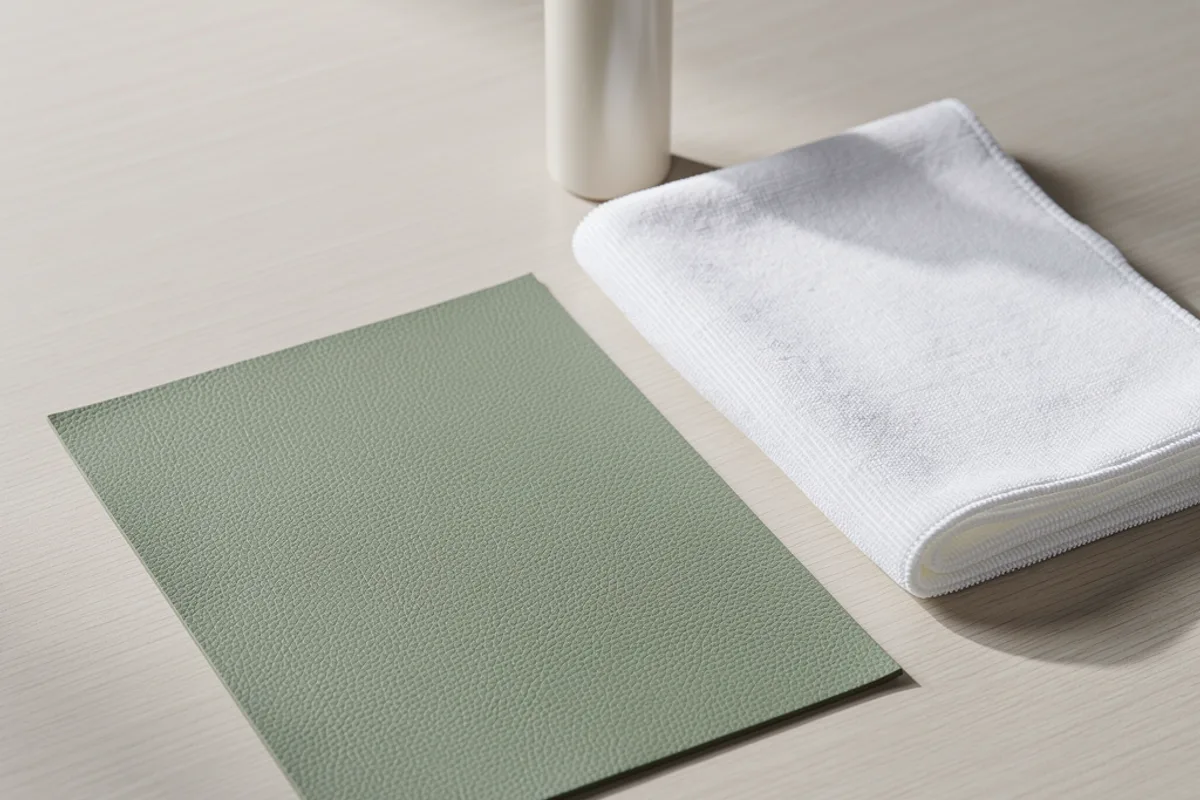
For a development trial, agree representative soils and evaluation conditions with the supplier or laboratory. Retain an untreated reference. Record visible residue, colour transfer, tackiness and surface damage as separate observations. The suggested observations help structure the discussion; they are not a replacement for an agreed test method.
A favourable wipe-clean result does not establish that a surface is maintenance-free. Nor does material compatibility establish the effectiveness of a disinfectant. Keep those questions separate and avoid converting a cleaning demonstration into a health claim.
Evaluate Grip and Comfort on the Chair
A hand swatch review can describe initial softness and texture. For the purchasing decision, extend the review to the intended seat and backrest. Keep the foam, shape and adjustment settings documented so that observations can be related to a known chair build.
Ask reviewers to assess the movements relevant to use: sitting down, changing position and standing up. Note whether the cover feels too slippery, restricts movement against the intended clothing or creates an unwanted contact sensation. Treat these as observations for the particular trial, not a friction ranking of every silicone-coated material and every leather.
Hohenstein’s comfort-testing guidance distinguishes material measurements from whole-system assessment, including seating systems. It addresses heat and moisture management as well as sensory properties. That supports asking what a comfort report actually measures rather than using the word breathable as a complete specification.
If moisture comfort is important, ask the testing specialist which measurements suit the proposed cover and assembly. Identify whether the result covers a loose material, a layered specimen or a seating system. Do not claim that one material family always feels cooler or that perforation automatically resolves every comfort concern.
Read Wear, Rub and Flex Results as Different Evidence
Abrasion, rubbing colour fastness and repeated flexing answer different questions. Keep them in separate fields in the approval record. A favourable result in one category should not erase an unresolved requirement in another.
For the hide-leather candidate, ISO 11640:2018 addresses the leather surface under rubbing with wool felt. It is not a universal test of overall chair life. Ask for the stated method, conditions and evaluated changes, and have the laboratory confirm the appropriate edition when commissioning new work.
ISO 5402-1:2022 concerns wet or dry flex resistance of leather and its finishes within the standard’s scope. That is different from proving the durability of a complete upholstered chair. For the silicone-coated textile, have the laboratory select suitable methods rather than assuming a leather method applies unchanged.
The ACT abrasion disclaimer also warns that a higher abrasion count does not necessarily mean longer service life. Flat abrasion results do not describe every edge-wear condition. Avoid selecting the winner simply by looking for the largest number on a data sheet.
When two reports use different methods, ask whether they support a meaningful comparison. Record specimen identity, method, conditioning, equipment settings where relevant and failure criteria. A laboratory may recommend different appropriate methods for the two constructions; the buyer then needs to understand the limits of the comparison rather than forcing unlike results into one score.
Trial the Seams and Curves Before Bulk Approval
Build representative sections using the proposed front edge, outer corner, backrest curve and attachment arrangement. Keep the intended geometry consistent while allowing the upholsterer to choose suitable sewing settings for each candidate. Record thread, stitch setting, seam allowance and any reinforcement used.
Review the assembled appearance before and after the agreed development checks. Look for puckering, visible needle damage, seam opening, unwanted creasing and any separation of layers. Record the location and construction before concluding that a problem is inherent to the whole material family.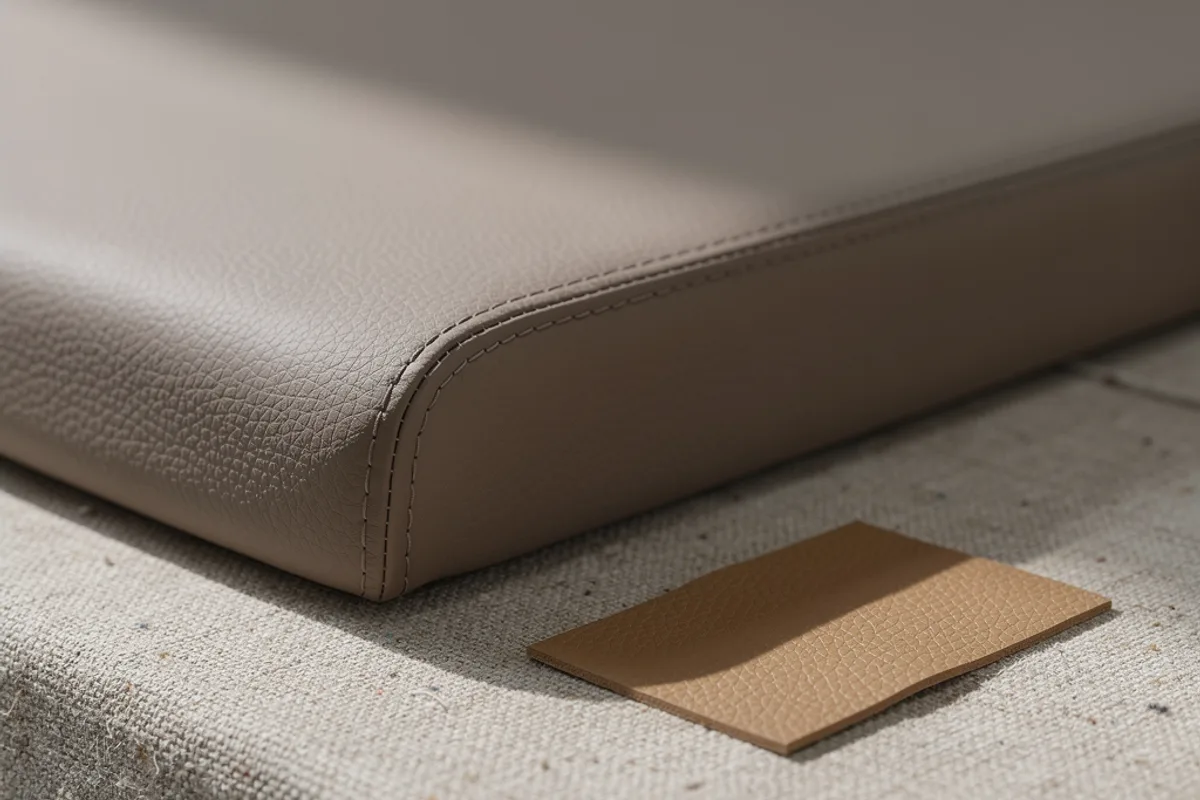
Keep a successful trial section with its construction record. If the sample room solves a problem by changing a reinforcement or stitch arrangement, carry that change into the cost and production instructions. Otherwise, the approved sample may not represent the process used for bulk production.
These are upholstery development checks. They do not replace the structural or safety evaluation required for the finished chair. A cover-material report cannot certify the chair frame, mechanism or complete product.
Compare Cost Only After the Construction Is Approved
Normalize quotations to the same finished component. Confirm the material unit, usable quantity, pattern consumption and cutting assumptions. Include any added lamination, reinforcement or sewing work introduced during sampling. Keep measured consumption separate from a preliminary estimate.
Do not assume a particular percentage of savings from either material family. Likewise, do not offset a higher material price with an invented reduction in replacement or cleaning costs. Use documented project information, and state what is still unknown.
If both candidates meet the brief, the choice may reasonably turn on approved appearance, contact feel, care compatibility and cost. If only one is supported by adequate evidence, the other still has an approval gap. If neither is supported, changing the candidate is more defensible than treating a marketing claim as a passed test.
Keep the chosen product code, finish, colour, reports and prototype reference together. Request review before a change to the approved construction. For the wider application brief, our office-chair upholstery material page outlines the context for discussing available candidates.
Frequently Asked Questions
Is silicone leather the same as animal-hide leather?
No. In this comparison, silicone leather means a silicone-coated upholstery candidate, while leather means an animal-hide material. Ask for the complete construction because the silicone description alone does not identify every underlying layer.
Is silicone-coated upholstery always easier to clean?
That cannot be established from the label alone. Compare the exact finish, soil and approved cleaning process. Check both stain removal and any change to colour, gloss or surface condition before approving the routine.
Which material is more comfortable for long sitting?
Evaluate the actual chair rather than relying on a material-family ranking. Review contact feel and movement on the proposed seat, and use relevant heat and moisture evidence where needed. Identify what the report or trial covers.
Does a high abrasion result mean the cover will last longer?
Not necessarily. Abrasion is one part of the evidence, and a higher count is not a proportional service-life forecast. Consider the method, cleaning routine, edge construction, flexing and intended chair use alongside the result.
Can the same cleaner be used on both materials?
Only if the suppliers’ instructions and the relevant verification support that use for both identified materials. Do not extend compatibility from one surface to another because their colours or textures look similar.
What should be approved before ordering chair upholstery?
Approve the identified construction, appearance, care routine, relevant evidence and representative chair-cover trial. Link those records to the product code and quotation, including any fabrication changes made during development.
Request Samples for the Chair You Are Building
Send the chair design, intended users, contact areas, appearance target and cleaning routine with your enquiry. To discuss a silicone-coated candidate, send Wandaoleather your office-chair upholstery brief. The aim is an approval supported by the proposed material and chair construction, not a universal declaration that silicone or leather is better.