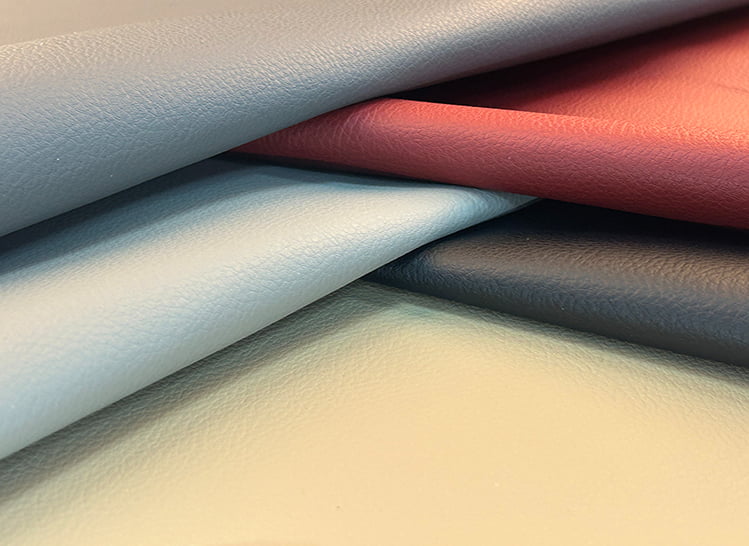
What Is Microfiber Leather Made Of?
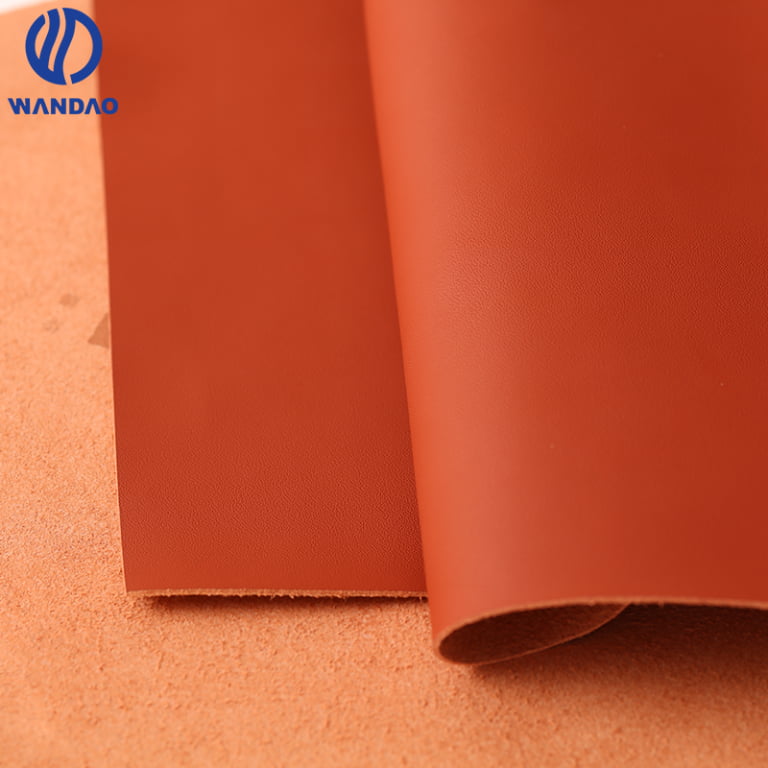
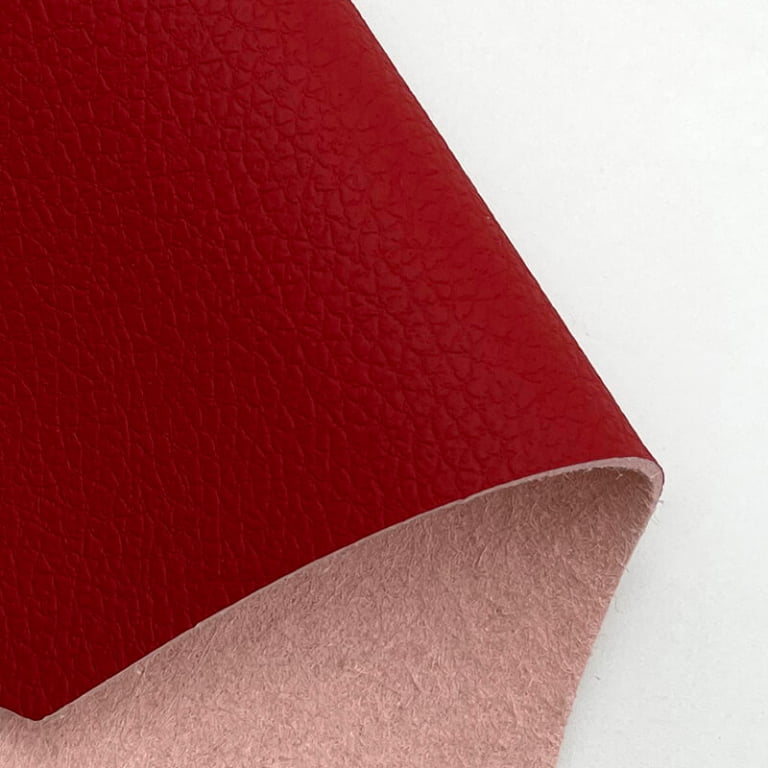
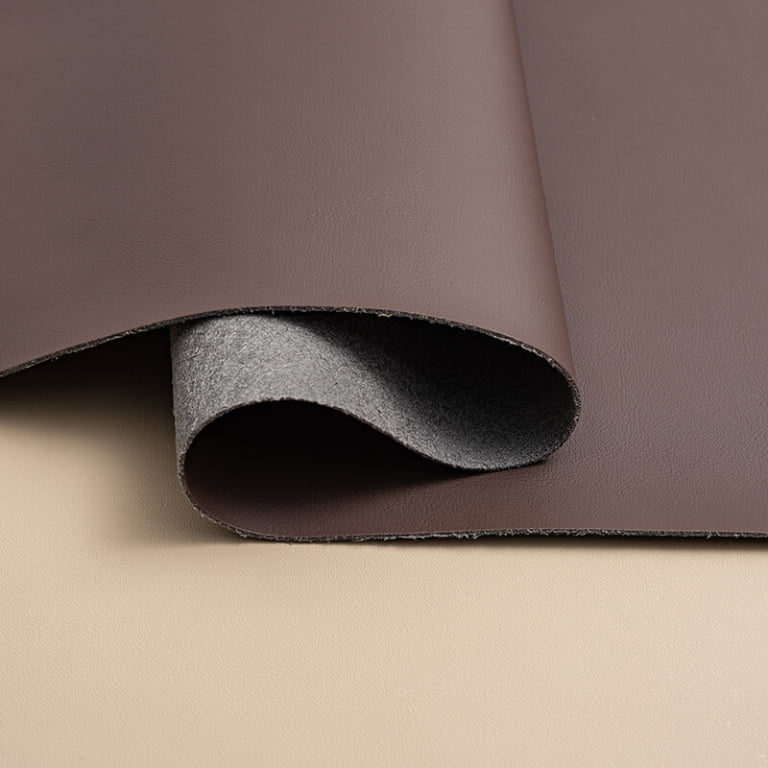
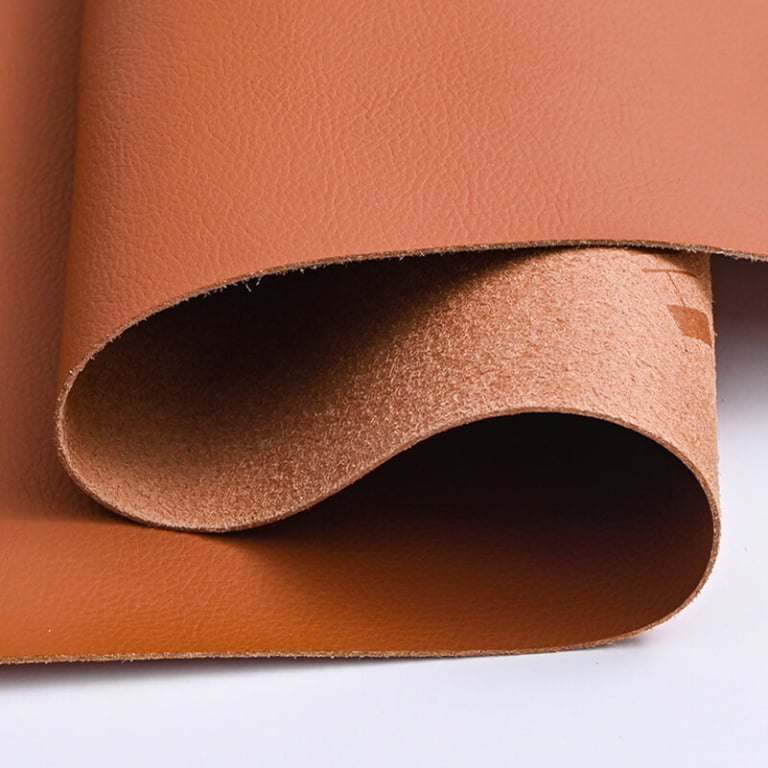
In technical literature, microfiber synthetic leather is described as a porous composite rather than a single plastic sheet. A three-dimensional network of fine synthetic fibers forms the skeleton, while PU occupies part of the structure and helps create the required hand, resilience, and surface. Researchers have reported polyamide fibers within a porous PU matrix, but commercial constructions can use different fiber and resin systems. The 2026 review of PU-based microfiber synthetic leather is useful precisely because it treats the category as a family of manufacturing and formulation choices.
| Construction element | What it may include | Why a buyer should confirm it |
|---|---|---|
| Microfiber base | Polyamide, polyester, or a defined blend formed into a nonwoven network | Influences density, stretch, tear support, edge behaviour, and processing |
| PU matrix | PU impregnated through or around the fiber network | Affects resilience, porosity, hand, and ageing behaviour |
| Surface layer | Direct coating, transfer coating, coagulated layer, or a raised suede-like face | Controls appearance, touch, cleanability, and abrasion exposure |
| Top finish | Colour, grain, gloss, print, protective topcoat, or special treatment | Changes rubbing, staining, gloss retention, and fabrication response |
| Optional backing or lamination | Additional textile, foam, adhesive, or reinforcement | Can change total thickness, sewing, bonding, flame behaviour, and compliance |
This structure also explains a common naming problem. “Microfiber PU” often refers to microfiber synthetic leather because PU is part of its matrix or surface. “PU leather,” however, is a broader commercial term and frequently refers to PU coated onto an ordinary woven, knit, or nonwoven fabric. “Microsuede” usually describes a suede-like surface or textile category. It does not, by itself, confirm the same impregnated microfiber-leather construction.
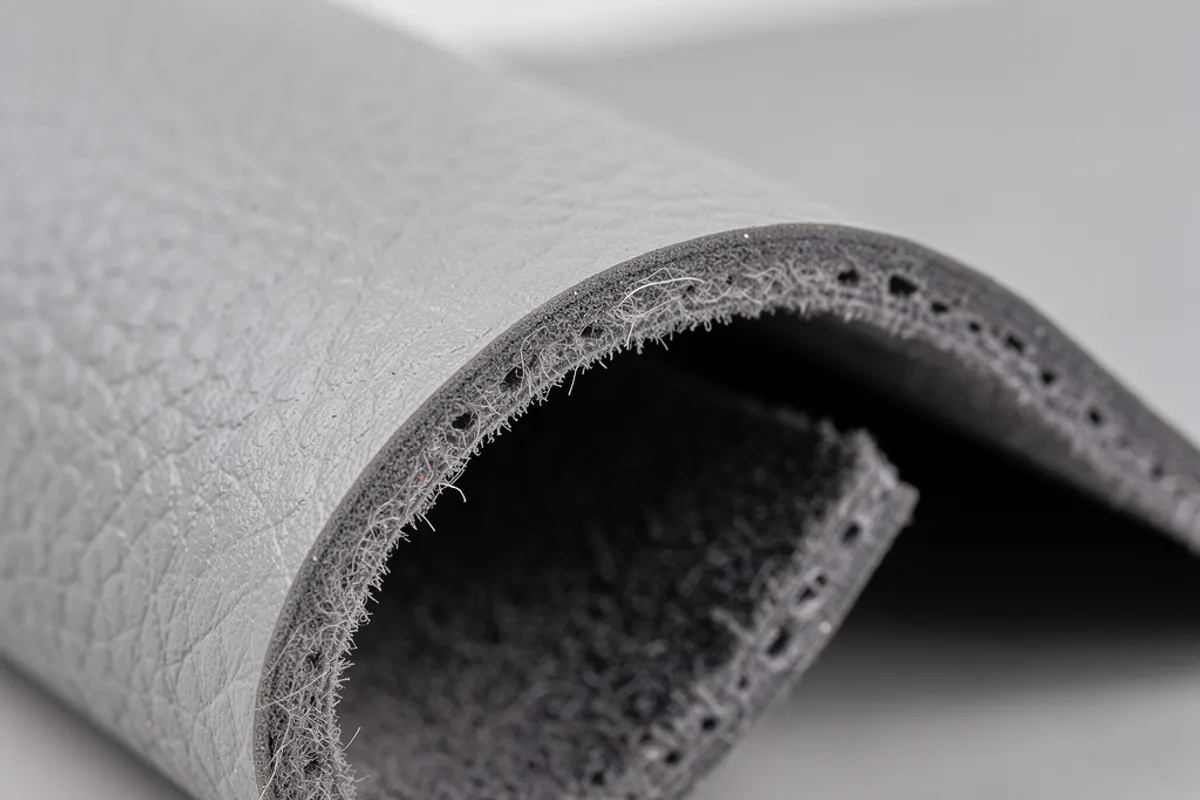
How Is Microfiber Leather Manufactured?
There is no universal factory recipe. A typical route contains several linked operations, but their sequence, solvents, fiber-opening method, PU chemistry, coating method, and finishing conditions vary.
- Create the microfiber web. Fine fibers are laid and mechanically entangled into a nonwoven structure. Some processes start with bicomponent or islands-in-sea fibers that are opened or split later.
- Stabilize or impregnate the base. A PU system enters the fibrous network to build a porous composite. The ratio and distribution of fiber and polymer affect density, hand, and mechanical behaviour.
- Open the fine-fiber structure. Where the fiber design requires it, one component is removed or separated to expose finer fibers. The environmental and quality implications depend on the actual chemicals and recovery controls.
- Form the visible face. The producer may raise or buff a suede-like surface, apply a PU skin, transfer a grain from release paper, or combine several layers.
- Colour and finish. Dyeing, printing, embossing, topcoating, milling, or other finishing steps set the final colour, gloss, grain, touch, and surface protection.
- Inspect and convert. The material is checked, rolled, optionally laminated, and prepared for cutting, sewing, bonding, wrapping, or forming.
Peer-reviewed studies of microfiber/PU structure and waterborne PU microfiber bases show why production labels should not be treated as grades. A waterborne, solvent-free, or solvent-based route describes part of the process. It does not prove that every finished property, restricted-substance requirement, or environmental claim has been met.
Which Properties Can Microfiber Construction Influence?
The fibrous network and PU matrix can be engineered to support repeated bending, tear resistance, recovery, and a leather-like hand. A dense nonwoven structure can also give cut edges and seams useful support in footwear, bags, seating, and wrapped parts. Those are design possibilities, not automatic specifications.
The finished result depends on at least six variables:
- fiber polymer, fineness, length, orientation, and network density;
- PU chemistry, impregnation level, porosity, and ageing resistance;
- surface-film and topcoat thickness;
- total thickness and any extra backing or lamination;
- embossing, buffing, perforation, and other finishing;
- heat, humidity, light, cleaning chemicals, flexing, and stress in the final part.
This is why a generic statement such as “microfiber leather is durable” is incomplete. Durability for a shoe vamp may mean repeated flexing and adhesion after humid ageing. For a bag, it may mean edge, seam, rubbing, and colour-transfer control. For an automotive surface, the specification may add abrasion, light, odor, fogging, flammability, and low-temperature requirements. For furniture, cleanability and appearance retention may dominate.
Microfiber Leather vs Ordinary PU Leather and Microsuede
Microfiber leather is commonly PU-based, so “microfiber versus PU” is not a polymer-versus-polymer comparison. It is usually a comparison between two complete constructions: an ultrafine-fiber/PU composite and a conventional PU-coated fabric.
| Question | Microfiber synthetic leather | Conventional PU-coated fabric | Microsuede |
|---|---|---|---|
| What does the term normally identify? | A microfiber nonwoven/PU composite construction | A PU surface on a textile backing | A suede-like surface or textile category |
| Is the base structure defined by the name? | Partly, but fiber and matrix details still need confirmation | No; woven, knit, or nonwoven backings vary | Not necessarily |
| Can the name predict test results? | No | No | No |
| What should the buyer request? | Fiber/base declaration, PU system, layer construction, dimensions, and tests | Backing, coating, dimensions, and tests | Fiber content, construction, surface treatment, and tests |
For a detailed sourcing comparison, use the material construction and test evidence rather than ranking names. The Wandao Microfiber Leather collection is the commercial starting point for available construction and application discussion.
Where Is Microfiber Leather Used?
Microfiber leather is considered when the product needs a more structured synthetic base, a refined surface, or stable processing around bends, seams, and edges. Typical routes include:
- Footwear: uppers, linings, reinforcement zones, and components that must tolerate flexing and stitching. Review microfiber leather for shoes with the exact shoe construction in mind.
- Bags and accessories: panels, handles, straps, corners, and small leather goods where hand, edge finishing, and seam support matter.
- Furniture: sofas, chairs, headboards, and contract seating where upholstery tension, rubbing, cleaning, and appearance retention need validation. See microfiber leather for furniture.
- Automotive interiors: seating and trim components with part-specific requirements for surface feel, abrasion, ageing, odor, fogging, light, flame, and process behaviour. Start with microfiber leather for automotive.
No application label replaces a component specification. A material suitable for a decorative door insert is not automatically approved for a steering wheel, seat bolster, shoe vamp, or public-space chair.
How Should Buyers Test Microfiber Leather?
Begin with the finished part and its failure modes, then select the methods and criteria. Do not ask only for a cycle count without naming the method, specimen direction, conditioning, endpoint, and any post-ageing test.
Common coated-fabric methods include ISO 2286-3 for thickness, ISO 1421 for tensile strength and elongation, ISO 2411 for coating adhesion, ISO 5470-2 for Martindale abrasion, and ISO 32100 for flex resistance. ISO 1419 provides accelerated-ageing methods for coated fabrics.
These standards define procedures; they do not set one universal acceptance value for every microfiber leather. The buyer, product standard, brand, OEM, or applicable regulation must define the criterion. Also confirm whether the material will be treated contractually as a coated fabric, synthetic leather, textile, or another article, because the chosen method family must match the product and agreement.
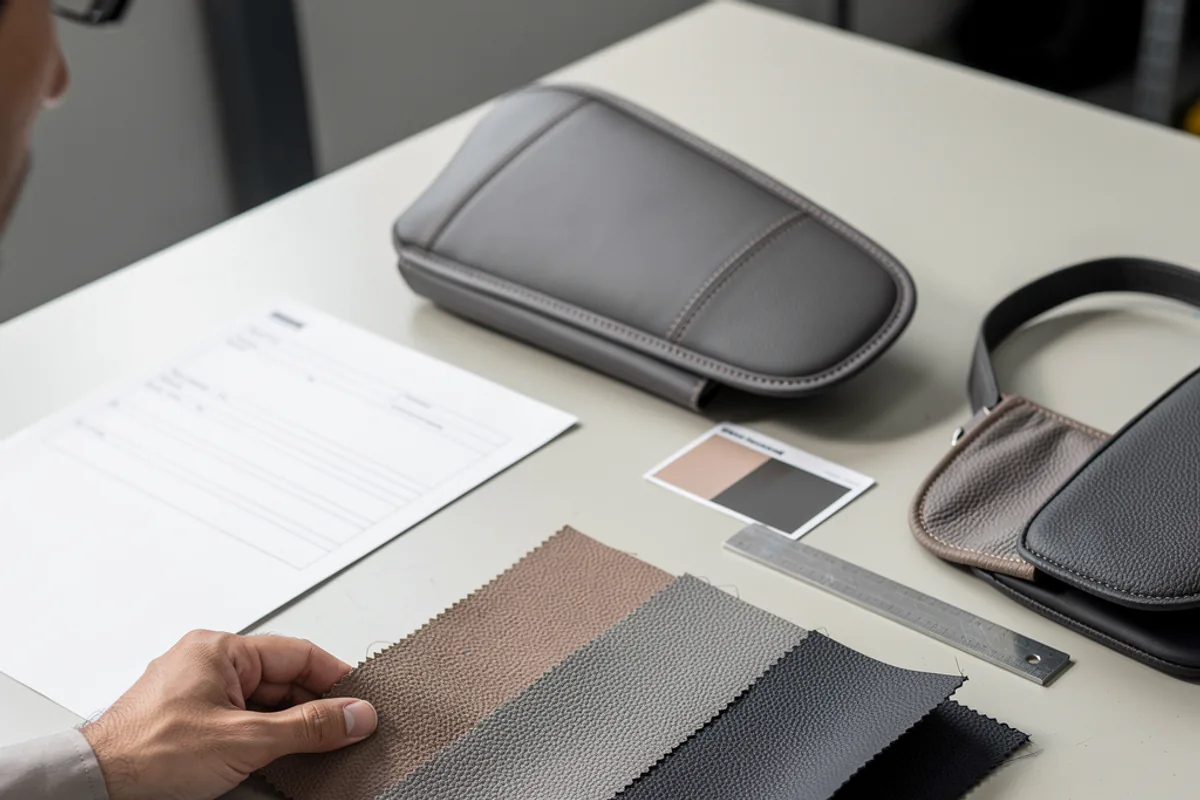
What Should a Microfiber Leather RFQ Include?
A comparable RFQ should state:
- final product, component, market, and expected exposure;
- microfiber base fiber or acceptable declaration, PU system, surface construction, and any lamination;
- total thickness, measurement method, tolerance, usable width, roll length, and quantity;
- colour reference, grain, gloss, hand, firmness, stretch direction, and surface appearance limits;
- cutting, sewing, skiving, folding, bonding, wrapping, moulding, perforating, or other conversion steps;
- named test methods, conditioning, acceptance values, and whether results are required before and after ageing;
- chemical, labeling, emissions, flame, or other market-specific requirements with current evidence;
- approved sample ID, revision, report/sample linkage, lot traceability, inspection plan, and change-notification rules.
Chemical compliance is not a generic certificate. For EU-bound articles, for example, review the current REACH obligations and restrictions for the actual article and substances in scope. A report should identify the tested material and remain relevant to the supplied formulation.
A Practical Sample-to-Bulk Approval Sequence
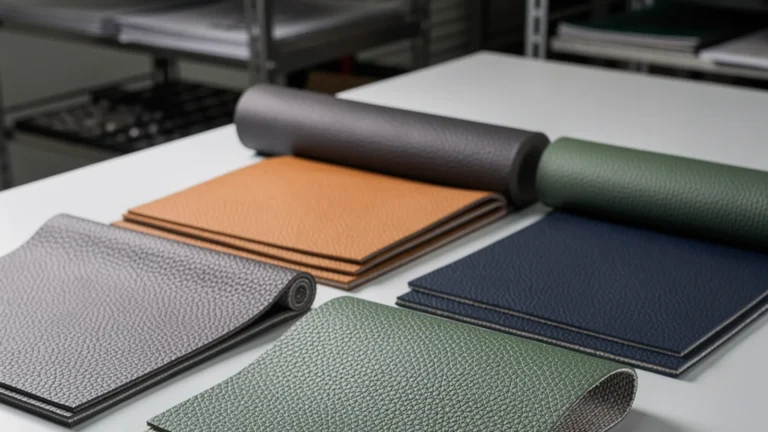
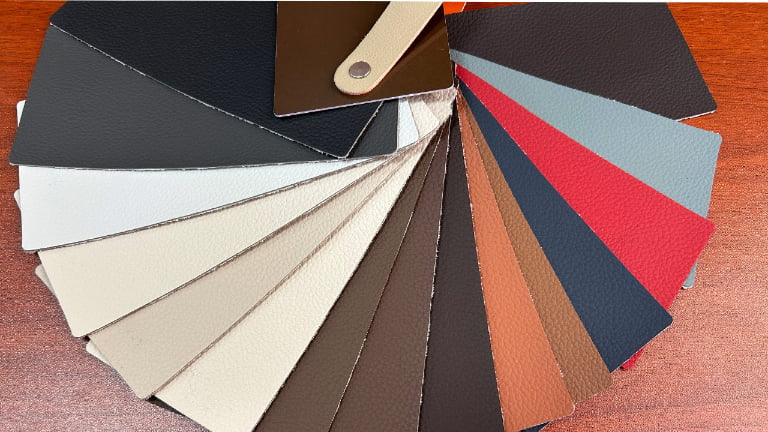
First, compare candidate swatches for construction, colour, grain, hand, thickness, and process fit. Second, build or simulate the real component and identify issues at seams, folds, bonded areas, high-strain zones, and exposed edges. Third, test the agreed material or component using the named methods. Fourth, freeze a signed physical master and written specification. Finally, inspect bulk rolls and verify lot identity before release.
Any material change that may affect the approved result—fiber source, PU chemistry, layer weight, topcoat, backing, colour system, embossing, or process route—should trigger documented review. The purpose is not to prevent normal manufacturing control. It is to stop an apparently similar roll from replacing the tested construction without evaluation.
Common Claims That Need Evidence
- “It is real leather.” It is normally non-animal synthetic leather. The US FTC Leather Guides address disclosure where non-leather material appears to be leather.
- “It is waterproof.” Define the test, pressure or exposure time, and whether seams, edges, perforations, and backing are included.
- “It is breathable.” Request the relevant air or water-vapour transmission method and result for the finished construction.
- “It is vegan.” Confirm the full bill of materials and the buyer’s definition, including adhesives and finishes.
- “It is eco-friendly.” Ask which measurable attribute is meant: solvent use, recycled or bio-based content, emissions, restricted substances, energy, water, or lifecycle impact.
- “It lasts a fixed number of years.” Accelerated ageing is a comparison under stated conditions, not a universal conversion into calendar life.
Frequently Asked Questions
Is microfiber leather real leather?
No. Microfiber leather is normally a non-animal synthetic composite made with an ultrafine-fiber network and a polyurethane matrix or surface system. The exact fiber, resin, layers, and finishes should be confirmed with the supplier.
Is microfiber leather the same as PU leather?
Microfiber leather is commonly PU-based, but it is not identical to every product sold as PU leather. The term usually identifies a microfiber nonwoven/PU composite, while ordinary PU leather may use a woven, knitted, or conventional nonwoven backing.
Is microfiber leather the same as microsuede?
Not necessarily. Microsuede usually describes a suede-like surface or textile category. A microsuede product may use fine fibers, but the name does not prove the same impregnated microfiber synthetic leather construction.
Is microfiber leather waterproof?
The name does not prove waterproof performance. Liquid resistance depends on the surface, pores, seams, edges, backing, exposure time, pressure, and test method. Ask for a requirement and result that match the finished product.
How long does microfiber leather last?
There is no universal number of years. PU chemistry, topcoat, backing, flexing, heat, humidity, light, cleaning, part design, and maintenance all affect service life. Use application-specific tests and controlled field feedback instead of converting one ageing test into a calendar guarantee.
What information should I send when requesting microfiber leather samples?
Send the final product and component, desired construction, thickness and width, colour and grain reference, hand and firmness, conversion process, target market, named test methods and criteria, quantity, and an existing swatch or part if available.
Define the Construction Before Requesting Samples
The useful answer to “what is microfiber leather?” is a controlled construction, not a premium label. If you are comparing materials for footwear, bags, furniture, or automotive interiors, send Wandao Leather the application, target surface, thickness, processing steps, and test requirements. The sample discussion can then begin with the correct structure and evidence.