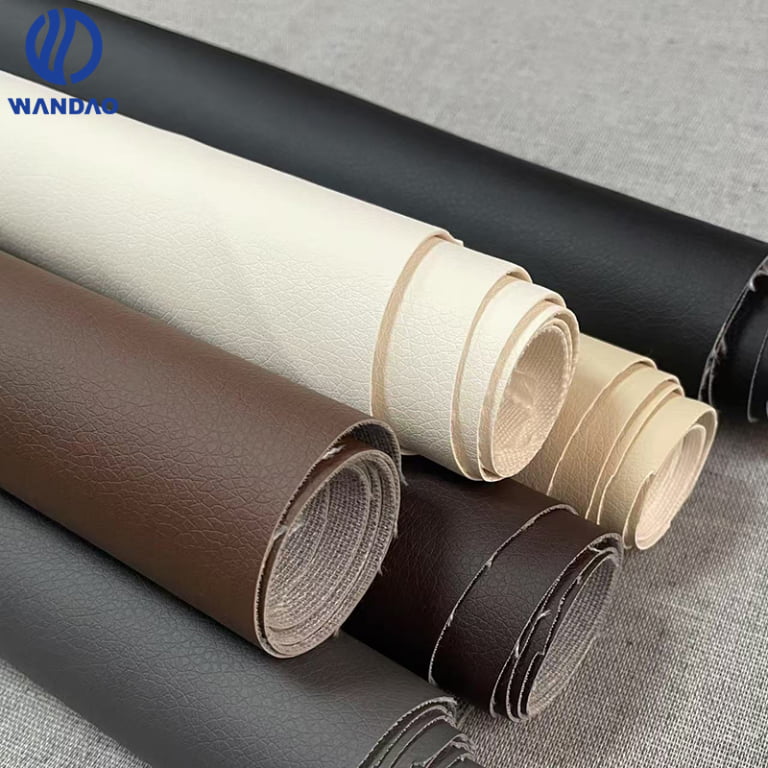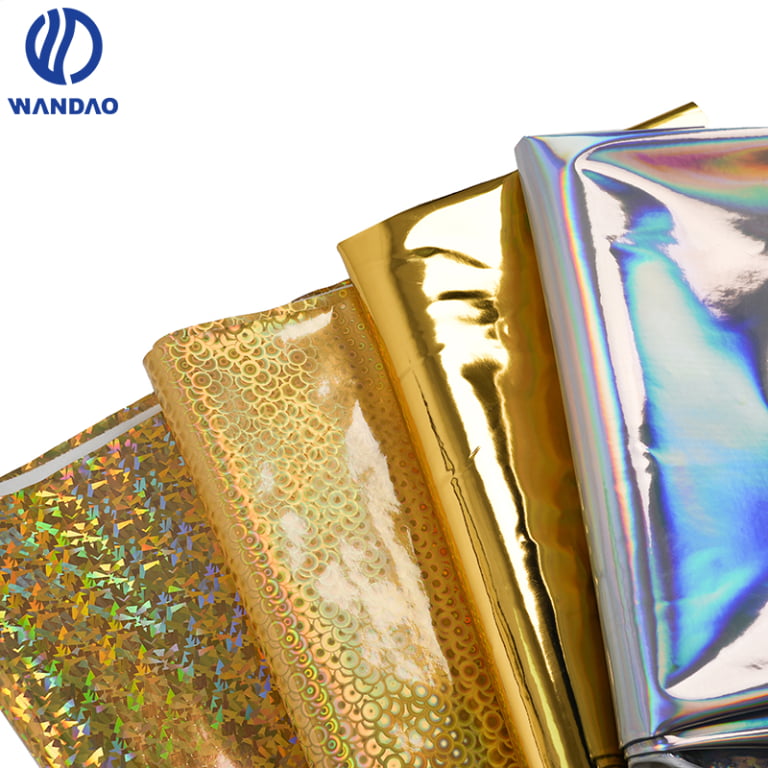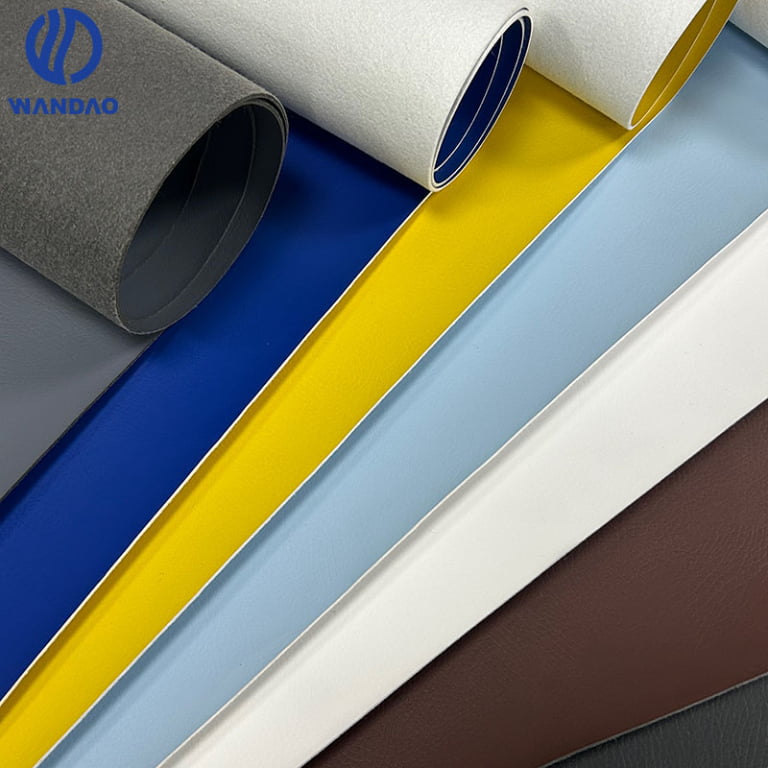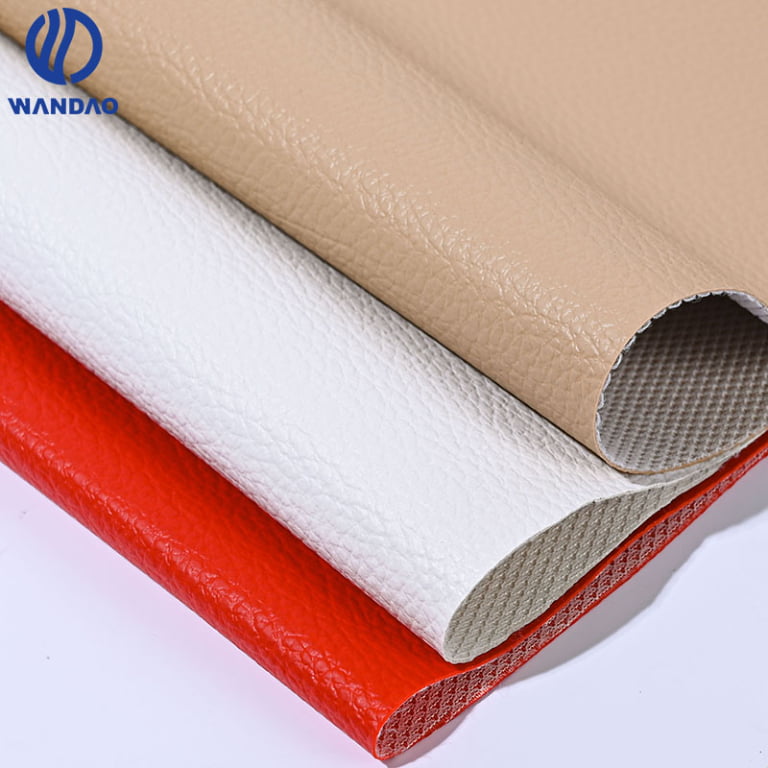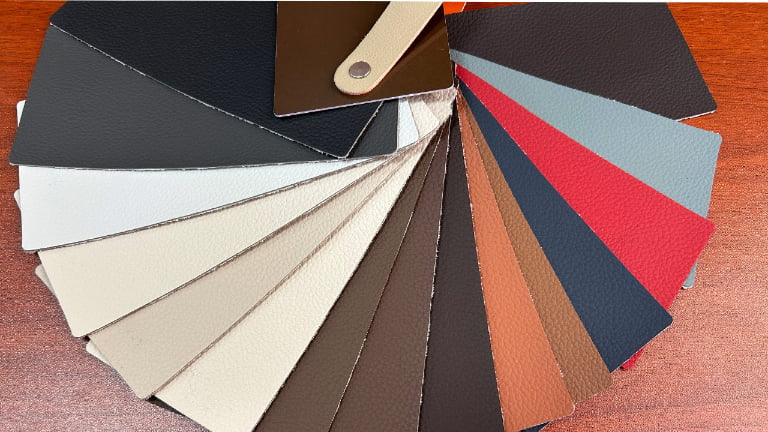
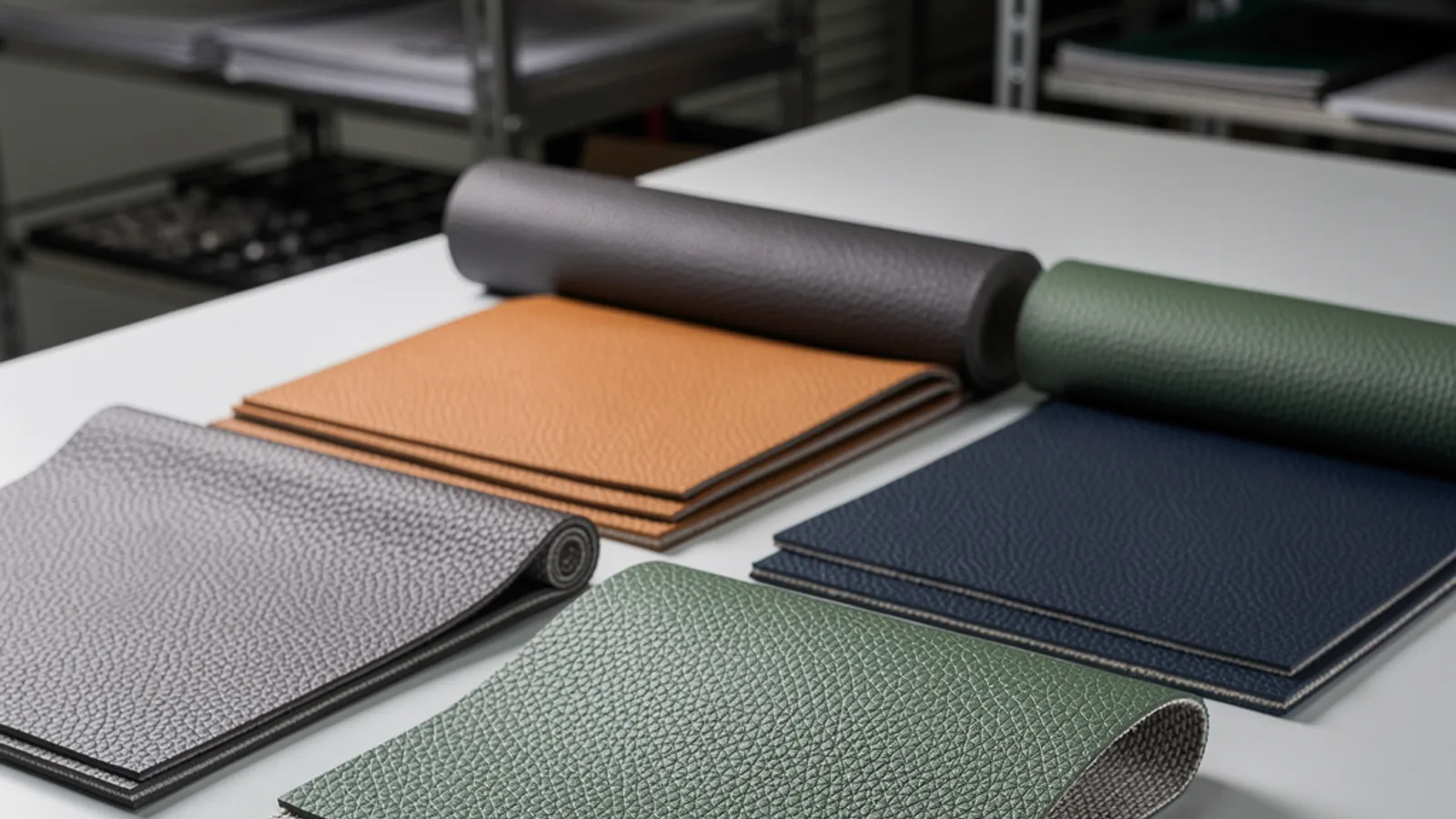
What Is PU Leather Made Of?
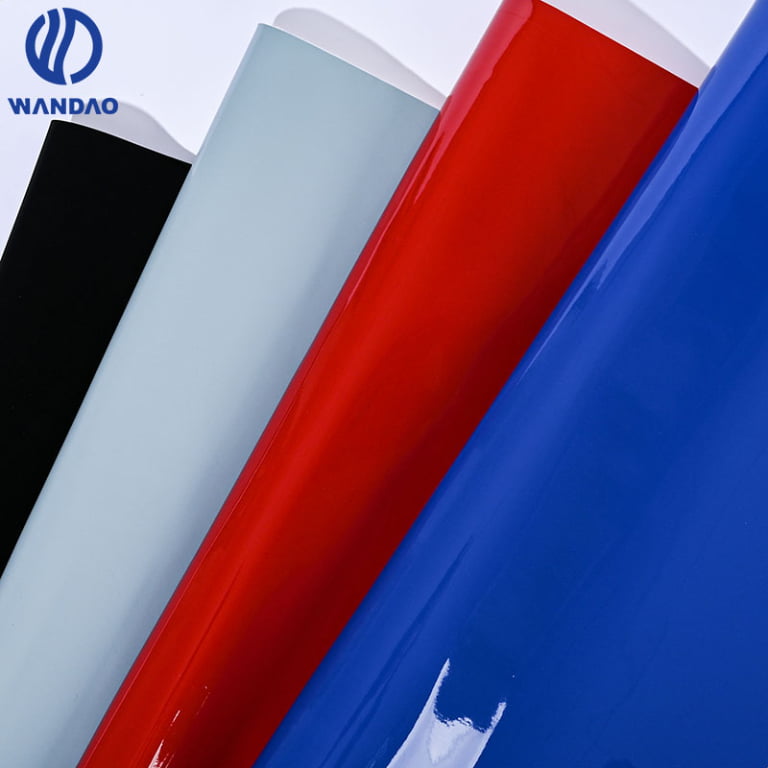
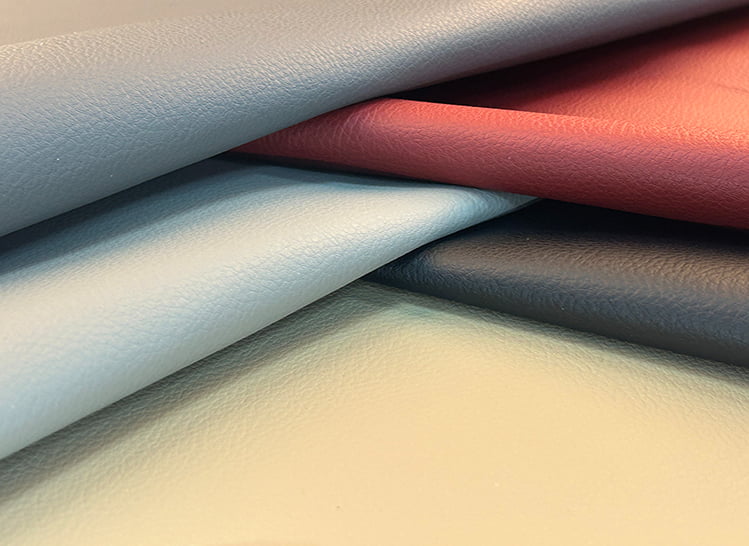
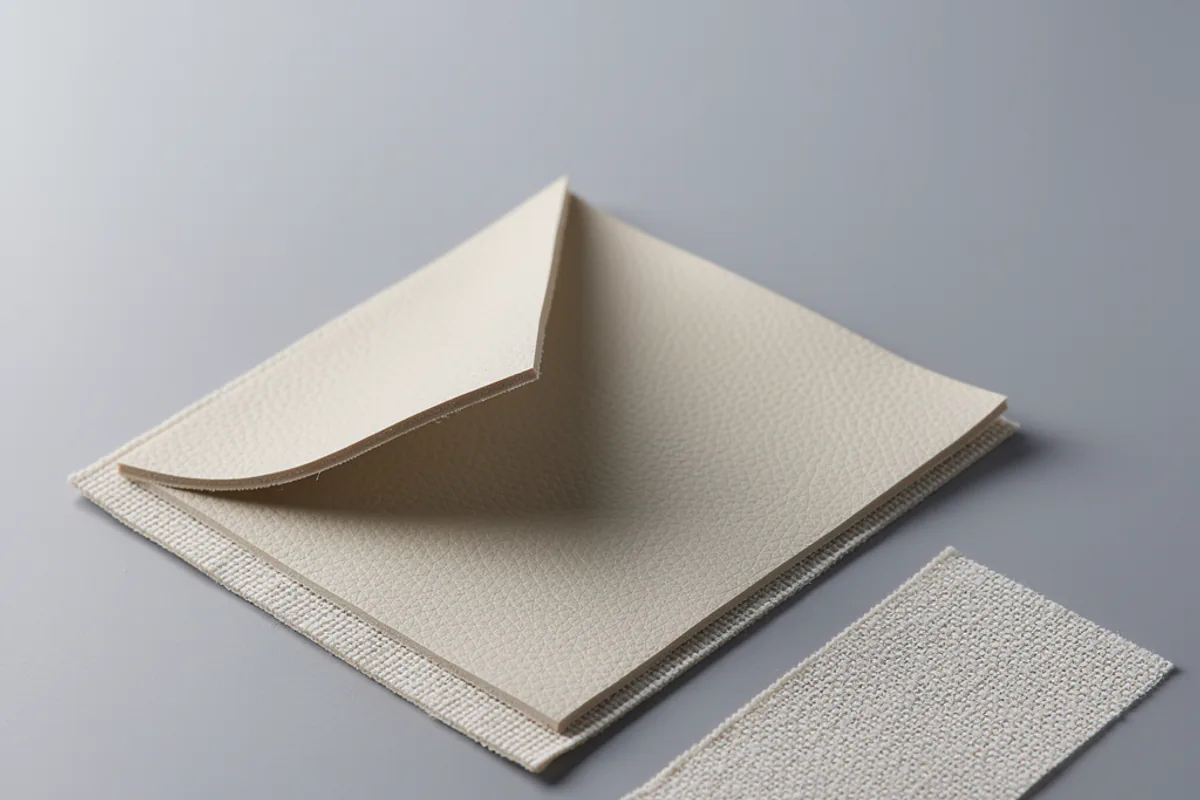
Most PU synthetic leather can be understood as a coated or impregnated composite with several functional parts:
- Surface finish or topcoat. This can influence gloss, touch, color transfer, stain response and resistance to surface wear. Its presence does not by itself prove any specific performance level.
- Polyurethane layer or layers. These create the leather-like surface and may contribute color, flexibility, grain and body. The exact construction can be compact, porous, foamed or combined, depending on the product route.
- Bonding or intermediate structure. A product may contain an adhesive or intermediate PU layer that connects the surface construction to its support.
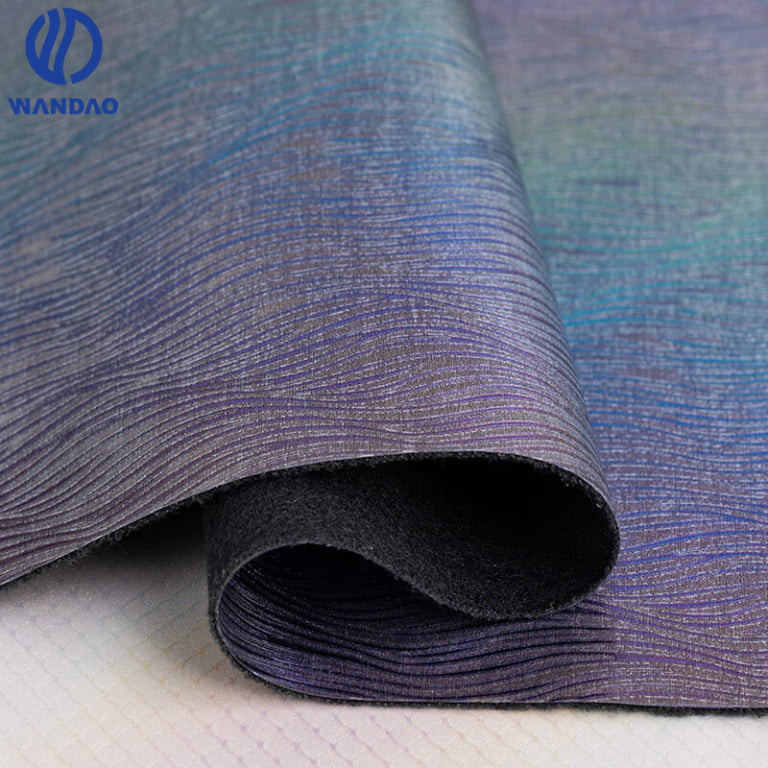
- Backing or base. Knitted, woven, non-woven, brushed and other textile supports can be used. Microfiber PU leather is a more specific construction that uses a microfiber base rather than being merely another name for all PU leather.
The polymer name describes only part of this system. The US Environmental Protection Agency explains conventional polyurethane chemistry through reactions involving polyols and diisocyanates, while a peer-reviewed review emphasizes that PU properties can be adjusted through changes in chemistry and formulation (EPA polyurethane description; review of functional polyurethane). This tunability is useful, but it is also why two materials carrying the same “PU leather” label can behave differently.
How Is PU Leather Made?
Two broad production terms frequently appear in synthetic-leather sourcing: dry process and wet process. They describe processing routes, not automatic quality rankings.
Dry-process PU
In a release-paper route, PU compounds can be coated onto textured release paper, dried, built into one or more layers, laminated to a backing, cooled, separated from the paper, and finished. The release paper helps transfer the grain. The result still depends on the formulation, layer design, backing, coating control and finishing—not simply on the word “dry.”
Wet-process PU
Wet processing may use coating or impregnation followed by coagulation, washing, drying and finishing to create a porous PU base or intermediate material. That semi-finished base may then receive an additional surface layer. “Wet process” does not mean that every such product uses the same base, and it is not a synonym for waterborne PU.
Combined constructions
The routes can be combined. For example, a porous wet-process substrate may receive a dry-process surface. PU-based microfiber synthetic leather is another distinct family in which a microfiber network and PU matrix work together; a 2026 engineering review describes this structure and discusses solvent-based, waterborne and solvent-free PU systems rather than treating “PU leather” as a single chemistry (PU-based microfiber synthetic leather review).
For an RFQ, asking only “dry PU or wet PU?” is insufficient. The supplier also needs the application, required hand, total thickness, backing, surface finish, fabrication method and validation plan.
Is PU Leather the Same as Genuine Leather, Faux Leather, or Microfiber Leather?
No. These terms occupy different levels of meaning.
| Term | What it normally tells you | What it does not tell you |
|---|---|---|
| PU leather | Polyurethane is used in a leather-like synthetic construction | Exact layer design, backing, performance or compliance |
| Faux/artificial/synthetic leather | The material imitates leather and is not necessarily animal hide | Whether the polymer is PU, PVC, silicone or a combination |
| Microfiber leather | A microfiber-base synthetic leather construction, often combined with PU | Exact surface chemistry, grade or application approval |
| Genuine leather | A material derived from animal hide or skin | Specific grade, finish, durability or suitability for a project |
Terminology also has a disclosure function. The US Federal Trade Commission’s Leather Guides state that material that looks like leather but is not leather should disclose its non-leather nature or general composition. The guides also caution against misrepresenting composition and characteristics (FTC Leather Guides). A buyer should therefore specify “PU synthetic leather” where clarity matters instead of using the unqualified word “leather.”
Which Properties Can PU Leather Offer?
PU can be engineered across a wide range of hand feel, flexibility, grain, color and mechanical behavior. Those are design possibilities, not default guarantees.
Softness and flexibility
Polyurethane chemistry and the complete construction can be adjusted for flexible coatings. The final hand also depends on coating thickness, porosity, backing stiffness, surface finish and lamination. A supplier’s “soft” grade should be compared against an approved physical sample, not an adjective alone.
Abrasion and flex resistance
Abrasion and repeated flexing are different mechanisms. ISO 5470-2 specifies wet and dry Martindale abrasion methods for coated surfaces, while ISO 32100 evaluates flex resistance in a folded condition after a defined number of cycles (ISO 5470-2; ISO 32100). A high result under one method does not automatically predict performance under another.
Hydrolysis and aging
Moisture, heat, polymer chemistry and use conditions can influence PU degradation. “Hydrolysis resistance” should identify the test method, conditioning, duration and evaluation criteria. A laboratory grade described by hours, cycles or an internal “years” label is not automatically a warranty for the same number of calendar years in service.
Low-temperature behavior
Low-temperature bending may matter for shoes, automotive trim, luggage or products transported and used in cold climates. ISO 4675 specifically notes that no general relationship between its test and service performance can be implied when deformation conditions differ (ISO 4675). Buyers should align the method with the actual component and use condition.
Water and cleaning claims
A continuous PU-coated face may offer useful resistance to liquid contact, but “waterproof” for a finished product also depends on seams, perforations, edges, backing, pressure and exposure time. The same caution applies to cleanability: the chemical, concentration, dwell time, temperature and cleaning frequency should be defined before a resistance claim is accepted.
Where Is PU Leather Used?
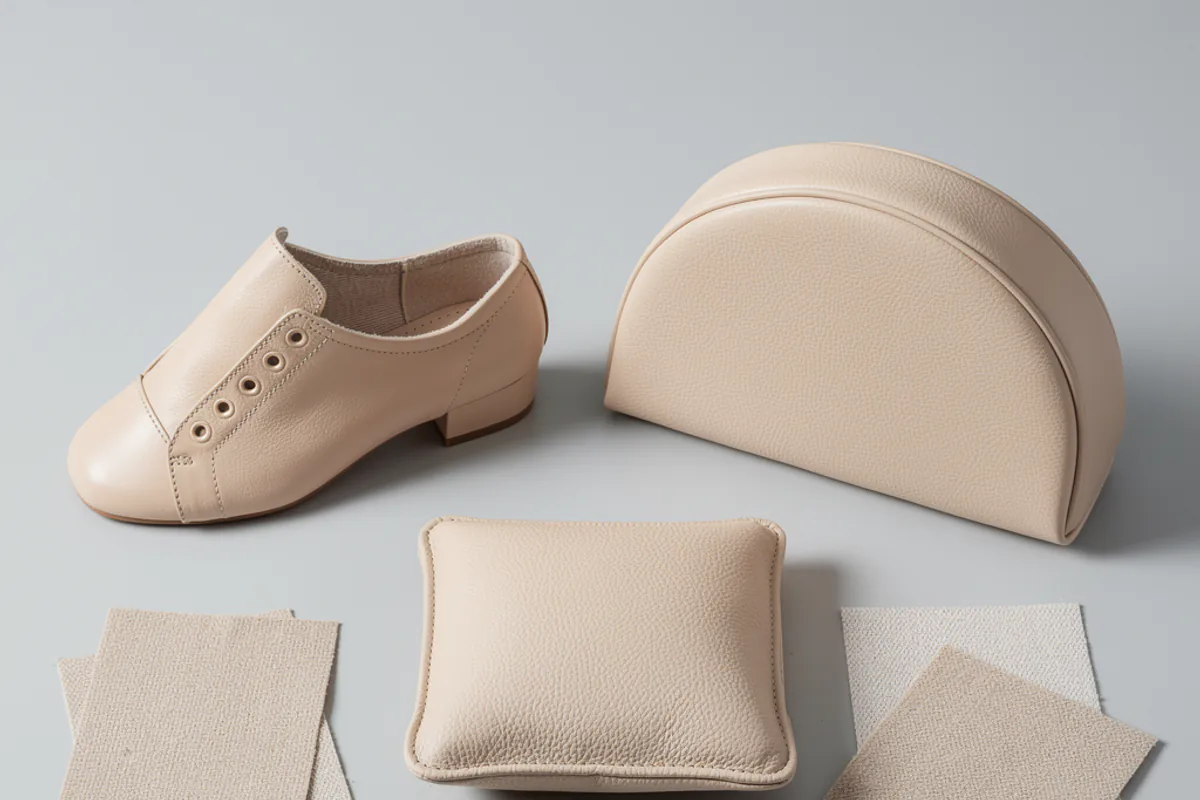
PU synthetic leather is used in many product categories because its surface, support and finish can be adjusted for different design and processing needs.
| Application | Typical buyer priorities | Questions to confirm |
|---|---|---|
| Footwear | Flexing, surface wear, adhesion, thickness, lining interaction and appearance | Which component—upper, lining or reinforcement? Which flex method and failure criteria? |
| Bags and luggage | Hand feel, fold behavior, seam area, backing, color transfer and surface finish | Handbag or travel luggage? How will folds, stitching and edge finishing be evaluated? |
| Clothing | Drape, low-temperature flexibility, backing feel, colorfastness and cleaning route | What garment panel and care conditions are expected? |
| Furniture and office seating | Abrasion, coating adhesion, flexing, cleanability, flame requirements and lot consistency | Is the requirement for the material alone or the finished seating composite? |
| Automotive interiors | Component-specific appearance, emissions/odor, aging, abrasion, flexing and restricted substances | Which component, market and OEM/aftermarket specification applies? |
The correct route is application-first. Buyers can explore Wandaoleather’s PU leather material range and then move to a more specific application page such as PU leather for shoes or PU leather for furniture.
How Should Buyers Specify PU Leather?
A comparable quotation needs a construction and validation brief. At minimum, include:
- finished product, component and target market;
- PU type or known reference sample;
- total thickness and the method used to measure it;
- usable width and roll requirements;
- backing composition, structure, weight or approved reference;
- color, grain, gloss and hand-feel standard;
- cutting, sewing, wrapping, embossing, vacuum forming or other fabrication process;
- required mechanical and surface tests, including method, conditioning and acceptance criteria;
- chemical, labeling, flammability or customer-specific compliance requirements;
- approved sample, shade tolerance and sample-to-bulk control;
- packaging, roll identification, inspection and change-notification requirements.
The measurement method matters. ISO 2286-3 defines coated-fabric thickness at a specified pressure; ISO 1421 covers tensile strength and elongation; and ISO 2411 addresses coating adhesion (ISO 2286-3; ISO 1421; ISO 2411). A number without its method, specimen direction, conditioning and units may not be comparable across suppliers.
Chemical compliance should also be tied to the destination and product use. The European Commission’s Access2Markets guidance notes that REACH restrictions can apply to substances in textile and leather articles (EU chemical restrictions overview). “REACH compliant,” “non-toxic,” or “eco-friendly” should therefore not replace an identified requirement and applicable report.
A Practical Sample-Approval Sequence
- Send the complete application and construction brief.
- Compare candidate swatches against one agreed reference under consistent lighting.
- Confirm total thickness, width, backing and surface construction.
- Fabricate the sample using the real cutting, sewing, wrapping or forming process.
- Test the risks that matter to that component, using named methods and acceptance criteria.
- Freeze the approved sample, color reference and specification revision.
- Define what requires notice or reapproval before bulk production changes.
This sequence prevents a visually attractive swatch from being mistaken for a production-approved material. If you are preparing a project, send the application, construction and test requirements so the sample route can be matched to the intended component.
Frequently Asked Questions
Is PU leather real leather?
No. PU leather is normally a synthetic material that uses polyurethane to create a leather-like surface. It should be described clearly as PU, synthetic, artificial, imitation or another accurate non-leather term where composition disclosure matters.
What is PU leather made of?
It usually combines one or more polyurethane surface or intermediate layers with a textile or engineered backing. The complete construction may also include finishes, pigments and bonding layers. Exact chemistry and layer design vary by grade.
Is all PU leather vegan?
PU leather normally avoids an animal-hide substrate, but a “vegan” claim should still be verified for the complete product and supply chain. It does not by itself prove restricted-substance compliance or lower environmental impact.
Is PU leather waterproof?
Do not assume so from the material name. A coated face may resist liquid contact, but waterproof performance of a finished product depends on seams, edges, perforations, backing and the specified test conditions.
How long does PU leather last?
There is no universal service-life number. Formulation, backing, coating adhesion, heat, humidity, flexing, abrasion, cleaning and product design all affect the result. Compare defined tests and a validated application sample instead of relying on an unsupported year claim.
What should I request before placing a bulk order?
Request an approved construction sample, specification sheet, applicable test reports, color and grain standard, sample-to-bulk tolerances, roll-inspection rules, packaging details and change-notification agreement.