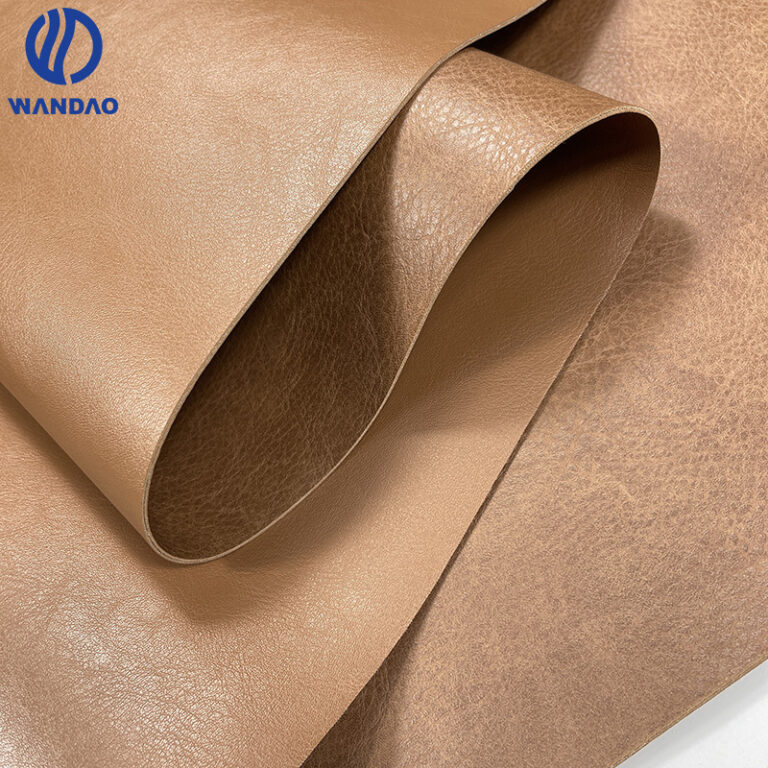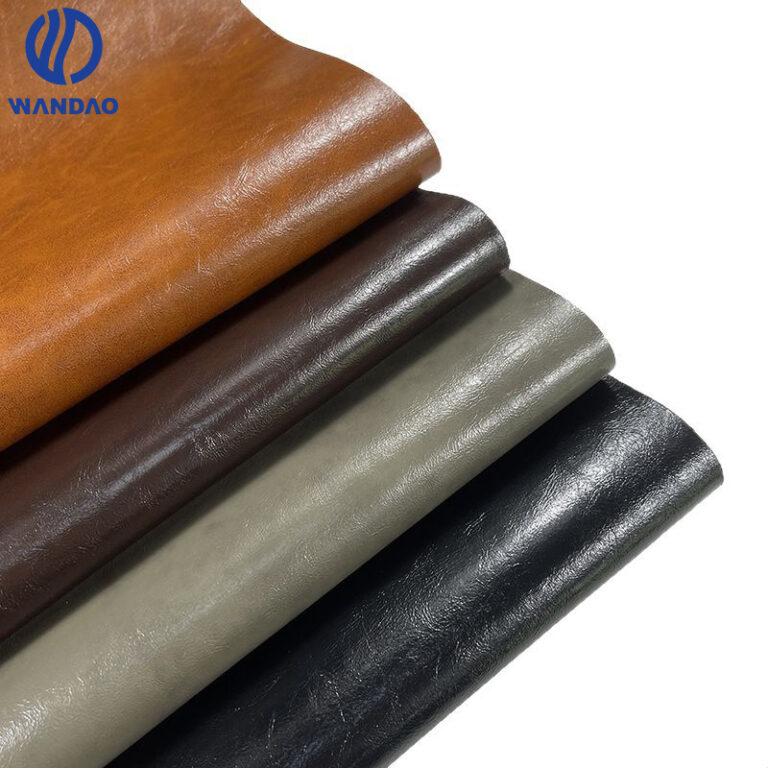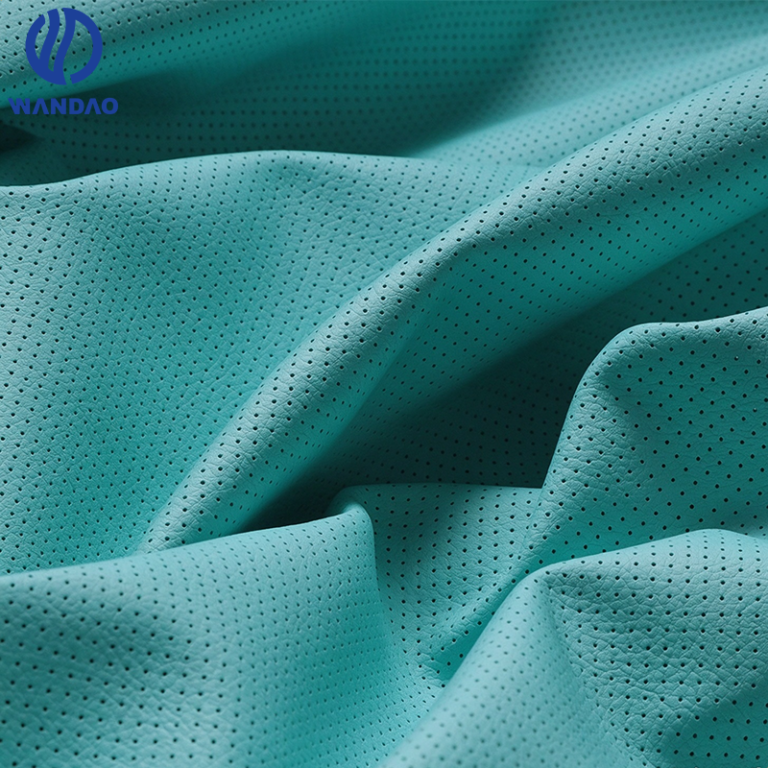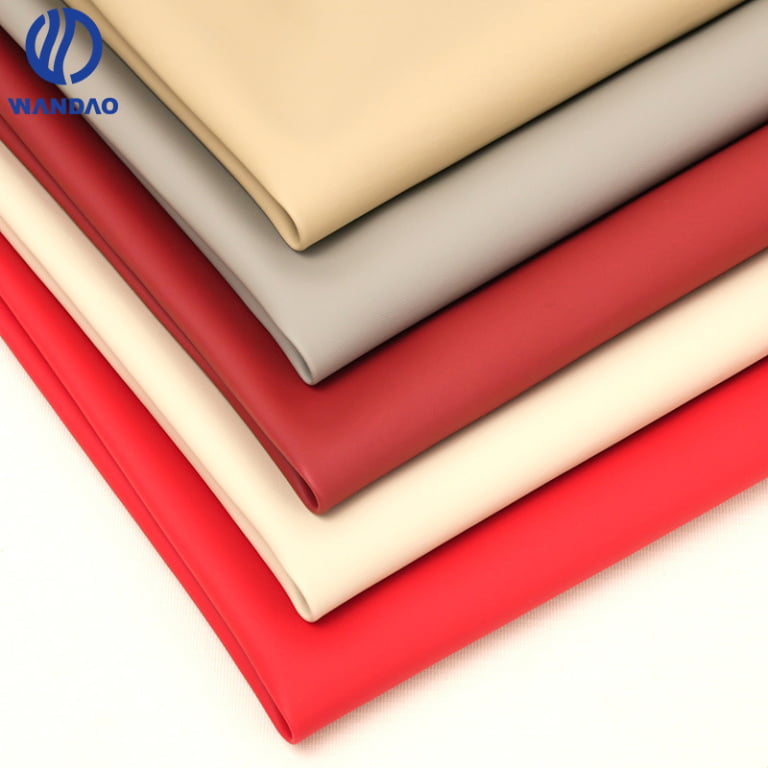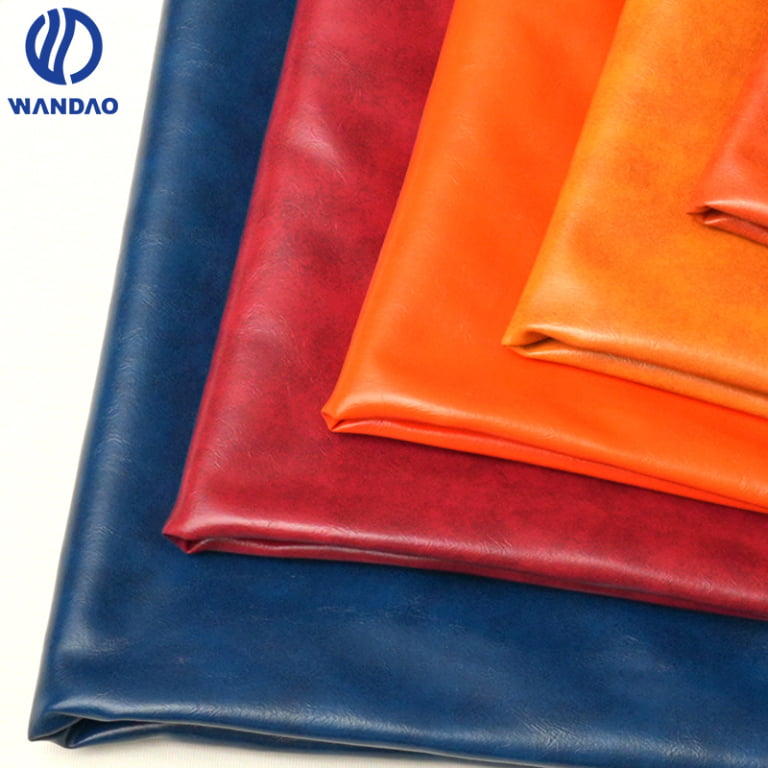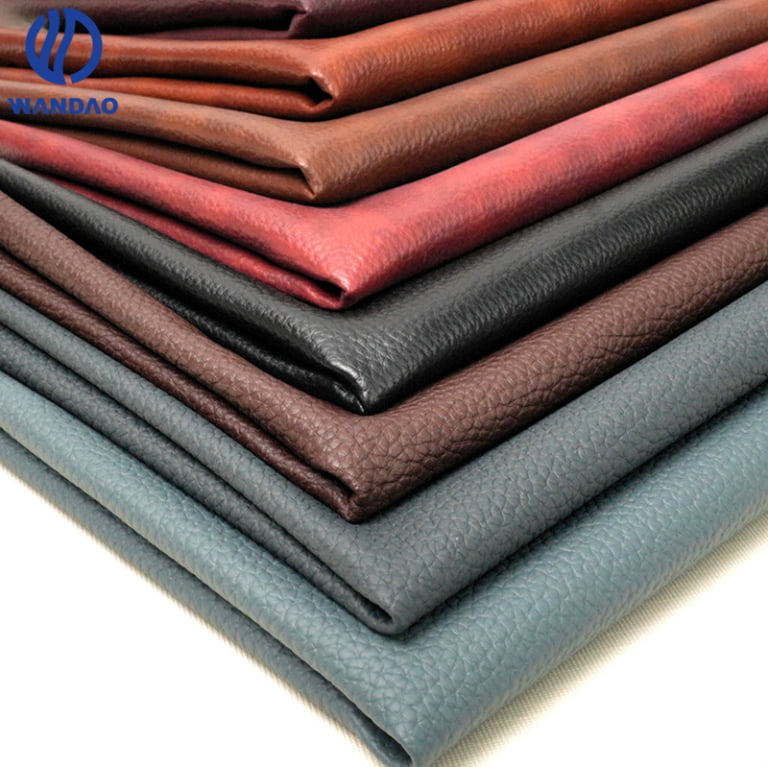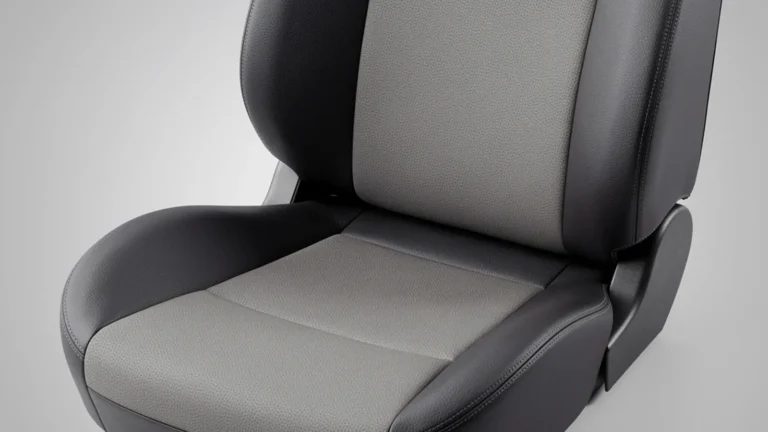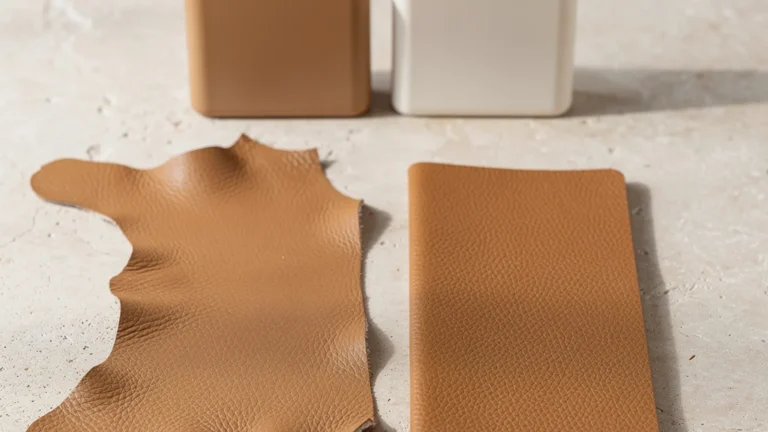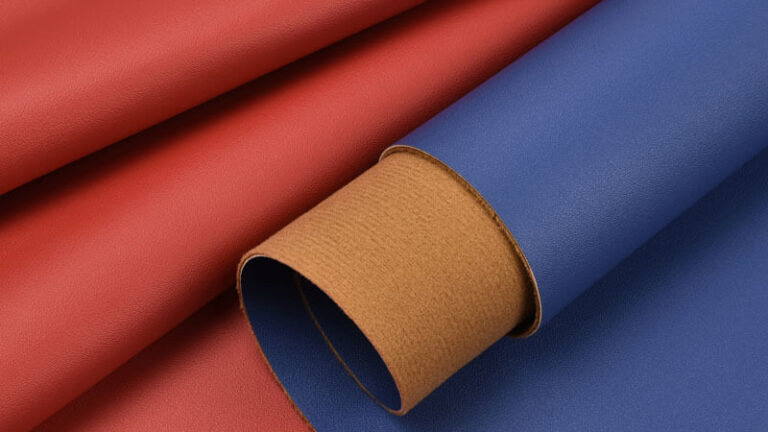
What is vegan leather? Vegan leather is an animal-free material designed to provide the appearance and function of traditional leather. Most commercial products are made from PVC, polyurethane (PU), microfiber-based PU, or newer plant-based composites. However, the term “vegan” does not confirm durability, biodegradability, chemical compliance, or suitability for furniture and automotive seating.
Why Buyers Ask What Vegan Leather Really Is
Furniture manufacturers, automotive seat suppliers, and synthetic leather traders often receive requests for “vegan leather” without a complete technical specification. The term sounds clear, but it can describe several materials with very different structures, prices, and performance levels.
A soft PU leather developed for bags may not withstand the heat, humidity, repeated compression, and cleaning conditions of a sofa or vehicle seat. A plant-based material may contain renewable fibers but still depend on a synthetic binder, textile backing, or protective coating.
For buyers, the main question should not be only whether a material is vegan. The more useful questions are:
- What polymer or coating system is used?
- What type of backing fabric is underneath?
- Which application was the material developed for?
- Which physical and chemical tests has it passed?
- Can the same construction be reproduced in bulk production?
Buyer recommendation
Do not use “vegan leather” as the complete purchase specification. Request the coating type, backing, thickness, width, surface finish, test methods, and intended application.
What Is Vegan Leather?
Vegan leather describes leather-like materials made without animal hides or skins.
Most products are engineered as layered materials. A typical construction may include a protective topcoat, a printed or embossed surface layer, a PVC or PU coating, an adhesive layer, and a woven, knitted, nonwoven, or microfiber backing.
The word “vegan” does not describe one fixed chemical composition. It may refer to:
- PVC-coated fabric
- PU-coated fabric
- Microfiber synthetic leather
- Silicone-coated fabric
- Plant-fiber and polymer composites
- Fungal, cellulose, or other bio-based materials
The terminology should also be used carefully. ISO 15115 provides vocabulary for the leather industry, while coated fabrics and synthetic materials are evaluated under different standards from animal leather. Buyers should therefore confirm whether a test method applies to leather, coated fabric, textile, or the complete finished component.
Reference: ISO 15115:2019 — Leather vocabulary.
Buyer recommendation
Ask the supplier to identify every main layer of the material rather than providing only a marketing name.
Main Types of Vegan Leather
The main difference between vegan leather types is the surface polymer and supporting structure.
PVC Vegan Leather
PVC leather normally uses a plasticized polyvinyl chloride coating over a textile backing. It can provide stable embossing, good water resistance, easy cleaning, and competitive production cost.
It is commonly considered when the buyer needs a firm hand, consistent surface appearance, or economical mass production. Its limitations may include lower breathability, a more plastic-like touch, and additional attention to plasticizers and restricted substances.
PU Vegan Leather
PU leather uses a polyurethane surface system over woven, knitted, nonwoven, or microfiber backing. It can provide a softer touch, better drape, and a more natural-looking grain than many conventional PVC constructions.
However, PU quality varies significantly. Resin chemistry, coating thickness, topcoat, backing, and hydrolysis resistance all affect performance. A low-cost PU material developed for fashion accessories should not automatically be used for furniture or automotive seating.
Microfiber Vegan Leather
Microfiber leather generally combines a dense microfiber nonwoven structure with a PU system. Its backing can provide better dimensional stability, tear strength, seam performance, and a more leather-like internal structure.
It is worth considering when standard coated fabric cannot provide enough strength, recovery, or premium hand feel. The main trade-offs are higher cost, more complex development, and potentially higher minimum production quantities.
Plant-Based and Bio-Based Leather Alternatives
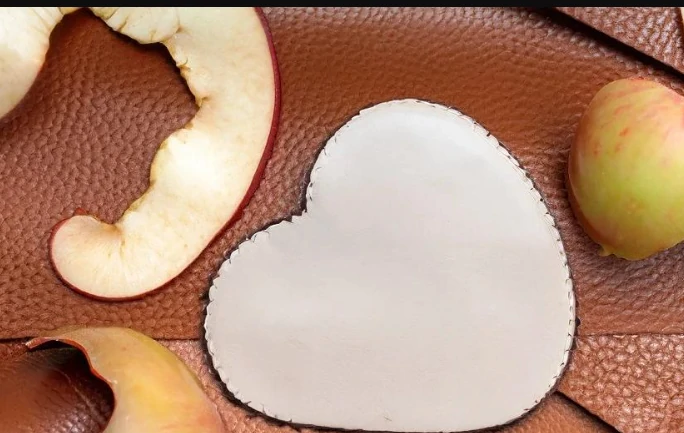
Plant-based alternatives may use cactus, pineapple leaves, apple residues, grape waste, cellulose, fungal mycelium, or other renewable raw materials.
These materials can reduce fossil-derived content, but the complete sheet may still contain PU, another polymer binder, adhesive, backing fabric, or protective coating. A plant-based description does not automatically mean plastic-free, biodegradable, or compostable.
Peer-reviewed research shows that bio-based leather alternatives are developing quickly, but their composition, durability, and production maturity vary considerably. Reference: Trends in Biotechnology review of bio-based leather alternatives.
| Material | Main Advantage | Main Limitation | Typical Selection Reason |
|---|---|---|---|
| PVC leather | Cost control and surface consistency | Firm hand and chemical concerns | Easy-clean and economical products |
| PU leather | Soft hand and flexible surface | Quality and aging resistance vary | Furniture, bags, footwear, and soft surfaces |
| Microfiber leather | Dense structure and better backing performance | Higher cost and development difficulty | Premium or demanding applications |
| Bio-based alternative | Renewable-content potential | Composition and long-term data may be limited | Sustainability-focused product programs |
Common Applications of Vegan Leather
Vegan leather is used across many industries, but each application requires a different material construction.
Furniture Upholstery
Residential sofas usually emphasize softness, grain appearance, color consistency, and comfortable touch. Contract furniture for hotels, restaurants, offices, clinics, and public spaces may require stronger abrasion, cleaning, stain, seam, and flammability performance.
Automotive Seats and Interior Trim
Automotive materials may need resistance to heat, humidity, cold, light, abrasion, sweat, sunscreen, cleaners, odor, fogging, and volatile organic compounds. A material described as automotive grade should be supported by reports matching the buyer’s actual program requirements.
Bags and Fashion Accessories
Bag materials normally focus on hand feel, grain, color, cutting performance, folding, edge finishing, and cost. These materials may not need the same heat-aging or repeated-compression performance required for seating.
Footwear
Shoe upper and lining materials require controlled flexing, adhesion, tear strength, colorfastness, and surface durability. Intertek lists flex cracking, colorfastness, adhesion, waterproof properties, and restricted-substance testing among its footwear and leather-goods testing services.
Reference: Intertek footwear and leather-goods testing.
Buyer recommendation
Tell the supplier the final application before requesting samples. Do not assume that one vegan leather construction can be used for furniture, car seats, bags, and shoes.
Key Specifications Buyers Should Confirm
A reliable quotation should describe the physical construction of the material, not only its color and grain.
| Specification | Why It Matters | What the Buyer Should Confirm |
|---|---|---|
| Thickness | Affects hand feel, sewing, wrapping, weight, and structure | Nominal thickness, tolerance, and test method |
| Roll width | Affects cutting efficiency and material consumption | Usable width rather than total edge-to-edge width |
| Backing fabric | Controls stretch, strength, sewing, and dimensional stability | Woven, knitted, nonwoven, or microfiber structure |
| Grain and finish | Affects appearance, gloss, touch, and cleaning performance | Embossing pattern, gloss level, print, and topcoat |
| Color | Different pigments and finishes may change performance | Color standard, light source, and batch tolerance |
| MOQ | Depends on coating, backing, color, and production setup | MOQ for stock material and custom production separately |
Thickness
A thicker material is not automatically stronger or more durable. Strength also depends on the backing, coating structure, adhesion, and topcoat. Buyers should specify an acceptable tolerance rather than requesting only one nominal figure.
Roll Width
Usable width affects nesting and cutting yield. Buyers should confirm whether the quoted width excludes damaged or uncoated edges.
Backing Fabric
Knitted backing generally provides more stretch and can fit curved upholstery components. Woven backing normally provides stronger dimensional control. Nonwoven and microfiber structures can provide different combinations of stability, softness, and strength.
Grain and Surface Finish
Two materials can use a similar grain but perform differently because of differences in topcoat, resin, backing, and coating weight. Surface appearance should therefore be approved together with the complete construction.
MOQ
MOQ may be controlled by resin-mixing volume, backing-fabric purchasing, release paper, embossing equipment, color-change waste, coating-line setup, and custom topcoat production.
When the requested quantity is below the custom MOQ, the supplier may recommend an existing backing, available grain, similar stock color, or standard coating construction.
Supplier and Factory Insights
Factories specializing in furniture, automotive, bags, and footwear do not necessarily produce the same type of synthetic leather.
A bag-leather factory may focus on color, texture, folding, printing, and edge-finishing performance. A furniture supplier needs stronger knowledge of backing stretch, upholstery behavior, abrasion, cleaning, and aging. Automotive programs normally require tighter process control and more application-specific testing.
Backing Selection Often Causes Sampling Problems
Buyers sometimes approve the surface appearance but do not confirm backing stretch. During upholstery, excessive stretch may cause deformation or bagging, while insufficient stretch may make curved sections difficult to cover.
Custom Color Can Affect More Than Appearance
Changing pigments, topcoats, gloss, or printing can affect rubbing resistance, surface adhesion, and restricted-substance results. A report for one color should not automatically be assumed to cover every color in the range.
Laboratory Samples May Differ from Bulk Production
A small sample may be produced with an available backing or manual color adjustment. Bulk production requires full-width backing, production-scale resin preparation, coating-line settings, release paper, and controlled drying.
Testing Must Match the Actual Material
ISO 5470-2 covers wet and dry Martindale abrasion testing for coated surfaces, while ISO 7854 covers repeated flexing of coated fabrics. ISO 1419 provides accelerated-aging methods for rubber- or plastics-coated fabrics.
- ISO 5470-2:2021 — Martindale abrasion
- ISO 7854 — Flex resistance of coated fabrics
- ISO 1419:2019 — Accelerated aging
These tests compare materials under stated laboratory conditions. They should not be converted directly into a fixed number of service years unless a validated application-specific correlation exists.
Questions to ask before ordering
Ask which application the factory normally serves, which tests are performed, whether the sample represents the final production construction, and which specification changes would require a new production run.
When Vegan Leather May Not Be the Right Choice
Vegan leather should not be selected when the proposed construction cannot meet the product’s actual performance or environmental requirements.
Additional evaluation or another material may be needed when:
- The product requires verified long-term outdoor weather resistance.
- The seat will face continuous heat and humidity without aging data.
- Strong disinfectants or aggressive cleaners will be used frequently.
- The program requires complete biodegradability or plastic-free construction.
- The supplier cannot disclose the coating and backing structure.
- The environmental claim is not supported by composition data.
- The available order quantity is below the controlled production MOQ.
- The application requires automotive or contract-furniture tests the material has not completed.
- Natural patina, repairability, or decades of service are central product requirements.
The alternative does not always need to be animal leather. Buyers may consider another PVC formulation, higher-grade PU, microfiber leather, silicone-coated material, textile upholstery, or a different backing and topcoat combination.
Buyer recommendation
Reject an unsuitable construction rather than rejecting the entire vegan leather category. A different coating, backing, or surface system may solve the problem.
Frequently Asked Questions About Vegan Leather
No. PU leather is one type of vegan leather. Vegan leather may also include PVC leather, microfiber synthetic leather, silicone-coated fabric, and plant-based composites. Buyers should confirm the actual surface polymer, backing fabric, thickness, finish, and intended application.
Not automatically. Animal-free composition and environmental performance are different issues. PVC and PU materials may contain fossil-derived polymers, while plant-based alternatives may still use synthetic binders or coatings. Sustainability claims should be supported by composition, production, service-life, and end-of-life information.
Some products may reduce plastic content, but many still contain PU, another polymer binder, textile backing, adhesive, or protective topcoat. Buyers should ask whether the stated plant percentage is calculated from the full material weight or only one layer.
Neither material is always better. PU may be preferred for softer touch and flexible surfaces. PVC may be suitable when cost, easy cleaning, water resistance, or a firmer structure is more important. The decision should be based on the final application and verified test results.
Not without additional qualification. Automotive seats may require heat, humidity, cold, light, abrasion, fogging, odor, VOC, sweat, sunscreen, cleaner, and flammability testing. A furniture material should only be used when it meets the specific vehicle or component requirements.
Provide the final application, target thickness, backing preference, grain, color standard, hand feel, required tests, destination market, estimated order quantity, cleaning conditions, and expected production date. More complete information allows the supplier to recommend a suitable construction instead of sending only a visually similar sample.