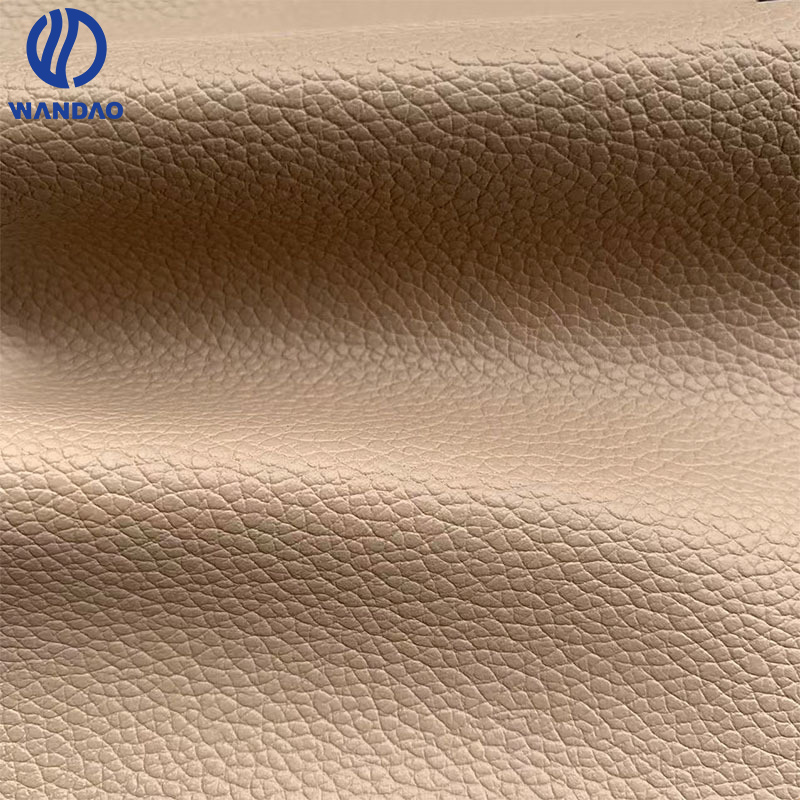
Banquette upholstery material should be purchased against an approved modular cover plan when a project includes long seating runs. Define the seat and back sections, visible junctions and intended replacement units before calculating material or ordering spare stock. The key decision is not simply which surface looks suitable on a swatch: it is whether the proposed material can be cut, assembled and later replaced in the actual banquette layout without creating unresolved fit or appearance problems.
Choose the unit that the operator expects to replace
A long banquette may appear continuous while being built from multiple frames, pads or upholstered panels. Those boundaries do not necessarily coincide. Ask the furniture designer and operator to identify what should be replaceable: a seat pad, an individual back panel, a complete module or an entire cover assembly. Record that decision on the drawing.
Do not call the design serviceable merely because a zipper or removable panel exists. A useful replacement unit must be accessible in the installed arrangement through the manufacturer’s approved procedure. Its neighbours, fixing interfaces and decorative details also need consideration. The material plan should follow that service design rather than inventing one.
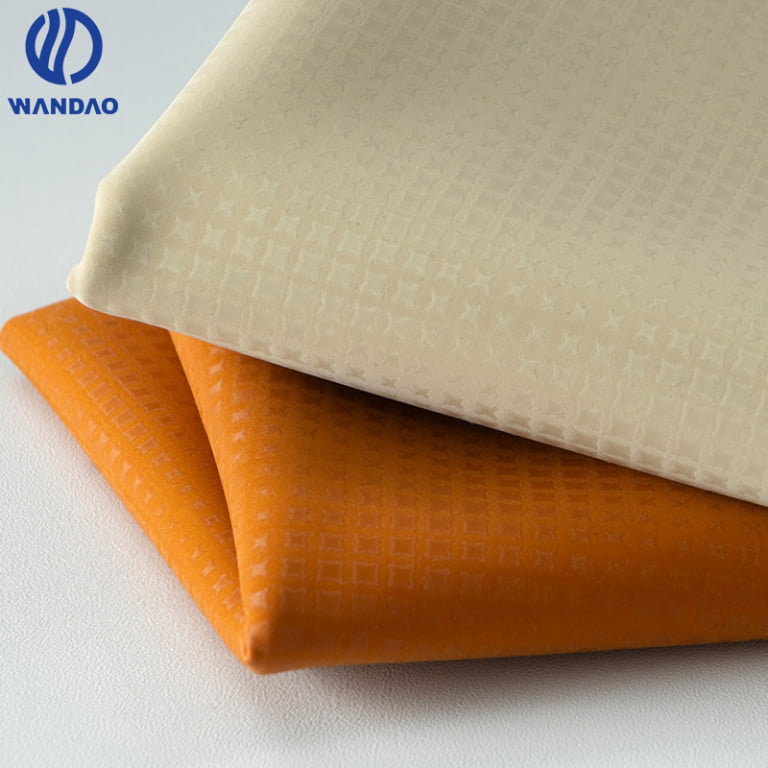
For a silicone-faced candidate, begin with the silicone furniture upholstery range and specify the actual panel construction. This article does not assume that every silicone material has the same cleanability or durability. Those properties require their own product-specific evidence and are separate from proving a modular cover plan.
Map banquette upholstery material to the installed run
Assign a location code to each straight section, corner, end panel and special module. Distinguish seat covers from back covers even when they use the same material. Include exposed ends and returns rather than counting only the seating face. A long run should be traceable as a set of manufactured and installed components.
Use the plan to identify which junctions are deliberately visible and which are intended to read as continuous. Record channel alignment, seam position and material direction where applicable. This gives the cutting and sewing teams an appearance target that corresponds to the installation, not just to isolated modules on a factory bench.
| Project item | Decision before cutting | Record for later service |
|---|---|---|
| Straight seat module | Separate pad or joined cover? | Cover pattern and installed location |
| Back panel | Independent replacement boundary? | Panel code and approved interface |
| Inside or outside corner | Special pattern and junction arrangement? | Handed drawing and first-article reference |
| Exposed end | Material coverage and visible return? | End-specific kit contents |
| Spare stock | Roll material, cut pieces or finished covers? | Identity, storage instructions and intended use |
Make the junction a sample requirement
A single module cannot show how two upholstered sections meet. Request a representative adjacent pair, including the actual seat-to-back relationship and at least one critical junction. If the project contains a curved or corner detail, decide whether it needs a separate sample. Do not approve every special geometry by extrapolating from one straight panel.
Review the agreed seam alignment, relative heights, gaps and visible surface direction. Distinguish an upholstery discrepancy from an underlying frame or installation difference. The inspection record should identify which team owns a correction. Otherwise the material supplier may be asked to solve a fit issue that originates elsewhere in the assembly.
Keep the appearance reference tied to the intended room viewpoints and lighting. A junction that looks acceptable from directly above may look different along the full seating run. Record the agreed observation positions rather than demanding that every joint be invisible from every possible angle. Acceptance should be specific enough for the installer to reproduce.
Prove replaceability with an actual service mockup
Ask the furniture manufacturer to demonstrate replacement of the proposed unit using its approved procedure. Use a representative installed arrangement, including access constraints. Record what must be removed, what remains in place and whether neighbouring upholstery is disturbed. This is a development check, not a general instruction to dismantle furniture.
After fitting the replacement, inspect its appearance with the adjacent original sections. Check the identified junctions again. A cover that can be physically installed but requires unplanned changes to the surrounding panels has not met the original modular-service objective. Route the issue back to the furniture design and cover development teams.
Record observed labour and materials for the trial without promoting them as a guaranteed future saving. A lifecycle cost comparison would also need assumptions about damage frequency, inventory, labour rates, downtime and appearance expectations. Modular construction can be evaluated as an option; it is not automatically the least-cost solution for every venue.
Calculate material from the module schedule
Once the patterns are approved, calculate the number of each cover family from the installed plan. Separate straight modules from corners and exposed ends. Use full-size cutting layouts with the agreed usable width and orientation. A linear measurement of the seating run is not, by itself, a complete upholstery quantity.
Suppose a conceptual layout contains repeated straight modules plus a special corner. Keep the corner’s pattern and quantity visible in the estimate rather than absorbing it into an average metres-per-seat figure. The same principle applies to a project with multiple seat depths or back heights. A simple average can hide the very components that create a shortage.
Count complete cover kits as well as total cut pieces. If the cutting layout produces spare back pieces but not the corresponding seat covers, it has not created complete replacement modules. Describe the spare stock honestly according to what it can supply. This also makes the quotation easier to compare with another supplier’s differently structured reserve.
Allocate appearance groups and service stock deliberately
Mark the panels that will be seen next to one another and review candidate material together before cutting. Keep the roll and kit identities through sewing and installation. A repeated item code is useful identification, but it is not a substitute for checking the actual pieces intended for a continuous visible run.
Decide whether the operator wants reserve rolls, cut panel sets or finished replacement covers. Each option has different dependencies. Finished covers depend on a stable pattern and assembly revision; uncut material still requires later manufacturing. The correct choice follows the service plan, storage conditions and expected revision control, not a universal spare percentage.
Retain a reference to the original installation appearance, while recognising that a future spare should still be compared with the existing seating before use. Do not promise an imperceptible match after unknown service exposure. Define who approves the replacement appearance and how a wider replacement scope would be authorised if needed.
Keep performance evidence separate from the service layout
The Association for Contract Textiles’ specification guidance emphasises that intended end use requires considerations beyond appearance and budget. For this project, keep the modular-cover approval alongside, rather than in place of, the separate material and finished-furniture requirements.
Request evidence relevant to the actual surface, construction and contract. A material report does not establish access for panel replacement, and a successful replacement demonstration does not establish stain, fire or structural performance. Assign each requirement an evidence owner so the project does not confuse a good service detail with complete product approval.
When comparing broader furniture upholstery material options, hold the module brief constant. If a substitute requires different patterns, joins or handling, cost and approve those changes openly. Do not treat a lower roll price as a like-for-like saving when it changes the manufactured cover or service plan.
Issue a release pack usable by both factory and operator
Include the installed module map, cover drawings, material identity, approved junction sample, cutting basis and spare-stock schedule. Attach the manufacturer’s service procedure and the mockup record. Keep location codes visible on packaging so the installer can place the intended kits without sorting visually similar covers by guesswork.
Specify change triggers: revised module geometry, material construction, panel direction, joint design or replacement boundary. A later design revision should update the service inventory as well as the production drawing. Otherwise a warehouse can hold apparently correct spares that no longer fit the current banquette.
For a material sampling brief, send Wandaoleather the banquette module plan and intended replacement unit. Include the largest cover patterns, visible junctions and proposed surface requirements so material review supports the actual long-run seating design.
Frequently Asked Questions
Is seating-run length enough to calculate material?
No. Use the actual seat, back, corner and end-cover patterns with their quantities and approved cutting layout. Run length alone does not identify every upholstered surface or special component.
Does a removable cover prove that a banquette is easy to service?
No. Demonstrate replacement in a representative installed arrangement using the manufacturer’s procedure. Check access, effects on neighbouring sections and the appearance after the replacement is fitted.
Should every project hold finished spare covers?
Not necessarily. Compare finished covers, cut kits and reserve material against the service plan, storage instructions and pattern stability. State exactly which replacement units the chosen stock can supply.
Why is a two-module sample useful?
It shows the junction and relative appearance that an isolated module cannot demonstrate. Special corners or curves may still need their own representative sample rather than approval by analogy.
Can spare material guarantee an invisible future replacement?
No. Review the replacement against the actual installed neighbours before use. The approval should consider the existing appearance and service history, not rely only on the original item code.
Does modular upholstery automatically reduce lifecycle cost?
No. A cost comparison needs stated assumptions about replacement demand, labour, access, downtime and spare inventory. A service mockup provides project evidence but does not establish a universal saving.