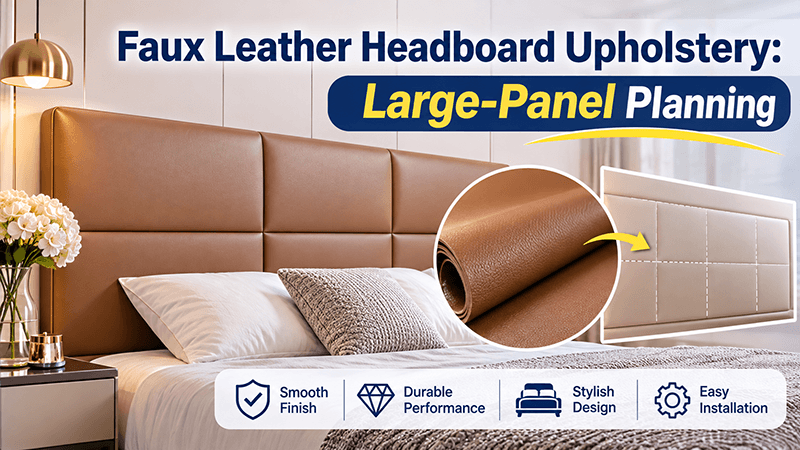
Faux leather headboard upholstery should be specified around the developed cover blank, not only the finished bed width. A broad headboard needs material for its face, edge wraps and approved construction details; channelled or tufted designs need a pattern established by a physical trial. Before ordering rolls, confirm usable width, permitted cutting direction and visible seam locations. Approve the headboard together with its upholstered rails so that a feasible cutting plan also produces an acceptable complete bed.
Start with the largest developed piece
The finished front elevation is a useful design document, but it does not show all the material that the upholsterer needs. Request a developed pattern that includes the face, edge treatment and concealed returns. Identify whether corners are folded, joined or made as separate pieces. Do not add a familiar allowance without checking the proposed construction.
For a plain headboard, first ask whether the full blank fits within the usable roll width in an approved orientation. For a segmented or channelled headboard, identify whether it uses one developed face, individually wrapped channels or a sewn assembly. Those are different cutting and approval tasks even if the finished photographs look similar.
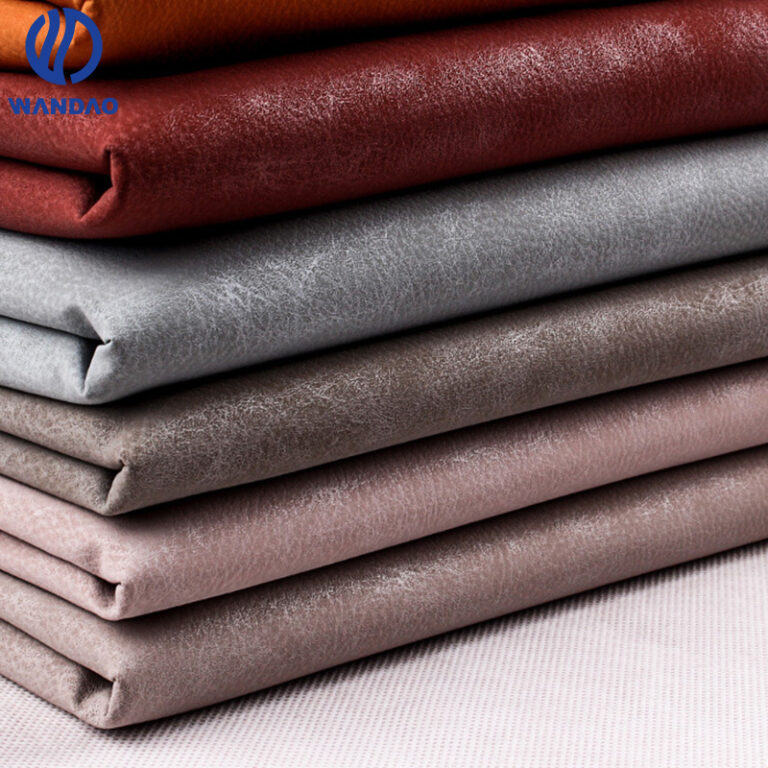
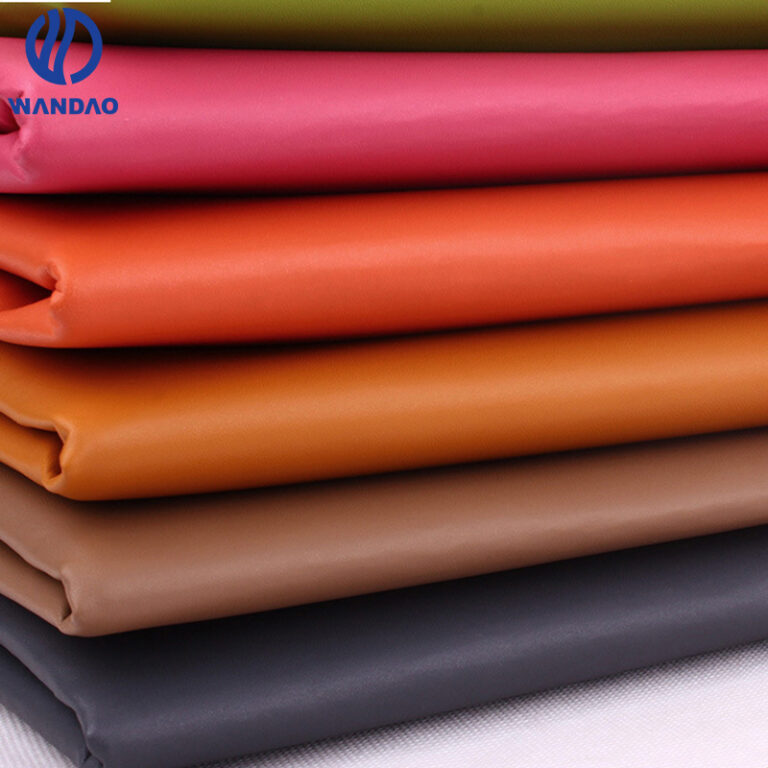
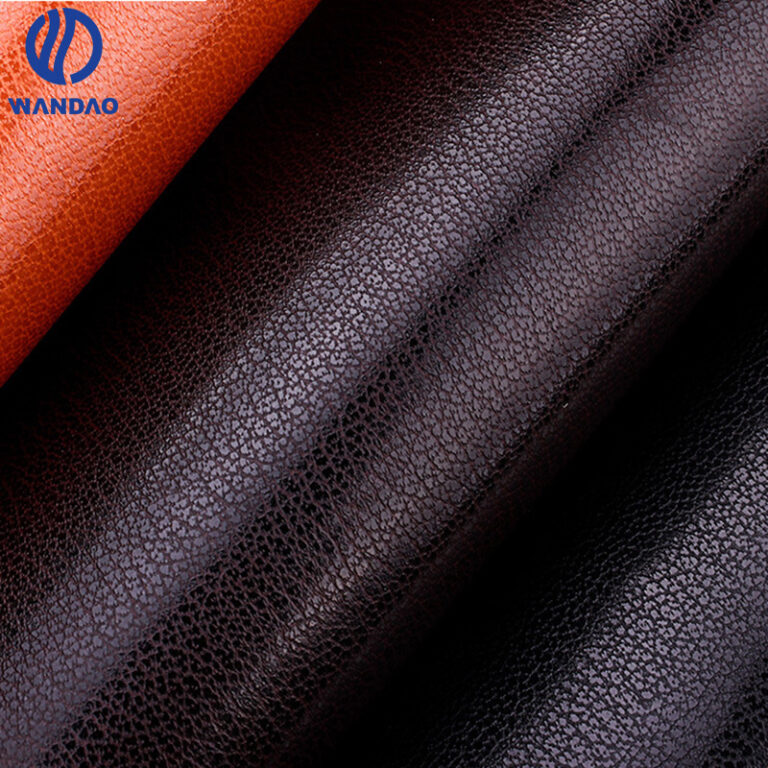
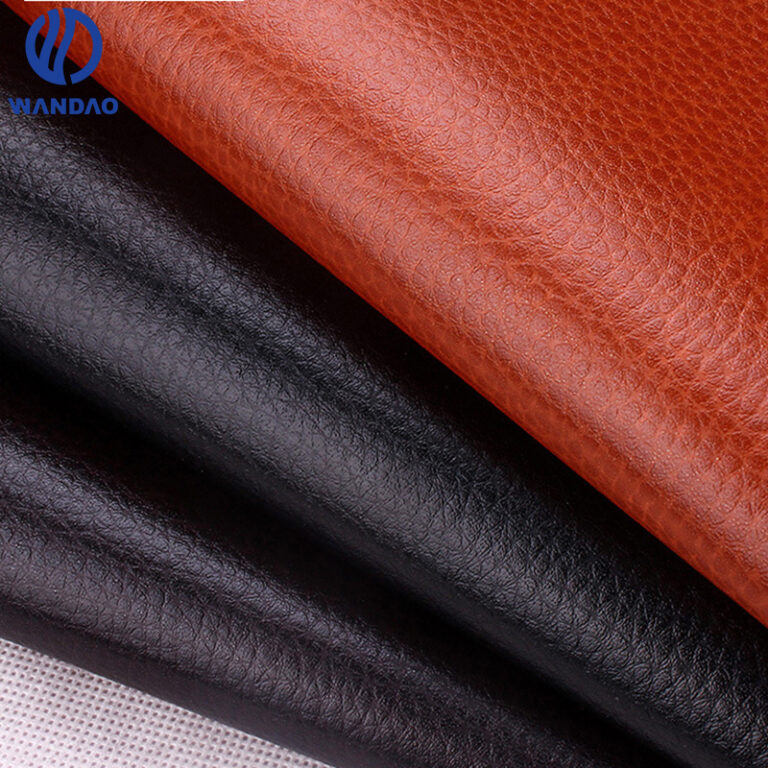
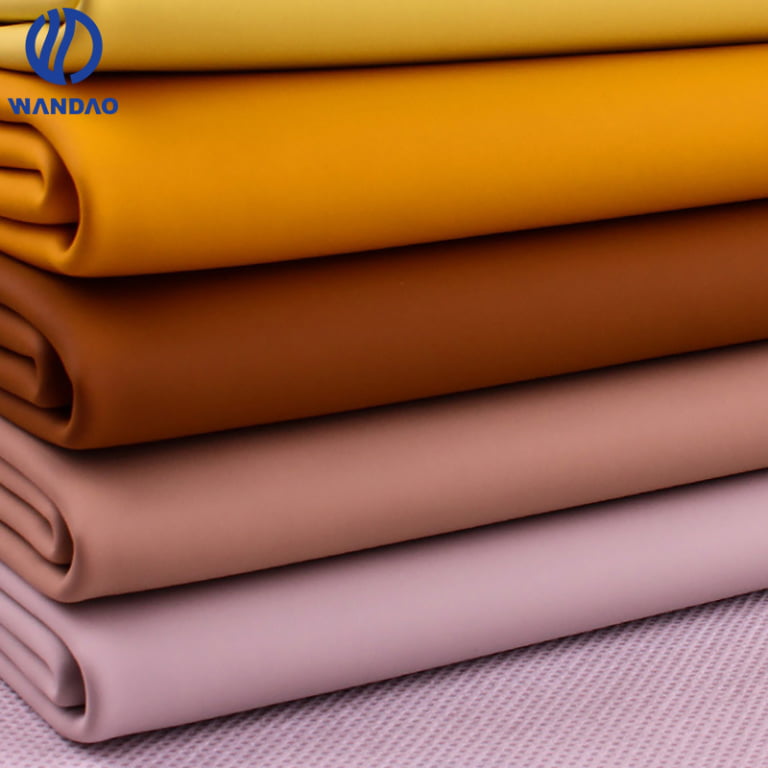
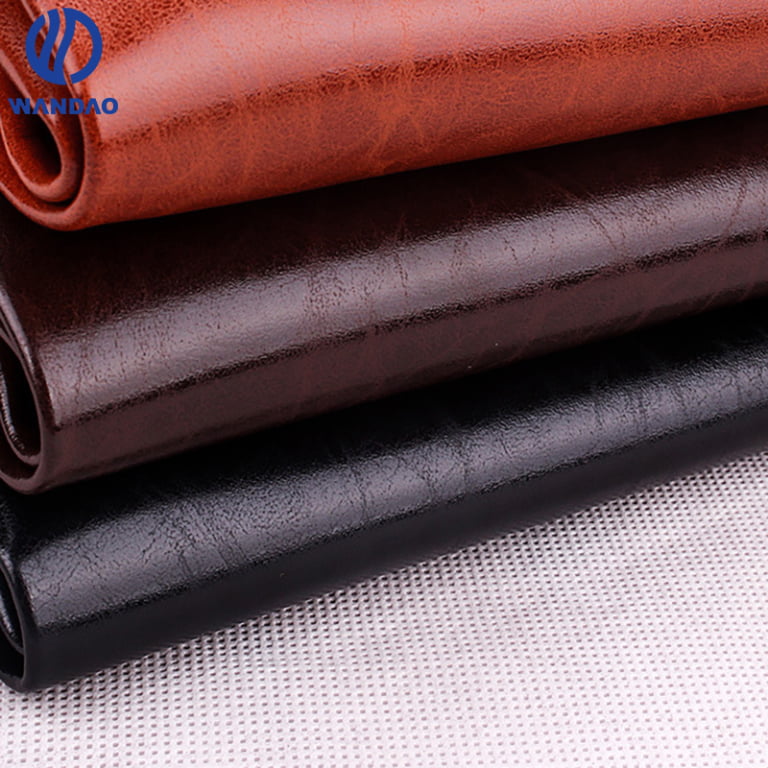
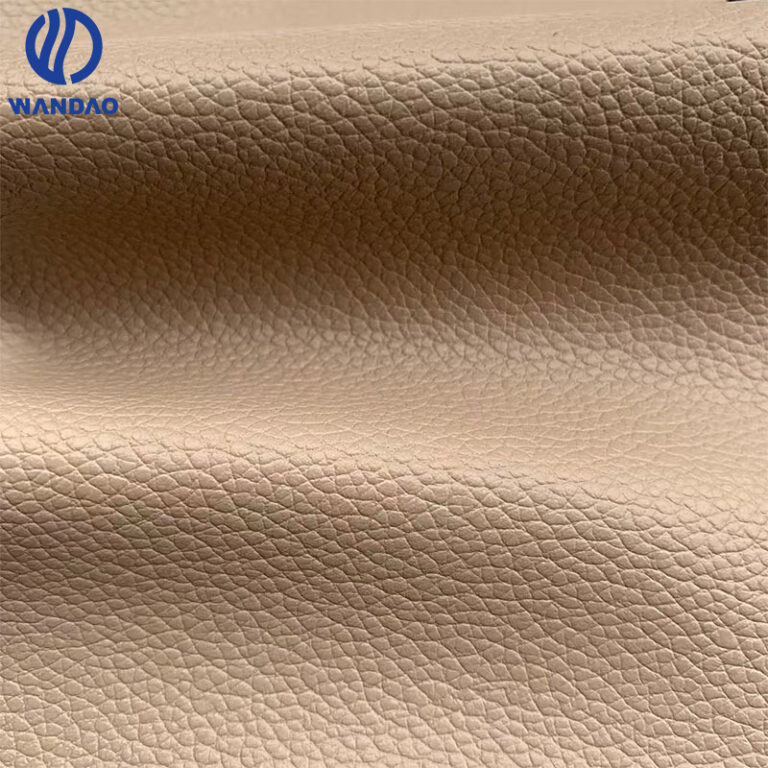
The PU furniture material range provides a starting point for a bed upholstery brief. Send the largest blank and the intended construction with the colour request. An attractive small swatch cannot establish whether a seam-free front is manufacturable at the chosen bed size.
Check faux leather headboard upholstery against usable width
Nominal width belongs on the material data sheet; usable cutting width belongs in the pattern review. Keep both values visible. ISO 2286-1 provides a coated-fabric measurement reference for roll dimensions. It does not determine your edge exclusions, wrap allowance or approved headboard seam plan.
Consider a deliberately simplified example: a developed blank needs 1,420 mm across the roll, but the agreed usable width is 1,380 mm. The 40 mm shortfall is a fit problem, not a waste problem. Buying additional roll length does not make that orientation possible. These figures illustrate the logic only; they are not a specification for a particular supplier’s width or a typical bed.
Rotating the blank may be a candidate solution if its other dimension fits. However, the design team must approve the resulting surface direction and the construction team must validate the orientation. Do not make rotation a silent cutting-room decision. Where rotation is unsuitable, compare another available width or an explicitly redesigned panel arrangement.
| Design condition | Question to resolve | Required approval record |
|---|---|---|
| Single broad face | Does the developed blank fit? | Full-size pattern and usable-width check |
| Vertical channels | How are channels constructed and aligned? | Trial panel with measured development |
| Tufted face | How much material enters the approved detail? | Actual construction trial, not a fixed percentage |
| Upholstered side rails | Do returns and corners fit the rail assembly? | Rail pattern and end-detail sample |
| Visible joins | Are seam location and symmetry intentional? | Signed front elevation and physical appearance sample |
Decide seam locations before the quotation is frozen
A seam introduced after purchasing can change the look that the buyer approved. Put permitted joins on the front elevation, including their relation to the bed centreline, channels, mattress and adjacent rails. Specify which zones must remain uninterrupted and where a join is acceptable. The material estimate can then follow the agreed design rather than creating it.
If a segmented design is being considered, compare complete alternatives. A symmetrical arrangement may require different piece quantities from the most economical unconstrained layout. Show the proposed cutting plan beside a full-size mockup or representative assembly. Avoid promising invisible seams: acceptance should refer to the actual approved appearance.
The inside of a seam also matters to the physical sample. Use the intended backing, seam construction and underlying padding so that the design review is not based on a thin display sample. Keep aesthetic sign-off separate from any required seam or attachment performance validation. A visually successful joint is not proof of every other property.
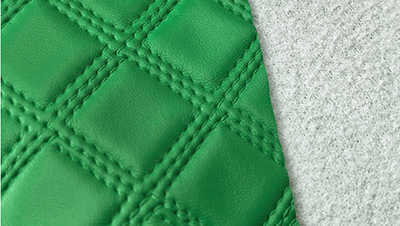
Measure channel and tufting development rather than guessing
For channelled or tufted upholstery, the material travels over and into a shaped construction. The development team should establish that relationship using the intended material, padding, substrate and assembly process. Treat a take-up allowance from another design as a hypothesis to test, not as a universal conversion factor.
Mark reference locations on the trial blank and measure the finished locations after assembly under an agreed procedure. Record both the input dimensions and the resulting channel geometry. If the sample is acceptable, incorporate the measured development into the pattern revision. Keep the trial piece or a controlled reference so the next sampling round starts from evidence.
A short channel sample can help develop a detail, but it may not reveal accumulated alignment error across the full headboard. Once the detail is established, review a representative full-width arrangement. Check the centreline and the end channels together; an apparently small repeated discrepancy can become visible at the outer edges.
Do not force the material to compensate for an unresolved drawing. If the trial needs exceptional hand manipulation that is absent from the production procedure, record it. The buyer needs to approve a repeatable result, not a single carefully rescued sample that the factory cannot reproduce under the quoted process.
Review the broad face under useful lighting
Choose lighting that allows the parties to judge the intended appearance consistently. A diffuse view helps compare the overall surface; an agreed oblique view helps locate visible ridges or waviness. This is a proposed inspection arrangement, not a standardised pass criterion. Define the viewing position and retain the approved sample as the reference.
Photograph the whole headboard and then the named detail zones. Avoid making acceptance decisions from a close crop that hides asymmetry or from an exposure change that alters apparent colour. Where possible, place comparison pieces in the same view. Record whether an observation concerns the surface, the padding profile, a seam or the supporting construction.
Include the side rails in the appearance review. Even when they are physically separated from the headboard, their material direction and edge details belong to the same bed design. Check the transition at corners and the visible returns from the agreed room viewpoints. Do not infer acoustic, fire or structural performance from this appearance trial.
Keep material identity attached to the bed set
Prepare a kit list for each bed size and configuration. Distinguish the headboard face, individual channel pieces, side rails and foot-end upholstery where included. Label the orientation and revision so pieces are not mixed between similar sizes. Keep material roll identification available through cutting and assembly.
When a different bed size is added, review its largest blank and channel arrangement afresh. Scaling the finished dimensions does not automatically preserve a feasible roll layout. A wider version may cross a width constraint, while a taller version may alter where an approved join would appear. Make those checks before extending a quotation to the entire collection.
For comparisons across furniture upholstery constructions, retain the same design brief but do not assume the same development allowance. The trial result belongs to the tested combination. A new backing, surface construction or orientation should be assessed against the pattern rather than substituted solely by matching colour.
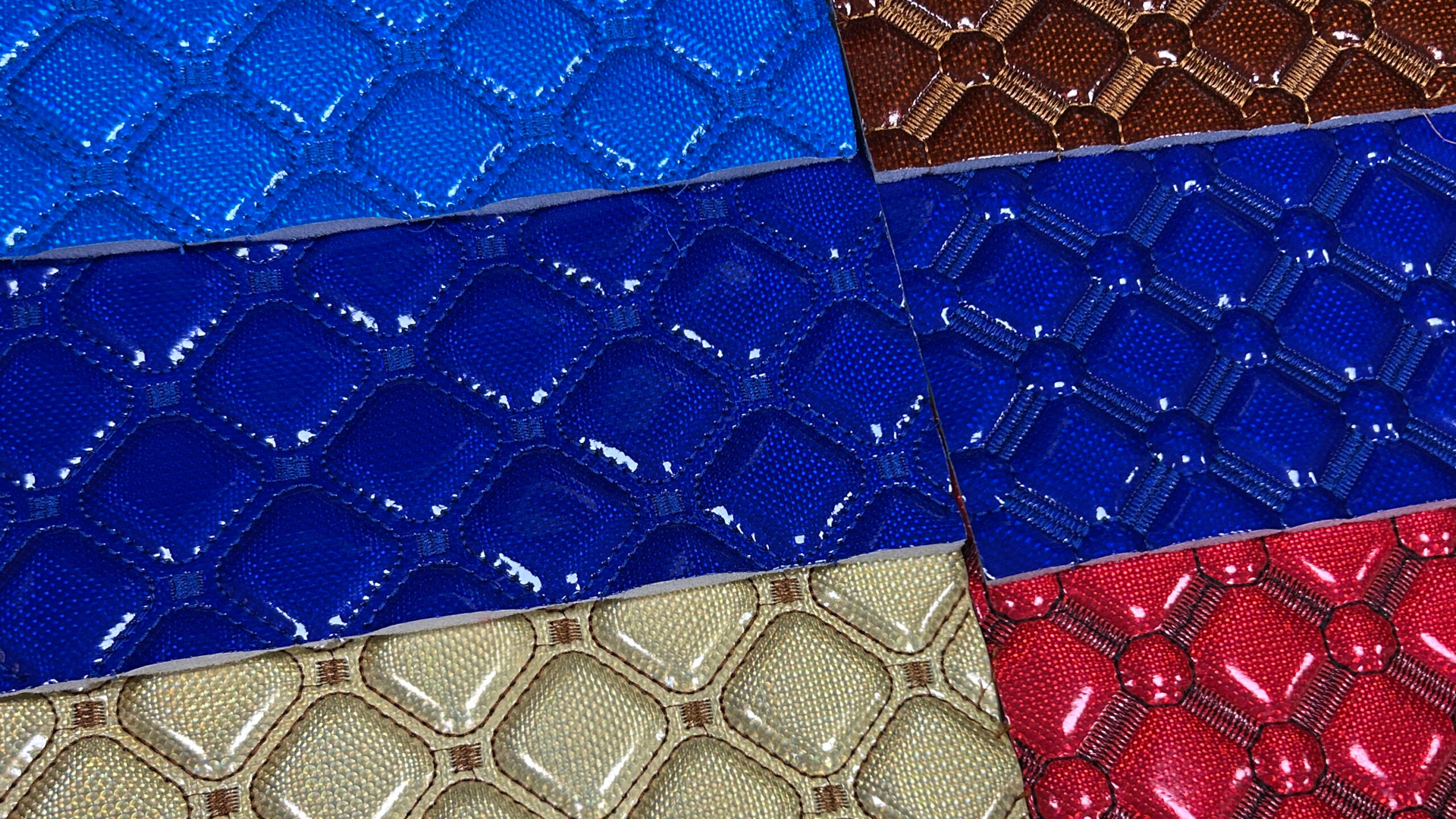
Release a pattern-based purchase brief
The final brief should identify the bed sizes, developed patterns, permitted seams, usable width requirement, material direction, construction sample and appearance reference. State what is included in the material quantity and how prototype material and approved spares are treated. Link each requirement to a drawing or sample revision.
Ask the supplier to flag any mismatch between the requested blank and the proposed roll before production. The purchasing team should not discover a width problem when the upholsterer opens the first roll. Likewise, a request to alter a seam, channel pitch or edge construction should reopen the relevant approval instead of being treated as an equivalent substitution.
For sampling, send Wandaoleather the headboard drawing, largest developed blank and rail details. Include approved material directions and visible seam restrictions so that the discussion addresses the complete bed rather than a colour swatch in isolation.
Frequently Asked Questions
Can a wide headboard always be upholstered from one piece?
No. The developed blank must fit the available usable width in an approved orientation. If it does not, the design needs another width, an approved rotation or a revised panel and seam arrangement.
Does buying more roll length solve a width shortage?
No. Extra length does not increase the width available for a particular blank orientation. Resolve the geometry before placing the order rather than adding material to an infeasible cutting plan.
What allowance should I use for channel tufting?
Establish it with the actual material, padding and construction process. Measure the trial blank and finished detail, then incorporate the accepted result into the controlled pattern revision.
Can the cutting room rotate a headboard blank to improve yield?
Only when that orientation has been approved for appearance and construction. Surface direction and the assembled result should be reviewed before rotation becomes an allowed production option.
Why approve the rails with the headboard?
They form the same visible bed set and can have different edge, return and orientation requirements. Reviewing them together helps expose inconsistencies that a headboard-only sample would not show.
Does an attractive headboard mockup establish fire or acoustic performance?
No. An appearance and construction mockup does not establish those properties. Any required performance claim needs its own applicable evidence for the relevant material or assembly.