Is Faux Leather Waterproof at the Material or Product Level?
Start by identifying exactly what the supplier tested. A flat piece of coated fabric, a sewn panel and a completed shoe are different test objects. Approval of one does not automatically qualify the others.
For example, a purchasing team may receive a sample whose face remains dry on the reverse during a specified water test. That result is useful for the supplied construction. After cutting and sewing, however, the team has introduced openings, exposed edges and new interfaces. Those changes need their own evaluation before a finished-product claim is approved.
In a footwear project, discuss the proposed PU leather for shoe uppers together with the seam design, lining and assembly plan. Material selection and product development should share the same requirement from the beginning.
| What is being assessed? | Useful question | What the result does not establish |
|---|---|---|
| Intact coated sheet | Does water penetrate under the specified conditions? | Performance of stitched or perforated panels |
| Cut and joined component | Do edges, joins or folds introduce leakage? | Performance of every closure and junction in the article |
| Finished shoe or bag | Does water reach the protected interior during the intended exposure? | Performance after untested wear or modifications |
| Conditioned product | Does the defined performance remain after agreed conditioning? | An unlimited service-life guarantee |
Define the Construction Before Comparing Materials
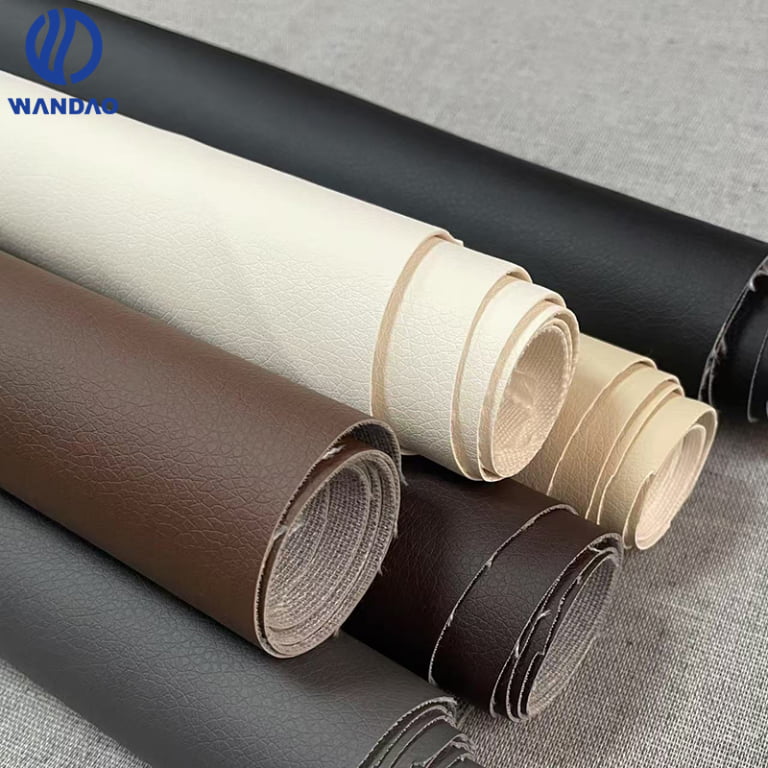
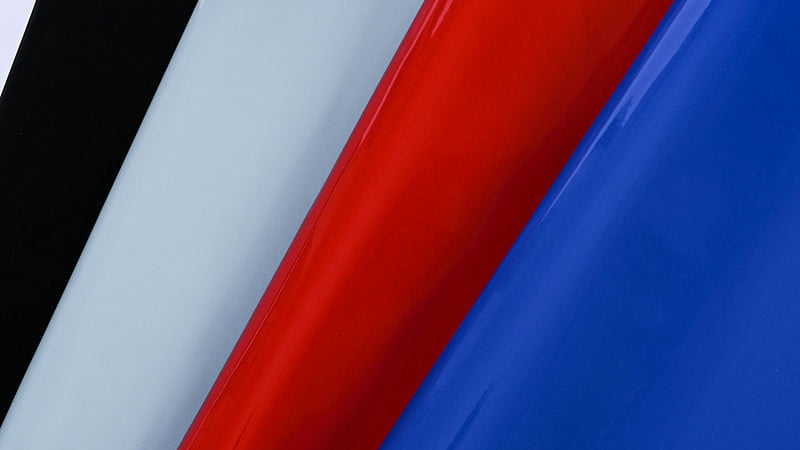
Faux leather describes a leather-like material category rather than one fixed specification. PU-coated fabrics, PVC-coated fabrics and microfiber-based constructions can have different surface layers and supporting structures. The name alone does not disclose coating continuity, backing, perforation or subsequent processing.
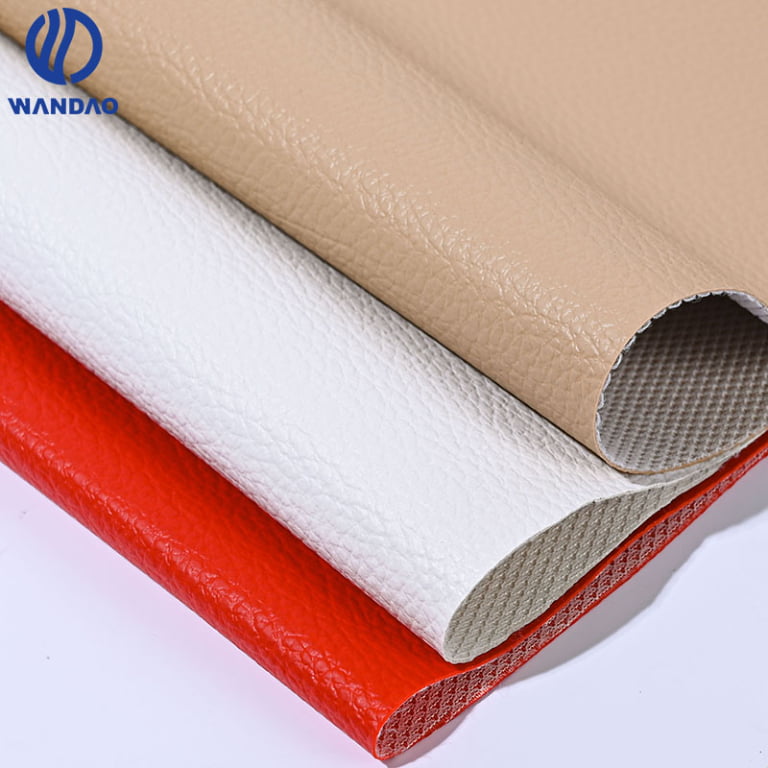
Ask for a construction description covering the face, intermediate layers and reverse. Record the material code, thickness, backing type, finish and whether the supplied sheet is perforated. If the supplier offers a different finish or backing under the same commercial family, treat it as a candidate requiring review rather than an automatically equivalent replacement.
The distinction is especially useful when comparing conventional PU-coated textiles with microfiber leather for shoes. “Microfiber” identifies an aspect of the construction; it does not, by itself, establish a water-resistance rating. Our guide to what microfiber leather is explains the structural terminology separately.
Also distinguish water entering from the outside from moisture generated inside footwear. A complaint that a shoe feels damp needs investigation before the outer material is blamed. The test plan should state whether it assesses external ingress, moisture management or both.
Why Seams and Cut Edges Matter
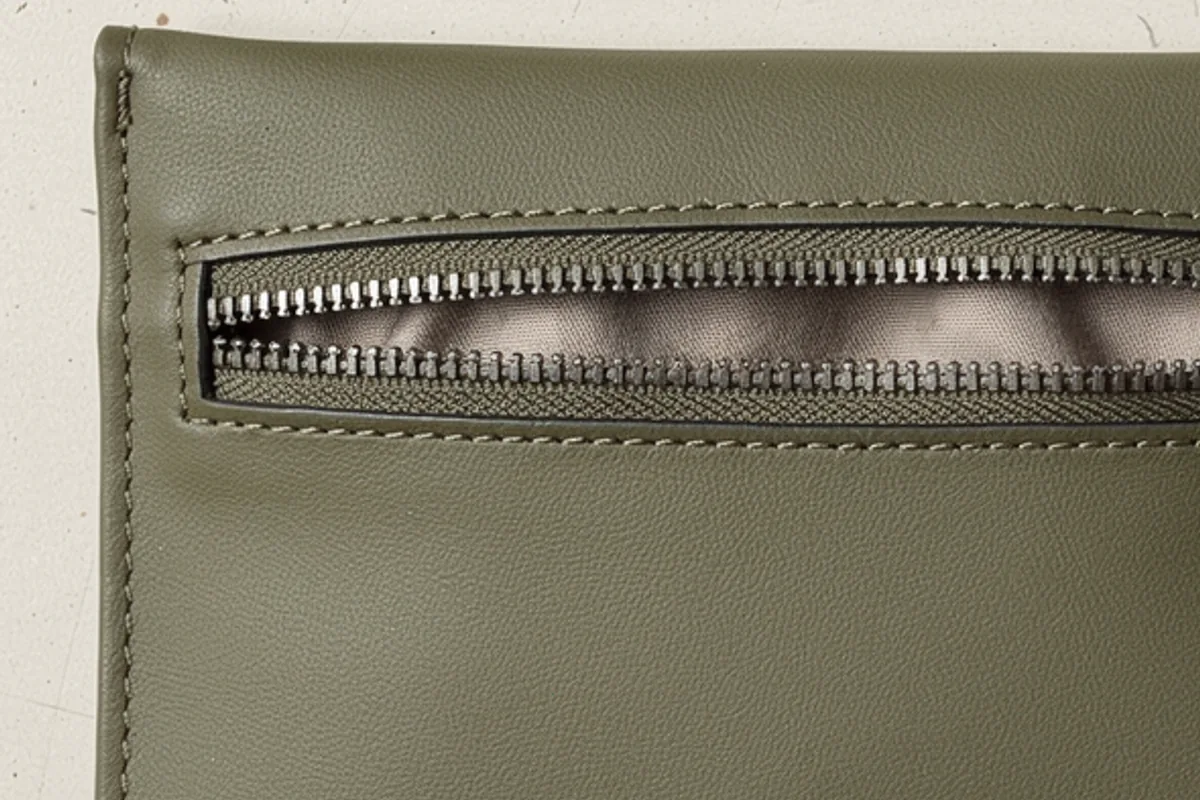
A coated face is only one part of a finished article. Inspect the route water would have to travel to reach the lining or contents. On a shoe, that review includes the upper, tongue area, joins and upper-to-sole connection. On a bag, include the opening, zipper area, handles, seams and base corners.
SATRA’s discussion of whole-footwear water testing identifies edge sealing, seams, wicking and sole-bond integrity as relevant construction factors. This supports testing an assembled shoe as well as its materials. Applying a similar route-by-route inspection to a bag is an engineering recommendation, not a claim that the footwear method applies unchanged to bags.
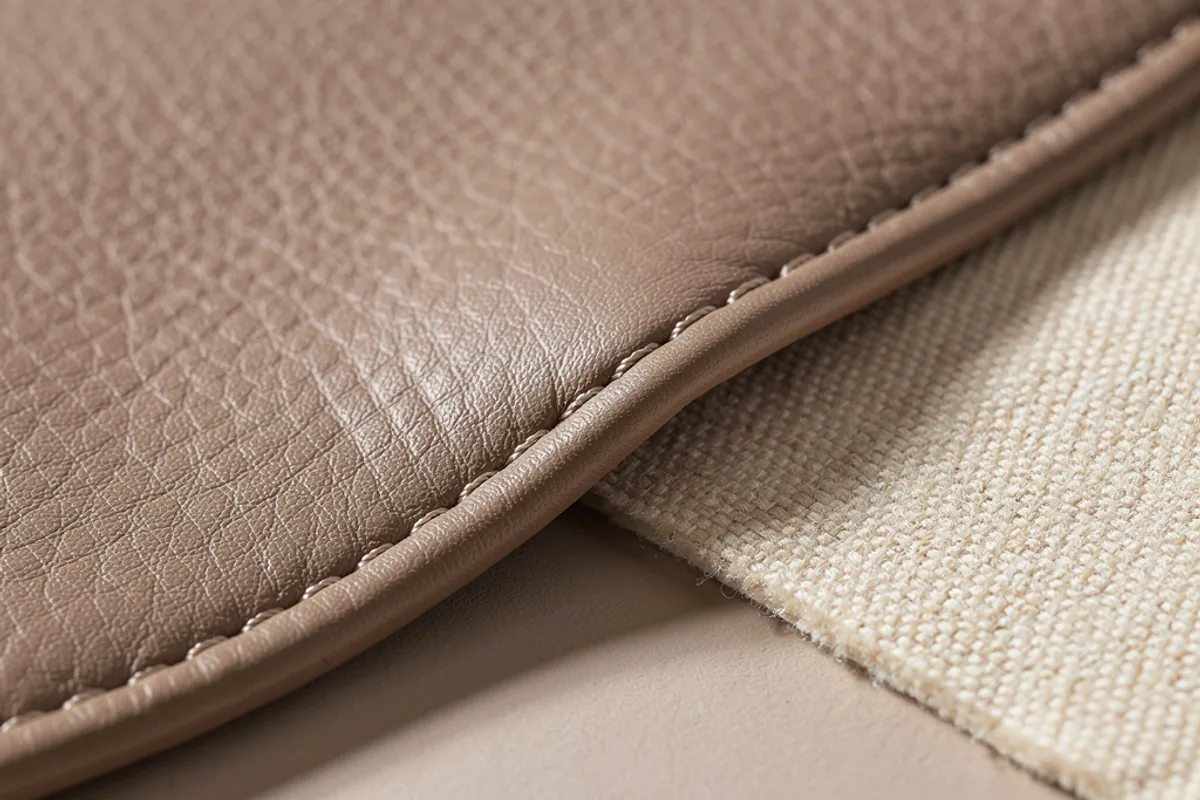
During prototype review, mark suspected entry locations on photographs of the actual article. Record which surfaces were wet and where moisture first appeared inside. That creates a more useful investigation record than “material failed,” particularly when the intact sheet and the assembly give different results.
Do not prescribe one sealing method for every construction. A proposed adhesive, tape, weld or edge treatment must work with the particular surface and production process. Trial the intended combination before treating it as an approved solution.
What a Water Test Can Tell You
Choose the test around the claim and test object. ISO 1420:2016 addresses water penetration through rubber- or plastics-coated fabrics under specified hydrostatic pressure and time. It provides a relevant material-test framework when the specimen falls within its scope.
A report needs more than a standard number and the word “pass.” Ask which method was used, what pressure and duration applied, how specimens were prepared, which side was exposed and what constituted failure. Match the report’s sample description to the proposed order.
For finished footwear, SATRA’s overview of penetration testing describes dynamic whole-shoe assessment and explains why membranes, seams and wicking paths require attention. Let the laboratory confirm the current procedure and appropriate conditions for the particular product. Do not copy a footwear test designation onto a bag specification without establishing applicability.
A supplier demonstration can help explain the product, but it should be filed as a demonstration. A drop sitting on a surface is not a substitute for a documented penetration test or a completed-product evaluation. Keep photographs, reports and approval decisions clearly linked to their actual purpose.
Check Performance After Relevant Conditioning
The condition of the test sample matters. A brand-new sheet answers a different question from a specimen that has already been bent, handled or exposed to the agreed cleaning process. Select conditioning that represents the product’s credible use and failure concerns.
Two standards can help frame a laboratory discussion for suitable coated fabrics. ISO 7854:1995 covers damage from repeated flexing, while ISO 1419:2019 covers accelerated ageing. Neither standard’s title supplies a universal service-life conversion or an automatic pass level for a shoe or bag.
As a development recommendation, agree whether to check water penetration again after relevant conditioning. Define the sequence and inspect appearance, joins and backing as well as leakage. If a separate specimen is needed for each assessment, make that explicit in the plan.
Do not invent a rule that a particular number of test hours equals a particular number of years. The approval record should describe what was tested and observed. Any wider lifetime statement needs its own supporting basis.
Write a Requirement That a Supplier Can Quote
“Waterproof faux leather” leaves too much unresolved for a comparable quotation. Send the supplier a short application brief and request proposed materials against it. If your team has not yet fixed a test method, say that method selection is part of qualification.
- Identify the product, component and destination market.
- Describe expected exposure: occasional splashes, rain, standing water or another defined condition.
- State what must remain protected, such as a shoe’s foot space or a bag’s contents.
- Supply the proposed seam, closure, lining and bonding details where available.
- Specify the material construction, dimensions, appearance and flexibility requirements separately.
- Request the applicable test method, conditions, acceptance criteria and report identification.
- Agree conditioning, production sampling and change-notification requirements.
Ask suppliers to identify exceptions explicitly. A material might fit the appearance and manufacturing requirements while needing a different closure design to meet the product target. Finding that limitation at sample stage is more useful than discovering it after a bulk order.
Avoid adding arbitrary water-pressure or time limits just to make the document look technical. The buyer and laboratory should establish limits from the intended product requirement, relevant specifications and the claim being made.
Approve the Sheet, the Prototype and the Production Process
Use a staged approval record so that a successful early sample does not become an unrestricted authorization.
First, approve the candidate sheet against its documented construction and material requirements. Retain an identified reference sample and the corresponding report. Record anything the supplier has not yet demonstrated.
Next, build the prototype using the intended manufacturing route. Include the actual lining, thread, adhesive, closure and edge finish. A prototype assembled with different components may still be useful, but its limits should be visible in the approval record.
Finally, agree production controls that preserve the approved combination. Keep material lots traceable, identify incoming checks, retain representative samples and define when changes require another trial. SATRA’s guidance on in-production monitoring emphasizes control of materials, joints and construction details in water-resistant footwear.
For bags, use the same management principle with a product-specific evaluation agreed by the relevant specialists. A footwear procedure should not be presented as a bag certification.
Keep Care Instructions and Claims Consistent
Ask for a care procedure that matches the qualified construction. Record permitted cleaners, application method and drying instructions, and include any relevant cleaning exposure in development trials. A water-resistance result alone does not establish compatibility with detergents, solvents or disinfectants.
If a treatment is proposed after manufacture, request compatibility evidence and retest the affected property. Do not assume a spray or conditioner improves every coating. Changes to gloss, feel, adhesion or appearance should be included in the review.
For covered U.S. products such as footwear and bags, FTC Leather Guides, section 24.3 tie “waterproof” wording to protection during normal intended use over the anticipated life. Limit claims to the product, component and conditions that the evidence supports.
Frequently Asked Questions
Is PU leather waterproof?
PU leather is not automatically waterproof. Confirm the specific coated construction and its water-penetration test results, then evaluate the seams, edges and other entry routes in the finished product.
Is microfiber leather waterproof?
The microfiber label does not establish water resistance. The surface construction, processing and finished-product design must be specified and tested for the intended exposure.
Does water beading prove that faux leather is waterproof?
No. Visible droplets show surface behavior during that demonstration. They do not establish resistance to penetration under specified pressure, prolonged exposure, flexing or leakage through an assembled product.
Why can faux leather shoes leak when the material passes a test?
A material test may assess an intact sheet. The completed shoe also includes seams, edges, a tongue, lining and upper-to-sole joints, which require assessment as part of the finished construction.
Can a waterproofing spray replace product testing?
No. Any proposed treatment needs compatibility checks for the particular material, followed by verification of the treated construction. It should not be assumed to seal every seam or opening.
Which water-resistance report should a buyer request?
Request a report identifying the exact sample, method, exposure conditions, acceptance criteria and results. Obtain both relevant material evidence and finished-product evidence when the intended claim covers the whole article.
Don’t Approve Faux Leather by the Material Name Alone
The answer to “Is faux leather waterproof?” depends on more than whether the surface is PU, PVC or another synthetic material. Water resistance can change with the coating, backing, seams, construction and the way the finished product is exposed to water.
For buyers, the practical approach is to define the required exposure and performance first, then verify the material and finished construction under the relevant conditions. The approved sample, test result and production specification should all refer to the same material construction.
If you are sourcing faux leather for a specific application, view our faux leather material options or contact Wandaoleather. Share your application, target construction and testing requirements, and we can discuss suitable material options for sampling and evaluation.